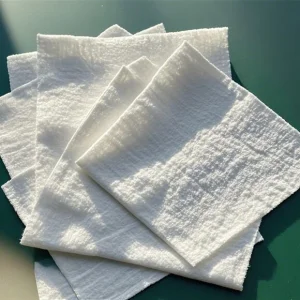
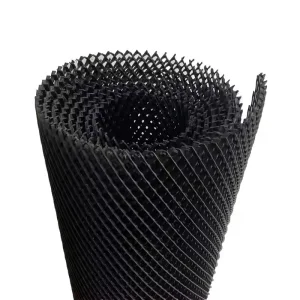
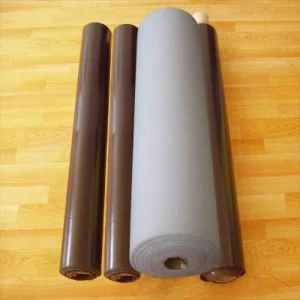
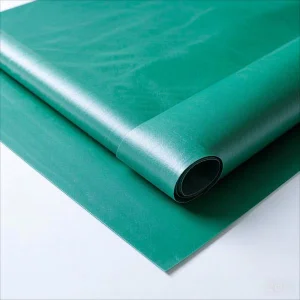
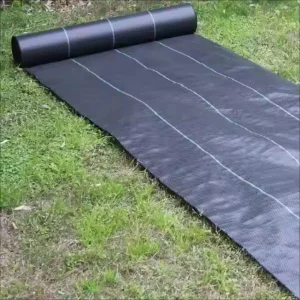
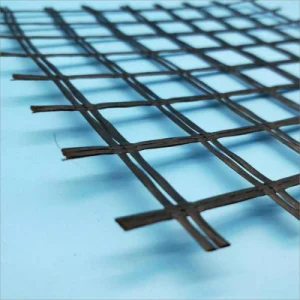
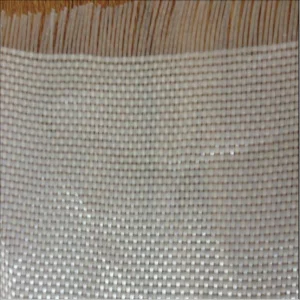
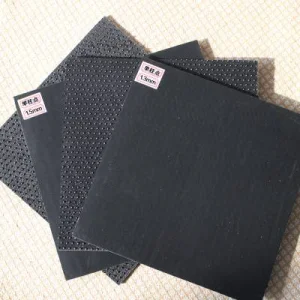
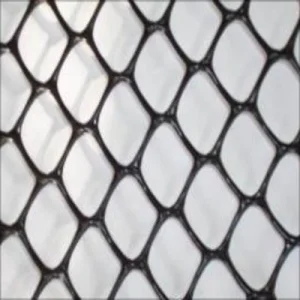
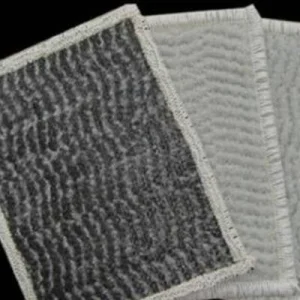
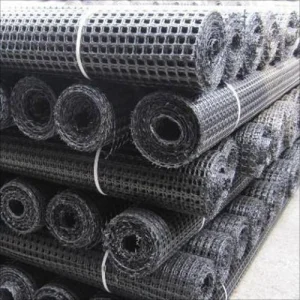
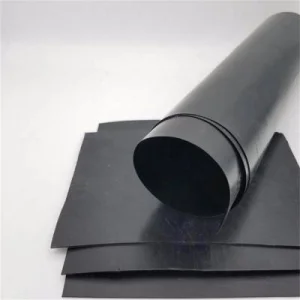
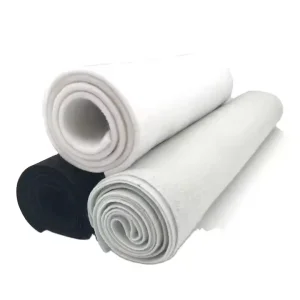
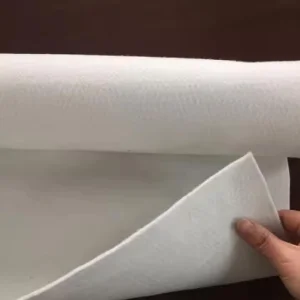
Explore our foundational line of high-performance geosynthetics. Engineered to provide exceptional filtration, separation, and containment strength for global infrastructure and structural applications.
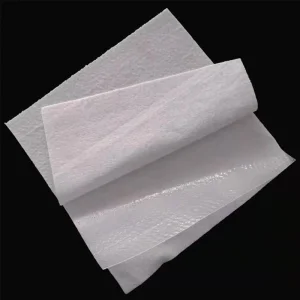
Located at the northern node of Fufeng Street, Lingcheng District, Dezhou City, Shandong Province, Shandong Hongyue Environmental Engineering Co., Ltd. is a high-tech geotechnical manufacturing enterprise integrating scientific research, material production, engineering design, global sales, and specialized installation services. Registered on April 6, 2023, with a registered capital of 105 million yuan, the company has quickly established itself as one of the largest state-of-the-art production bases for geosynthetics and geotechnical materials in China.
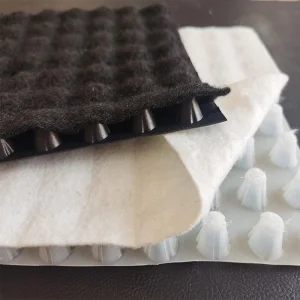
Our geographical location inside the Lingcheng District offers superior logistical convenience, linking our production facilities directly to international deep-water ports for prompt worldwide shipping. Since our founding, our business has experienced rapid expansion. Our key production capabilities cover a broad variety of materials including non-woven and woven geotextiles, geomembranes, composite geomembranes, waterproof boards, bentonite waterproof blankets (GCL), three-dimensional composite drainage nets, (composite) drainage boards, woven bags, ecological bags, cement blankets, fiber plant blankets, and flexible pervious pipes.
As a leading member of the Dezhou Geotextile Association, our high-quality products are backed by a professional sales force and an elite technical team. Our materials are broadly utilized in infrastructure networks, including municipal roads, national railways, hydraulic channels, artificial lakes, environmental landfill containment, aviation fields, tailing mines, and agricultural irrigation.
In modern civil engineering, the integration of gabion structures and geotextiles represents a highly effective, eco-friendly method for erosion control, soil reinforcement, and hydraulic management. Gabions—wire mesh baskets filled with rock—require a highly stable filtration layer beneath or behind them to prevent the escape of subgrade soil particles while permitting the free passage of water.
Prevents piping and fine particle migration. The customized pore size distribution (O90) of Hongyue geotextiles acts as a highly selective barrier, preventing soil erosion under high hydraulic gradients.
Withstands static and dynamic loads during gabion rock deployment. The high CBR puncture strength prevents mechanical tearing from sharp rocks.
Supports vegetation growth through soil-retention geotextiles, allowing plants to take root in the gabions and transforming hard infrastructure into natural bio-revetments.
Without a high-performance geotextile separating the gabion from the subgrade, water currents (wave actions, tidal cycles, or channel flow) wash away the fine supporting soils from behind the stone matrix. Over time, this leads to structural voids, shifting rock, and eventual collapse of the retaining wall or channel revetment.
Our state-of-the-art manufacturing plant utilizes the latest extrusion, needle-punching, and thermal-bonding technologies. Every batch of filament non-woven or woven geotextile is produced under strict raw material and processing standards to ensure optimal physical properties in the field.
High-purity polyester (PET) chips, polypropylene (PP) filament, and specialized viscose fibers are inspected and categorized in our laboratory. High-grade polymers are crucial to achieving long-term UV resistance, thermal stability, and chemical inertia.
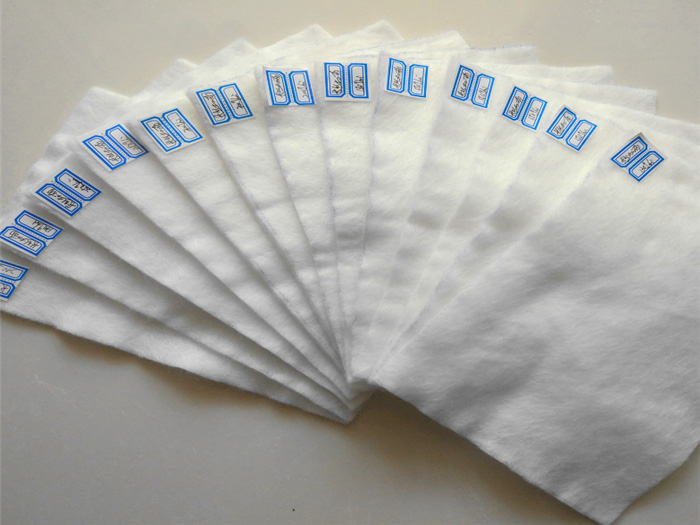
The polyester chips are melted under high pressure and temperature in our advanced screw extruders. They are extruded through spinnerets to form continuous filaments, which are laid down onto a distribution belt to form a uniform, multi-directional web structure.
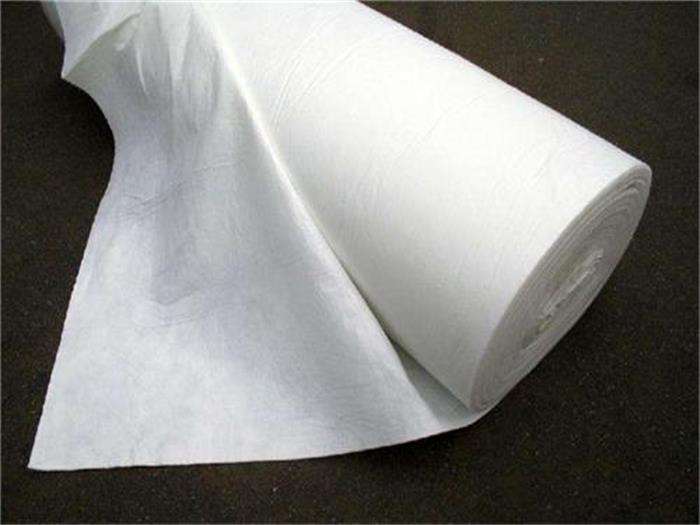
The fiber web undergoes mechanical needle-punching or thermal bonding to lock the filaments into a high-tensile fabric structure. After drawing and heat-setting, the geotextile is wound, measured, and packaged. We test every roll for tensile strength, elongation, hydraulic permeability, and puncture resistance before delivery.
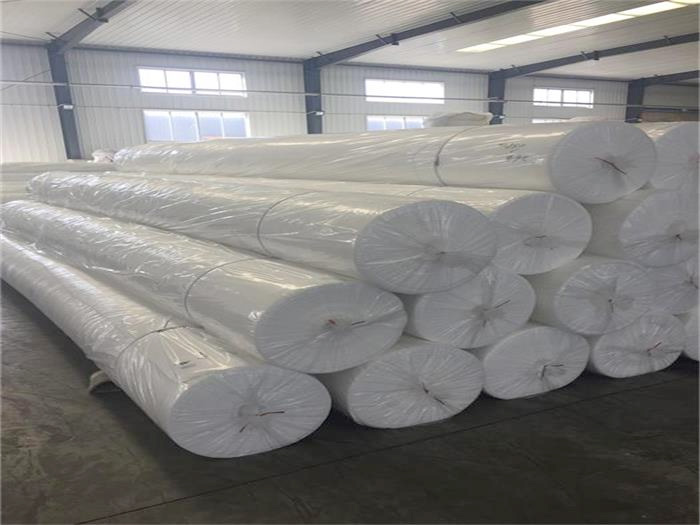
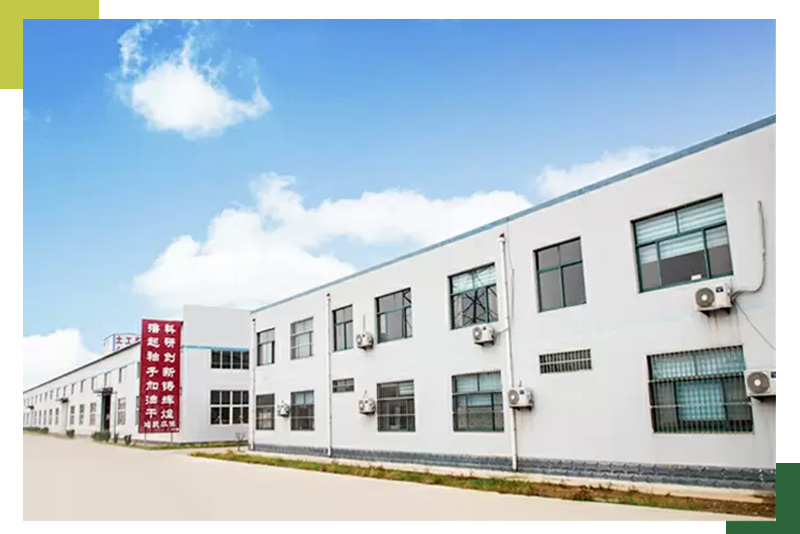
Spread over a modern industrial complex in Dezhou, Shandong Province, Shandong Hongyue’s manufacturing units host multiple heavy-duty production lines working 24/7. Our facilities feature advanced automation, clean room setups for composite geomembranes, and computerized inspection systems that flag any product deviations instantly.
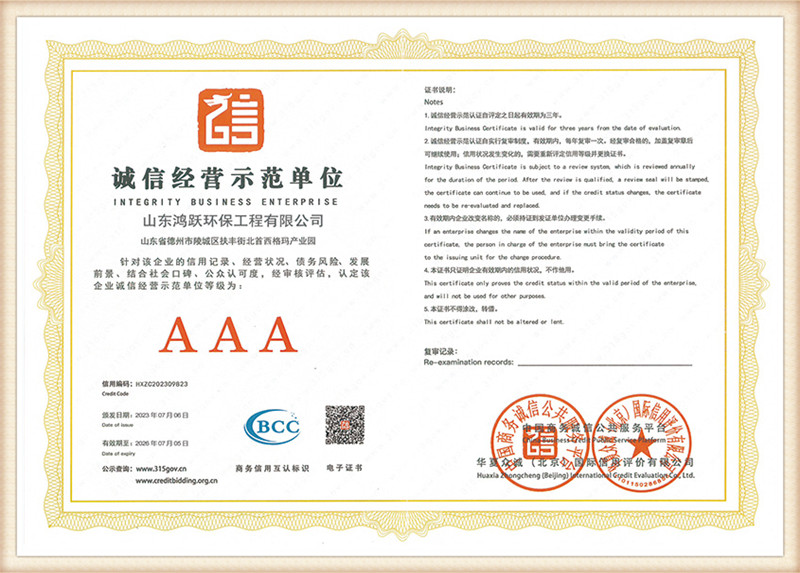
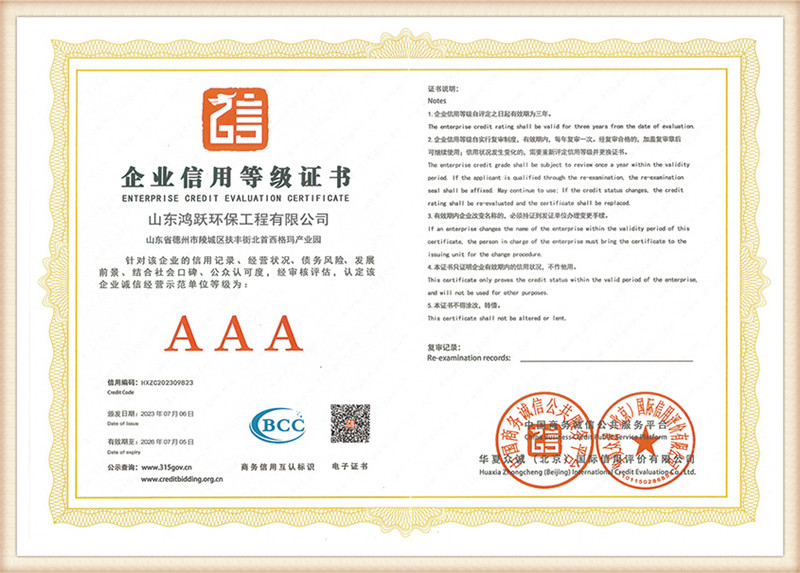
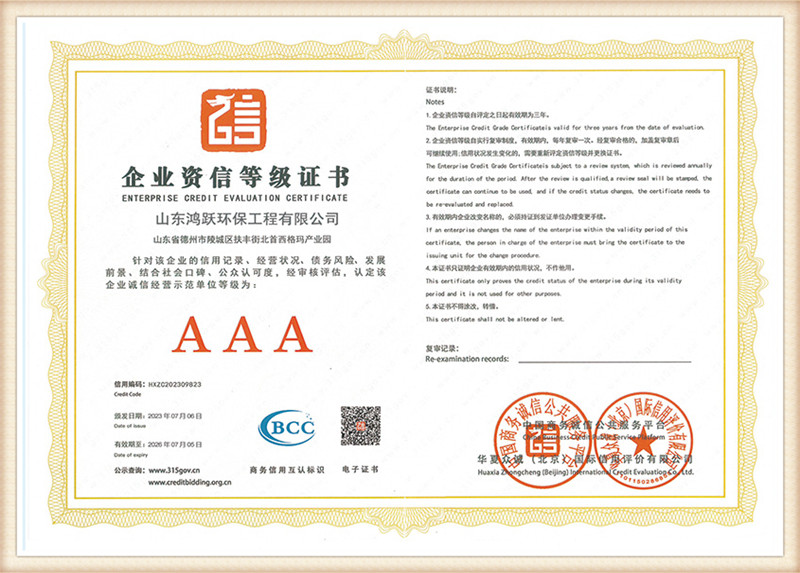
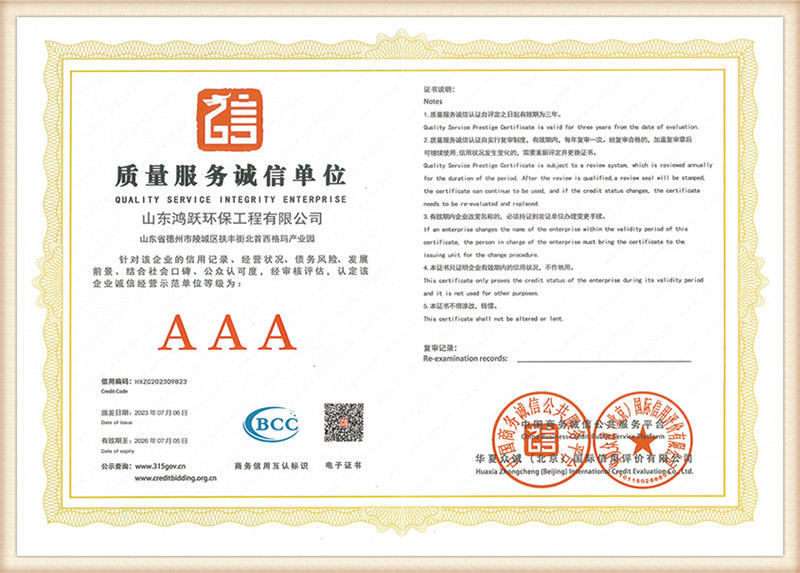
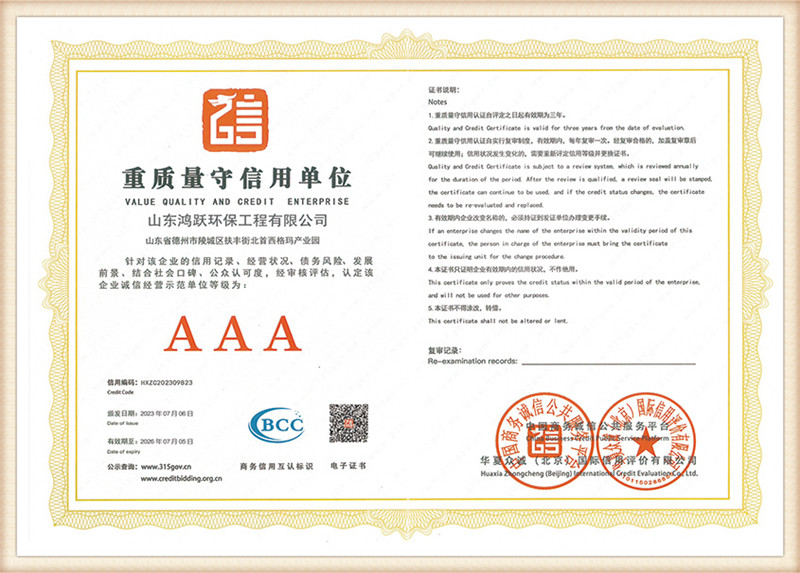
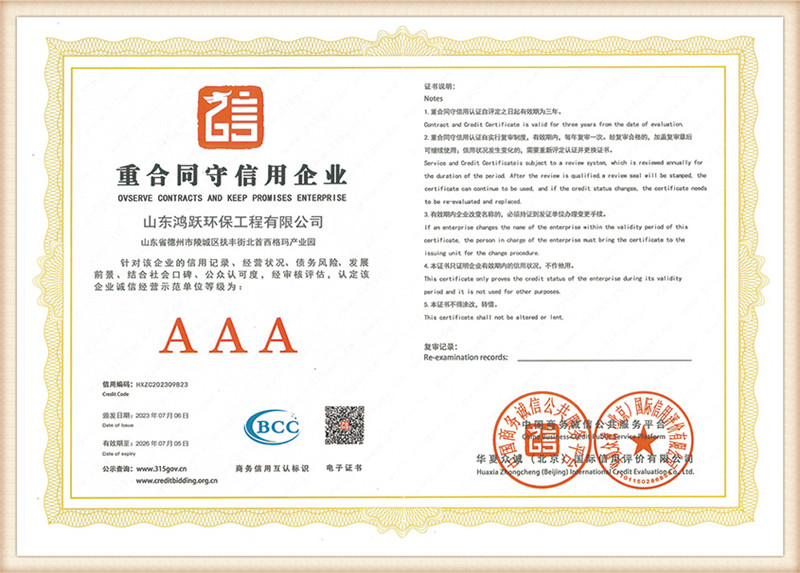
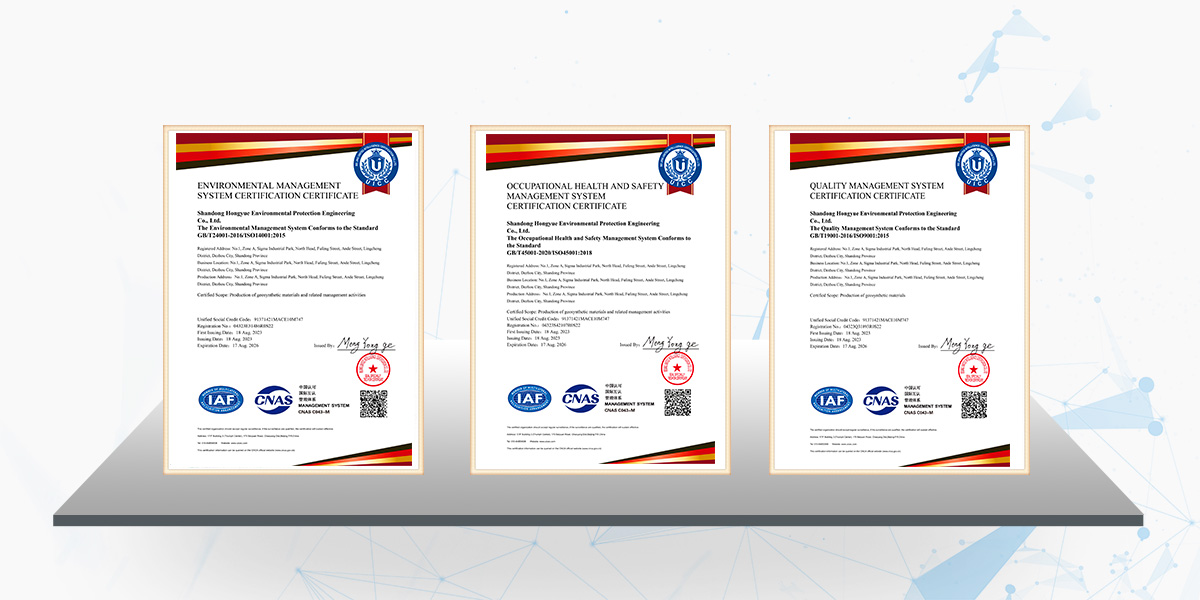
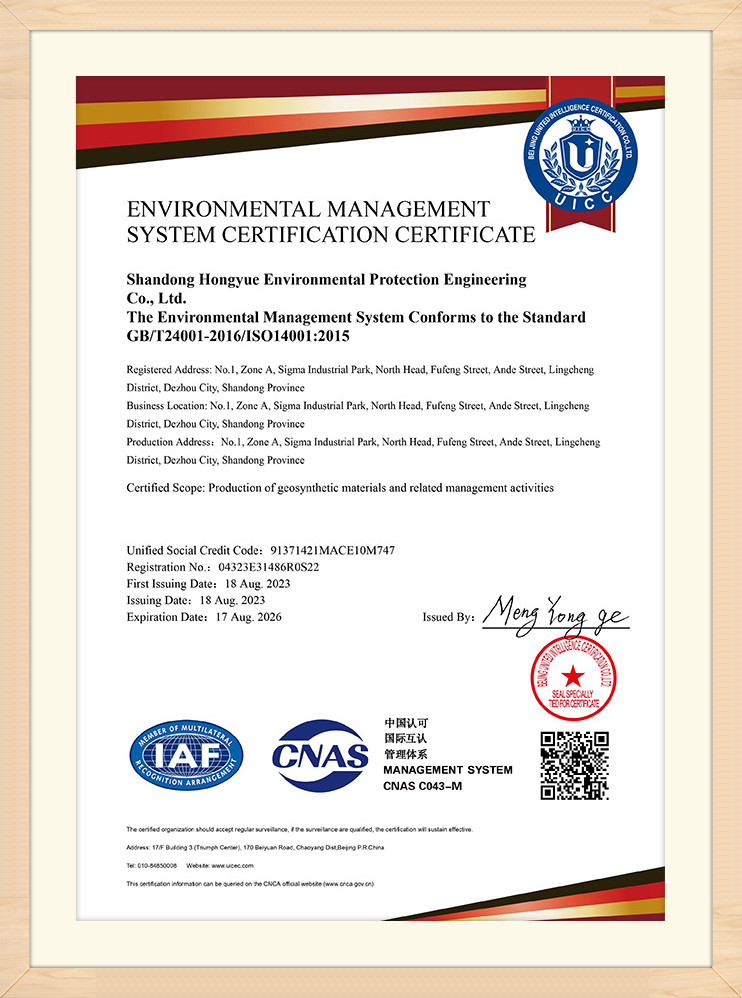
Quality is the lifeblood of geotechnical structures. Shandong Hongyue has built a complete, scientific management system. We have passed the ISO9001 International Quality Management System Certification, ISO14000 Environmental Management System Certification, and ISO45001 Occupational Health and Safety Management System Certification.
All materials produced by our factory meet or exceed ASTM, EN, and ISO international standards. Our materials have passed testing by the China National Testing Center, as well as regular quality supervision and random sampling inspections commissioned by the State Administration of Quality Supervision and Inspection.
Our company has won honors such as "Green and Environmentally Friendly Building Materials Products", "China Famous Brand", "High-Tech Industry", and "Quality Service Double Excellent Unit". These honors recognize our commitment to ecological responsibility and robust engineering performance.
From specialized containment liners to tensile geogrids, we manufacture a wide range of geosynthetics designed to solve complex environmental, civil, and hydraulic challenges.
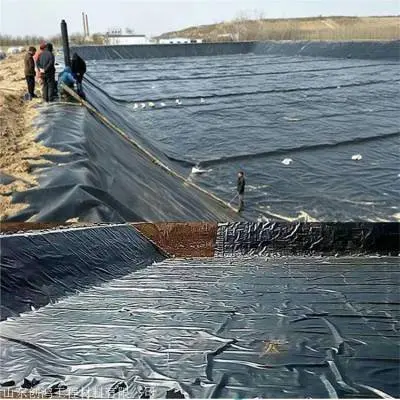
Excellent chemical resistance and low permeability for aquaculture containment.
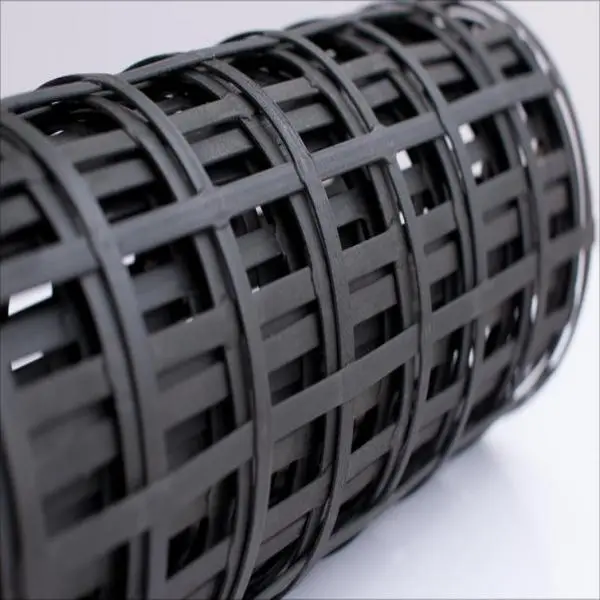
High tensile modulus reinforcement for soil embankments and heavy transport roads.
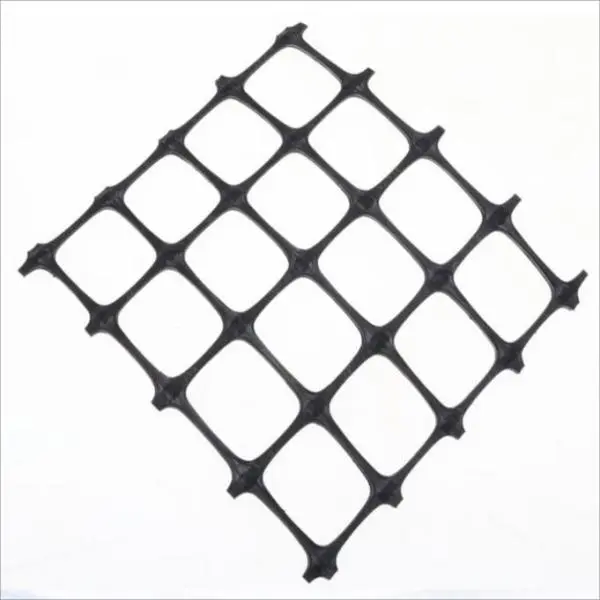
Biaxially oriented polymers providing superior bearing capacity and base confinement.
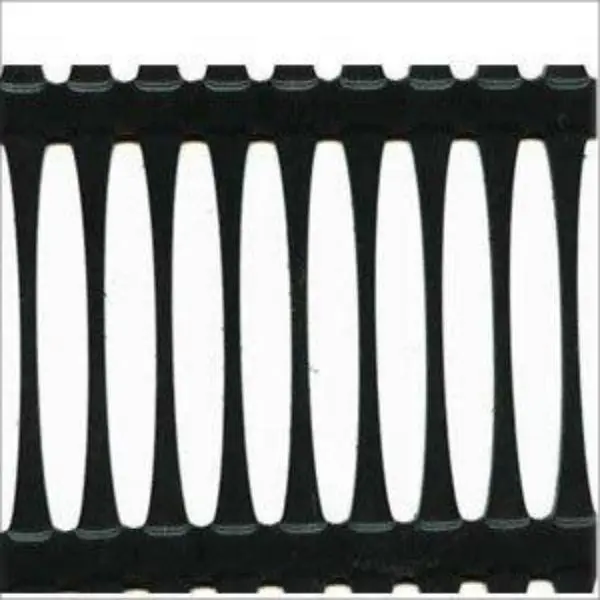
Optimized mechanical properties for heavy-duty retaining walls and bridge abutments.
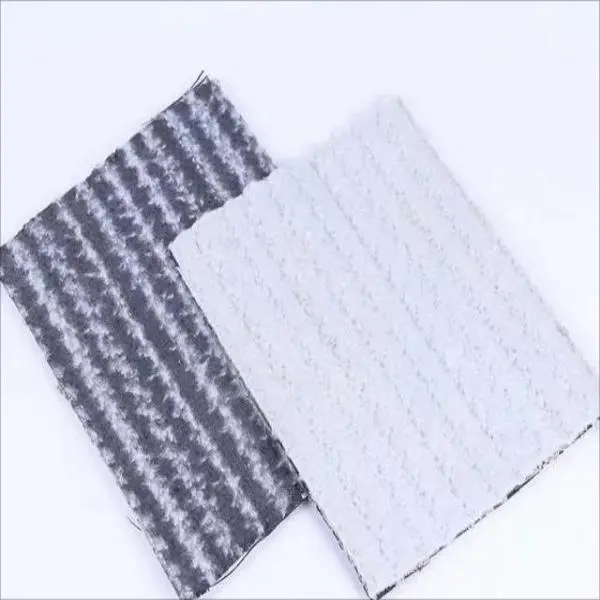
Rapid-curing composite concrete layer for fast channel linings and slope protection.
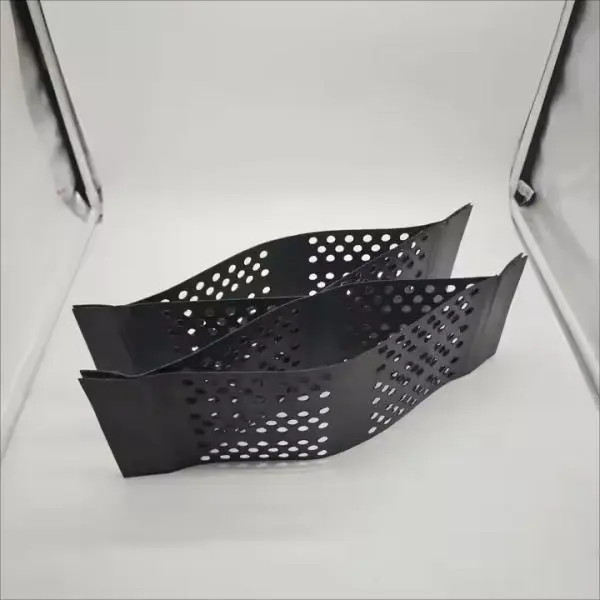
Three-dimensional honeycomb cells to stabilize loose sands and prevent severe erosion.
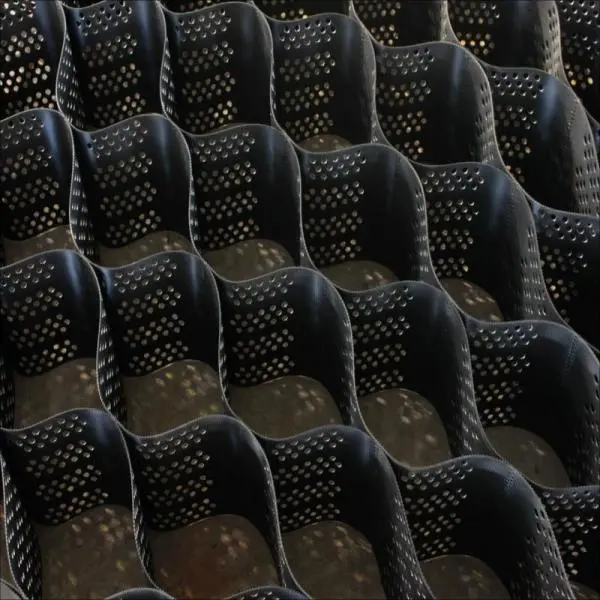
Strong ultrasonic-welded PE walls designed for heavy slope protection and subgrade stabilization.
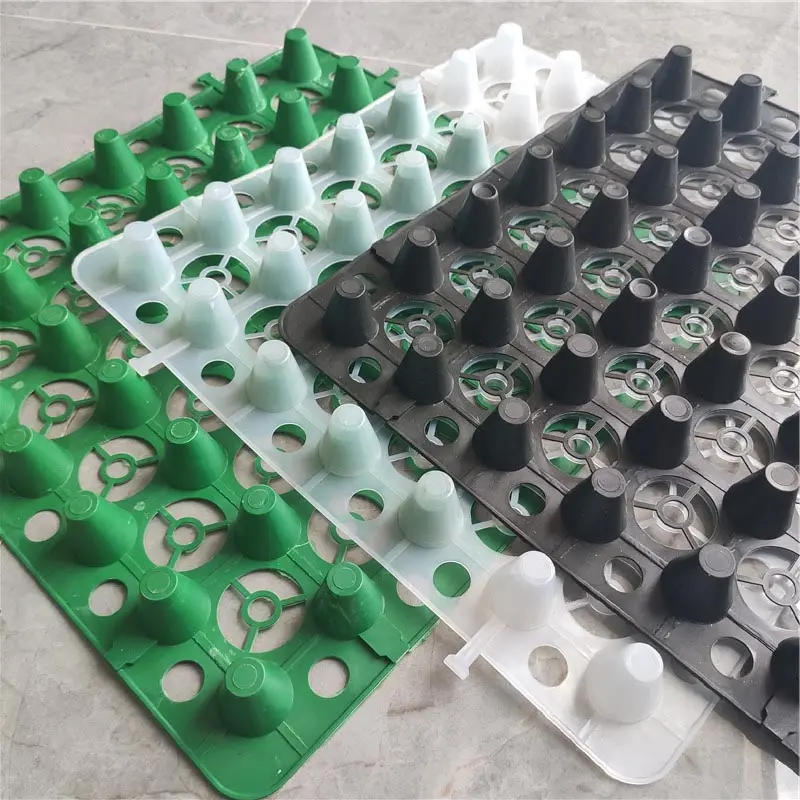
High compressive strength core designed for urban green roofs and sub-grade structures.
Deploying geomembranes and geotextiles correctly requires matching site-specific parameters with the right installation techniques. When sealing landfills, reservoirs, or chemical containment zones, a dual-layer setup (geomembrane protected by geotextile) is the industry standard to ensure longevity.
Before laying the liners, the subgrade must be compacted and cleared of sharp rocks, roots, or debris. A smooth base prevents physical punctures in the barrier.
To ensure complete impermeability, geomembrane panels must be welded using hot-wedge or extrusion welding. Seams should be tested using air-pressure or spark tests.
A heavy-duty non-woven geotextile should be placed over the geomembrane before placing backfill. This cushions the liner against damage from soil compaction.
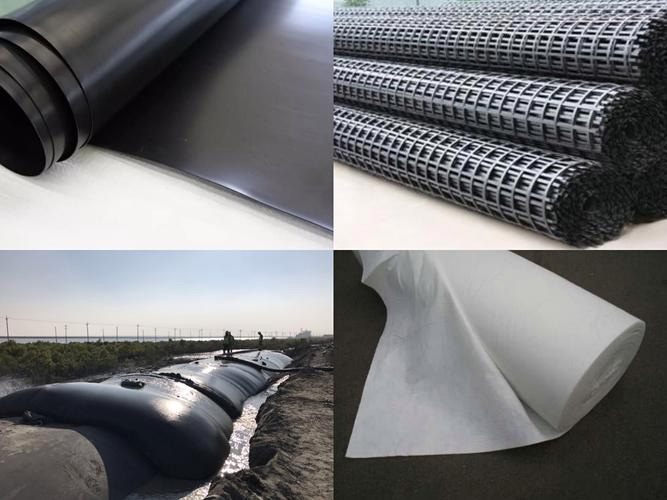
Our geocomposite barriers are designed to prevent groundwater contamination and stabilize slopes across various environmental and infrastructure projects. Here are our four core application areas:
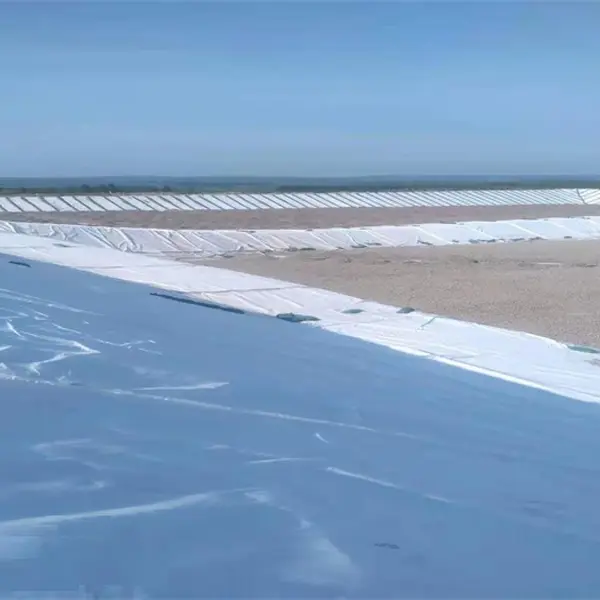
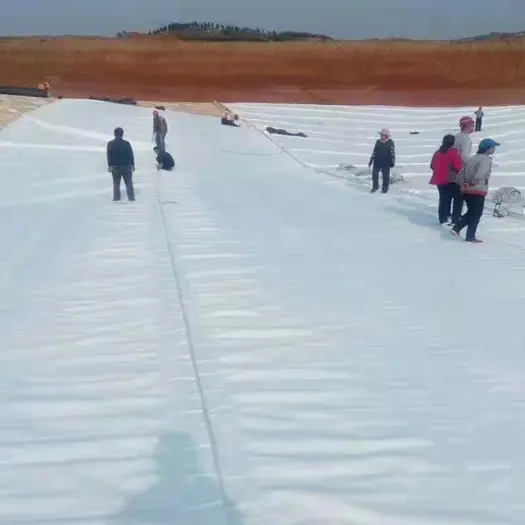
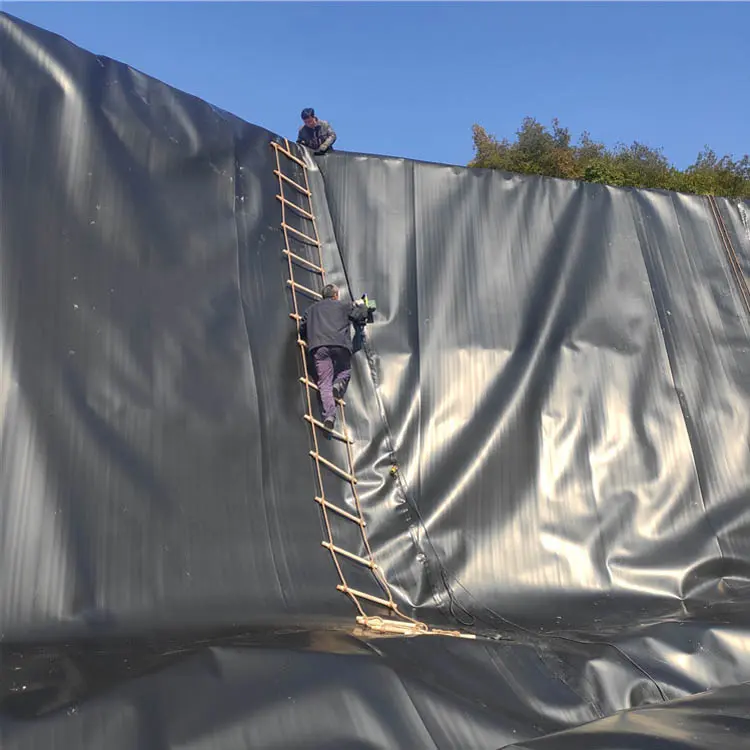
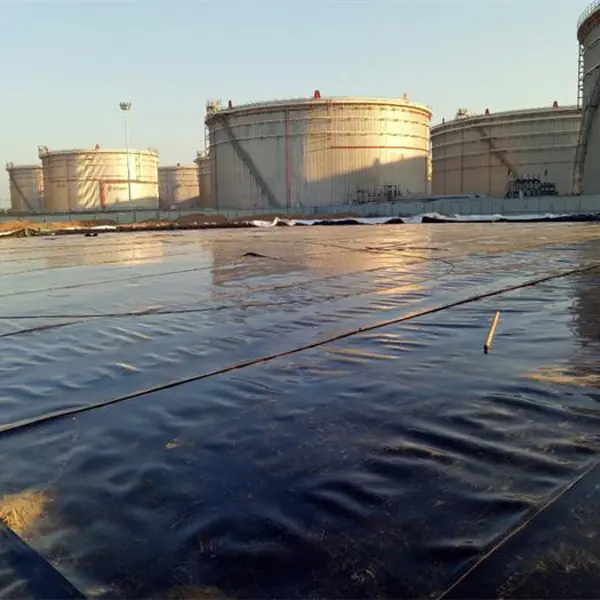
Reservoirs built in complex geology require reliable liners to prevent seepage into the subgrade. Using continuous filament geotextiles in tandem with HDPE geomembranes forms a stable barrier that safeguards water resources and prevents slope instability.
In river remediation and levee restoration, geomembranes are used to reinforce embankments. High river flows and changing tides can wash away supporting soil, causing structural hollows and failures. Geotextile filters allow water to drain freely while holding the soil matrix in place under gabion structures.
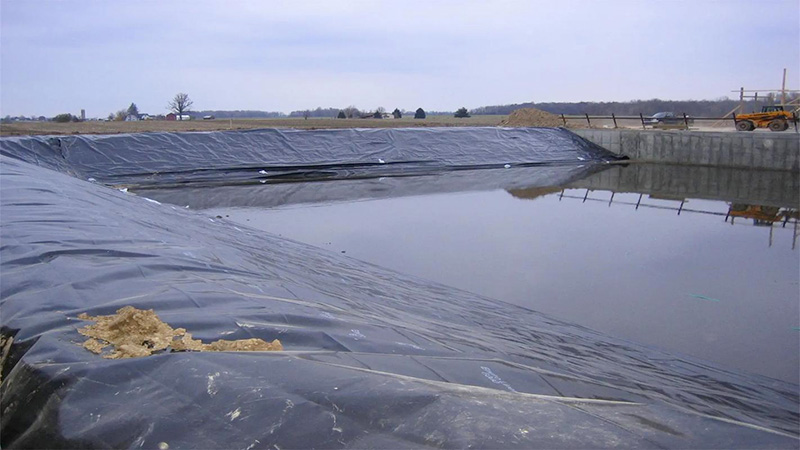
In gabion revetments, the geotextile must perform two key functions: filtration and separation. The design is governed by the relation between the soil's particle size distribution and the geotextile's pore size distribution ($O_{90}$).
To prevent piping, the geotextile’s opening size must be small enough to retain the soil particles. Standard engineering rules state that the $O_{90}$ of the geotextile should be smaller than or equal to the $d_{85}$ of the protected soil (where 85% of the soil particles are smaller than $d_{85}$).
At the same time, the geotextile must remain highly permeable to prevent water pressure from building up behind the wall. The permeability of the geotextile ($k_g$) should be at least ten times higher than that of the subgrade soil ($k_s$).
Unlike woven monofilaments, needle-punched non-woven geotextiles offer a complex, three-dimensional pore structure. This structure mimics natural soil filters, providing high flow rates while trapping fine particles.
This three-dimensional network also resists clogging by allowing fine particles to rest against the fiber path without blocking water flow.
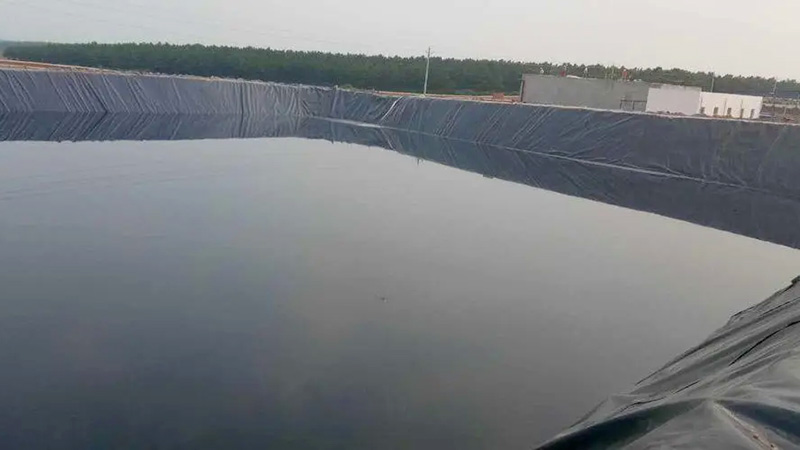
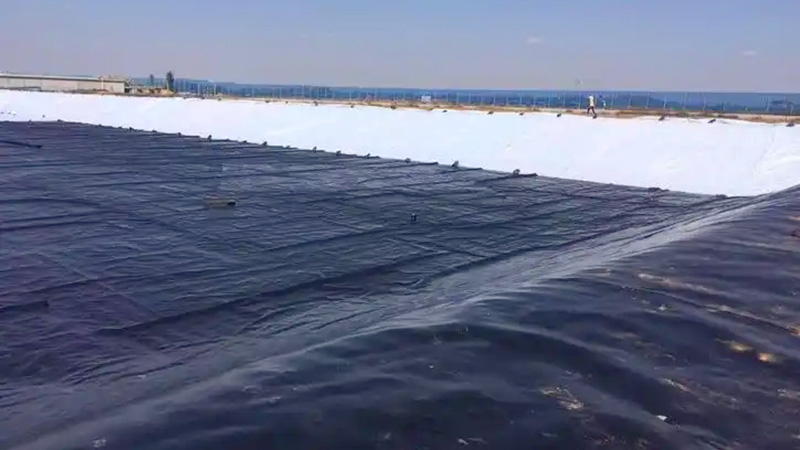
Shandong Hongyue is investing in research to develop next-generation geosynthetics. Our technical roadmap focuses on two main areas of innovation:
Integrating optical fibers directly into the geotextile structure to monitor soil strain, settlement, and internal temperature in real time. This provides early warnings for potential slope failures.
Developing biodegradable PLA/PHA geotextiles for temporary erosion control. These materials stabilize slopes during vegetation establishment and naturally decompose without leaving microplastics behind.
Formulating advanced masterbatches with hindered amine light stabilizers (HALS) to extend the service life of exposed geotextiles in high-UV environments like Australia and the Middle East.
Find answers to common technical and installation questions regarding geotextiles used in gabion and hydraulic systems.
Explore our secondary line of specialized containment, drainage, and slope protection products. Engineered for demanding industrial and civil projects.
 Hongyue