Modern concrete engineering is highly dependent on environmental parameters. When the ambient temperature falls below 5°C (41°F), the chemical process of cement hydration slows down dramatically. Without protective measures, the moisture within the concrete matrix can freeze, causing a 9% volume expansion that permanently fractures the delicate crystalline microstructure, rendering the final structure physically compromised.
To prevent early-age frost damage, ACI 306R (Cold Weather Concreting) mandates the maintenance of concrete curing temperatures above critical thresholds for a minimum specified period. Here, Custom Insulated Tarps for Concrete serve as the ultimate defensive barrier. They do not merely isolate the surface; they systematically manage the concrete's internal heat of hydration, creating a controlled Micro-Climate.
By working with specialized exporters, global contractors can tailor the insulation parameters—specifically the thermal resistance, or R-Value, and vapor-barrier configurations—to the precise wind velocities, temperature ranges, and dimensional requirements of their local jobsites.
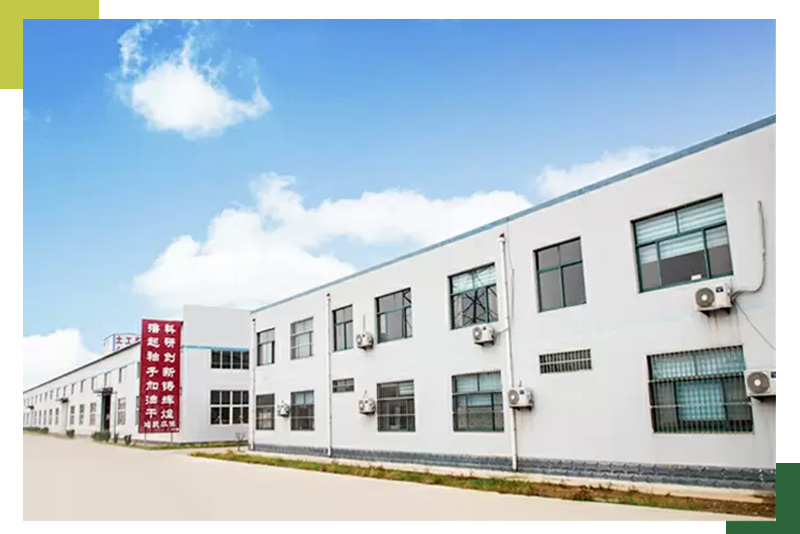
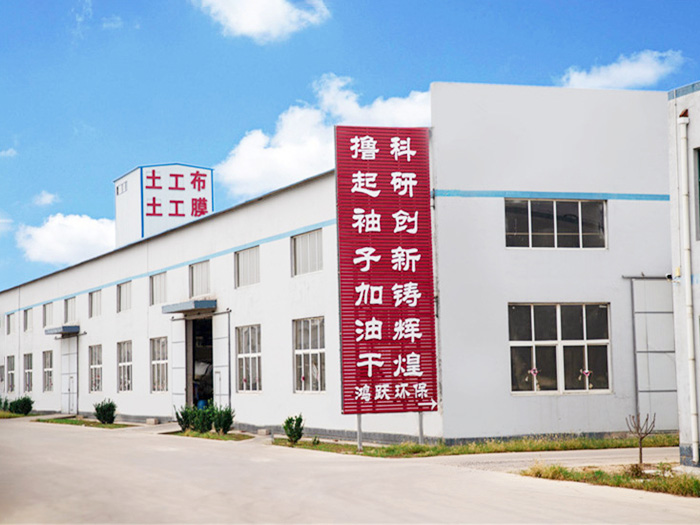
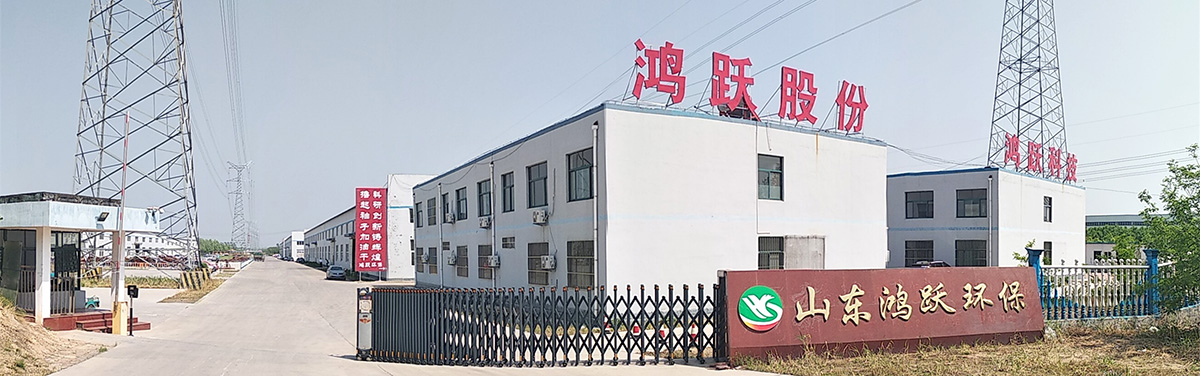
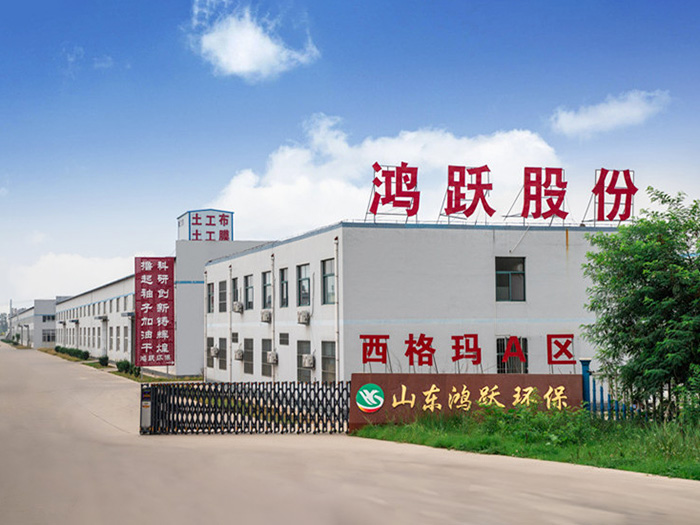
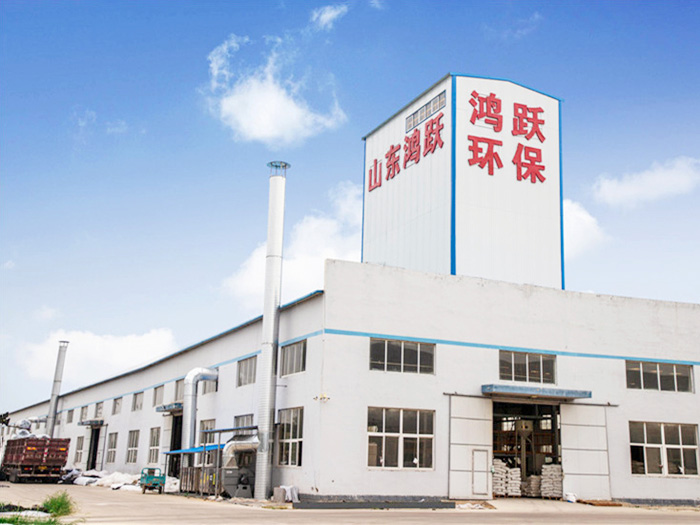
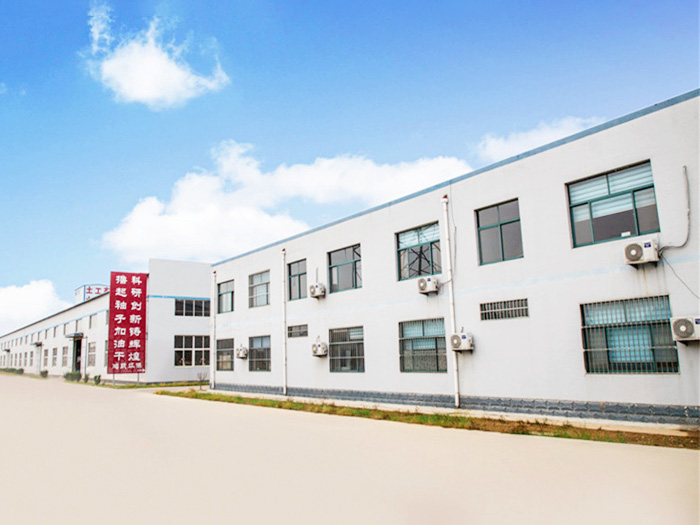
Shandong Hongyue Environmental Engineering Co., Ltd., based in Lingcheng District, Dezhou, Shandong Province, provides customized high-performance geotechnical and protective materials. With a registered capital of 105 million yuan, our industrial facility is engineered to provide massive manufacturing scalability.
Different regions present unique meteorological constraints. Understanding the micro-climates of distinct project environments helps exporters design the ideal tarps.
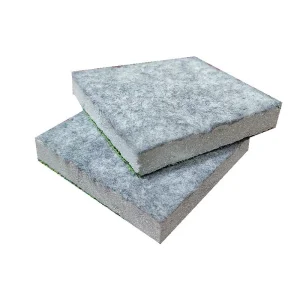
In regions such as the Midwest US and Canada, bridge deck paving and municipal foundations frequently undergo sub-zero pours. Custom tarps here require high R-value closed-cell polyethylene foam (R > 4.0) protected with heavy-duty outer woven poly to survive repeated dragging over rough concrete surfaces and rebar.
In Coastal Norway, Sweden, or Denmark, the primary challenges are moisture infiltration and high coastal wind speeds. Exported tarps for these maritime operations must incorporate a reinforced vapor barrier with high hydrostatic pressure resistance, alongside heat-sealed grommets for securing wind ties.
Wind turbine foundation concrete in high-altitude regions undergoes extreme diurnal temperature swings. The thermal stress between the massive interior concrete core and the freezing ambient air can lead to severe thermal cracking. Custom tarps provide optimal heat preservation, dampening the temperature gradient.
As the global construction sector pushes for decarbonization and enhanced digital integration, protective concrete curing blankets are undergoing significant technical evolutions.
Future curing setups integrate wireless temperature sensors embedded inside the tarp lining. These sensors feed real-time structural health telemetry directly to cloud-based monitoring software. Engineers can track concrete temperature gradients continuously, ensuring compliance with specifications without lifting the blanket.
Next-generation thermal protection incorporates PCM layers that store latent heat during the peak of the exothermic hydration cycle and release it back to the concrete surface as ambient temperatures plunge at night. This self-regulating thermal cycle optimizes concrete strength development.
To address plastic waste, manufacturers are developing polyurethanes and polyethylene skins from post-consumer recycled ocean plastics. These circular polymer systems are treated with non-toxic UV retarders to ensure longevity while supporting international LEED and green building designations.
Double-sided curing blankets with aluminized outer layers reflect solar radiation, helping to manage concrete temperatures in warm climates where excessive heat can lead to structural defects. This feature makes the tarps highly versatile across varying seasons.
Shandong Hongyue Environmental Engineering Co., Ltd., located in the Lingcheng District of Dezhou, Shandong Province, leverages extensive regional manufacturing advantages to support global infrastructure developments.
As a leading production base for geotechnical materials in China, Shandong Hongyue integrates engineering design, material production, and import/export capabilities. Our location near major domestic transportation corridors facilitates efficient logistics and timely delivery to international ports.
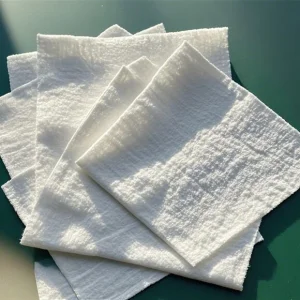
With a registered capital of 105 million yuan, the company operates advanced manufacturing equipment capable of handling large-scale orders for geotextiles, geomembranes, composite materials, drainage boards, and customized concrete insulated tarps. Our production systems are supported by a skilled technical and engineering team with years of project experience.
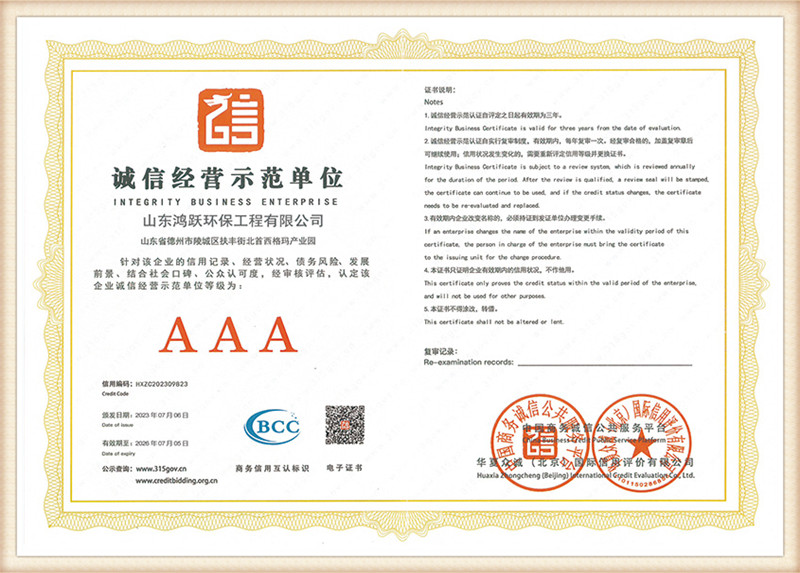
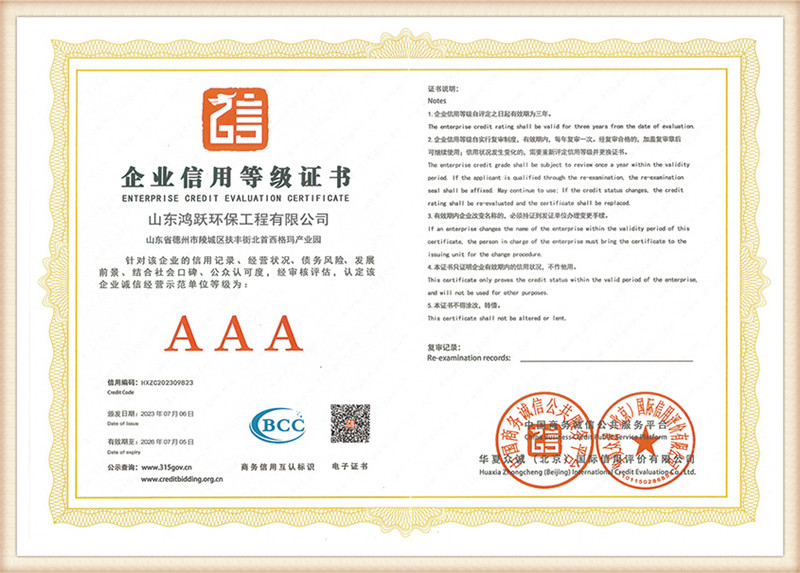
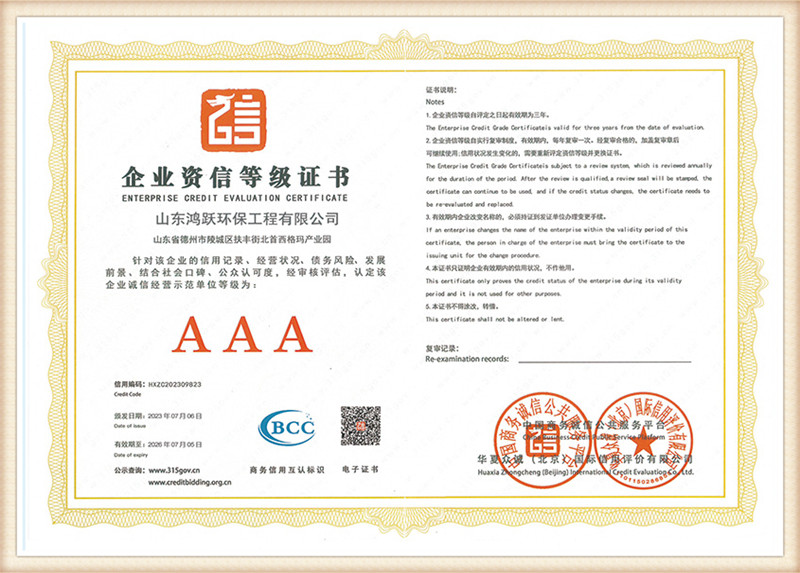
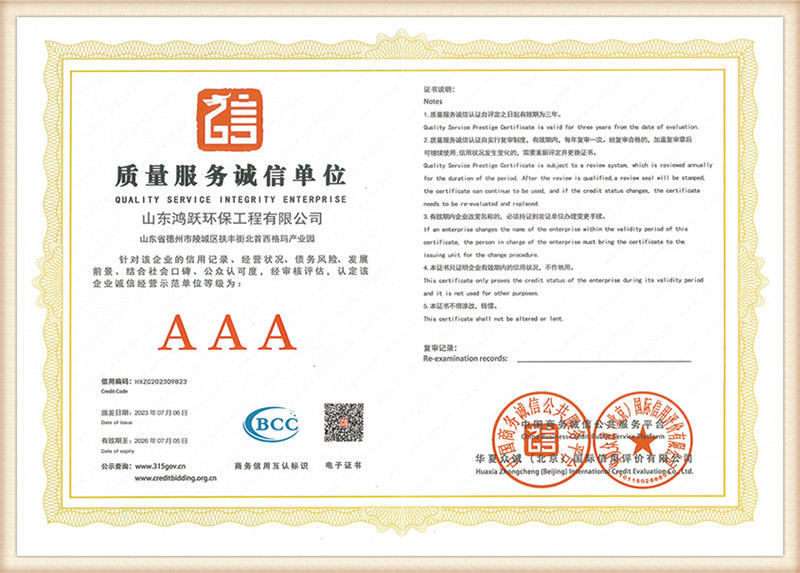
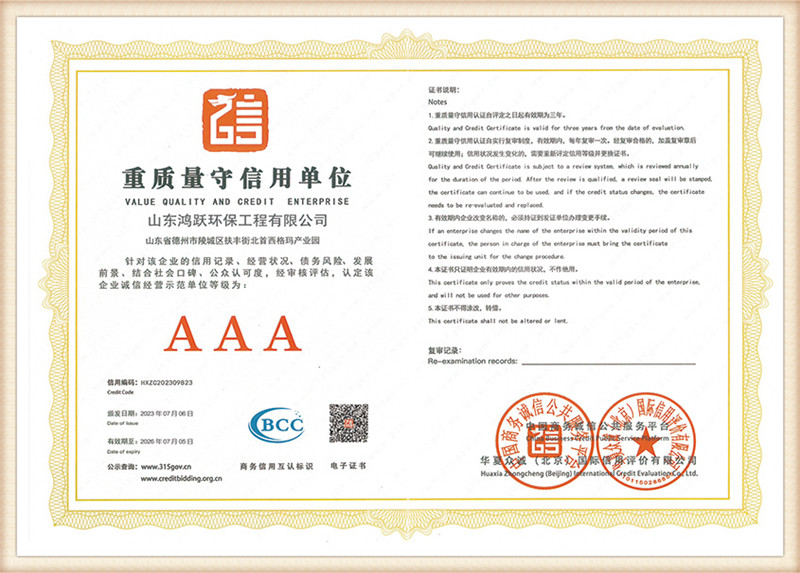
Quality assurance starts with precise raw material handling. The geotextile and protective material production process at Shandong Hongyue relies on advanced extrusion and curing technology.
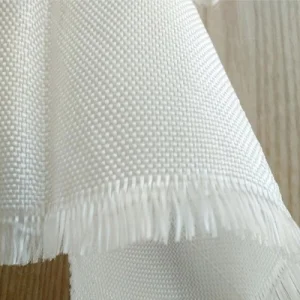
We use high-grade polyester chips, polypropylene filament, and viscose fibers. All raw materials undergo rigorous chemical and mechanical properties verification before processing.
Polyester chips are melted at high temperatures and extruded through a screw extruder, where polypropylene filaments and viscose fibers are mixed under precise pressure controls.
The molten mixture is sprayed through spinnerets, forming a structured fiber web on a moving conveyor belt with uniform thickness and alignment.
The layered web is treated through a thermal-mechanical draft curing system to achieve the high tensile strength and dimensional stability needed for rough construction sites.
Finished materials are measured for width and length, cut to specification, and securely wrapped in heavy-duty protective covers for international transport.
Every production batch is tested for tear resistance, thermal properties, puncture resistance, and hydrostatic performance to ensure alignment with national and international norms.
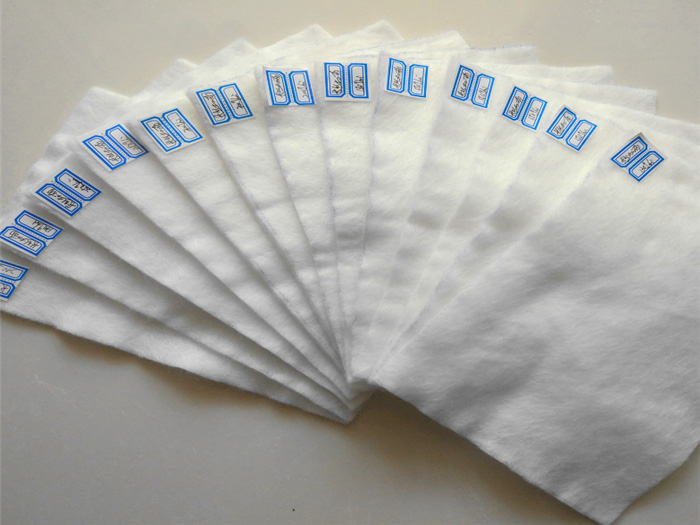
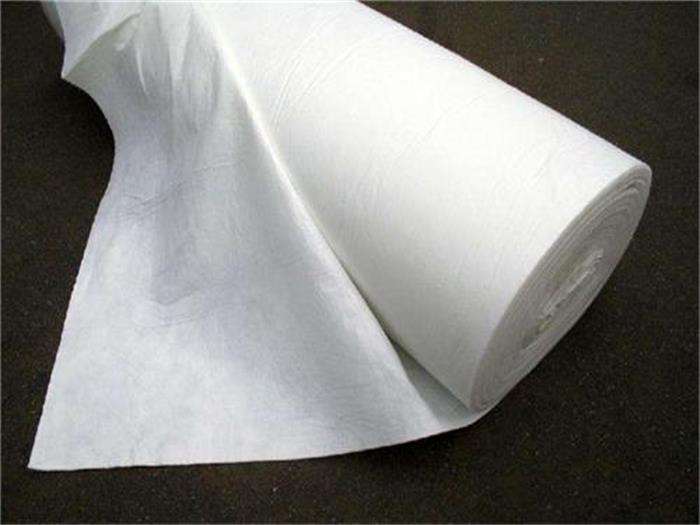
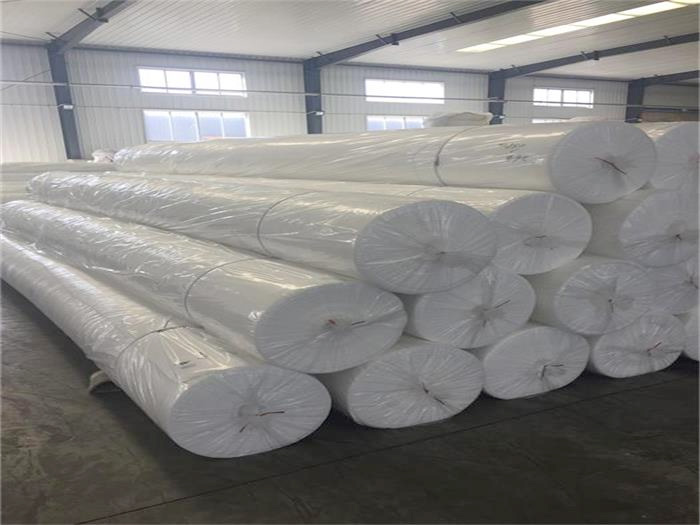
Our modern manufacturing facilities operate continuous production lines, utilizing high-precision controls to maintain material quality across large orders.
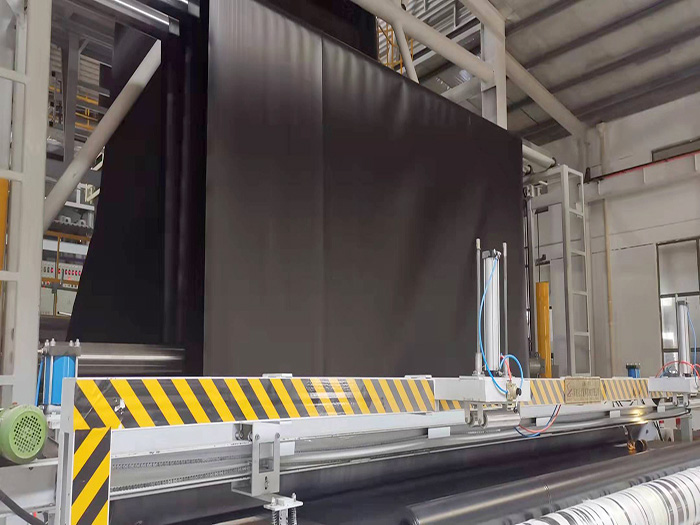
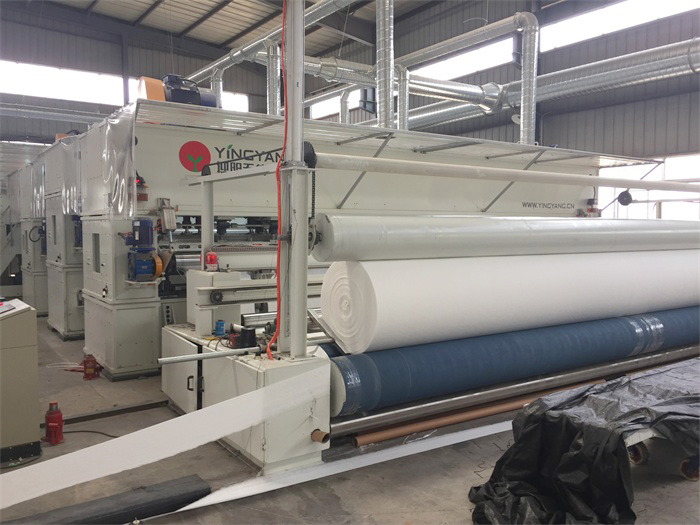
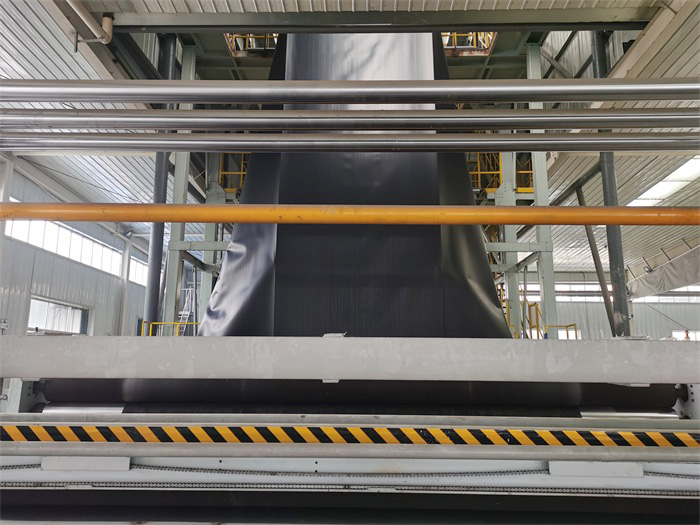
To meet standard requirements in international construction markets, geotextile and curing blankets are tested against common mechanical standards.
| Material Class | Common Standard Ref. | Nominal Thickness Range | Grab Tensile Strength | Thermal Resistance (R-Value) | Core Application |
|---|---|---|---|---|---|
| Lightweight Poly Curing Tarp | ASTM C171 / ASTM C156 | 0.3mm to 1.5mm | ≥ 350 N | 1.0 - 2.0 | Mild winter moisture preservation |
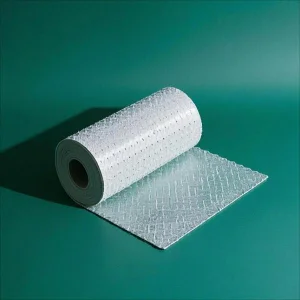
| Medium Heavy Insulated Blanket | ACI 306R / ASTM C171 | 4.0mm to 8.0mm | ≥ 800 N | 3.5 - 5.5 | General highway and bridge deck curing |
| Arctic Grade Closed-Cell Tarp | ACI 306R (Sub-Zero Class) | 10.0mm to 20.0mm | ≥ 1400 N | ≥ 7.5 | Wind power foundations in extreme cold |
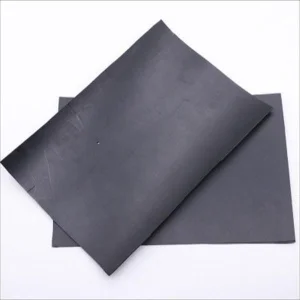
| Anti-Seepage Geomembrane | ISO 9001 / CE Certified | 0.3mm to 2.0mm | N/A (Elongation ≥ 700%) | N/A | Hydraulic engineering & pond anti-seepage |
Geomembranes are used in anti-seepage, isolation, and reinforcement projects. Successful installation depends on material selection, surface preparation, and joint treatment.
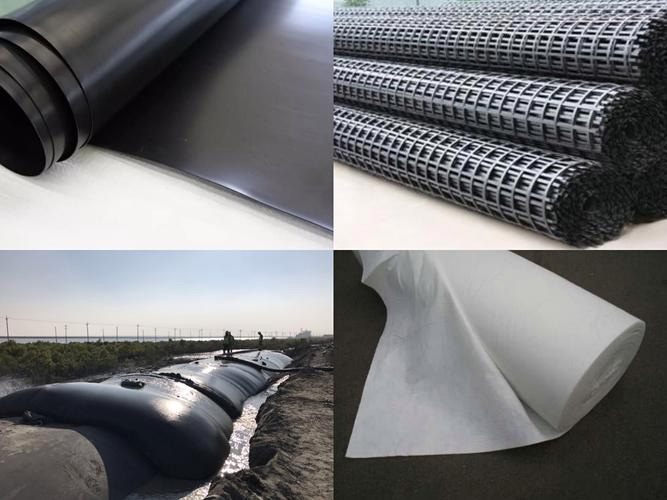
Shandong Hongyue designs environmental solutions for hydraulic structures, landfills, and civil works.
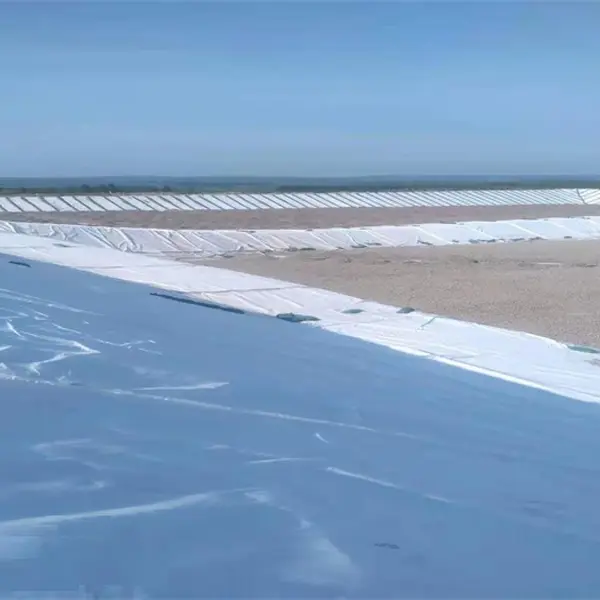
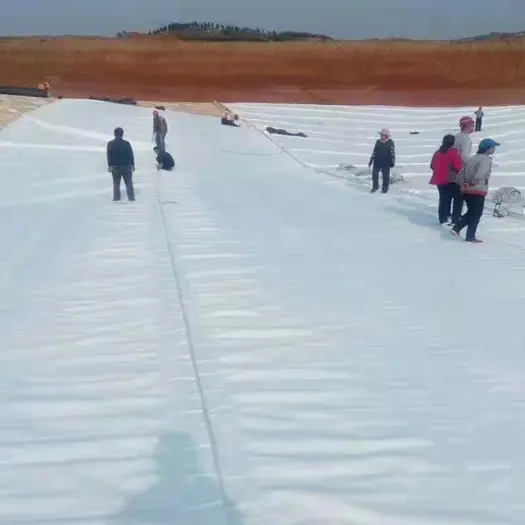
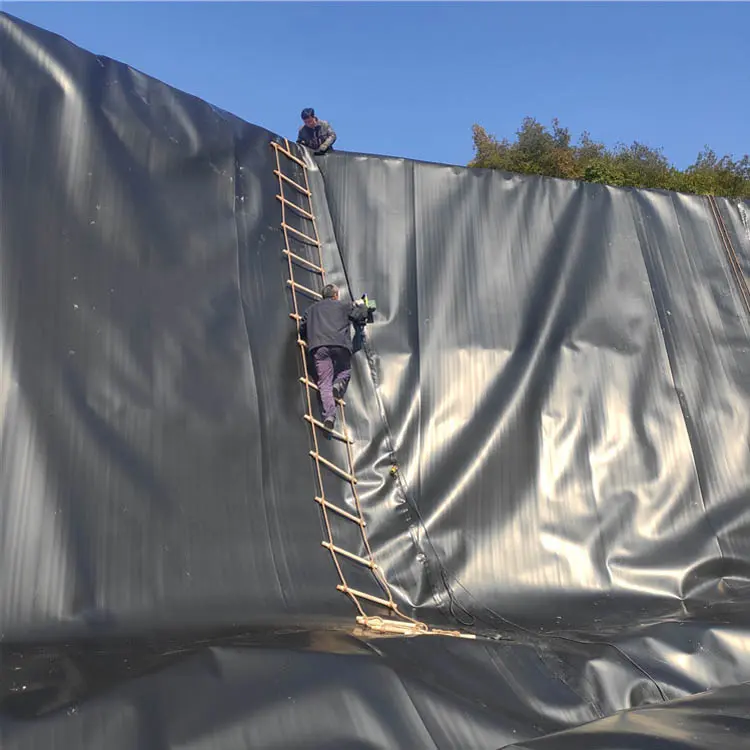
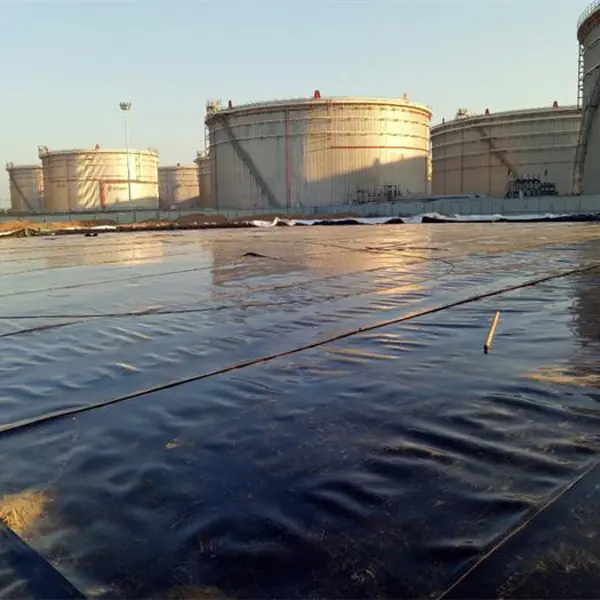
Shandong Hongyue operates localized test labs to verify material performance before shipment.
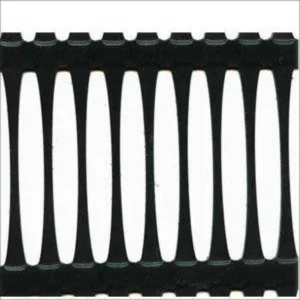
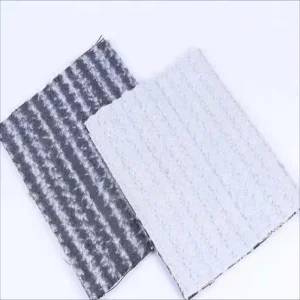
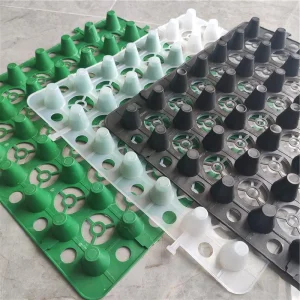
Our facility produces geotextiles, geomembranes, composite materials, waterproof boards, bentonite blankets, drainage networks, stop-water components, and permeable pipes. These products support integrated systems for anti-seepage, containment, reinforcement, and drainage applications.
Quality control is supported by testing equipment that monitors physical strength, environmental stress crack resistance, and thermal profiles. All products undergo regular national quality sampling inspections and carry CE markings for global supply.
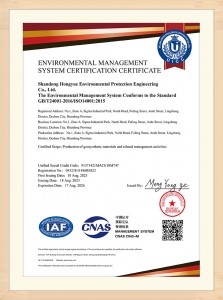
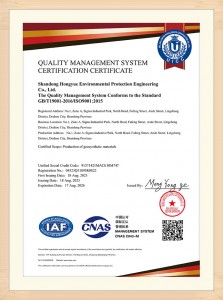
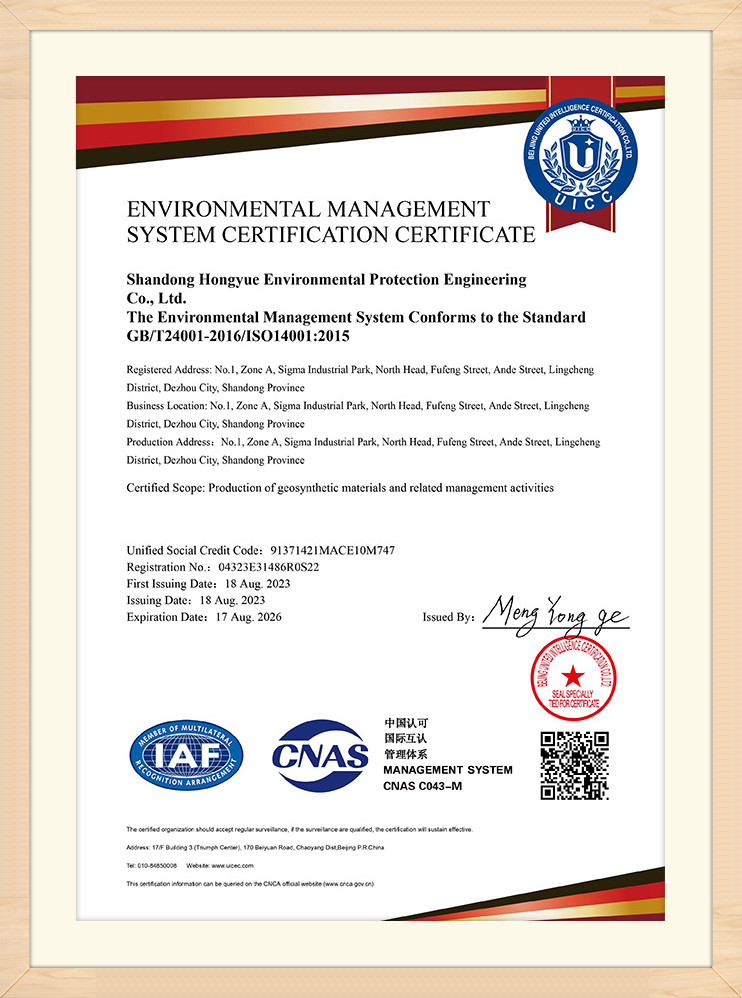
Hongyue geosynthetics and protective materials are applied across water conservancy, environmental containment, transportation infrastructure, and industrial foundations.
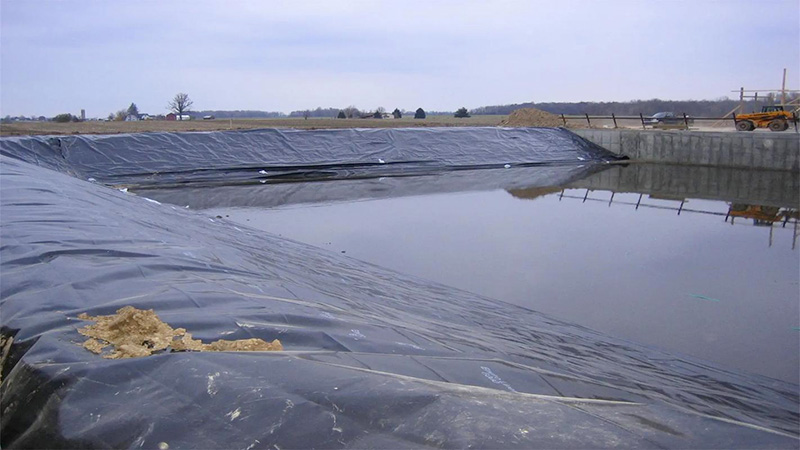
Laying geomembranes on prepared reservoir subgrades prevents localized seepage through jointed rock, ensuring long-term containment stability.
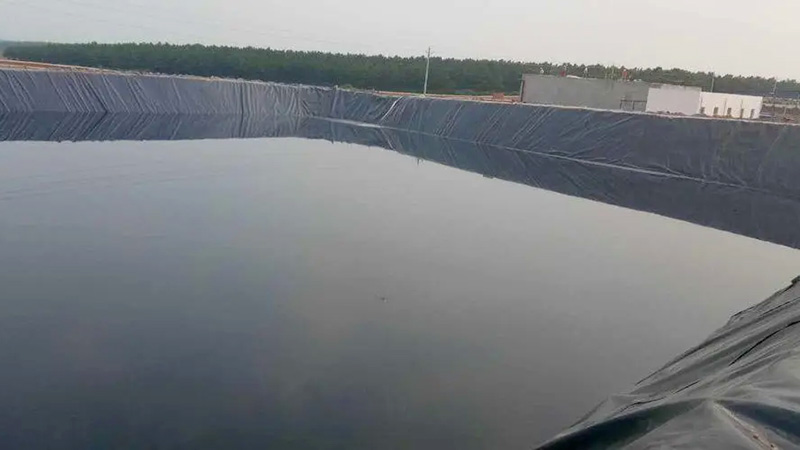
Geomembrane layers reinforce soil structures against high-water events, protecting downstream areas from piping failure.
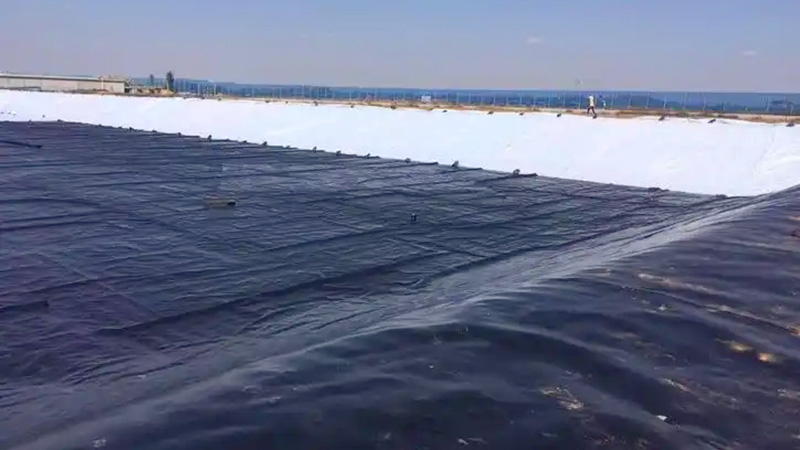
Using geomembranes in urban river channels manages water loss, supports ecological stability, and prevents bank erosion.
Explore detailed technical answers regarding custom insulated curing tarps, export logistics, and installation requirements.
 Hongyue