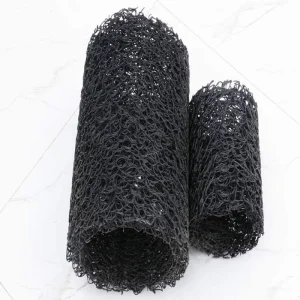
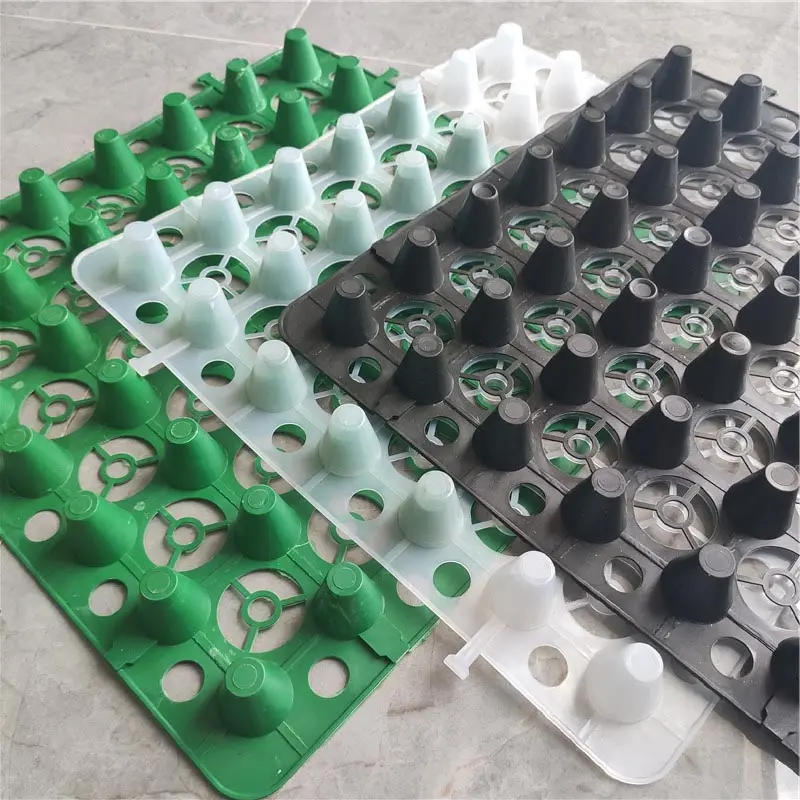
Advanced structural stabilization solutions manufactured to rigorous global specifications
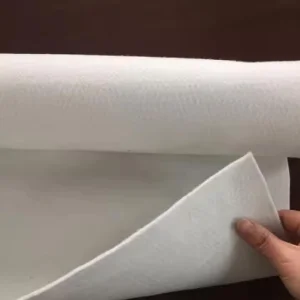
In modern civil engineering, subgrade stabilization remains a paramount challenge. Unpaved roads, highway bases, heavy-haul routes, and railway ballasts subjected to cyclical dynamic loads undergo structural degradation due to lateral aggregate migration. Standard aggregate layers, when compacted directly over soft subgrades, suffer from particle displacement under wheel loads. This leads to deep rutting, localized shear failures, and shortened asset lifecycles.
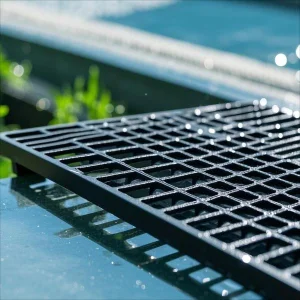
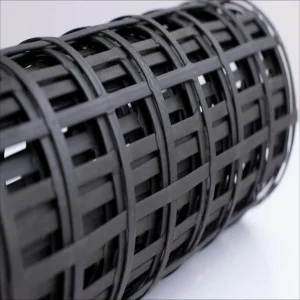
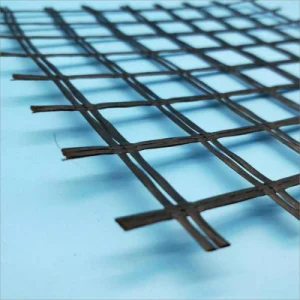
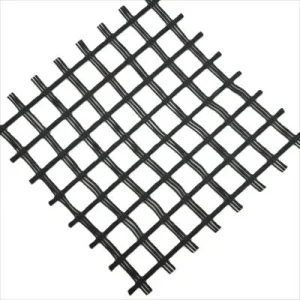
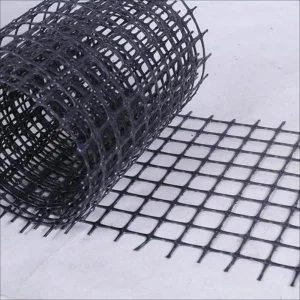
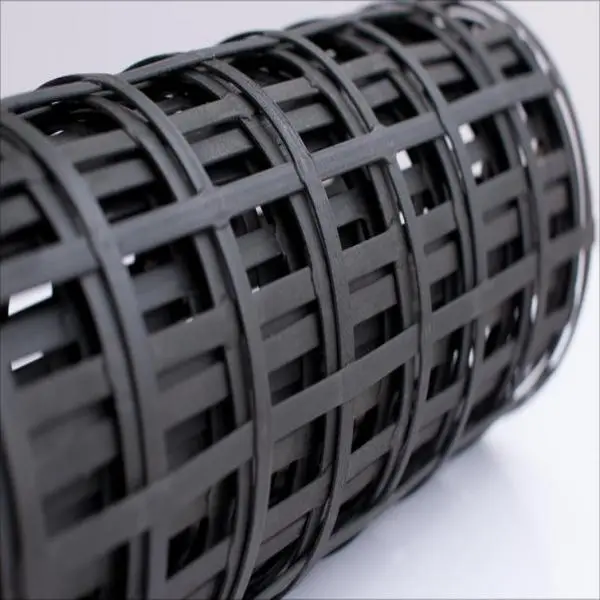
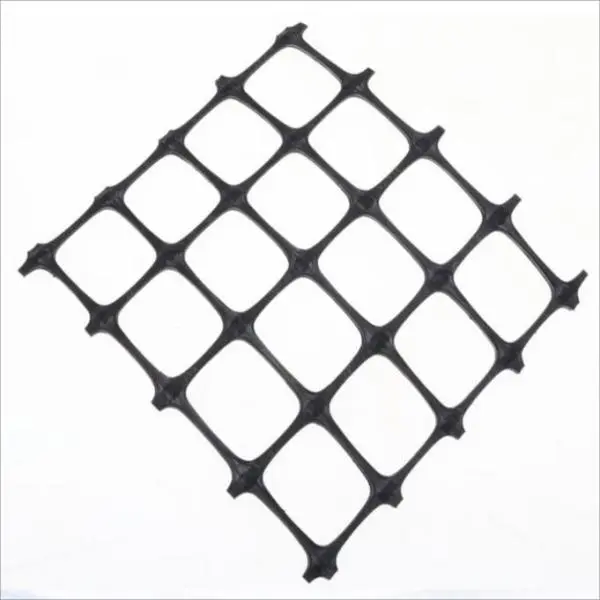
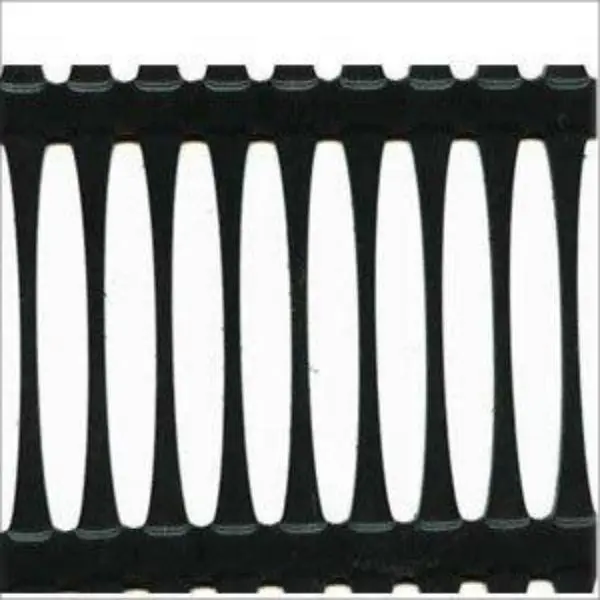
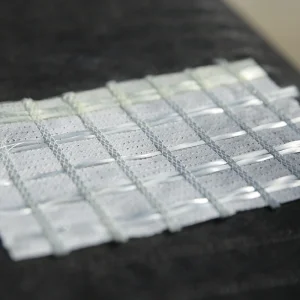
A Custom Gravel Geogrid introduces an interlocking confinement mechanism that fundamentally alters aggregate performance. By matching the geogrid’s aperture size to the nominal diameter of the gravel, particles become mechanically confined within the apertures. This confinement creates a composite layer of high stiffness, transforming localized point loads into a widely distributed stress profile, effectively minimizing the vertical pressure transmitted to the underlying subgrade.
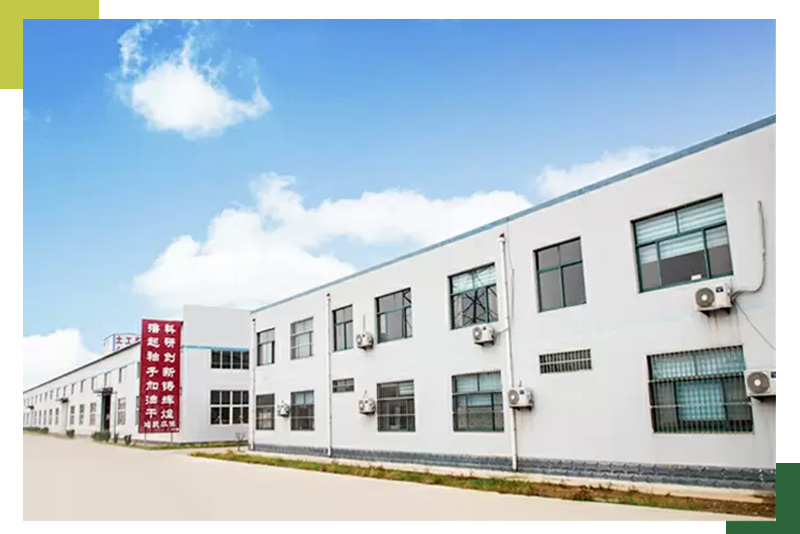
As a leading engineering partner, Shandong Hongyue Environmental Engineering Co., Ltd. offers customized geogrid designs manufactured from high-durability polymers (HDPE, Polypropylene, and Polyester). With a registered capital of 105 million yuan and a state-of-the-art facility located in Lingcheng District, Dezhou, Shandong Province, we specialize in high-tensile, low-creep solutions that meet strict global standards.
Leading the next generation of smart, sustainable, and high-strength civil engineering infrastructure
We are currently engineering the integration of fiber-optic strains and localized piezoelectric sensors directly within polymer geogrid ribs. This will enable real-time structural health monitoring, providing infrastructure managers with live telemetry on roadbed deformation, landslide hazards, and localized subgrade failures.
In response to global sustainability initiatives, our research division is optimizing bio-based polyamides and recycled post-consumer PET formulations. By utilizing green raw materials, we seek to reduce the carbon footprint of structural civil installations without compromising tensile modulus, junction efficiency, or UV resistance.
Junction efficiency represents the Achilles' heel of composite geogrids. Our technical development includes reinforcing weld junctions with carbon nanotubes and advanced thermal-fusion parameters, resulting in a junction stability coefficient that exceeds standard extruded polymers by up to 35%.
How Custom Gravel Geogrids optimize load transfer across diverse engineering sectors
By confining coarse gravel aggregates within base courses, geogrids prevent lateral spreading. This decreases base layer thickness requirements by up to 40% while preserving pavement fatigue life, avoiding costly deep excavation and import of premium backfill materials.
Under rapid, cyclic loads, railway ballast degradation leads to track misalignment. Shandong Hongyue geogrids lock ballast stones in place, reducing ballast degradation, slowing settlement, and maintaining optimal track geometries over prolonged periods, reducing maintenance frequency.
For steep slopes and mechanically stabilized earth (MSE) retaining structures, geogrids serve as tensile reinforcement elements. They extend deep into the compacted backfill zone to create a coherent gravity mass resistant to wedge slip failures and earth pressures.
| Geotechnical Parameter | Without Custom Geogrid Reinforcement | With Shandong Hongyue Geogrid | Target Improvement / Engineering Gain |
|---|---|---|---|
| Required Sub-base Layer Thickness | 350mm - 450mm | 200mm - 250mm | Up to 40% Material Cost Reduction |
| Dynamic Load Redistribution Factor | Poor (High stress concentration) | Excellent (Radial stress distribution) | 60% Lower Subgrade Stress Profile |
| Permitted Subgrade CBR Range | CBR > 3% Required | Effective down to CBR < 1% | Enables Construction on Weak Silt/Clay |
| Aggregate Degradation & Lateral Creep | High (Causes surface rutting and potholes) | Minimal (Locked within polymer matrix) | Extends Roadway Asset Lifespan by >15 Years |
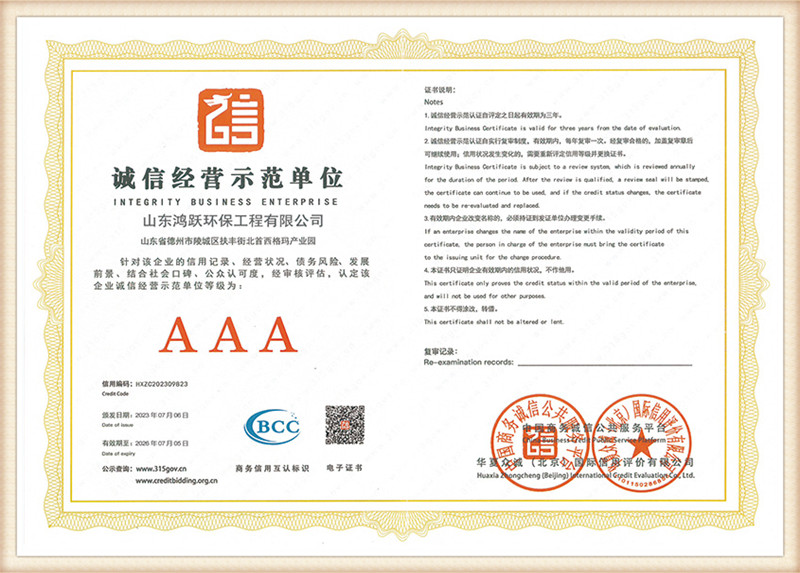
Shandong Hongyue Environmental Engineering Co., Ltd., located at the north end of Fufeng Street, Lingcheng District, Dezhou, Shandong Province, is a scientific and technological geotechnical material manufacturer integrating engineering material production, sales, design and construction services. The company was registered in Lingcheng District Market Supervision and Administration Bureau of Dezhou City on April 6, 2023, with a registered capital of 105 million yuan.
Our factory leverages advanced digital manufacturing lines characterized by IoT-guided extrusion systems, real-time laser thickness sensors, and automated quality control monitoring. By integrating every stage of the raw polymer preparation to the final packaging, we maintain a production footprint capable of fulfilling large-scale international infrastructure orders with unmatched dispatch speed and quality consistency.
Operating in the Dezhou Geotextile Association cluster, our geographic positioning gives us convenient access to domestic deepwater ports and transcontinental rail networks, ensuring that supply chains remain resilient regardless of global logistics conditions.
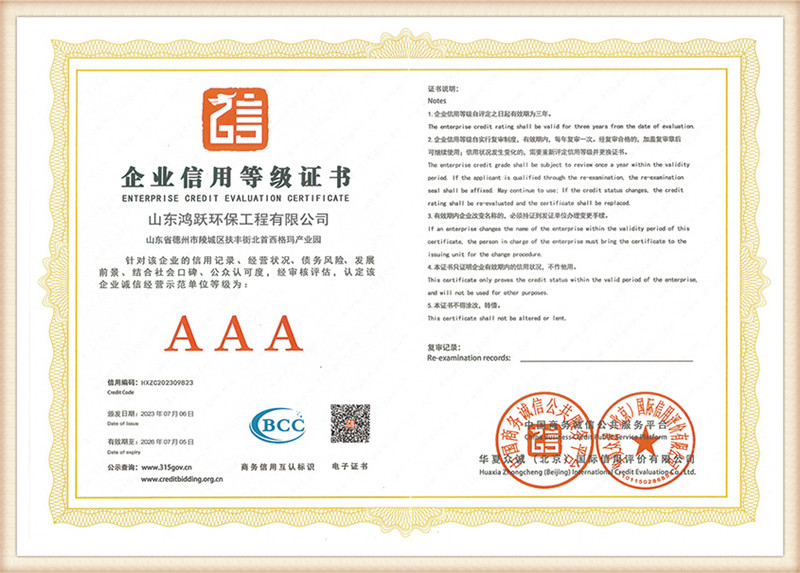
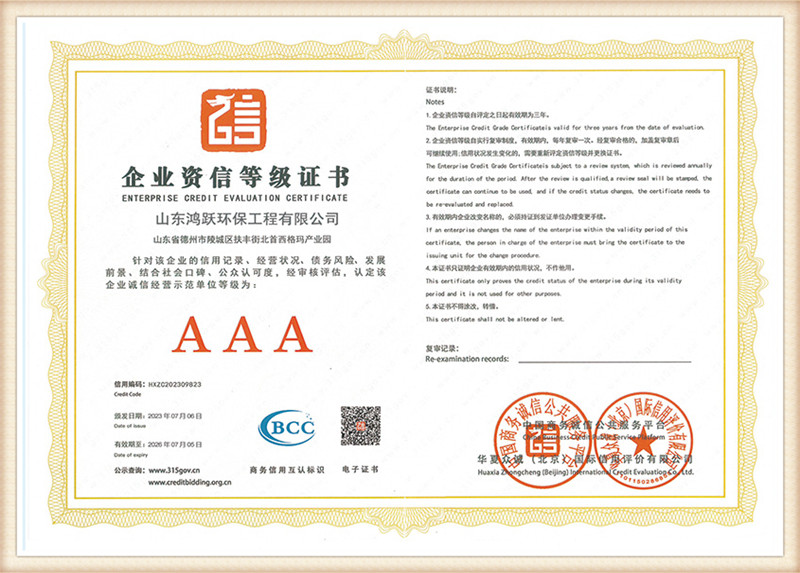
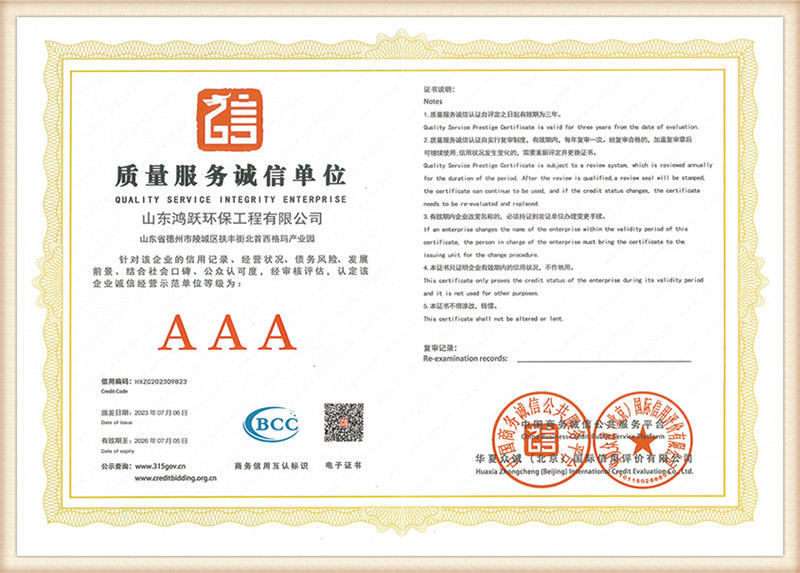
Addressing the strict requirements of international EPC contractors, civil engineers, and supply chain managers
Global procurement divisions require more than just material supply; they require risk mitigation, regulatory alignment, and verified engineering capacities. Shandong Hongyue addresses these requirements through our multi-tiered E-E-A-T credentials. With extensive engineering design expertise, we support project designers from initial feasibility calculations to direct installation guidance.
Scientific control parameters ensuring material uniformity, tensile integrity, and chemical stability
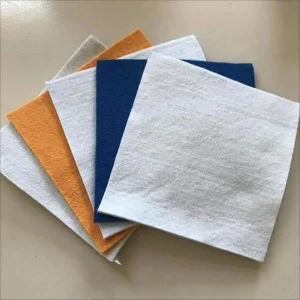
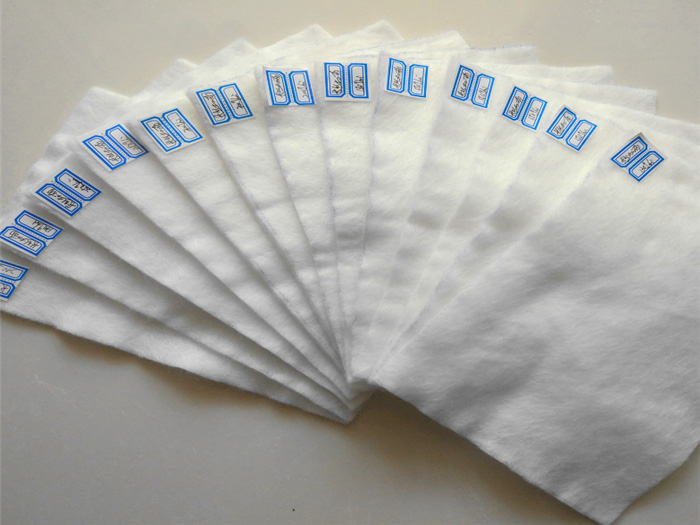
Our manufacturing processes for geotextiles and polymeric geogrids are subject to rigorous testing. By using modern production equipment, we achieve maximum efficiency and physical uniformity. Below is the technical breakdown of our geotextile production process:
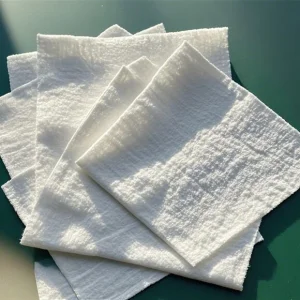
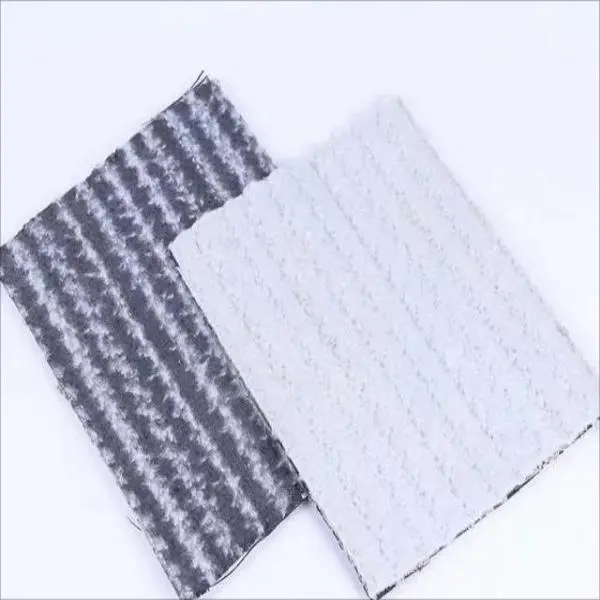
The main raw materials of geotextiles are polyester chips, polypropylene filament, and viscose fiber. These raw materials need to be inspected, arranged, and stored to ensure their quality and chemical stability before processing.
After the polyester slice is melted at high temperatures, it is extruded into a molten state by a screw extruder, and polypropylene filament and viscose fiber are added for mixing. Temperature, pressure, and flow rate parameters are precisely controlled to ensure a homogeneous melt.
After mixing, the melt is sprayed through a spinneret to form a fibrous web. It forms a uniform network structure on the conveyor belt. Controlling the thickness, density, and fiber orientation during this phase determines the final physical properties and permeability.
After laying the net into rolls, we apply draft curing treatment. The temperature, roller speed, and draft ratio are precisely calibrated to mechanically lock the fibers, maximizing tensile strength and structural stability.
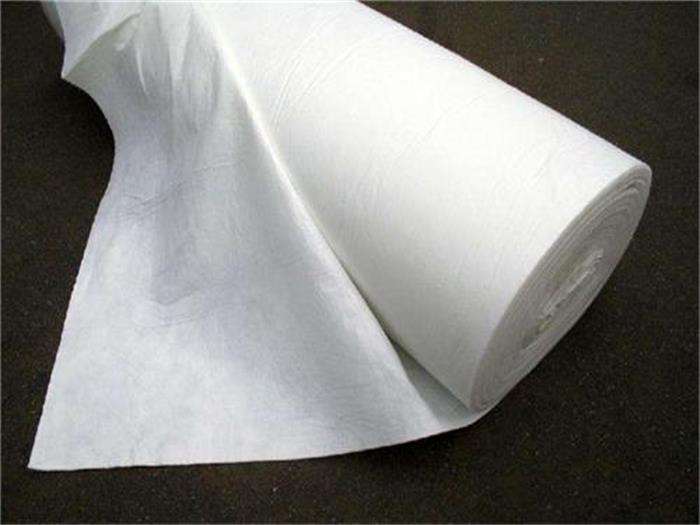
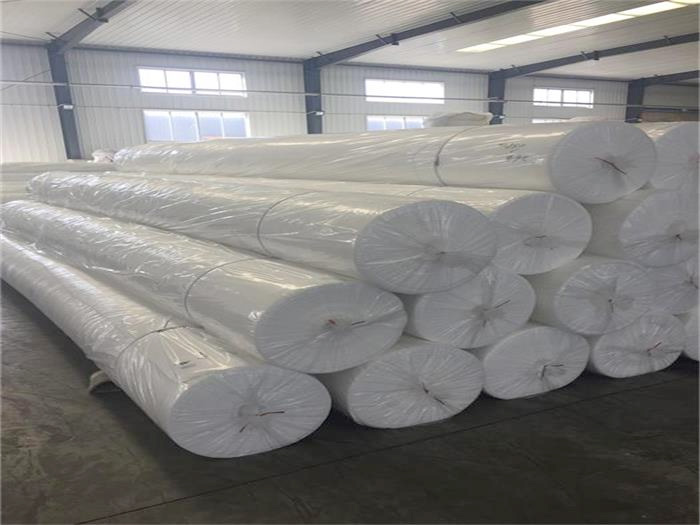
The draft-cured geotextile is measured for length, width, and thickness to verify compliance with construction design criteria. It is then wound onto high-strength cores and wrapped in protective layers for transport.
Samples from every batch undergo testing. This includes physical property tests (tensile strength, elongation, tear resistance), chemical tests (acid/alkali degradation, UV degradation resistance), and visual appearance checks before dispatch.
Optimal techniques for selecting, laying, and maintaining geomembranes in hydraulic engineering
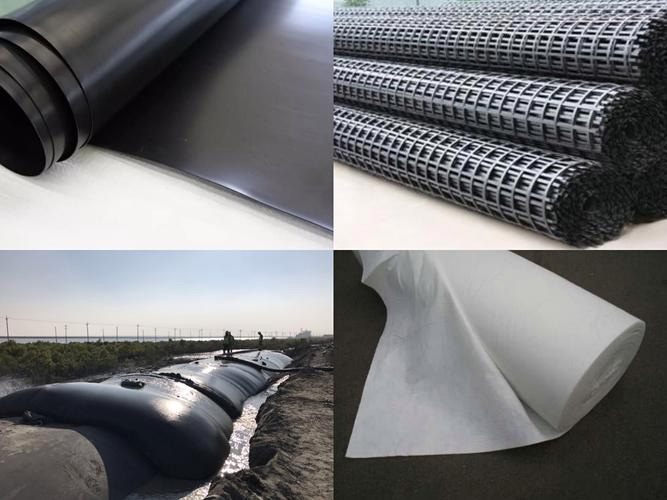
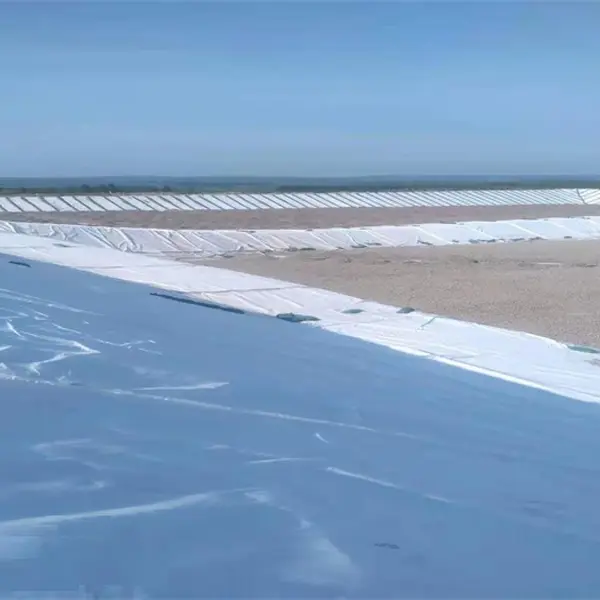
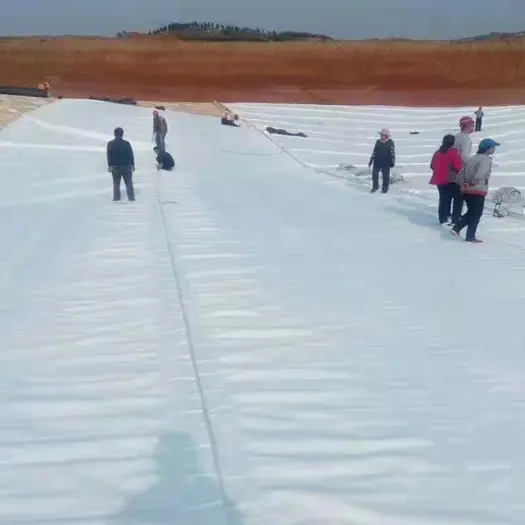
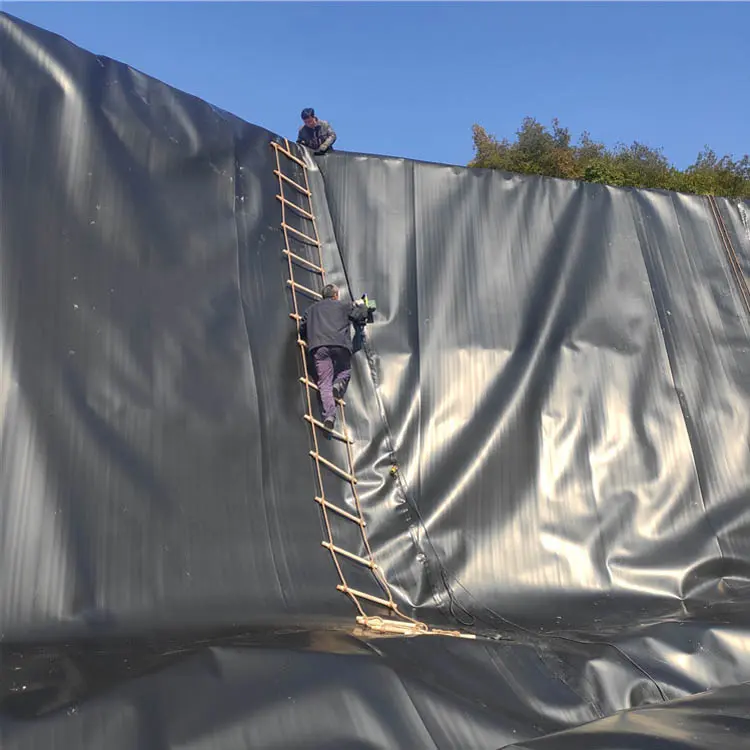
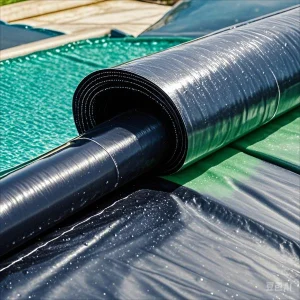
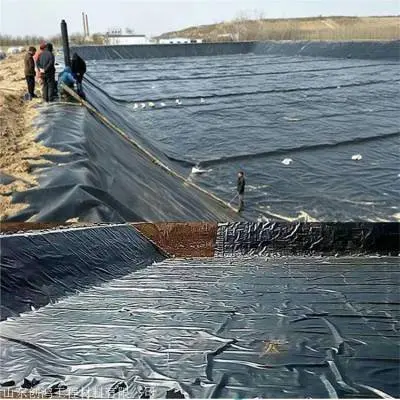
Geomembranes serve as reliable barriers to fluid migration in major civil works. They prevent water leakage in reservoirs, canals, and storage ponds. A proper installation process ensures long-term barrier performance.
Selecting the appropriate geomembrane is a critical step. Key factors to analyze include:
Laying geomembranes requires a systematic workflow:
Protective measures help extend the service life of geomembranes:
Testing standards and certifications that confirm product performance
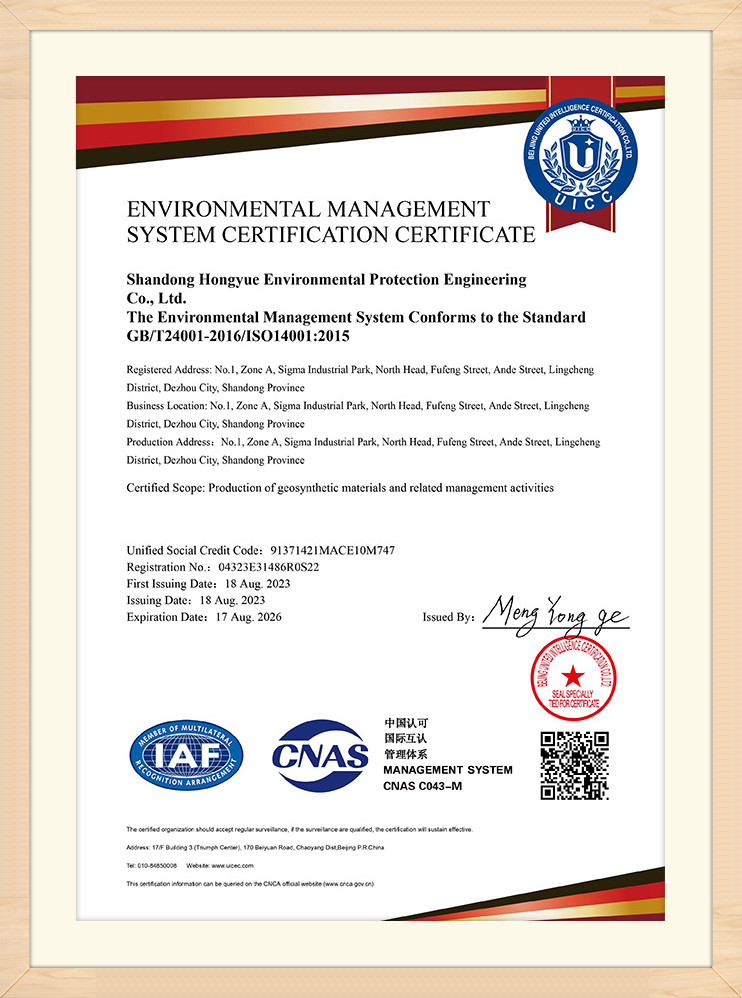
Shandong Hongyue Environmental Engineering Co., Ltd. operates a comprehensive quality management system certified under ISO9001 (Quality Management), ISO14000 (Environmental System), and ISO45001 (Occupational Health and Safety).
Our in-house laboratories feature testing equipment for carbon black dispersion, wide-width tensile properties, puncture resistance, and hydrostatic burst pressure. All materials are tested to meet or exceed international ASTM and EN standards, and have passed inspections by the China National Testing Center and national quality audits.
Our track record has earned the factory industry accolades, including "Green and Environmentally Friendly Building Materials", "China Famous Brand", and recognition as a "High-Tech Industry" leader in Dezhou.
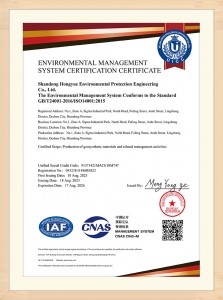
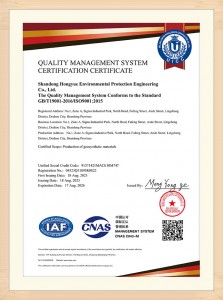
A tour of our Dezhou facility, highlighting our scale, organization, and machinery
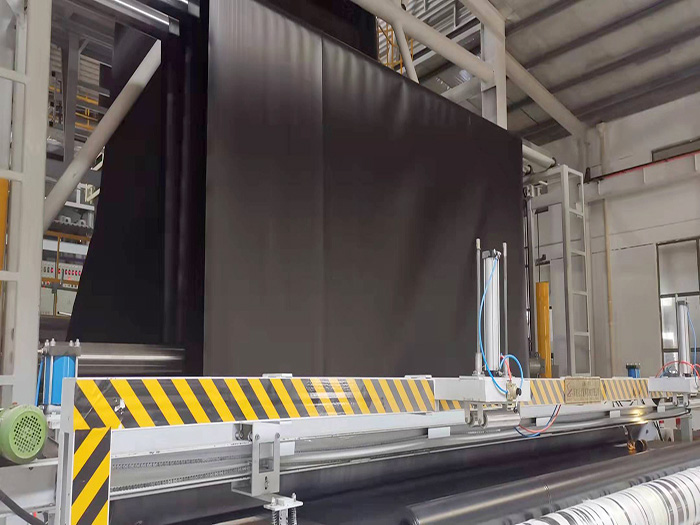
Raw polymer resin storage for uninterrupted production runs.
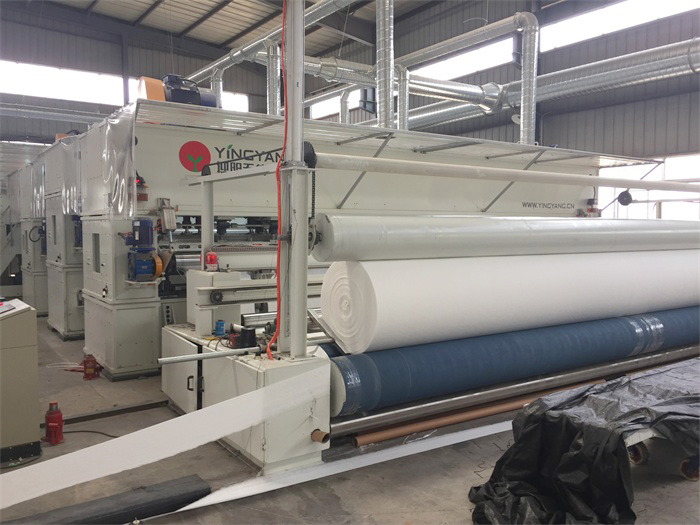
High-speed warp knitting machines for geogrids and geotextiles.
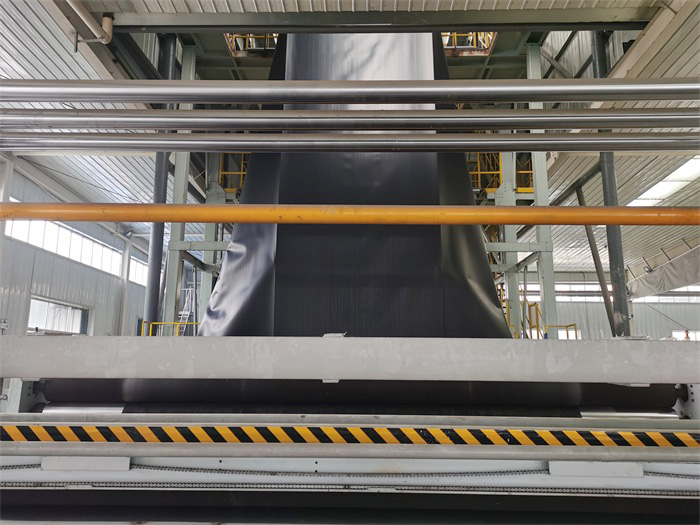
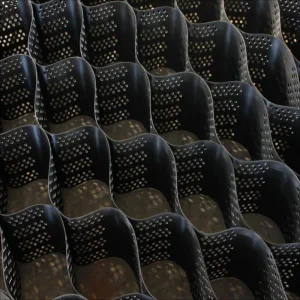
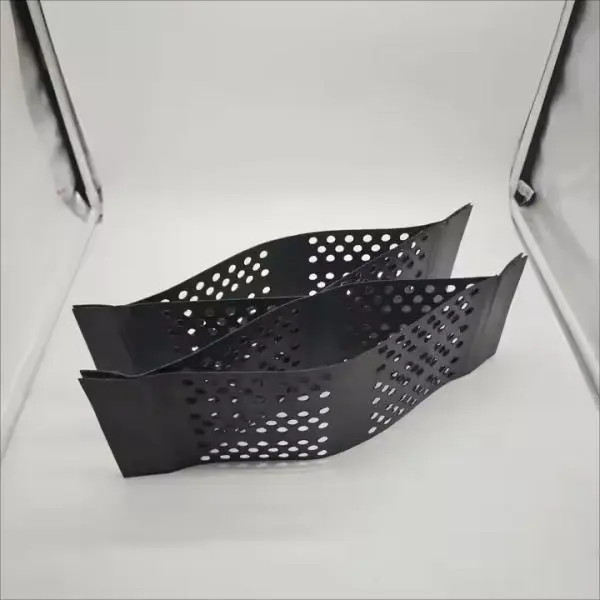
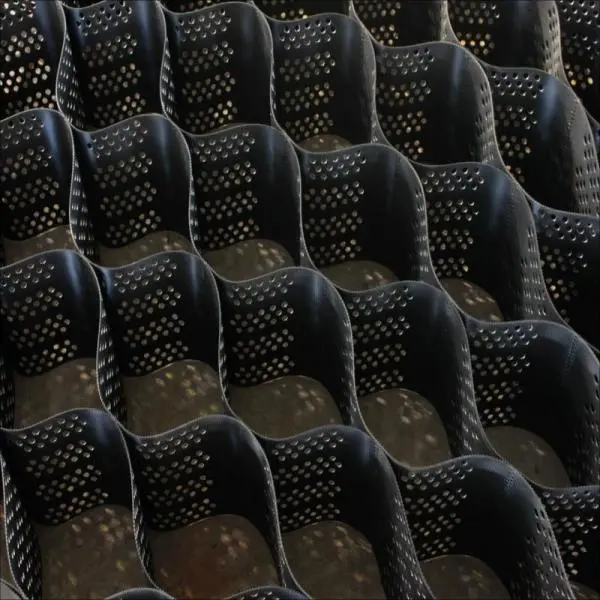
High-precision ultrasonic welding stations for geocells.
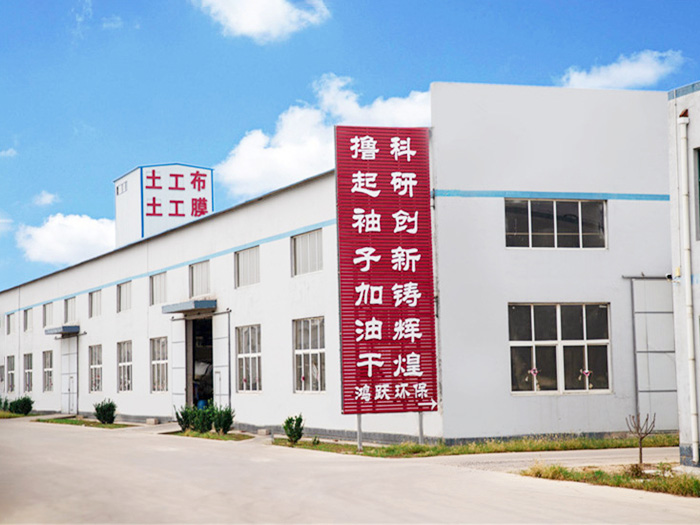
Organized warehouse space ensuring rapid order fulfillment.
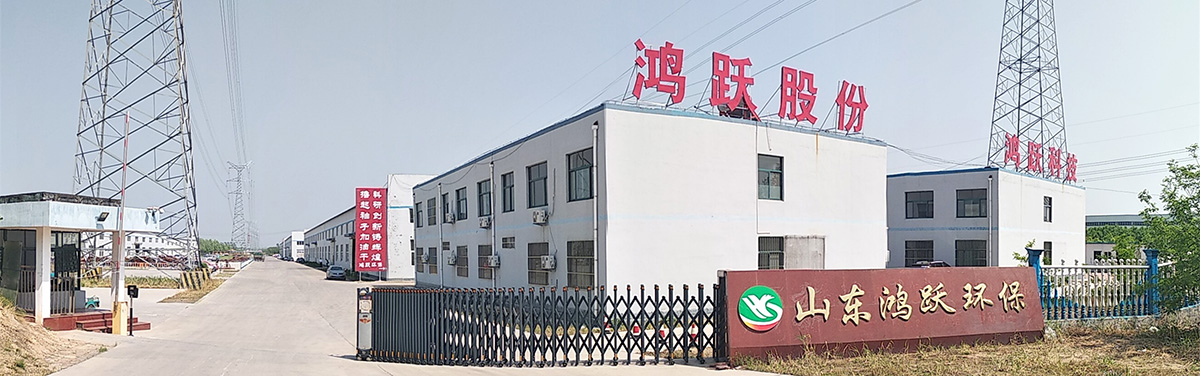
In-house verification of tensile limits and junction capacity.
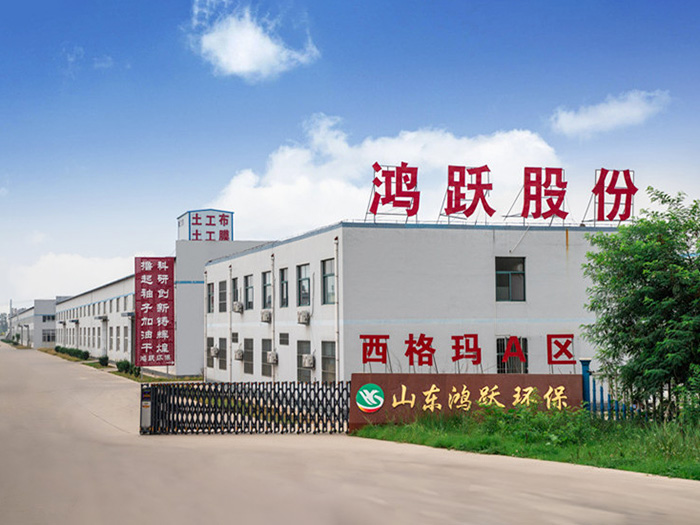
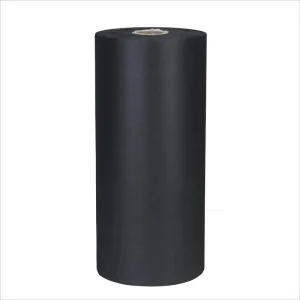
Calibrated dies for producing uniform polymeric sheets.
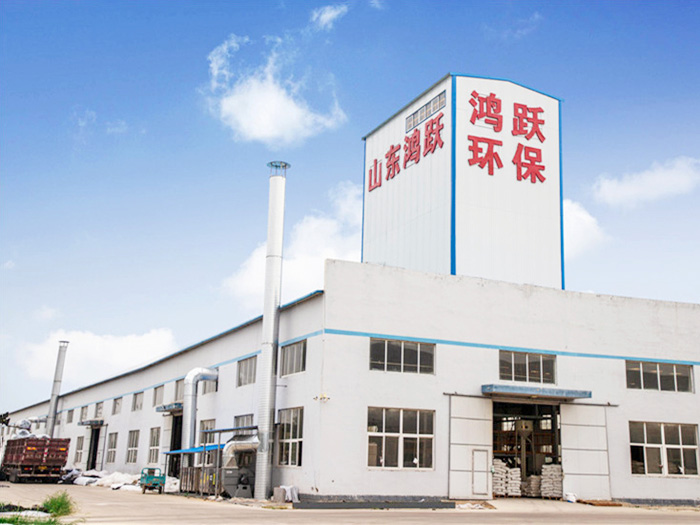
Computerized slitting to ensure precise geocell strip dimensions.
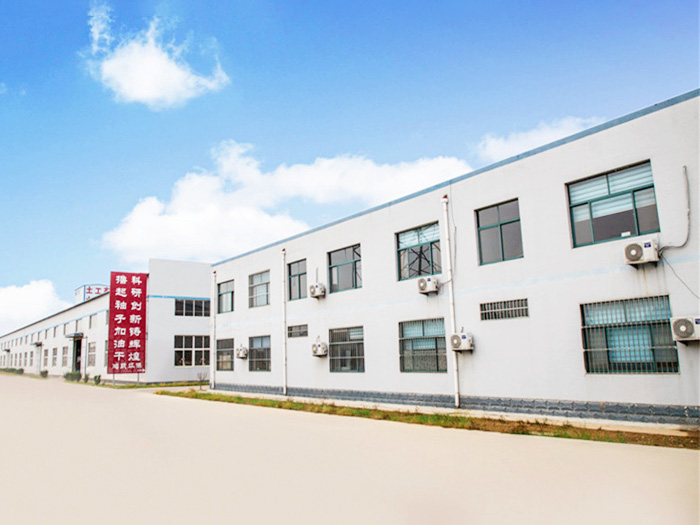
Direct loading of containers for transoceanic delivery.
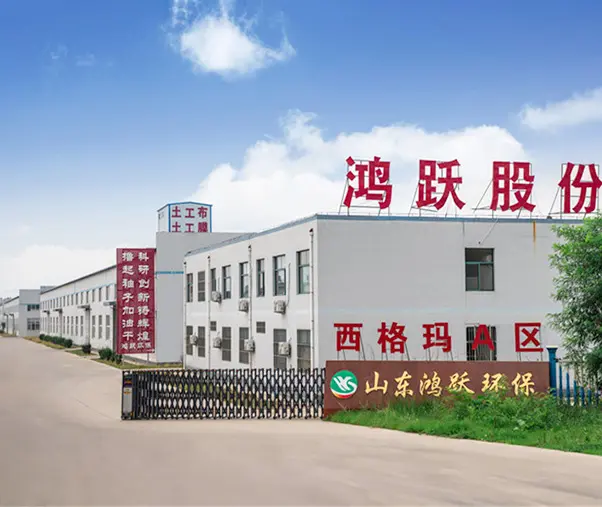
Support team handling custom engineering requests worldwide.
Detailed answers from our engineering team regarding geogrids, geomembranes, and geotextiles
The optimal aperture size is determined by the size distribution of the aggregate backfill. Effective mechanical interlock occurs when the nominal aperture size matches the d50 (median particle size) of the gravel. If the apertures are too small, the aggregate cannot penetrate the opening to lock. If they are too large, the particles will shift laterally under load, reducing the containment effect.
A geogrid reduces settlement through three mechanisms: lateral confinement, increased bearing capacity, and the tensioned membrane effect. Under vertical wheel loads, the geogrid ribs restrict lateral movement of the aggregate, distributing the load over a wider area. This reduces localized stresses on the subgrade and minimizes structural rutting.
Polypropylene (PP) is commonly used to produce biaxial geogrids for base reinforcement. It provides high initial tensile modulus under low strain, making it suitable for road stabilization. High-Density Polyethylene (HDPE) is frequently utilized for uniaxial geogrids in retaining walls and steep slopes due to its resistance to long-term creep, biological attack, and chemical exposure in soils.
We run a multi-phase QA workflow checking raw resin density, carbon black content, melt flow rate, wide-width tensile strength, creep resistance, and junction efficiency. Our in-house testing conforms to ASTM D6637 and EN ISO 10319, and is validated by third-party certificates from the China National Testing Center.
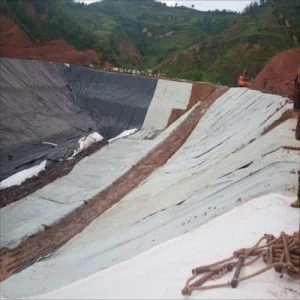
Yes, they are commonly used together in composite systems. For example, in landfill liners or reservoir beds, the geomembrane provides the primary impermeability barrier, while the geogrid reinforces the soil or slopes above to prevent structural slip. Non-woven geotextiles are often placed between them to act as protective cushions.
Under standard environmental conditions with proper installation, our HDPE geogrids are formulated with carbon black stabilizers to resist UV exposure during construction. Once buried, they are designed to resist biological degradation and chemical attack, maintaining their structural properties for over 75 to 100 years.
Junction efficiency is the ratio of junction strength to the tensile strength of the geogrid ribs. It measures the geogrid's ability to transfer tensile loads across its intersecting ribs. High junction efficiency ensures the geogrid holds its shape and maintains aggregate confinement under cyclic dynamic loads.
Located in Dezhou, Shandong Province, our facility has access to major highway networks, allowing for container transit to Qingdao and Tianjin ports. We provide full export documentation and support customs compliance for shipments to Europe, North America, Australia, and other global destinations.
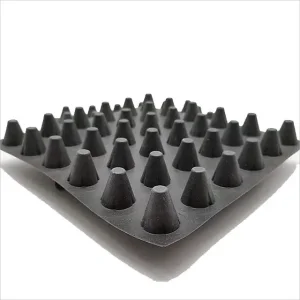
High-durability polymeric geogrids, geocells, and structural drainage materials
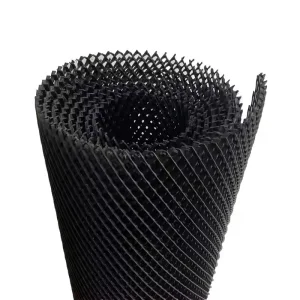
Custom geo-confinement and lining materials engineered for diverse environmental conditions
 Hongyue