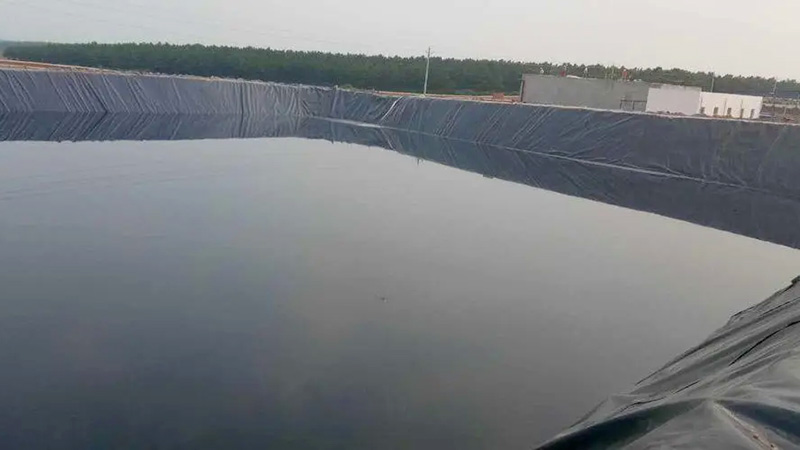
Custom Geotex Membrane Manufacturer & Manufacturers

Engineering Trust with Advanced Geotechnical Barriers & High-Performance Soil Isolation Solutions Globally

Executive Overview & The Geosynthetics Paradigm

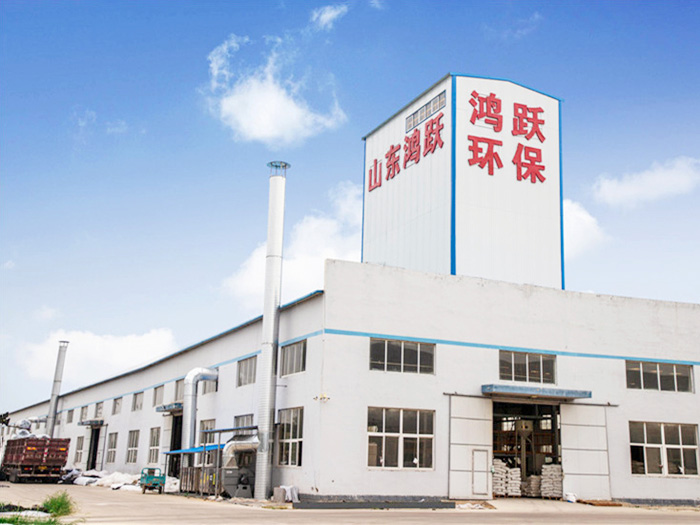
In modern civil engineering, environmental protection, and structural stabilization, the integration of advanced geotechnical materials is no longer optional—it is a critical necessity. As a leading Custom Geotex Membrane Manufacturer, Shandong Hongyue Environmental Engineering Co., Ltd. stands at the forefront of this industrial revolution. Registered with a capital of 105 million yuan in Dezhou City, Shandong Province, our company has quickly expanded to become one of China's most significant production and design bases for geosynthetics.

The role of a Geotex Membrane spans multiple infrastructure layers: serving as a hydraulic barrier, reinforcement plane, and filtration system. Our strategic location at the north end of Fufeng Street in the Lingcheng District grants us unparalleled transportation and logistical capabilities, allowing us to supply large-scale global projects efficiently. Whether you require standard specifications or highly custom polymer compositions, our state-of-the-art manufacturing lines deliver uncompromising quality.
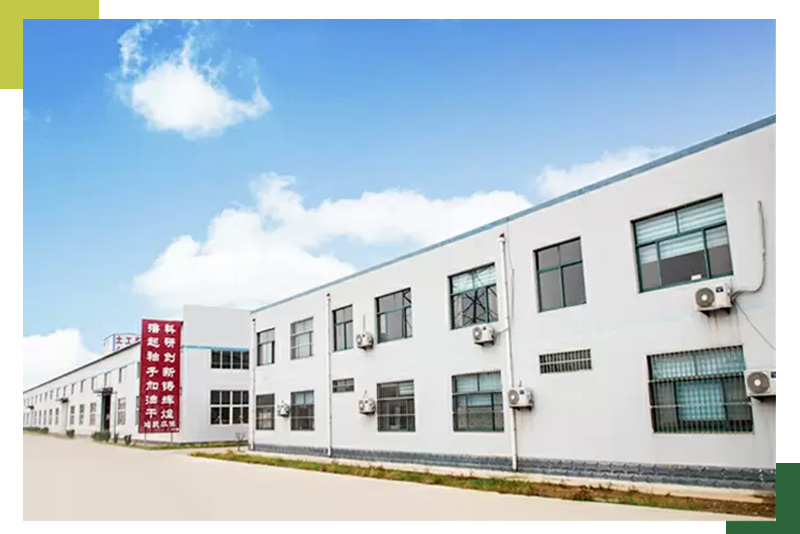
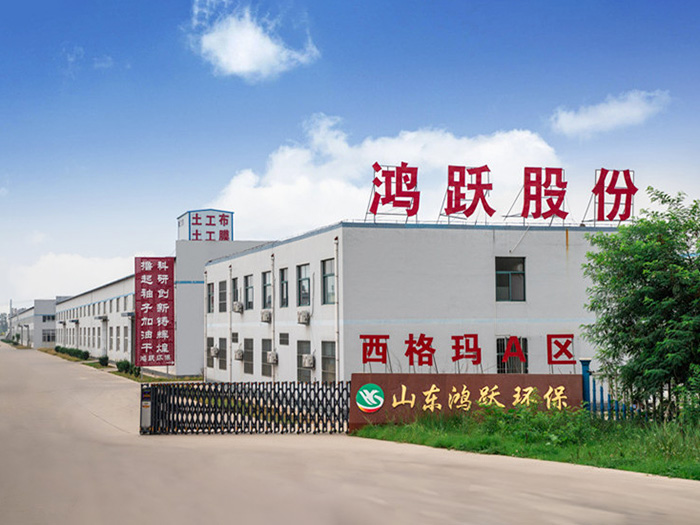
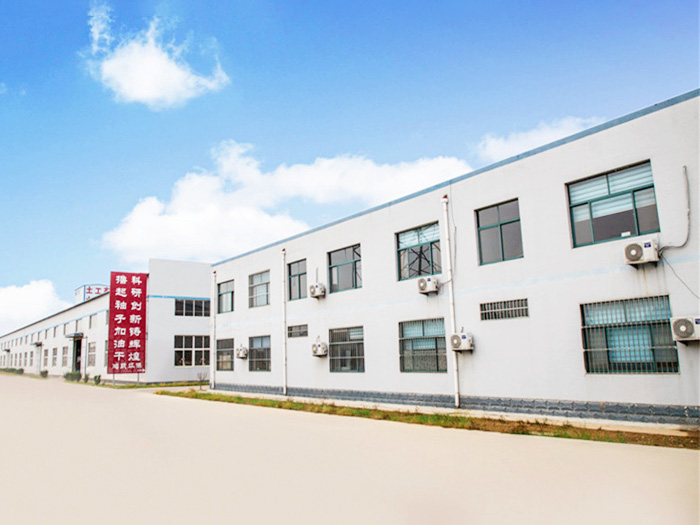
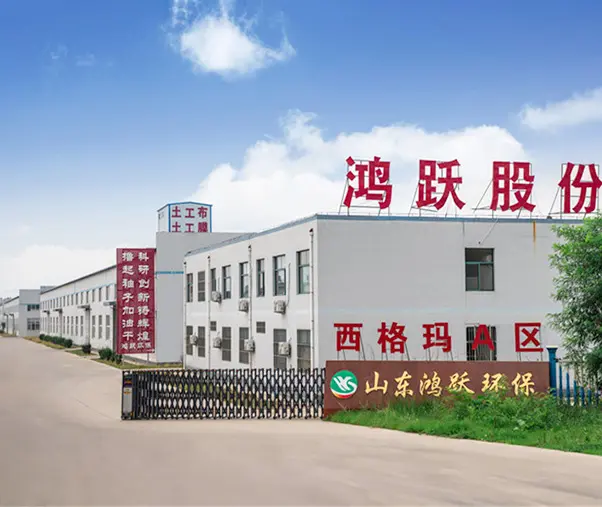
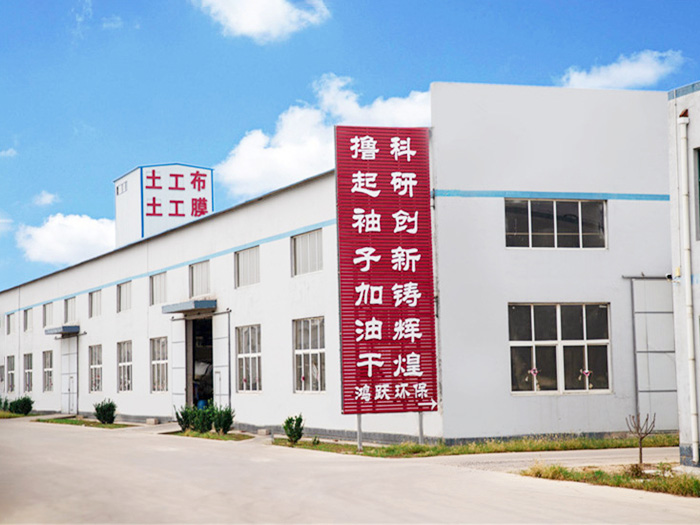
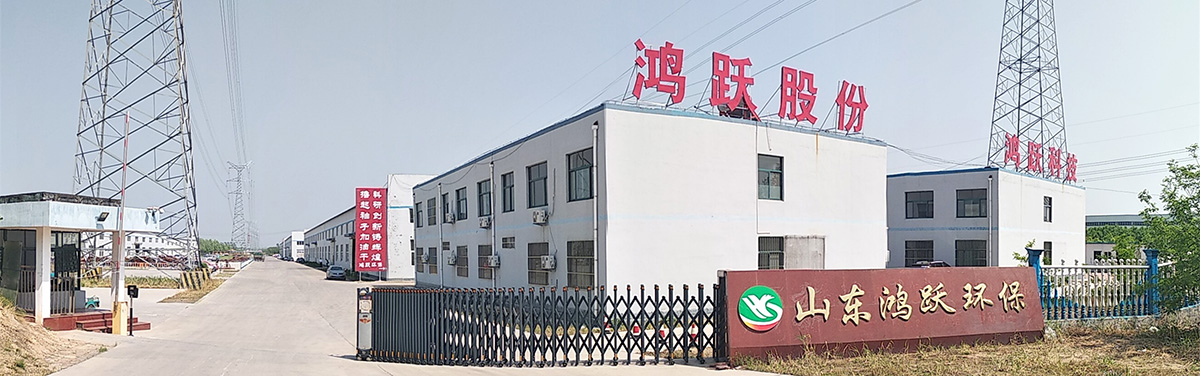
Shandong Hongyue Environmental Engineering Manufacturing Base
105M
Registered Capital (RMB)
40+
Global Agent Networks
100%
Quality Test Compliant
10+
Years Engineering Experience

Industry Development Trends in Geotex Membranes

The global geosynthetics market is undergoing rapid evolution. Key drivers such as strict environmental regulations, increased investments in water conservation, and the structural challenges of climate change are reshaping the requirements for geotex membranes.

Ecological Integration

Modern engineering demands materials that do not simply resist natural forces, but integrate with them. Sustainable geotex membranes promote natural vegetation while preventing soil erosion. Materials such as fiber plant blankets and ecological bags are replacing rigid concrete retaining systems to form dynamic, living protective barriers.

Composite Functionalization

Single-layer materials are giving way to advanced composite systems. By bonding nonwoven geotextiles directly with HDPE geomembranes, manufacturers create robust, double-action barriers. These composites offer puncture protection and high hydraulic resistance within a single, easily deployable roll, saving significant site-labor costs.

Advanced Chemical & UV Resistance

Landfills, mining operations, and petrochemical containment zones subject membranes to highly aggressive chemical attacks and extreme solar radiation. The industry trend is moving toward specialized masterbatch additives that significantly enhance long-term resistance to photo-oxidation and acidic/alkaline compounds, extending the design life of containment infrastructures beyond 100 years.

Global Procurement Dynamics & Strategic Sourcing

Procuring civil engineering materials at a global scale requires meticulous coordination between technical specifications, international logistics, and compliance standards. Large infrastructure projects across Europe, the Americas, and Australia require geotextiles and geomembranes that carry verifiable certifications such as CE Certification, ISO, and ASTM standards.

Shandong Hongyue Environmental Engineering satisfies these strict global procurement needs by offering an integrated supply system. With our registered capital of 105 million yuan, we maintain massive inventory reserves and continuous production outputs. Our specialized sales and technical support teams work closely with global engineering consultants to draft custom parameters (thickness, roll width, tensile strength, and mass per unit area) ensuring flawless alignment with local project guidelines.
Macro Industry Solutions & System Architectures

Geosynthetics are rarely used in isolation; instead, they function as parts of engineered multi-barrier containment systems. Shandong Hongyue designs comprehensive, site-specific configurations to address complex fluid containment and soil mechanics challenges.
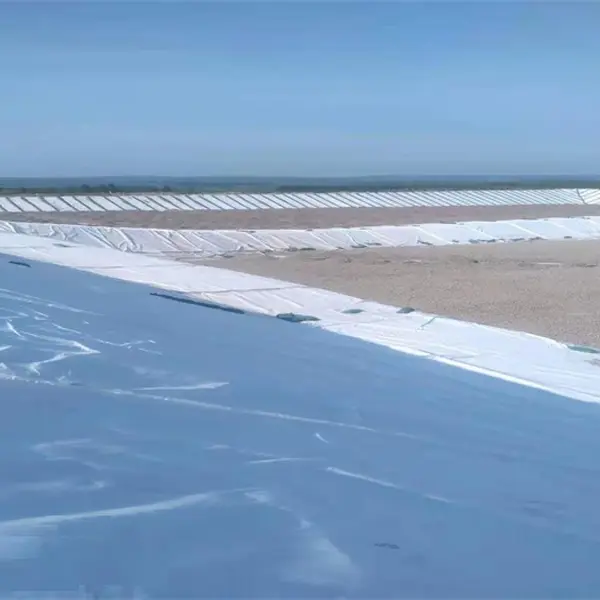
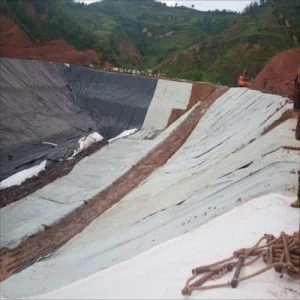
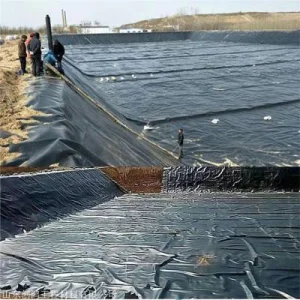
Application of geomembrane in hydraulic engineering

Hydraulic Engineering & Dams

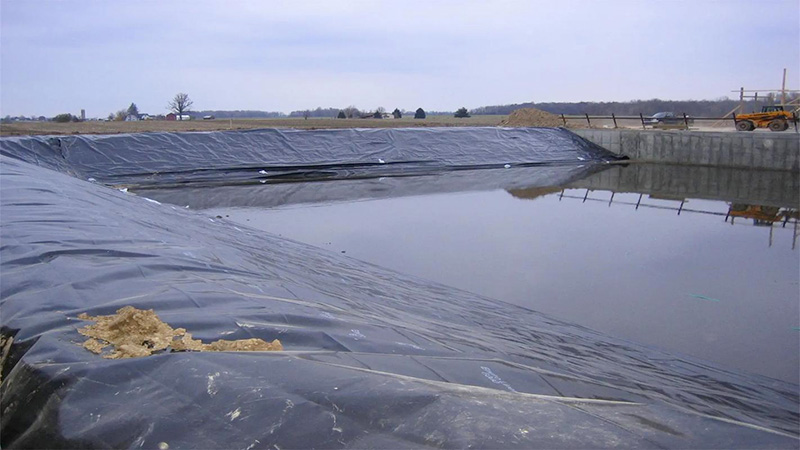
Seepage prevention in reservoirs, dams, and canals. Using high-thickness HDPE geomembranes combined with nonwoven protection layers prevents water loss and protects dam structural integrity.
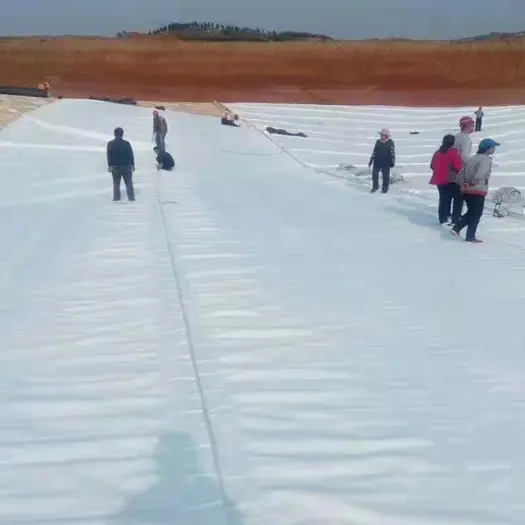
Watercourse seepage prevention works

Watercourse & Canal Lining

Custom-formulated composite geomembranes prevent subgrade erosion along waterways. They handle rapid water velocities while ensuring the channel sub-base remains dry and structurally sound.
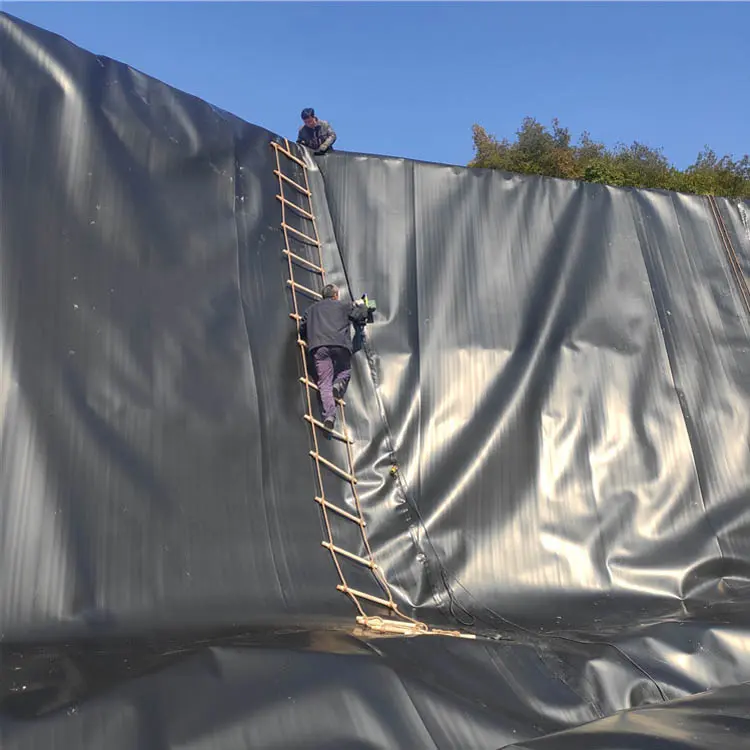
Landfill seepage prevention works

Municipal Landfill Barriers

Environmental isolation systems utilizing composite geotextiles, GCLs (bentonite waterproof blankets), and HDPE geomembranes to capture leachate, protecting underlying groundwater from contamination.
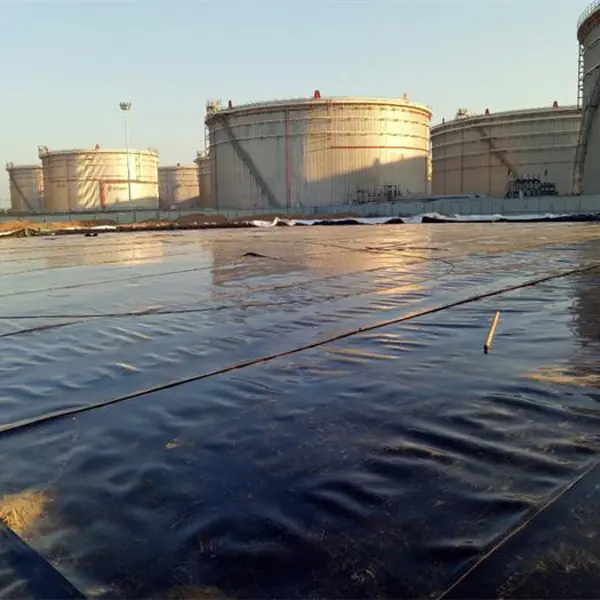
Geomembrane oil tank area seepage prevention construction site

Industrial Chemical Containment

Secondary containment setups for oil storage tanks, chemical refinery areas, and mining heap leach pads. Engineered to withstand high hydrocarbons and aggressive chemicals.

Advanced Manufacturing & Technical Specifications

At Shandong Hongyue, our production operations rely on cutting-edge extrusion and mechanical bonding technologies to ensure maximum physical and mechanical performance. Here is a detailed breakdown of our manufacturing processes and engineering application protocols.

1. The Geotextile Manufacturing Process

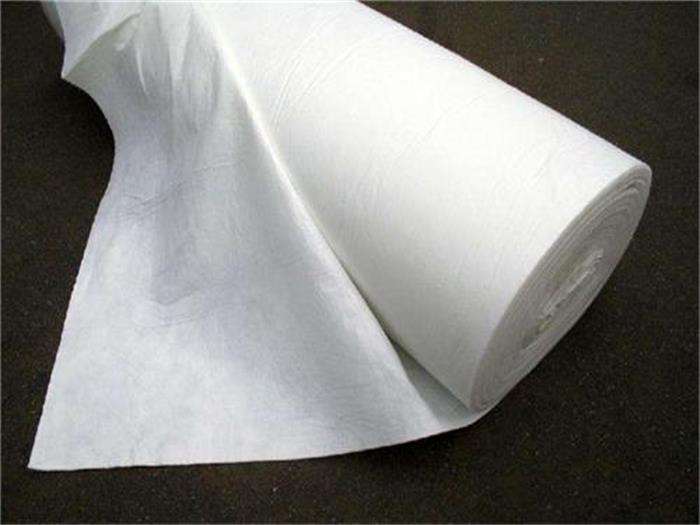
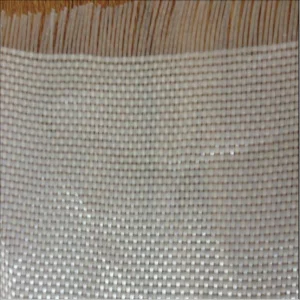
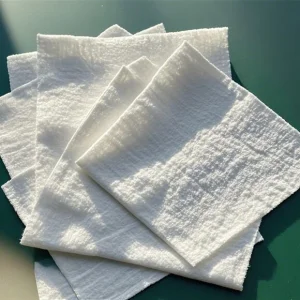
Geotextiles serve critical roles in soil separation, filtration, sub-base drainage, and structural reinforcement. We manufacture high-performance nonwoven and woven geotextiles using premium raw materials:
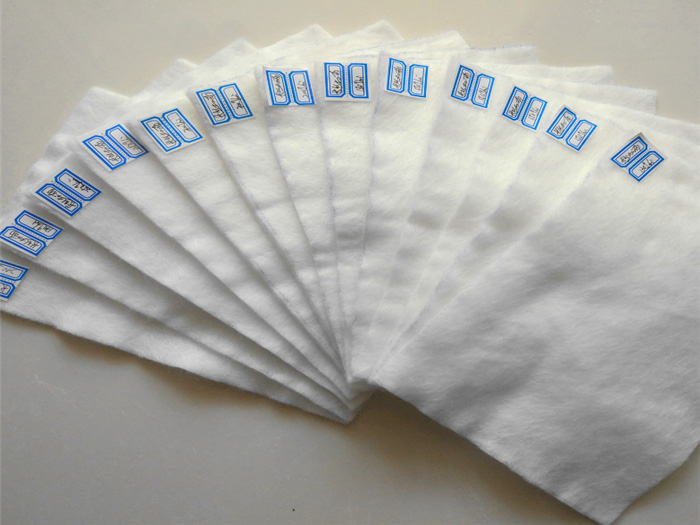
  • Raw Material Selection: We utilize high-grade polyester (PET) chips, polypropylene (PP) filament, and viscose fibers. These raw materials undergo rigorous testing for chemical purity, polymer consistency, and mechanical stability.
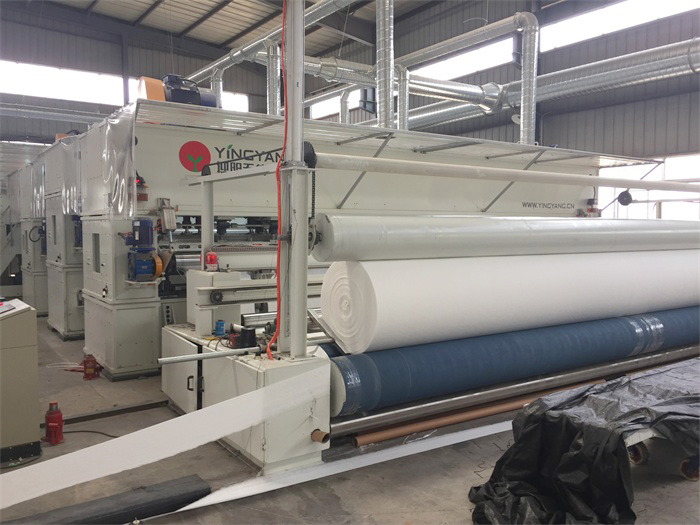
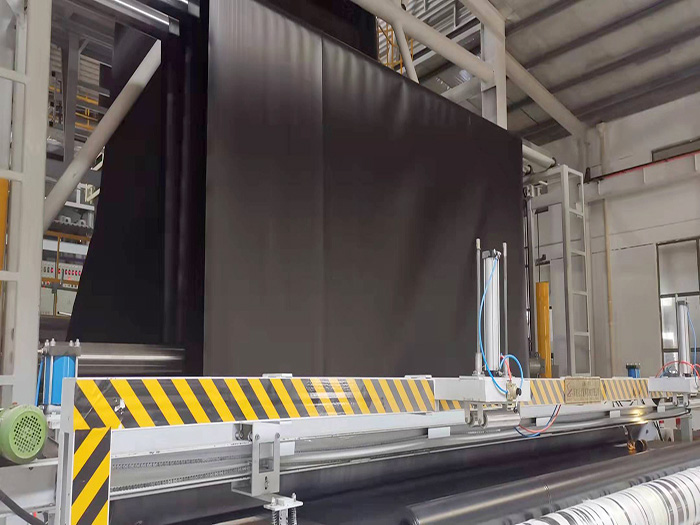
  • Melt Extrusion & Spinning: For filament nonwoven geotextiles, polyester chips are melted at high temperatures and extruded through micro-spinnerets using screw extruders to form continuous, fine filaments.
  • Web Laying & Rolling: The continuous filaments are distributed evenly onto a moving conveyor belt in a multi-directional configuration, forming a high-uniformity, multidirectional network structure.
  • Mechanical Needle-Punching & Thermal Curing: Thousands of barbed needles repeatedly punch the web to mechanically entangle the fibers. Depending on requirements, the web may also pass through thermal rollers to lock fibers, improving tensile strength and puncture resistance.
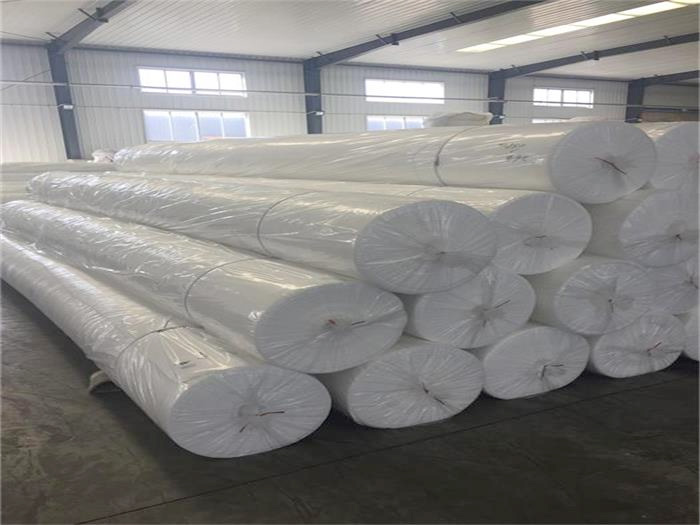
  • Winding, Inspection, & Packaging: The finished rolls are measured for thickness, weight, and dimensional accuracy, wrapped in UV-protective geotextile bags, and labeled for dispatch.
Geotextile Manufacturing Plant

2. Geomembrane Selection, Laying & Installation Protocol

The performance of any hydraulic barrier depends on selecting the right material and executing proper installation techniques. We provide extensive technical support for geomembrane deployment:
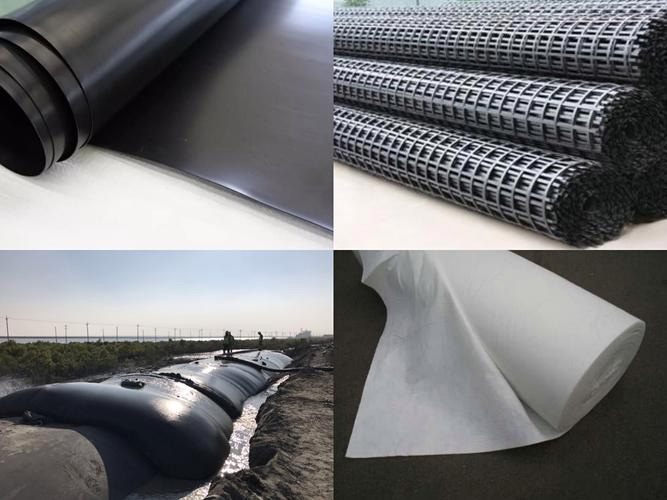
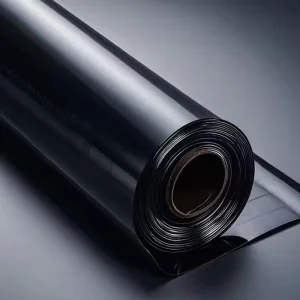
  • Material Selection: High-density polyethylene (HDPE) provides excellent tensile strength and chemical resistance, making it ideal for landfills and chemical storage zones. Linear low-density polyethylene (LLDPE) offers greater flexibility, allowing it to conform to irregular contours without cracking, perfect for municipal canals and reservoirs. We manufacture thicknesses from 0.3mm to 2.0mm to support varied structural loads.
  • Subgrade Surface Preparation: The site must be completely compacted, leveled, and cleared of sharp rocks, vegetation, or standing water. A protection layer—often a nonwoven geotextile—is frequently installed underneath the geomembrane to prevent puncture from subgrade aggregates.
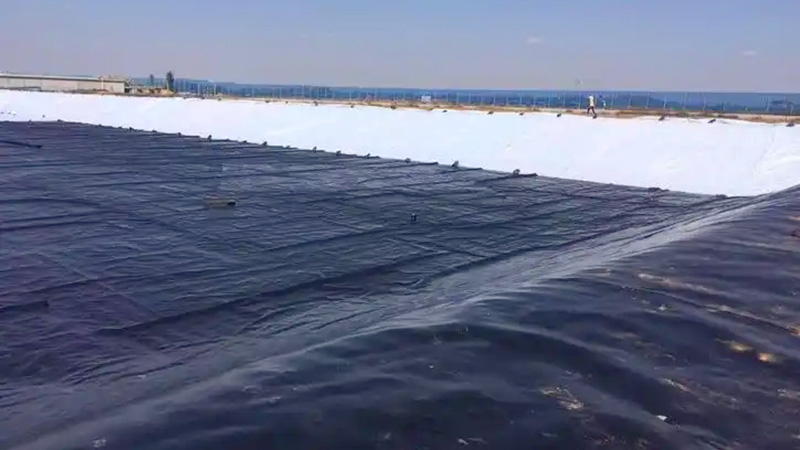
  • Systematic Panel Deployment: Panels must be unrolled and positioned to minimize wrinkles and tension. Contractors should account for thermal expansion and contraction by allowing a 2% to 3% material slack.
  • Thermal Seaming Methods: Adjacent panels are joined using automated dual-track hot-wedge welding machines, which create a continuous seam with an integrated air channel for pressure testing. For details, corners, and penetrations, technicians use hand-held extrusion welders.
  • Quality Inspection & Maintenance: All welded joints must undergo non-destructive testing (such as air pressure testing for dual-track welds, or vacuum box testing for extrusion welds). The completed liner should be inspected regularly and protected from mechanical damage during soil backfilling.
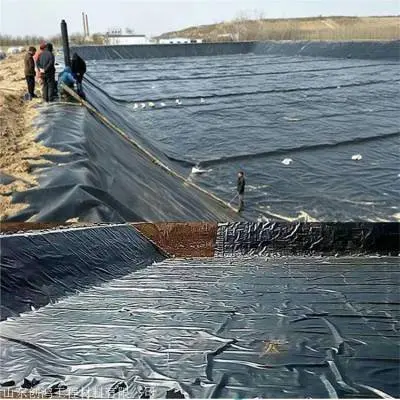
Geomembrane Laying Process

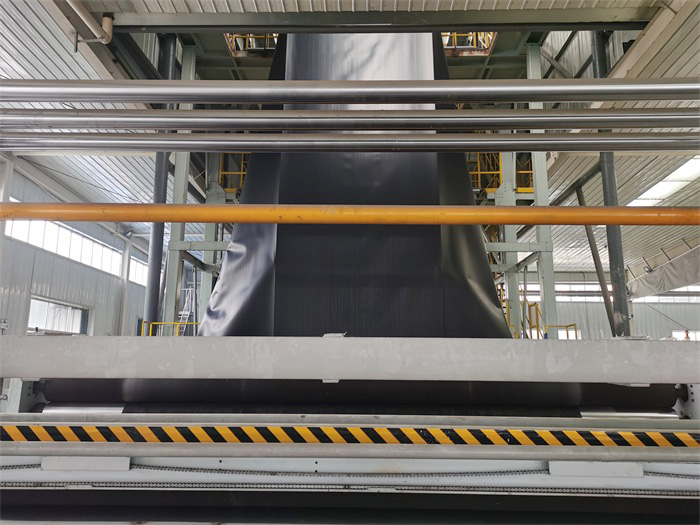
Factory Tour & Testing Facilities: Our production complex features state-of-the-art laboratory testing facilities. Every batch of geomembrane and geotextile undergoes testing for carbon black dispersion, density, puncture resistance, and multi-axial tensile strength before leaving the factory, ensuring complete compliance with global project requirements.

Localization, Compliance, and Quality Assurance

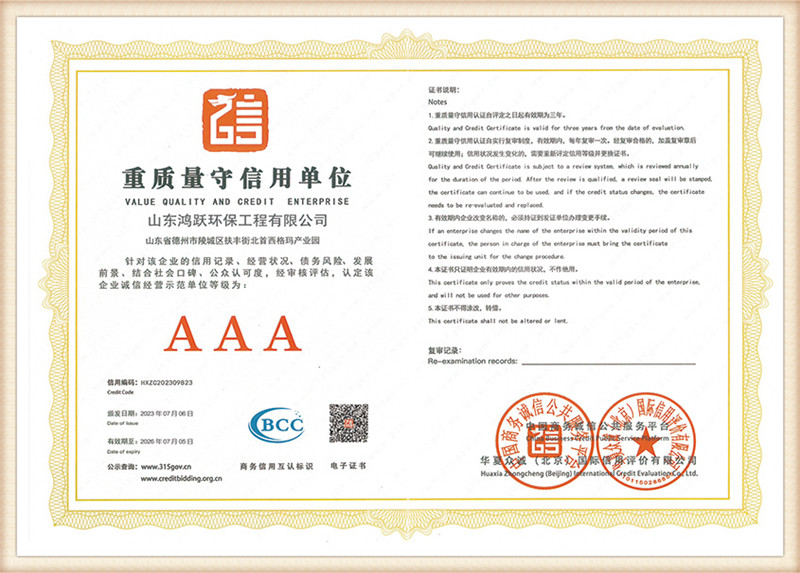
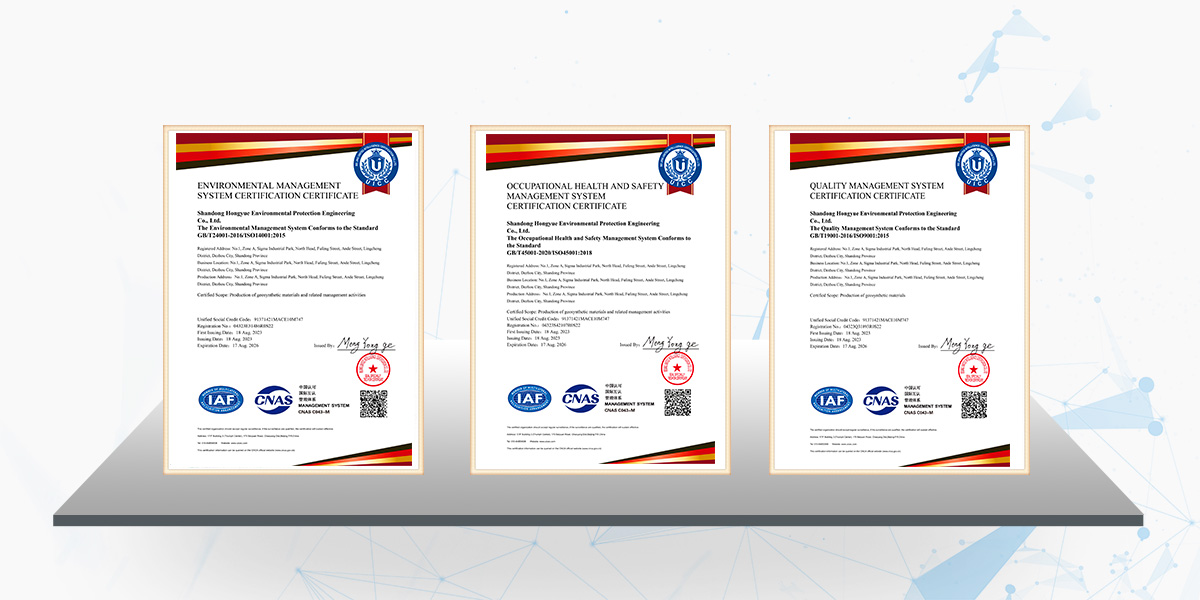
For international engineering buyers, compliance with local regulations and quality certifications is a key risk-management factor. Shandong Hongyue Environmental Engineering has built a comprehensive management framework. We have passed the following international systems:

  • ISO 9001:2015 — Quality Management Systems
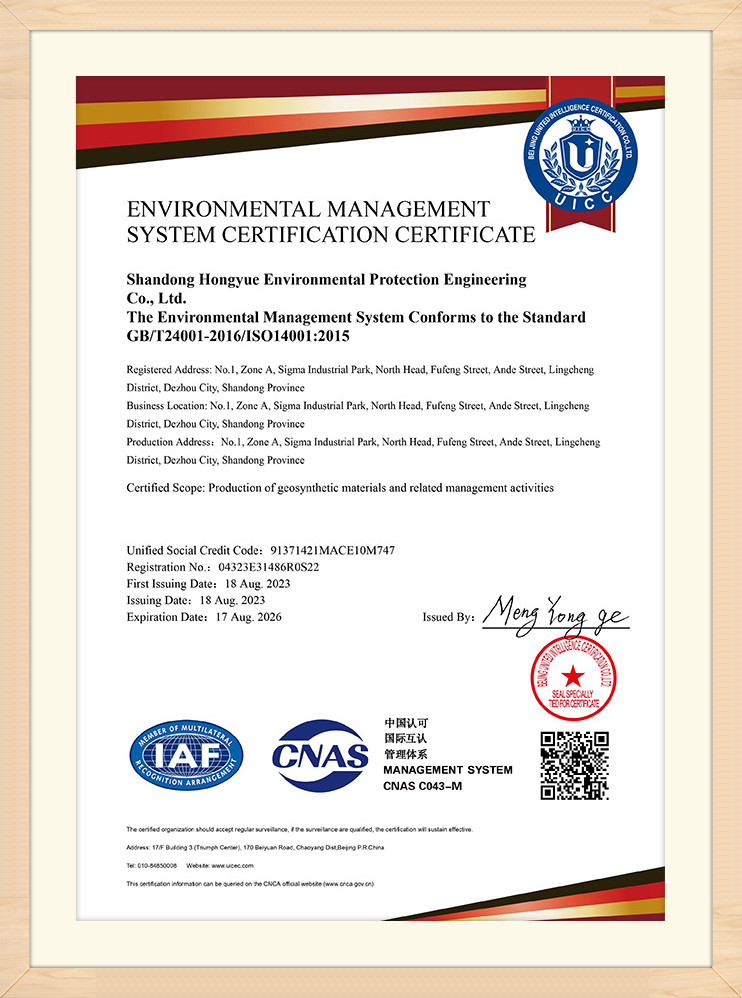
  • ISO 14001:2015 — Environmental Management Systems
  • ISO 45001:2018 — Occupational Health and Safety Management Systems

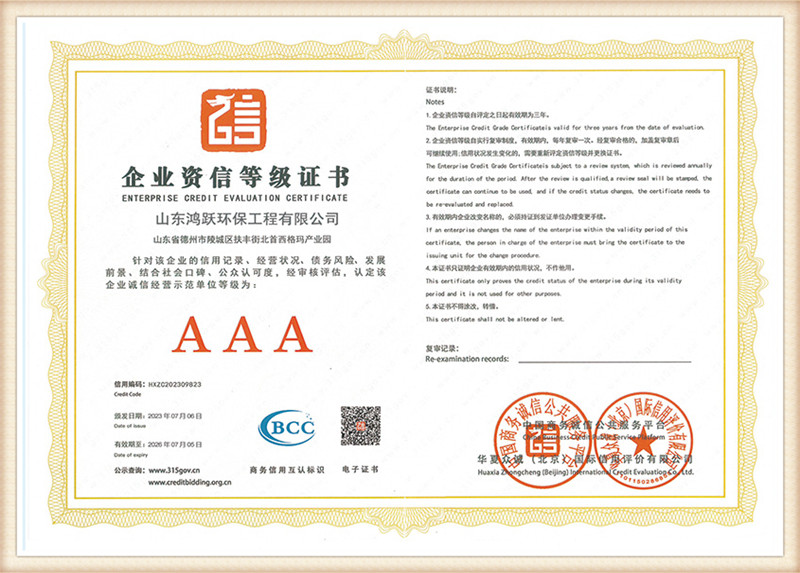
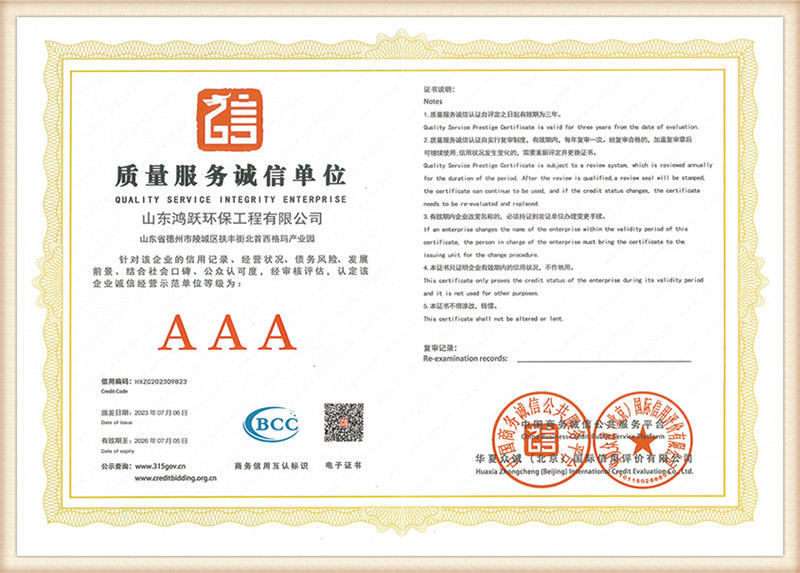
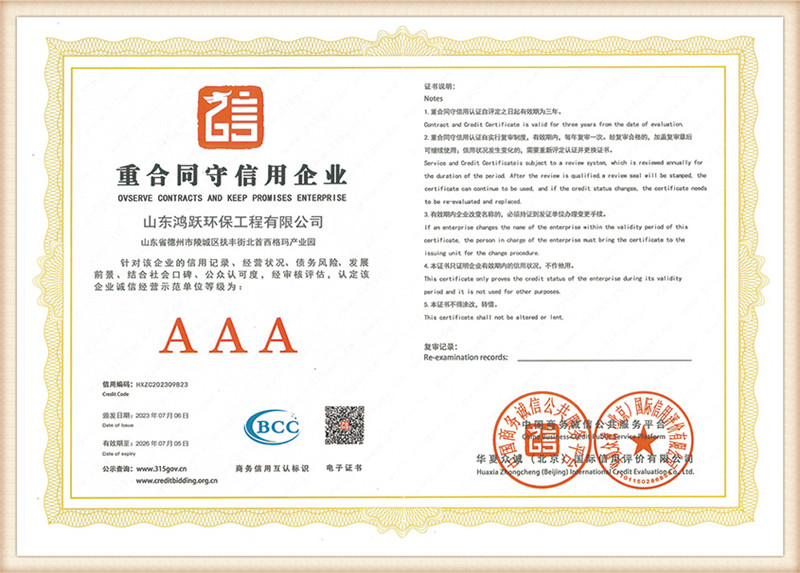
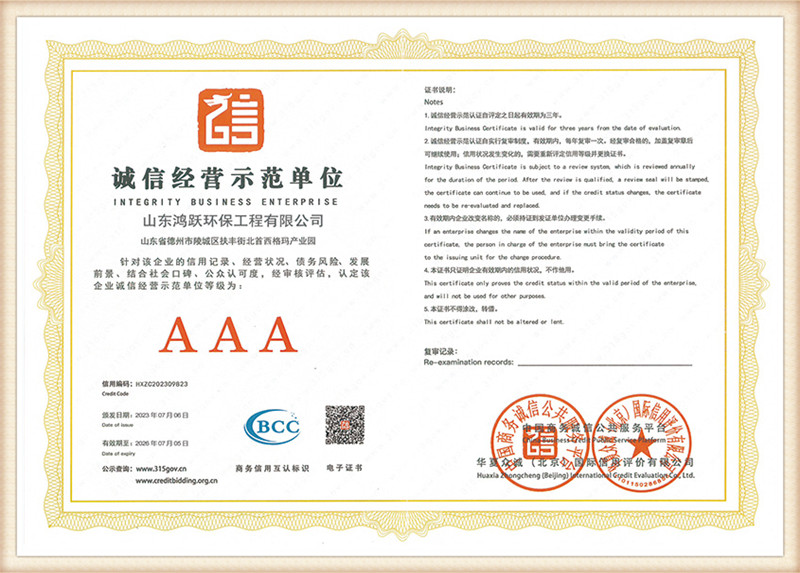
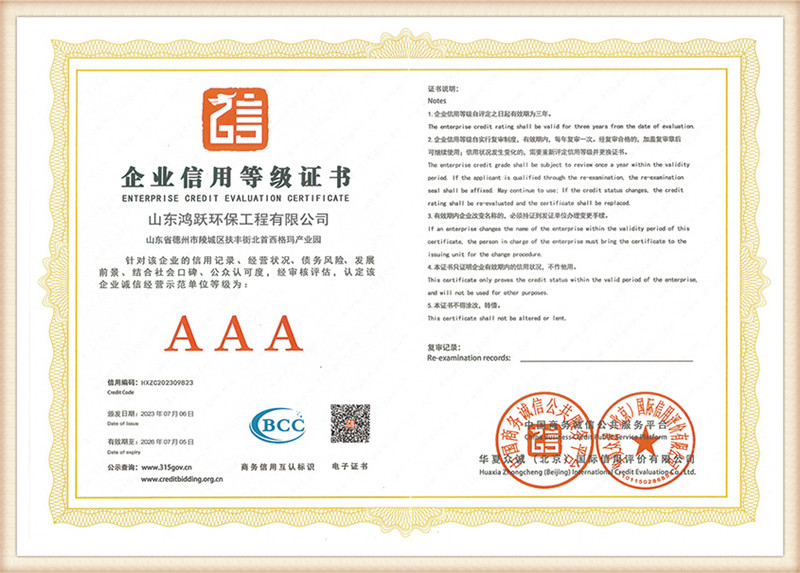
Additionally, our products carry the European CE mark and have been verified by the China National Testing Center, meeting and exceeding domestic and international standards (such as ASTM D-series for geosynthetics). Our commitment to quality has earned us honors including "Green Building Materials Products," "Chinese Famous Brand," "Quality Service Double Excellent Unit," and a history of zero consumer complaints.

To support global installations, we have established distribution and technical support networks in over 40 major cities, including Shanghai and Beijing, and export our products to Europe, the United States, Australia, Southeast Asia, and the Middle East. Under our headquarters' direction, our engineers provide 24-hour product consulting and technical support to assist overseas customers with design and installation challenges.
Technical Roadmap & Future Outlook

As we look toward the future, Shandong Hongyue is investing in R&D to create the next generation of smart, high-durability geosynthetics. Our research centers around three core technological objectives:
  • Smart Geosynthetics: We are testing carbon-nanotube-filled polymers that can conduct micro-currents. Integrating these into geomembranes allows operators to locate leaks electronically in real-time, preventing environmental contamination in mining and landfill operations.
  • Bio-Based & Biodegradable Matrices: For temporary applications like agricultural erosion control or structural road construction, we are developing natural-fiber composite geotextiles that decompose safely over a set period, eliminating plastic waste.
  • Enhanced Recycled Materials: We are engineering advanced filtration systems to incorporate recycled PET and PP chips into our formulations without reducing the mechanical properties of the finished geotex membranes, supporting circular economy initiatives.

Frequently Asked Questions (FAQ)

Find technical details regarding geotex membrane characteristics, application parameters, manufacturing standards, and installation processes.

Q1: What is the main difference between woven and nonwoven geotextile membranes?
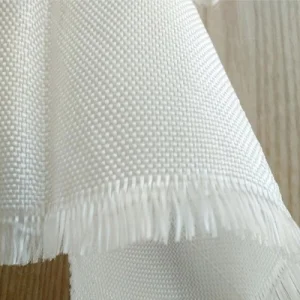
Woven geotextiles are made by weaving individual polymer threads (typically polypropylene or polyester) together, creating a material with high tensile strength and load-bearing capacity, but relatively low hydraulic permeability. They are primarily used for roadbed stabilization and soil reinforcement. Nonwoven geotextiles, conversely, are made by needle-punching or thermally bonding random fibers. This produces a porous, fabric-like sheet with excellent water permeability, filtration properties, and puncture resistance, making them ideal for drainage systems, filtration layers, and protecting geomembranes.
Q2: How does LLDPE compare to HDPE for hydraulic barrier installations?
HDPE (High-Density Polyethylene) is stiffer, has excellent chemical resistance, and provides high tensile strength, making it the industry standard for municipal landfills, mining heap leach pads, and industrial chemical storage containment. LLDPE (Linear Low-Density Polyethylene) offers greater flexibility, higher elongation properties, and better puncture resistance. It is often preferred for projects with irregular contours, steep slopes, or substrates prone to settling, such as decorative lakes, agricultural canals, and landfill caps.
Q3: What role does carbon black play in geomembrane durability?
Standard polyethylene is susceptible to photo-oxidation when exposed to solar radiation. Adding 2.0% to 3.0% high-grade carbon black during the extrusion process functions as a highly effective UV absorber. This additive shields the polymer chain from UV degradation, allowing the geomembrane to remain exposed to sunlight in outdoor environments (like reservoirs and canals) for decades without cracking.
Q4: Can composite geotex membranes be customized for specific project demands?
Yes, custom formulations are a core specialty at Shandong Hongyue. We can heat-bond different weights of nonwoven geotextile (ranging from 100g/㎡ to 800g/㎡) to either side of an HDPE or LLDPE geomembrane (with thicknesses from 0.3mm to 2.0mm). We can also adjust roll widths up to 6 meters to reduce the number of on-site seams required, lowering labor costs and reducing the risk of leakage.
Q5: What certifications should I check for prior to procurement?
For critical civil infrastructure, ensure your supplier provides ISO 9001 quality certificates, CE marking (required for EU infrastructure projects), and independent third-party test reports from recognized testing authorities (such as the China National Testing Center). Shandong Hongyue provides complete documentation and testing records with every delivery to verify compliance with global engineering specifications.
Q6: How do you verify seam integrity during field installation?
We use two primary non-destructive testing methods: air pressure testing and vacuum box testing. For double-track hot-wedge welds, we seal both ends of the central air channel, insert a testing needle, and pressurize the channel to 1.5–2.0 bar. If the pressure holds for 5 minutes without dropping, the seam is verified as leak-free. For extrusion welds and complex repairs, we apply soapy water to the weld area, place a clear acrylic vacuum box over it, and draw a vacuum. If no bubbles appear, the weld is sealed.
Production Process Details Fish pond anti-seepage membrane Steel-plastic geogrid Plastic Geogrid Uniaxially - stretched plastic geogrid Glass Fiber Cement Blanket Composite material geocell Hongyue HDPE geocell Storage and drainage board for underground garage roof About us auxiliary image Testing and laboratory quality control certificates Testing procedures verification status On site application engineering photos Reservoir project details Subgrade soil protection Waterway lining projects