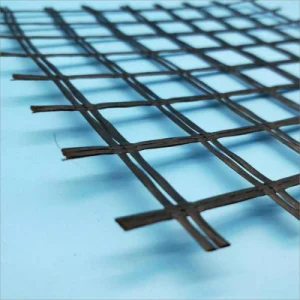
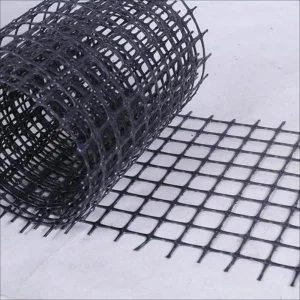
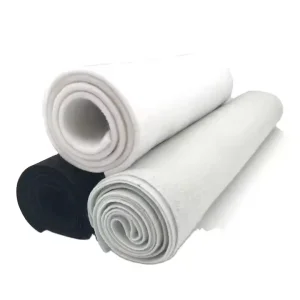
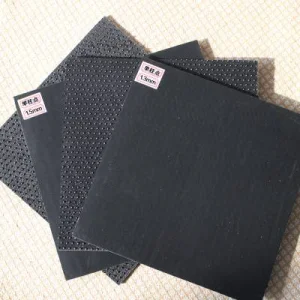
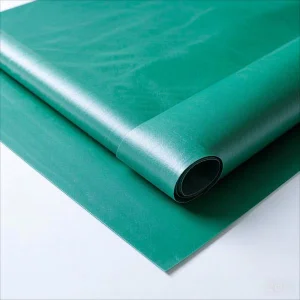
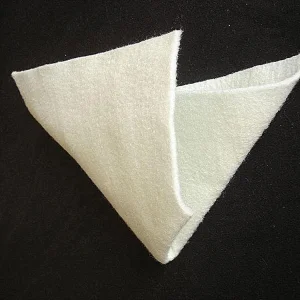
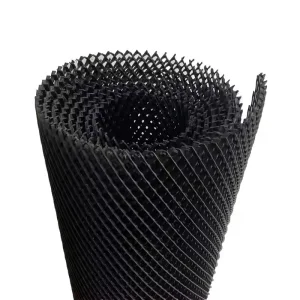
Modern civil infrastructure is only as reliable as the foundation upon which it rests. In civil engineering, road and driveway construction projects have shifted from archaic soil-layering techniques to highly sophisticated geosynthetic-reinforced systems. Geotech fabric for driveways acts as a multi-functional barrier. It excels in separation, filtration, reinforcement, and drainage, resolving the age-old problem of subgrade intermixing.
Without high-performance geotech fabric, the heavy aggregate of a driveway's subbase eventually sinks into the softer subgrade soil underneath under cyclical wheel loading. This migration results in rutting, cracking, and premature structural failure of the surface asphalt, concrete, or gravel. As a premier Chinese manufacturer, Shandong Hongyue Environmental Engineering Co., Ltd. supplies customized geotextiles engineered to mitigate these issues, optimizing civil investments globally.
Prevents the structural stone subbase from mixing with the underlying silt or clay. Retains the structural integrity of the aggregate layer and avoids localized shear failure.
Promotes swift lateral and vertical water drainage while retaining fine soil particles. Prevents hydrostatic pressure buildup under the driveway pavement.
Distributes heavy vehicular wheel loads across a wider surface area. Increases the overall California Bearing Ratio (CBR) and load capacity of the driveway structure.
Shandong Hongyue's large-scale production facilities utilize automated needle-punched non-woven and high-tensile woven production technologies to deliver exceptional cost efficiency and short lead times globally.
The global demand for high-performance driveway geotech fabrics has spiked due to rapid urbanization, increasing heavy freight loads, and the pressing need for climate-resilient infrastructure. Civil engineers and municipal developers across Europe, North America, and Australia are shifting from standard civil fabrics to customized, application-specific geosynthetics. Our woven and non-woven geotech fabrics are engineered to withstand extreme freeze-thaw cycles, preventing frost heaves that crack surface concrete and create asphalt potholes.
Historically, procurement managers faced high prices and long lead times when sourcing from local distributors. Direct supply channels from Chinese manufacturing hubs like Shandong Hongyue have revolutionized the market. By buying directly from the factory, procurement managers achieve significant cost savings. We provide custom roll dimensions (up to 6 meters in width) to reduce overlap wastage on large project sites, lowering overall material costs.
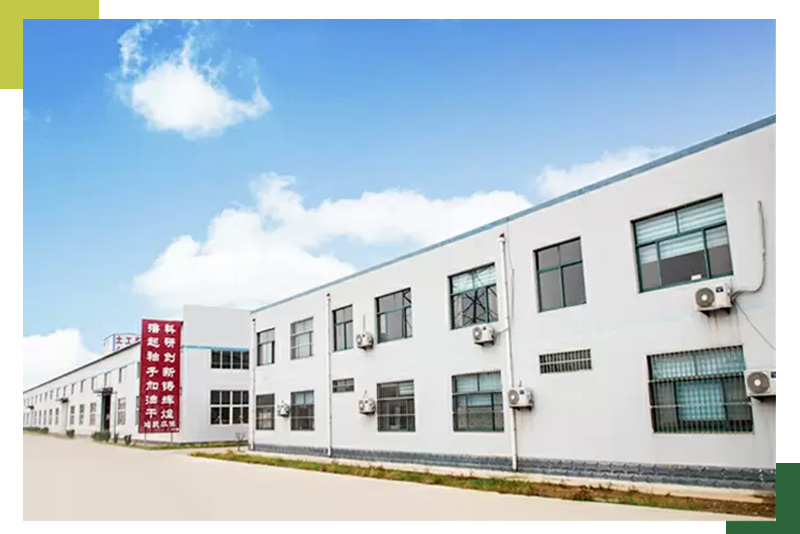
Shandong Hongyue operates advanced, high-speed production lines in Lingcheng District, Dezhou City. We leverage vertical integration, automated raw material processing, and massive raw material purchasing power to lower manufacturing costs without compromising quality. Our geotextiles are verified by China's National Testing Center and have passed rigorous European CE and ISO quality standards, ensuring reliable field performance at a competitive price.
Additionally, our factory's close proximity to major shipping ports and transportation networks guarantees reliable logistics. This lets us offer competitive CIF and FOB quotes, keeping your project on schedule and within budget.
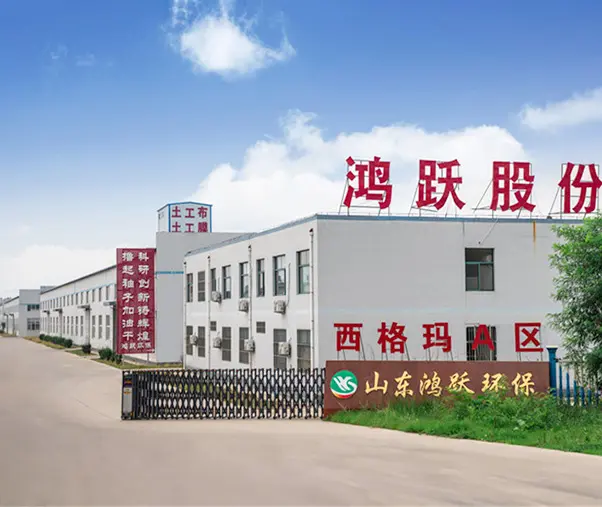
We implement a rigorous, six-step manufacturing process to ensure our geotextiles achieve the required tensile strength and chemical resistance for challenging civil applications.
The primary raw materials used are premium polyester (PET) chips, polypropylene (PP) filament, and viscose fibers. These materials undergo strict entry inspections to ensure chemical stability, thermal tolerance, and physical uniformity.
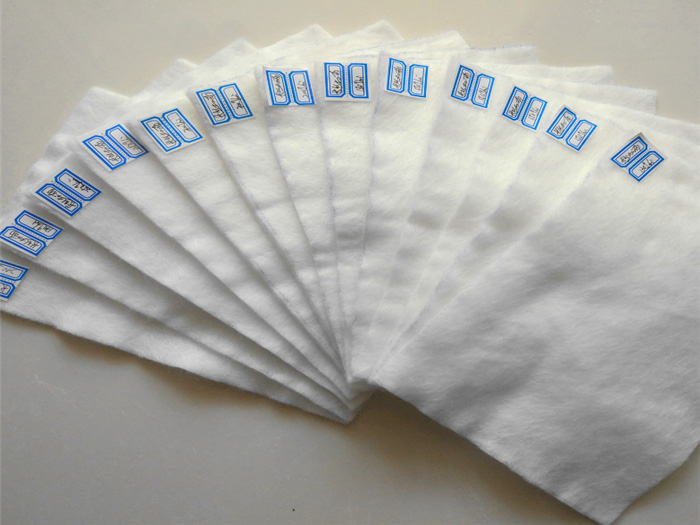
Polyester chips are melted at high temperatures and extruded through a screw extruder. PP filaments and viscose fibers are mixed in under precise temperature and pressure controls to ensure a uniform melt.
The molten mixture is extruded through spinnerets to form fine fibers. These fibers are laid onto a moving conveyor belt to form a uniform web structure, controlling thickness, density, and orientation.
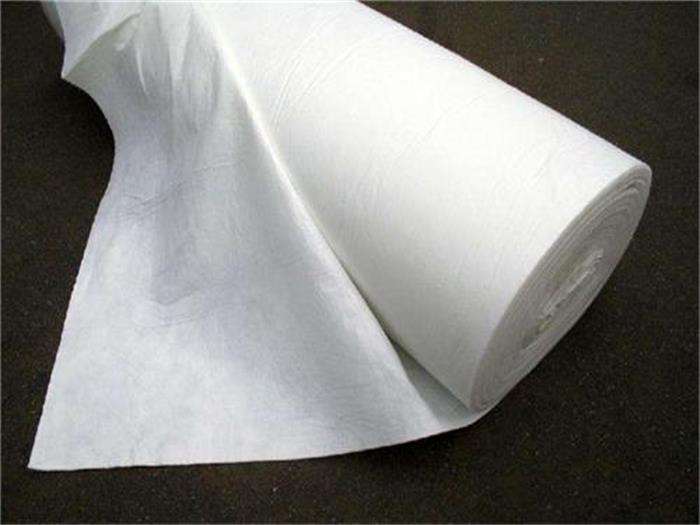
The loose web passes through heavy-duty needle-punching machines, where thousands of barbed needles entangle the fibers. This mechanical bonding yields a high-tensile, three-dimensional structure.
The cured geotextiles are measured for length, width, and thickness before being rolled and wrapped in UV-resistant protective film, ensuring they remain in pristine condition during shipping and storage.
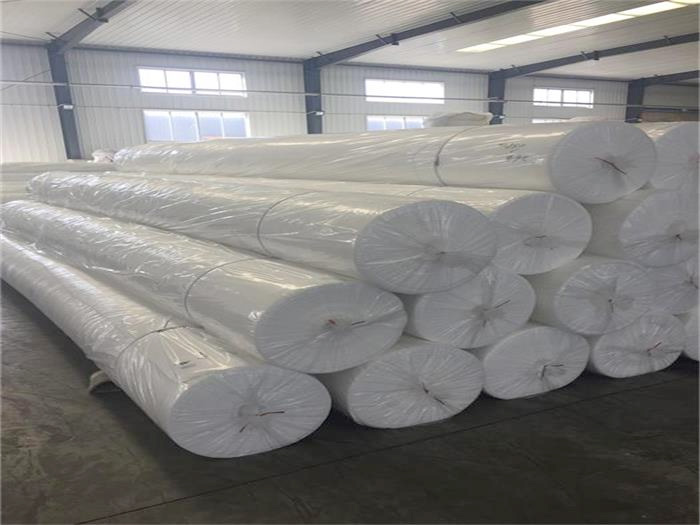
Every production run undergoes physical property tests (grab tensile, CBR puncture, trapezoidal tear), chemical resistance testing, and dimensional verification before shipment.
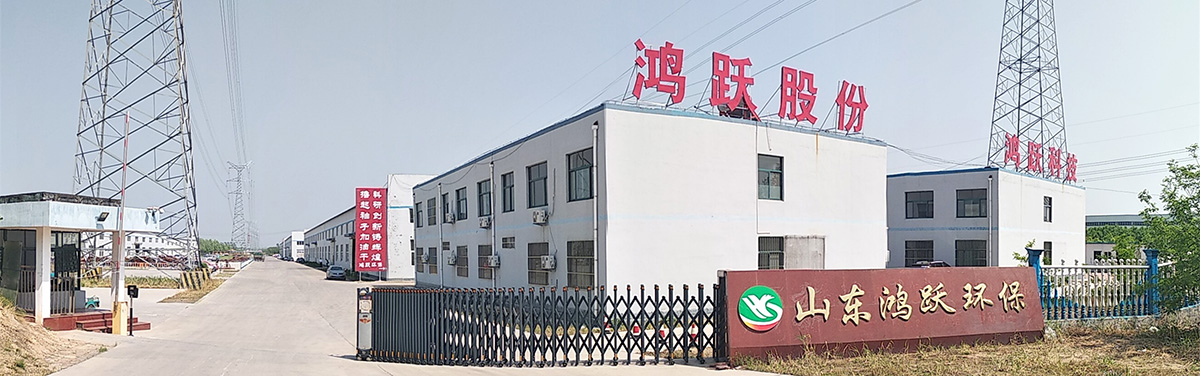
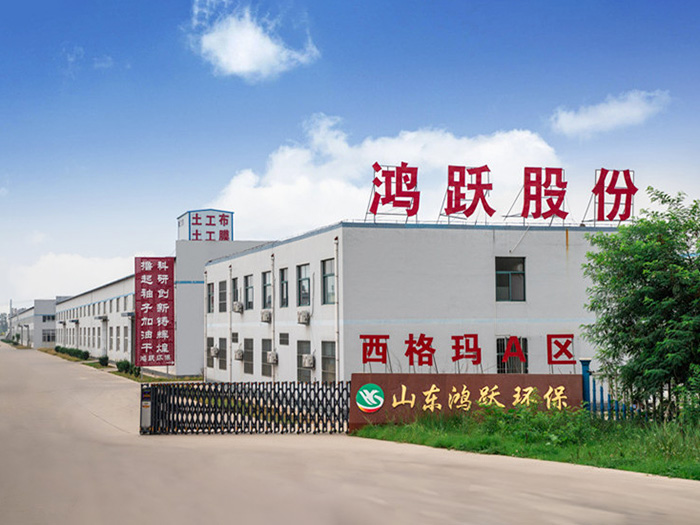
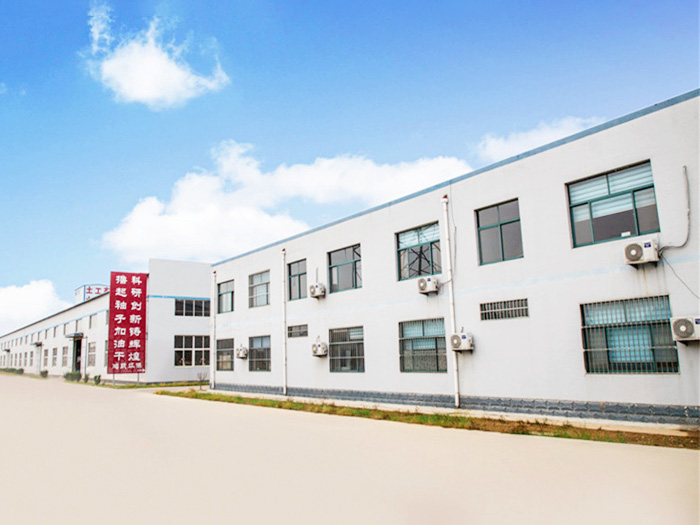
Take a look inside the advanced manufacturing facilities of Shandong Hongyue. We combine high-speed production with automated quality control systems.
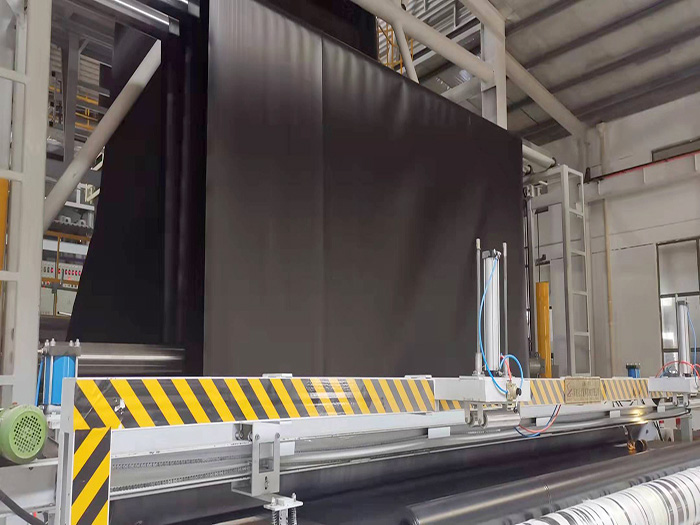
High-Speed Non-Woven Line
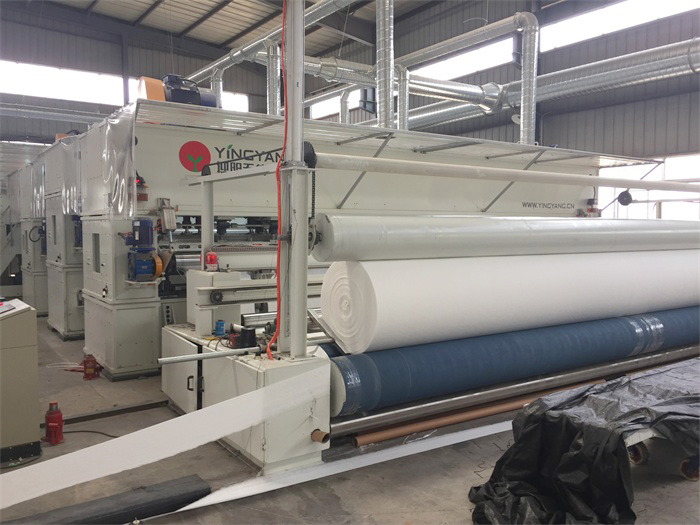
Filament Extrusion Area
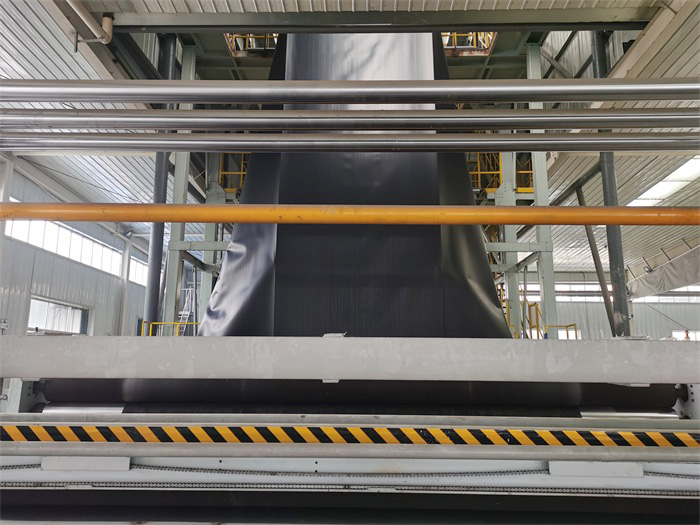
Geomembrane Calendering Line
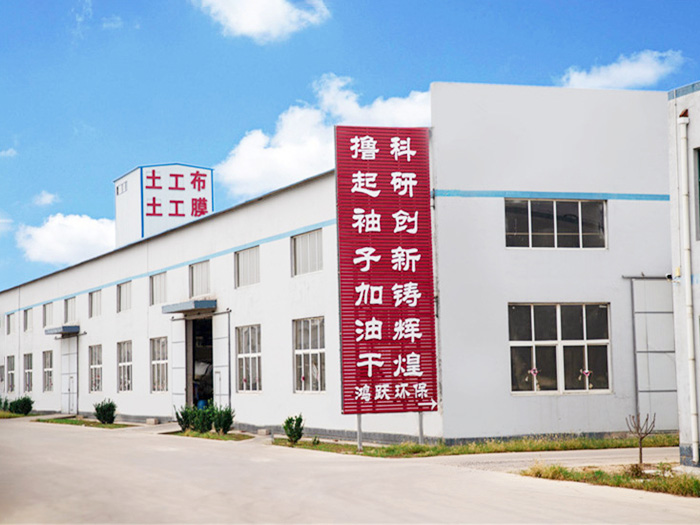
Export Packing & Storage
High-Strength Weaving Looms
Geogrid Assembly Area
Geocell Ultrasonic Welding Line
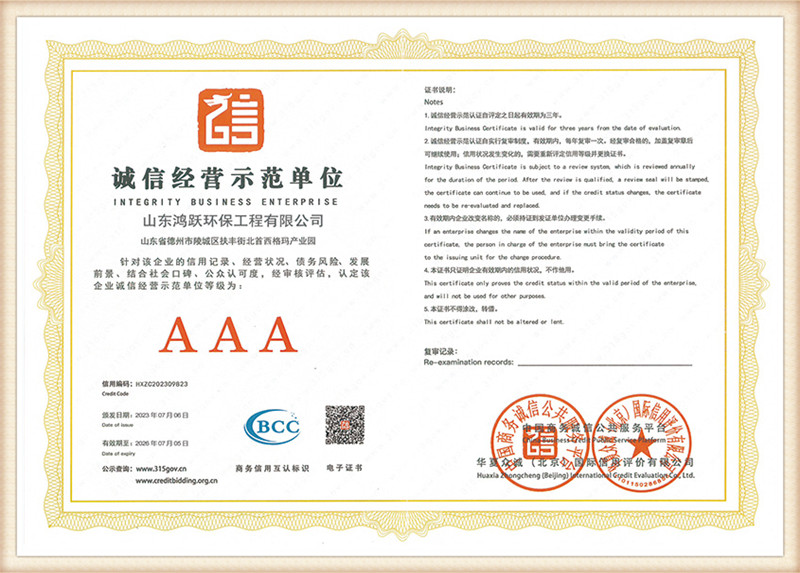
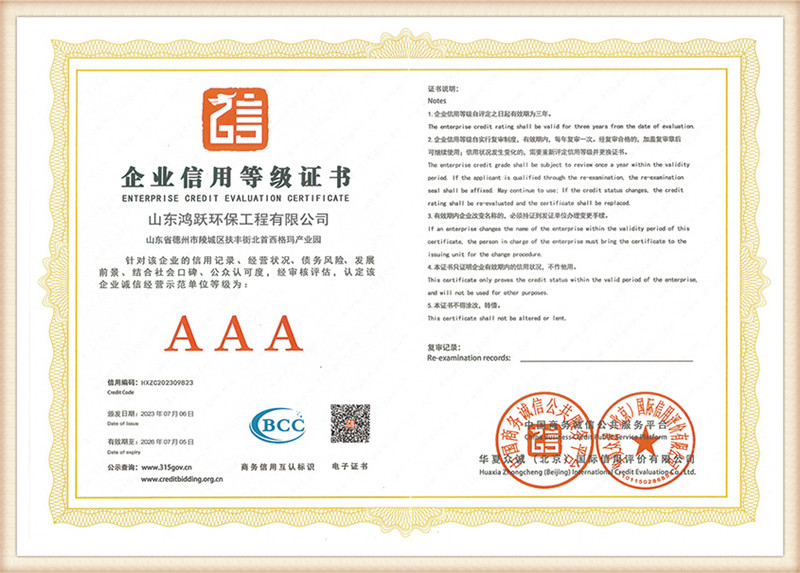
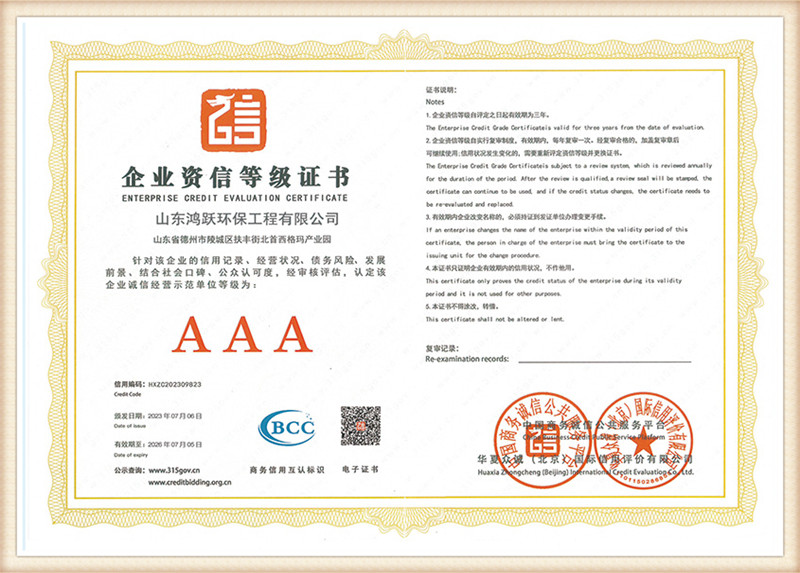
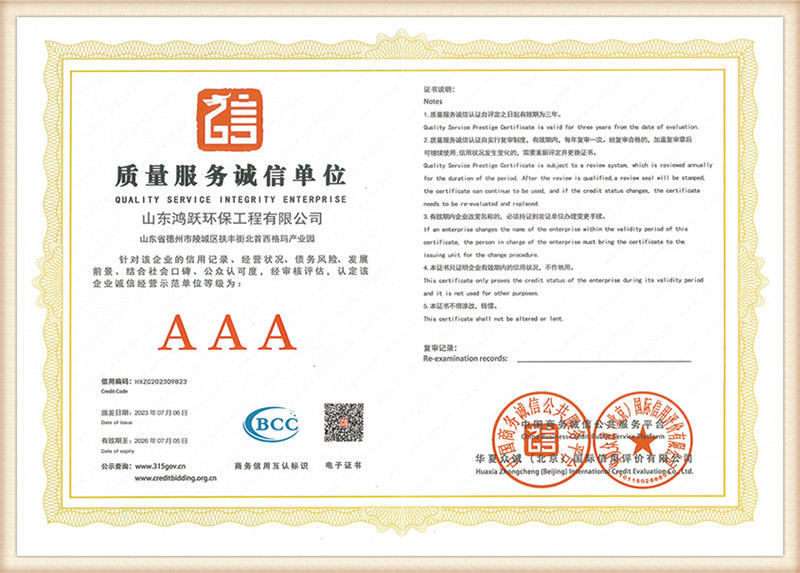
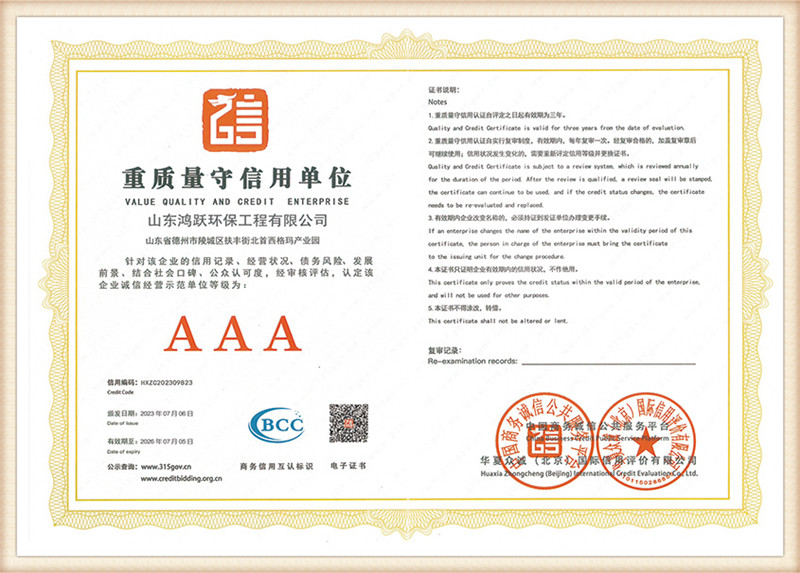
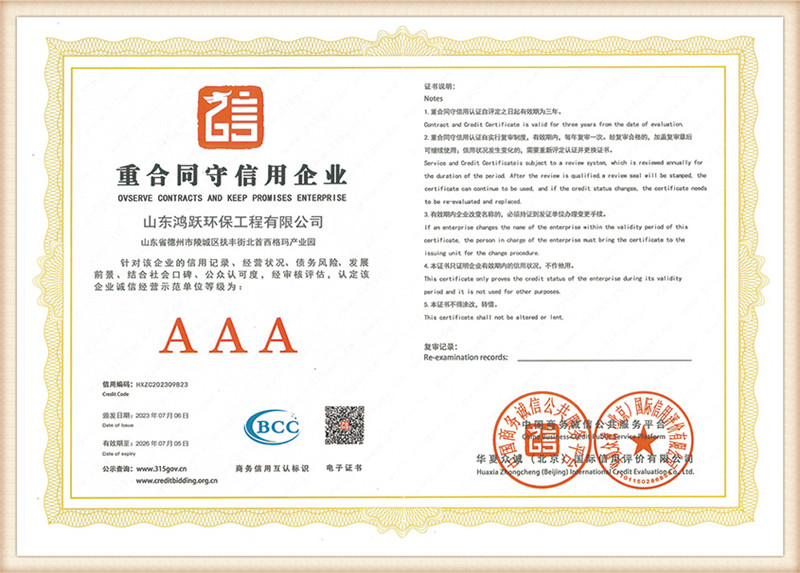
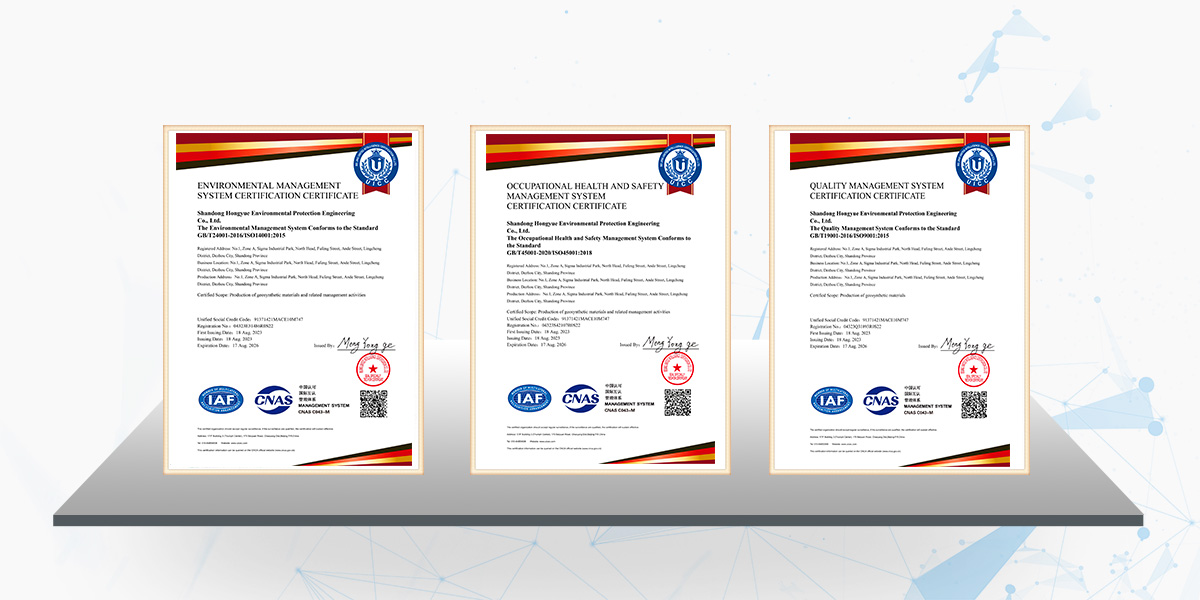
Shandong Hongyue Environmental Engineering Co., Ltd. operates under a complete, scientific management system. We have successively obtained ISO9001 quality management, ISO14000 environmental management, and ISO45001 occupational health and safety system certifications. Our products have earned certifications like "Green and Environmentally Friendly Building Materials", "China Famous Brand", and "High-Tech Enterprise".
Our quality control laboratory uses high-precision testing equipment to ensure our geotextiles consistently meet or exceed international standards, including ASTM and EN ISO specifications. All raw materials and finished products undergo national quality audits and third-party testing by the National Center for Testing of Agricultural/Geotechnical Materials, ensuring reliable field performance.
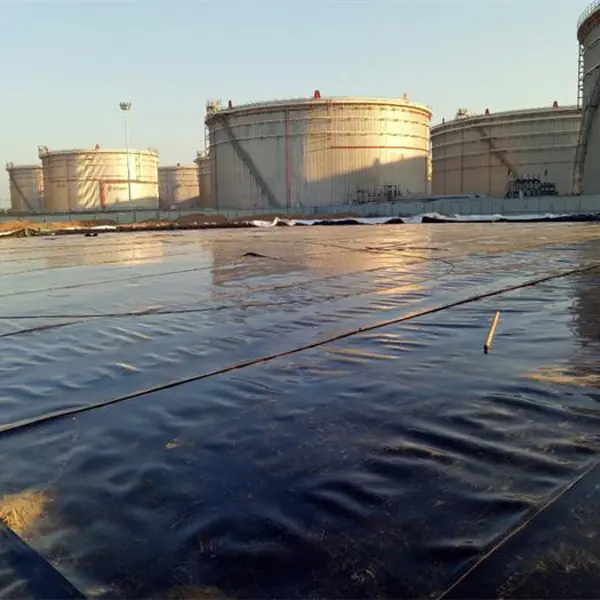
Beyond driveway subgrades, our geosynthetics play a vital role in environmental containment and hydraulic engineering projects worldwide.
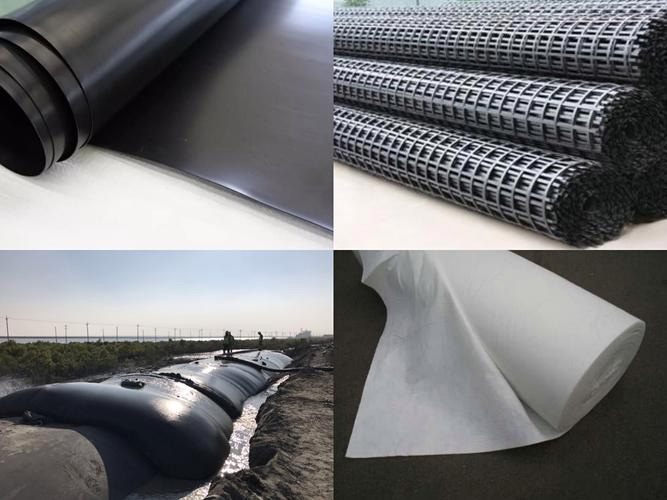
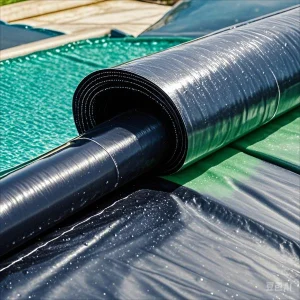
Choosing the correct geomembrane is vital for project durability. We offer high-density polyethylene (HDPE) for projects requiring high UV resistance and chemical stability, and linear low-density polyethylene (LLDPE) for applications needing greater flexibility and elongation. Roll thicknesses range from 0.3mm to 2.0mm to match specific project specifications.
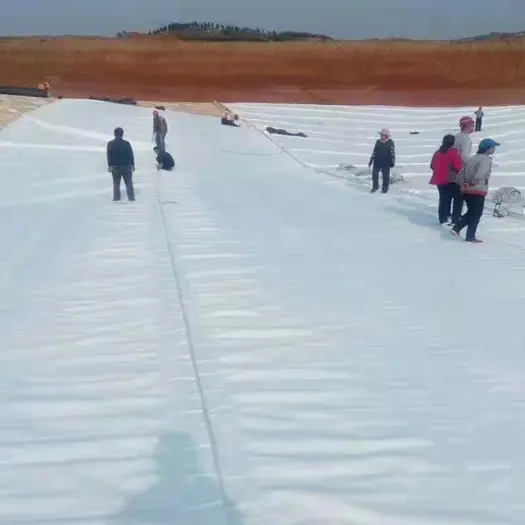
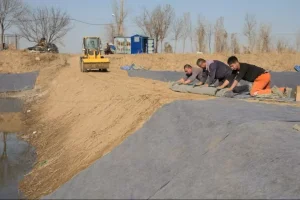
Proper installation requires thorough subgrade preparation. The surface must be level, compacted, and free of rocks or sharp objects. Standard laying techniques include cover laying and fold laying, with thermal welding used at overlaps to ensure watertight, leak-proof seams.
Routine inspections and cleaning protect the membrane from physical damage. Regular checks for wear, puncture, and aging allow for timely repairs, ensuring long-term performance.
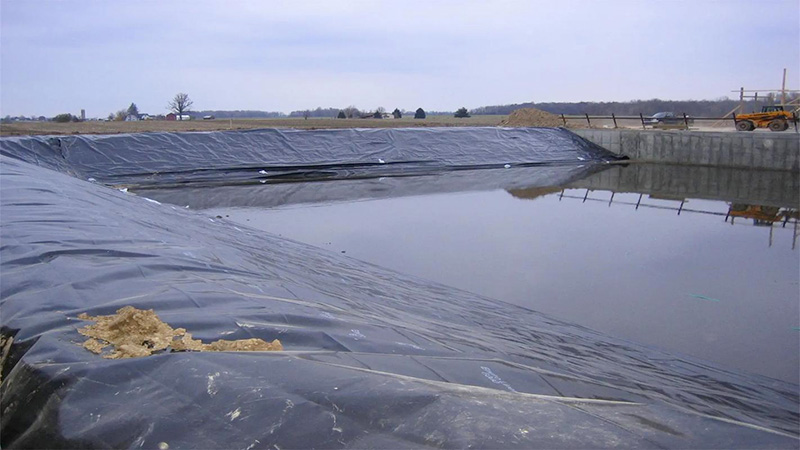
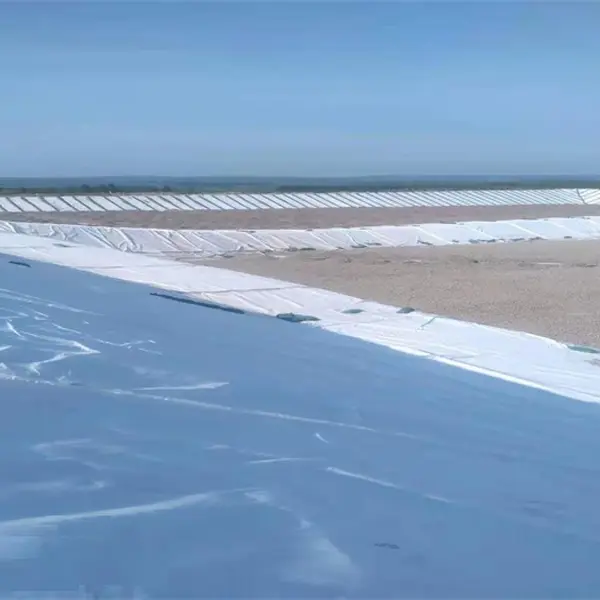
In reservoirs, geomembranes prevent water loss through porous bedrock. This stabilization improves safety and water retention capacity.
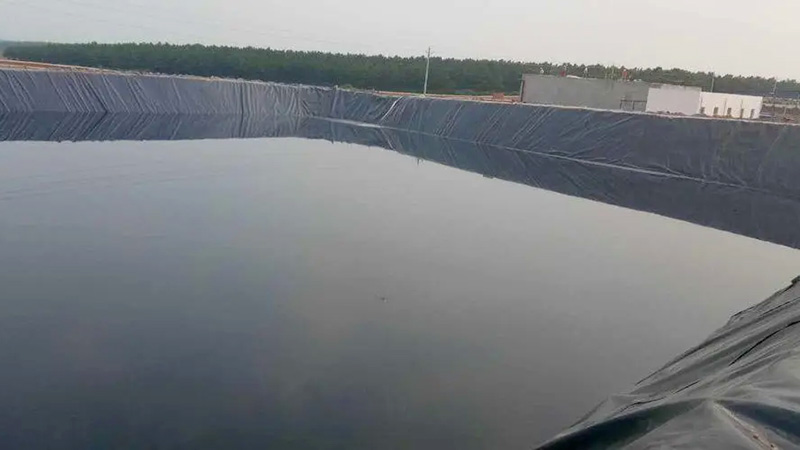
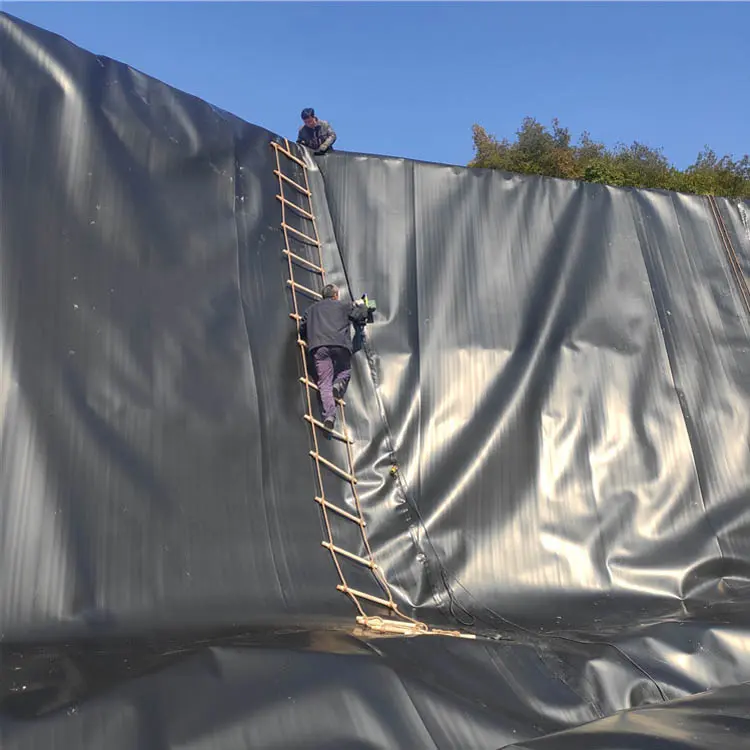
Installing geomembranes on river levees provides reliable flood defense. The membrane protects the embankment from erosion and internal piping failures during high-water events.
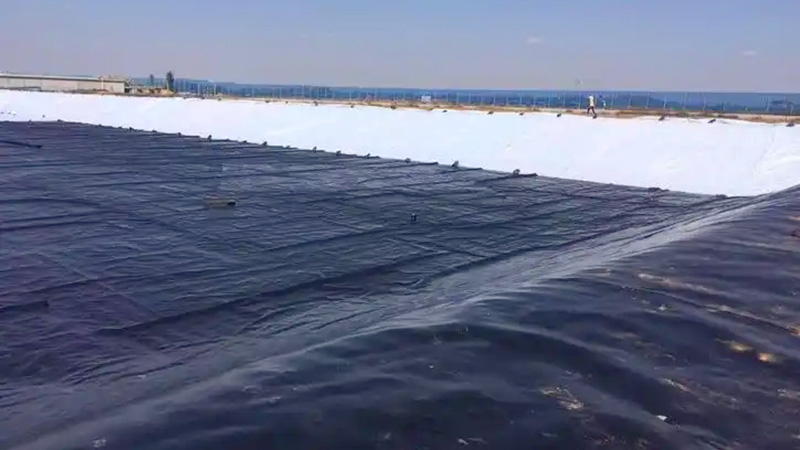
Lining irrigation canals minimizes seepage losses, ensuring efficient water transport to municipal and agricultural areas.
Choosing the correct geotextile depends on your driveway's soil conditions, aggregate type, and expected vehicle loads.
Manufactured by weaving synthetic ribbons (usually polypropylene) in a perpendicular pattern. Woven fabrics provide high tensile strength with minimal stretch, making them excellent for load-bearing and reinforcement applications.
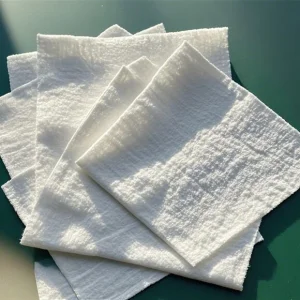
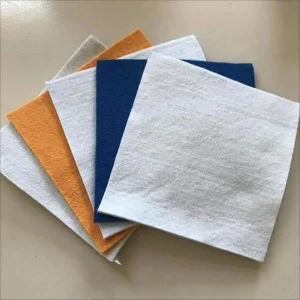
Produced by needle-punching synthetic fibers into a dense, felt-like web. These fabrics offer superior water permeability and filtration, making them ideal for drainage and separation in damp or soft soils.
Geotech fabric separates the crushed stone aggregate base from the softer subgrade soil underneath. Without it, aggregate stone sinks into the subgrade, causing rutting, sinking, and cracking at the surface. It also facilitates water drainage while filtering out fine clay particles that could clog the base layer.
For gravel driveways, non-woven geotextile (around 150 to 200 GSM) is typically recommended. It provides excellent filtration and water permeability, allowing rain to drain into the soil without shifting the gravel base. Woven geotextile is preferred for paved asphalt or concrete driveways where maximum load-bearing reinforcement is required.
Our products are manufactured under ISO9001, ISO14000, and ISO45001 management systems. Each batch undergoes rigorous testing for tensile strength, puncture resistance, and permeability in our quality control lab. Products are also certified by China's National Testing Center to ensure they meet standard civil specifications.
Our geotech fabrics are made from premium polymers (polypropylene or polyester) containing UV inhibitors and chemical stabilizers. When installed underground and shielded from direct sunlight, these fabrics are designed to last for over 50 years, providing permanent subgrade stabilization.
Please contact our sales team with your project details, including the fabric type, required density (GSM), roll size, and order volume. We provide customized wholesale pricing, export terms, and project consultations to suit your budget and schedule.
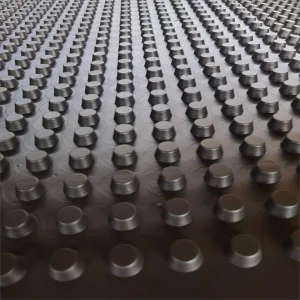
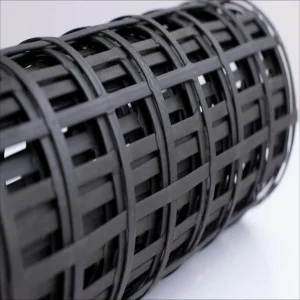
Shandong Hongyue provides a wide range of geosynthetic solutions, including geomembranes, drainage boards, geogrids, and geocells, designed to meet the demands of large-scale infrastructure projects.
 Hongyue