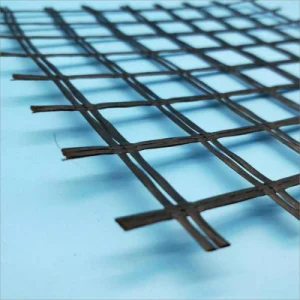
Engineered to deliver industry-leading performance under demanding physical and environmental conditions.
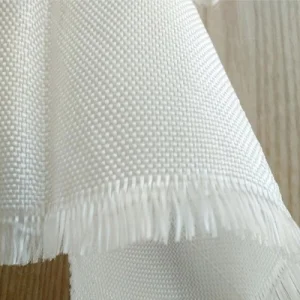
The global industrial landscape is undergoing a critical transition. Governments, businesses, and consumers are demanding a hard pivot away from single-use fossil fuel plastics. Within this green transition, Ecosafe Compostable Bags have emerged as the premier standard for retail packaging, municipal organic sorting, agricultural mulching, and eco-remediation engineering.
Integrating advanced biotechnology with robust material science, modern compostable products offer a dual advantage: they deliver the high tensile strength and puncture resistance of conventional low-density polyethylene (LDPE), yet break down harmlessly into carbon dioxide, water, and organic biomass in composting environments, leaving absolutely no microplastics or toxic residues.
As a leading scientific environmental engineering manufacturer, Shandong Hongyue Environmental Engineering Co., Ltd. stands at the forefront of this industrial transformation. Leveraging a massive registered capital of 105 million yuan, our operations integrate state-of-the-art polymer design with heavy civil infrastructure manufacturing, satisfying the rigorous technical specifications and compliance demands of global enterprises.
Understanding the material chemistry and biodegradation timeline required for true environmental integration.
True compostability is not merely a marketing term; it is a precisely calibrated chemical process governed by international regulatory standards. Our Ecosafe compostable bags are engineered from synthesized bio-based polymers, primary among them being PLA (Polylactic Acid), PBAT (Polybutylene Adipate Terephthalate), and thermo-plasticized starches (TPS).
Unlike standard plastics that break down physically into long-lasting microplastics, these bio-polymers undergo hydrolytic and enzymatic degradation:
Polylactic Acid derived from annually renewable plant starches provides structural rigidity, high transparency, and exceptional printability for clear branding.
Synthesized biodegradable co-polymers deliver elastic properties, ensuring drop-strength, shock absorption, and high elongation-at-break metrics equivalent to traditional LDPE.
Proprietary compound mixtures facilitate cost efficiency, faster degradation acceleration, and clean carbon cycling without sacrificing the barrier properties of the film.
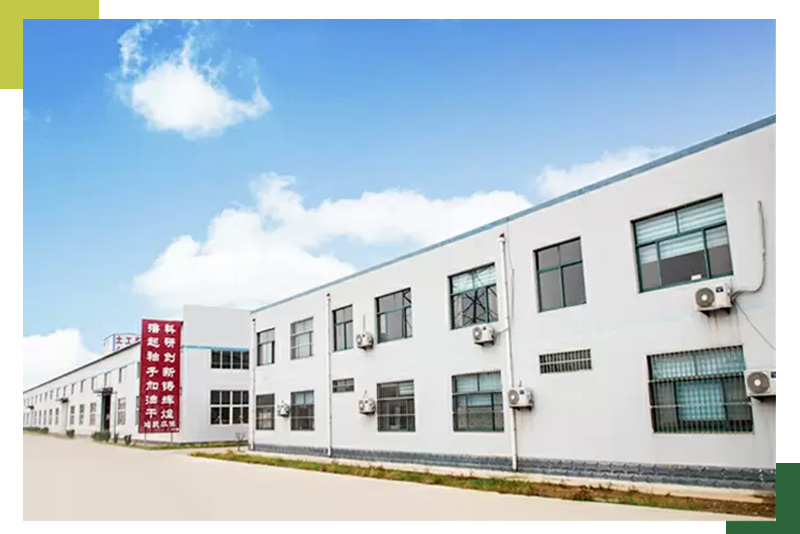
Sourcing from a large-scale Chinese manufacturer like Shandong Hongyue offers global enterprises unmatched commercial and technical advantages. Located in Dezhou, Shandong Province—a renowned industrial epicenter with highly integrated raw material networks—our facility benefits from immediate access to deep-water shipping lanes, high-speed rail freight, and localized polymer refineries.
This geographic positioning minimizes domestic transport overheads, allowing us to offer highly competitive pricing structures on bulk orders. Additionally, our production capacities are backed by massive infrastructure, allowing us to run multiple large-scale extrusion and bagging machines simultaneously. This ensures short lead times and stable batch consistency, regardless of seasonal demand spikes.
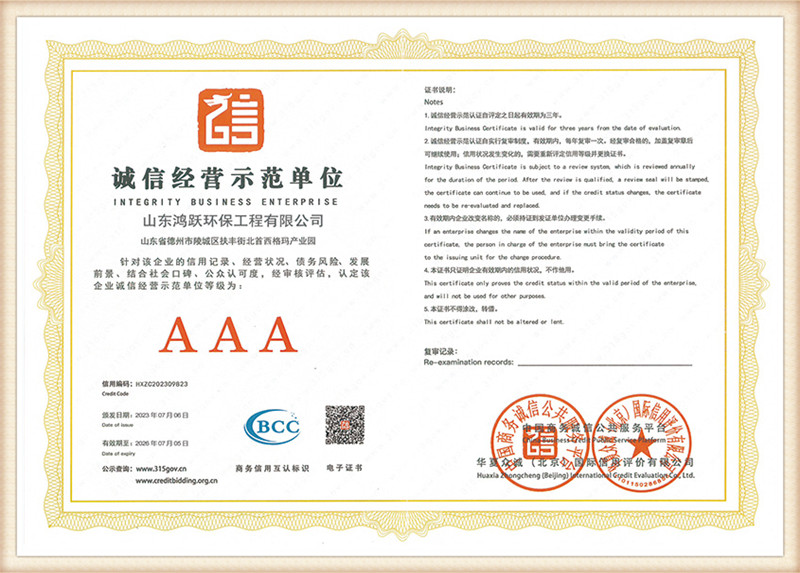
Our operation is certified to the highest international levels, holding ISO9001:2015 (Quality Management System), ISO14001:2015 (Environmental Management System), and ISO45001:2018 (Occupational Health and Safety). When sourcing from Hongyue, global enterprises secure a partner capable of executing large-scale, compliant supply contracts.
Ensuring complete alignment with national and regional legislative mandates across all global markets.
Navigating the shifting regulatory landscape for plastics requires a highly compliant supplier. Different countries mandate specific testing protocols and certifications to verify environmental friendliness. At Shandong Hongyue, we ensure our compostable bags meet these parameters directly at the formulation phase.
Complies with ASTM D6400 requirements for compostability in municipal and industrial facilities, meeting the stringent standards of the Biodegradable Products Institute (BPI).
Conforms to EN 13432 standards, certified under the TÜV Austria OK Compost program for both industrial and home composting conditions, ensuring broad European compliance.
Formulated to meet Australia's strict AS 4736 (commercial composting) and AS 5810 (home composting) standards, including verified worm ecotoxicity assessments.
A transparent look inside our manufacturing systems, detailing the steps required to produce high-performance materials.
Our quality monitoring guarantees that our structural products—ranging from environmental geotextiles to ecological barrier bags—consistently perform to engineering specifications. Drawing on our deep roots in geotextile production, we apply identical, rigorous testing to all raw polymer batches, melt-blown processes, and tensile-stress operations.
This operational expertise ensures that every batch has high tear-propagation resistance, excellent seam sealability, and reliable preservation properties. The process flow below details the structured manufacturing methodology used in our Dezhou facility:
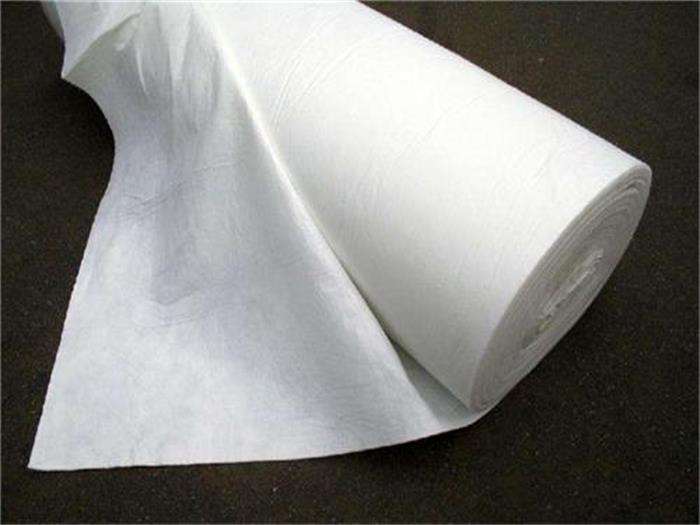
Polyester chips, bio-polymers (PLA/PBAT), polypropylene filaments, and natural viscose fibers are systematically inspected and stored. Analytical lab tests verify moisture levels, density, and material purity before release to the production floor.
Materials undergo high-temperature processing inside single or twin-screw extruders. Temperatures, pressure indices, and compound mixing ratios are precisely monitored via automated PLC systems to ensure melt consistency.
The molten polymer is extruded through specialized spinnerets or die heads. For geotextiles, this forms a structured web on the conveyor system; for film bags, it creates a bubble structure. Thickness, layout weight, and orientation are tightly controlled.
Once extruded, the material undergoes thermal draft curing. Stretching and temperature tempering calibrate the physical properties, optimizing tensile strength, tear values, and dimensional stability.
After curing, the sheet or film is precision-slit, rolled, and packaged. Automated sensors track roll length, width, and weight, flagging any structural deviation for immediate quarantine.
Finished goods undergo final laboratory evaluations, covering physical stress testing, chemical stability tests, and visual inspection. Only items certified to meet or exceed international standards are cleared for shipment.
From retail packaging to severe civil engineering challenges, explore how our products deliver environmental protection.
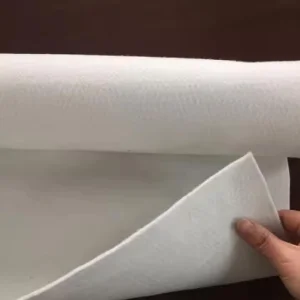
Deploying specialized ecological bags and geotextiles to protect riverbanks and canals. The bags serve as structural support while allowing natural vegetation to take root through the permeable fabric.
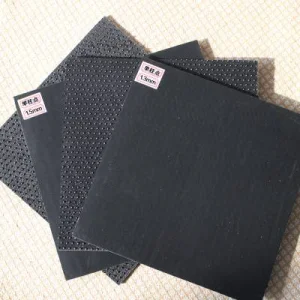
Utilizing high-density geomembranes and bentonite clay liners to establish impermeable layers, preventing toxic chemical runoff from contaminating local groundwater tables.
Custom-branded ecosafe compostable shopper bags designed for large retail chains, helping brands meet plastic-ban mandates while offering consumers high-strength reusable bags.
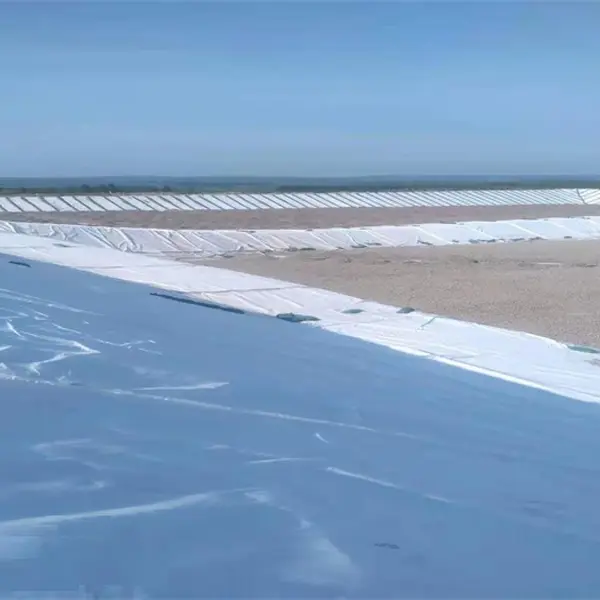
To ensure long-term performance, laying geomembranes requires strict technical guidelines:
Expert answers to the most common questions from procurement professionals and environmental engineers.
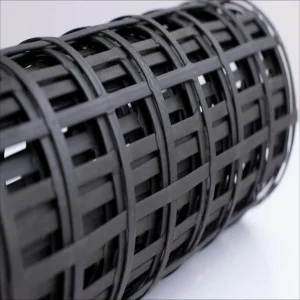
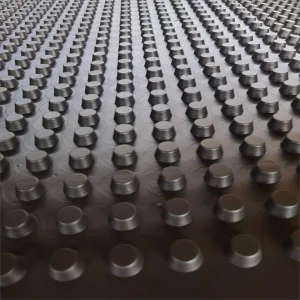
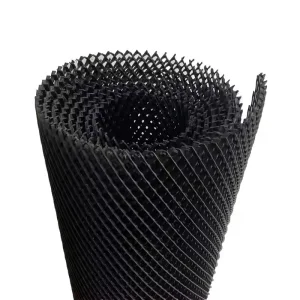
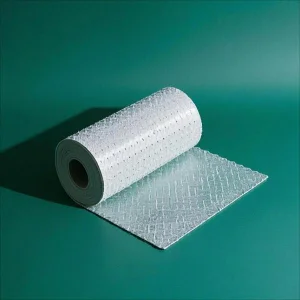
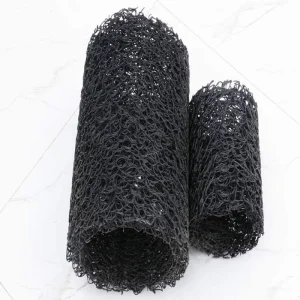
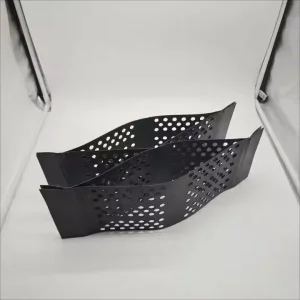
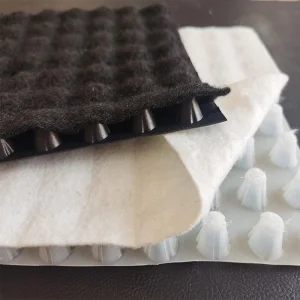
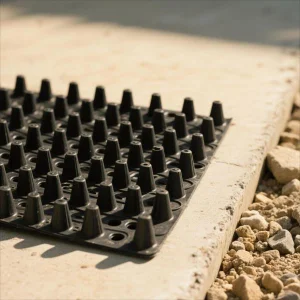
Explore our industrial range of geonets, drainage boards, geomembranes, and reinforced geocells built for demanding infrastructure projects.
 Hongyue