Engineered for extreme performance in hydraulic barriers, waste containment, and waterproofing infrastructure.
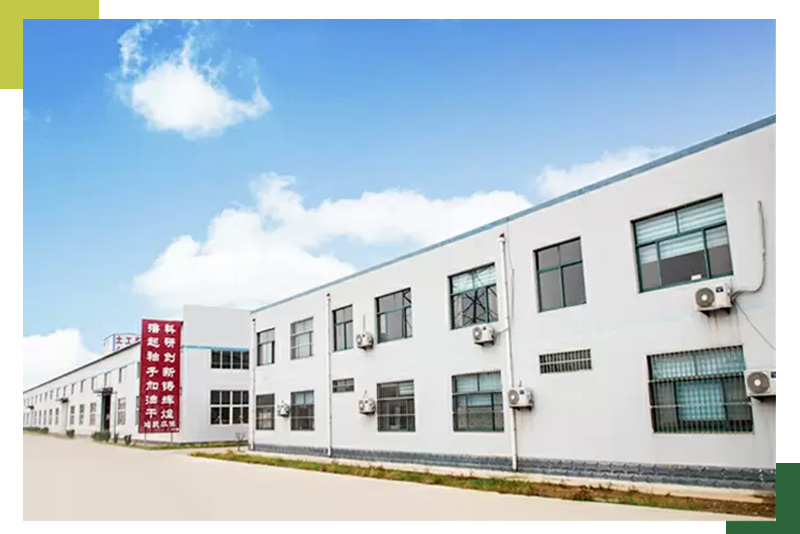
Shandong Hongyue Environmental Engineering Co., Ltd., positioned strategically at the north end of Fufeng Street, Lingcheng District, Dezhou, Shandong Province, stands as a premier scientific and technological geotechnical material manufacturer. We combine advanced research, manufacturing, sales, civil design, and expert construction engineering into a comprehensive containment solution structure. Operating with a robust registered capital of 105 million yuan, we are widely recognized as one of the largest and most technically advanced manufacturing bases for geotechnical and seepage control materials in China.
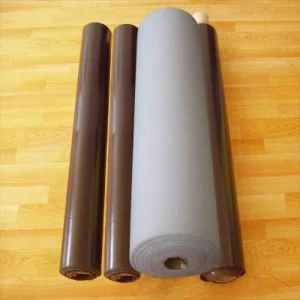
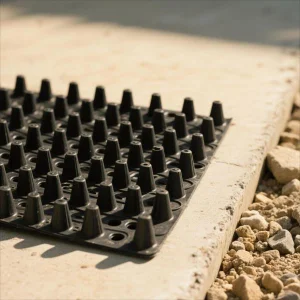
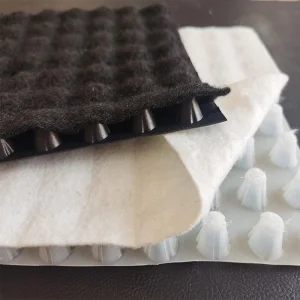
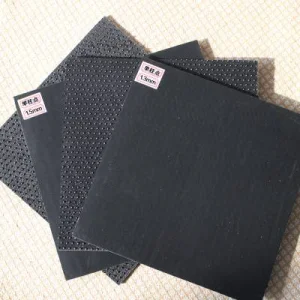
Our organization specializes in addressing critical containment challenges within modern civil engineering. We specialize in producing, designing, and optimizing solutions with advanced geotextiles, geomembranes, composite geomembranes, waterproof boards, bentonite waterproof blankets (Geosynthetic Clay Liners), 3D composite drainage networks, drainage boards, woven geo-cloth, membrane bags, concrete-filled fabric cement blankets, and flexible permeable pipes. Supported by a rigorous quality system, we deliver reliable barrier technologies globally.
Understanding the engineering benefits of sodium bentonite clay barriers in civil and environmental structures.
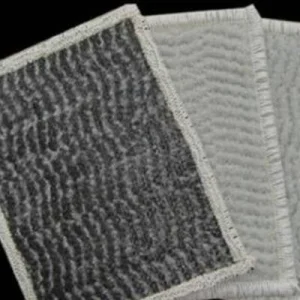
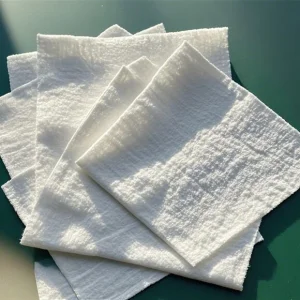
Bentonite Waterproof Blankets, also classified under geotechnical engineering standards as Geosynthetic Clay Liners (GCL), represent a milestone in barrier technology. Unlike traditional compacted clay liners (CCL) that require heavy on-site machinery and are prone to cracking under thermal variations, GCLs utilize the hydraulic swelling characteristics of high-purity natural sodium bentonite clay. When encapsulated between robust woven and non-woven geotextiles through a precision needle-punching process, GCLs provide self-healing, low-permeability containment barriers.
Sodium bentonite swells up to 15 times its dry volume when hydrated. This hydration creates a high-swelling pressure that automatically seals punctures, minor tears, and seams, ensuring long-term containment integrity.
Upon hydration, the bentonite clay transitions into a cohesive, gelatinous layer. It offers hydraulic conductivity values lower than 5 x 10^-11 m/s, providing robust protection against chemical and water migration.
Standard clay layers dry out and crack over time. The structural reinforcement from needle-punched fibers anchors the bentonite gel, preventing shear failure on steep slopes and maintaining stability across varying temperatures.
How modern technology ensures zero defects, consistent density, and physical integrity at Shandong Hongyue's production facility.
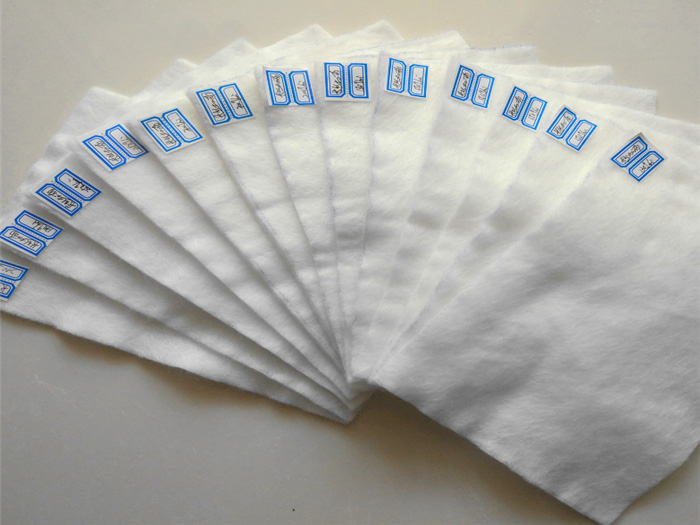
We source premium sodium bentonite clay and high-grade virgin polyester/polypropylene chips to ensure physical stability, chemical resistance, and long-term durability in challenging conditions.
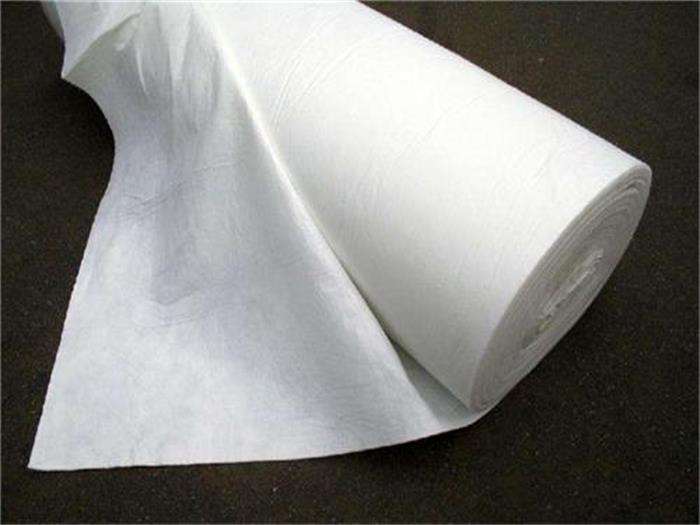
The high-purity bentonite powder is distributed between the geotextile layers. Thousands of high-strength fibers are needle-punched through the clay to secure the structural integrity of the composite material.
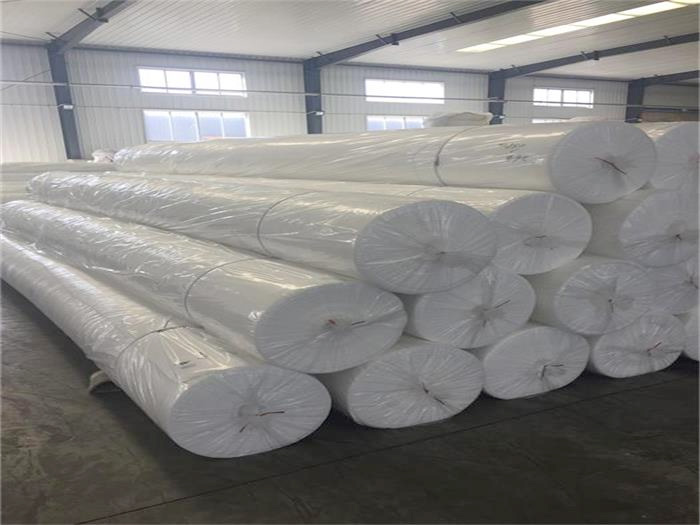
Every finished roll is calibrated for thickness and density. Samples undergo testing for hydraulic conductivity, swelling capacity, and grab tensile strength before packaging to guarantee on-site performance.
Our location in Lingcheng District, Dezhou, Shandong Province, provides major logistical and industrial advantages for geotechnical material buyers. As an established production hub for geotechnical materials in China, we leverage local supply chains, optimized production methods, and convenient transport links to Qingdao Port.
Dezhou Geotextile Association Membership: By working within this industrial ecosystem, we stay updated on quality benchmarks and technical developments. This association helps ensure our products meet international standards, including CE certifications, ISO quality systems, and ASTM testing methods.
Cost Efficiency and Large-Scale Operations: With a registered capital of 105 million yuan, our facility operates high-capacity, wide-width needle-punching looms and co-extrusion machinery. This scale enables us to manage major international engineering projects without sacrificing quality or extending lead times.
Engineered barriers designed for environmental containment, infrastructure protection, and civil engineering projects.
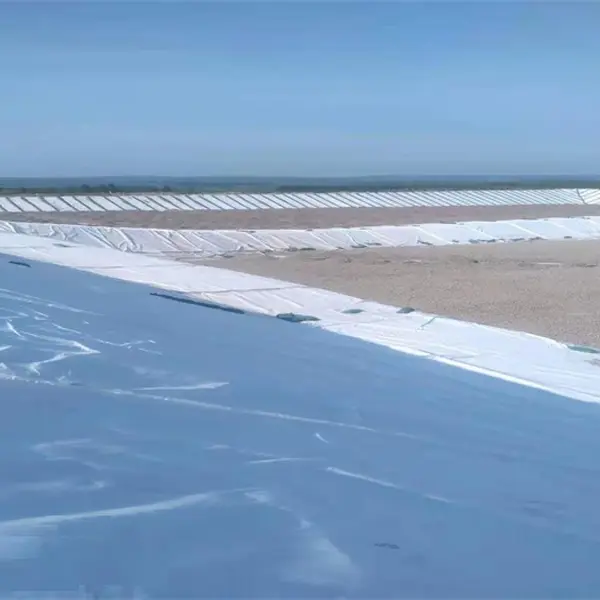
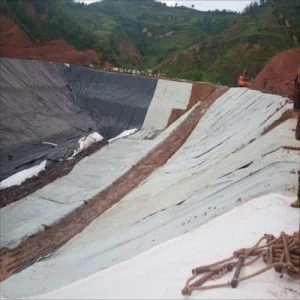
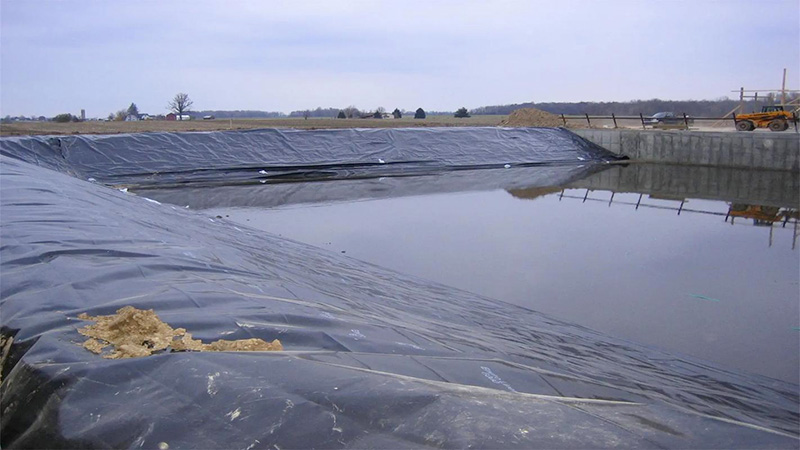
High-pressure containment systems that prevent water loss in large reservoirs and protect dam structures against internal erosion and piping failures.
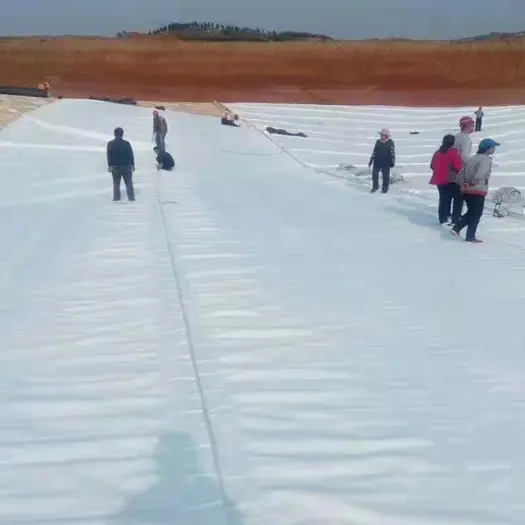
Durable, erosion-resistant lining systems that control water loss along transit lines and stabilize channels during flow variations.
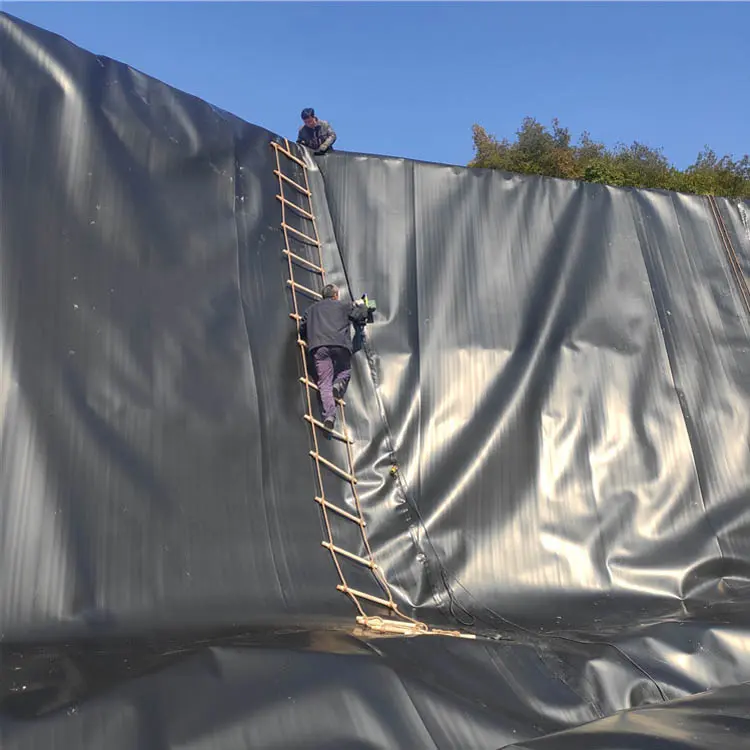
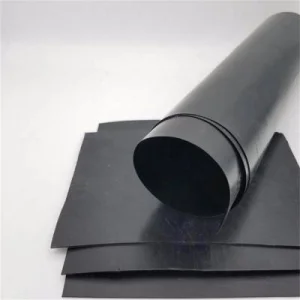
Reliable composite barriers (GCL + HDPE Geomembrane) designed to contain toxic run-off and protect groundwater systems.
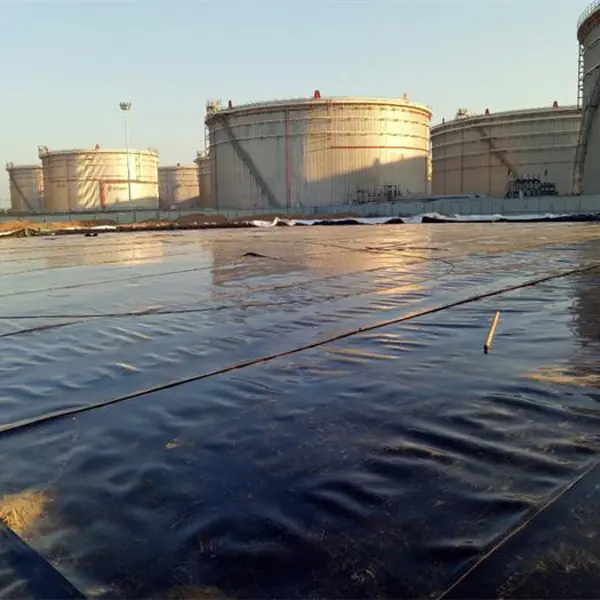
In petrochemical sites and fuel storage installations, seepage control is essential to prevent soil contamination. Our specialized bentonite waterproof blankets and composite liners provide reliable containment barriers beneath fuel tanks and processing zones.
These barriers are engineered to withstand contact with hydrocarbons, chemical salts, and waste industrial fluids. When deployed with geomembranes, they form redundant containment systems that meet strict environmental regulations and support zero-leakage targets.
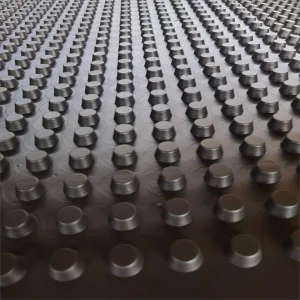
For municipal floodways and river embankments, structural stability is a priority. Using GCLs alongside our composite drainage systems helps relieve excess pore water pressure while preventing water from penetrating into the core of the embankment.
Our containment materials have been used in municipal upgrades, railway subgrades, high-speed rail lines, and highway foundation projects, helping protect critical infrastructure from water damage.
Our commitment to E-E-A-T (Experience, Expertise, Authoritativeness, Trustworthiness) standards through testing and certifications.
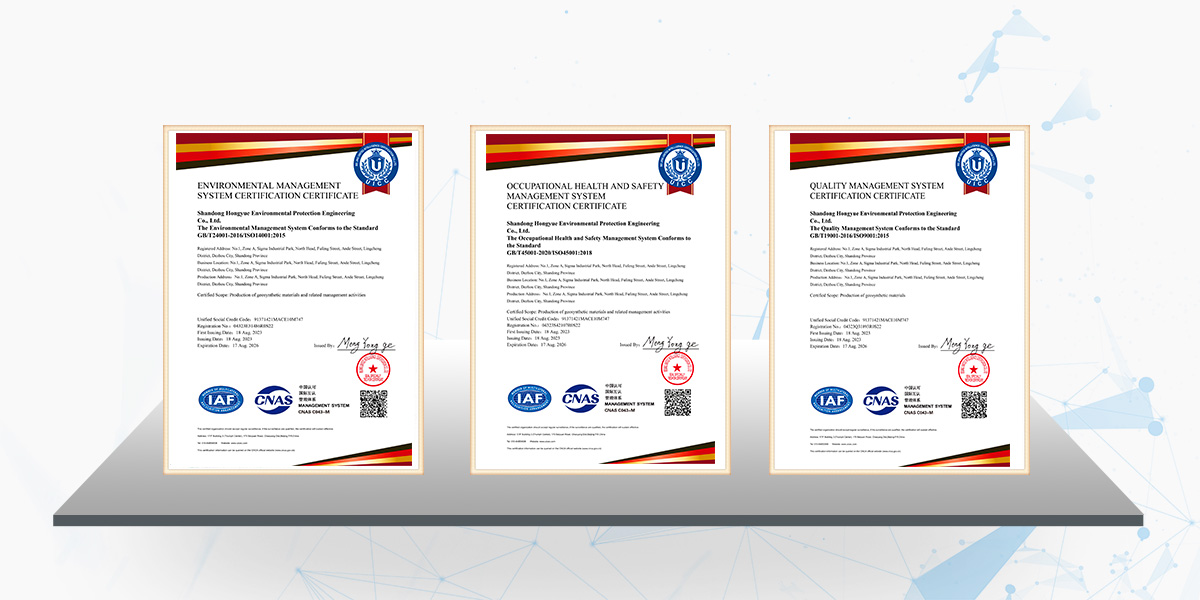
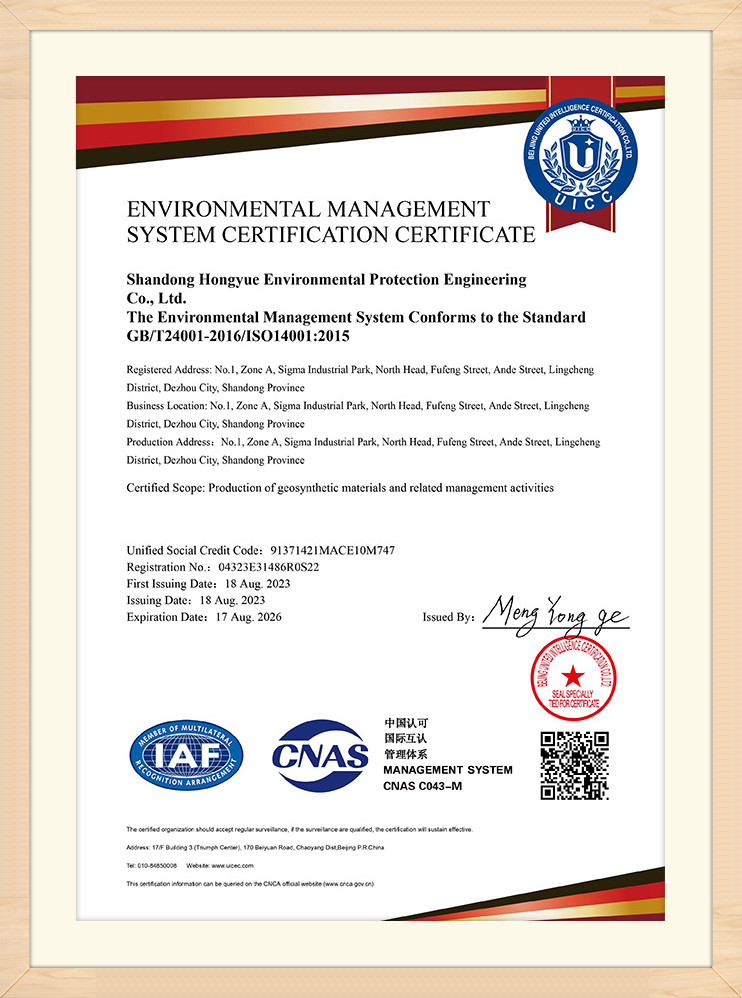
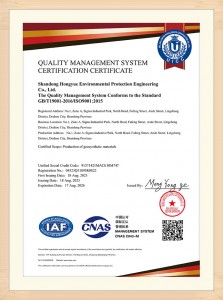
Shandong Hongyue operates under a comprehensive quality management system, certified to ISO9001:2015 (Quality), ISO14001:2015 (Environmental), and ISO45001:2018 (Occupational Health and Safety). Our products have been recognized with awards including Green Building Material Products, Famous Chinese Brand, and High-tech Industry Status.
In-House Testing Facility: Our laboratory is equipped with precision testing tools to measure mass-per-unit-area, index flux, swell index, fluid loss, tensile strength, and interface peel strength. Every production lot is traced back to its raw material source to ensure product consistency.
Independent Verification: All materials are verified by third-party testing centers, including the China National Testing Center, ensuring compliance with both national standards and international ASTM specifications.
Best practices for deploying Geosynthetic Clay Liners (GCL) to ensure long-term containment integrity.
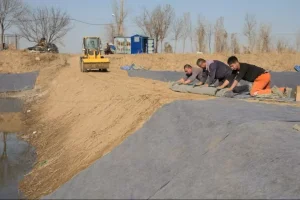
The performance of a Geosynthetic Clay Liner depends heavily on proper preparation and installation. Below is the step-by-step installation methodology recommended by our technical team:
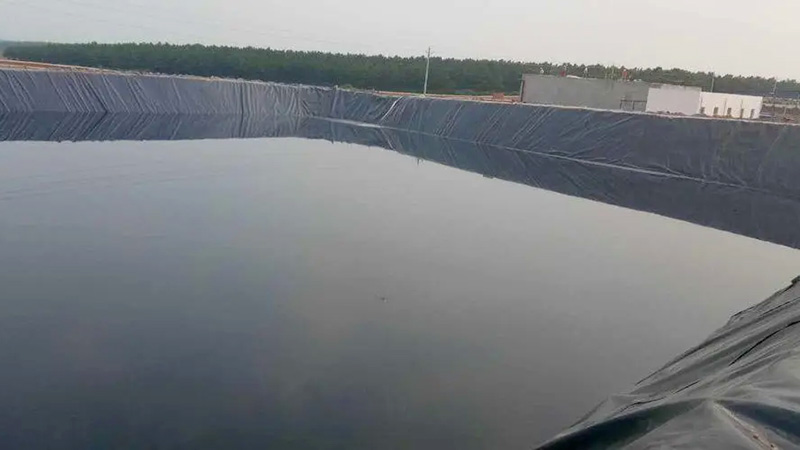
Remove all vegetation, sharp stones, standing water, and debris. The surface must be compacted and level to prevent puncture points and localized stress on the GCL panels.
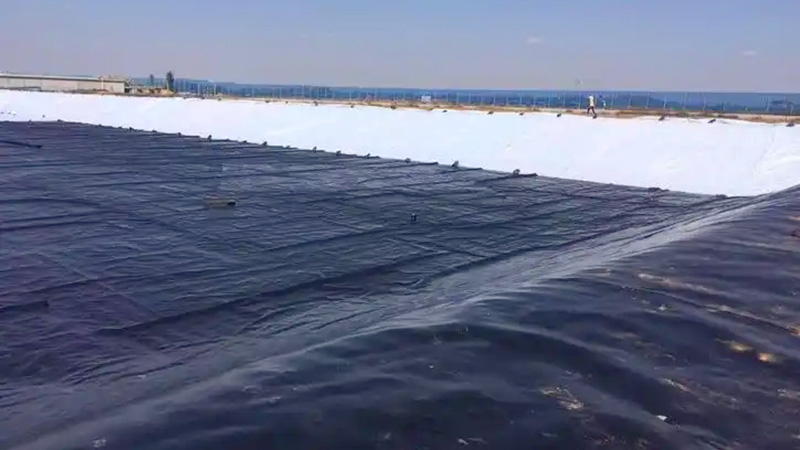
Unroll the GCL panels using flat spreader bars. Minimize wrinkles and ensure the non-woven side faces the subgrade (or as designated by the site project manager).
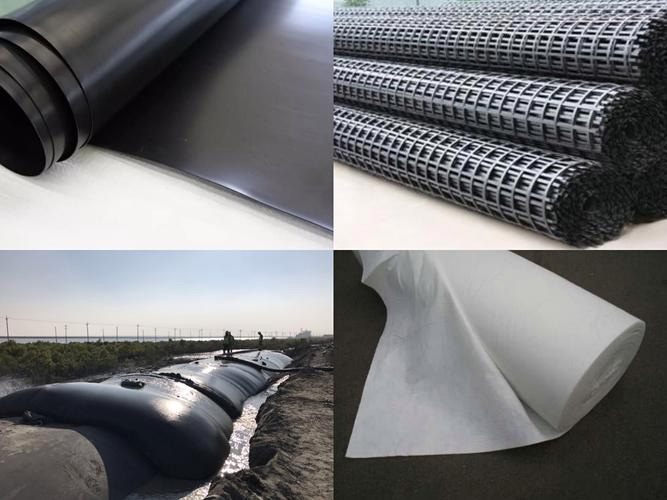
Overlap seams by a minimum of 150mm to 300mm. Apply natural sodium bentonite powder or paste in the overlap zones to form a continuous seal upon hydration.
Apply a protective soil layer (at least 300mm thick) or geomembrane cover within the same working day to prevent premature hydration from rain or humidity.
Meeting the demands of modern infrastructure projects through supply chain resilience and technical expertise.
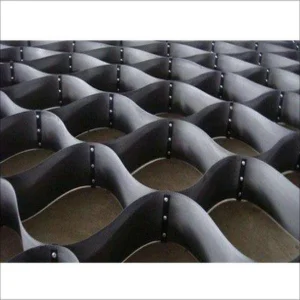
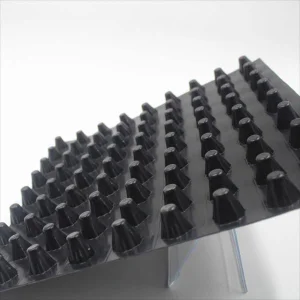
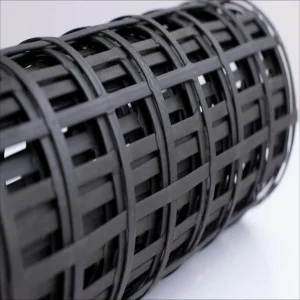
Industrial demand for geosynthetic clay liners is shifting toward composite systems that combine GCLs with structured geogrids or drainage sheets. This design improves hydraulic separation while providing reinforcement on steep slopes, reducing overall construction times.
Supply Chain Management and Logistics: We manage delivery timelines through established logistics channels from Dezhou to international shipping centers. We assist clients with customs documentation and transport planning to keep projects running on schedule.
On-Site Technical Support: Our engineers provide remote and on-site support to assist with material selection, installation planning, and quality control during deployment.
Key questions and answers regarding product selection, performance characteristics, and installation procedures.
Sodium bentonite exhibits a higher swelling capacity (up to 15-20 times its dry volume) and significantly lower hydraulic conductivity when hydrated compared to calcium bentonite. Consequently, high-performance GCLs rely on natural sodium bentonite to achieve reliable containment properties.
When hydrated, the sodium bentonite clay turns into a high-viscosity gel. The pressure generated by this swelling action seals small punctures and tears caused during installation or subsequent fill placement, keeping the containment barrier intact.
Installation during rain or on wet subgrades should be avoided. Moisture can cause the bentonite to hydrate prematurely without the confining pressure of the cover soil, which can compromise the material's barrier performance.
Standard installation guidelines require an overlap of 150mm to 300mm. It is recommended to add a layer of granular sodium bentonite within the overlap zone to ensure a continuous seal along the seams.
For sloped installations, GCLs are needle-punched to link the geotextile layers together, providing shear strength. They are secured at the top of the slope in an anchor trench, with panels oriented vertically along the slope line to minimize seam stresses.
Buyers should request ISO 9001 (Quality Control), ISO 14001 (Environmental Management), CE marks, and third-party laboratory reports verifying compliance with ASTM standards, including ASTM D5887 for hydraulic conductivity and ASTM D5890 for swell index.
Durable barrier materials, drainage systems, and geosynthetics for international civil projects.
 Hongyue