Explore our top-tier manufacturing output, delivering globally certified anti-seepage, reinforcement, and subterranean drainage systems.
How Geotextile Membrane Drainage solutions are shaping smart containment, structural integrity, and ecological rehabilitation worldwide.
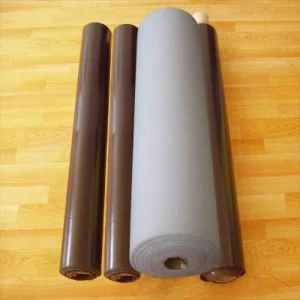
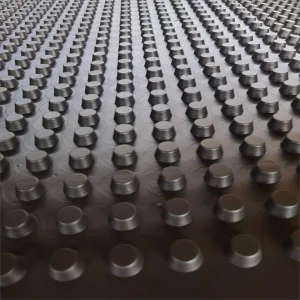
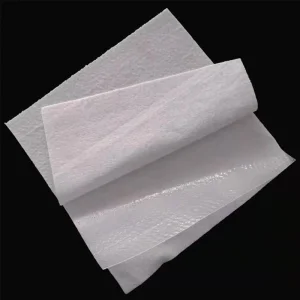
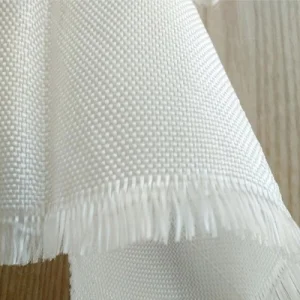
In modern civil engineering, infrastructure performance relies heavily on how water interactions are controlled. Unregulated water accumulation causes soil saturation, high hydrostatic pressure, and structural settlement, leading to failure. Geotextile Membrane Drainage systems provide a multi-layered solution: polymeric barriers stop water ingress, nonwoven geotextiles filter fine particles, and structured drainage cores collect and divert fluid. This system improves durability for highways, high-speed rail, deep foundations, mining operations, and municipal projects.
The global transition to sustainable containment systems has expanded the role of geosynthetics beyond simple barrier functions. Modern environmental mandates require systems that offer reliable fluid conveyance alongside chemical resistance and load-bearing performance. As a result, engineering specifications now focus heavily on high-density materials like HDPE, LLDPE, and advanced composite layouts that resist biological degradation and chemical wear under long-term structural loads.
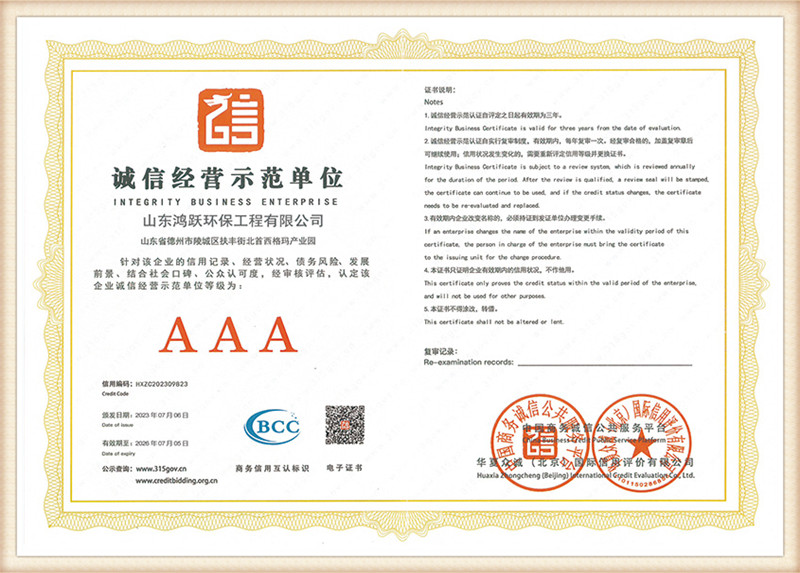
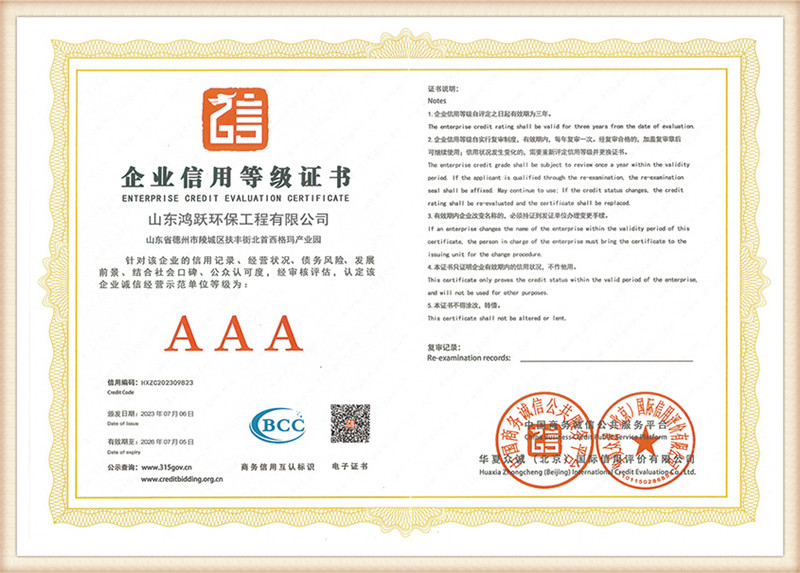
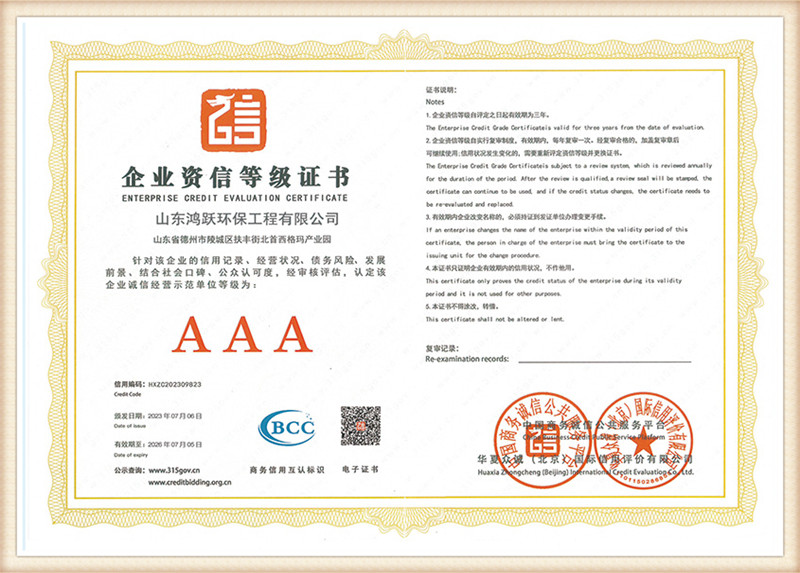
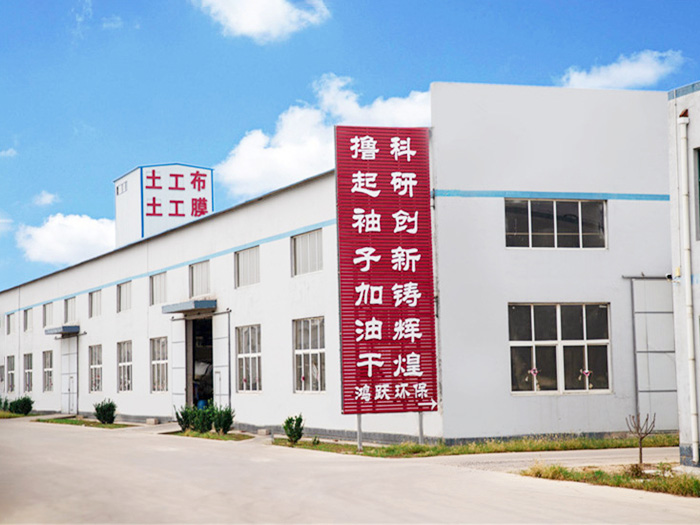
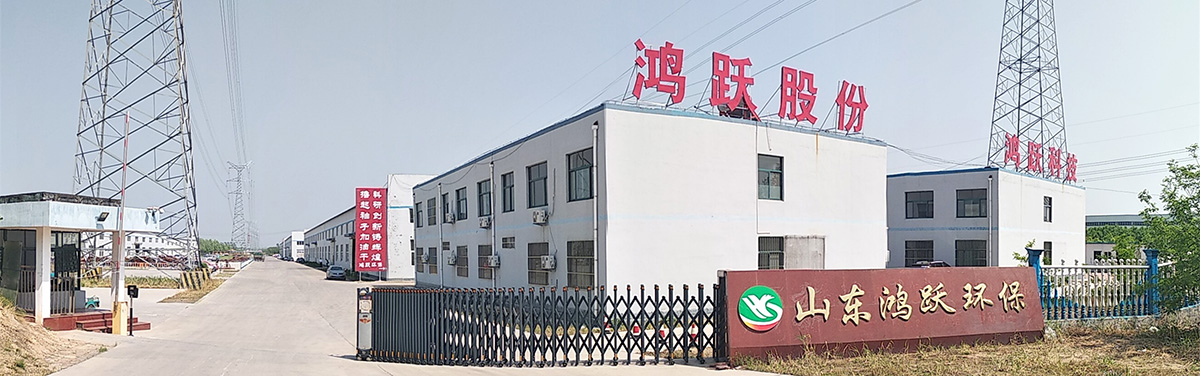
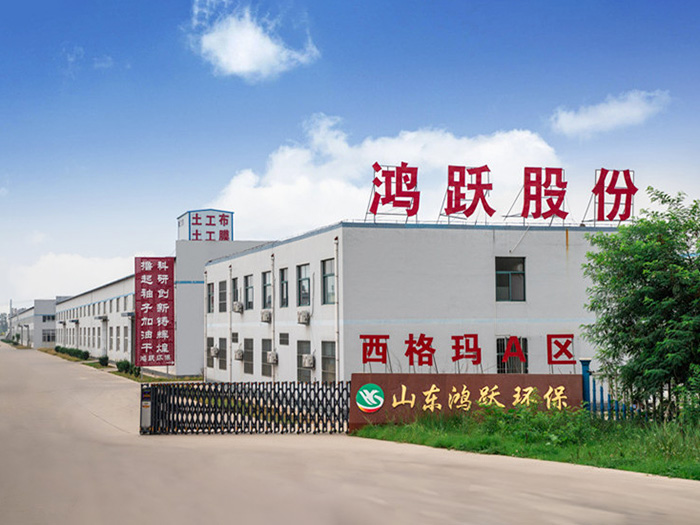
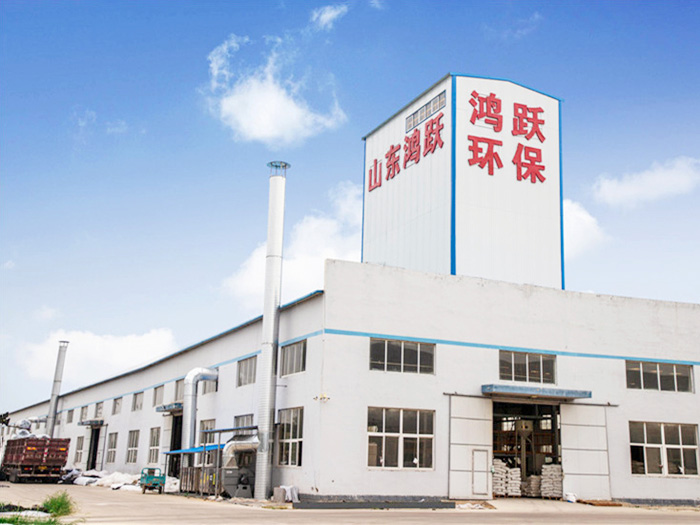
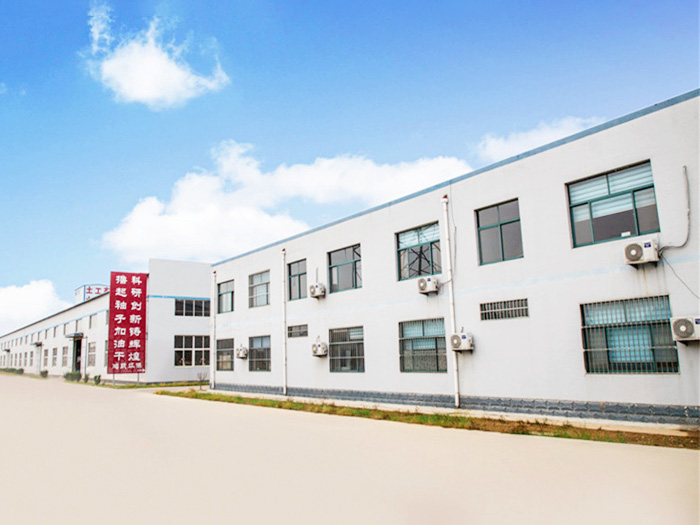
Located at the north end of Fufeng Street, Lingcheng District, Dezhou, Shandong Province, our facility stands as one of the largest production bases of geotechnical materials in China. Registered with the Lingcheng District Market Supervision and Administration Bureau on April 6, 2023, with a registered capital of 105 million yuan, the company occupies a key position in the Chinese geosynthetics landscape, supported by excellent geographical location and convenient shipping logistics.
As a leading member of the Dezhou Geotextile Association, we maintain strong quality control and design standards. Our capabilities span engineering material production, environmental waterproofing construction, and comprehensive import-export logistics. This allows us to supply both raw materials and field-ready systems designed for complex geotechnical conditions.
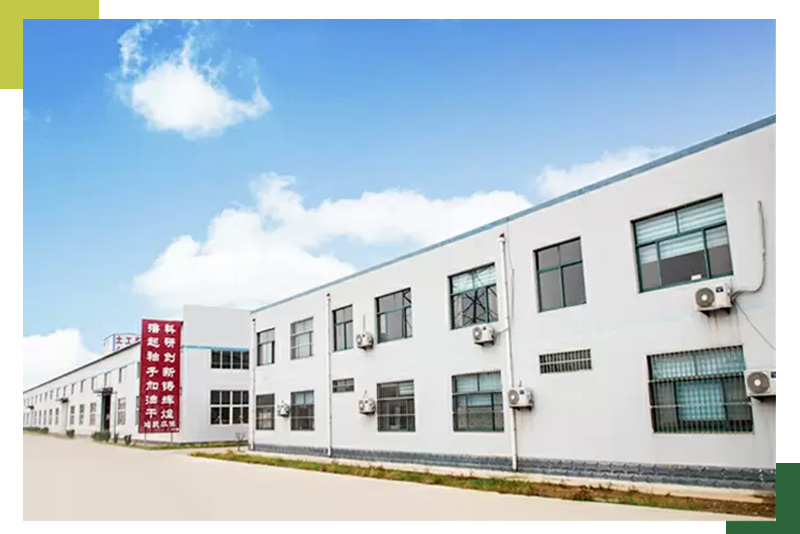
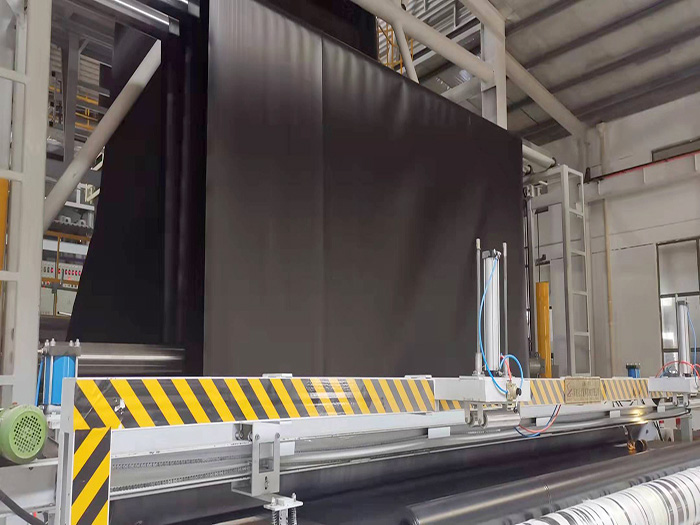
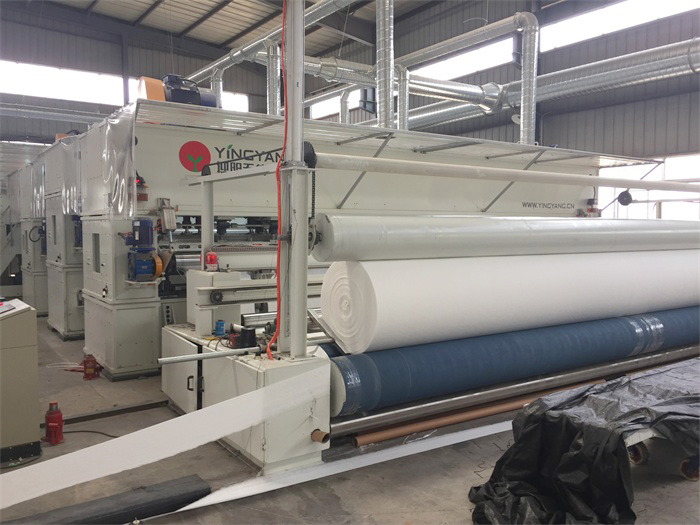
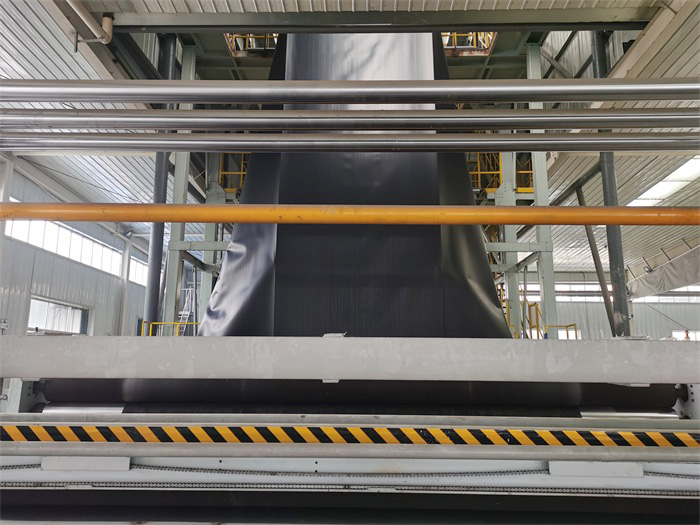
China's geosynthetic manufacturing sector balances high production speed with cost efficiency, supported by integrated industrial zones like the Dezhou Geosynthetic cluster. Our facility uses advanced extruders, carding machines, and needle punch lines to run continuous operations while maintaining consistent quality.
By keeping raw material processing, chemical formulation, and quality assurance within the same facility, we reduce supply chain delays. Our integration in Dezhou gives us immediate access to high-grade polymer chips and processing materials, keeping production costs stable. This allows global clients to purchase premium-grade geotextiles and membranes at direct wholesale prices without compromising on performance specs.
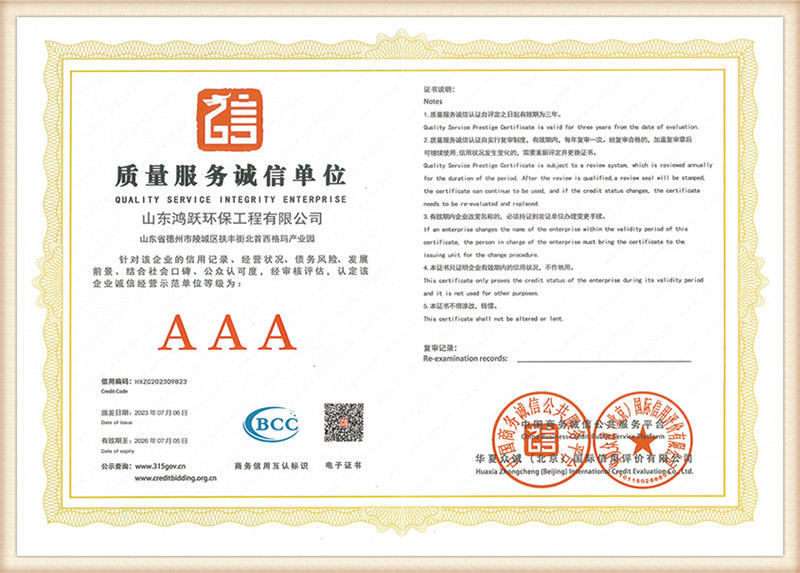
From raw polymer chips to high-tensile geosynthetic rolls, we detail the steps of our quality-controlled manufacturing process.
We source high-grade polyester chips, polypropylene filament, and viscose fibers. Every batch is tested to confirm physical properties, molecular weight, and chemical purity before processing.
Polyester chips are heated and extruded through a screw system. Polypropylene filaments and viscose fibers are mixed in under monitored temperature and pressure to ensure uniform fiber blending.
The molten mixture is extruded through spinnerets to form fine fibers. These are laid onto conveyor belts to create a uniform nonwoven web, controlling fiber orientation and density.
The nonwoven web passes through needle punch lines to lock the fibers. Temperature, needle speed, and draft ratios are adjusted to reach the targeted tensile strength.
The finished geotextile is wound onto high-strength cores. Rolling tension is controlled to prevent pre-stretch, and dimensions are checked against specified widths and lengths.
We test samples from each production run in our lab. Tests cover tensile strength, puncture resistance, hydraulic conductivity, and pore size before approval for shipment.
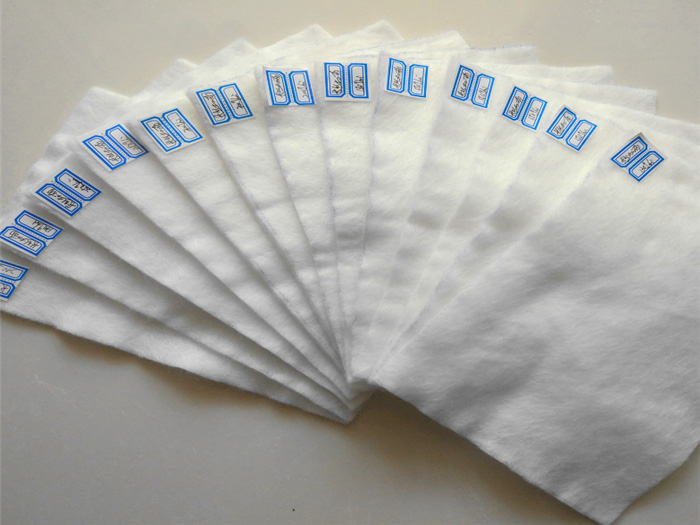
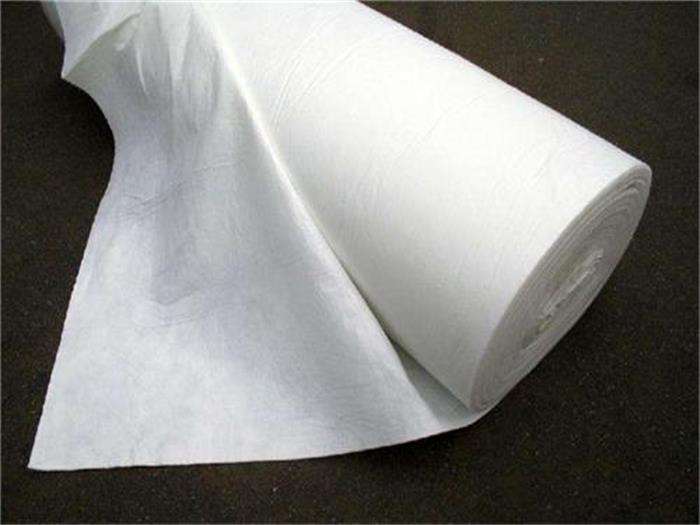
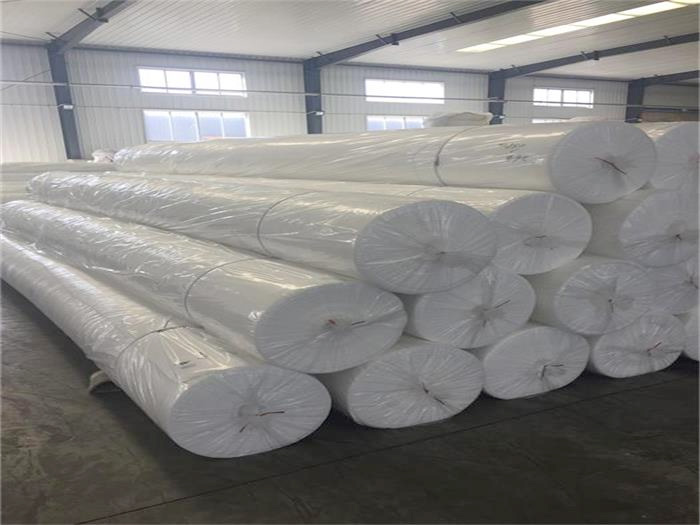
Correct installation of geomembranes is critical for long-term seepage control. Below is a guide to handling selection, laying, and site maintenance.
Selecting the right geomembrane is based on project conditions. HDPE (High Density Polyethylene) offers high chemical resistance and durability, making it suitable for landfills and industrial basins. LLDPE (Linear Low Density Polyethylene) provides better flexibility for uneven terrains where high elongation is required.
Material thickness generally ranges from 0.3mm for light agricultural containment to 2.0mm+ for municipal solid waste landfills. High-quality raw polymers are key to preventing stress cracking and keeping permeability low.
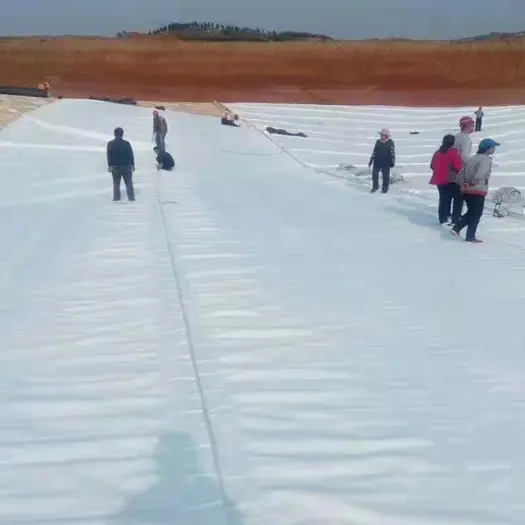
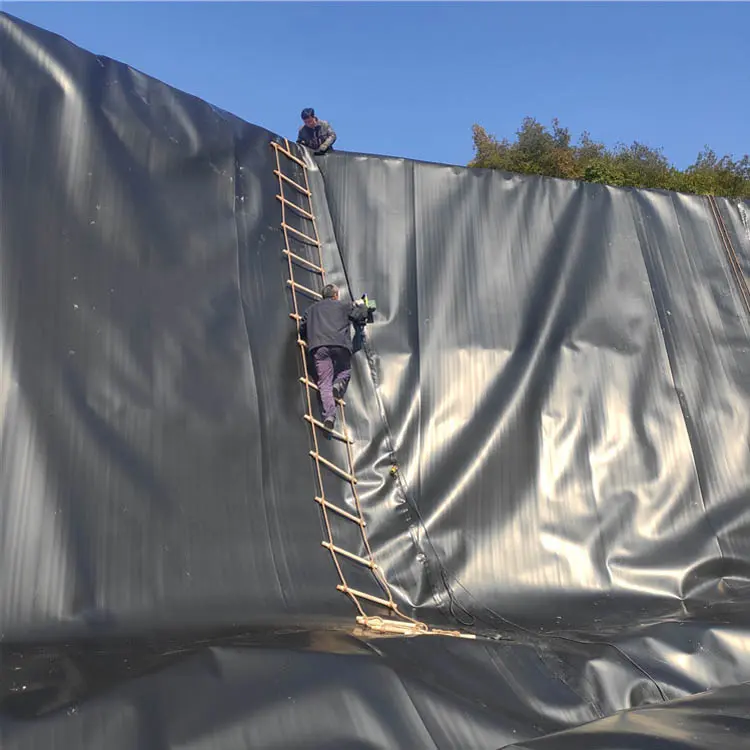
Proper subgrade preparation is necessary: the installation surface must be smooth, compacted, and free of rocks or sharp objects. Sheets can be deployed using flat or shingled overlap patterns depending on slope conditions.
Weld joints are critical points. We use dual-track hot wedge welding to create a testable air channel between welds. Non-destructive pressure testing is performed on these channels to confirm seam integrity across the site.
Clean the membrane surface regularly to remove dirt and debris, which prevents abrasive wear. Periodic inspections help spot potential damage from site machinery, animals, or local shifts, allowing for quick repairs using extrusion welding hand torches.
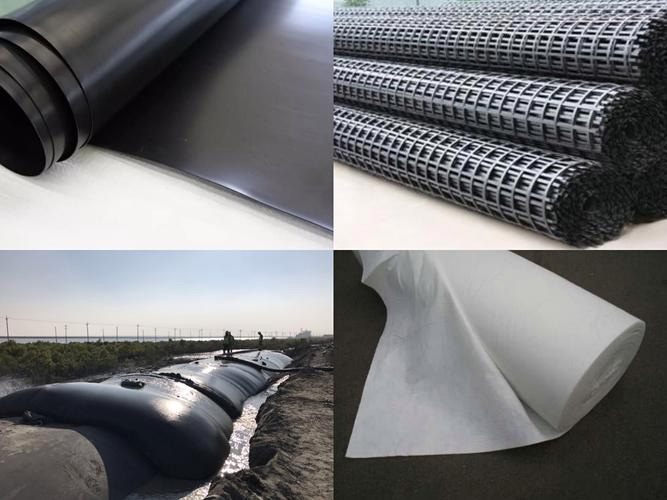
Our products are used in municipal infrastructure, agricultural water storage, and industrial waste containment globally.
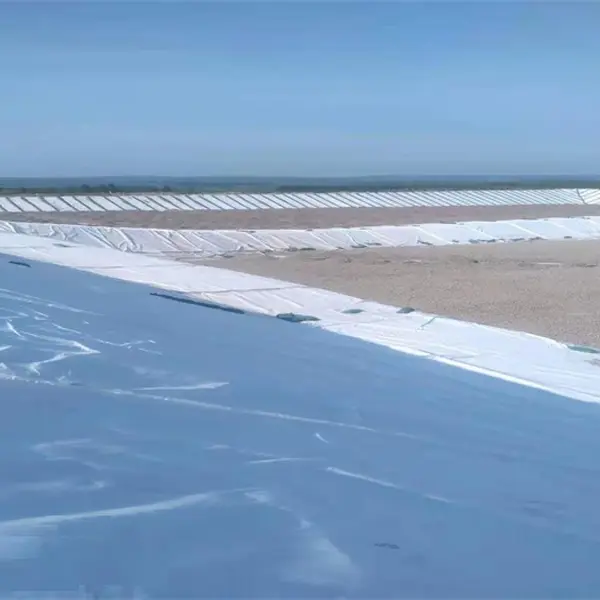
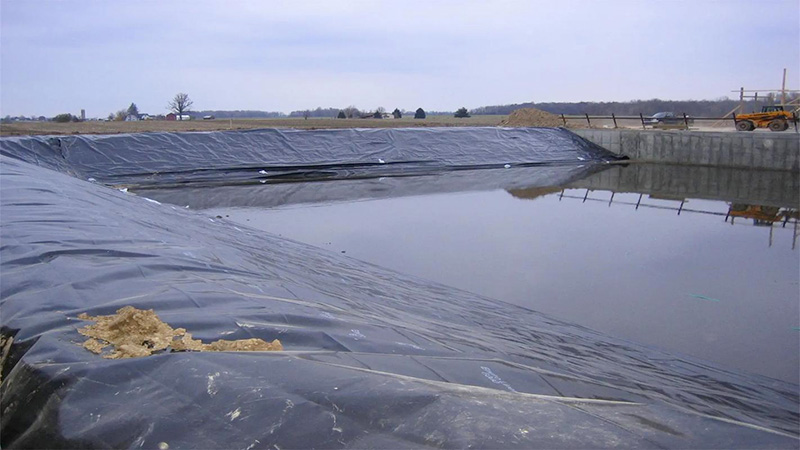
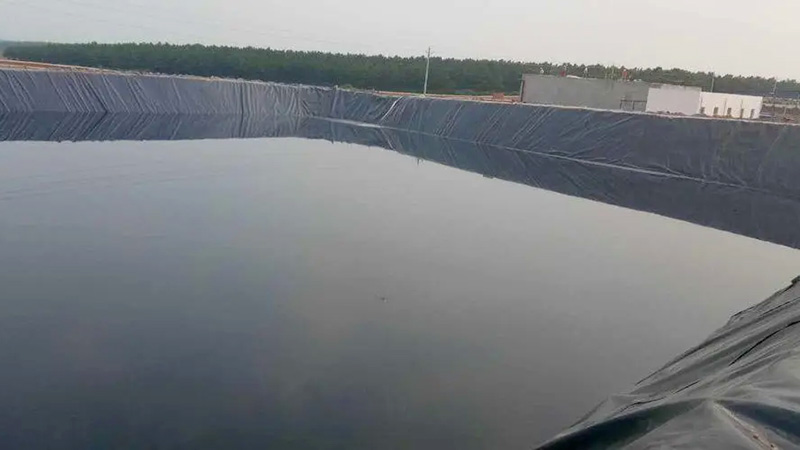
For artificial lakes, irrigation canals, and water reservoirs, our composite geomembranes prevent seepage through porous soils, helping to conserve water in arid regions.
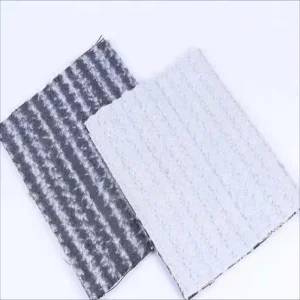
Double-lined containment systems using high-density geomembranes and geosynthetic clay liners (GCL) prevent leachate from contaminating local groundwater.
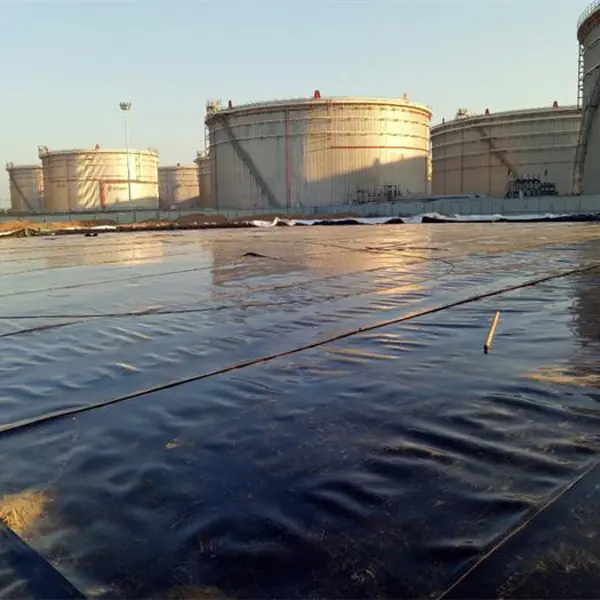
Secondary containment dikes for oil tank farms use specialized chemical-resistant geomembranes to catch leaks, protecting the surrounding soil.
We run a fully equipped testing lab to verify the properties of our geomembranes and drainage materials. Using mechanical testers, hydrostatic pressure chambers, and environmental ovens, we check each batch's tensile strength, multi-axial elongation, and UV degradation profile.
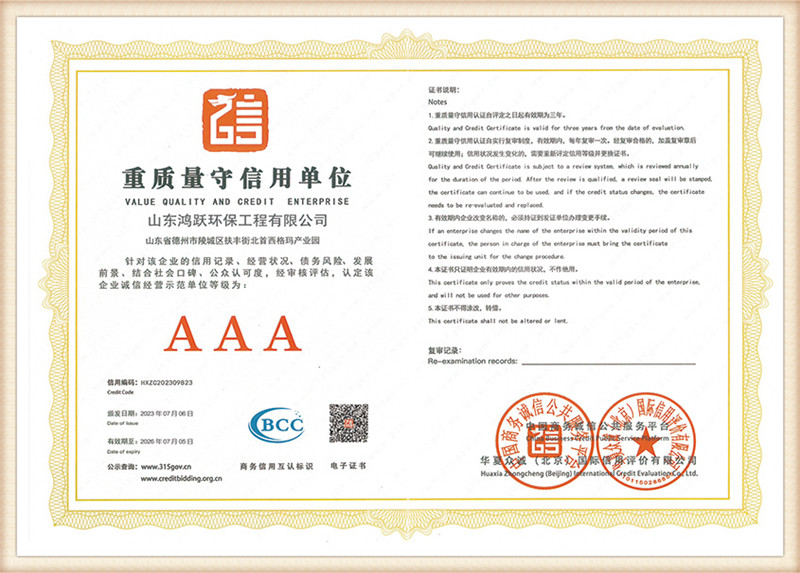
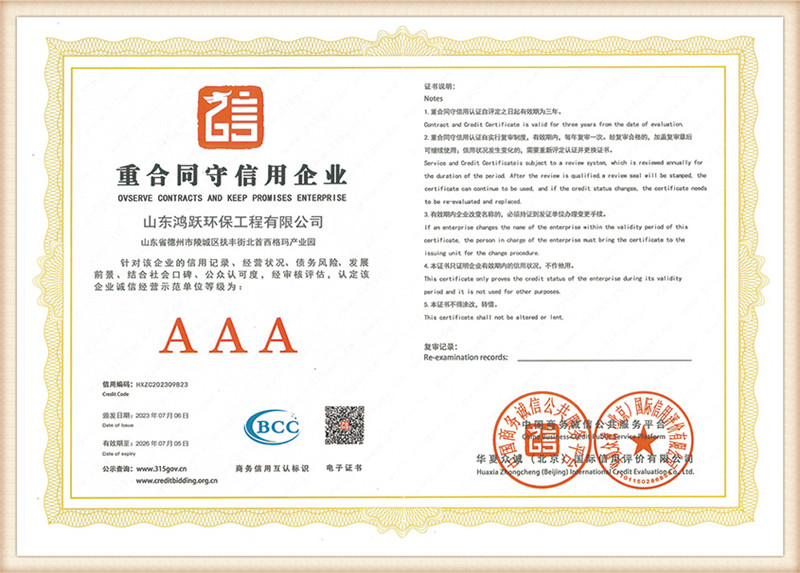
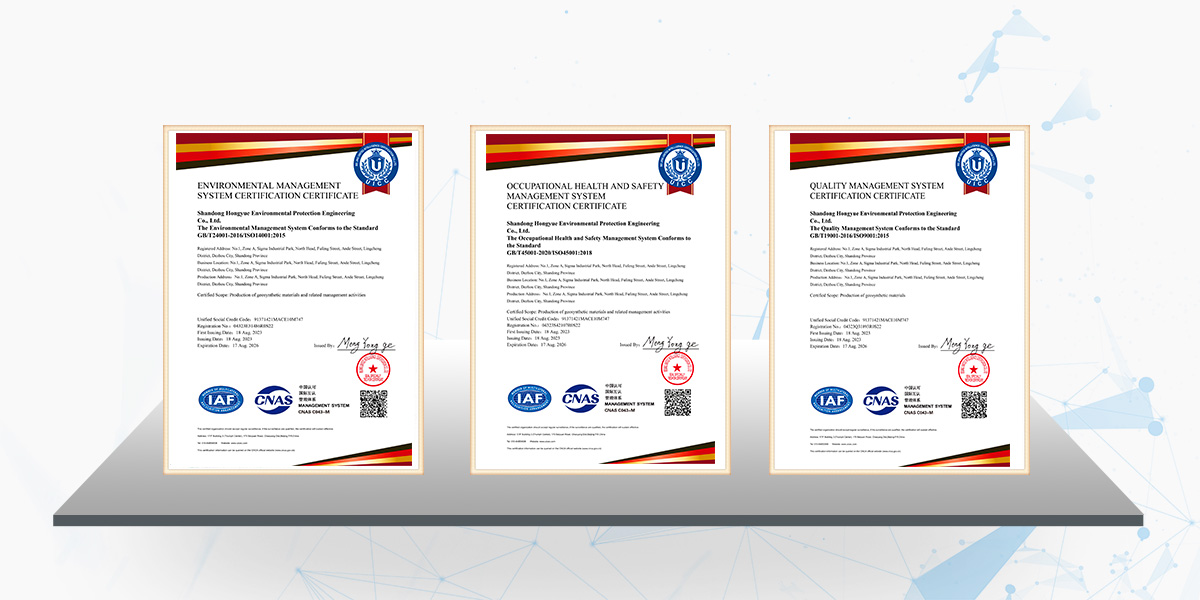
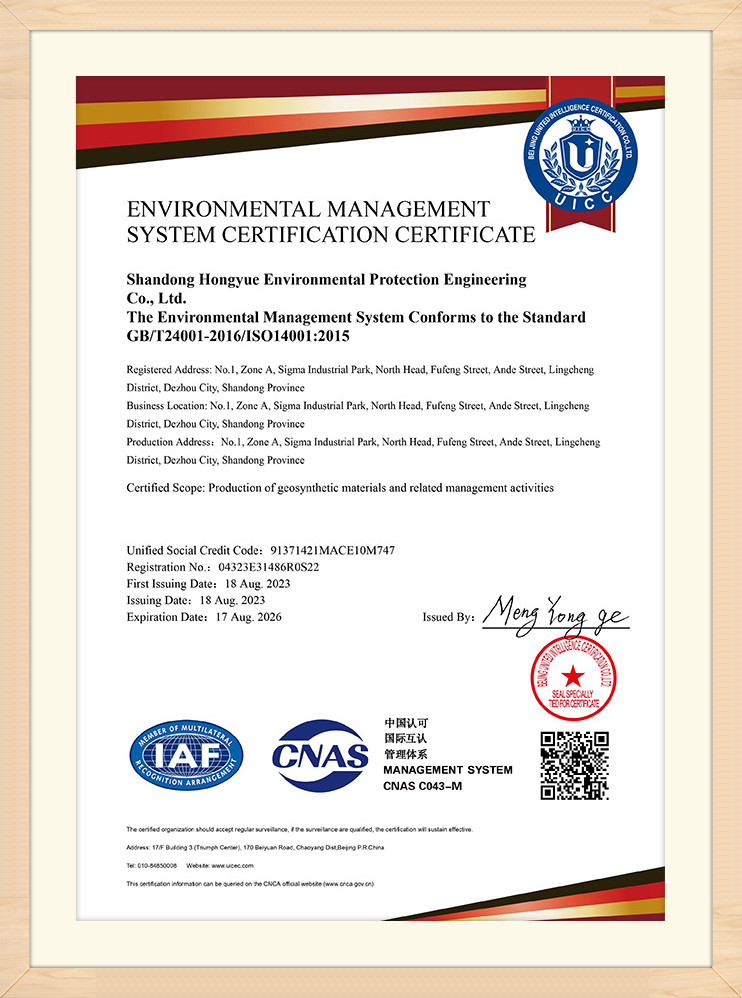
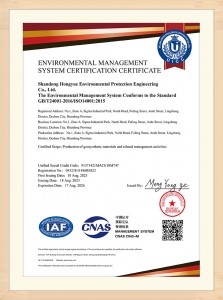
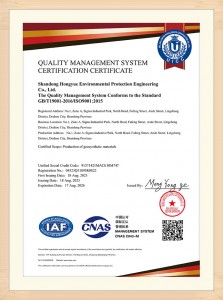
All products are certified by China's national testing center and comply with international ASTM and ISO testing standards. This consistent quality control makes us a reliable partner for public utilities, infrastructure projects, and engineering distributors worldwide.
Hydraulic projects like dams, canal alignments, and reservoirs operate under constant water pressure. Uncontrolled water loss can reduce structural stability and impact efficiency. Installing high-performance geomembranes helps manage seepage and protect the project's foundation.
In large reservoirs, geomembranes form a continuous, low-permeability barrier over the bed and containment slopes. This helps prevent sinkholes, reduces water loss, and protects adjacent embankments from water damage.
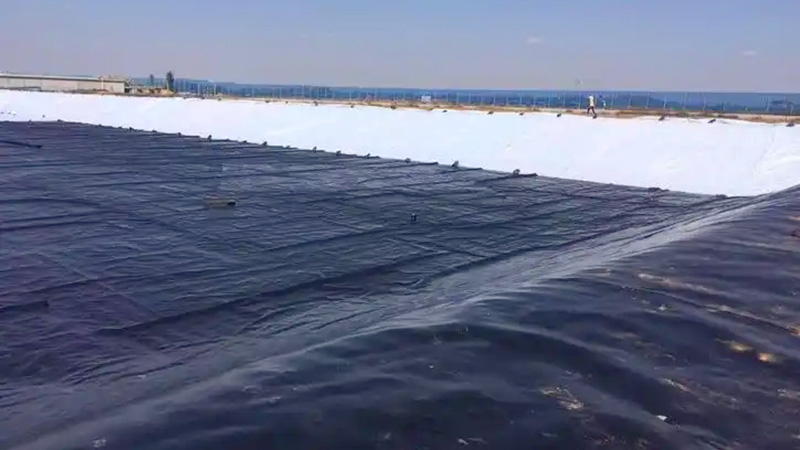
For canals, composite barriers (geomembranes laminated with nonwoven geotextiles) resist root penetration and survive mechanical stress, keeping irrigation systems reliable over long distances.
Our facility operates an internal testing program to confirm that all geosynthetic rolls meet or exceed international standards.
Looking ahead: how technology, eco-friendly materials, and smart design are changing modern geosynthetics.
International buyers look for partners who offer reliable supply chain performance alongside technical certification. With a registered capital of 105 million yuan and active membership in the Dezhou Geotextile Association, we supply certified geosynthetics for major civil engineering and containment projects globally.
Find answers to technical questions about selection, installation, and procurement parameters for geotextiles and membranes.
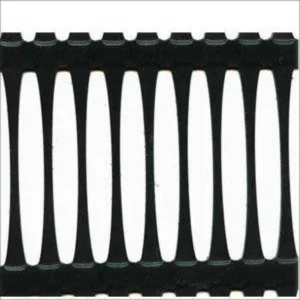
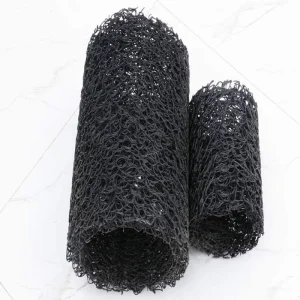
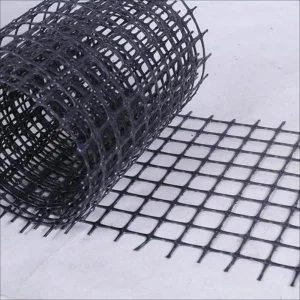
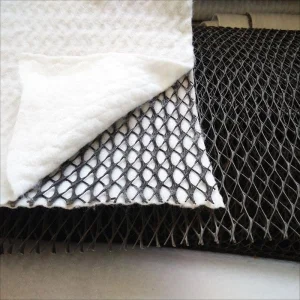
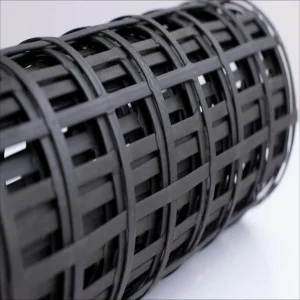
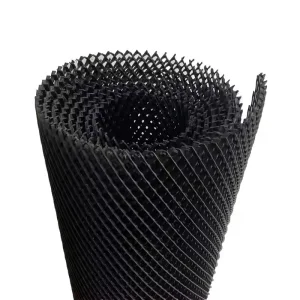
Complete your project specifications with our certified reinforcing geogrids, structural drainage networks, and erosion-control blankets.
 Hongyue