The Definitive 2025 Architectural & Civil Engineering Buying Guide for Non-Woven and Woven Geosynthetics
Engineered to deliver high-performance filtration, isolation, structural reinforcement, and protective barrier controls across global civil and infrastructure networks.
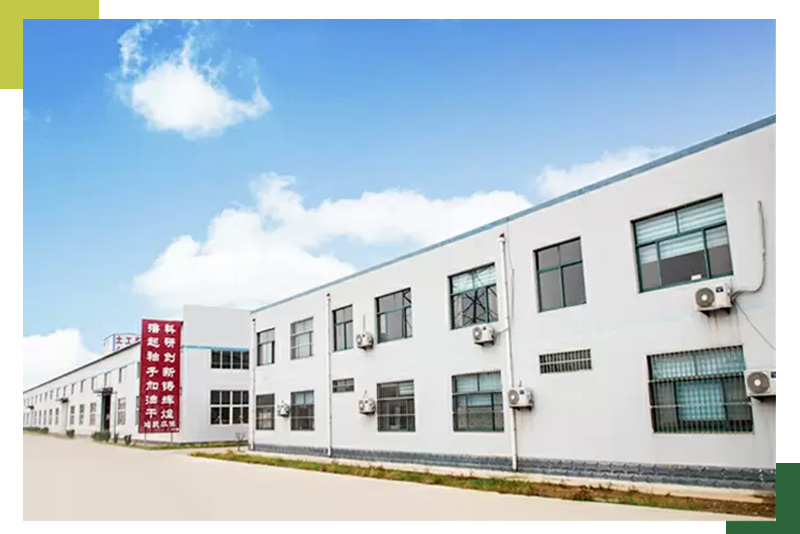
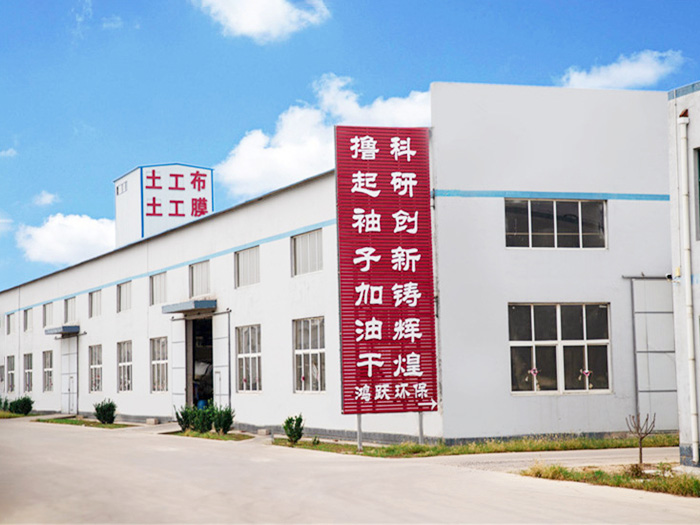
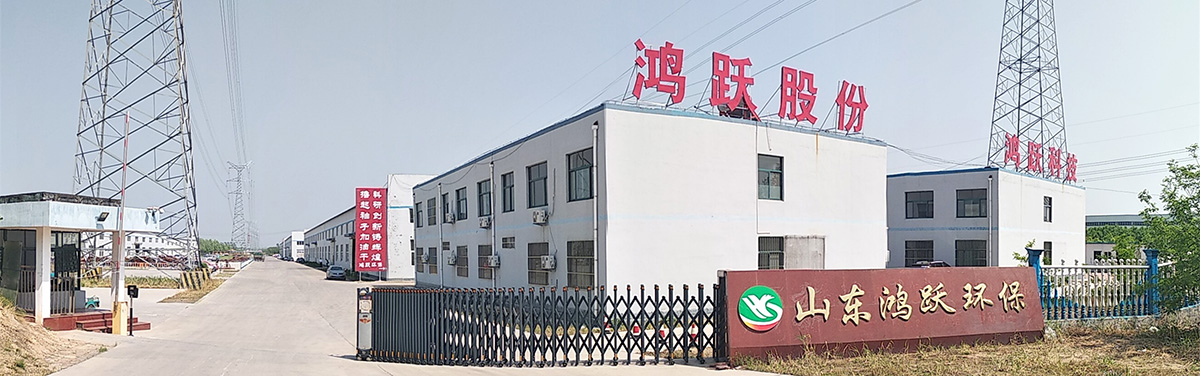
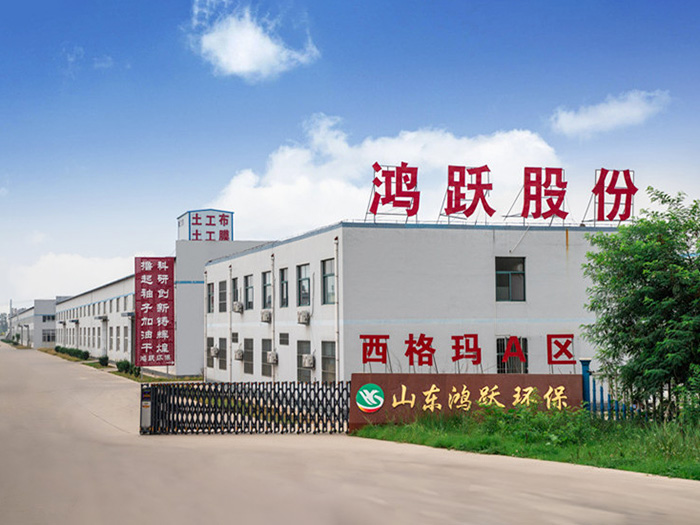
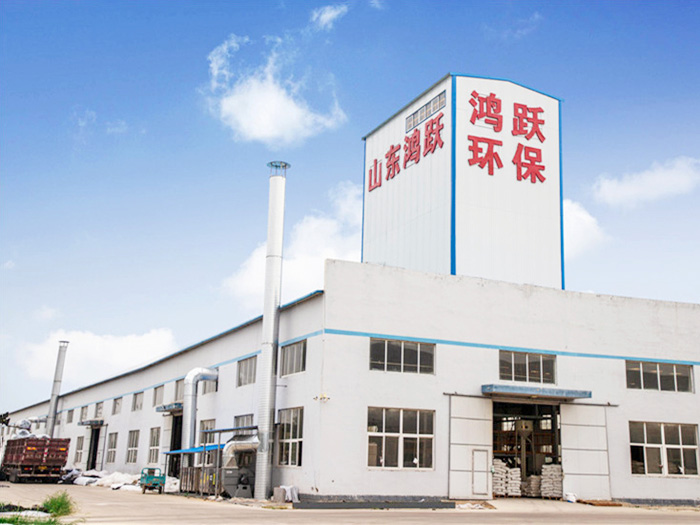
Established with a registered capital of 105 million Yuan, Shandong Hongyue is a premier technological geotechnical manufacturer, integrating high-end design, advanced production, scientific sales, and construction engineering services.
Our state-of-the-art production base is strategically located in Lingcheng District, Dezhou City, Shandong Province, widely recognized as China's absolute core manufacturing cluster for geotechnical materials. With immediate access to logistics corridors, we ensure rapid global supply lines. Our business spans the production, custom design, installation, and import-export of high-quality geosynthetics. Our engineering products are trusted for crucial national infrastructure projects across municipal railways, environmental conservation areas, hydraulic canals, aviation hubs, and deep-pit mining sites.
Understanding polymer compositions is vital for modern geo-structural integrity. Here is a definitive comparative analysis of Polyester (PET) and Polypropylene (PP) non-woven filaments.
| Parameter Details | Polyester (PET) Non-Woven Geotextile | Polypropylene (PP) Non-Woven Geotextile | Engineering Implications |
|---|---|---|---|
| Raw Polymer Density | 1.38 g/cm³ | 0.91 g/cm³ | PET is heavier, sinking in water, while PP floats. |
| Melting Point Range | 250°C - 260°C | 160°C - 170°C | PET has superior thermal stability during hot asphalt overlays. |
| Acid & Alkali Resistance | Stable in acidic; degraded by strong bases | Extremely stable across pH 2 - 13 (high alkali) | PP is preferred in concrete interfaces and alkaline soils. |
| Long-term Creep Index | Very Low (Maintains shape under static load) | Moderate (Tends to stretch over decades) | PET is ideal for long-term soil slope reinforcement. |
| CBR Puncture Strength | Excellent localized puncture resistance | High elasticity under multidirectional strain | Ensures geomembrane protection against sharp aggregates. |
Factory-direct rates are strictly tied to density (Grams per Square Meter - GSM) and polymer raw material pricing indexes. Avoid hidden costs with our pricing structure transparently listed below.
Density: 100 GSM - 800 GSM
Base Price Range: $0.15 - $1.45 / m²
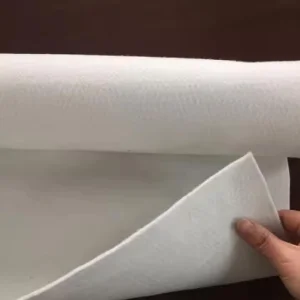
Primary Drivers: Virgin PET chip index, mechanical needle-punching speed, thermal consolidation settings. Excellent for highway separation and high-drainage railway beds.
Density: 100 GSM - 800 GSM
Base Price Range: $0.11 - $1.15 / m²
Primary Drivers: Recycled PET bottle flake market, carding line throughput, and calender processing options. Cost-effective for temporary civil works and landscape separation.
Density: 150 GSM - 1000 GSM
Base Price Range: $0.28 - $2.20 / m²
Primary Drivers: Virgin Polypropylene monomer price, antioxidant additive percentage, and UV stabilizer packages. Demanded for marine dykes, landfills, and industrial waste containment.
We leverage advanced extrusion, precise fiber distribution, and needle-punch stabilization technology to output industrial-grade geotextiles that meet rigid global standards.
Production begins with strict inspection of high-viscosity polyester chips, virgin polypropylene filaments, and special viscose fibers. We perform continuous raw polymer assays to check moisture content, molecular distribution, and melt index characteristics. This guarantees chemical stability prior to the thermal staging process.
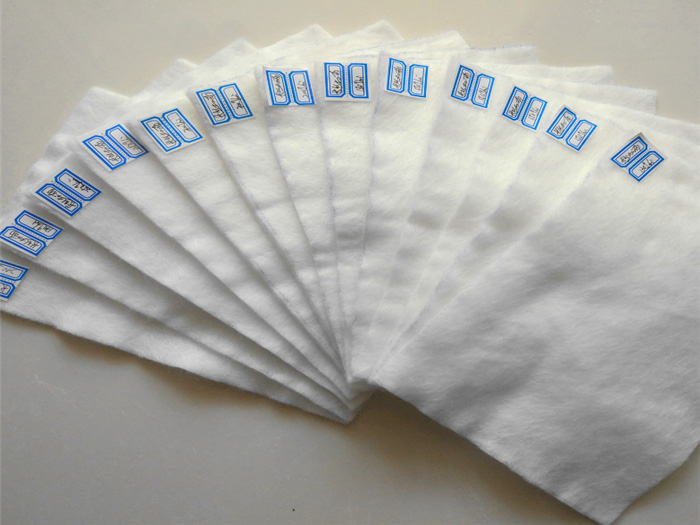
Polyester chips are fed into custom double-screw extruders operating at controlled temperatures up to 280°C. Polypropylene and UV-protective elements are combined in the melt zone. Our system monitors pressure to maintain uniform molecular structure, feeding the spinning heads with precise density and volume controls.
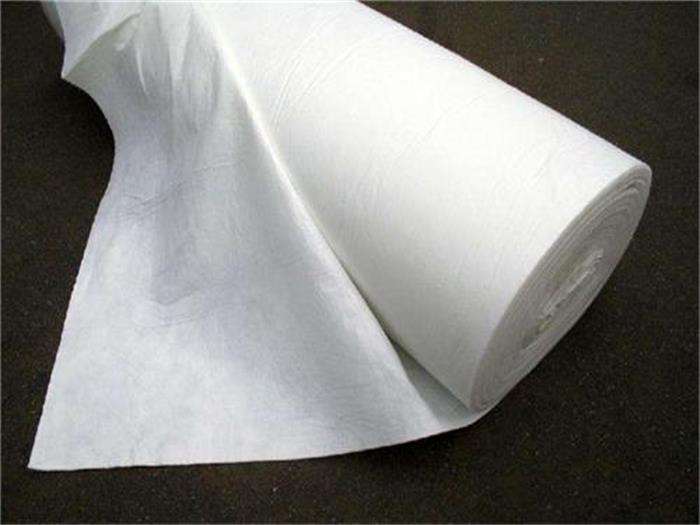
The extruded polymer is dispersed through specialized spinneret matrices, forming thousands of continuous microfilaments. These are layered in multi-directional patterns onto automated conveyor tables. The resulting loose fiber network is stabilized through mechanical needle-punching loops that lock the fibers together.
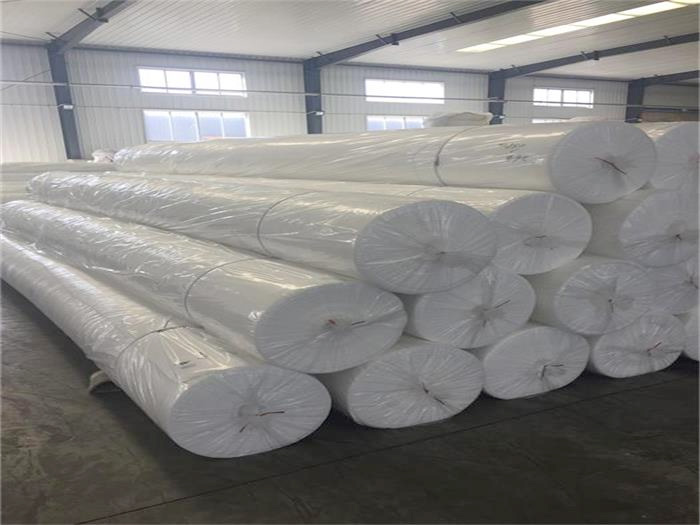
The consolidated web goes through thermal calibration rolls to set physical thickness and surface properties. Every roll is measured for mass per unit area and roll dimensions. Finally, automatic winders cut, secure, and wrap the geotextile in heavy UV-resistant plastic sleeves to prevent construction site degradation.
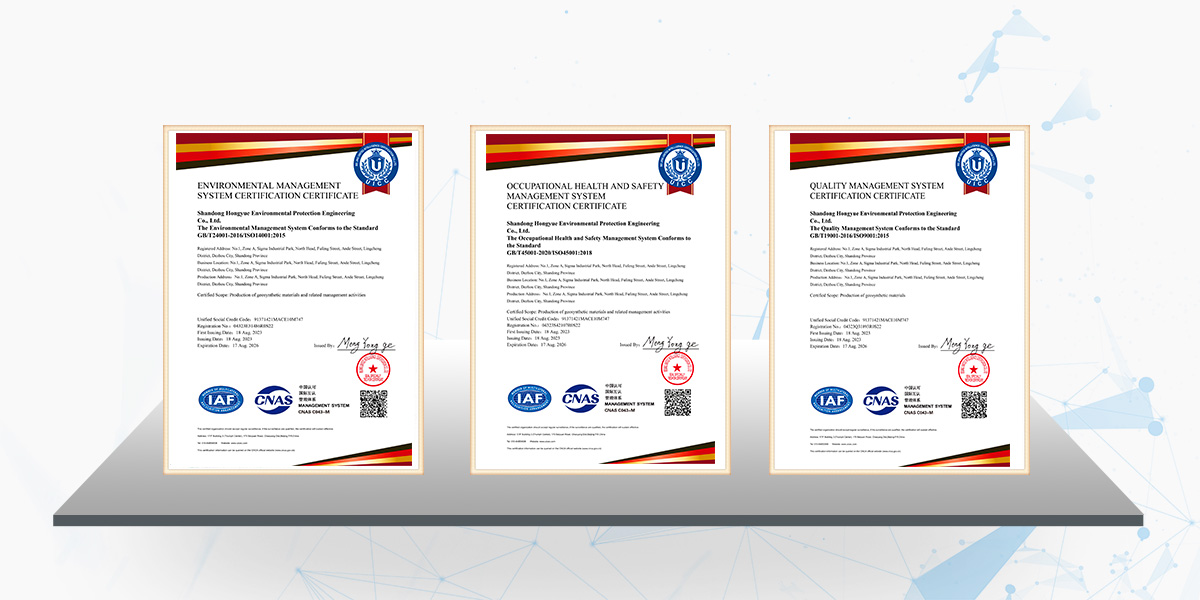
Equipped with advanced multi-line production facilities, Shandong Hongyue ensures massive storage capacity, consistent quality, and quick delivery across international trade routes.
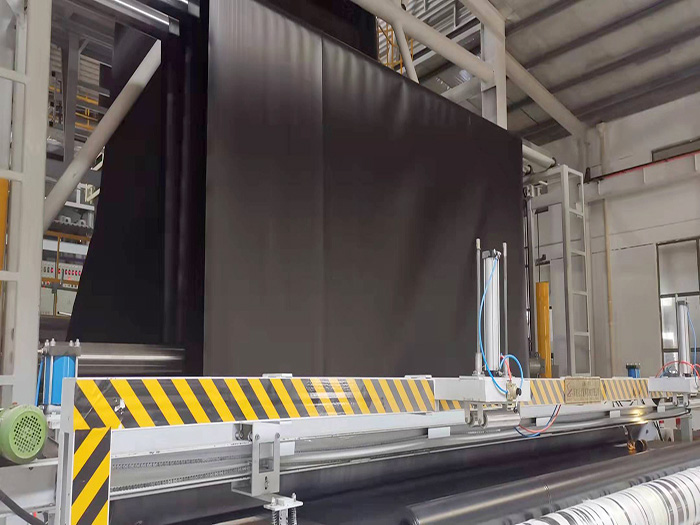
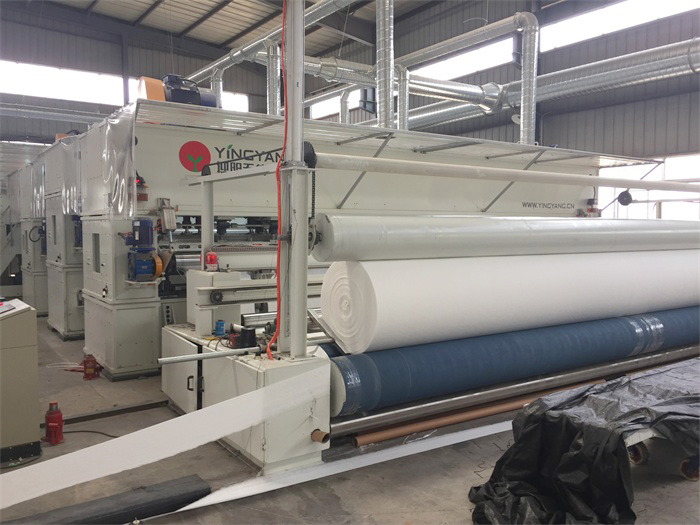
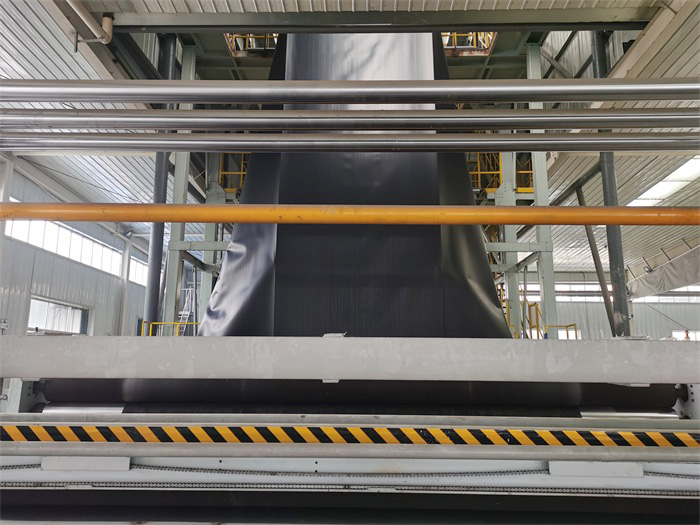
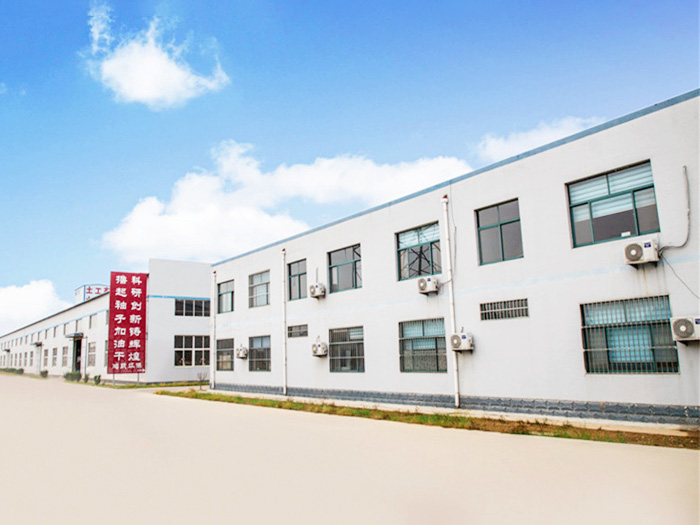
We provide fully engineered, integrated system configurations that balance structural load distribution, long-term filtration stability, and environmental seepage protection.
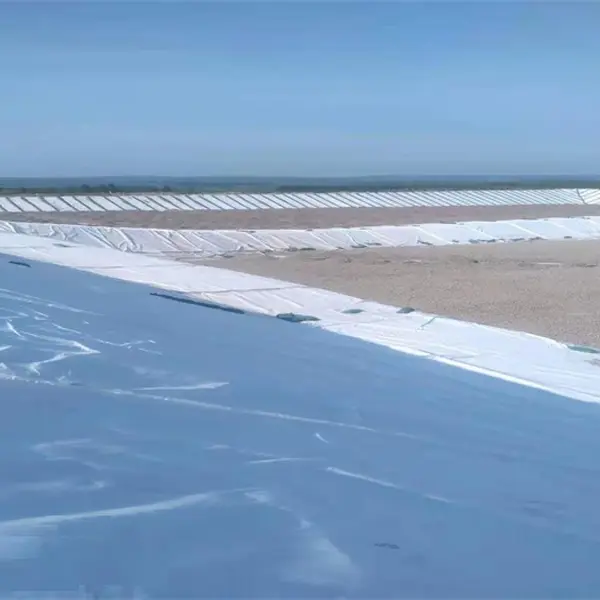
Protects geological basins by preventing soil erosion, piping failures, and uncontrolled seepage inside earth-core dams and deep retaining basins.
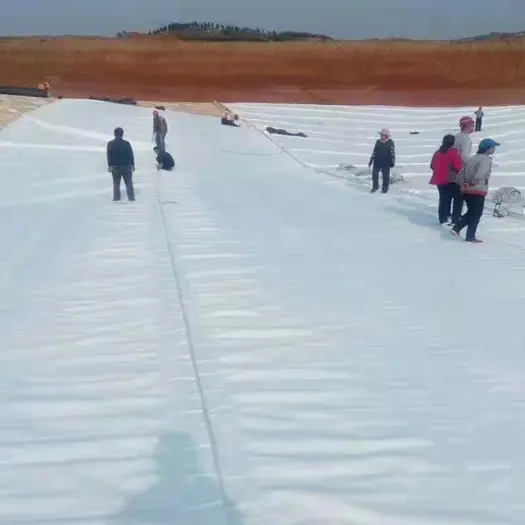
Mitigates hydraulic degradation on channel slopes. Helps maintain flow rates, prevents localized channel washouts, and minimizes maintenance requirements.
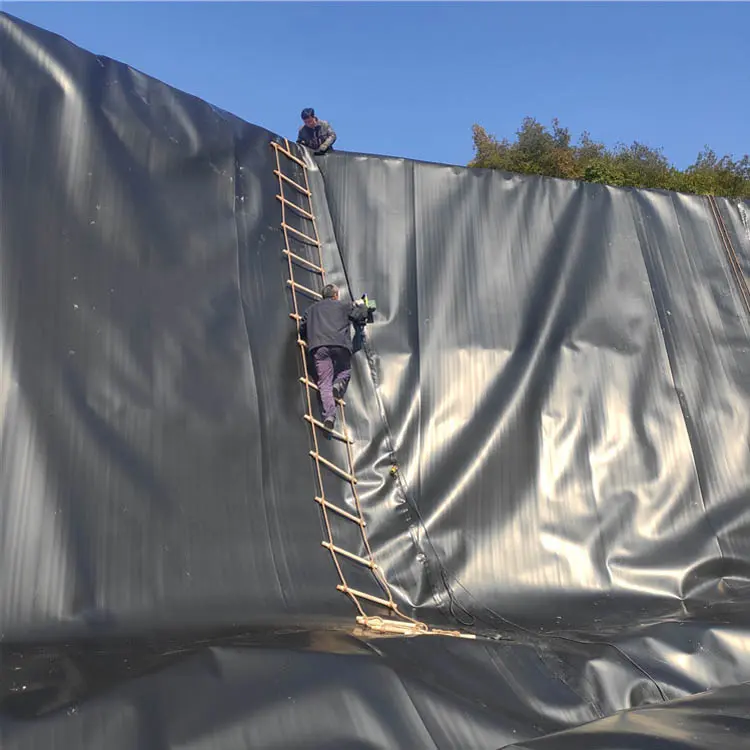
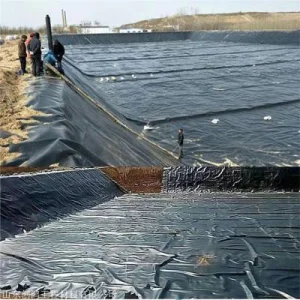
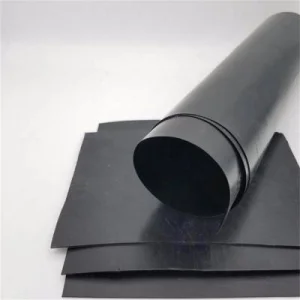
Provides long-term containment for hazardous municipal waste. Incorporates heavy geomembranes to isolate hazardous chemicals from regional aquifers.
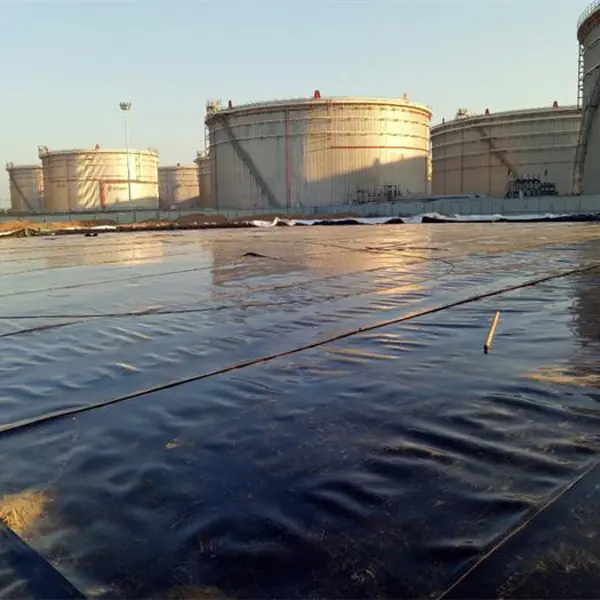
Deploys reinforced secondary containment barriers around oil storage facilities, meeting strict occupational health, safety, and environmental standards.
Correct installation is critical to long-term performance. Follow our engineering team's installation guidelines to prevent premature material failures.
1. Ground Surface Preparation: Before laying, clear the subgrade of all tree roots, sharp rocks, and construction debris. Fill depressions and compact the subgrade to ensure a smooth, stable foundation.
2. Alignment & Laydown: Roll out the geotextile smoothly, avoiding wrinkles and folds. For slopes, lay the panels down the slope rather than across it. Maintain a minimum overlap of 300mm to 500mm depending on subgrade stability.
3. Seam Treatment & Thermal Welding: For geomembrane joints, utilize dual-track hot wedge welding machines. Ensure welding temperatures are calibrated to thickness (typically 350°C - 420°C). Conduct non-destructive air-pressure testing on all dual-track seams.
4. Temporary Anchoring: Place sandbags or soft weights along the leading edges during installation to prevent wind damage. Avoid dragging heavy machinery directly over exposed geosynthetics.
Every production batch undergoes strict quality control. All products meet or exceed international ASTM and EN ISO standards.
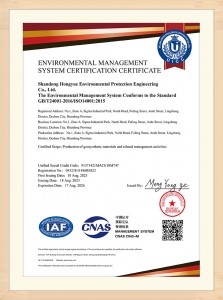
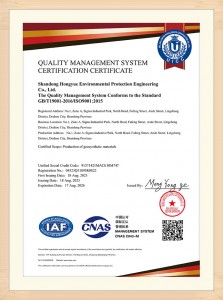
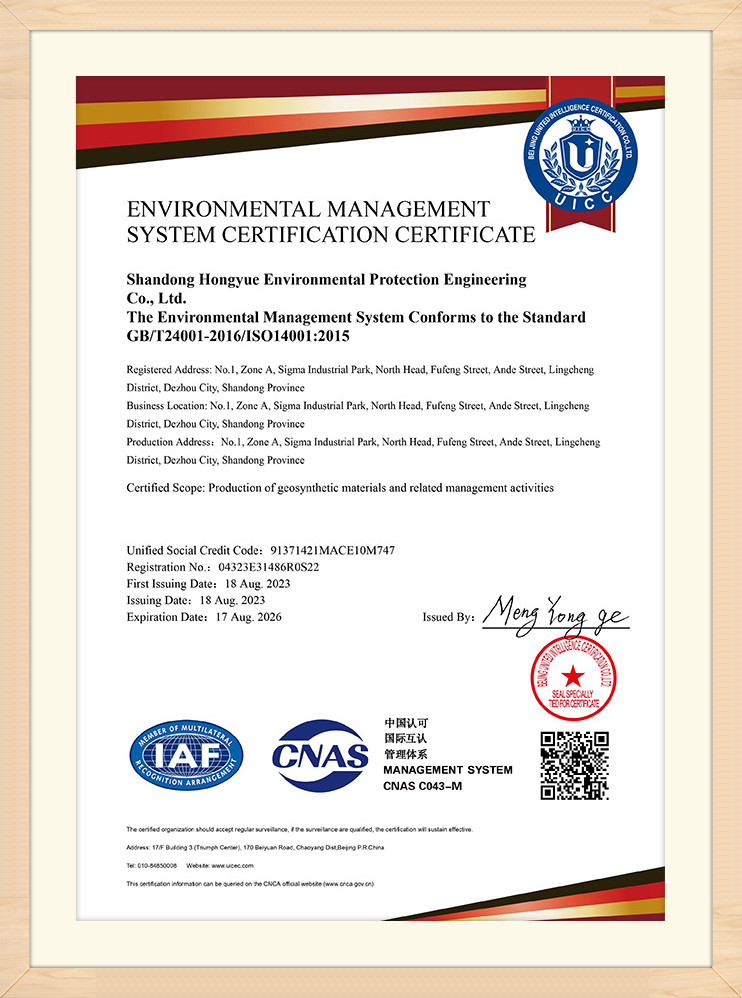
Our factory operates under ISO9001 International Quality System, ISO14000 Environmental Management, and ISO45001 Occupational Health and Safety certifications. We test raw materials prior to extrusion and conduct mechanical testing on finished rolls.
We monitor key performance properties in our laboratory: tensile strength, elongation at break, CBR puncture resistance, trapezoidal tear strength, apparent opening size (AOS), and vertical water permeability.
Our materials are regularly audited and verified by the National Quality Supervision and Testing Center, ensuring reliable performance in demanding infrastructure applications.
We invest in sustainable technology and smart materials to address emerging environmental regulations and complex engineering challenges.
We are developing PLA (Polylactic Acid) based biodegradable non-woven geotextiles. Designed for temporary erosion control and agricultural soil stabilization, these materials return to the earth after vegetation roots stabilize the terrain, eliminating polymer residue.
Our research focuses on integrating fiber-optic sensor arrays directly into heavy needle-punched geotextiles. This enables real-time monitoring of strain, deformation, and thermal fluctuations inside high-risk rail and bridge foundations.
We utilize recycled PET polymers and optimize our thermal extrusion systems to reduce carbon emissions. Our target is to reduce power consumption per ton of non-woven material by 25% over the next three years.
Learn how our high-strength non-woven geotextiles and reinforced geomembranes are deployed to safeguard water retention infrastructure.
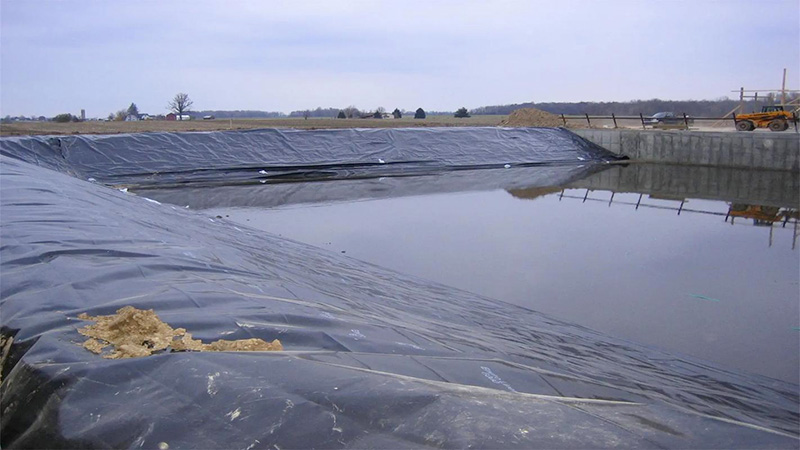
Protects sandy soils under concrete armor blocks. Allows water drainage while stopping sediment migration, preventing localized hollows and slope failure.
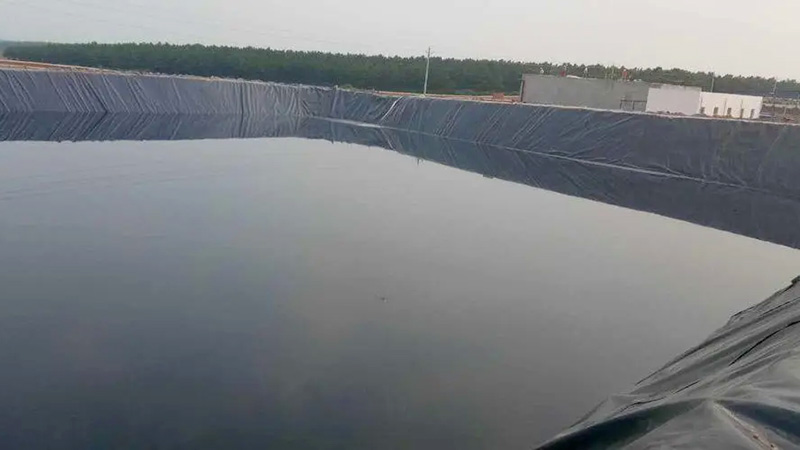
Reinforces river embankment zones. Prevents slope degradation during high water events and regulates water flow patterns to protect adjacent municipal zones.
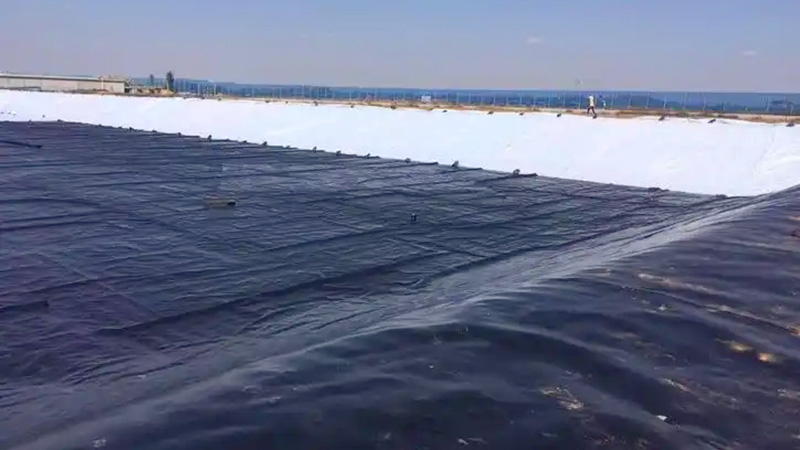
Provides subgrade separation under rip-rap layouts. Minimizes shifting between clay layers and rock covers for long-term channel durability.
Get answers to common technical, logistics, and procurement questions regarding Chinese factory-direct geotextile sourcing.
Pricing depends on polymer resin type (virgin PP vs virgin PET vs recycled polyester flakes) and weight (GSM - grams per square meter). Other factors include additive packages (such as carbon black for UV stability) and shipping container rates.
We supply factory test reports for every batch, confirming tensile strength (ASTM D4632), CBR puncture resistance (ASTM D6241), and hydraulic flow rates. We also work with third-party testing agencies like SGS, TRI, and Intertek to verify compliance with international standards.
Virgin PET and PP non-woven geotextiles can last over 50 to 100 years in underground applications where they are shielded from direct UV light. Their chemical stability keeps them durable in acidic or alkaline soils.
For custom rolls, the standard MOQ is typically 5,000 square meters. For standard dimensions and stocked products, we can accommodate smaller orders. Please contact our technical team to check current inventory.
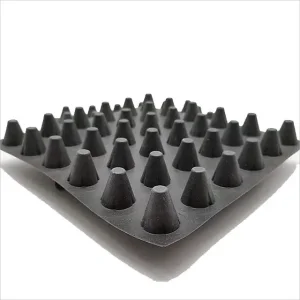
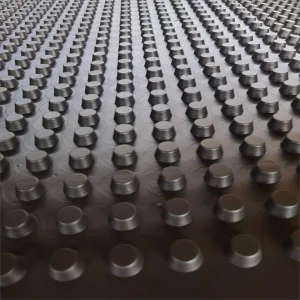
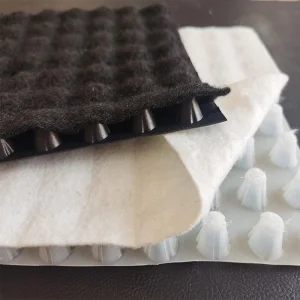
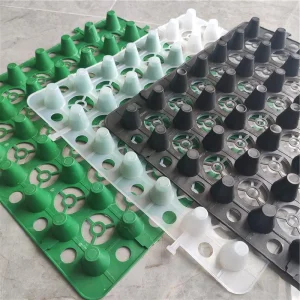
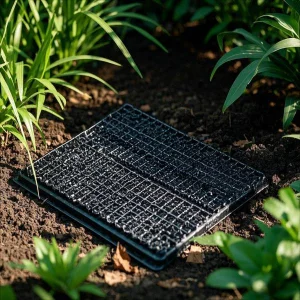
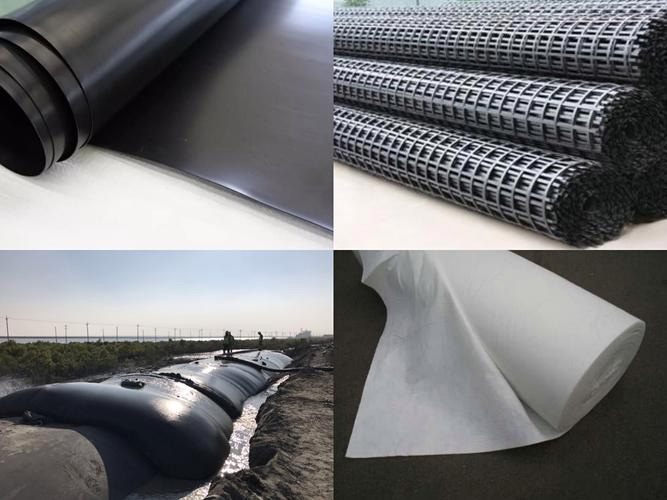
Complete your project requirements with our specialized structural drainage boards, reinforced geogrids, concrete blankets, and composite barriers.
 Hongyue