Premium geosynthetics developed for heavy load distribution, subgrade reinforcement, and reliable soil consolidation systems.
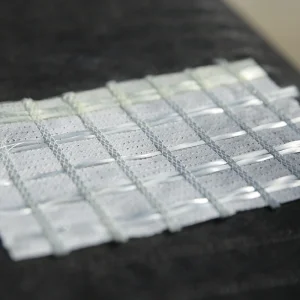

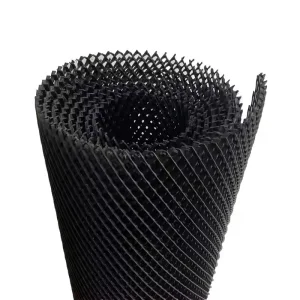
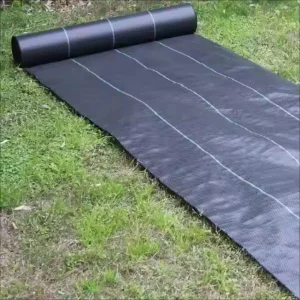
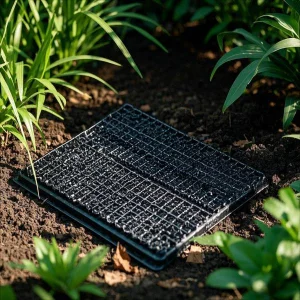
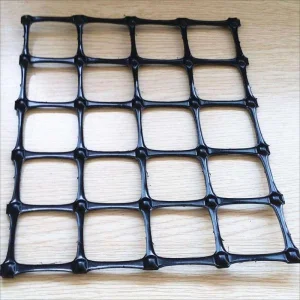
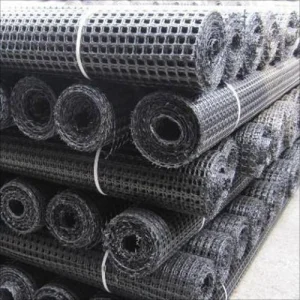
In modern civil engineering, the subgrade represents the foundational layer upon which the mechanical longevity of any paved or unpaved structure relies. Standard soils, particularly silts, clays, and loose sands, exhibit notoriously low bearing capacities, poor shear strength, and extreme susceptibility to volumetric changes under dynamic moisture regimes. The introduction of polymer geogrids has fundamentally revolutionized subgrade design, providing a high-modulus, tensile reinforcement interface that transforms lateral loads into stable vertical configurations.
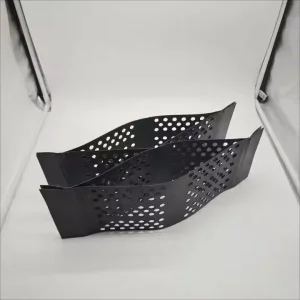
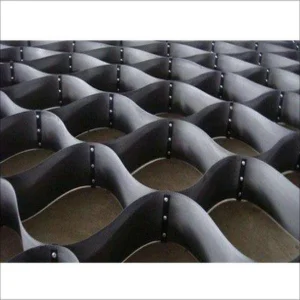
For heavy-traffic structures, gravel access paths, and heavy-duty logistics zones, using a geogrid driveway matrix offers structural lateral confinement. Without geogrids, base course aggregates migrate outward and downward under constant wheel loading. This displacement results in deep ruts, surface cracking, and eventual structural collapse. Using advanced biaxial and triaxial polymeric grids provides an effective interlocking mechanism. The aggregate particles interlock tightly within the geogrid apertures, forming a stable geogrid-reinforced base. This layer functions like a semi-rigid slab, distributing heavy loads over a wider area and significantly lowering the pressure on the subgrade.
The stabilization offered by geogrids is governed by three primary mechanical principles:
The global demand for high-strength geogrid systems is growing rapidly. Driven by rapid industrialization, airport expansions, port storage facility construction, and heavy-duty logistics roads, international civil projects need cost-effective materials that perform reliably over decades. Major construction companies in the Americas, Europe, Australia, and ASEAN regions are increasingly replacing traditional thick concrete and asphalt bases with geogrid-reinforced aggregate platforms.
China's manufacturing sector, represented by key industry players like **Shandong Hongyue Environmental Engineering Co., Ltd.**, has stepped forward to meet this global demand. By offering advanced extrusion, warp knitting, and thermal bonding technologies, Chinese exporters supply essential, certified materials. These products meet rigorous global requirements (such as CE, ISO, and ASTM standards) while keeping large-scale infrastructure projects economically viable.
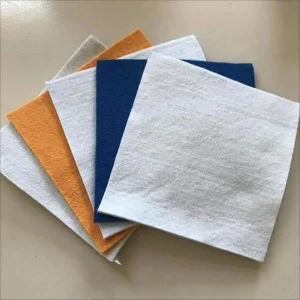
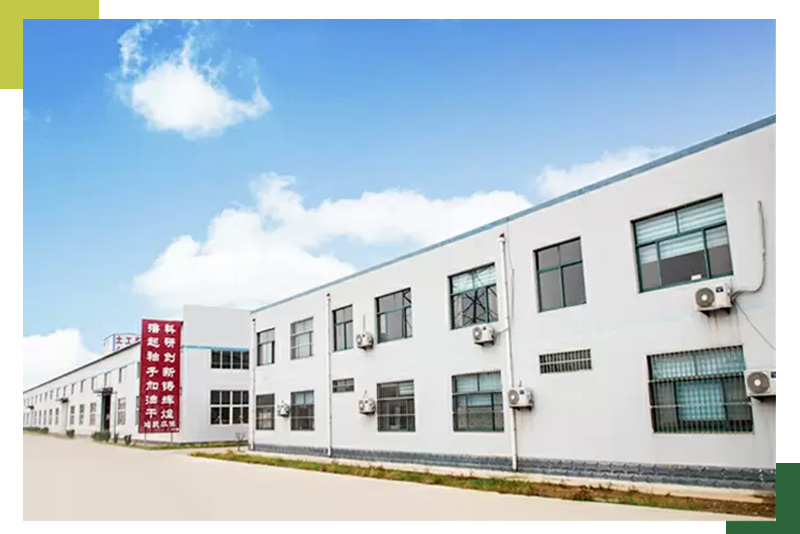
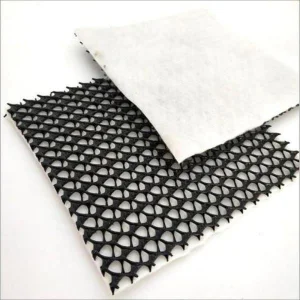
Shandong Hongyue Environmental Engineering Co., Ltd., registered with a capital of 105 million yuan, operates out of one of the largest geotechnical production bases in Dezhou, Shandong Province. Our comprehensive material supply chain ensures that our geogrids are engineered alongside compatible non-woven and woven geotextiles. This dual-layer approach provides structural reinforcement, optimal filtration, and essential separation. It prevents base aggregates from mixing with soft subgrade soils, even under wet conditions.
Through rigorous molecular and mechanical design, our polymer chains achieve exceptional long-term creep resistance and high junction efficiency. This ensures the geogrid matrix maintains its reinforcing structure under heavy, continuous cyclic loads.
Understanding the core raw material science is critical when evaluating a supplier's engineering credentials. High-grade Geogrid Driveway reinforcement systems are primarily constructed using Polypropylene (PP), High-Density Polyethylene (HDPE), or high-tenacity Polyester (PET) filaments. Each material offers distinct advantages based on specific project requirements:
At Shandong Hongyue, our advanced manufacturing processes ensure our products exceed international quality expectations. Below is our standard manufacturing workflow:
High-purity polymer chips (PP, HDPE, or PET) are blended with UV stabilizers and carbon black to ensure long-term UV resistance and environmental durability.
The raw polymers are melted at high temperatures and extruded into flat sheets. For punched geogrids, precision tools create a pattern of holes in the sheet.
The sheets are stretched longitudinally and transversely under controlled temperatures. This process aligns the polymer molecules, increasing the material's tensile strength.
Finished products are rolled and packaged. Samples undergo rigorous physical property, aperture dimension, and tensile testing before dispatch.
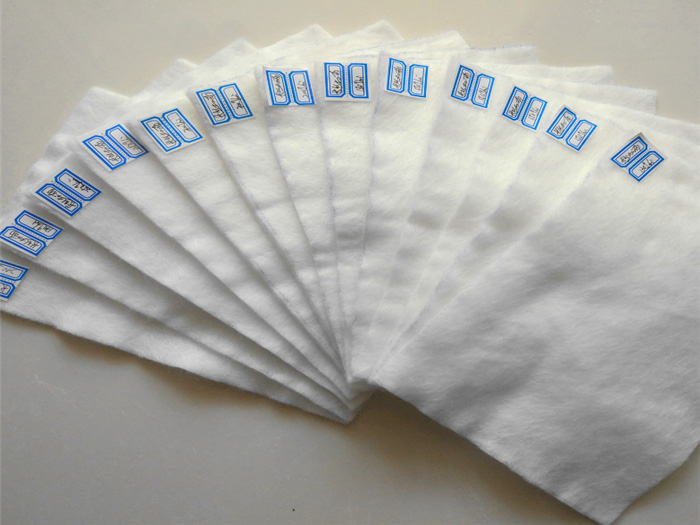
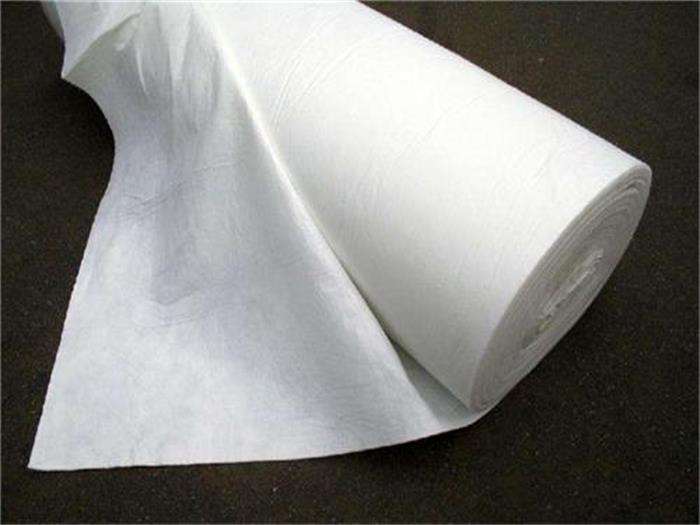
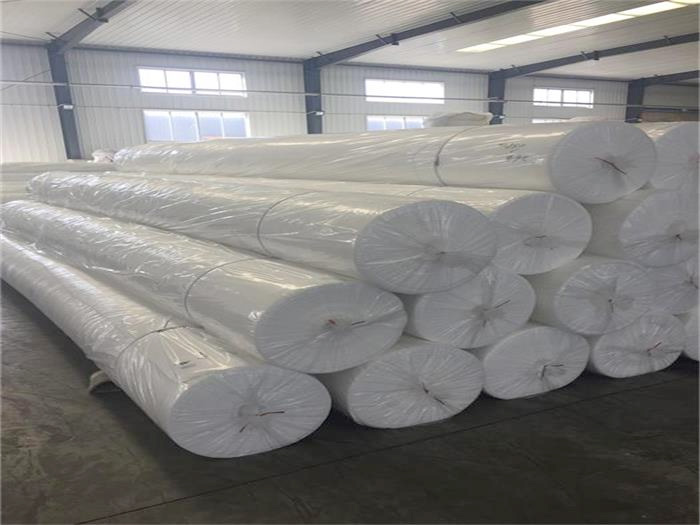
While reinforcement for residential driveways and industrial parking lots is a key application, high-tensile geogrids and geomembranes are crucial in large-scale environmental and hydraulic projects:
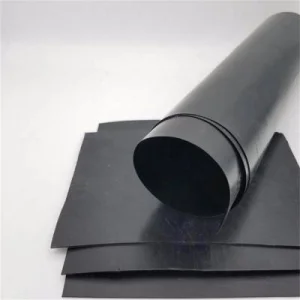
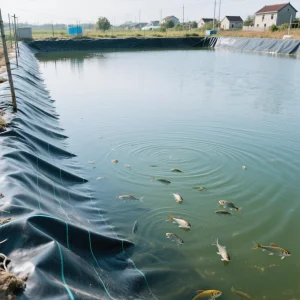
In reservoirs, canals, and river channels, geomembranes function as an impermeable barrier. Combined with non-woven geotextiles, they protect the subgrade from water erosion and prevent leakage. This keeps dams structurally sound and prevents water loss in dry regions.
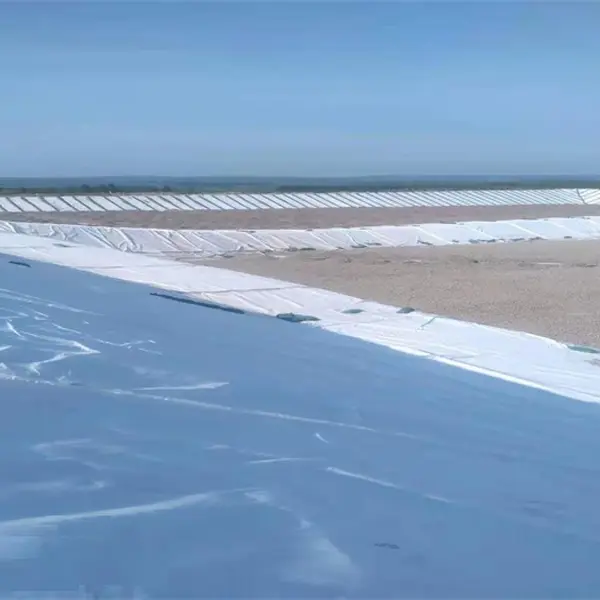
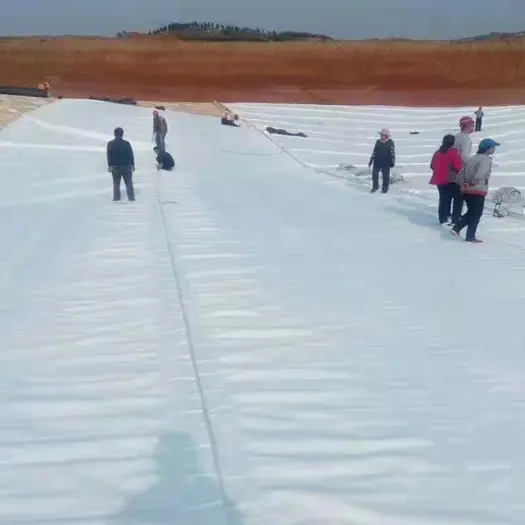
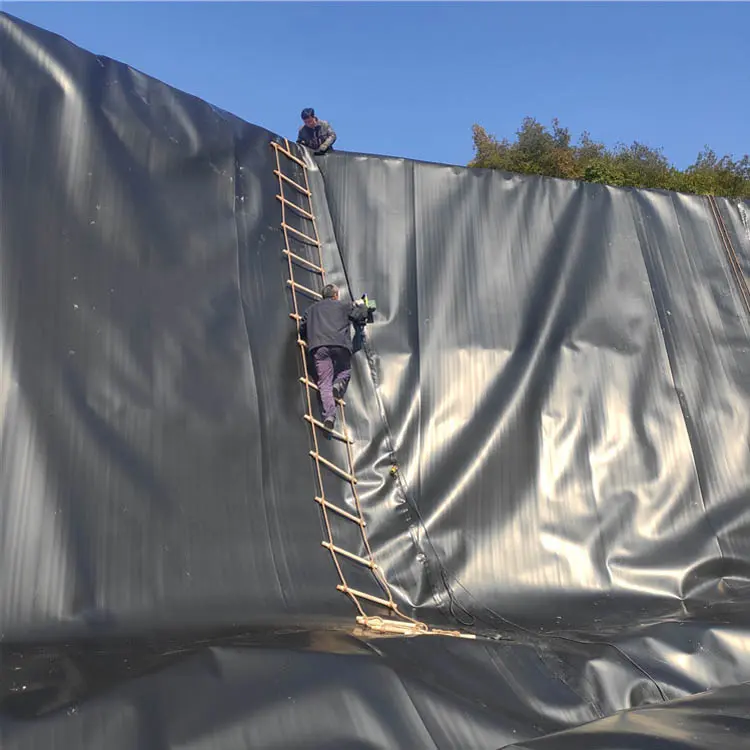
In landfills, mining heap leach pads, and industrial containment ponds, preventing toxic runoff from entering local groundwater is critical. Using heavy-duty HDPE geomembranes and geosynthetic clay liners (GCL) creates an impermeable barrier that protects local ecosystems.
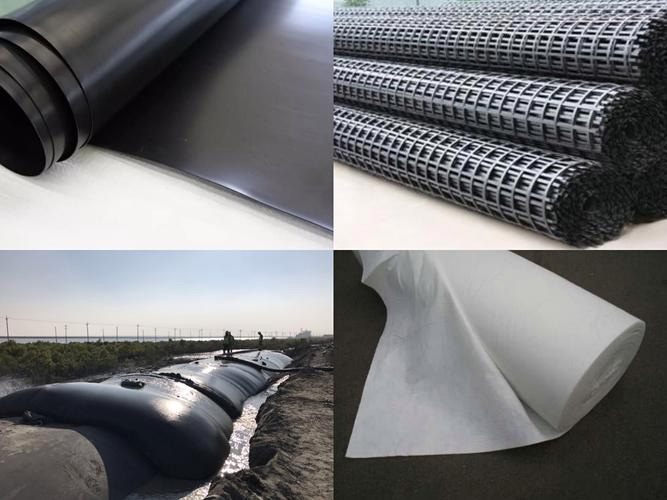
Securing geomembrane systems requires specialized welding and installation techniques. Technicians use double-track hot wedge welding to create strong joints, which are then tested with air pressure to confirm a leak-free seal.
Placing a protective layer of non-woven geotextile over the geomembrane shields it from punctures by sharp stones in the subgrade, keeping the liner intact.
Quality control is central to our operations. Our testing lab analyzes every batch of incoming raw materials and finished products, verifying tensile strength at yield, junction efficiency, carbon black dispersion, and dimensional stability.
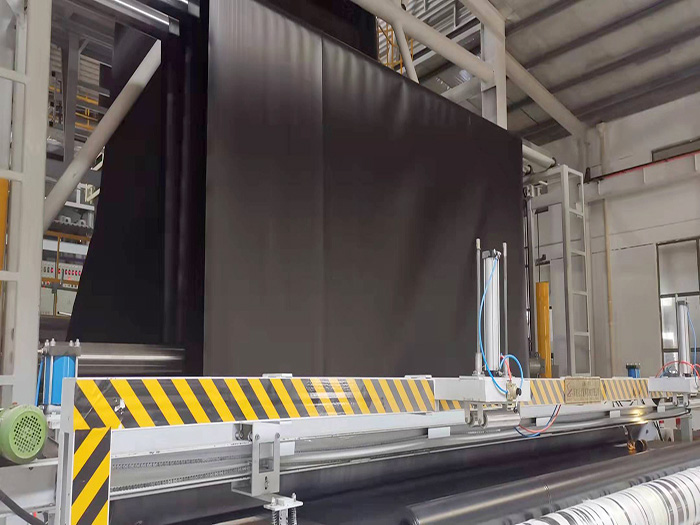
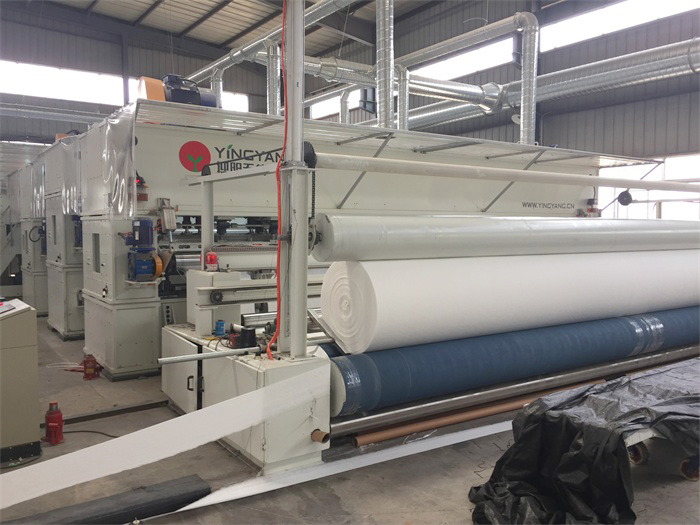
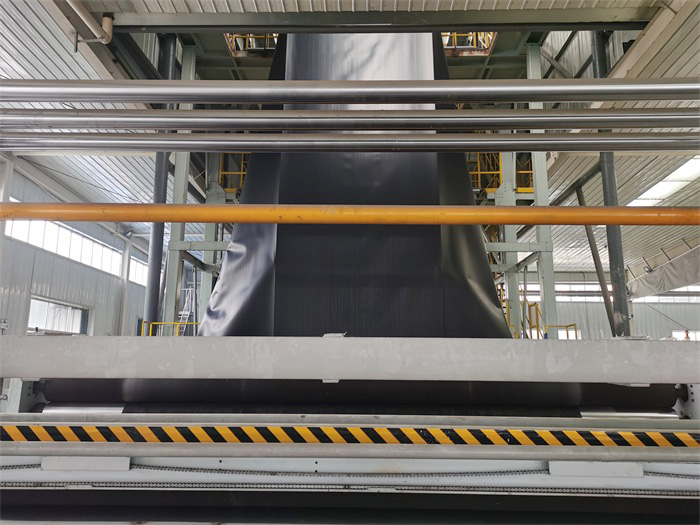
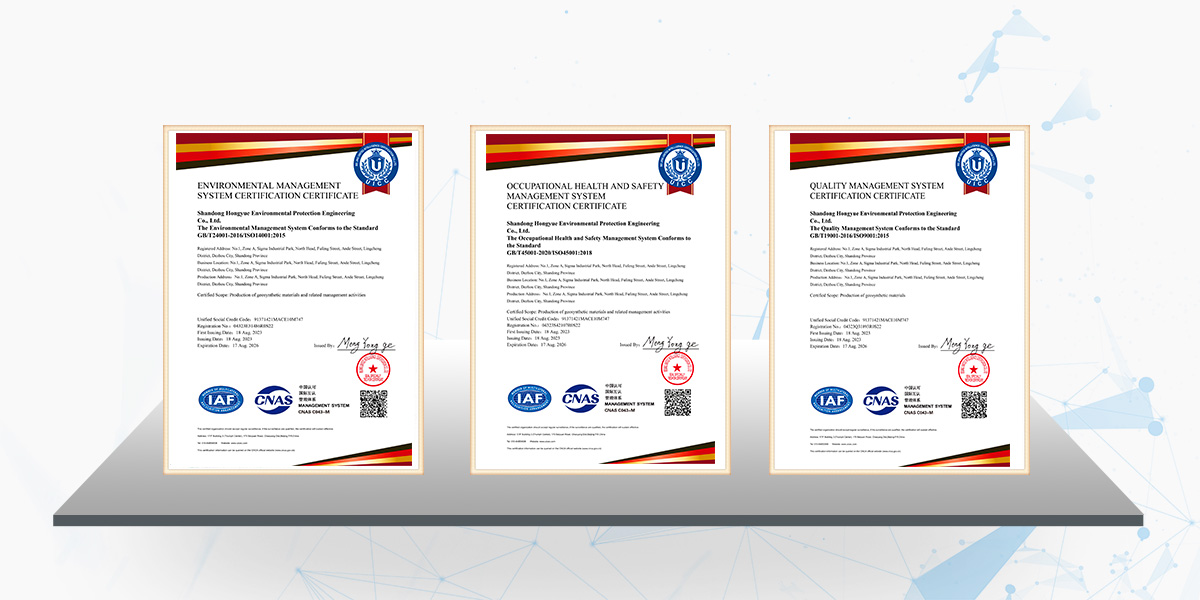
Fully certified under ISO9001 for quality management, ISO14000 for environmental safety, and ISO45001 for occupational health standards.
Exporting to Europe, the United States, South America, Australia, Southeast Asia, and Central Asia with full logistics support.
On-site testing laboratories analyze raw polymer quality and verify tensile strength, joint durability, and UV resistance.
Our international business model focuses on providing end-to-end technical support rather than just supplying materials. We recognize that engineering standards and environmental regulations vary significantly by region. For instance, European projects often require CE markings and detailed environmental product declarations (EPDs), while American projects emphasize AASHTO M288 specifications.
To ensure smooth project execution, we assist with material selection, base layer design, calculations for reducing aggregate thickness, and installation guidelines. We also work closely with regional distributors to manage logistics and customs compliance, ensuring your materials arrive on schedule.
The civil engineering industry is shifting toward reducing carbon emissions and adopting green construction practices. Our development roadmap focus highlights several key initiatives:
Engineered products designed to reinforce subgrades, optimize drainage, and protect environments worldwide.
 Hongyue