Discover our CE-certified geotextile, drainage, and containment products engineered to rigorous international specifications.
In modern mega-infrastructure, hydraulic control, and environmental containment projects, geosynthetics serve as the fundamental structural backbone. Selecting between woven and non-woven geotextiles requires deep technical comprehension of polymer chemistry, mechanical stress distribution, filtration hydraulics, and long-term durability metrics under severe biochemical exposure.
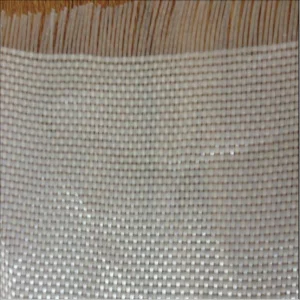
Woven geotextiles are manufactured by interweaving high-tenacity synthetic yarns (polypropylene PP or polyester PET) in a structured orthogonal pattern (warp and weft). Their primary functional role is load-bearing reinforcement and soil separation under extreme tensile loads.
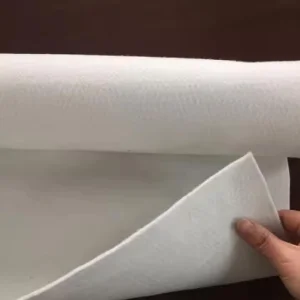
Non-woven geotextiles are produced by bonding random orientation synthetic fibers through mechanical needle-punching or thermal calendering. Designed for subsurface filtration, planar drainage, and geomembrane cushioning protection.
The global geosynthetics market is undergoing rapid expansion driven by stringent international environmental regulations, aging civil infrastructure overhauls, and rising climate resilience projects worldwide.
CE marking under the European Construction Products Regulation (CPR 305/2011) mandates strict compliance with standards such as EN 13249 to EN 13257. Engineering specs require verified durability tests covering UV degradation, chemical oxidation, and biological resistance for a minimum 50-to-100-year design life.
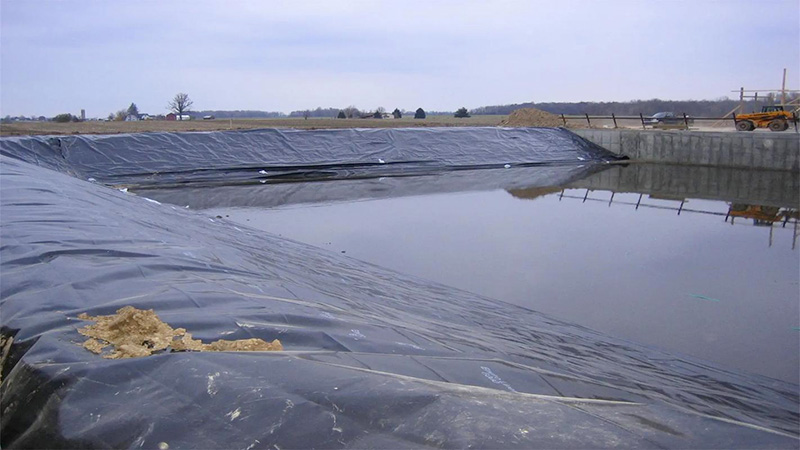
Global mining operations across South America, Australia, and Africa mandate heavy-duty non-woven geotextile cushion layers (600g/m² to 1200g/m²) combined with rough HDPE geomembranes to prevent toxic tailing leachate from polluting local groundwater basins.
High-speed rail subgrades, deep-water port reclamations, and multi-lane highway expansions depend on high-tensile polypropylene woven geotextiles to bridge soft ground, decrease aggregate consumption by up to 30%, and eliminate differential settlement.
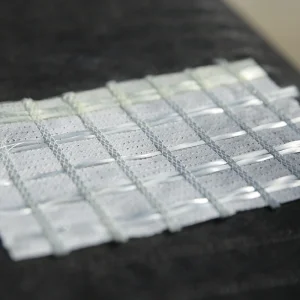
| Property Metric | PET Non-Woven Continuous Filament | PP Staple Fiber Non-Woven | PP High-Tenacity Woven | Warp Knitted Composite Geotextile |
|---|---|---|---|---|
| Tensile Strength Range | 10 kN/m – 100 kN/m | 6 kN/m – 60 kN/m | 30 kN/m – 300 kN/m | 50 kN/m – 400 kN/m |
| Elongation at Break | 40% – 80% | 50% – 100% | 10% – 25% | < 10% |
| CBR Puncture Resistance | High (1.5 kN – 12 kN) | Medium (1.0 kN – 8 kN) | Very High (3.0 kN – 18 kN) | Extreme (5.0 kN – 25 kN) |
| Apparent Opening Size (AOS) | 0.05 mm – 0.20 mm | 0.07 mm – 0.25 mm | 0.10 mm – 0.45 mm | Engineered Custom Mesh |
| Primary Function | Filtration / Cushion Protection | Drainage / Filtration / Separation | Reinforcement / Soil Stabilization | Pavement Crack Prevention / Heavy Load |
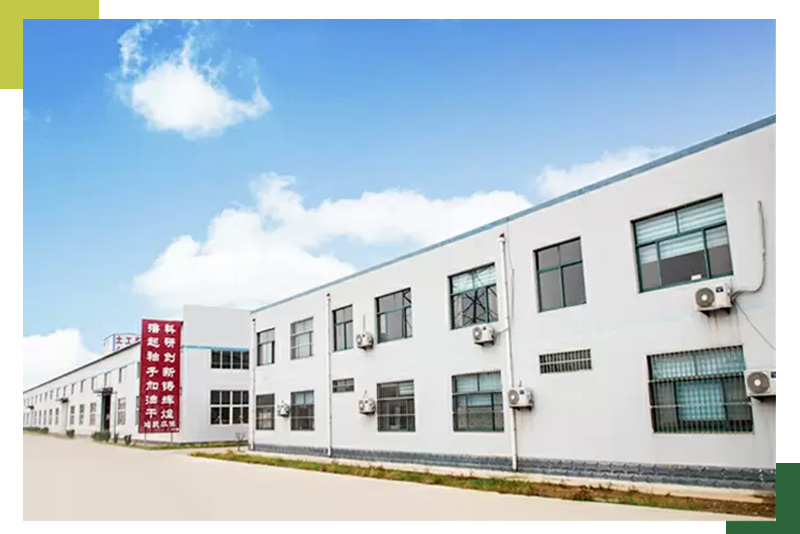
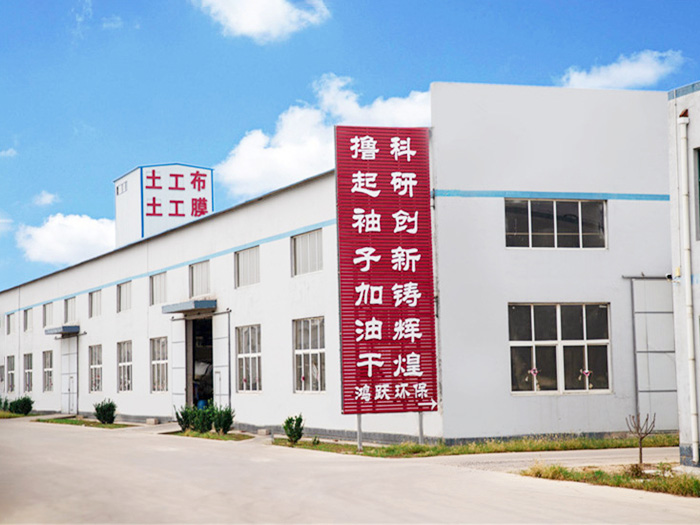
Located in Lingcheng District, Dezhou City, Shandong Province—the core capital of China's geotechnical material manufacturing industry—Shandong Hongyue Environmental Protection Engineering Co., Ltd. represents the peak of automated production efficiency and material quality consistency.
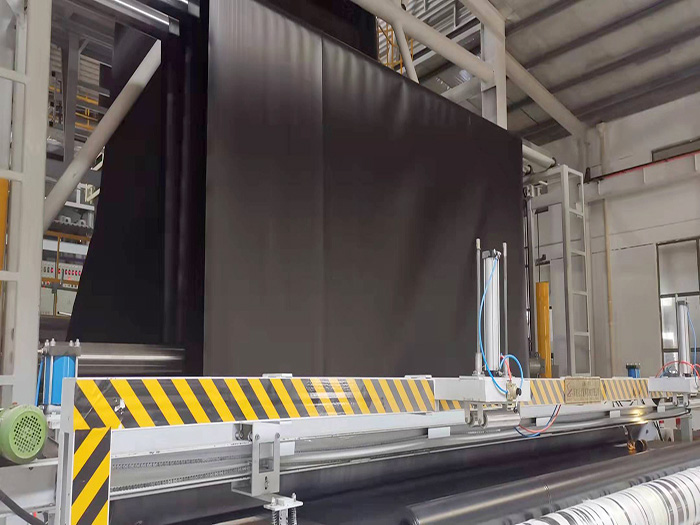
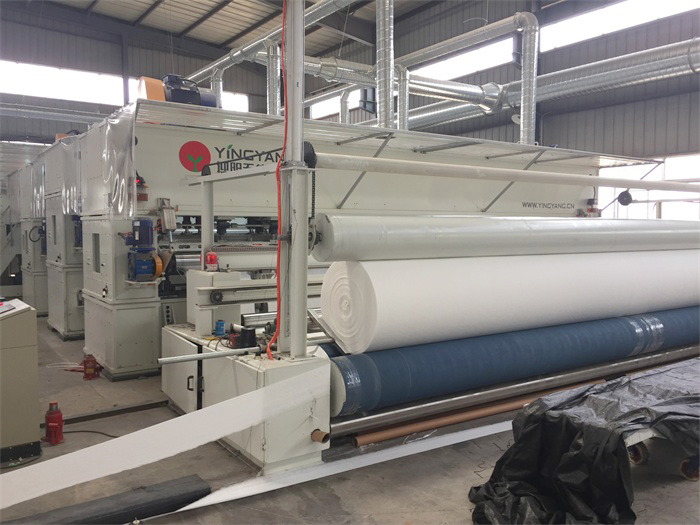
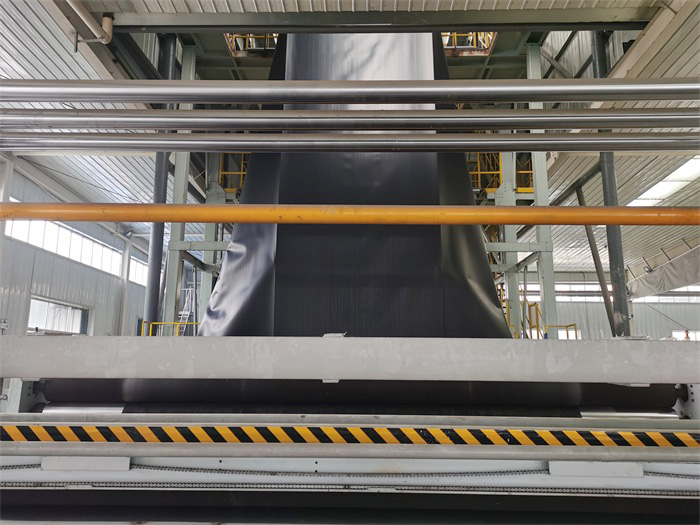
Registered with a capital of 105 million yuan, our facility stands as one of the largest specialized geotechnical material production bases in China. Operating state-of-the-art melt extrusion lines, high-speed projectile looms, and multi-needle punching equipment, we achieve unparalleled yield rates and strict dimensional tolerance control.
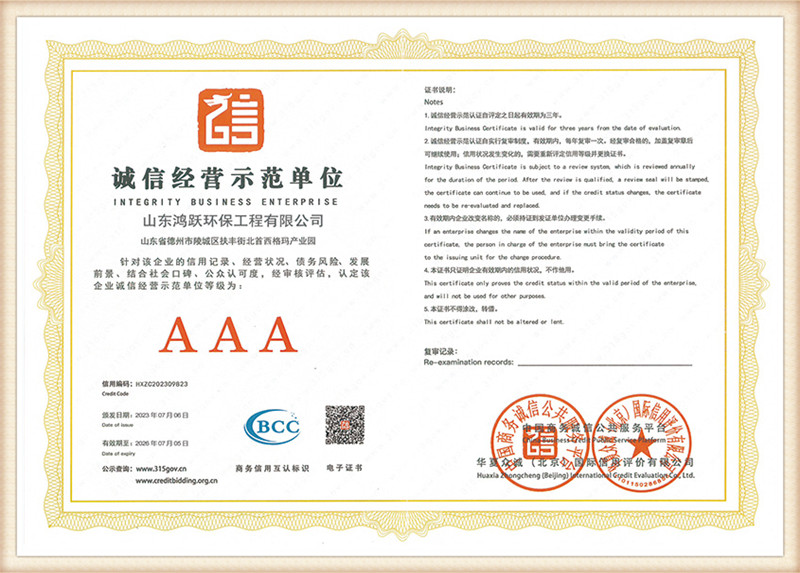
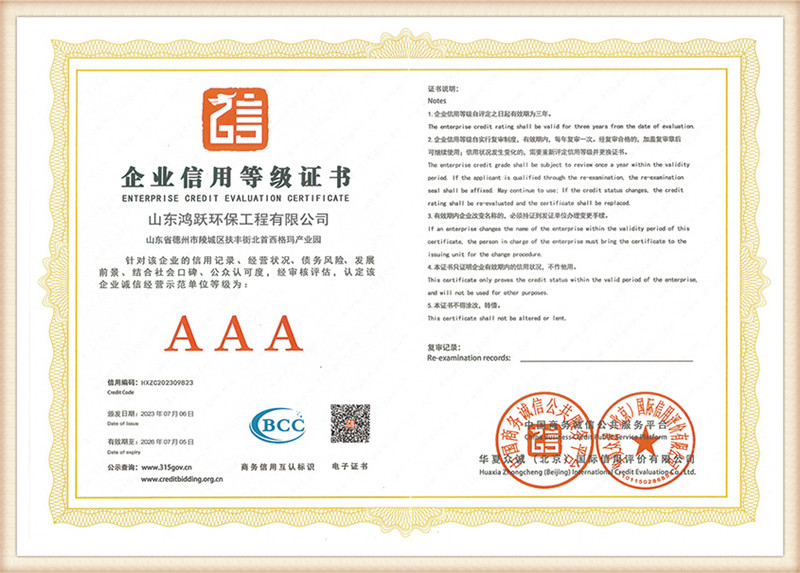
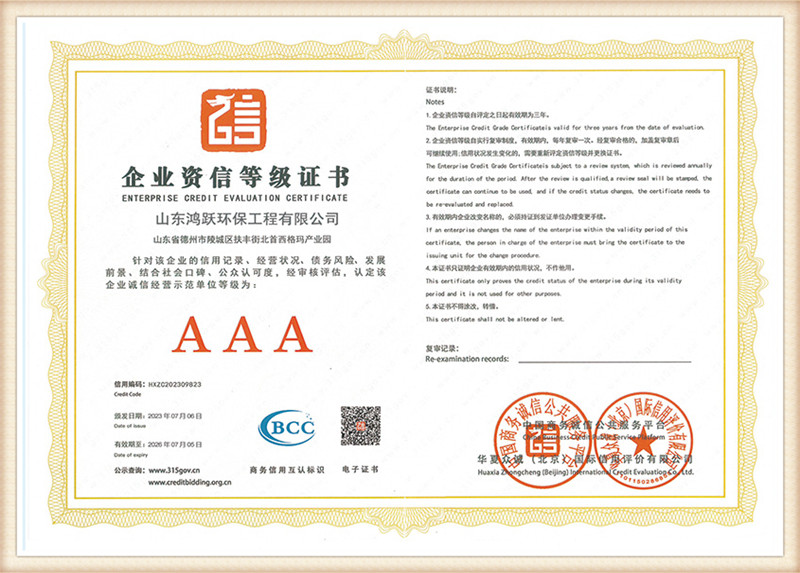
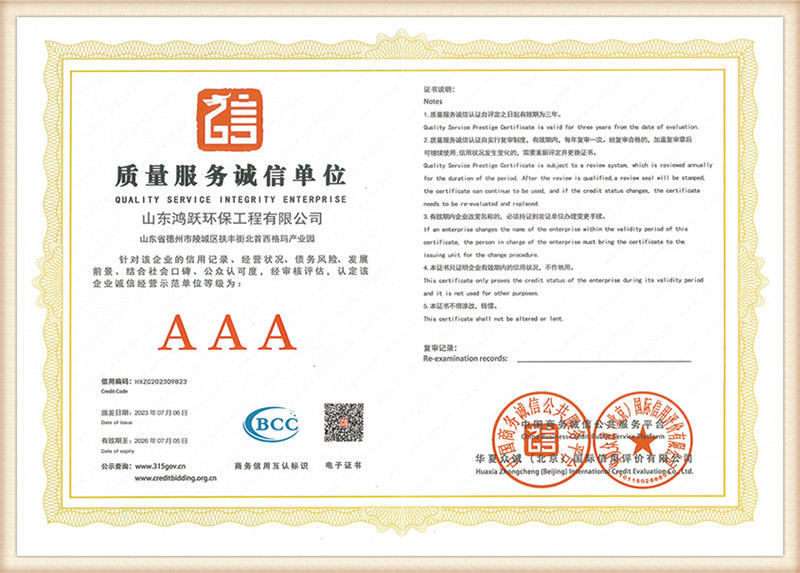
Shandong Hongyue operates under strict international multi-system management frameworks, fully certified for ISO 9001 Quality System, ISO 14000 Environmental System, and ISO 45001 Occupational Health & Safety Management System.
Our products have passed testing by the National Testing Center and State Administration of Quality Supervision, earning accolades such as "Green and Environmentally Friendly Building Materials Products" and "High-Tech Enterprises".
From virgin polymer resin selection to thermal draft curing, our production process involves real-time sensor monitoring to guarantee exact mass per unit area (g/m²) and uniform isotropic mechanical behavior.
High-purity polyester (PET) chips, polypropylene (PP) granules, and continuous filaments undergo rigorous melt-flow index (MFI) and moisture analysis to preserve polymer molecular integrity prior to thermal extrusion.
Polymer chips are processed via high-torque twin-screw extruders at precisely regulated zone temperatures, yielding ultra-fine continuous filaments or flat slit-film ribbons with consistent cross-sectional geometry.
For non-woven fabrics, spinneret fibers are dispersed via aerodynamic air-draw systems onto high-speed collection belts to establish an isotropic 3D fibrous mat. Woven fabrics utilize high-speed projectile looms for dense mesh weaving.
Thousands of barbed needles interlock the fiber web in dual-pass punching lines, followed by controlled thermal drafting rollers that optimize tensile modulus and stabilize dimensional shrinkage.
Geotextile webs undergo ultrasonic edge slitting, surface thermal calendering (if required), and automated tension winding to form standardized jumbo rolls wrapped in UV-protective polyethylene film.
Every production batch undergoes batch testing: CBR static puncture (ISO 12236), wide-width tensile strength (ISO 10319), hydraulic permeability (ISO 11058), and pore size distribution (ISO 12956).
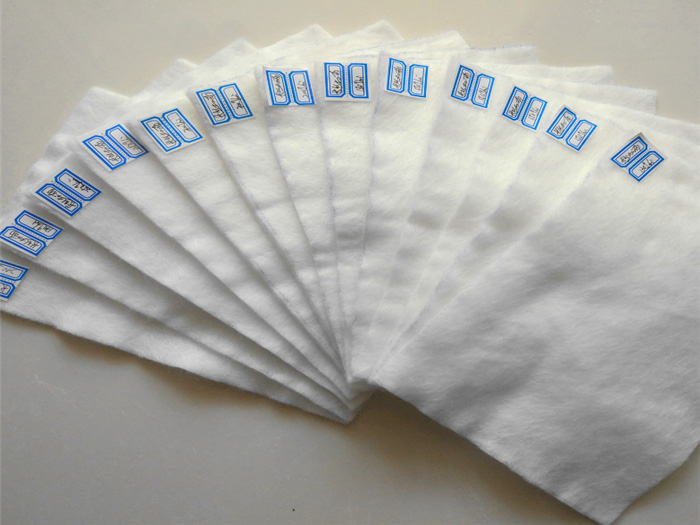
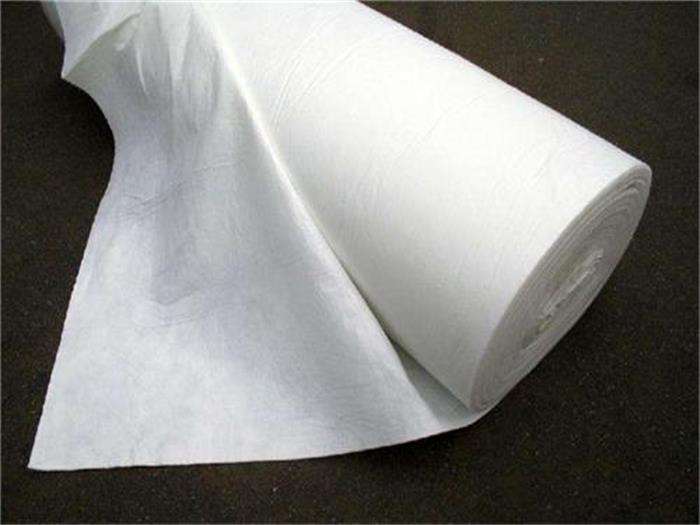
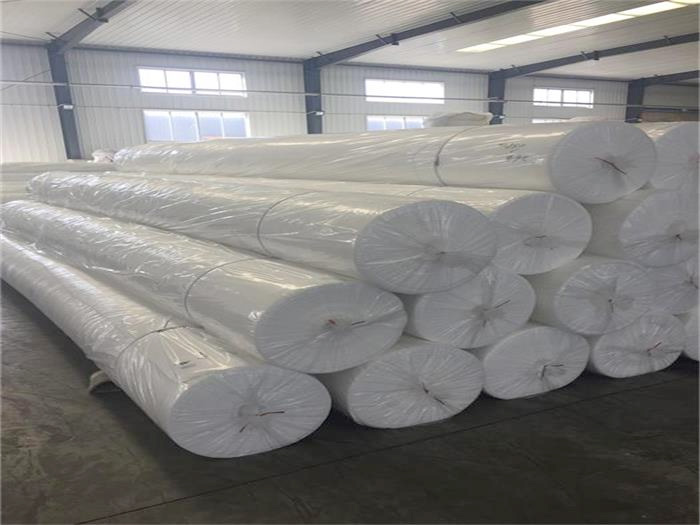
Hongyue geosynthetics provide custom engineered solutions across diverse civil engineering domains, ensuring long-term containment integrity and structural durability.
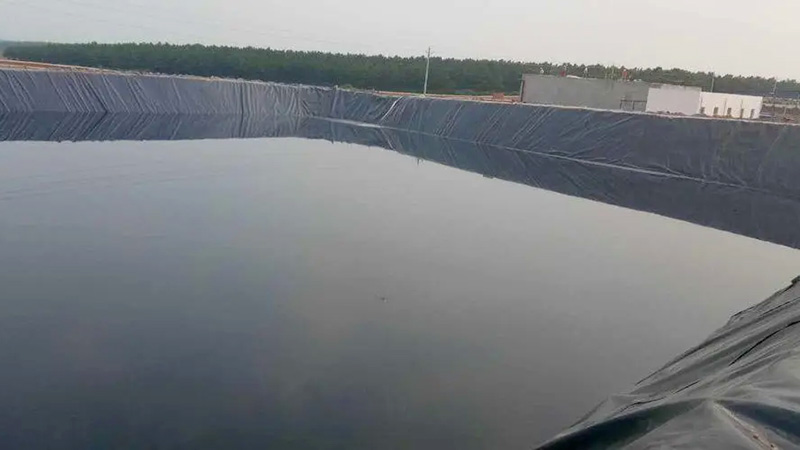
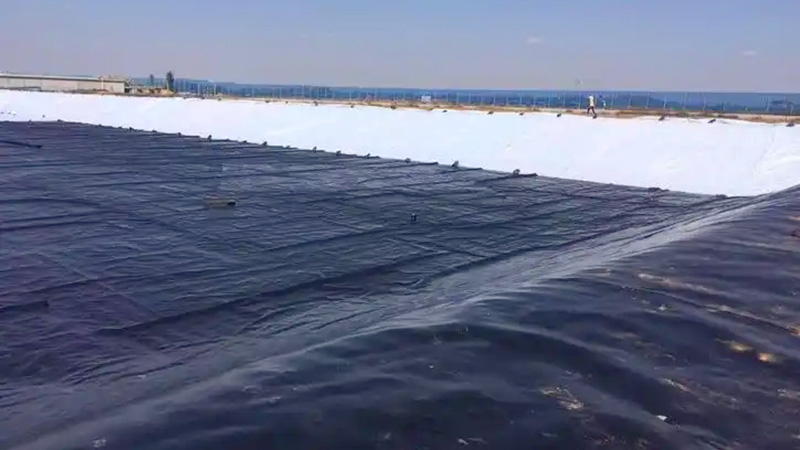
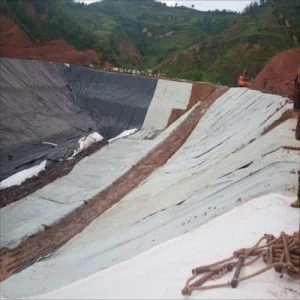
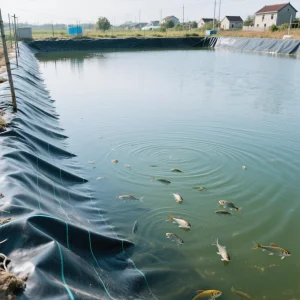
Combining composite geomembranes with heavy non-woven geotextile cushion layers prevents water leakage through soft rock foundations, stabilizes embankment slopes, and preserves structural integrity in municipal water reservoirs and canals.
High-tenacity polypropylene woven geotextiles deployed beneath subbase layers prevent subgrade soft soil migration, absorb cyclic traffic shock loads, and mitigate pavement reflective cracking in highway and rail corridors.
By pairing non-woven geotextile filter fabrics beneath rip-rap or concrete armor blocks, hydraulic engineers halt fine sand erosion while allowing natural subsoil pore water relief, stabilizing riverbanks and artificial lakes.
Multi-layer system comprising GCL bentonite blankets, HDPE geomembranes, and 3D drainage boards to contain hazardous leachate.
Rough HDPE geomembranes and heavyweight cushion geotextiles preventing acidic solution loss in copper/gold heap leach pads.
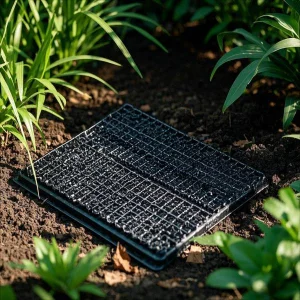
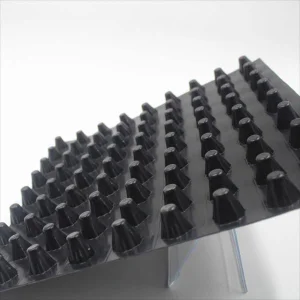
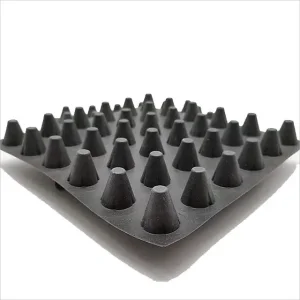
Dimpled dimple drainage sheets fused with non-woven geotextile filters for intensive urban roof gardens and underground basements.
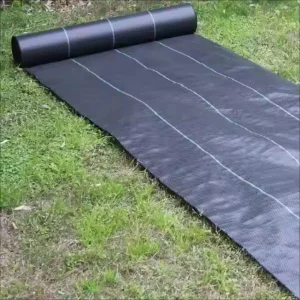
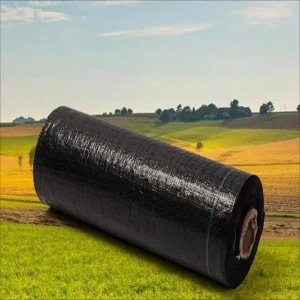
UV-stabilized PP woven ground cover cloth suppressing weed growth while maintaining ground breathability and moisture control.
Achieving maximum containment performance requires seamless integration between subgrade preparation, geotextile cushioning, and dual-wedge thermal geomembrane welding protocols.
Select smooth or rough-textured High-Density Polyethylene (HDPE) or Linear Low-Density Polyethylene (LLDPE) from 0.3mm to 2.0mm based on site shear stress, subgrade slope inclination, and chemical contact requirements.
Clear subgrade of sharp roots, jagged stones, and standing water. Roll out non-woven geotextile cushion layers with a minimum 300mm overlap before unrolling geomembrane panels. Avoid over-tensioning to accommodate thermal contraction.
Utilize automated self-propelled dual-track hot wedge welders for main longitudinal seams, and extrusion welding guns for detail repairs. Conduct non-destructive air-pressure testing on dual-seam channels to ensure 100% leak-proof security.
A strategic sourcing reference for EPC contractors, civil engineers, project owners, and international distributors evaluating geotextile manufacturers in Asia.
Expert answers to key technical questions regarding geotextile selection, standard compliance, installation, and global export shipping.
Woven geotextiles are formed by weaving synthetic yarns in a grid pattern, offering very high tensile strength and low elongation, making them ideal for subgrade reinforcement and load separation. Non-woven geotextiles are non-directional fiber webs produced via needle-punching, providing high elongation, superior filtration, planar drainage, and protective cushioning for geomembranes.
CE Certification confirms that the geotextile complies with mandatory European Union health, safety, and environmental protection standards under the Construction Products Regulation (CPR 305/2011). It guarantees that physical metrics like tensile strength, static puncture resistance (CBR), and durability under chemical weathering have been validated by rigorous accredited testing protocols.
Polyester (PET) continuous filament non-woven geotextiles offer higher tensile strength at identical mass per unit area, higher melting points, and exceptional creep resistance under sustained mechanical loads. Polypropylene (PP) staple fiber non-wovens excel in chemical resistance across aggressive acid and alkali soil environments, making them ideal for landfill liners and mining applications.
AOS defines the maximum pore size of the geotextile. To prevent piping erosion, the geotextile AOS must be smaller than the median particle size of the protected soil (d85), while maintaining sufficient hydraulic permittivity to prevent excess pore water pressure build-up beneath civil structures.
Yes. Shandong Hongyue supplies geotextiles in mass densities ranging from 100g/m² to 1200g/m², roll widths up to 6 meters, and continuous lengths tailored to project drawings. Custom colors (white, black, grey, green) and special UV-stabilizer formulations are readily available.
Heavy non-woven geotextiles (typically 600g/m² to 1000g/m²) act as sacrificial mechanical cushions placed directly adjacent to smooth or rough HDPE geomembranes. They absorb concentrated point loads from sharp gravel layers, preventing localized puncture and stress cracking under intense hydrostatic load.
When formulated with virgin synthetic polymers and carbon-black UV inhibitors, our geotextiles are engineered for a minimum service lifespan of 50 to 100 years in buried civil infrastructure and environmental containment applications.
Geotextiles can be joined via overlap methods (typically 300mm to 500mm depending on subgrade strength), mechanical sewing using double-thread portable sewing machines, or thermal hot-air bonding. Mechanical stitching provides verifiable seam tensile strength for high-load reinforcement projects.
Our factory quality laboratory tests every roll batch according to ISO, ASTM, and GB standards. Standard parameters measured include Mass per Unit Area (ISO 9864), Wide-Width Tensile (ISO 10319), Static Puncture CBR (ISO 12236), Cone Drop Puncture (ISO 13433), Water Permeability (ISO 11058), and AOS (ISO 12956).
Our facility's proximity to major Qingdao and Tianjin port terminals, combined with our 105 million RMB capital base and high-speed multi-line production capacity, enables fast manufacturing lead times (7-14 days) and streamlined export customs documentation for global clients.
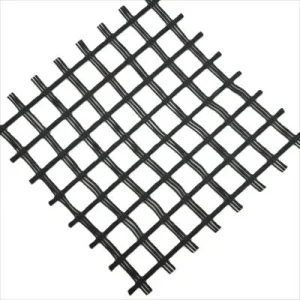
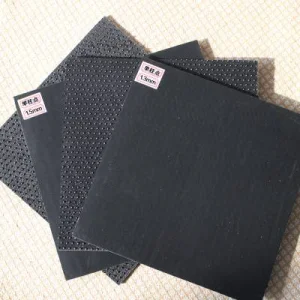
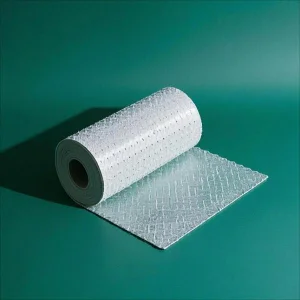
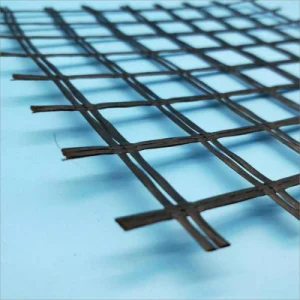
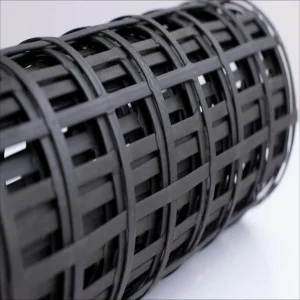
Explore additional specialized geosynthetic materials engineered for geogrid soil stabilization, drainage boards, and slope protection.
Integrity, Scale, Innovation, and Service Excellence in Global Geotechnical Material Supply.
Shandong Hongyue Environmental Engineering Co., Ltd., located at the north end of Fufeng Street, Lingcheng District, Dezhou, Shandong Province, is a scientific and technological geotechnical material manufacturer integrating engineering material production, sales, design, and construction services. The company was registered in Lingcheng District Market Supervision and Administration Bureau of Dezhou City on April 6, 2023, with a registered capital of 105 million yuan. It is one of the largest production bases of geotechnical materials in China at present, with a superior geographical location and convenient logistics transportation connections.
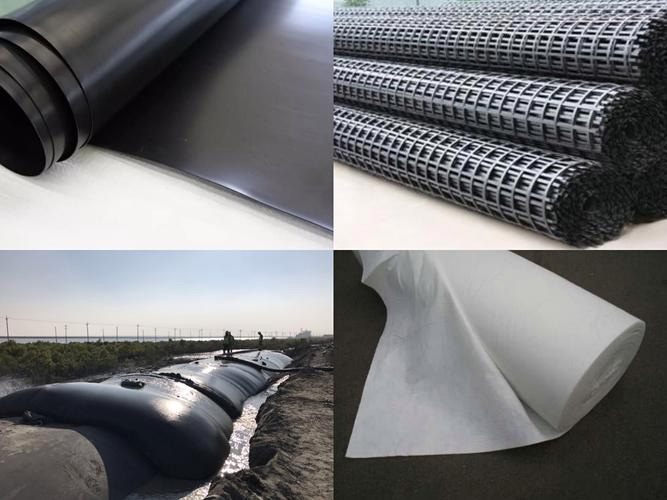
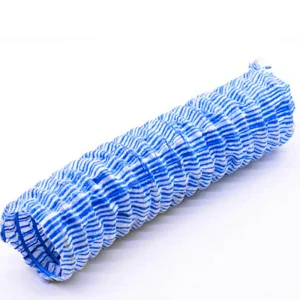
Our extensive material portfolio includes geotextiles, geomembranes, composite geomembranes, waterproof boards, bentonite waterproof blankets (GCL), 3D composite drainage nets, (composite) drainage boards, woven cloth, membrane bags, blind ditches, waterproof and drainage combinations, woven bags, ecological bags, cement blankets, fiber plant blankets, and flexible pervious pipes.
The company belongs to the Dezhou Geotextile Association and operates agency networks across more than 40 large and medium-sized domestic cities, exporting products to Europe, the United States, Australia, Southeast Asia, South America, and the Middle East.
 Hongyue