Explore our engineered structural reinforcements, soil cells, and advanced geosynthetics tailored to international engineering specifications.
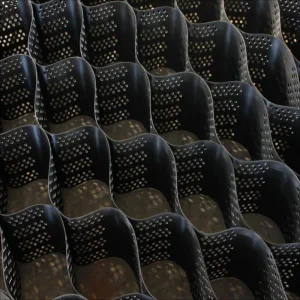
In the realm of modern civil engineering and geomorphological stabilization, High-Strength Geocells represent a pinnacle of structural efficiency. Defined as three-dimensional, expandable honeycomb structures fabricated from high-density polyethylene (HDPE) or other polymeric alloys, these cellular confinement networks operate on the principle of confinement tension. When filled with granular materials—such as compacted soil, aggregate, concrete, or local vegetative sand—the geocell system prevents lateral displacement of the infill, effectively increasing the shear strength and load-bearing capacity of the composite structure.
For civil engineering infrastructure contractors and procurement leads, selecting a high-strength geocell is not merely about physical dimensions; it is a critical calculation of environmental resilience, joint seam integrity, and material longevity. Standard-grade polymers deteriorate rapidly under ultraviolet exposure and cyclic temperature fluctuations, leading to structural failures in retaining walls, highways, and railway bases. Our high-strength geocells are specifically engineered with proprietary carbon black formulations (minimum 2% concentration) and antioxidants, securing superior resistance to Environmental Stress Cracking (ESCR) and ensuring a design service life exceeding 50 years.
Distributes dynamic wheel and rail loads over a wider area, drastically reducing subgrade stress and mitigating differential settlement on soft subgrades.
Engineered using state-of-the-art multi-point ultrasonic welding lines, achieving seam peel strength values exceeding 1420 N/10cm to prevent joint shear failures.
Perforated wall profiles facilitate lateral water movement through the cells, minimizing hydrostatic pressure build-up and promoting healthy vegetation growth.
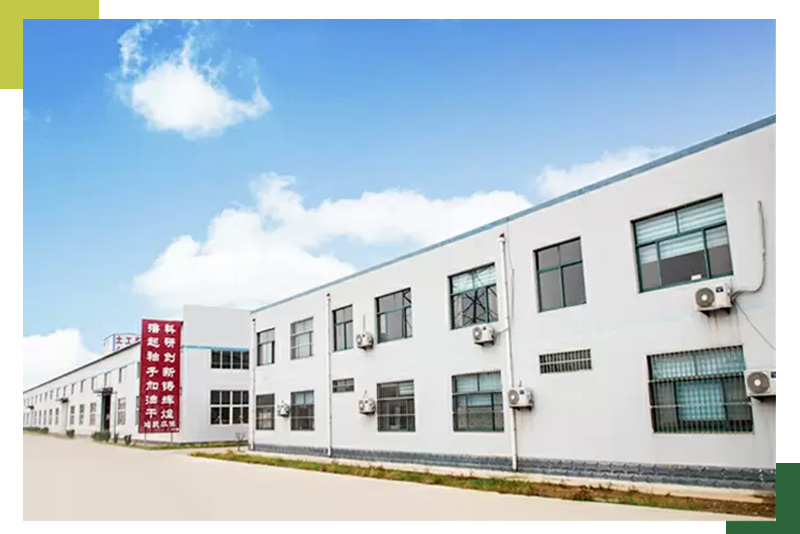
China's manufacturing prowess in geotechnical materials is centered on advanced automation, vertical raw material integration, and rigorous standardization. Shandong Hongyue Environmental Engineering Co., Ltd., located at the north end of Fufeng Street, Lingcheng District, Dezhou, Shandong Province, stands at the absolute vanguard of this industrial landscape. Established with a registered capital of 105 million yuan, Shandong Hongyue functions as a comprehensive, scientific, and technological geotechnical manufacturer integrating design, production, testing, and consulting services.
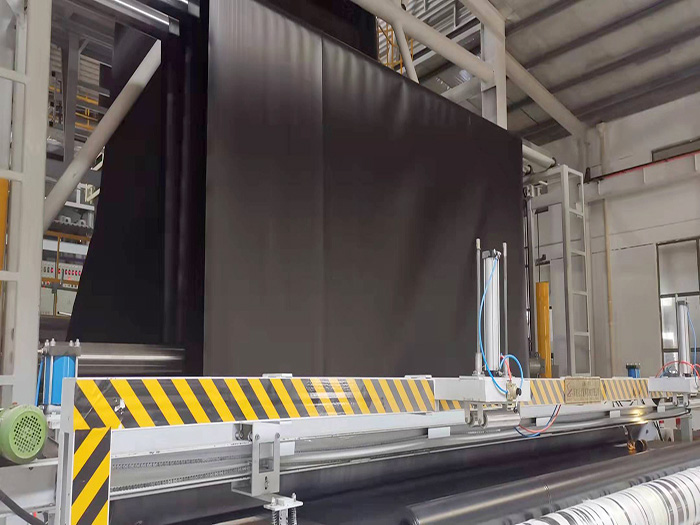
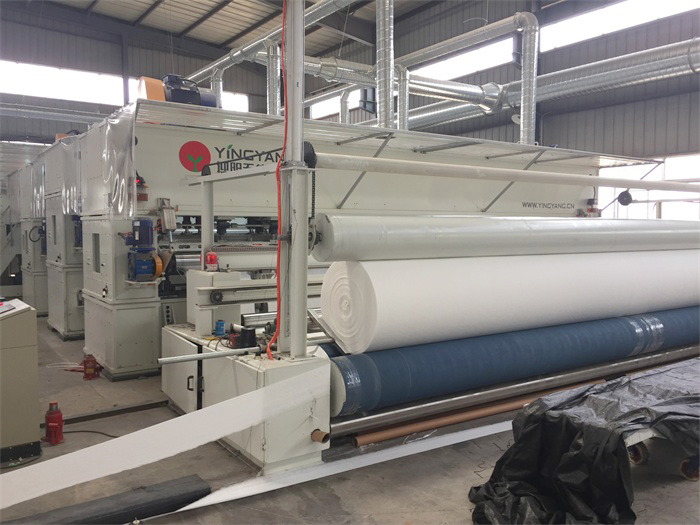
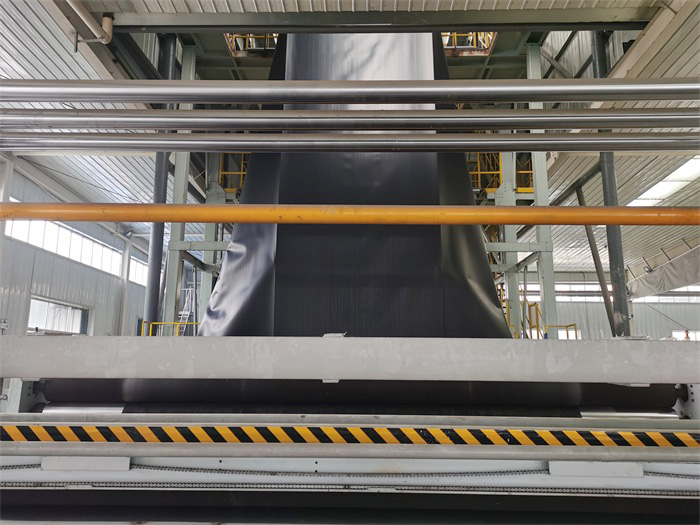
By operating from Dezhou—widely recognized as China's premier hub for geosynthetics and home to the Dezhou Geotextile Association—our factory leverages cluster economies of scale to deliver cost efficiencies without sacrificing chemical-physical properties. This enables us to maintain continuous production runs, ensuring prompt logistics and dispatching bulk consignments globally through major maritime routes. Our manufacturing floor houses high-precision extrusion systems and fully automated ultrasonic welding arrays, eliminating human error and maintaining a zero-defect product flow.
For European and global infrastructure procurement, the CE Certification is non-negotiable. It is the definitive declaration that a manufacturing facility complies with EN standards for safety, health, and environmental protection. Our geocells undergo exhaustive third-party laboratory evaluations, including tensile strength testing, seam weld integrity tests, carbon black dispersion checks, and long-term creep behavior analysis.
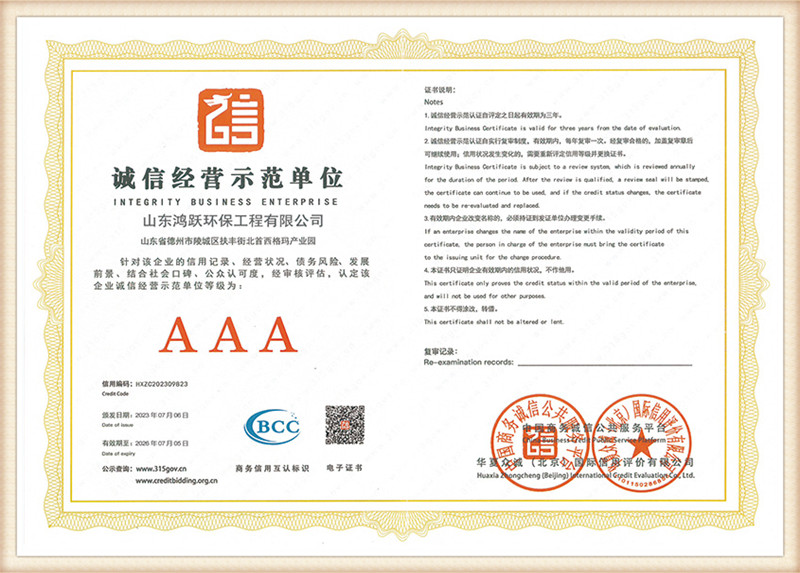
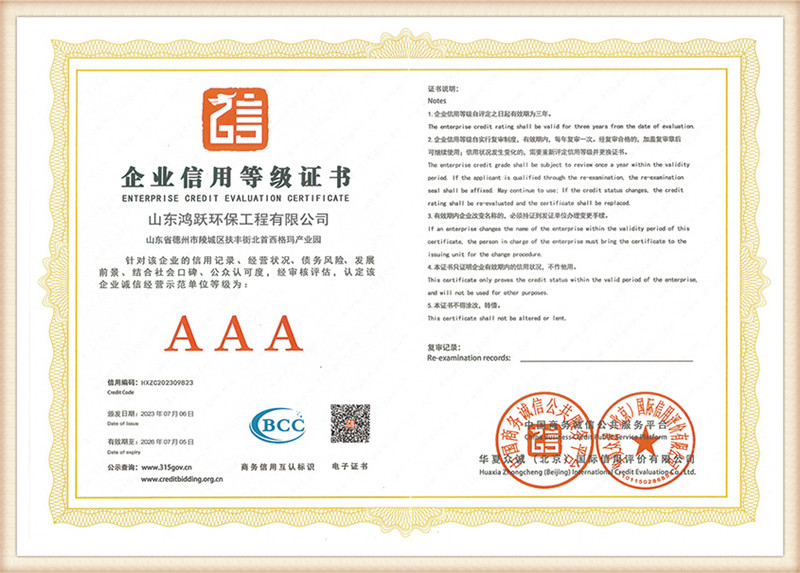
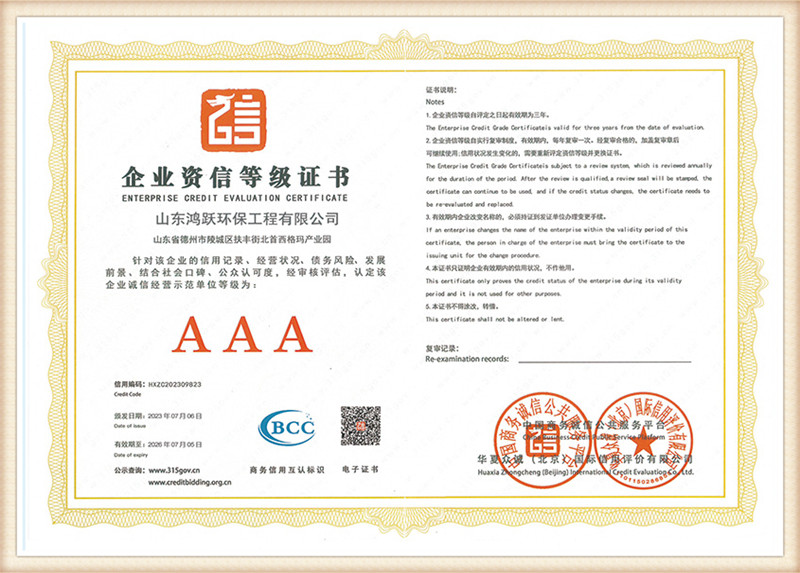
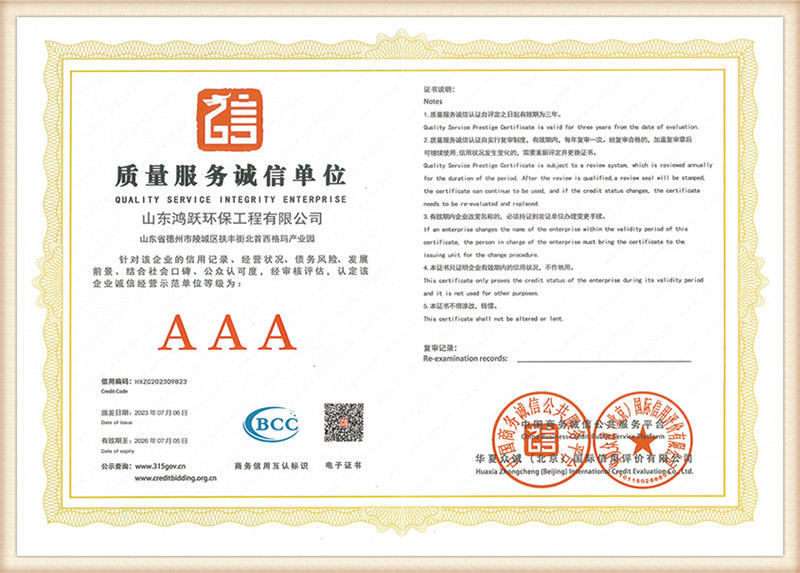
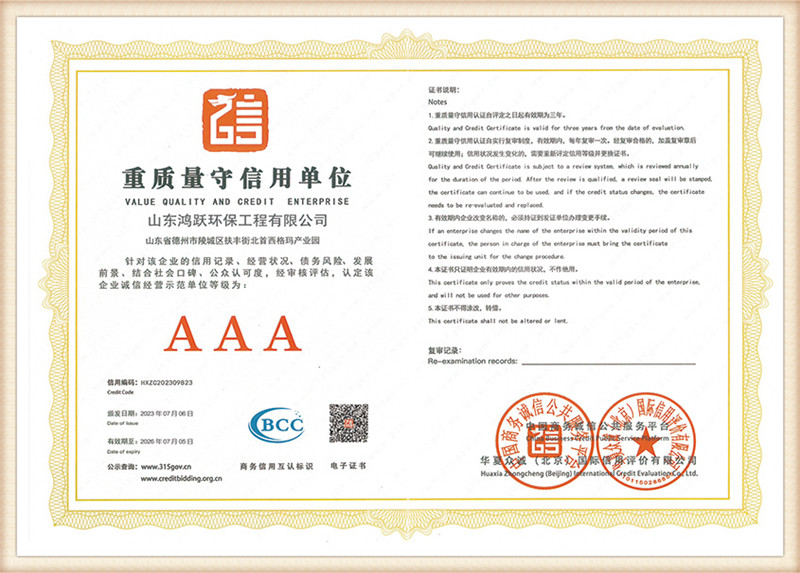
Alongside the CE mark, Shandong Hongyue Environmental Engineering Co., Ltd. has established and maintains a complete, scientific, and multi-tier management system. We have successfully passed the following international standard benchmarks:
By adhering strictly to these benchmarks, we ensure that every square meter of geocell arriving at your construction site exhibits identical mechanical attributes. This consistency reduces engineering safety factors, lowers overall material waste, and optimizes project approval timelines with local regulatory bodies.
Different geographies present distinct geotechnical challenges. The versatility of our High-Strength HDPE Geocells allows them to be deployed in diverse environmental conditions worldwide:
In mountain highway construction, slope angles often exceed 45 degrees, rendering conventional vegetation techniques ineffective due to gravity and heavy rainfall erosion. Geocells anchor the soil matrix, creating pocket environments that retain topsoil and moisture, allowing root systems to establish permanently. Perforated cell walls ensure root migration between adjacent cells, building a natural biological barrier.
Weak subgrades subjected to heavy-duty wheel loads undergo continuous plastic deformation. By confining the aggregate fill, geocell panels act as semi-rigid slabs. This structural mechanism reduces vertical pressure onto the underlying subgrade, prevents lateral spreading of sub-base aggregates, and reduces the required base thickness by up to 50% for substantial cost savings.
Channels and coastal revetments face constant hydraulic shear forces and wave action. Filled with concrete or large aggregates, geocells form a flexible armor layer. Unlike rigid concrete slabs, geocell-confined panels conform to minor ground settlement without cracking, ensuring long-term erosion control along waterways.
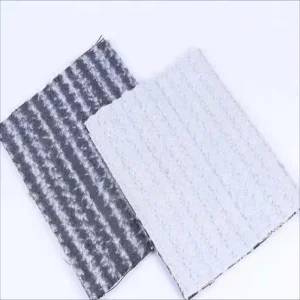
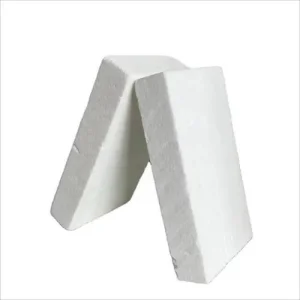
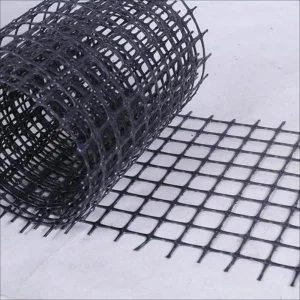
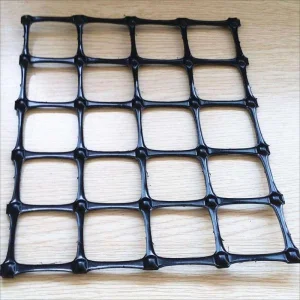
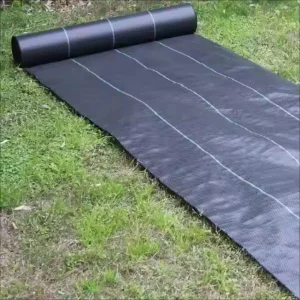
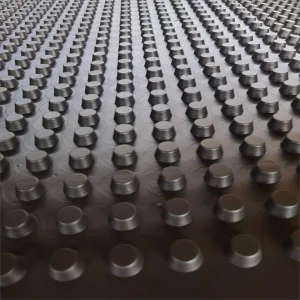
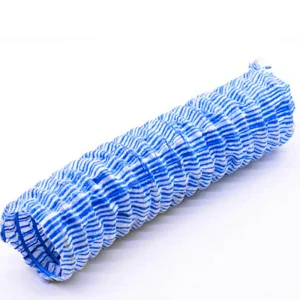
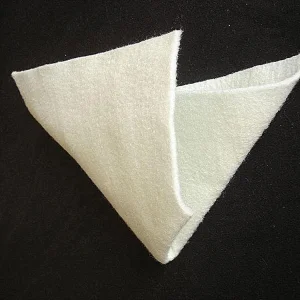
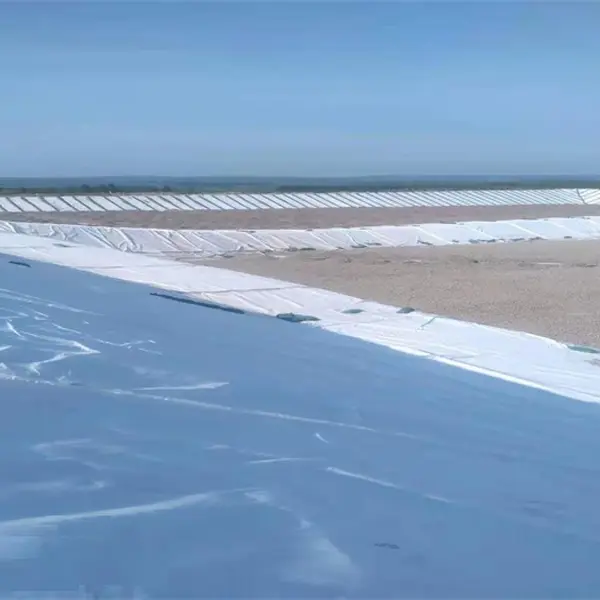
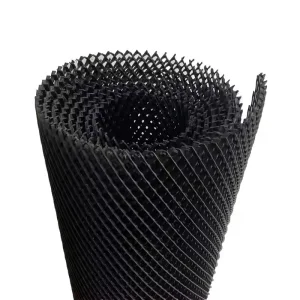
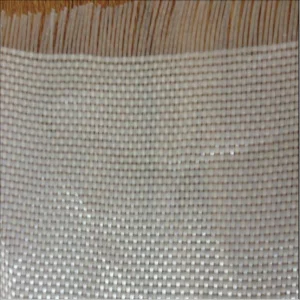
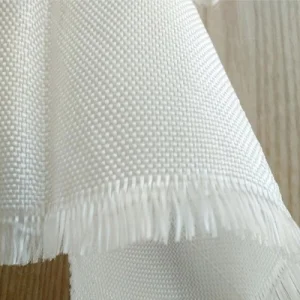
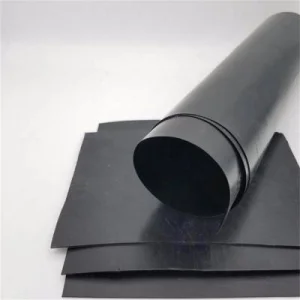
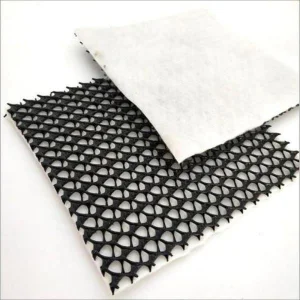
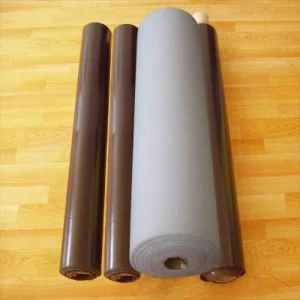
Modern civil works require a holistic design methodology where multiple geosynthetic elements function as a system. Shandong Hongyue is a full-scope provider of integrated engineering materials, producing not only geocells but also geotextiles, geomembranes, composite geonets, and drainage boards to form unified solutions for macro infrastructure challenges:
Consistency in polymer fabrication requires strict parameters controls. At Shandong Hongyue, our production cycle utilizes advanced extrusion and quality assurance checks to maintain premium physical properties:
Virgin high-density polyethylene chips are verified for density (ASTM D1505) and melt flow index. Antioxidants and specialized carbon black stabilizers are blended to secure maximum UV stability.
The polymer matrix is melted inside a temperature-controlled screw extruder, then extruded into high-durability polymer strips with textured or smooth surface finishes.
Punched matrixes establish engineered perforation ratios on the strips. Perforations optimize friction coefficients with granular infill and promote lateral water drainage.
Multiple strips are fed into automated ultrasonic welding arrays. Computer-guided energy pulses fuse the strips at designated weld spacings (330mm to 1000mm) with extreme shear strength.
Every production batch is sampled, expanded to nominal dimensions, and tested for cell wall height, pocket alignment, and seam strength tolerances under tensile load.
Finished geocell panels are collapsed and strapped securely into space-saving bundles, optimizing shipping container volume and simplifying handling on-site.
Sourcing geotechnical materials from our Dezhou factory streamlines project timelines for developers worldwide. With a registered capital of 105 million yuan and extensive logistics experience, we manage all shipping formalities, custom clearing documentation, and delivery setups to major industrial ports across Europe, the Americas, and APAC.
We understand that a single specification cannot fit every site. Engineers can specify weld spacing (e.g., 330, 356, 400, 450, 660, 712mm), cell wall heights (from 50mm to 300mm), surface textures (smooth or textured), and custom perforation patterns. Our technical staff provides CAD detailing support to integrate our geocells directly into your blueprints.
Gain insights into geocell specifications, installation procedures, and quality benchmarks.
Find structural materials, barriers, drainage products, and support components for your engineering layouts.
 Hongyue