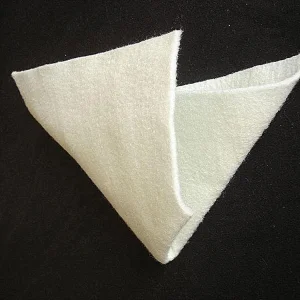
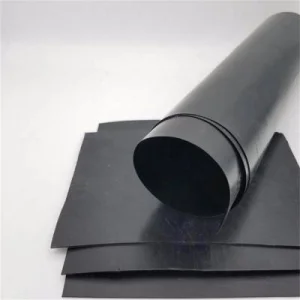
Providing high-performance structural barrier systems, engineered filters, and drainage geocomposites certified under European Union CE directives.
Geotextile tubes are engineered containment systems fabricated from high-strength, permeable woven geotextiles designed to dewater sludge, contain sediments, and protect coastal environments. Leveraging hydraulic pressure, these containment structures encapsulate fine-grained sludges and dredged materials while allowing clean water to filter through the textile pores. They have emerged as the global standard for eco-friendly marine construction, tailing pond management, and municipal waste remediation.
For design engineers and procurement officers managing high-liability municipal or industrial operations, selecting CE-certified geotextile tubes ensures compliance with rigid European design codes, ensuring the structural stability of the container under intensive pressure head conditions. Shandong Hongyue Environmental Engineering Co., Ltd. leads this manufacturing discipline, operating advanced multi-filament extrusion and weaving plants designed specifically for structural geosynthetics.
All high-strength dewatering bags manufactured by Shandong Hongyue conform to EN 13253 (Geotextiles for erosion control) and EN 13254 (Geotextiles used in canal construction), assuring tensile capacities, seam strength efficiency, and long-term chemical resilience.
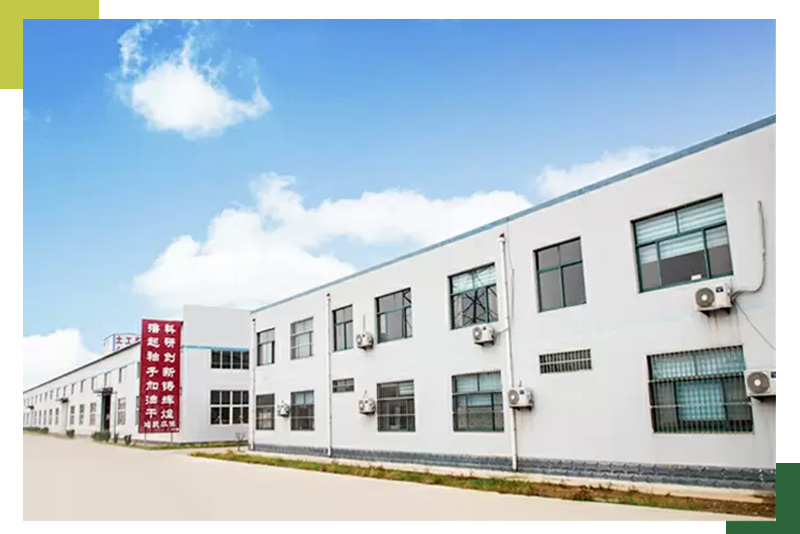
A look at the credentials, infrastructure, and technical leadership that make Shandong Hongyue Environmental Engineering Co., Ltd. a premier supplier of critical geosynthetics.
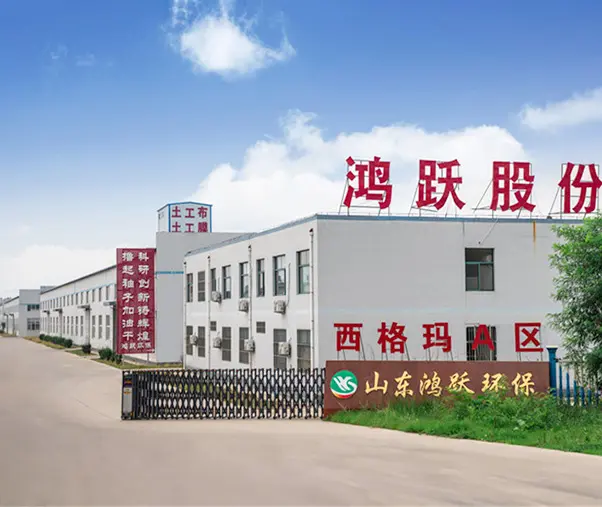
Established on April 6, 2023, and located in the core technological industrial zone of Lingcheng District, Dezhou, Shandong Province, **Shandong Hongyue Environmental Engineering Co., Ltd.** operates with a registered capital of 105 million yuan. Over a short span, our manufacturing hub has evolved into one of the largest and most specialized geotechnical production bases in China, backed by an exceptional logistics network and regional shipping access.
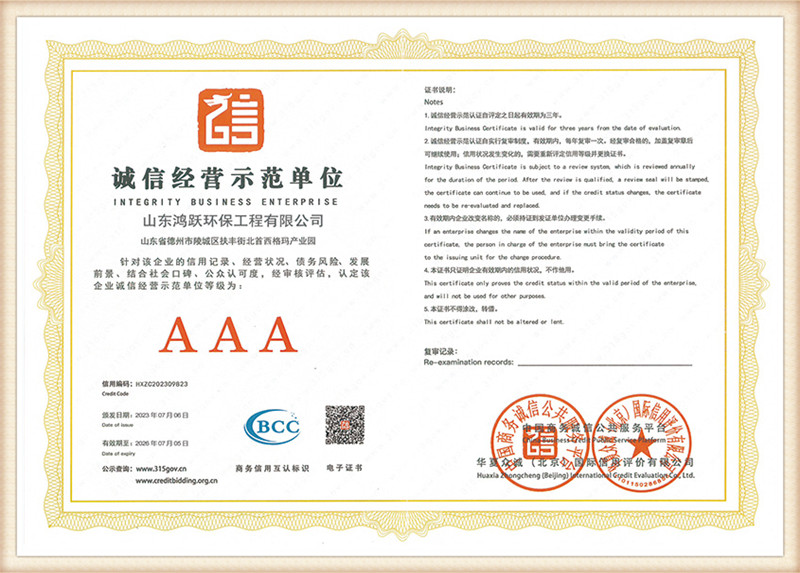
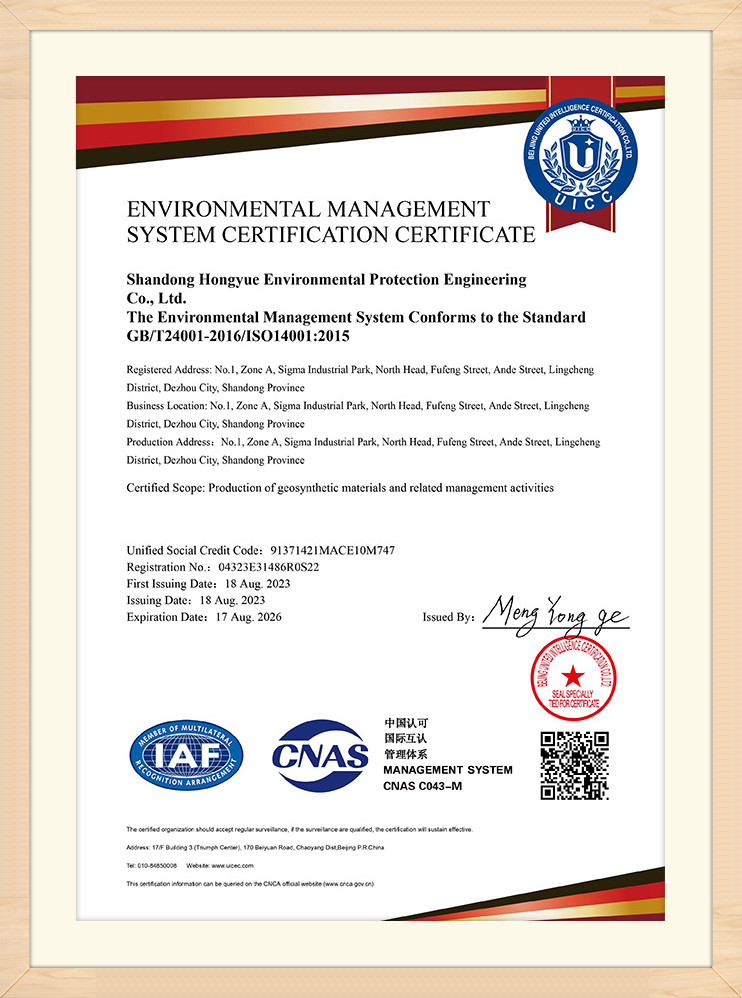
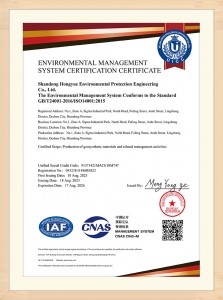
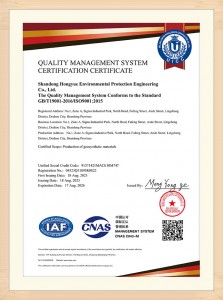
Understanding that municipal landfills, containment ponds, and coastal seawalls represent high-liability infrastructure, our facilities are governed under rigorous international frameworks. Shandong Hongyue has obtained:
Our materials have earned honors such as "Green and Environmentally Friendly Building Materials Products," "Famous Chinese Brand," and certification from the China National Testing Center. With sales offices and agency channels established across major global gateways, including Shanghai and Beijing, our products are regularly exported to Europe, the United States, Australia, and Southeast Asia.
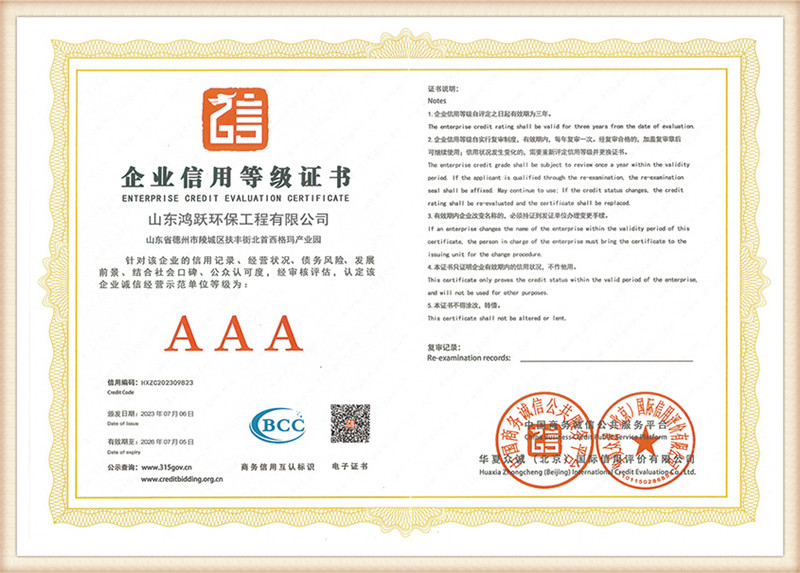
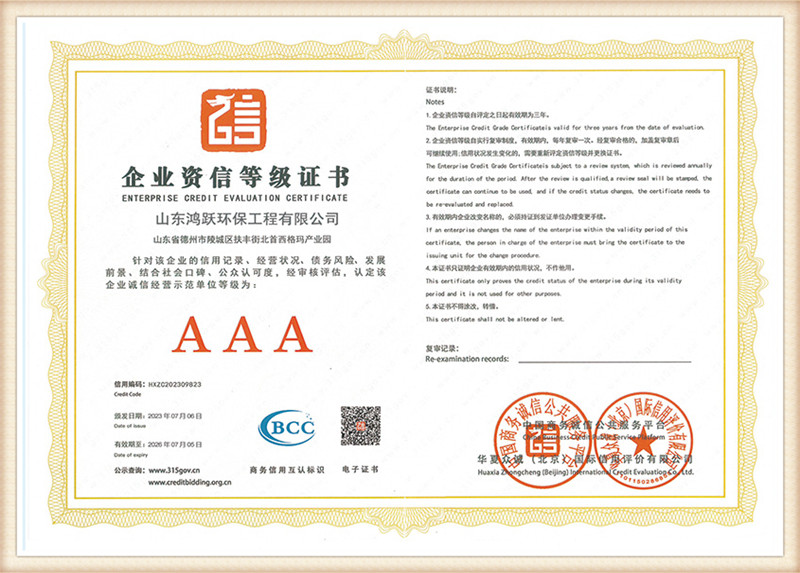
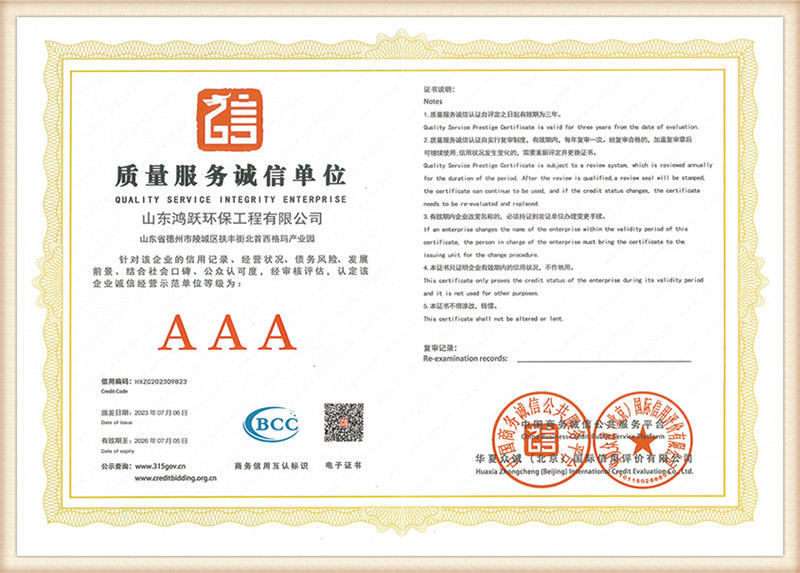
A comparative structural analysis of polymers, weave characteristics, and chemical resistance parameters essential for project engineering specifications.
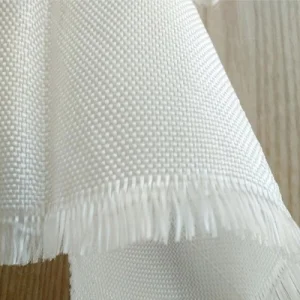
Our raw materials utilize high-tenacity polypropylene or polyester filaments. PP offers exceptional acid and alkaline resistance (pH 2-12), ideal for contaminated marine sludge and chemical effluents. PET excels in creep resistance under prolonged static loads, retaining its geometry in coastal breakwater structures.
The filtration properties are meticulously calibrated (AOS ranges typically between 0.15mm to 0.45mm). This prevents piping—the uncontrolled egress of fine particles—while maintaining a high hydraulic throughput to accelerate volume reduction inside the dewatering cell.
The structural weak point of any containment fabric is the seam. Shandong Hongyue utilizes state-of-the-art lock-stitching technology and specialized industrial sewing threads, producing seams that retain up to 90% of the parent fabric's tensile strength (tested under ISO 10321 standards).
A walkthrough of Shandong Hongyue's production floor, showing the steps involved in transforming raw polymer chips into high-strength dewatering structures.
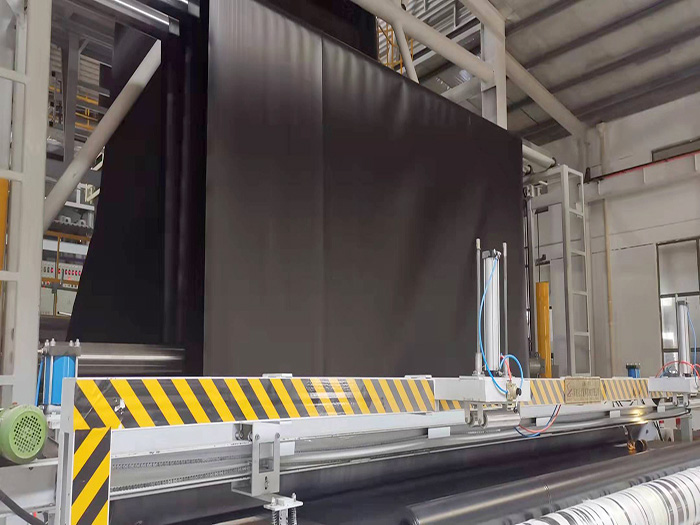
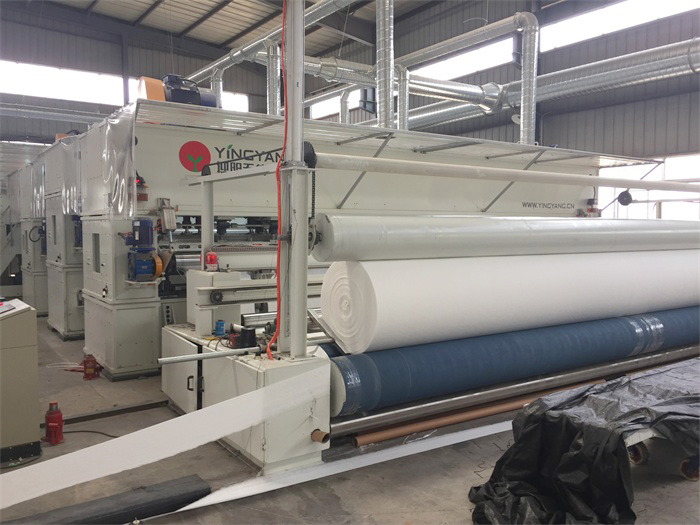
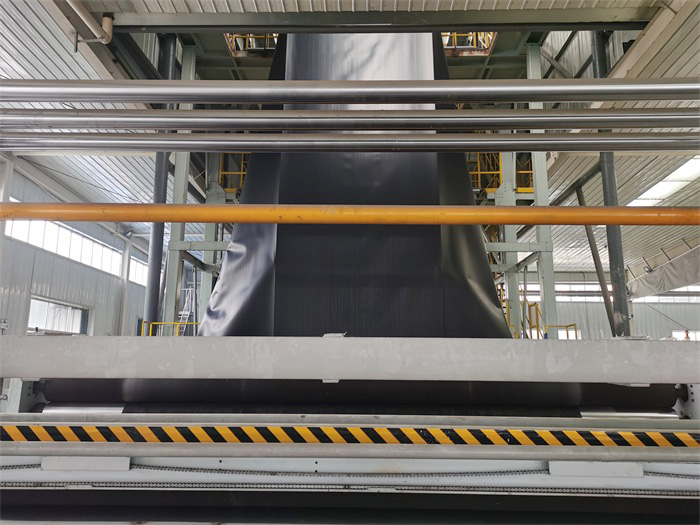
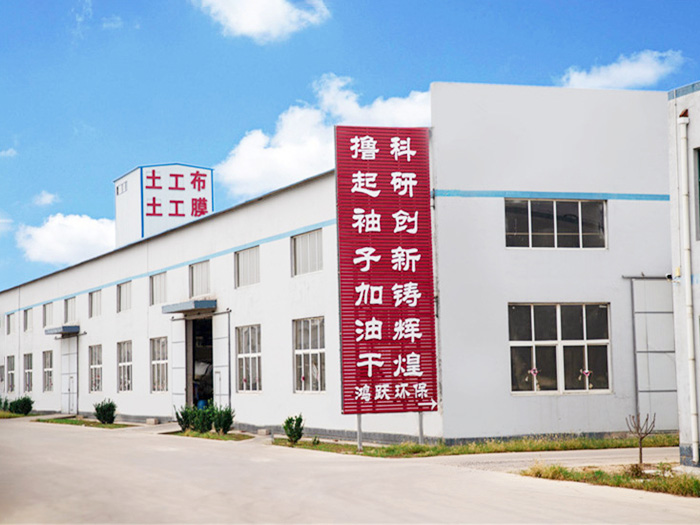
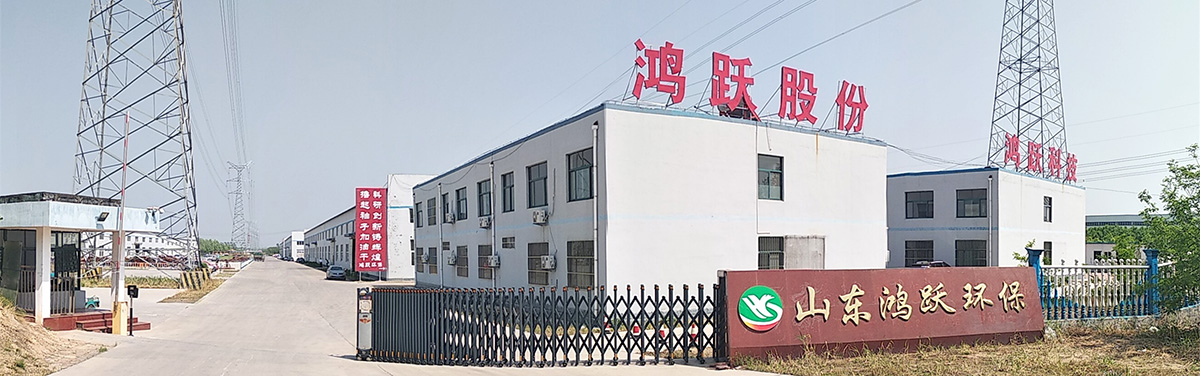
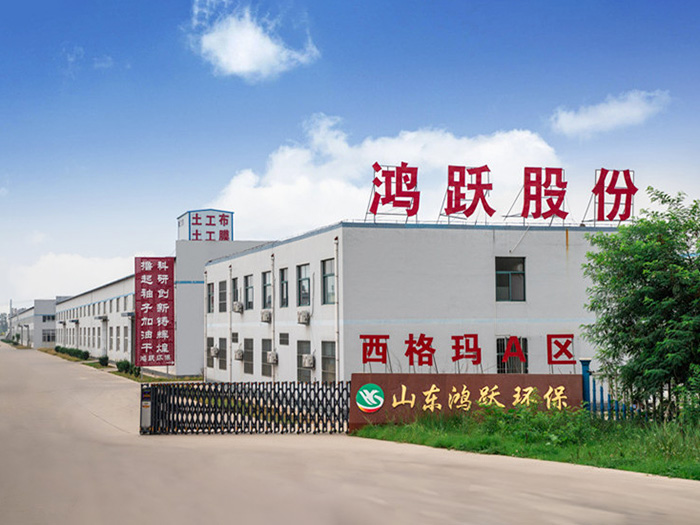
Our factory leverages advanced manufacturing equipment designed to guarantee uniformity across every roll. From melting raw polymers to high-pressure thermal curing, our QA engineers oversee every step to ensure conformance with our CE-mark documentation.
By controlling the entire process—from polymer extrusion to custom fabrication—we eliminate mid-chain quality drops. This allows us to offer custom dimensions, reinforced seams, and integrated filling ports tailored to site-specific pump pressures.
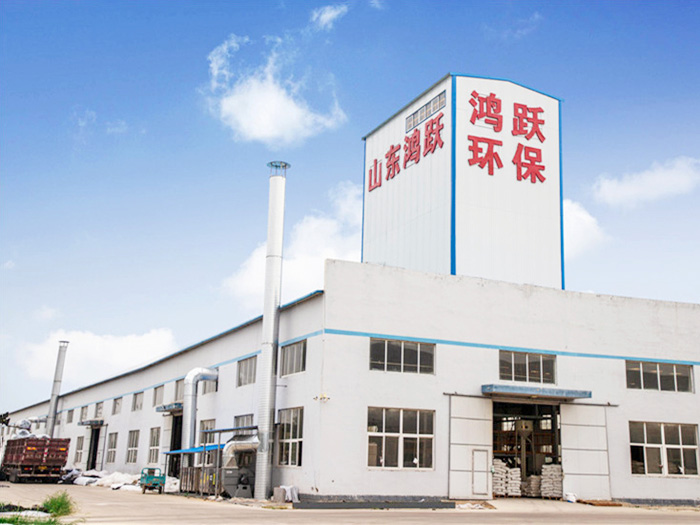
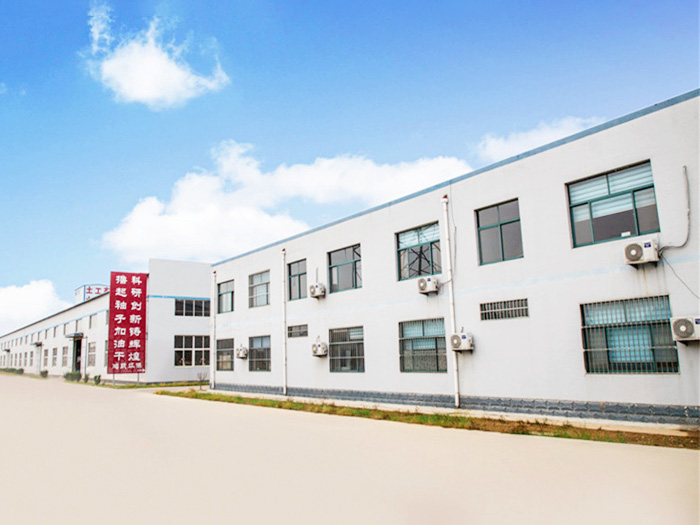
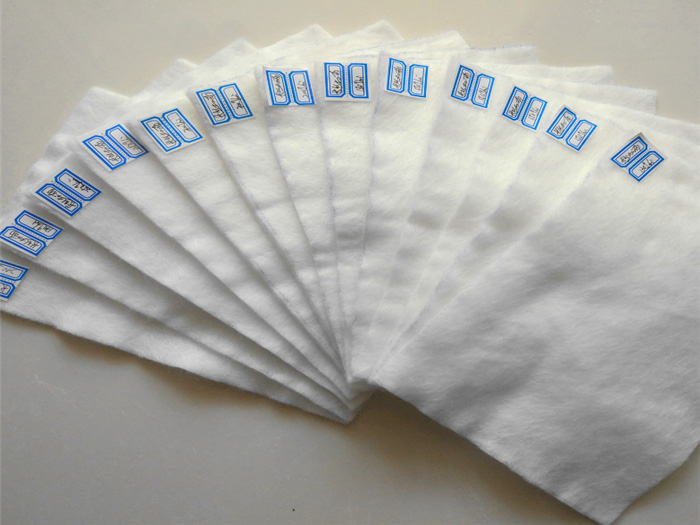
We select high-grade polyester (PET) chips, polypropylene (PP) filament, and specialized anti-aging additives. Each batch is tested for density, moisture content, and molecular weight distribution to ensure consistent performance.
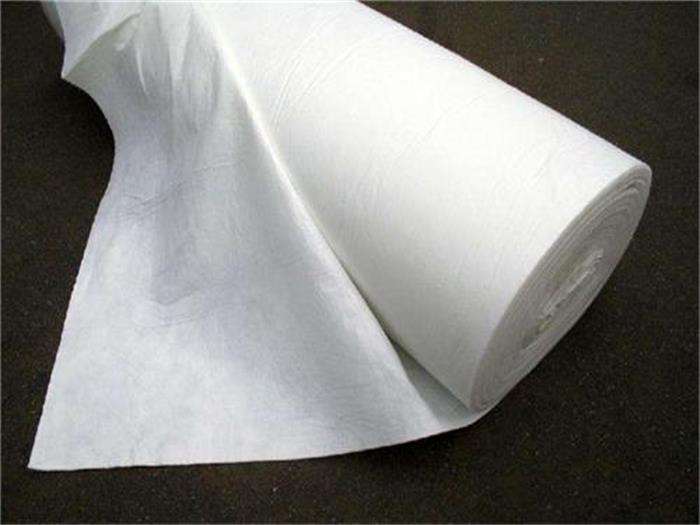
Polymers are melted and extruded into high-tenacity yarns, which are then woven on wide-width industrial looms. Adjusting the warp and weft tension allows us to calibrate the exact opening size (AOS) and flow rate.
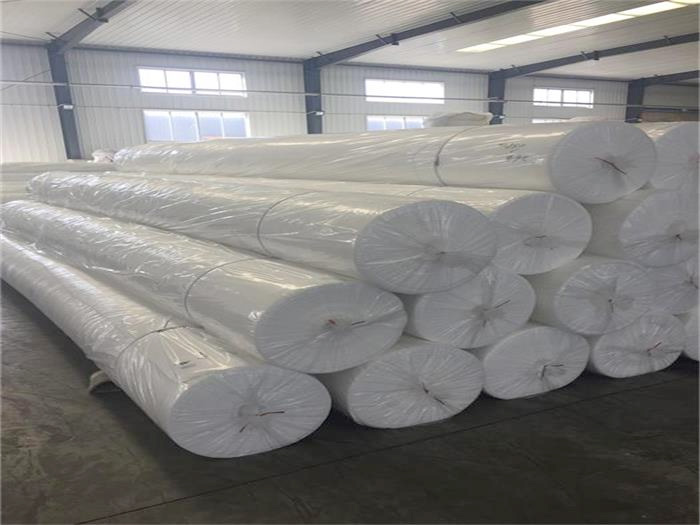
The woven fabric undergoes draft thermal curing to stabilize its physical structure. We measure the roll width, weight, and thickness before fabricators cut and double-stitch the panels into finished geotextile tubes.
Combining high-strength geotextiles with advanced polymeric geomembranes to deliver comprehensive, leak-proof barrier solutions.
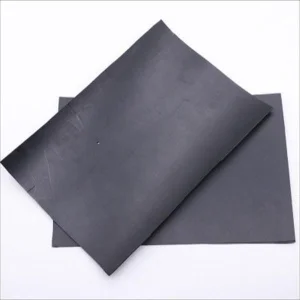
For many municipal, mining, and agricultural containment projects, geotextile tubes are paired with environmental geomembranes to create comprehensive seepage prevention systems. Choosing the correct geomembrane is critical to ensuring structural longevity:
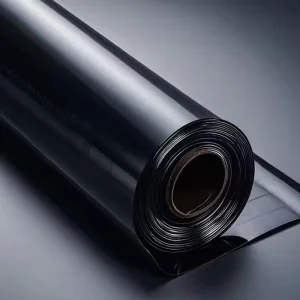
High-Density Polyethylene (HDPE) provides exceptional chemical resistance and durability, making it the industry standard for landfill liners. Linear Low-Density Polyethylene (LLDPE) offers superior flexibility and elongation, perfect for irregular terrains or applications prone to differential settlement.
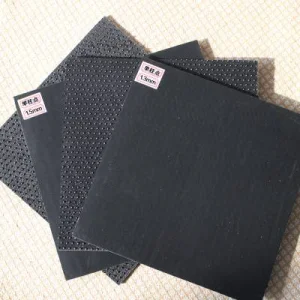
Our geomembranes range from 0.3mm to 2.0mm in thickness. Selecting the appropriate thickness depends on waste toxicity, puncture risks from subgrade soils, and the hydraulic head of the pond.
Seam integrity is vital. We utilize double-track hot-wedge welding to create air channels, allowing on-site technicians to perform non-destructive pressure testing on the welds.
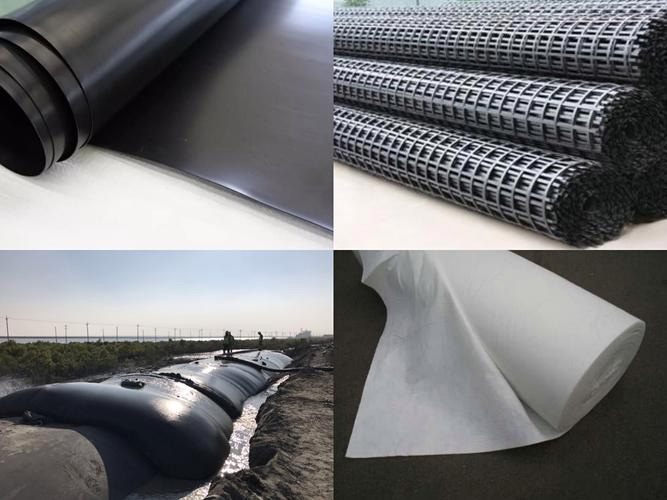
How our geosynthetics and geotextile tubes perform across challenging environmental and civil infrastructure applications.
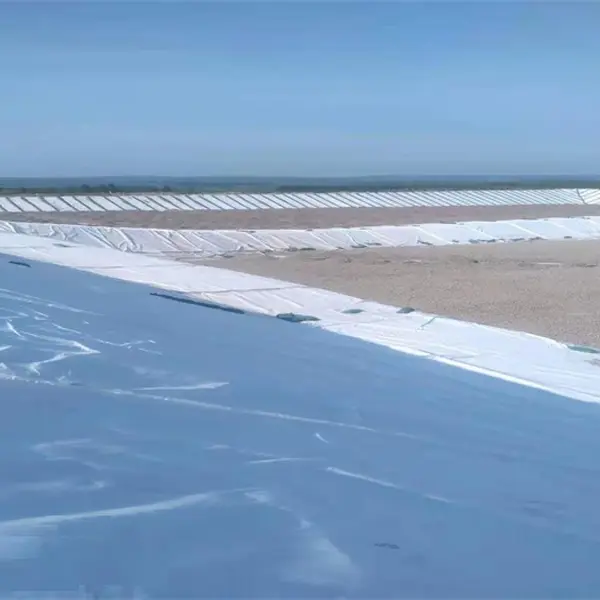
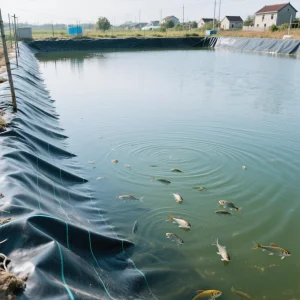
Combining geomembranes with protective non-woven geotextiles prevents water loss in agricultural canals and stabilizes sandy subgrades.
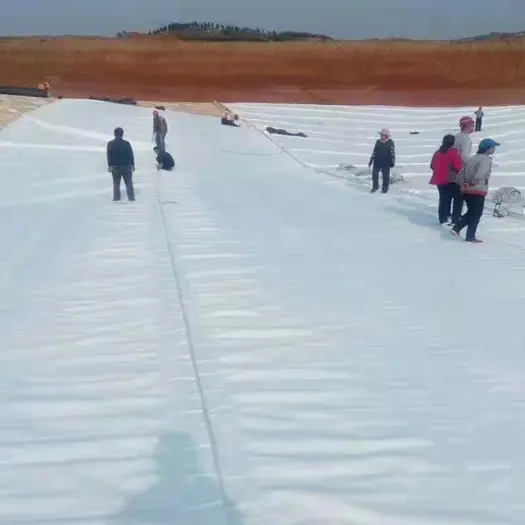
Geotextile tubes are placed along riverbanks to control erosion. They capture local sediments, encouraging natural vegetation growth and stabilizing the bank.
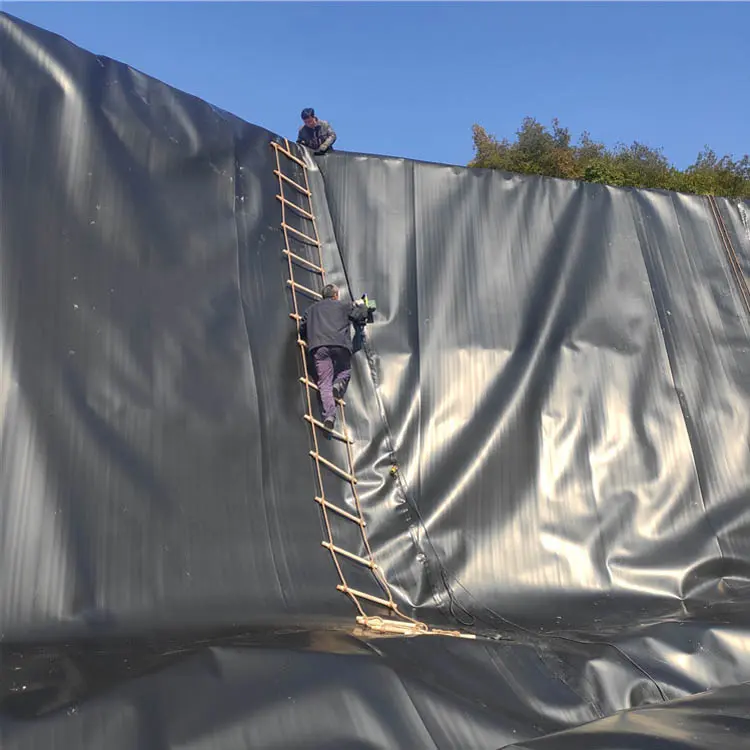
We provide composite liners (geomembranes paired with GCLs and geotextiles) to secure municipal solid waste, containing leachate and protecting local aquifers.
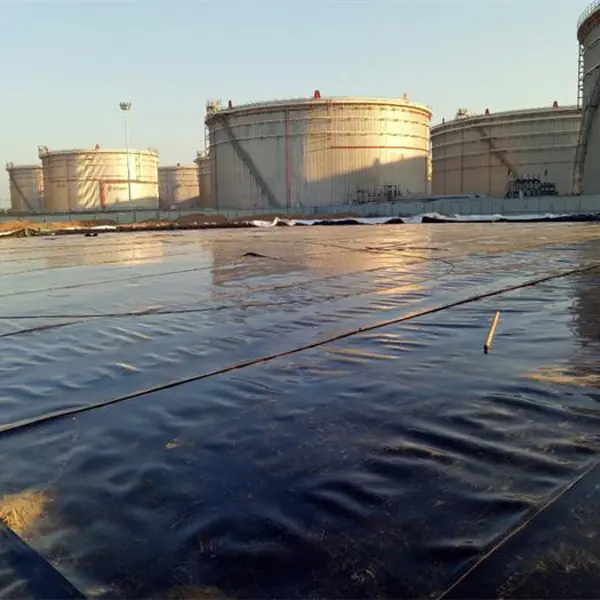
Our high-density barriers are installed beneath petrochemical tank farms, acting as secondary containment systems that prevent fuel or chemical leaks.
How we run continuous testing on physical, mechanical, and hydraulic properties in our certified laboratories.
Shandong Hongyue operates a dedicated, in-house QA/QC laboratory to verify the physical properties of our materials. Every batch is tested for:
These testing protocols guarantee that our products meet or exceed international standards, helping project owners reduce operational risks.
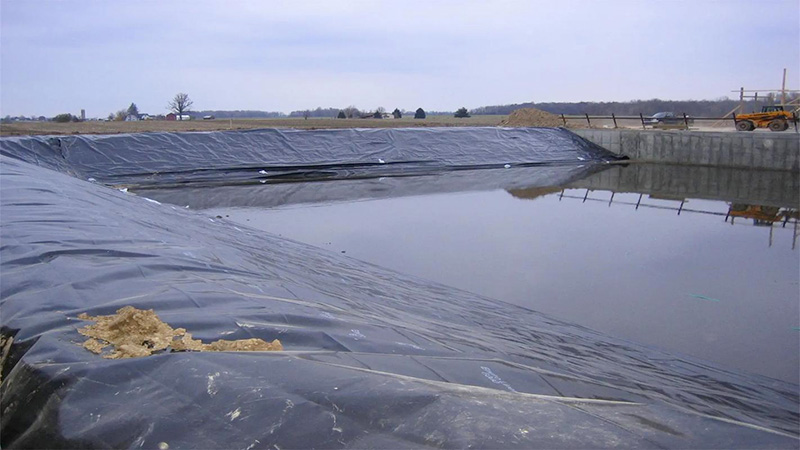
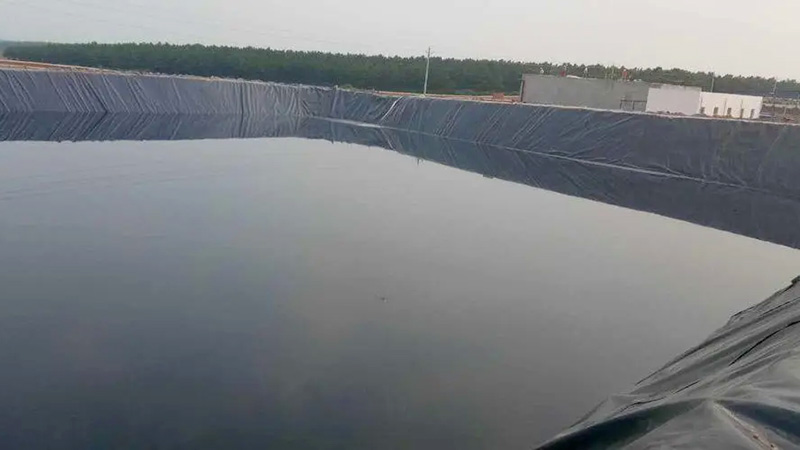
Practical application cases where high-strength geotextile tubes and composite systems are used to manage water and contain sediment.
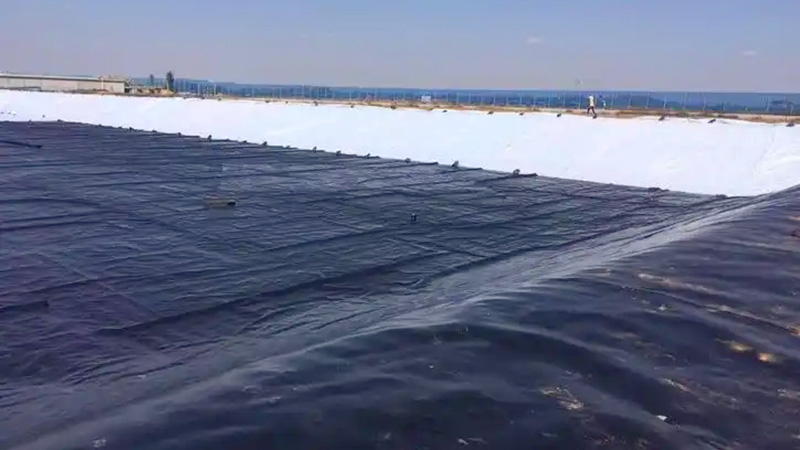
During sludge dewatering, polymers or flocculants are added to the slurry before it is pumped into the geotextile tube. The polymers help consolidate fine suspended solids into larger flocs.
Once inside the tube, these consolidated solids are retained by the fabric, while clean water filters out through the pores. Over days or weeks, the internal volume drops significantly, leaving a dry, cake-like solid that is easy to transport and dispose of.
As a technology-driven geotechnical material manufacturer, we combine material production, system design, and engineering construction support under one roof. Our mission is to deliver dependable containment and drainage systems that protect infrastructure and the environment.
By working closely with regional engineering associations and environmental agencies, we continue to research and develop new geosynthetics. Our goal is to expand the Shandong Hongyue brand worldwide by providing consistent product quality and reliable technical support.
Answering common technical and procurement questions regarding CE-certified geotextile tubes and environmental containment liners.
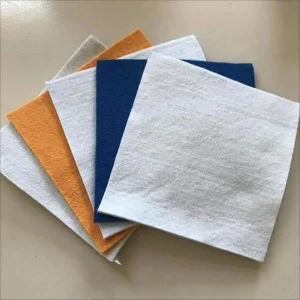
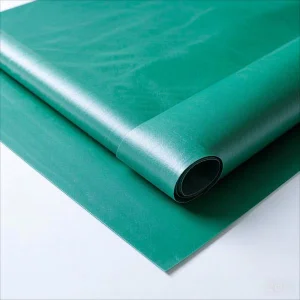
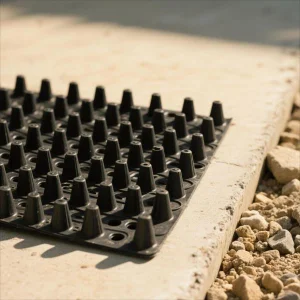
From high-strength separation geotextiles to structured drainage nets, we manufacture a wide range of materials for civil and environmental infrastructure projects.
 Hongyue