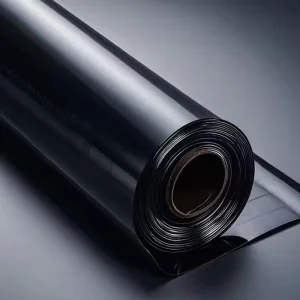
Developing a residential or commercial gravel driveway requires serious attention to soil mechanics, load paths, and aggregate confinement. Without stabilization, gravel driveways under vehicular load suffer from lateral shifting, aggregate migration, and deep rutting. This occurs because granular materials possess low cohesive strength under shear forces.
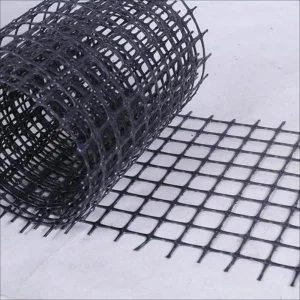
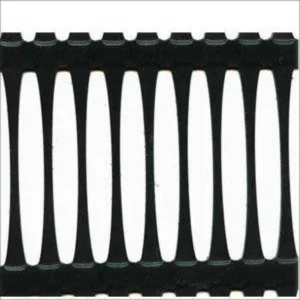
By integrating a CE-Certified Biaxial Geogrid, you install a high-tensile structural grid that locks aggregates in place. This "Interlocking Mechanism" transforms loose stones into a rigid composite slab. The vertical pressure applied by vehicles is redirected horizontally across a wide footprint. This process significantly decreases stress on the underlying subgrade, preventing base failure and cutting long-term maintenance costs in half.
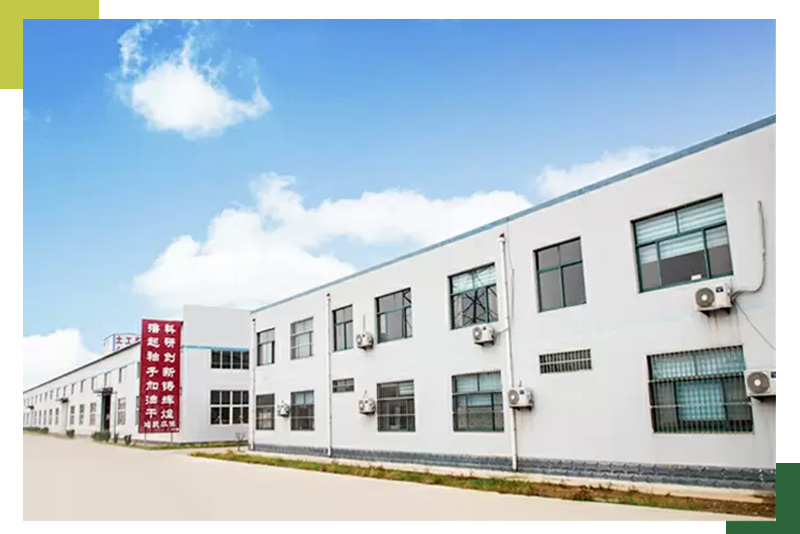
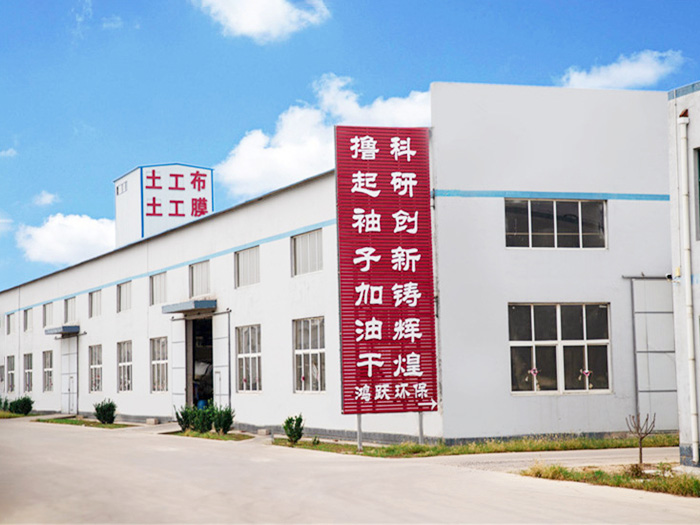
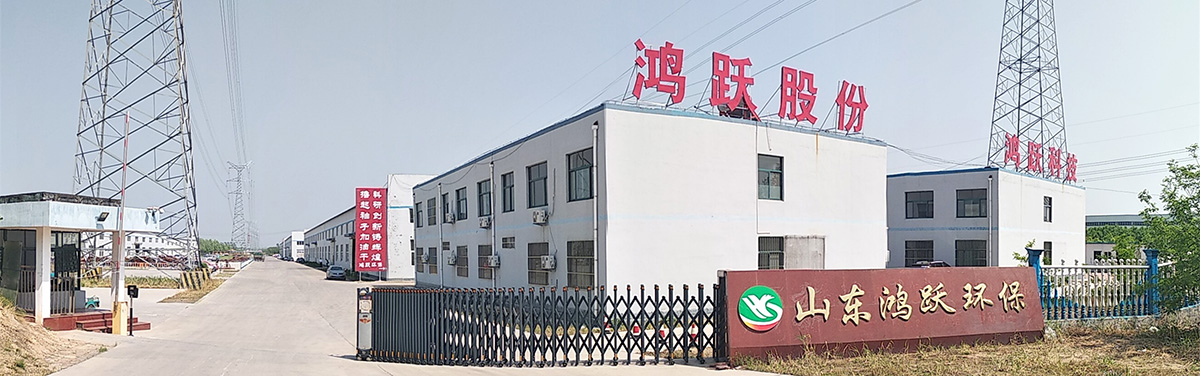
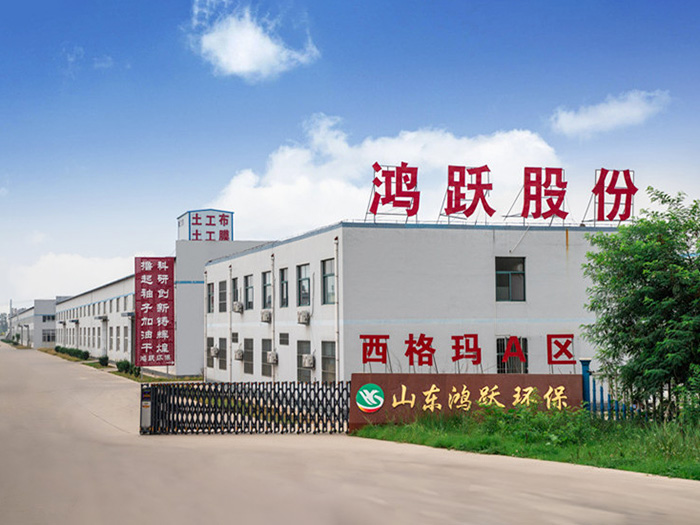
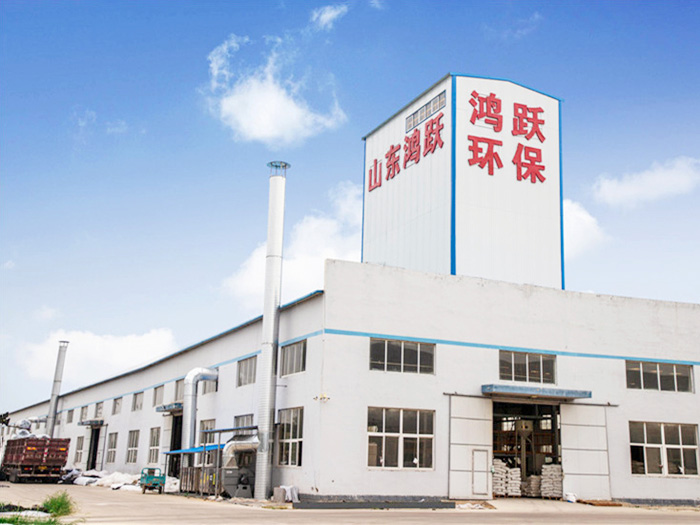
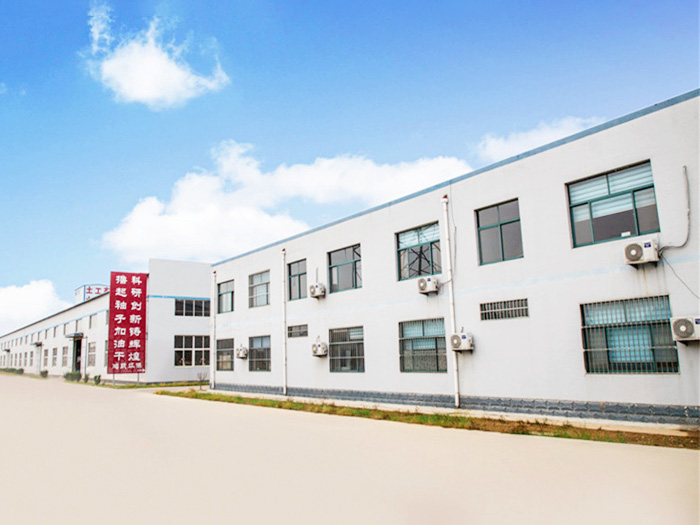
Shandong Hongyue Environmental Engineering Co., Ltd. Manufacturing Facility
The international building market increasingly requires strict environmental compliance and verified structural performance. Our geosynthetic solutions meet the needs of diverse regional landscapes.
In the EU, using geosynthetics without CE marking under EN 13249 is restricted. Infrastructure clients require transparent Declaration of Performance (DoP) documentation to verify tensile thresholds, junction strength, and long-term chemical durability in aggressive soils. Our products meet these standards, ensuring streamlined project approval.
North American projects demand strict alignment with AASHTO M288 specifications. The focus is on reducing aggregate depths to lower carbon emissions and freight costs. Stabilizing soft subgrades (CBR < 3%) requires reliable lateral confinement to control heavy vehicular loads over challenging winter freeze-thaw cycles.
In Australia and New Zealand, extreme UV exposure and highly reactive clay soils demand geosynthetics with advanced formulations. Geogrids must resist UV degradation and chemical attacks in saline soils, providing reliable performance for outback roads and coastal developments.
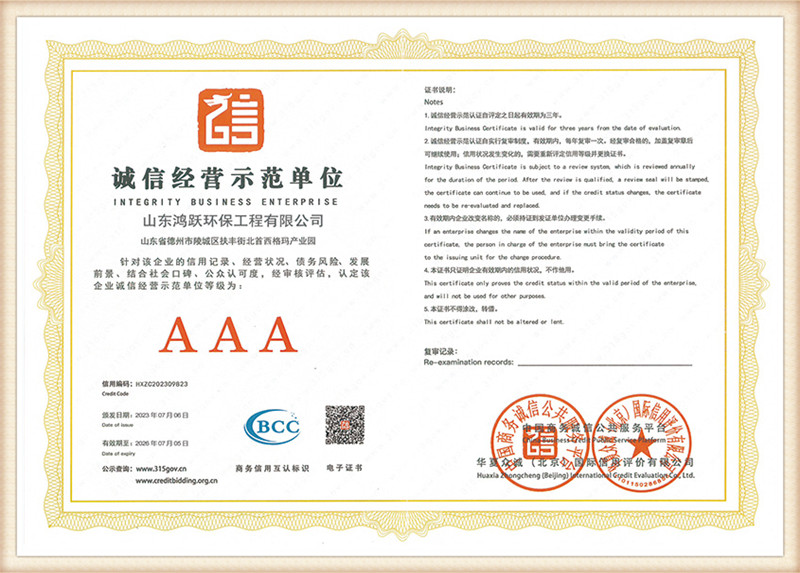
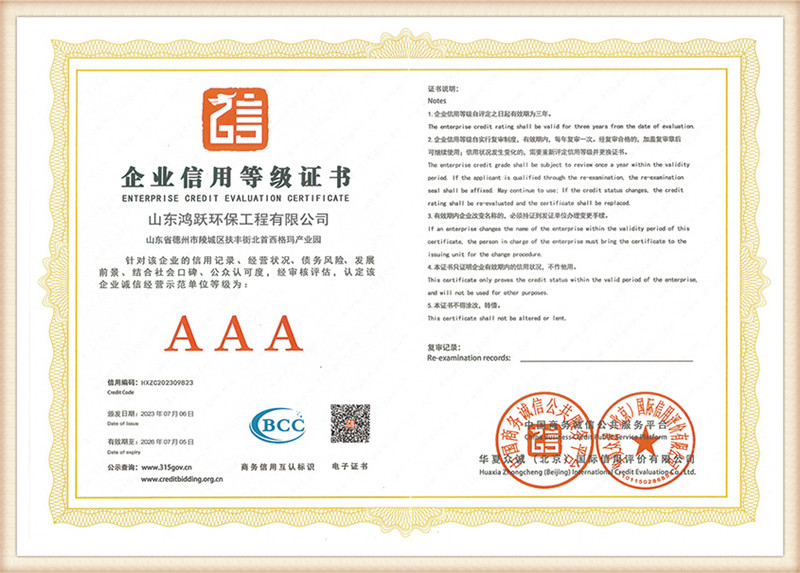
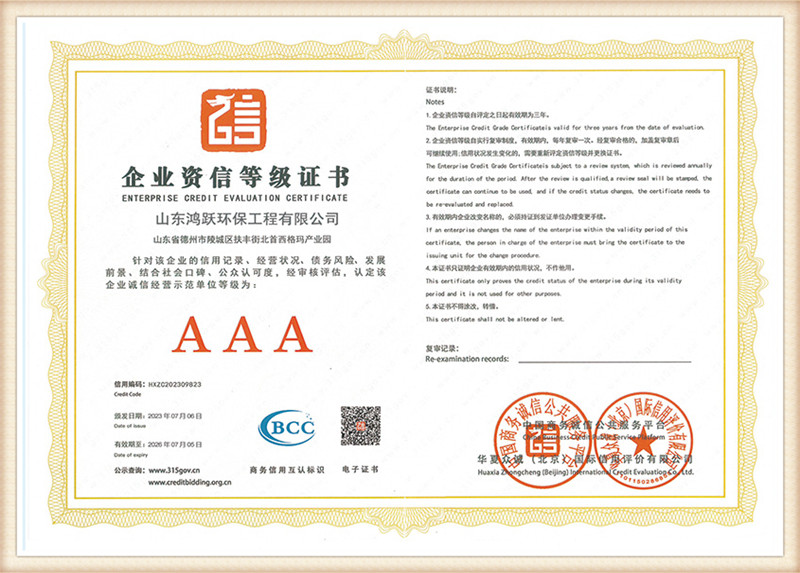
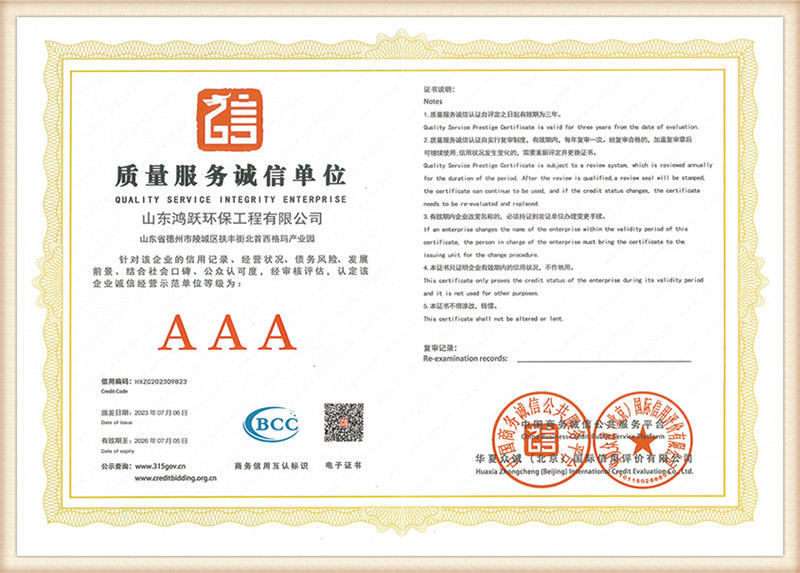
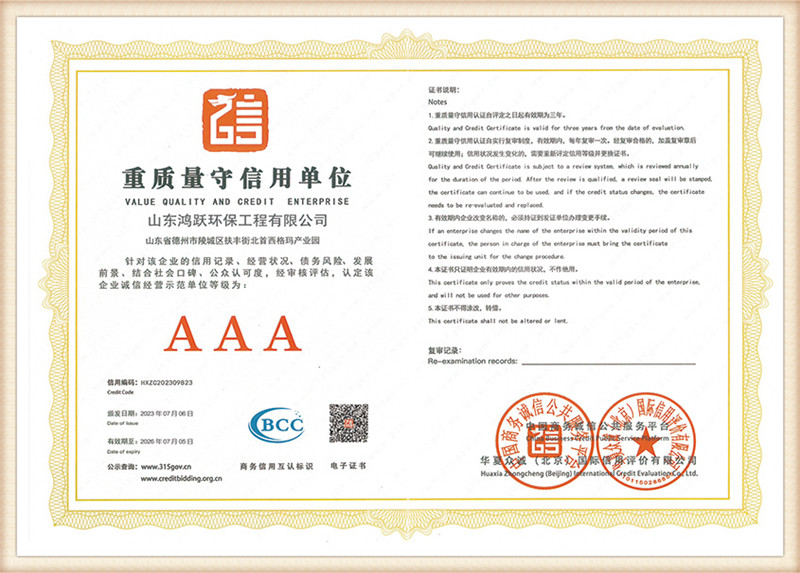
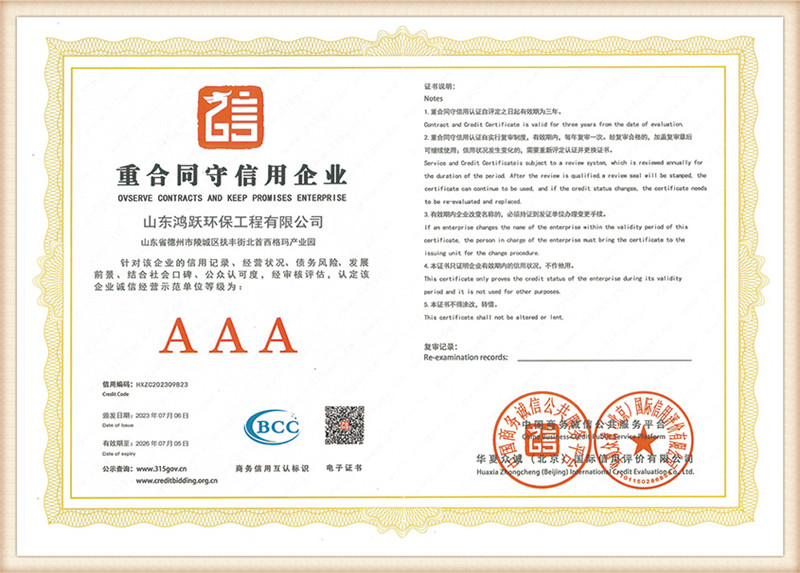
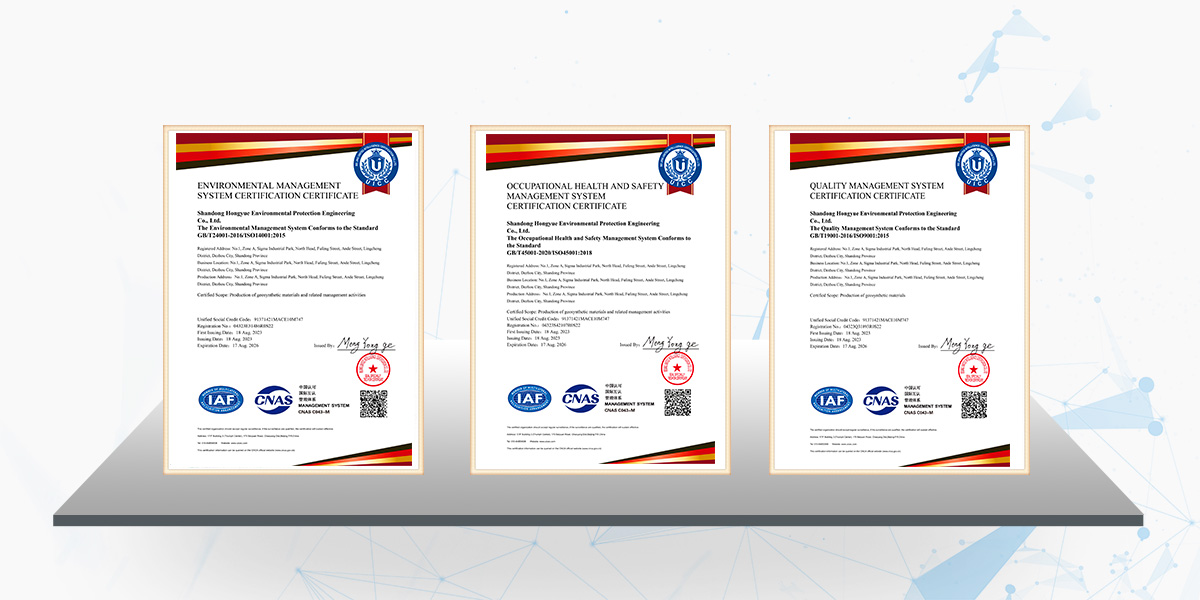
Located at the north end of Fufeng Street, Lingcheng District, Dezhou, Shandong Province, Shandong Hongyue Environmental Engineering Co., Ltd. is a high-tech geotechnical materials manufacturer. We integrate engineering material production, sales, design, and construction services into a complete B2B solution. Registered on April 6, 2023, with a registered capital of 105 million yuan, we operate one of China's largest production bases for advanced geosynthetics.
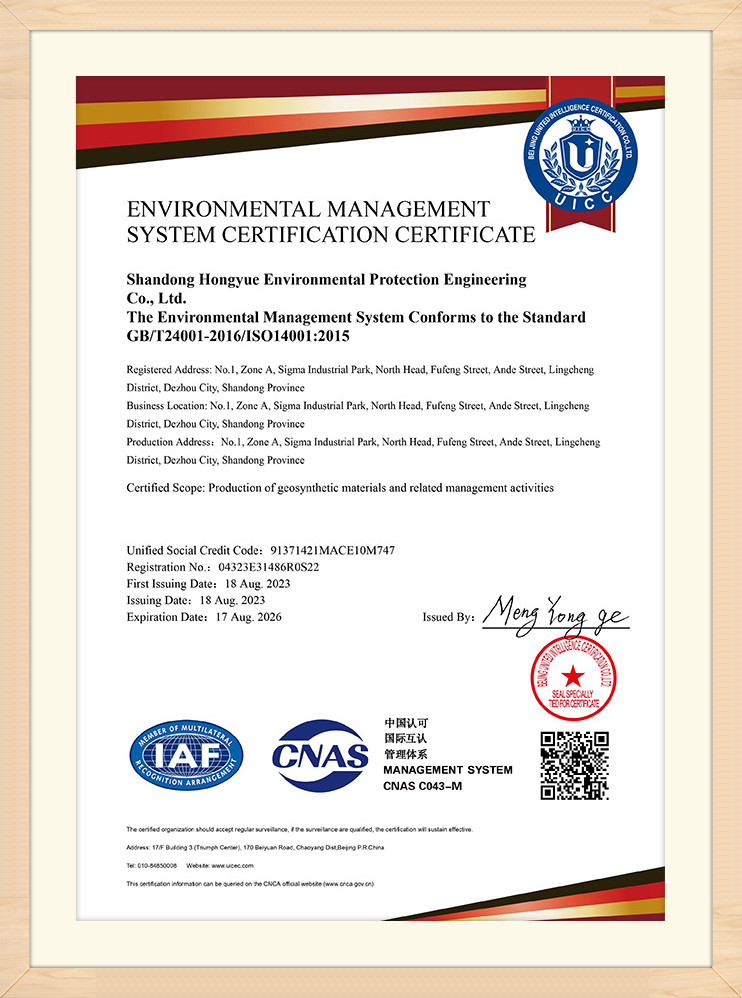
Our organization has achieved ISO9001 international quality system certification, ISO14000 environmental system certification, and ISO45001 occupational health and safety management system certification. We have won multiple honors such as "green and environmentally friendly building materials products", "no consumer complaints", "famous Chinese brands", and "high-tech industries".
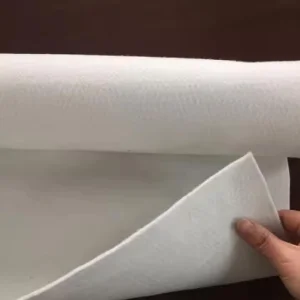
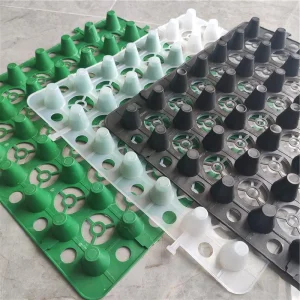
We serve a broad product list including: geotextiles, geomembranes, composite geomembranes, waterproof boards, bentonite waterproof blankets, 3D composite drainage nets, (composite) drainage boards, weaving cloths, woven cloths, membrane bags, blind ditches, waterproof and drainage combinations, woven bags, ecological bags, cement blankets, fiber plant blankets, and flexible pervious pipes.
A strategic comparison of high-load containment technologies for subgrade stabilization and gravel confinement.
Formed by extruding and stretching polymers (PP/HDPE) to create tensile strength in both directions. Ideal for flat ground stabilization where wheel loads require multi-directional distribution.
High-strength steel wires wrapped in protective polymer sheets. Designed for heavy industrial haulage roads, steep slopes, and load-bearing foundations that face high weight challenges.
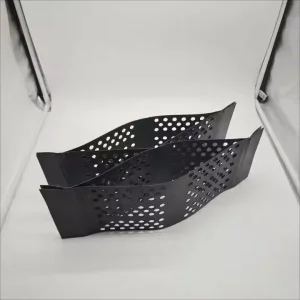
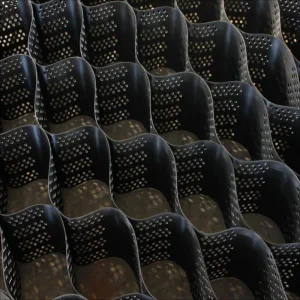
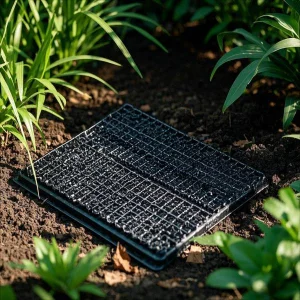
A three-dimensional honeycomb structure that confines soil or gravel aggregates within its cells. Ideal for soft soils, sloped embankments, and preventing lateral material spread under high stress.
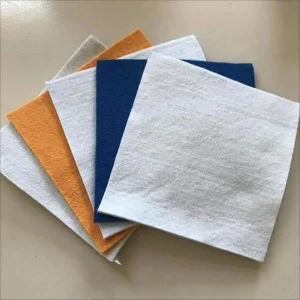
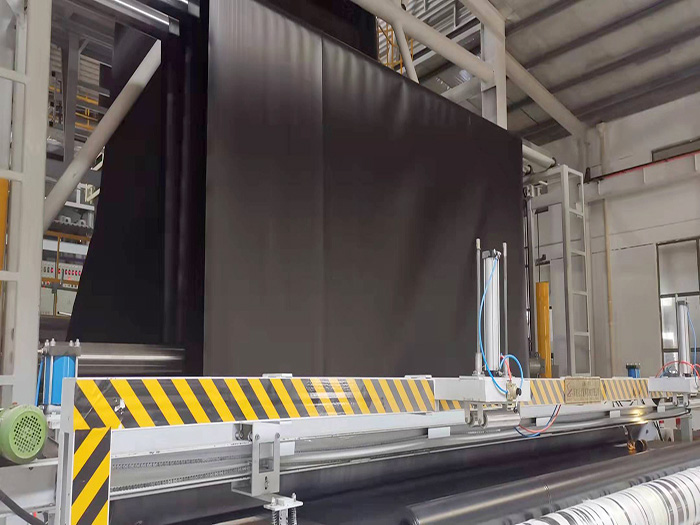
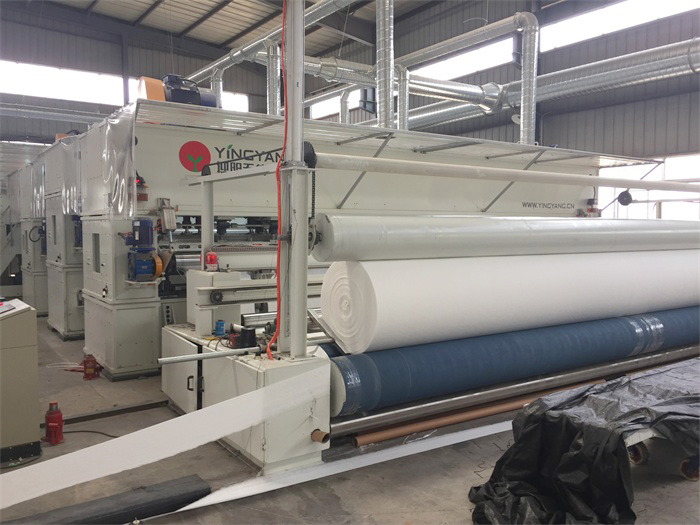
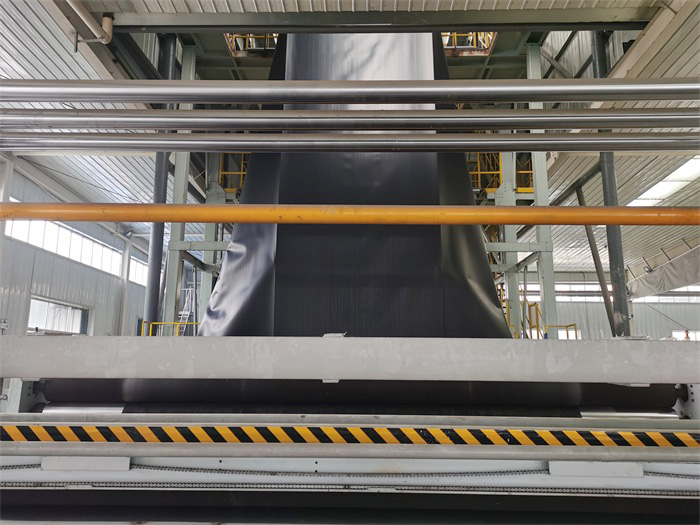
Our geotextile and geogrid production lines combine raw material precision with automated drawing and curing to deliver consistent roll quality.
We source premium polyester chips, polypropylene filaments, and viscose fibers. Every batch undergoes physical testing to ensure consistent polymer density and minimal impurities.
Polyester chips are melted at high temperatures and extruded through precision spinnerets. Polypropylene filaments are integrated to create a robust structural matrix.
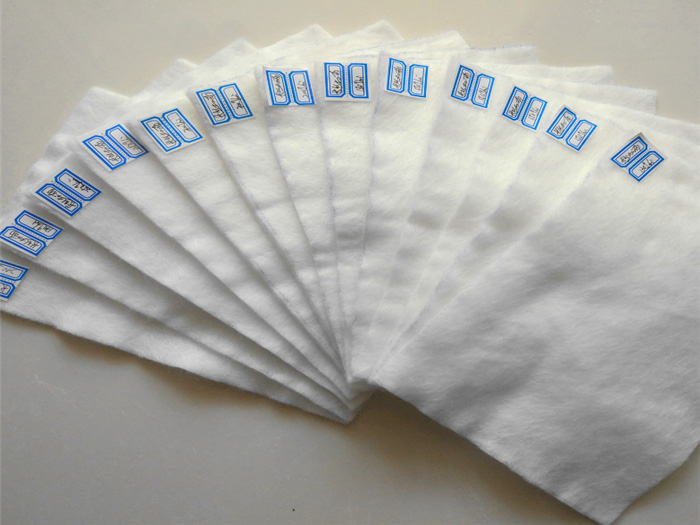
The extruded polymer fibers are systematically laid down to form a uniform web structure on a conveyor, establishing the baseline weight and density.
The web travels through heated rollers for mechanical and thermal stretching. This process aligns polymer chains, increasing tensile strength and dimensional stability.
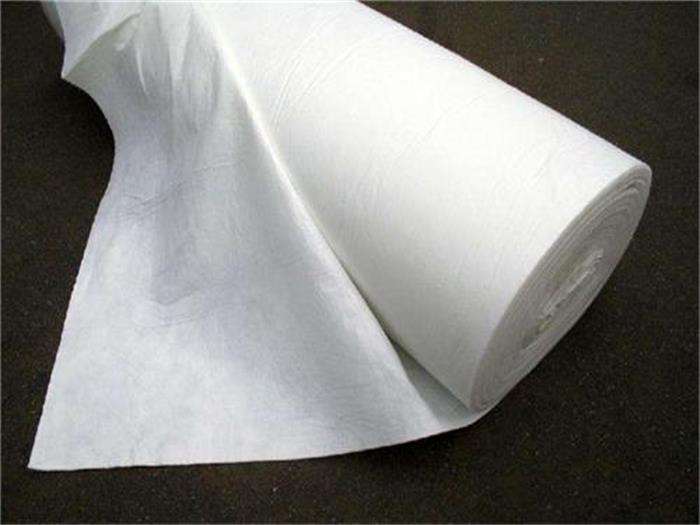
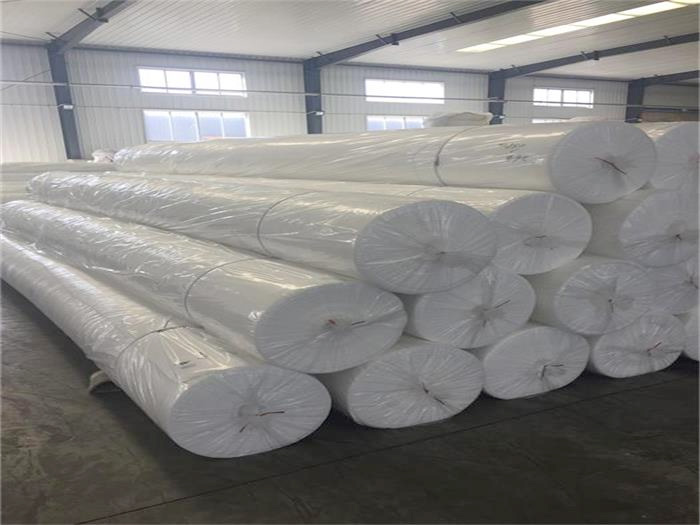
The cured geotextile is measured, trimmed to size, and wound onto heavy-duty cores. Rolls are wrapped in UV-protective film for transit and site storage.
Samples from every batch undergo rigorous laboratory testing. We inspect thickness, tensile index, elongation rate, hydraulic permittivity, and aperture stability.
Professional installation guidelines to ensure long-term containment performance and prevent liner leakage.
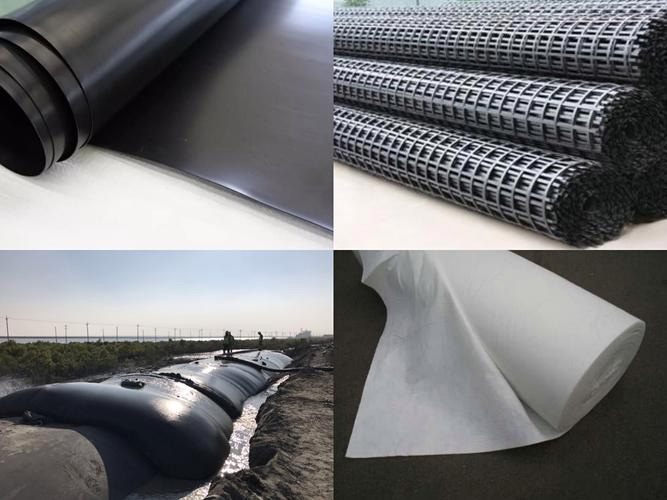
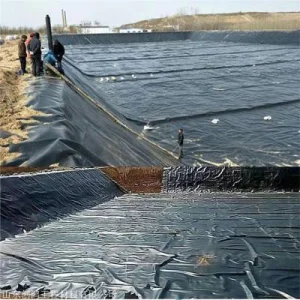
Choosing the correct geomembrane is vital. High-Density Polyethylene (HDPE) provides excellent chemical resistance and UV durability, making it ideal for landfills. Linear Low-Density Polyethylene (LLDPE) offers better flexibility for irregular terrain. Choose thickness (typically 0.3mm to 2.0mm) based on puncture risks and hydraulic head pressure.
Ensure the subgrade is level and free of sharp rocks. Lay sheets flat without over-tensioning. Overlap seams by 100mm to 150mm and weld using dual-track hot wedge welders. Every seam must undergo air channel pressure testing or vacuum box testing to verify leak-free performance.
Clear debris from the geomembrane surface regularly to maintain its integrity. Conduct inspections for mechanical tears or environmental stress cracking, and patch any damage using handheld extrusion welders. Avoid letting sharp construction equipment make contact with exposed liner surfaces.
Our materials support critical infrastructure, water conservation, containment, and environmental protection projects worldwide.
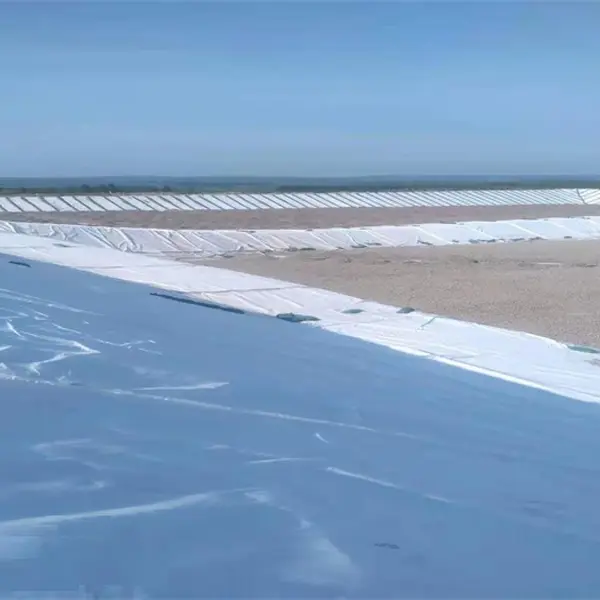
Prevents water loss in irrigation canals, ensuring structural stability and soil erosion control.
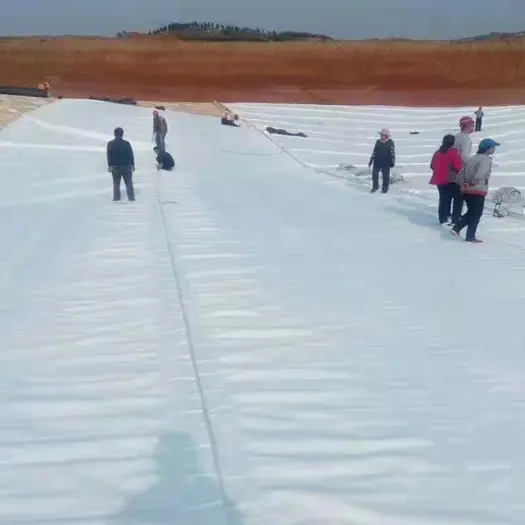
Protects riverbeds and banks from heavy scouring, preventing water loss into vulnerable aquifers.
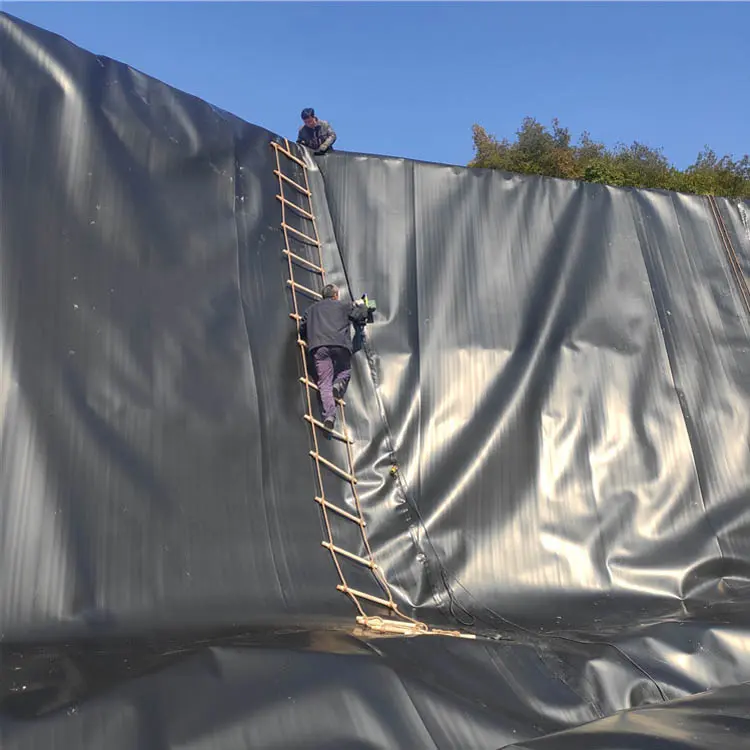
Multi-layered composite systems designed to isolate hazardous leachate and safeguard groundwater.
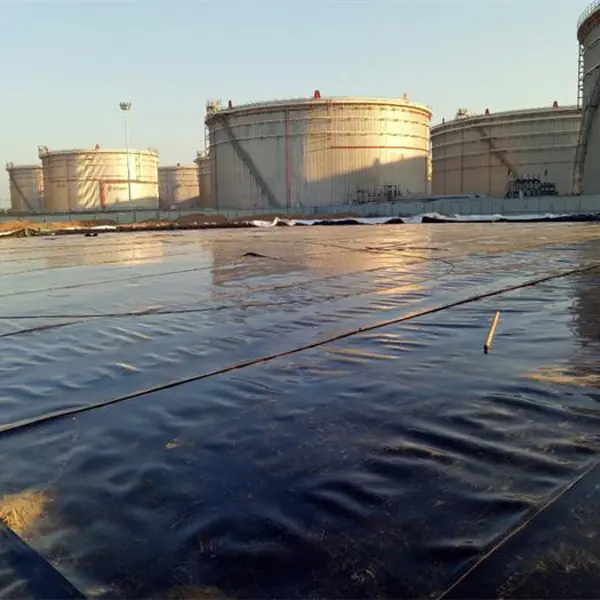
Chemical-resistant HDPE barriers designed to contain hazardous industrial leaks.
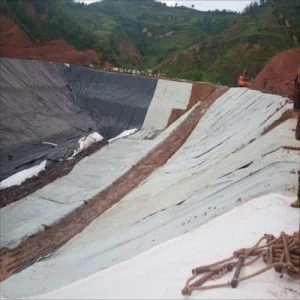
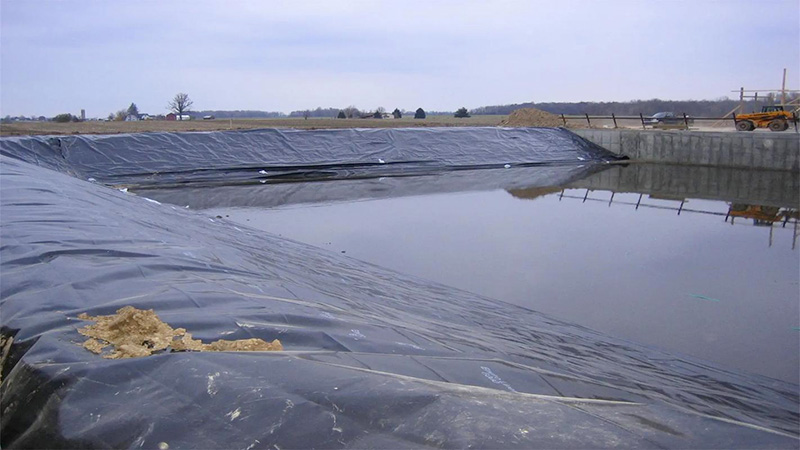
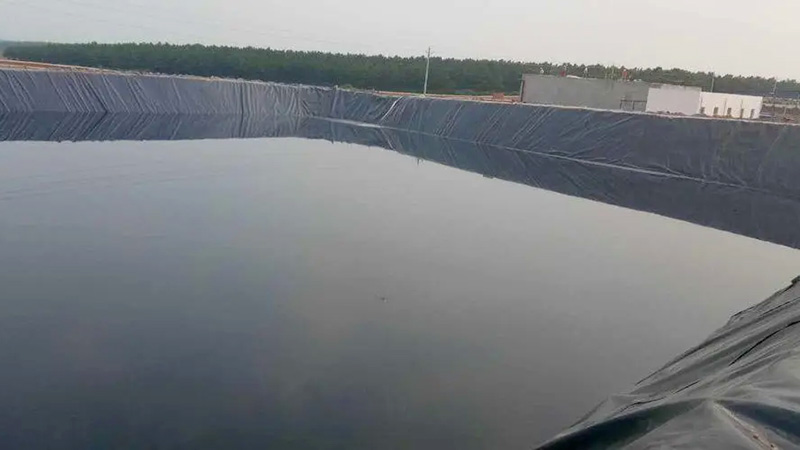
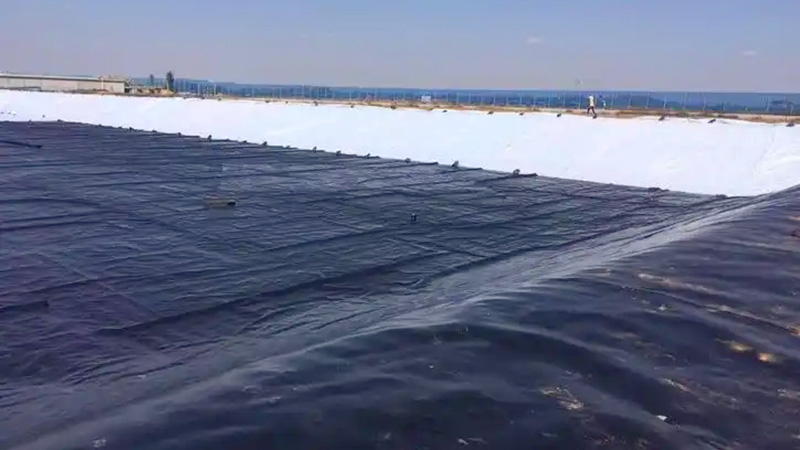
Practical application of geomembranes and geogrids in hydraulic structures, ensuring leak-free performance and stability.
Our internal laboratories inspect product performance, ensuring compliance with both local and international testing standards.
Every batch is checked for: Wide-width tensile behavior, static puncture resistance (CBR), dynamic perforation (cone drop), and pore size distribution.
Our production facility is equipped to manufacture geotextiles, geomembranes, and geogrids for large-scale infrastructure projects.
Developing high-performance, eco-friendly geosynthetics for long-term civil engineering applications.
We are researching biodegradable geogrids using PLA and PHA compounds for temporary soil structures, reducing the long-term environmental footprint of short-term civil installations.
We are designing intelligent geogrids with woven fiber-optic sensors to monitor structural strain, temperature, and moisture in real time, alerting engineers to potential failures.
We are incorporating high-purity ocean-bound plastics into our geogrid cores, maintaining tensile strength while supporting circular economy goals.
Browse our technical geosynthetics designed for global civil engineering and infrastructure projects.
 Hongyue