Top-tier engineered solutions for modern soil stabilization, civil infrastructure protection, and industrial containment projects.
Analyzing key structural mechanisms and macroeconomic drivers shaping the civil engineering and soil reinforcement sectors.
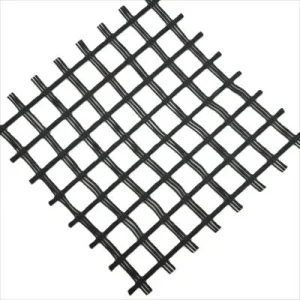
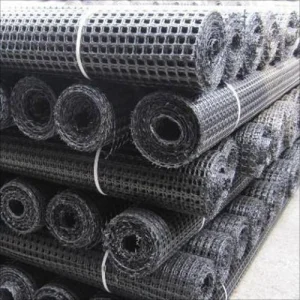
The BX1100 biaxial geogrid is a high-performance polymer matrix engineered for planar soil reinforcement. Manufactured from selected polypropylene (PP) resins through process-controlled extrusion, stretching, and heat setting, the Bx1100 is characterized by its high junction efficiency, precise rectangular aperture geometry, and excellent tensile modulus. This ensures effective confinement of granular fills under dynamic and static loads.
By confining coarse-grained aggregates within its aperture network, the BX1100 limits lateral shear failure and lateral strain accumulation. When aggregates are compacted over the geogrid, the individual stone elements interlock securely with the ribs and junctions, changing the stress path from concentrated vertical vectors to a wider lateral dispersion. This reduces subgrade stress concentration by up to 50%.
Procurement departments must prioritize key mechanical factors, including: Radial Secant Stiffness (at 0.5% and 2.0% strain), Junction Strength (ISO 10319), and Resistance to Chemical and Biological Degradation. Selecting Bx1100 over lower-spec materials ensures a long structural lifecycle, which is essential for projects with structural integrity horizons spanning 75 to 100 years.
Located at the north end of Fufeng Street, Lingcheng District, Dezhou, Shandong Province, Shandong Hongyue Environmental Engineering Co., Ltd. is a scientific and technological geotechnical material manufacturer integrating engineering material production, sales, design and construction services. The company was registered in Lingcheng District Market Supervision and Administration Bureau of Dezhou City on April 6, 2023, with a registered capital of 105 million yuan. It is one of the largest production bases of geotechnical materials in China at present, located in Lingcheng District, Dezhou, Shandong Province, with a superior geographical location and convenient transportation networks.
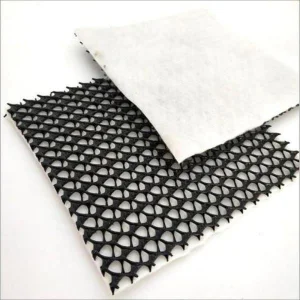
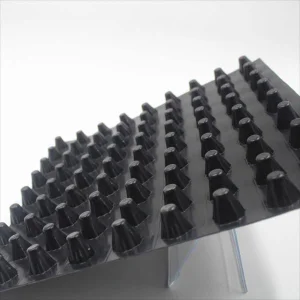
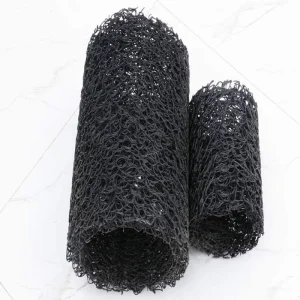
Since the establishment of the company, it has developed rapidly, and its business continues to grow and expand. Our company mainly deals in geotextiles, geomembranes, composite geomembranes, waterproof boards, bentonite waterproof blankets, 3D composite drainage nets, (composite) drainage boards, weaving cloth, woven cloth, geotextiles, membrane bags, blind ditches, waterproof and drainage combinations, woven bags, ecological bags, cement blankets, fiber plants blankets, flexible pervious pipes, and related geosynthetics. Our business scope includes geosynthetics and waterproofing membrane production, sales, construction, and the import and export of goods.
We have high-quality products and a professional sales and technical team. Our company is a member of the Dezhou Geotextile Association. Our products are widely used in highways, railways, bridges and tunnels, reservoirs, water conservancy canals, artificial lakes, environmental protection, aviation, mining, agriculture, and other fields.
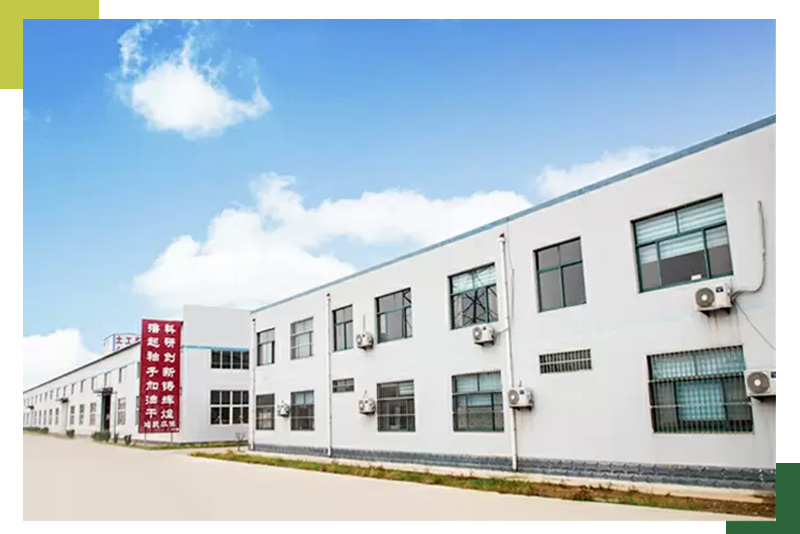
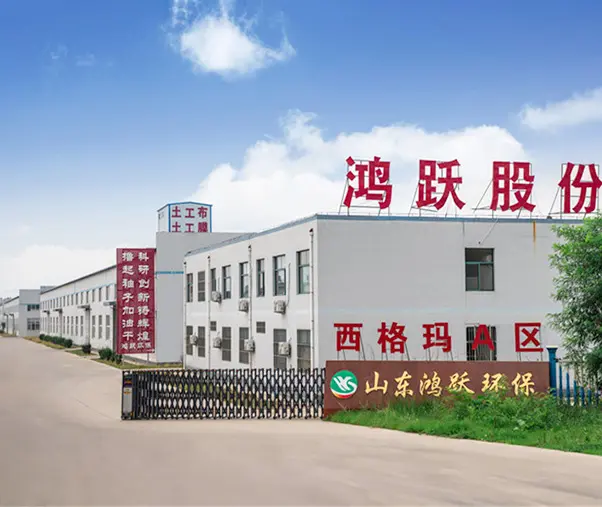
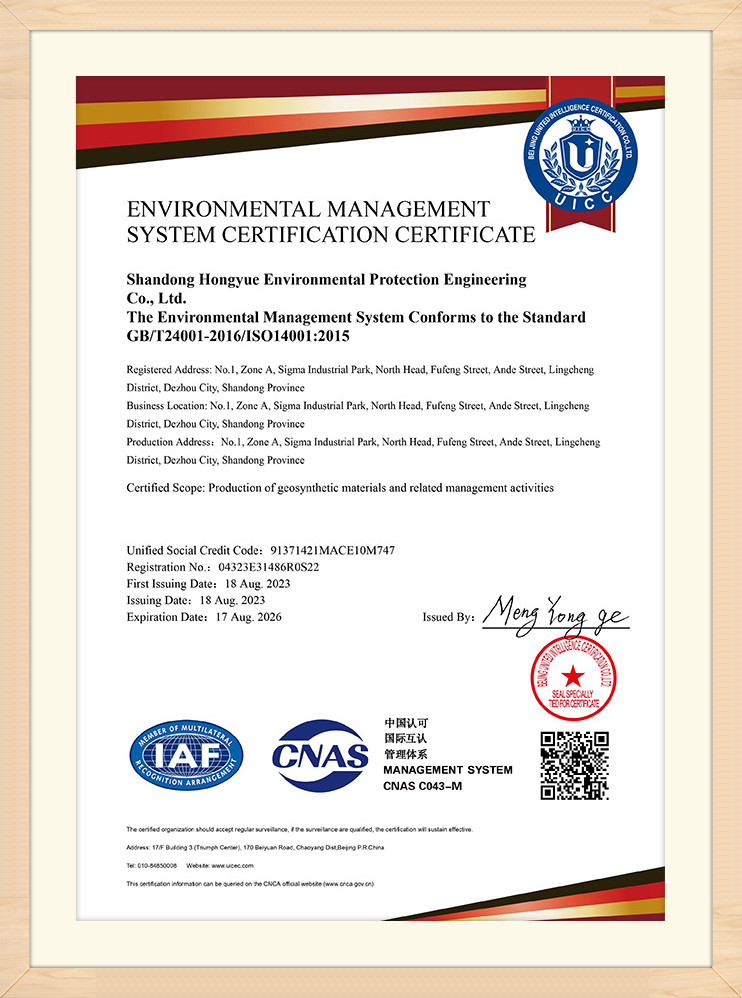
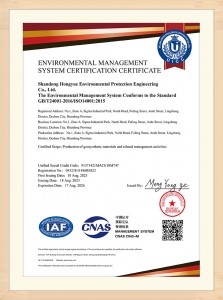
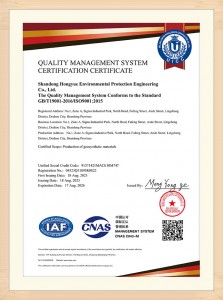
The company has successively passed the ISO9001 international quality system certification, ISO14000 environmental system certification, and ISO45001 occupational health and safety management system certification. We have won multiple honors such as "green and environmentally friendly building materials products", "no consumer complaints", "famous Chinese brands", "high-tech industries", "quality service double excellent units", and "provincial-level poverty alleviation leading enterprises". The company has established sales networks or agency offices in more than 40 large and medium-sized cities, such as Shanghai and Beijing, and its products are exported to multiple countries in Europe, the United States, Australia, and various parts of the world. The products are widely used in key projects in various provinces and cities.
Comprehensive pricing benchmarks and technical parameters for evaluation by structural engineers and procurement officers.
| Property Designation | Test Standard | Unit | Bx1100 Spec Range | Typical Industrial Value |
|---|---|---|---|---|
| Ultimate Tensile Strength (MD / CMD) | ASTM D6637 / ISO 10319 | kN/m | 12.4 to 15.5 | 15.0 kN/m |
| Tensile Strength @ 2% Elongation | ASTM D6637 | kN/m | 4.1 to 5.8 | 4.5 kN/m (MD) |
| Tensile Strength @ 5% Elongation | ASTM D6637 | kN/m | 8.1 to 10.5 | 8.5 kN/m (MD) |
| Aperture Size (Nominal) | Calibrated Caliper | mm | 25 x 33 to 38 x 38 | 25 x 33 mm |
| Junction Efficiency | GRI GG2 / ASTM D7737 | % | >90% | 95% |
| Carbon Black Content (Min) | ASTM D4218 | % | 2.0% to 3.0% | 2.0% |
| Pricelist Range (FOB Qingdao) | Contract Price Index | USD/sqm | $0.42 – $0.85 | Volume dependent |
*Note: Pricelist ranges are estimated based on dynamic polypropylene (PP) raw material cost indexes. For project-specific bulk quotes, please contact Shandong Hongyue directly.
The unit price of Bx1100 geogrid varies based on several parameters: virgin vs. recycled PP composition, UV stabilizer percentage (carbon black quality), roll width and length, and the shipping terms. While recycled resins are cheaper, projects requiring CE certification and strict compliance with European construction guidelines demand 100% virgin polymer to prevent structural degradation under constant loading.
When evaluating geogrid suppliers, request a factory copy of the CE Certificate of Conformity with the system evaluation standard EN 13249 / 13250 / 13251 / 13253. Genuine products undergo third-party testing (FPC - Factory Production Control) regularly. Shandong Hongyue provides complete testing documents with every production run.
A closer look at how geotextiles and biaxial geogrids are produced to ensure structural stability and durability.
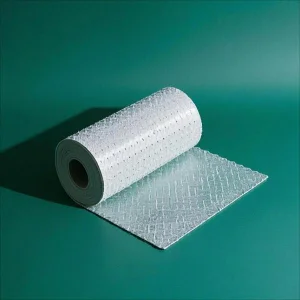
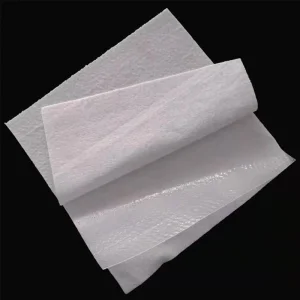
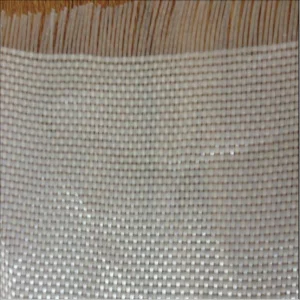
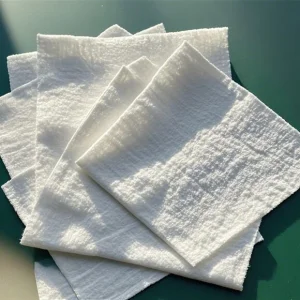
Geotextile is widely used in civil engineering materials, with filtration, isolation, reinforcement, protection and other functions, its production process includes raw material preparation, melt extrusion, mesh rolling, draft curing, winding packaging and inspection steps, need to go through multiple links of processing and control, but also need to consider its environmental protection and durability and other factors. Modern production equipment and technology have been widely used, making the production efficiency and quality of geotextiles significantly improved.
The main raw materials of geotextile are polyester chips, polypropylene filament and viscose fiber. These raw materials need to be inspected, arranged and stored to ensure their quality and stability.
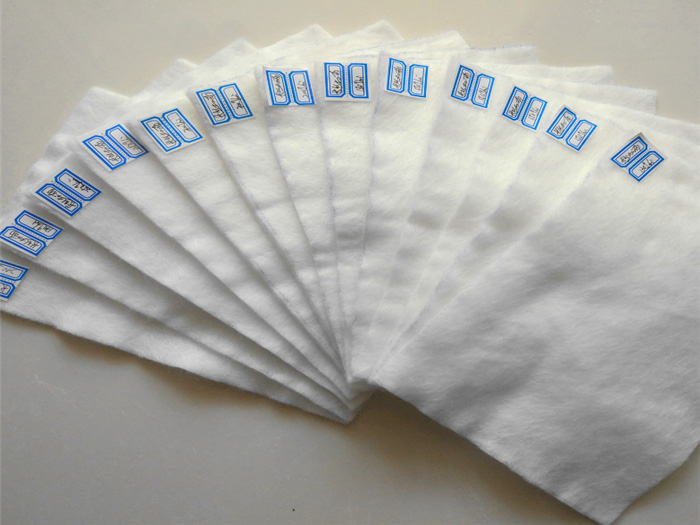
After the polyester slice is melted at high temperatures, it is extruded into a molten state by a screw extruder, and polypropylene filament and viscose fiber are added for mixing. In this process, the temperature, pressure and other parameters need to be precisely controlled to ensure the uniformity and stability of the melting state.
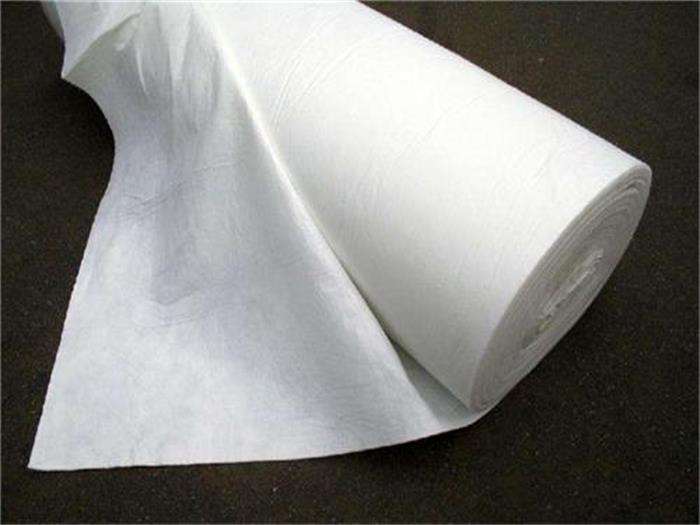
After mixing, the melt is sprayed through the spinneret to form a fibrous substance and form a uniform network structure on the conveyor belt. At this time, it is necessary to control the thickness, uniformity and fiber orientation of the mesh to ensure the physical properties and stability of the geotextile.
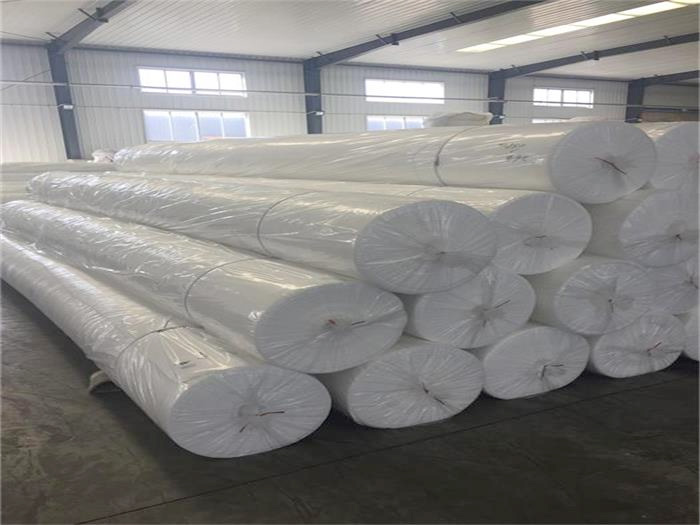
After laying the net into rolls, it is necessary to carry out draft curing treatment. In this process, the temperature, speed and draft ratio need to be precisely controlled to ensure the strength and stability of the geotextile.
The geotextile after draft curing needs to be rolled up and packed for subsequent construction. In this process, the length, width and thickness of the geotextile need to be measured to ensure that it meets the design requirements.
At the end of each production link, the quality of geotextile needs to be inspected. The inspection contents include physical property test, chemical property test and appearance quality test. Only geotextiles that meet the quality requirements can be used in the market.
Combining structural reinforcement with high-performance barrier technologies for total infrastructure security.
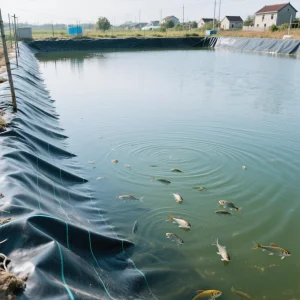
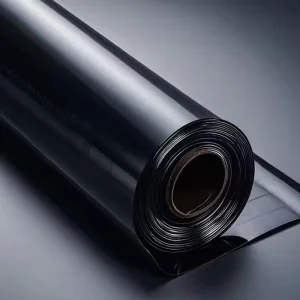
Geomembrane, as an efficient anti-seepage material, plays a vital role in water conservancy projects. Its excellent anti-seepage performance, light weight, easy construction characteristics and relatively low cost make geomembrane become an indispensable part of water conservancy projects.
First of all, in the construction of reservoirs, geomembranes can play a very good anti-seepage role. Because reservoirs are usually built in valleys or low-lying areas, the geological conditions are more complex, so effective measures need to be taken to avoid leakage between the bottom of the reservoir and the surrounding rock. The use of geomembranes can effectively solve this problem, and can also improve the safety and stability of the whole reservoir.
Secondly, it is also necessary to use geomembranes to strengthen the anti-seepage effect during the construction of levees. A dike is a man-made structure whose main purpose is to protect the downstream area from flooding. However, in the construction process, there will be many unpredictable factors leading to loopholes, at this time, it is necessary to use geomembranes for remedial measures.
Third, in the river and channel governance, geomembranes also have a wide range of applications. Rivers and channels are very important components of water conservancy projects, they can not only regulate water flow, protect farmland and urban infrastructure, but also improve the ecological environment of the entire region. However, in the governance process will encounter some difficult problems, such as loopholes, landslides and so on. At this time the use of geomembrane can be a good solution to these problems.
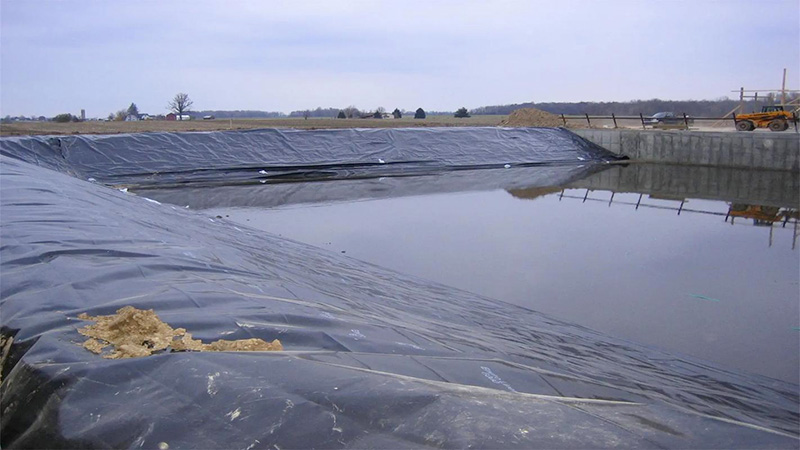
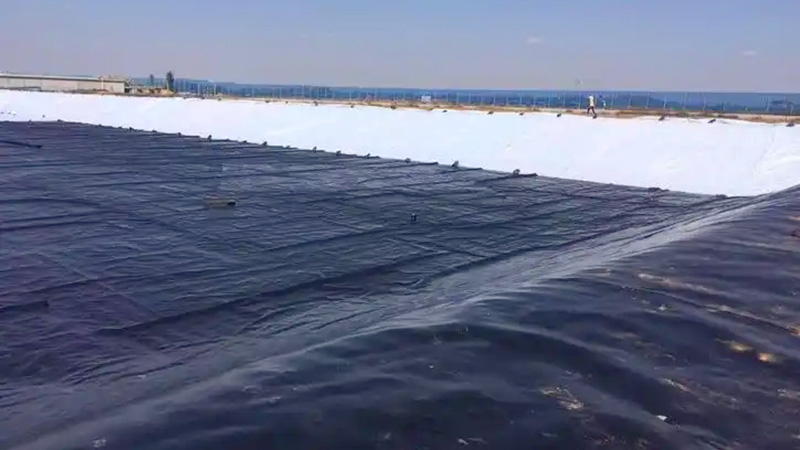
Proven anti-seepage, reinforcement, and drainage designs for specific civil engineering challenges.
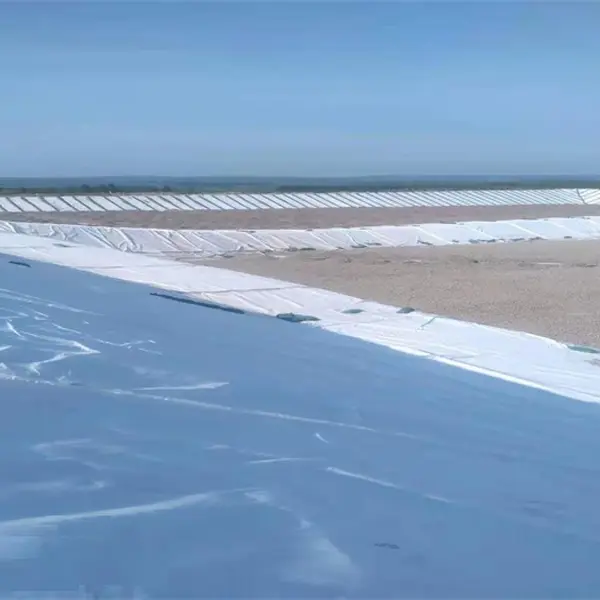
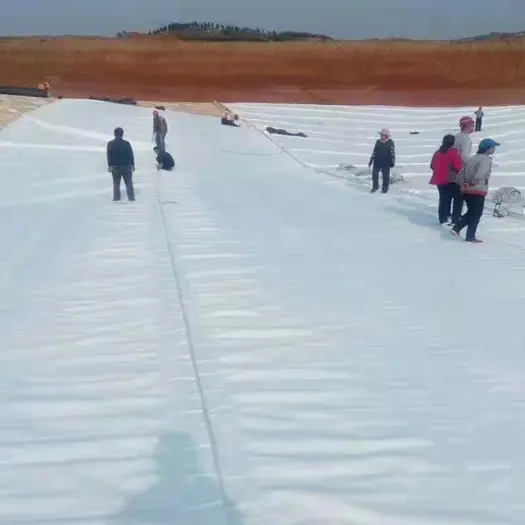
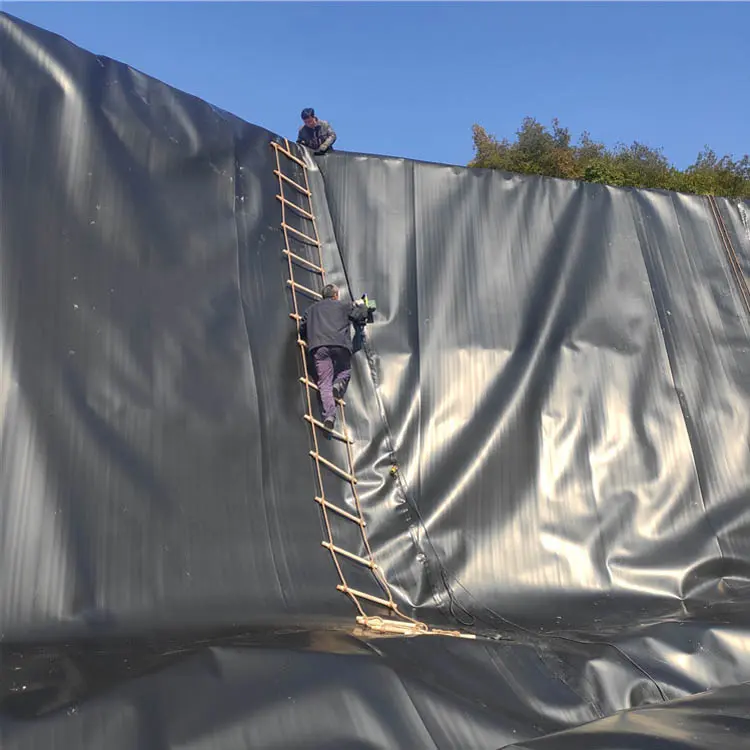
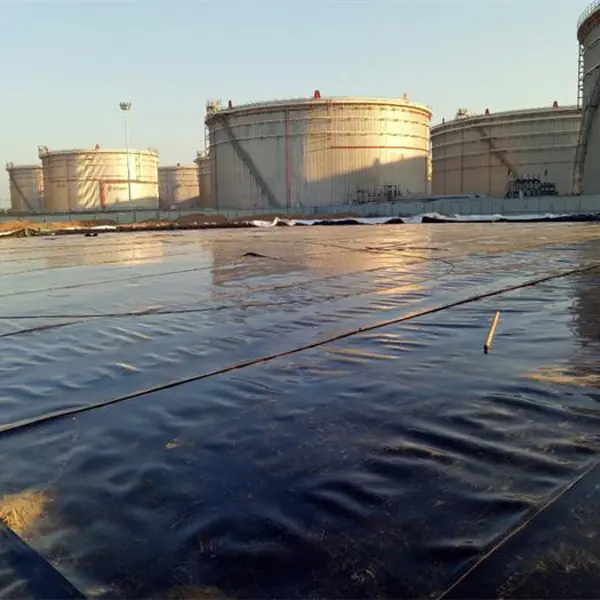
Shandong Hongyue Environmental Engineering Co., Ltd. has a complete and scientific management system, has passed the ISO9001 international quality system certification, ISO14000 environmental system certification, and ISO45001 occupational health and safety management system certification. We have won honors such as "Green building Materials Products", "No consumer complaints", "China Famous Brand", "High-tech Industry", and "Quality Service Double Excellent Unit".
The company adopts advanced production technology and equipment processes, and has perfect detection means and precision inspection equipment to ensure that the products always maintain excellent performance. The quality of all products produced by the company has reached or exceeded international standards, and passed the certification of China National Testing Center, and all passed the national quality supervision and sampling inspection commissioned by the State Administration of Quality Supervision and Inspection.
Shandong Hongyue Environmental Protection Engineering Co., Ltd. has built a sophisticated technology, experienced production technology and market service team, with engineers and technicians having more than ten years of experience, serving domestic and foreign large-scale engineering construction sites. We provide our customers with 24-hour comprehensive service and product technical consultation.
A technical reference guide to choosing, implementing, and preserving high-barrier geosynthetic materials.
It is very important to choose the suitable geomembrane. Here are some key points to choose geomembrane:
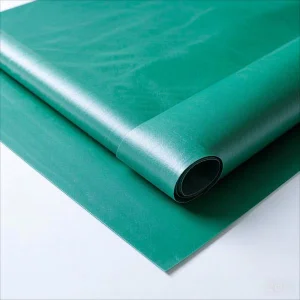
- Material properties: Geomembranes are divided into different materials, such as high density polyethylene (HDPE) and linear low density polyethylene (LLDPE). Select the appropriate material according to the engineering requirements.
- Thickness: Select the appropriate thickness according to the needs of the project. The thickness of the geomembrane is usually 0.3mm to 2.0mm.
- Impermeability: Ensure that the geomembrane has good impermeability to prevent water in the soil from penetrating into the project.
The laying of geomembranes needs to follow certain steps and techniques:
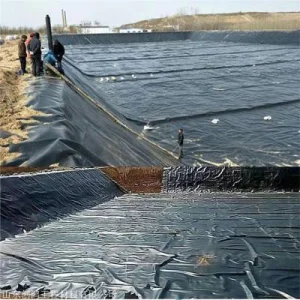
- Land preparation: Ensure that the land where the geomembrane is laid is level and clean, and sharp objects and other obstacles are removed.
- Laying method: Geomembranes can be covered laying or folding laying. Select the appropriate laying method according to the project requirements.
- Joint treatment: Joint treatment is performed at the joint of the geomembrane to ensure that there is no leakage at the joint.
- Fixing method: Use fixed parts to fix the geomembrane and ensure that it is closely attached to the ground.
Maintenance of geomembrane can extend its service life and function:
- Cleaning: Regularly clean the surface of the geomembrane to remove dirt and debris to maintain its impermeability.
- Inspection: Regularly check whether the geomembrane is damaged or aging, repair or replace the damaged part in time.
- Avoid sharp objects: Avoid sharp objects from touching the geomembrane to prevent damage.
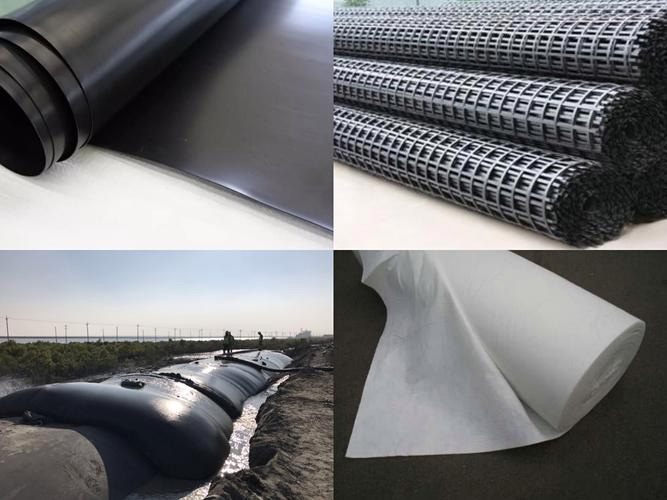
Summary: Reasonable application of geomembranes can effectively improve the functions of seepage prevention, isolation and reinforcement of engineering projects, providing a solid guarantee for the smooth progress of engineering.
Addressing the most frequently asked technical, regulatory, and procurement questions regarding geogrids and soil reinforcement.
Complete your design requirements with high-performance barrier, filtration, and containment systems.
 Hongyue