Explore our range of high-performance protection, drainage, and stabilization systems engineered to meet international civil engineering demands.
Analyzing the shift toward highly engineered geosynthetics for long-term infrastructure stability and environmental security.
In modern civil engineering, protection geotextiles have transitioned from optional protective layers to essential components in multi-barrier system designs. The rapid urbanization of developing markets and the structural retrofitting of mature economies have stimulated global demand for geosynthetic barrier networks. With the escalating intensity of extreme weather patterns, modern environmental engineering demands solutions that demonstrate superior mechanical durability, biochemical resistance, and long-term hydrologic integrity. Protection geotextiles function as critical stress-absorption buffers, shielding geomembranes from puncture damage caused by coarse aggregates, sharp substrates, and dynamic construction loads.
As standard regulatory systems tighten around environmental containment, the criteria for selecting a protection geotextile manufacturer have become more stringent. Leading engineers evaluate suppliers not only on standard tensile strength but also on puncture resistance, creep behavior, chemical compatibility, and installation survival rates. Shandong Hongyue Environmental Engineering Co., Ltd. delivers engineered materials designed to withstand aggressive installation stresses and corrosive environmental exposures, helping ensure long-term structural integrity.
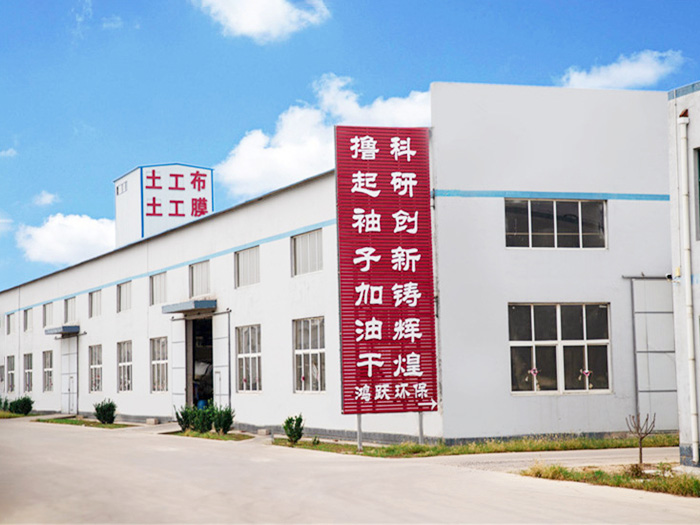
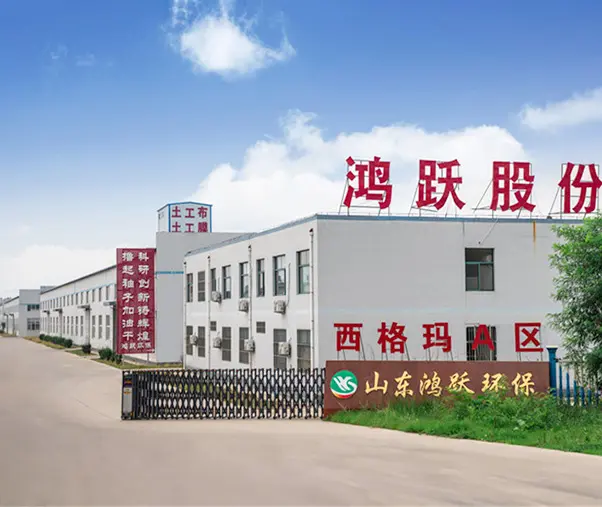
Shandong Hongyue Environmental Engineering Co., Ltd., located at the north end of Fufeng Street, Lingcheng District, Dezhou, Shandong Province, is a scientific and technological geotechnical material manufacturer integrating engineering material production, sales, design, and construction services. The company was registered in the Lingcheng District Market Supervision and Administration Bureau of Dezhou City on April 6, 2023, with a registered capital of 105 million yuan. It is one of the largest production bases of geotechnical materials in China at present, situated with a superior geographical location and convenient transportation.
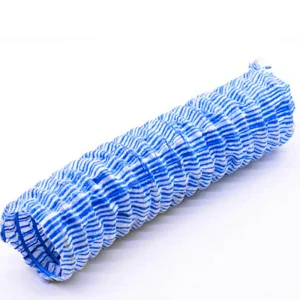
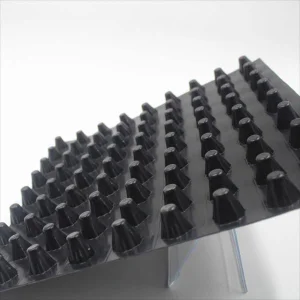
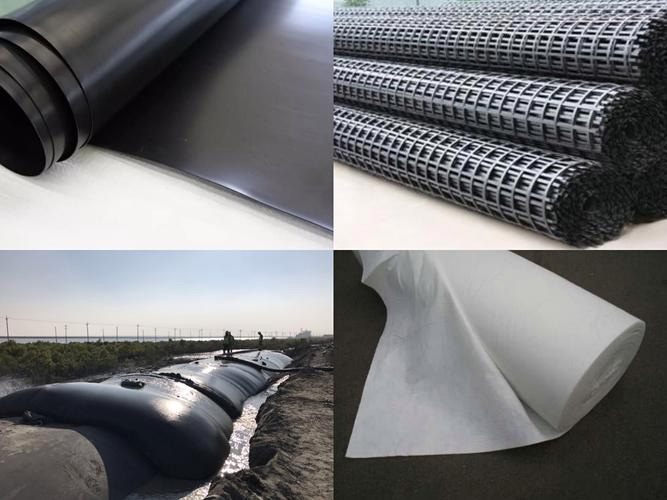
Our company mainly deals in geotextiles, geomembranes, composite geomembranes, waterproof boards, bentonite waterproof blankets, 3D composite drainage nets, (composite) drainage boards, weaving cloth, woven cloth, membrane bags, blind ditches, waterproof and drainage combinations, woven bags, ecological bags, cement blankets, fiber plant blankets, flexible pervious pipes, and other specialized geosynthetics. Our products are widely used in highways, railways, bridges and tunnels, reservoirs and canals, water conservancy, artificial lakes, environmental protection, aviation, mining, agriculture, and other fields.
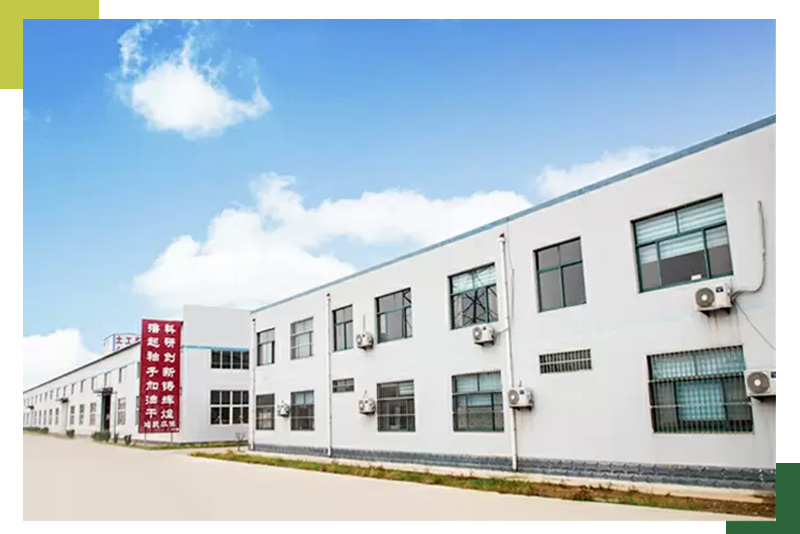
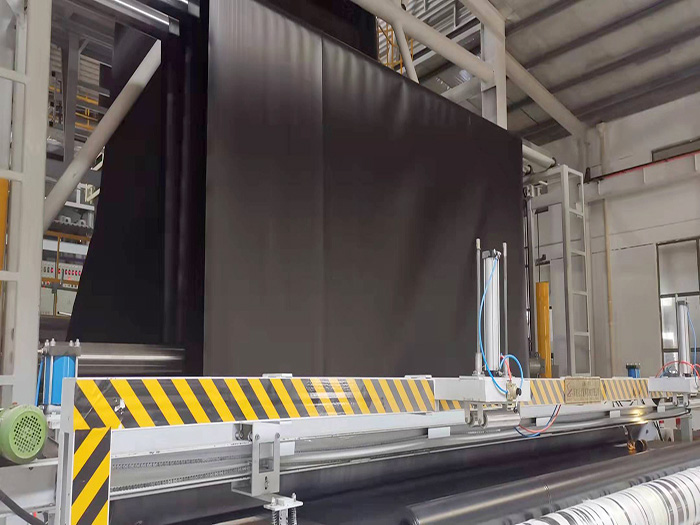
Our state-of-the-art production processes combine raw material preparation, melt extrusion, mesh rolling, draft curing, and winding packaging with strict quality inspection protocols to ensure consistent performance.
The main raw materials of geotextiles are polyester chips, polypropylene filament, and viscose fiber. These raw materials need to be inspected, arranged, and stored to ensure their quality and stability before extrusion.
Polyester slices are melted at high temperatures and extruded into a molten state by a screw extruder. Polypropylene filament and viscose fiber are added for mixing under precisely controlled parameters.
After mixing, the melt is sprayed through the spinneret to form a fibrous substance and build a uniform network structure on the conveyor belt, controlling the fiber orientation and thickness.
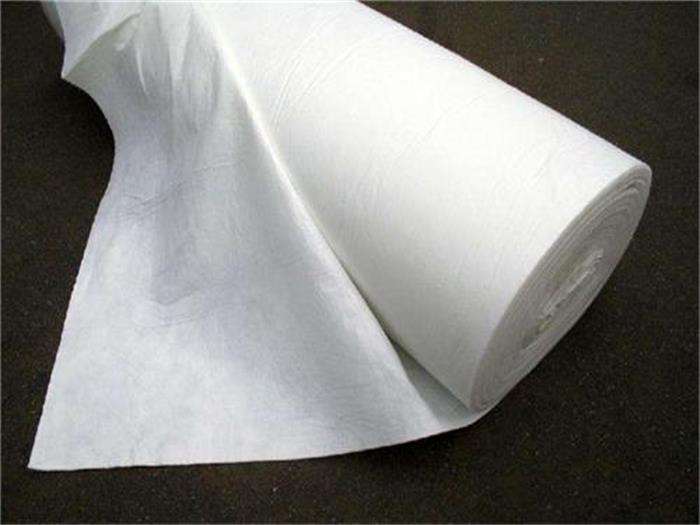
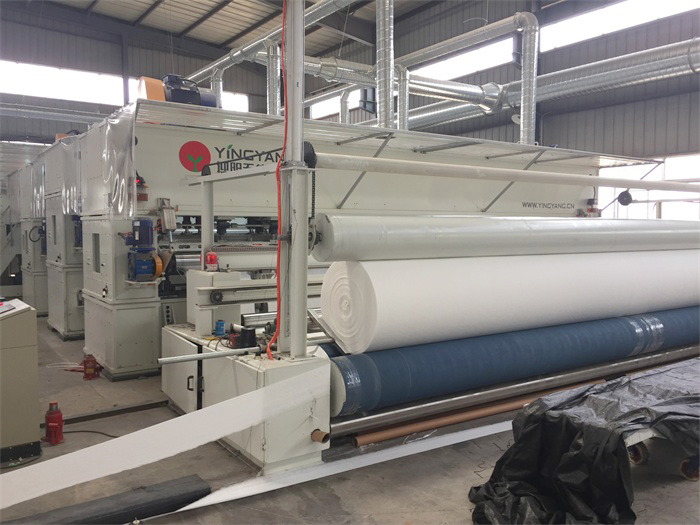
After laying the net into rolls, it is subjected to draft curing treatment. The temperature, speed, and draft ratio are precisely controlled to maximize the tensile strength and physical stability of the geotextiles.
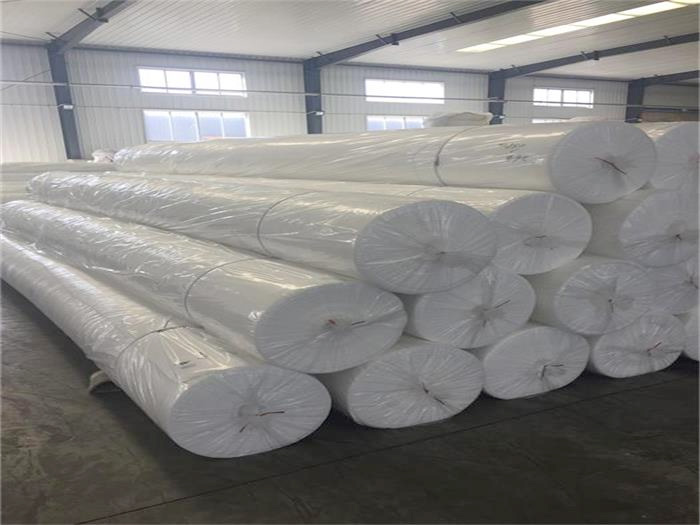
The cured geotextiles are rolled and packed. The length, width, and thickness of each roll are measured to ensure full compliance with the project’s specific architectural design requirements.
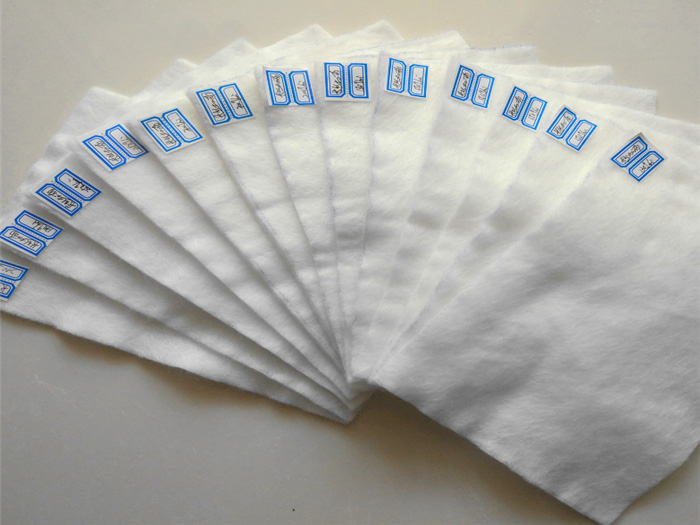
Every production run undergoes strict quality inspection. The testing scope includes physical property tests, chemical durability tests, and appearance quality checks before leaving the factory.
Discover the structural and economic advantages that allow Shandong Hongyue to provide high-quality protection geotextiles on a large scale.
Located in Dezhou, Shandong, we operate within China's primary geotextile manufacturing hub. This proximity guarantees direct access to raw polypropylene and polyester materials, lowering upstream logistics costs.
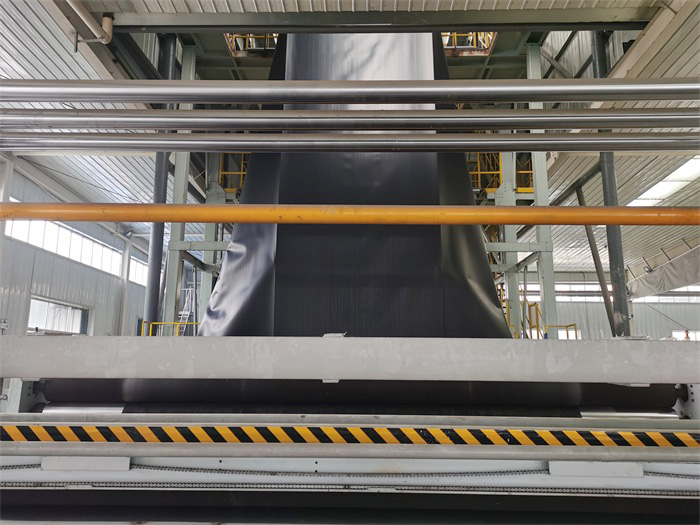
Our facility utilizes automated, high-output production lines capable of manufacturing wide-width rolls. This minimizes seams and installation times for large-scale international projects.
Shandong Hongyue's proximity to major shipping ports like Qingdao ensures competitive freight rates, simplified customs clearance, and predictable shipping schedules for global destinations.
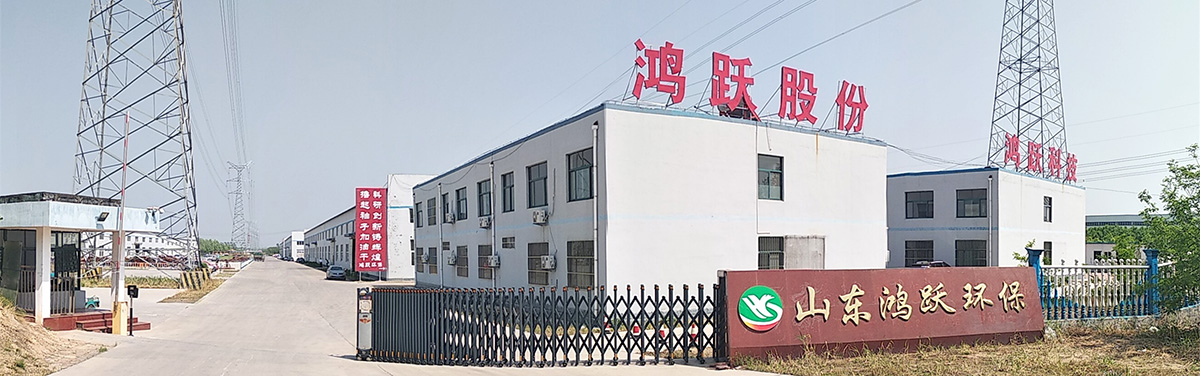
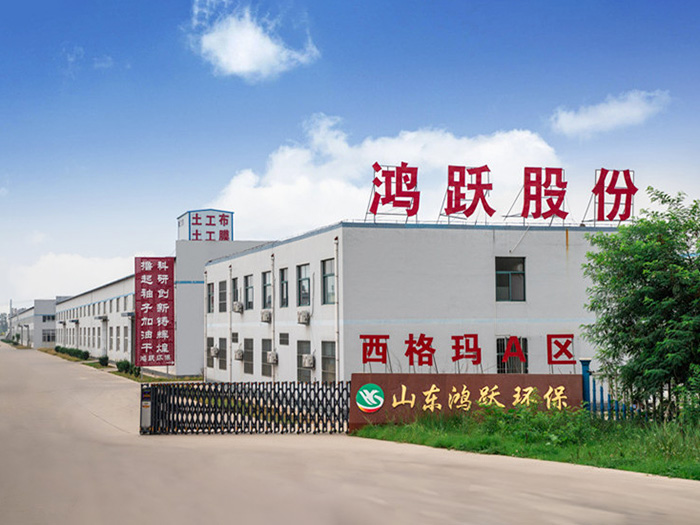
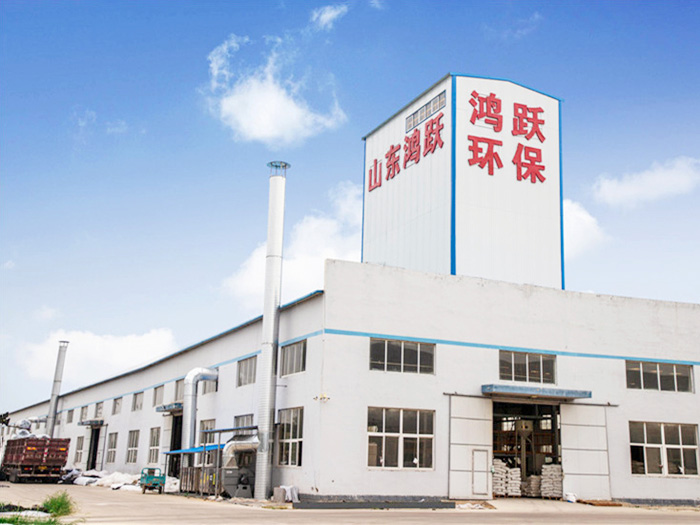
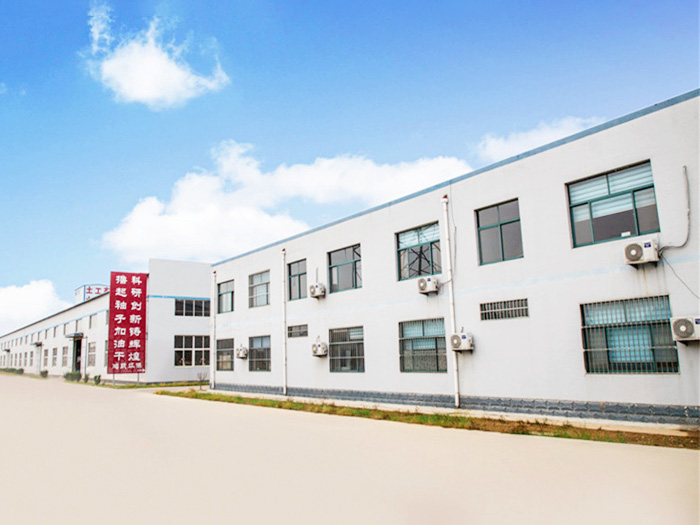
A visual walkthrough of our ISO-compliant manufacturing facilities, storage yards, and advanced quality testing laboratories.
How our integrated geosynthetic systems provide seepage control, reinforcement, and structural protection in key hydraulic projects.
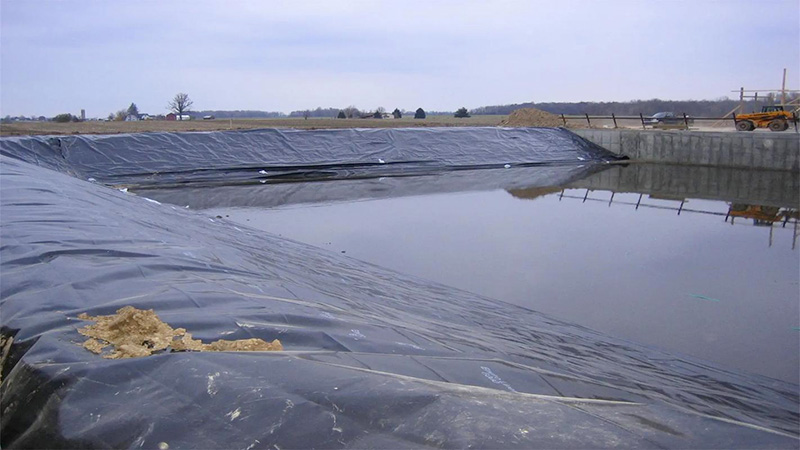
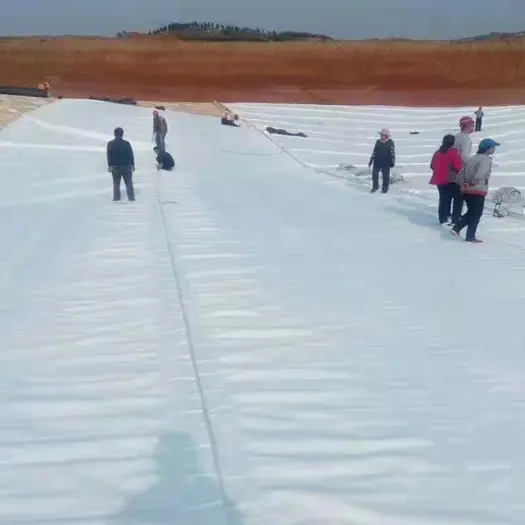
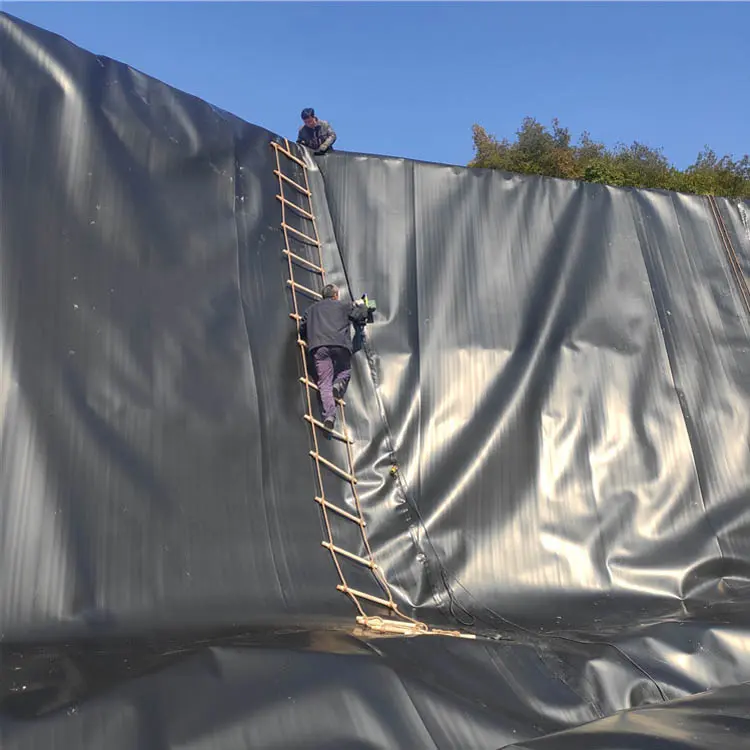
Because reservoirs are built in valleys or low-lying areas, geological conditions are complex. High-durability geomembranes paired with protection geotextiles prevent leaks between the reservoir bottom and the surrounding rock, improving overall safety.
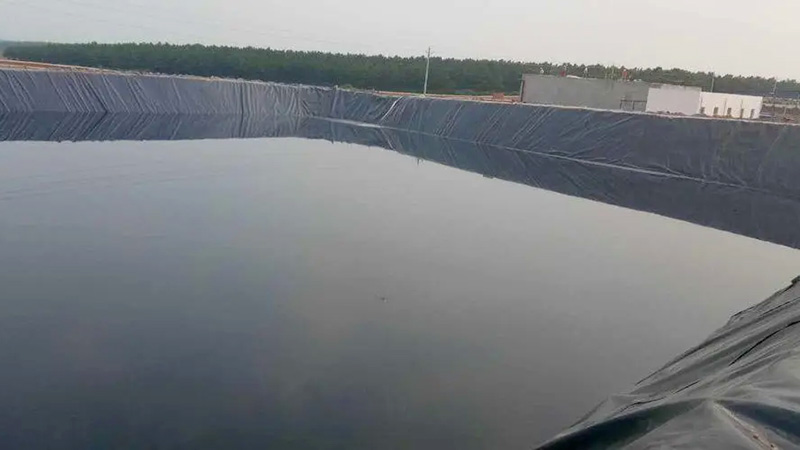
Dikes protect downstream areas from flooding. Unpredictable factors during construction can lead to erosion or piping. Utilizing composite geomembranes provides a reliable remedial measure that reinforces dike slopes and channels.
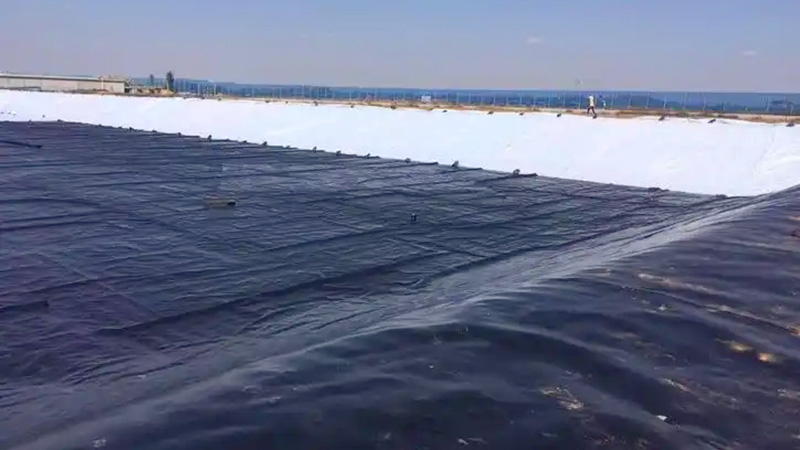
Rivers and channels regulate water flow, protecting farmland and urban areas. Installing geomembranes with robust geotextile protection protects against soil erosion, structural breaches, and landslides along channel walls.
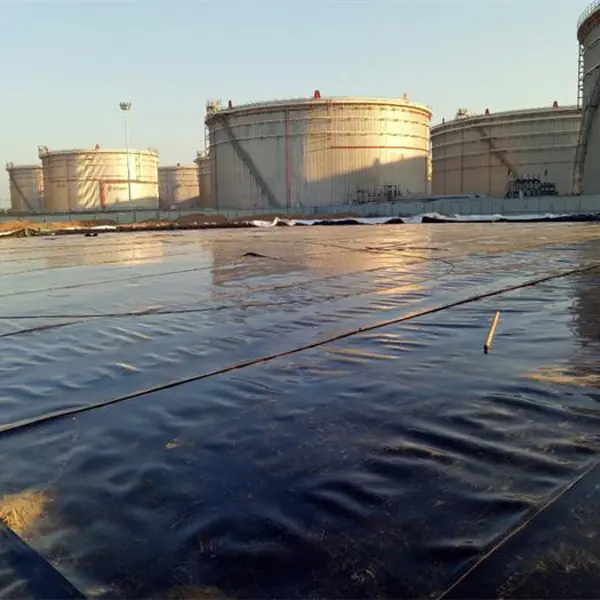
Proven containment systems designed for extreme municipal, hydraulic, and environmental applications.
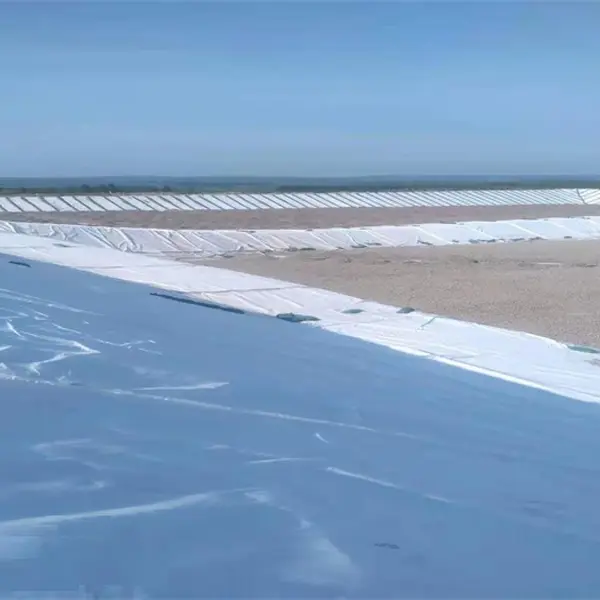
By integrating manufacturing expertise with customized engineering support, we deliver solutions tailored to project requirements. Our engineering team assists with material selection, layout design, and installation guidance to optimize long-term project performance.
Whether addressing slope stability in high-speed rail subgrades or constructing double-lined landfill containment systems, Shandong Hongyue provides materials engineered to meet international regulatory and performance standards.
Our testing procedures align with international ASTM and ISO standards to verify material performance before shipment.
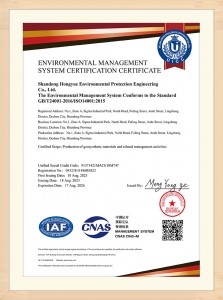
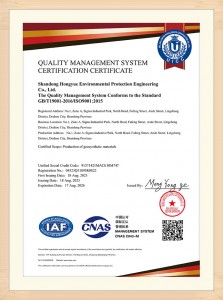
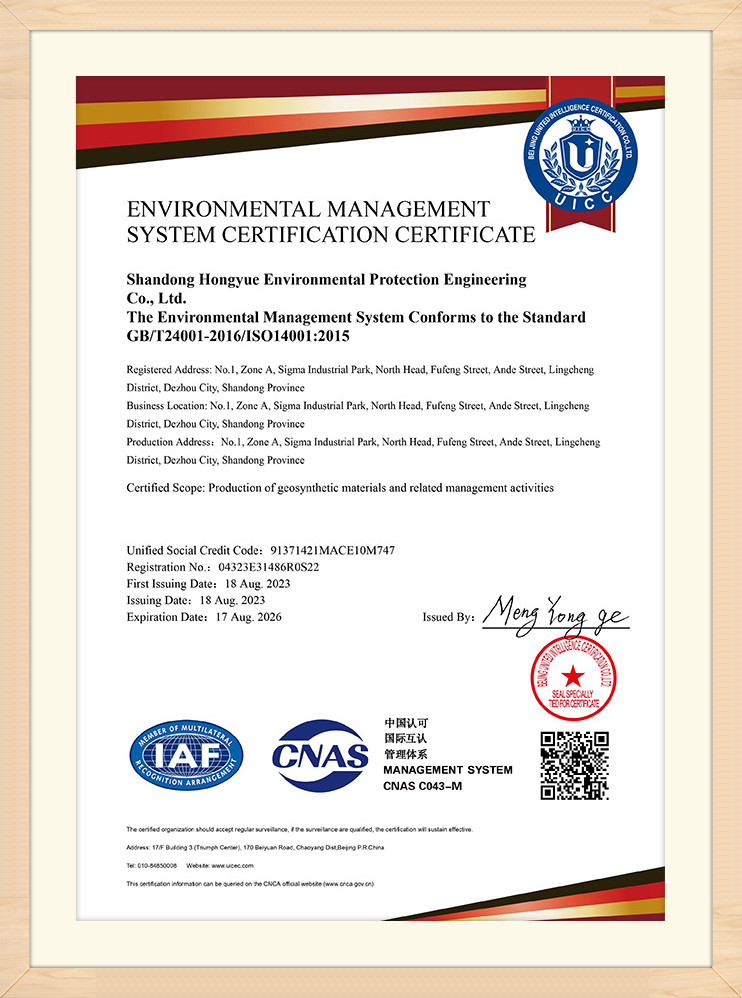
Shandong Hongyue Environmental Engineering Co., Ltd. has established a complete and scientific management system, certified under ISO9001, ISO14000, and ISO45001. Our quality management program oversees every phase of production, from raw material inspection to final packaging.
Our products have received the "Green Building Materials Products" designation, "Famous Chinese Brand" status, and are verified by the China National Testing Center. We utilize calibrated precision equipment to measure tensile strength, puncture resistance, permeability, and chemical durability.
Best practices for selecting, installing, and maintaining geomembrane systems to maximize engineering life.
Choosing the correct material formulation is critical.
• Material Properties: Choose High-Density Polyethylene (HDPE) for projects requiring chemical resistance and UV durability, or Linear Low-Density Polyethylene (LLDPE) for applications requiring high flexibility.
• Thickness: Choose appropriate thickness, typically ranging from 0.3mm to 2.0mm, based on structural loading.
• Impermeability: Verify that the membrane meets hydraulic head pressure requirements.
Proper site preparation and welding are essential for system performance.
• Subgrade Preparation: Verify that the subgrade is level and free of sharp rocks, roots, or debris that could puncture the liner.
• Seam Treatment: Use double-track hot wedge welding on long seams and extrusion welding for detail work to ensure leak-free joints.
• Anchoring: Anchor the liner in trenches to prevent shifting due to wind uplift or slope movement.
Routine maintenance helps prevent damage and premature aging.
• Cleaning: Keep the liner surface clear of windblown debris, silt, and vegetative growth.
• Inspection: Periodically check exposed areas for physical damage, UV degradation, or stress cracking, and repair promptly.
• Physical Protection: Prevent heavy machinery from operating directly on the liner without a protective geotextile buffer.
Essential trends and key procurement metrics for infrastructure design engineers and supply chain managers.
Modern projects increasingly specify composite geosynthetics that combine filtration, drainage, and barrier layers into a single roll. Additionally, the development of green, low-carbon footprints and polymer formulations with high UV resistance helps extend the service life of municipal and transport infrastructure.
High-performance nonwoven geotextiles now incorporate smart fibers that allow for electronic leak detection in containment systems, helping to identify puncture locations during construction.
When ordering protection geotextiles from international suppliers, buyers should specify target properties rather than generic trade names. Key metrics to document include:
Ensure the manufacturer provides traceable batch testing certificates from accredited laboratories, such as TRI or GAI-LAP, to verify compliance with construction specifications.
Common technical questions regarding protection geotextiles, geomembranes, and engineering installation practices.
A protection geotextile is engineered primarily to absorb physical stress, cushion against impact, and protect adjacent geomembranes from punctures caused by rocks or debris. These are typically heavy, needle-punched nonwoven materials with high mass per unit area. In contrast, a drainage geotextile focuses on hydraulic properties, balancing permeability and soil retention to allow water flow while preventing soil migration.
Needle-punched nonwovens offer high three-dimensional thickness and elongation capacity. This structural flexibility allows the fabric to distribute concentrated point loads and deform around sharp edges without tearing, preserving the integrity of the underlying geomembrane.
Our ISO-compliant facility operates inline laser thickness sensors and density scanners. Finished rolls undergo testing for tensile strength, grab strength, CBR puncture, and UV resistance in our lab, verifying performance before shipping.
For highly acidic, alkaline, or chemical environments (such as mining or municipal landfills), raw material polymer composition is critical. High-purity polypropylene (PP) offers broad chemical resistance. For applications exposed to direct sunlight, specifying UV stabilizers is essential to maintain long-term physical properties.
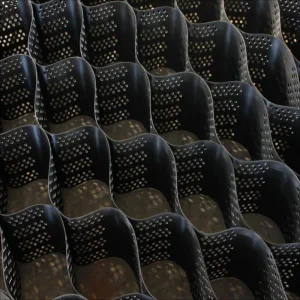
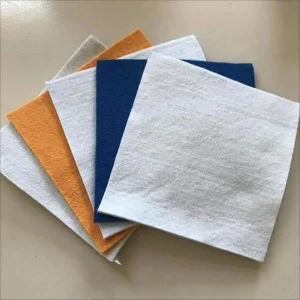
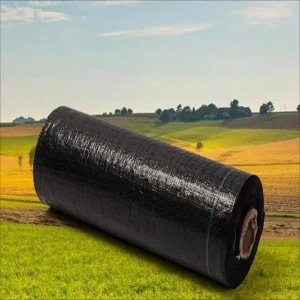
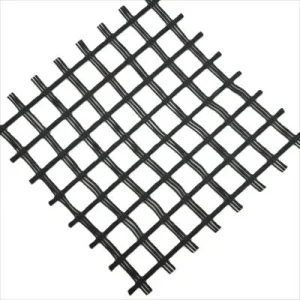
High-specification geogrids, geocells, and composite systems for stabilization and drainage.
 Hongyue