High-performance engineering materials engineered to meet international tensile, durability, and shear resistance benchmarks.
Unlocking structural performance, material longevity, and site safety metrics with advanced soil reinforcement geosynthetics.
Modern civil engineering has shifted from rigid concrete gravity walls to flexible, high-performance Mechanically Stabilized Earth (MSE) retaining wall systems. Grid retaining walls utilize layers of uniaxial polymer geogrids or high-density polyethylene (HDPE) geocells to reinforce structural backfill. This integration increases the shear resistance of structural soils, transforming weak, granular fill into a cohesive, load-bearing composite mass capable of handling immense lateral earth pressure.
By shifting structural stress from facing panels to high-tensile geogrids, modern grid walls accommodate differential settlement without structural failure. Engineering data reveals that utilizing high-molecular weight polyester (PET) or high-density polyethylene (HDPE) geogrids reduces material concrete consumption by up to 60%, drastically cutting down carbon footprints while extending the infrastructure design life up to 120 years.
Understanding supply criteria, ASTM testing protocols, and localization requirements for international EPC contractors.
As mega-infrastructure projects scale across North America, Europe, and Asia-Pacific, corporate procurement departments face strict specifications. Global contractors prioritize manufacturers that deliver fully certified products complying with ASTM D6637 (Tensile Properties of Geogrids), ISO 10319 (Wide-width Tensile Testing), and GRI-GG4 (Geogrid Creep Rupture testing). Quality control must begin at the polymer chip stage to ensure long-term creep resistance under persistent high-tension loads.
Furthermore, structural engineers demand "information gain" via comprehensive design calculations, including internal stability checks (pullout resistance and direct shear), external safety checks (sliding, overturning, bearing capacity), and global slope stability analysis using software like ReSlope or Slide2. Our engineering design assistance supports international projects by delivering customized structural geogrid roll layouts, minimizing onsite cutting waste and reducing labor installation costs by up to 25%.
In the competitive arena of grid retaining wall exports, Chinese industrial centers like Shandong have undergone a digital revolution. Shandong Hongyue Environmental Engineering Co., Ltd., based in the production hub of Dezhou, operates a Factory 4.0 production framework that integrates real-time material feed-back loops, automated tension rollers, and inline ultrasonic thickness monitors. This ensures that every roll of HDPE geogrid, uniaxial plastic geogrid, and geocell complies with strict structural tolerances.
With a robust registered capital of 105 million yuan, Shandong Hongyue manages vertically integrated supply chains. From polymer extrusion and sheet structuring to draft curing and quality testing, we bypass third-party bottlenecks. This integration guarantees consistent lead times, bulk export pricing, and resilient supply pipelines during global logistics fluctuations.
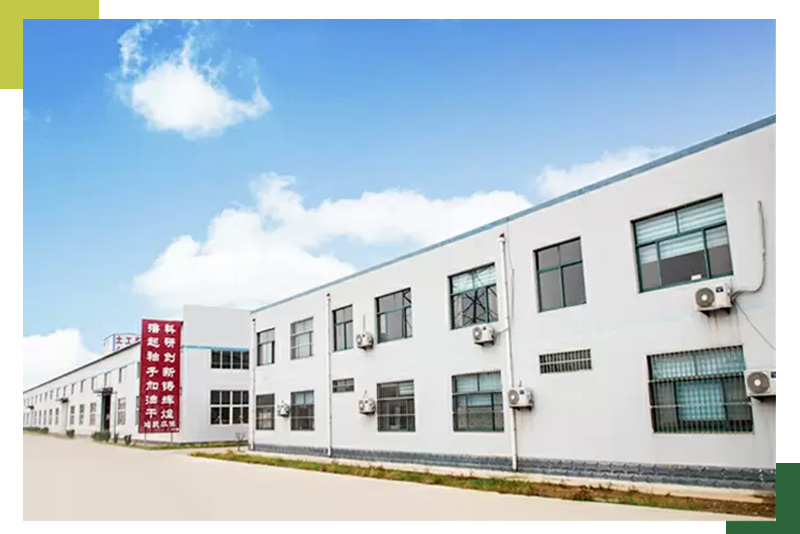
A premier scientific and technological geotechnical material manufacturer integrating engineering material production, sales, design, and construction services.
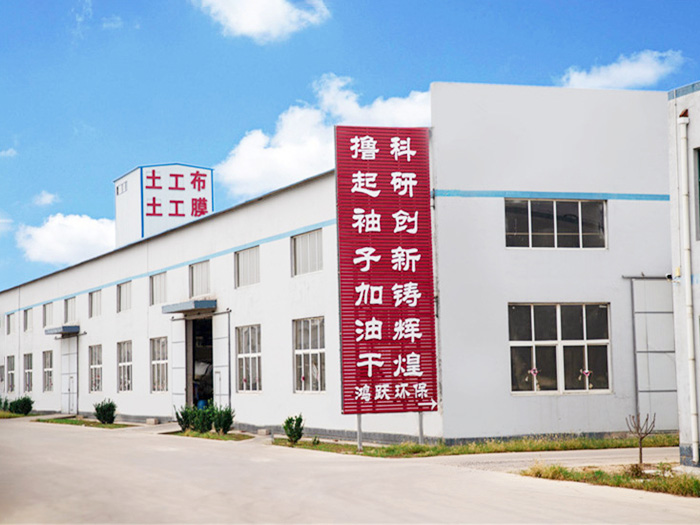
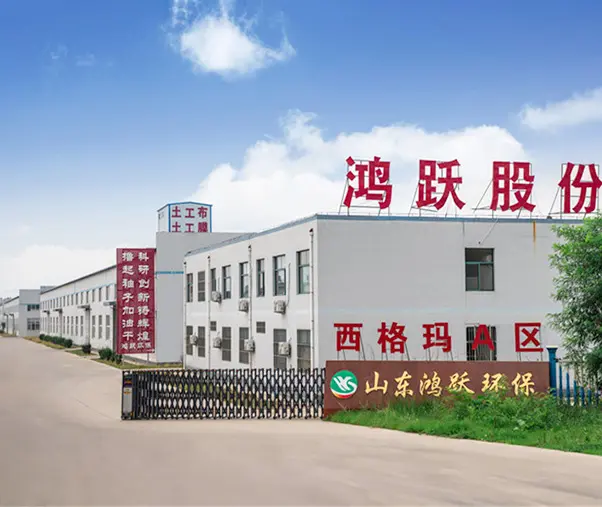
Shandong Hongyue Environmental Engineering Co., Ltd., located at the north end of Fufeng Street, Lingcheng District, Dezhou, Shandong Province, is one of the largest production bases of geotechnical materials in China. Registered on April 6, 2023, with a registered capital of 105 million yuan, the company operates in a strategically advantageous location with convenient transportation routes connecting directly to major shipping ports for global export.
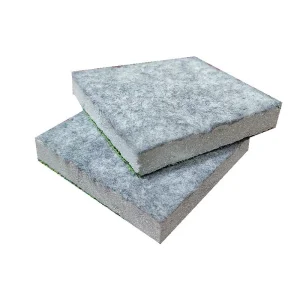
Our comprehensive catalog spans geotextiles, geomembranes, composite geomembranes, waterproof boards, bentonite waterproof blankets, 3D composite drainage networks, (composite) drainage boards, woven fabrics, membrane bags, blind ditches, cement blankets, fiber blankets, and flexible pervious pipes. We are active members of the Dezhou Geotextile Association, delivering state-of-the-art products widely utilized in railways, highways, bridges, tunnels, water conservancy canals, municipal landfills, and agricultural engineering worldwide.
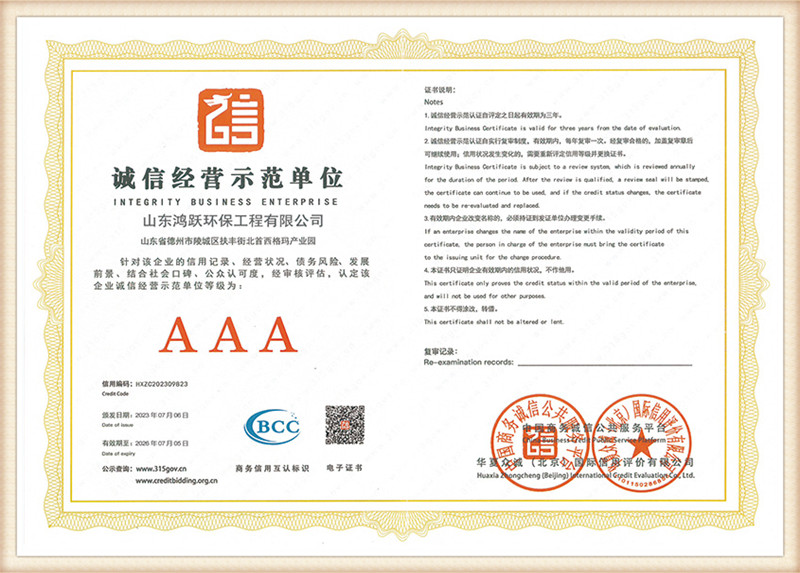
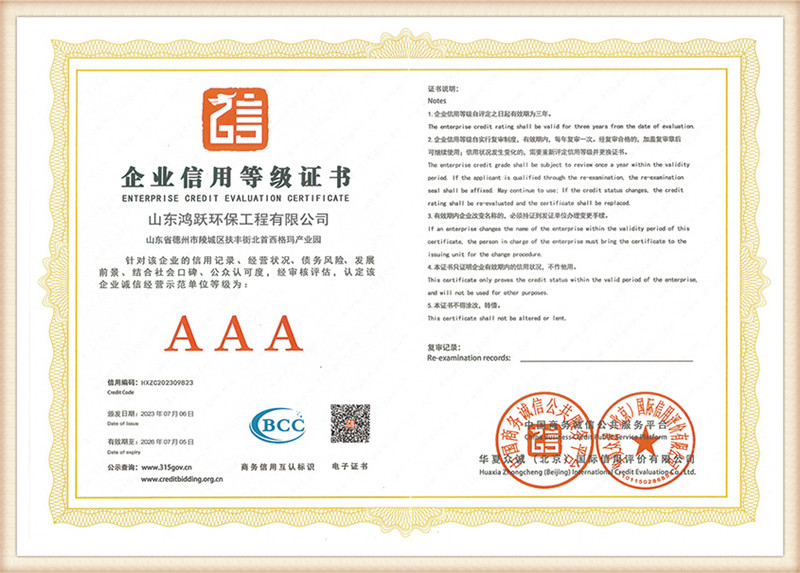
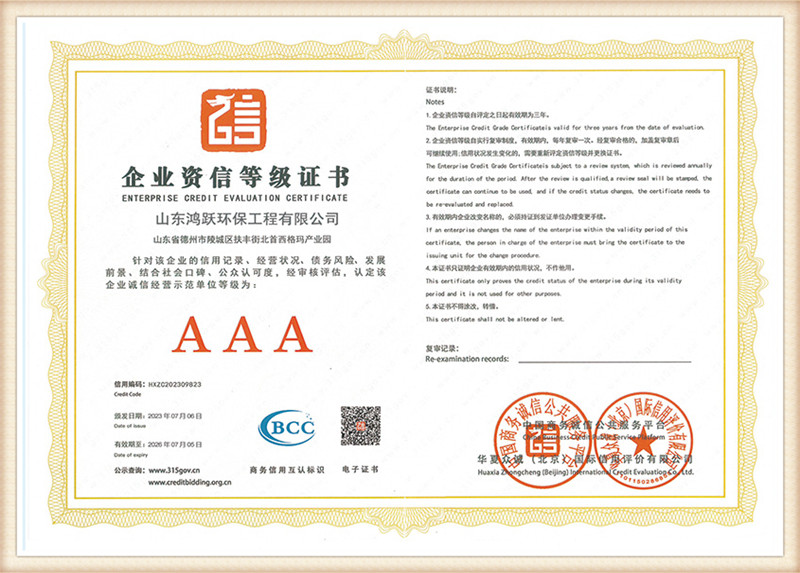
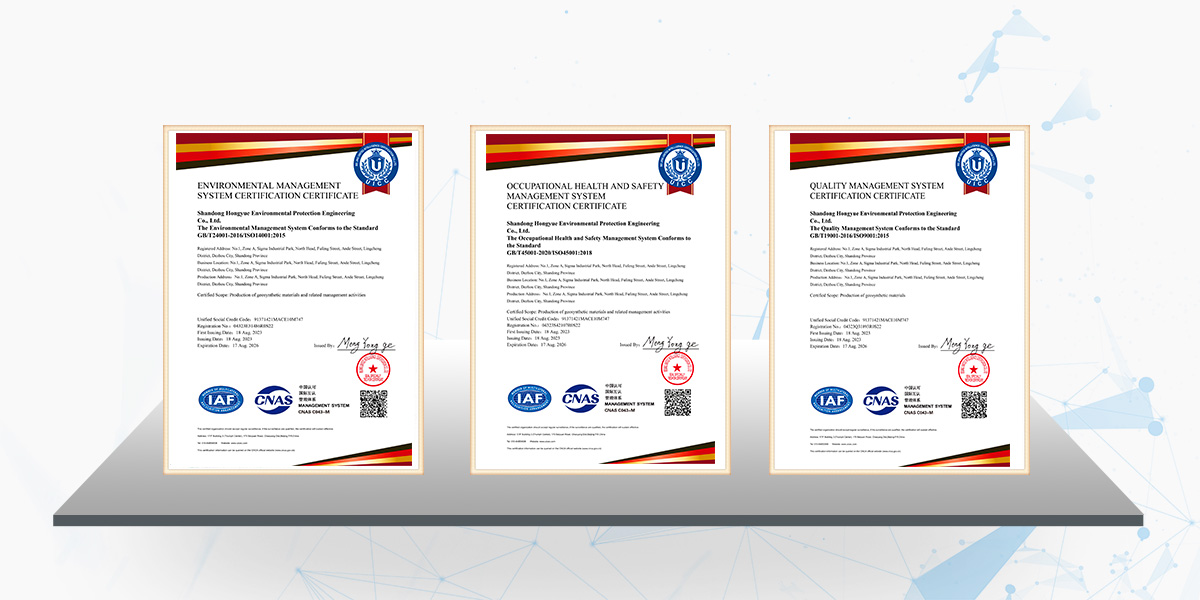
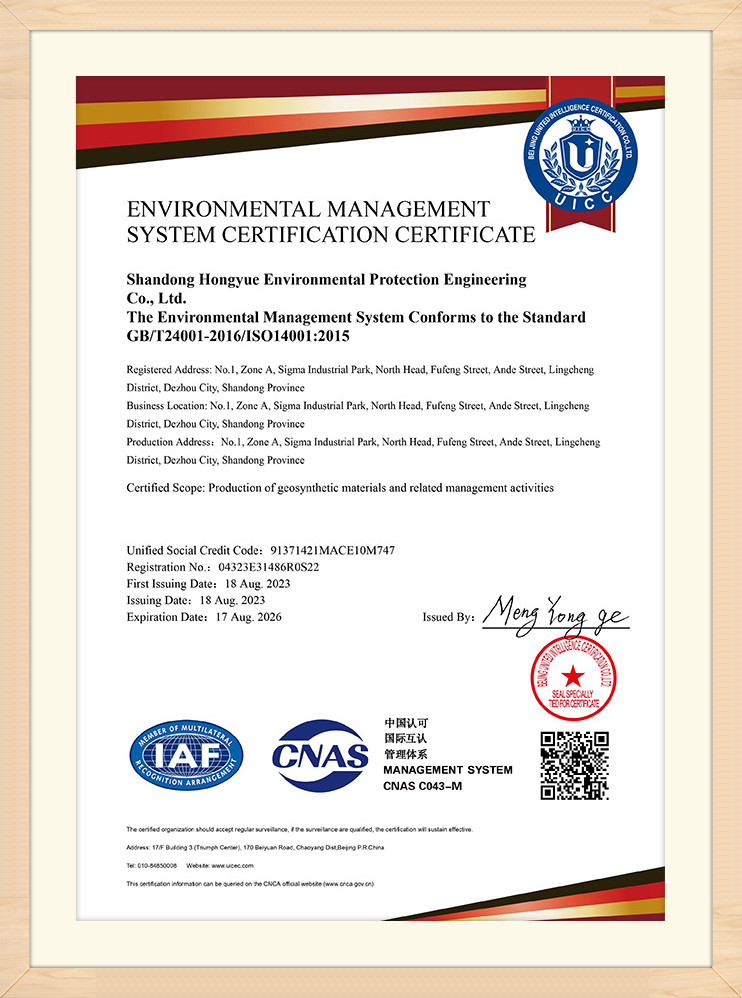
To verify our commitment to global engineering standards, our facilities have achieved ISO9001 International Quality System Certification, ISO14000 Environmental System Certification, and ISO45001 Occupational Health and Safety Management System Certification. Our brand has earned recognition as a "Famous Chinese Brand" and "High-Tech Industry," backed by continuous quality inspections overseen by the China National Testing Center.
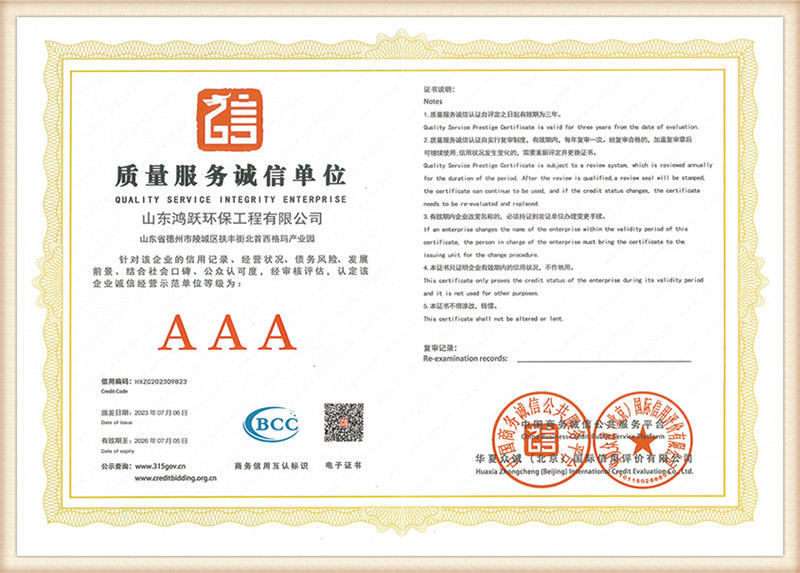
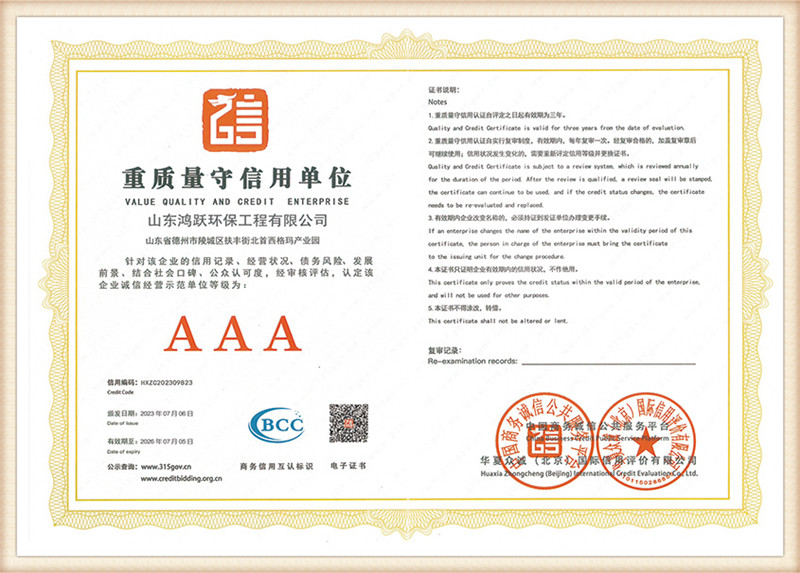
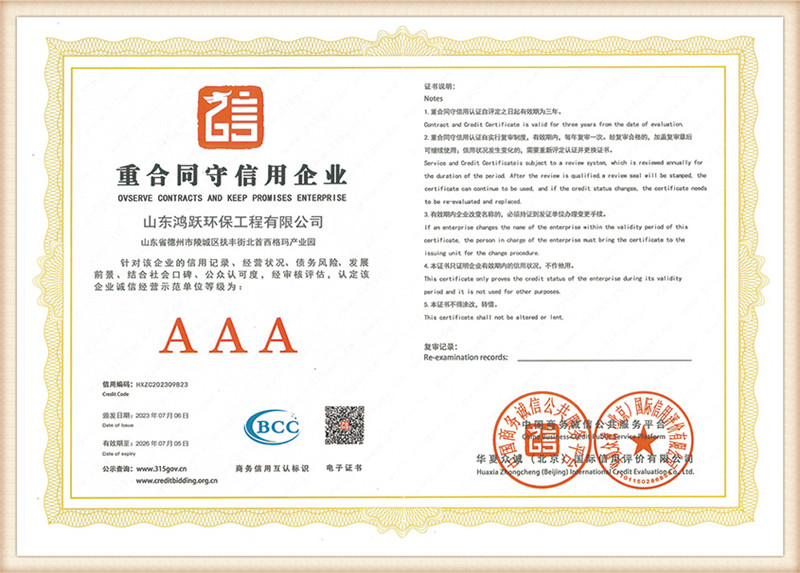
Inside the state-of-the-art production floors where polymer raw materials are extruded into high-tensile structural grid panels.
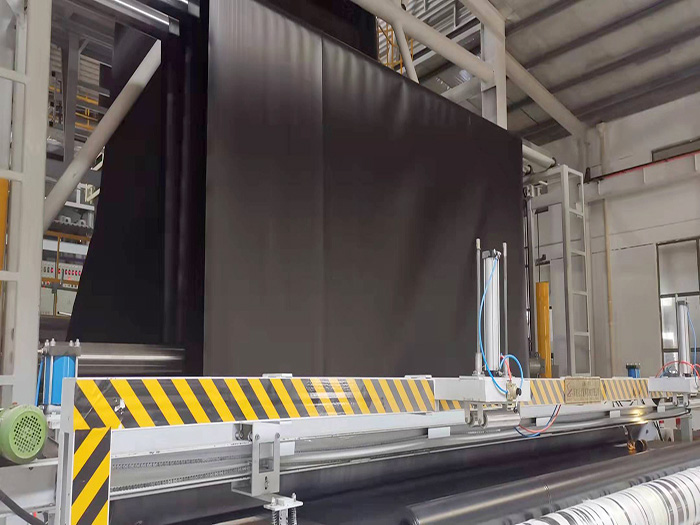
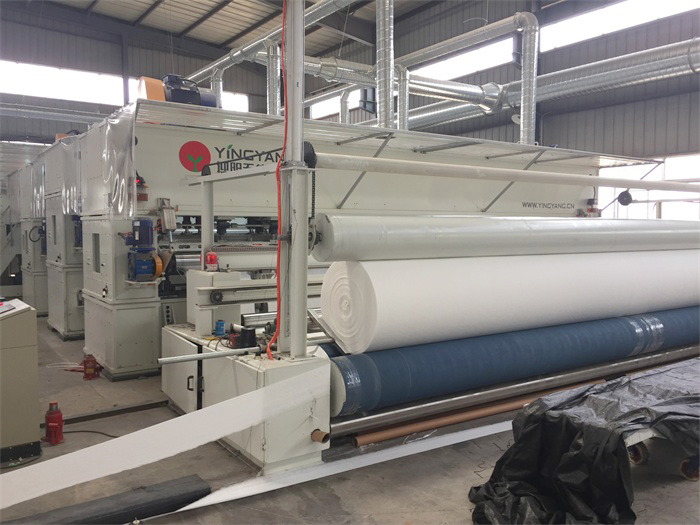
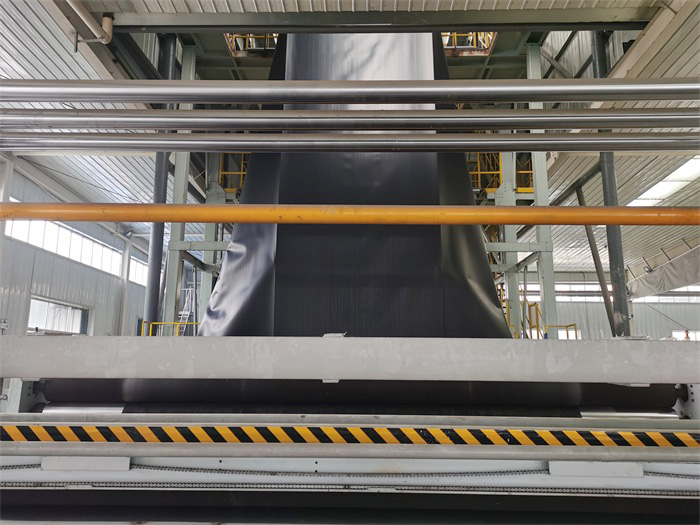
We source ultra-pure polyester chips, high-density polyethylene (HDPE) pellets, linear low-density polyethylene (LLDPE), and specialized carbon black additives. All incoming raw materials must pass rigorous density, melt flow index (MFI), and thermal stability tests before being introduced to the extrusion hopper.
Polyester chips and polypropylene filaments undergo controlled high-temperature melting inside our screw-drive extruders. The molten polymer is extruded through flat dies to form homogenous sheets of uniform thickness, laying the foundation for grid structures with isotropic mechanical properties.
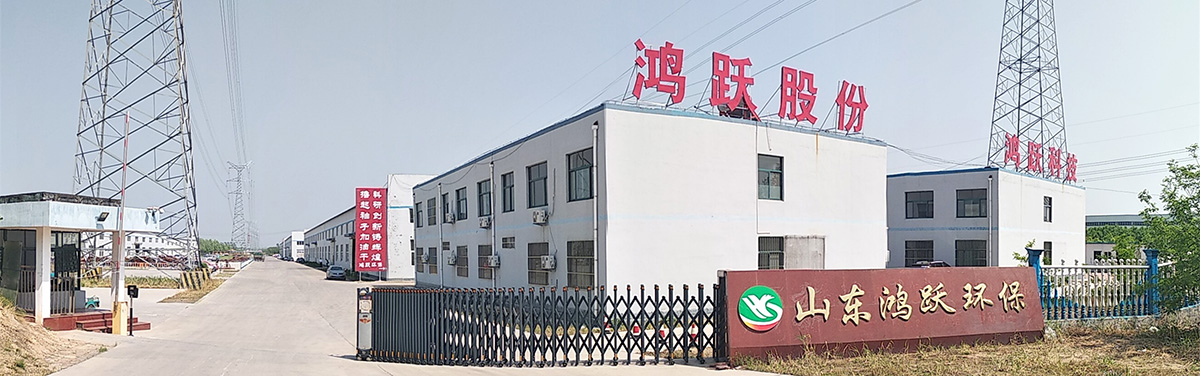
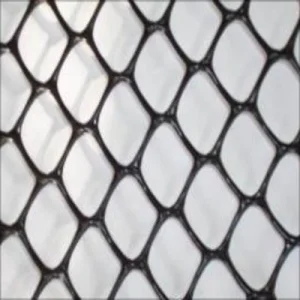
For uniaxial and biaxial geogrids, the extruded sheets pass through high-precision punching matrices to create custom aperture arrays. For drainage boards and geonets, specialized calendering rollers emboss complex dimple profiles or three-dimensional structural channels.
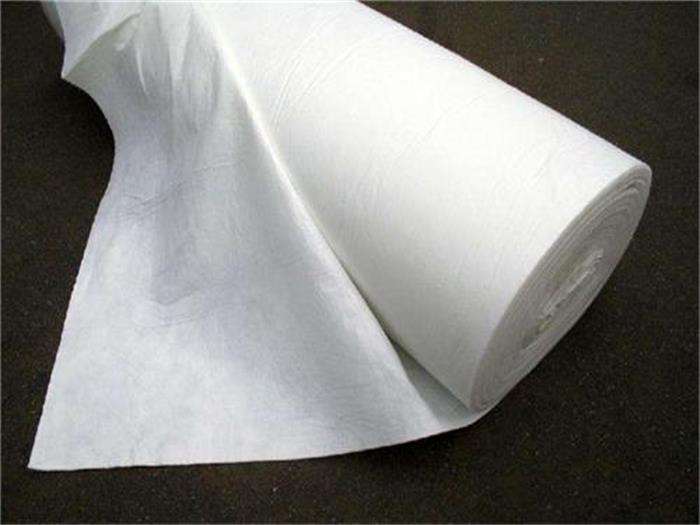
A crucial phase where punched polymer sheets are reheated and stretched in longitudinal (uniaxial) or longitudinal and transverse (biaxial) directions. This process aligns polymer chains along the axis of stretching, elevating tensile strength and minimizing long-term creep deformation under structural load.
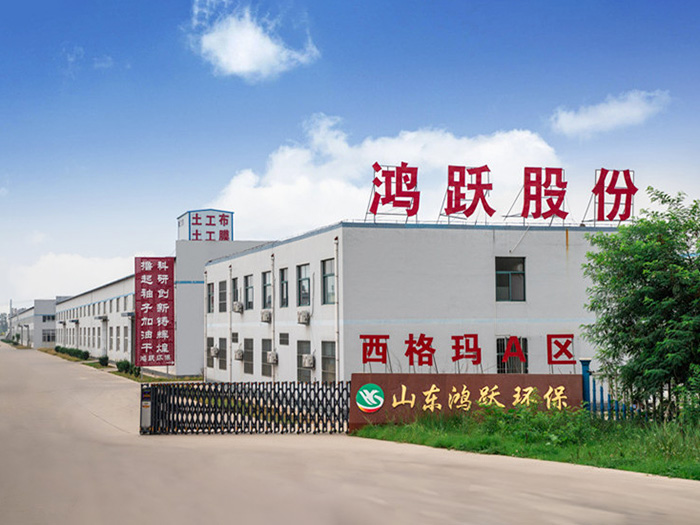
The finished geogrids, geocells, and geomembranes are wound onto heavy-duty cores. Every roll is automatically wrapped in UV-resistant protective sleeves and labeled with batch numbers, roll dimensions, and mechanical specs to ensure tracebility.
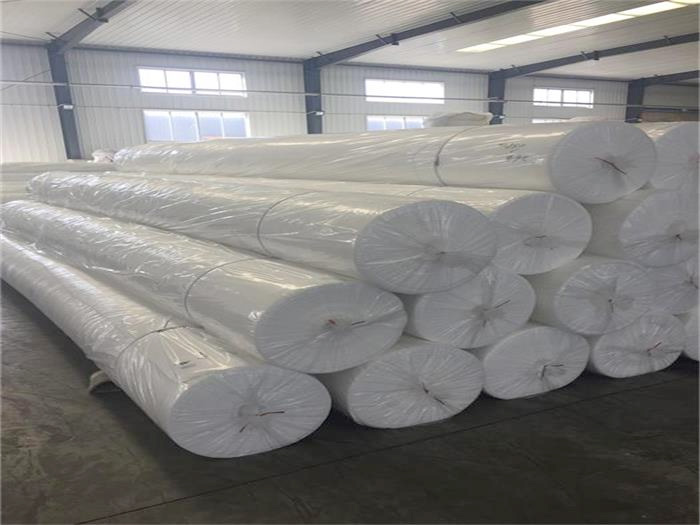
Samples from every batch undergo destructive wide-width tensile tests, junction strength evaluations, carbon black distribution analyses, and environmental stress cracking resistance (ESCR) tests in our QC testing center before shipping.
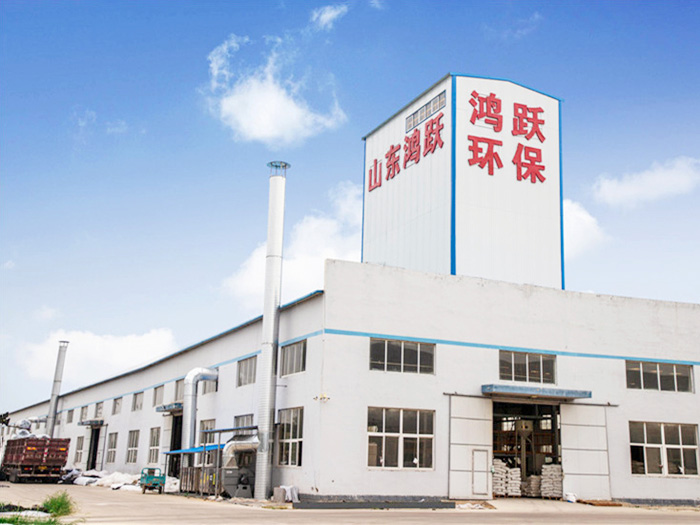
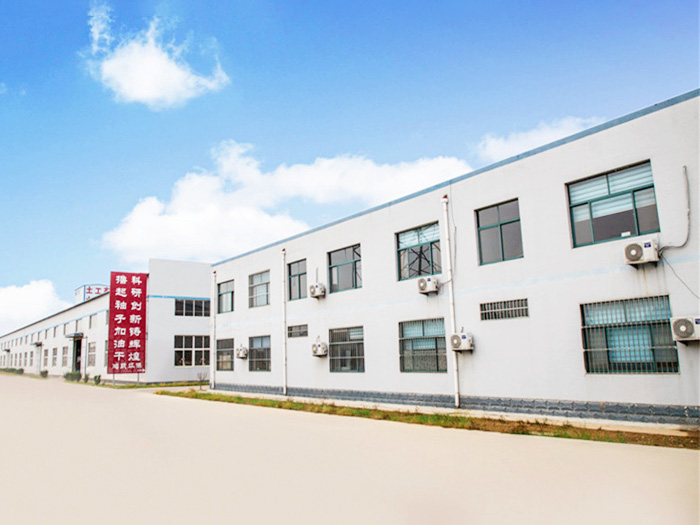
Interactive index of our main engineering products for structural reinforcement, erosion control, and containment barrier applications.
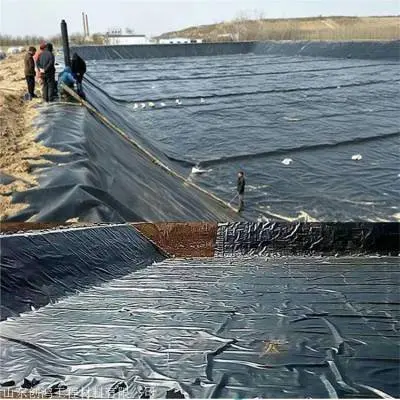
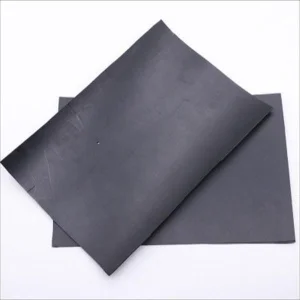
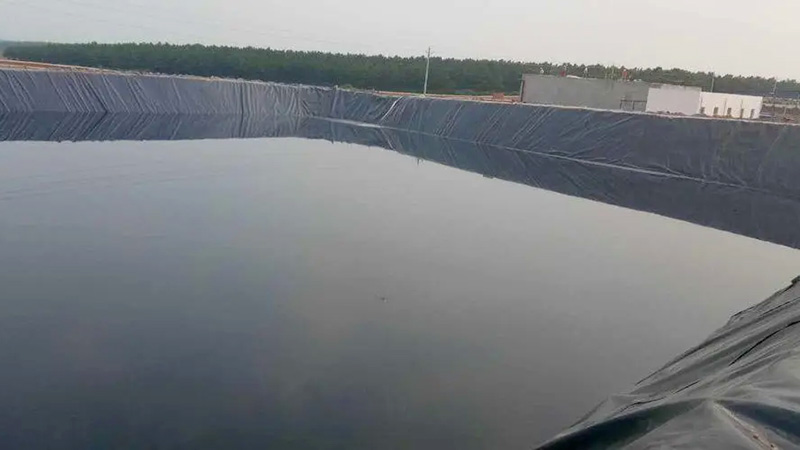
High-density polyethylene (HDPE) liner with superior puncture resistance for aquaculture ponds.
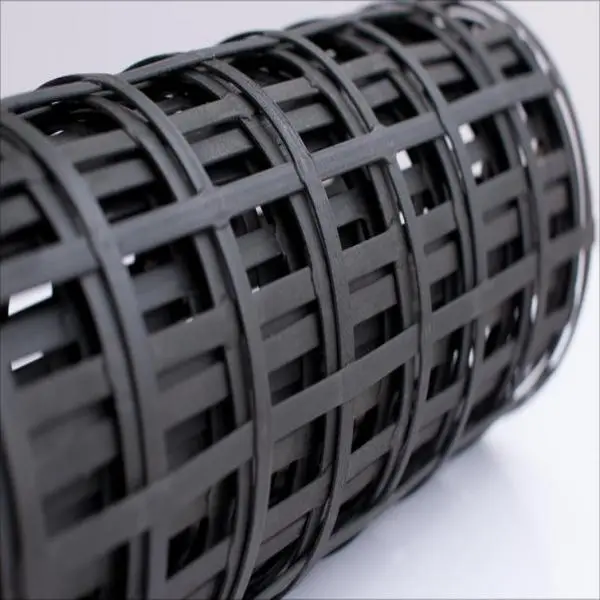
Steel wire encased in a protective polyethylene sheath, providing high tensile strength at low strain.
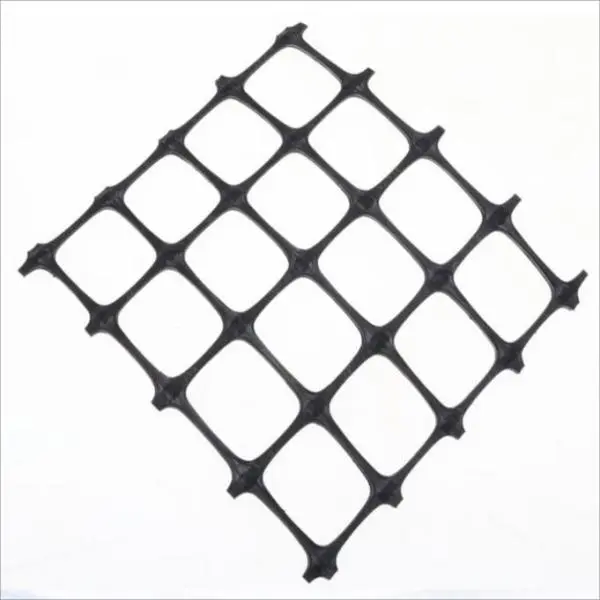
Biaxial polymer grids designed for subgrade stabilization and base reinforcement.
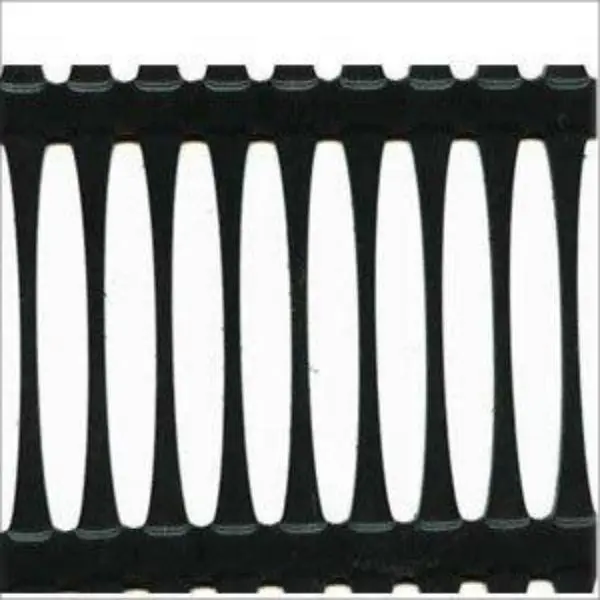
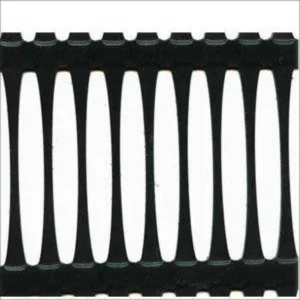
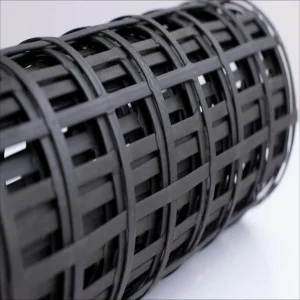
Optimized for one-directional load transfer in retaining walls and steep slope designs.
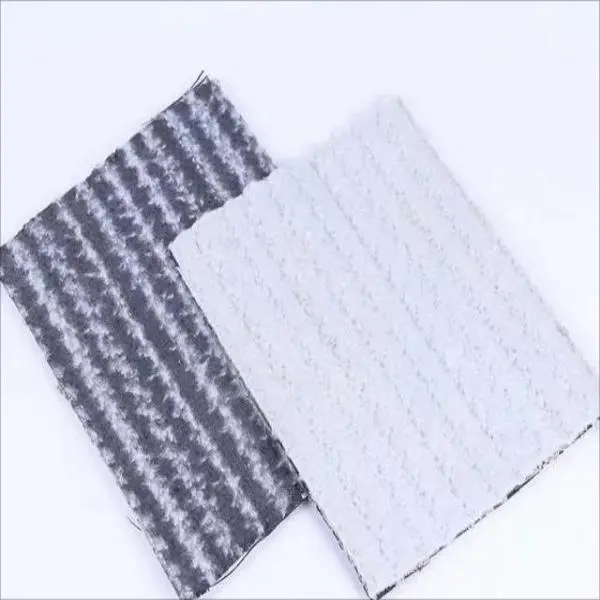
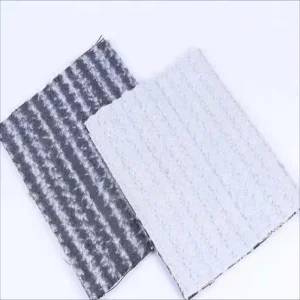
Revolutionary flexible cement-impregnated fabric that hardens upon hydration for channel erosion control.
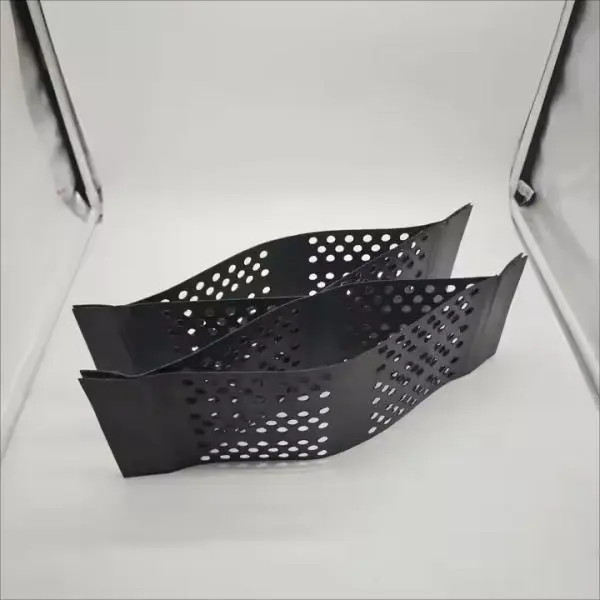
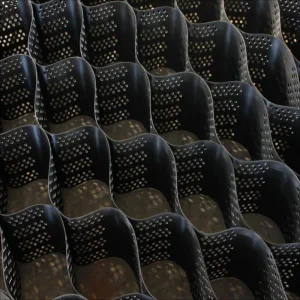
Confinement cells designed to lock in soil fill and eliminate erosion on steep slopes.
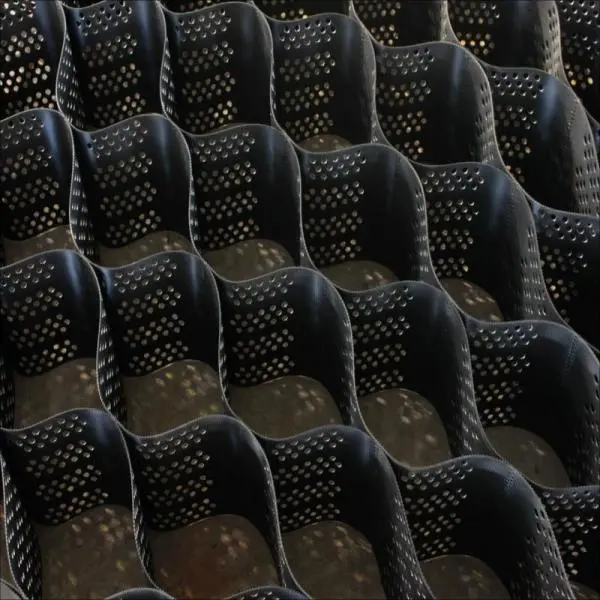
Engineered 3D cellular confinement systems made of high-quality HDPE ultrasonic welded strips.
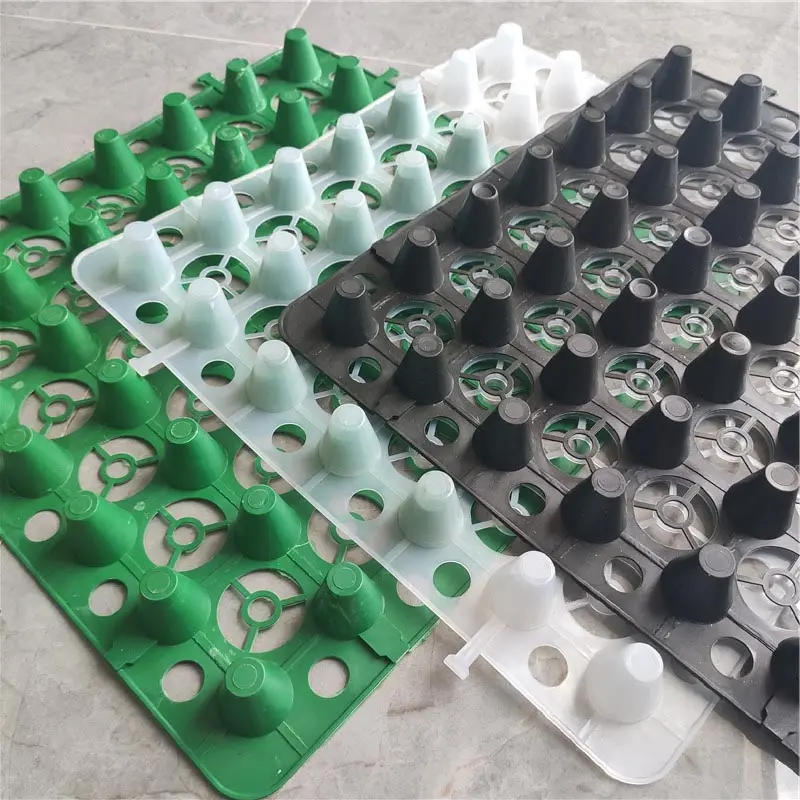
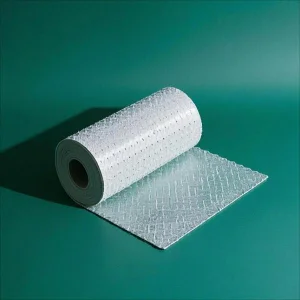
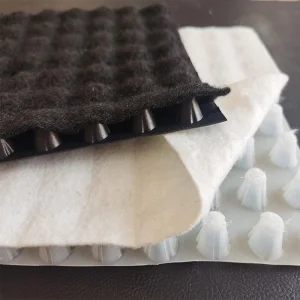
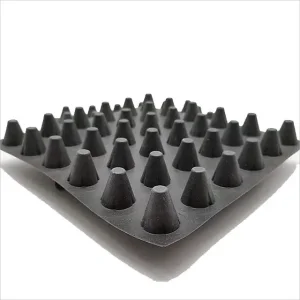
Dimpled plastic core that provides water retention and rapid lateral drainage under green roof plantings.
Step-by-step layout protocols and design selection guides for modern geotechnical engineering.
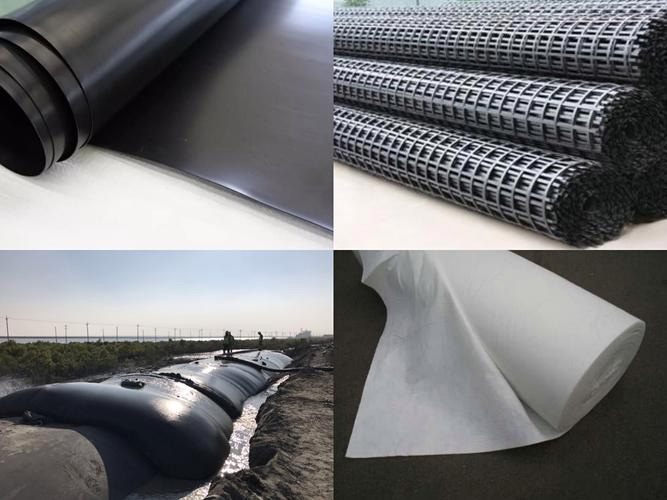
Selecting appropriate geosynthetics requires matching design constraints with material parameters. High Density Polyethylene (HDPE) geomembranes are ideal for hydraulic barrier structures due to their excellent chemical resistance and low permeability, while Linear Low Density Polyethylene (LLDPE) is specified where structural flexibility and multi-axial elongation are required.
Engineers must match the geogrid design strength (typically ranging from 50 kN/m to over 200 kN/m) with the height of the retaining structure and lateral earth pressure calculations. Higher walls or poorer structural backfill require geogrids with higher long-term design strength (LTDS).
Proper field execution is critical for structural performance. Site preparation requires clearing structural footprints of boulders, vegetation, and organic topsoil. The subgrade must be compacted to 95% Standard Proctor density before laying the geogrid panels.
The geogrid must be tensioned flat in the direction of the design load without wrinkles or slack. Adjacent panels are overlapped or mechanically connected using polymer pins. Heavy construction machinery is restricted from operating directly on un-backfilled geogrids to prevent mechanical damage.
Once backfilled and covered, geogrids are protected from mechanical damage and UV degradation. However, drainage outlets must be checked regularly for clogs, as hydrostatic pressure buildup is the leading cause of retaining wall failures globally. Regular remote sensors and inclinometers are installed on critical infrastructure projects to monitor lateral deformation.
Geomembrane liners require rigorous welded seam testing using air-pressure channels and vacuum boxes to ensure 100% leak-proof performance. Maintaining these components ensures structural performance exceeds the design life.
Real-world applications of geomembranes, geocells, and geogrids in hydraulic, structural, and environmental protection projects.
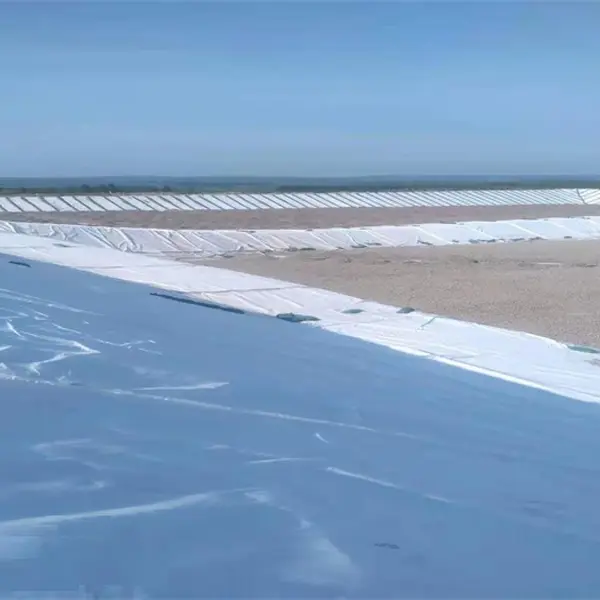
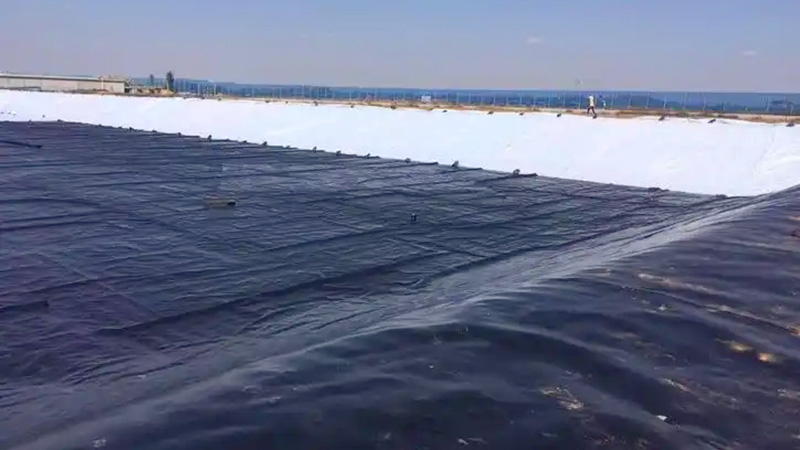
Seepage control systems for reservoirs, canals, and structural earthen embankments.
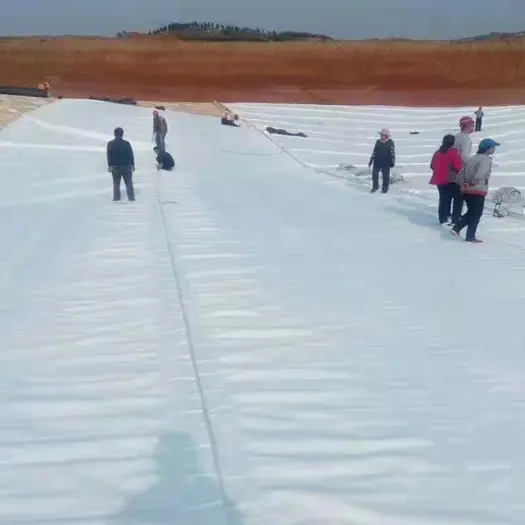
River channel alignment linings designed to control erosion and water loss.
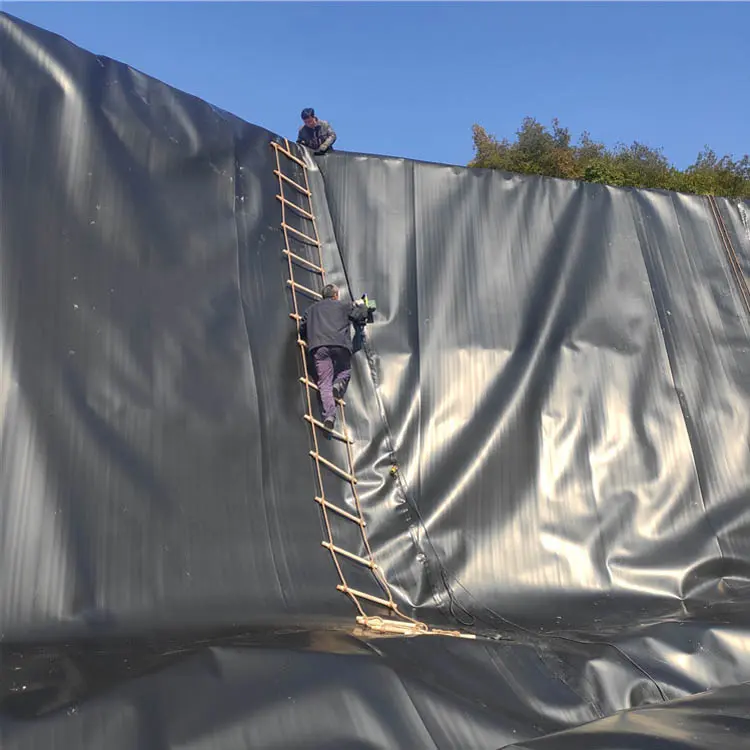
Multi-layer composite barriers containing toxic leachate and preventing groundwater pollution.
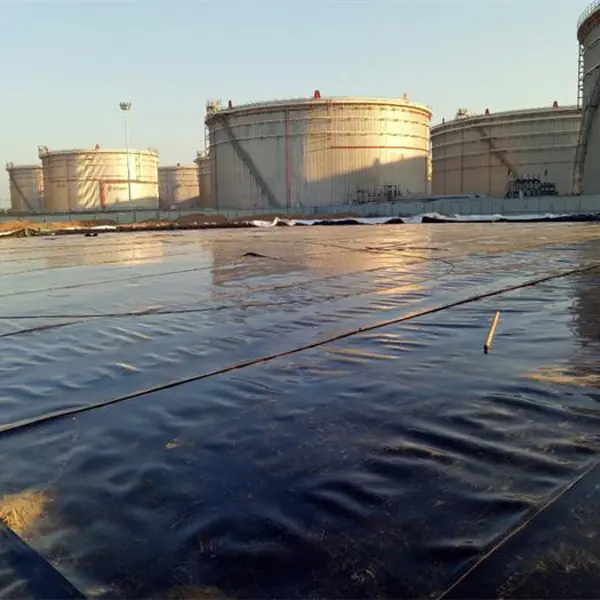
Secondary containment liners for petrochemical storage yards to prevent hazardous leaks.
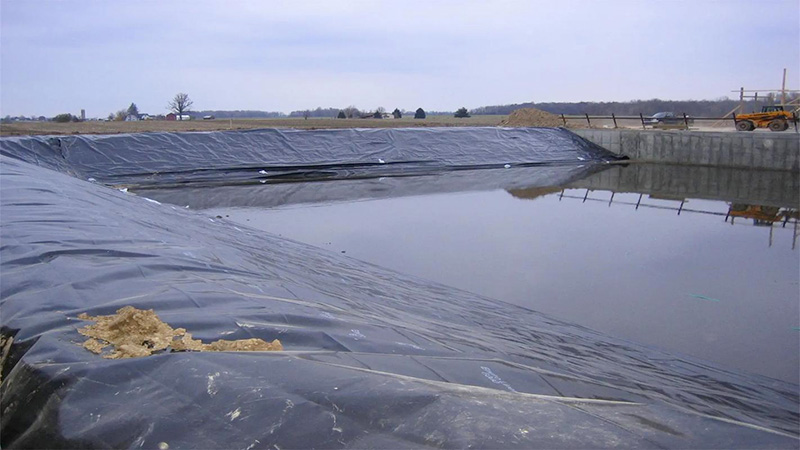
Expert technical answers to critical questions about geogrids, geocells, and design standards.
A: Uniaxial geogrids are designed to carry primary tensile loads along one axis (usually the machine direction), making them ideal for high retaining walls and steep slope reinforcements. Biaxial geogrids have equal tensile strength in both directions and are suited for base stabilization, subgrade improvement, and soft ground reinforcement where loads are multi-directional.
A: Geocells are three-dimensional cellular confinement systems. Once expanded and filled with granular material, soil, or concrete, they form a stiff structural slab. This system prevents lateral movement of fill particles, dampens hydrodynamic impact forces from rainfall, and retains vegetative topsoil on steep slopes.
A: The LTDS of a geogrid is derived by dividing its ultimate tensile strength (Tult) by reduction factors for creep deformation (RFCR), installation damage (RFID), and environmental/chemical degradation (RFCD). Our lab performs regular testing to ensure low reduction factors, resulting in high LTDS values for structural stability.
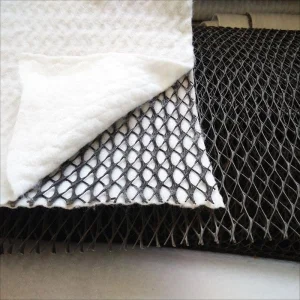
A: Traditional gravel drains require sourcing and transporting tons of graded aggregate. Composite drainage boards combine a dimpled plastic core with a non-woven geotextile filter. This setup prevents soil particles from clogging the drain while providing higher water flow capacity than gravel, reducing excavation volume and structural weight.
A: Yes. Cement blankets (or concrete canvases) are flexible, cement-impregnated fabrics that can be rolled out manually on slopes. Once positioned, they are anchored with pins and hydrated with water. The material sets within 24 hours, forming a durable, crack-resistant concrete armor layer that eliminates the need for shotcrete or concrete mixing trucks.
A: Raw HDPE is sensitive to ultraviolet (UV) radiation from sunlight, which can break down polymer chains over time. We mix 2% to 3% finely dispersed carbon black (conforming to GRI-GM13 requirements) to act as a UV absorber, extending the open outdoor service life of our containment systems to several decades.
Select the products below to download engineering manuals, design guides, and factory testing reports.
 Hongyue