Discover our wide-ranging solutions designed to optimize drainage, filtration, reinforcement, and stabilization. Explore premium global export products manufactured to exceed international benchmarks.
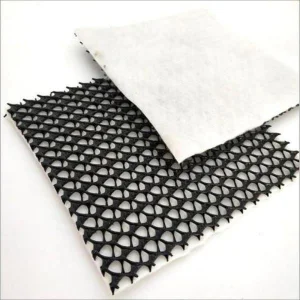
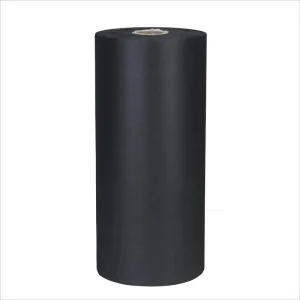
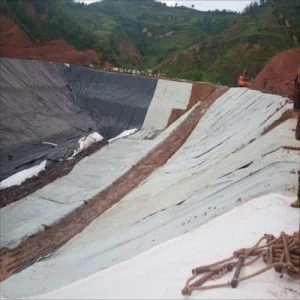
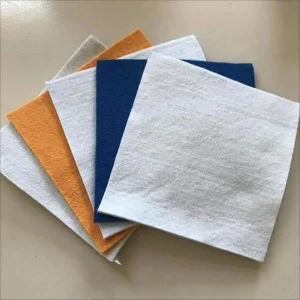
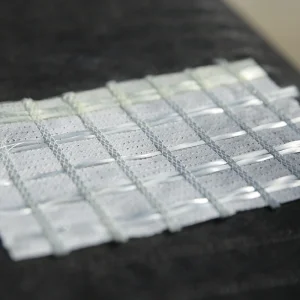
Within large-scale civil engineering, environmental containment, and infrastructural development projects, the 2-meter width geotextile has established itself as the global industry benchmark. Geotextiles that measure 2 meters in width provide the optimal dimensional balance between ease of site-handling, logistics cost-effectiveness, and minimized structural overlap waste. Standardizing on a 2m width enables engineers to calculate precise overlap ratios with high accuracy, eliminating redundant material volume while assuring continuous filtration, robust structural separation, and reliable puncture protection.
For international supply networks, the 2m width rolls align perfectly with standard sea shipping container dimensions, minimizing dead volume and reducing overall ocean freight costs. From stabilizing road subgrades in urban networks to lining extensive reservoir banks, the Geotextile 2m operates as a fundamental material specification for consulting civil designers globally.
Setting the standard in high-capacity geosynthetics manufacturing, serving infrastructure projects across Europe, the Americas, Australia, and Asia.
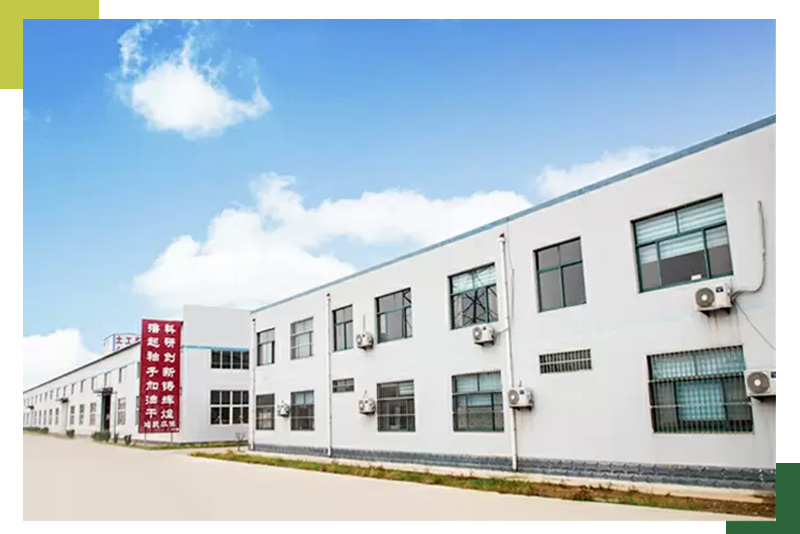
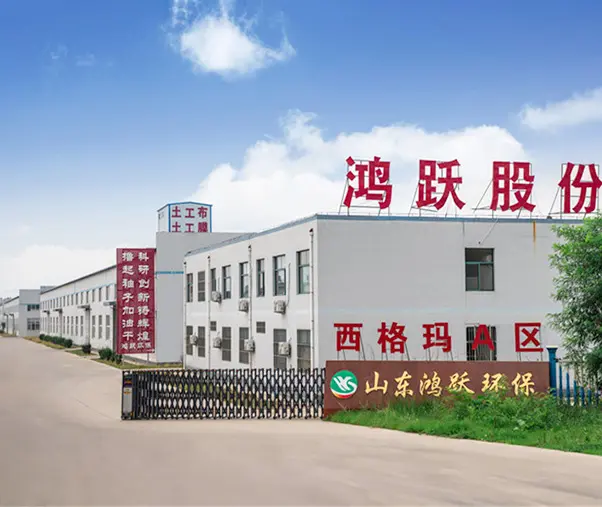
Located in the Lingcheng District of Dezhou, Shandong Province, our state-of-the-art facility stands as one of the largest production bases of geotechnical materials in China. Registered in 2023 with a capital of 105 million Yuan, we design, manufacture, and test comprehensive geosynthetic solutions under one roof.
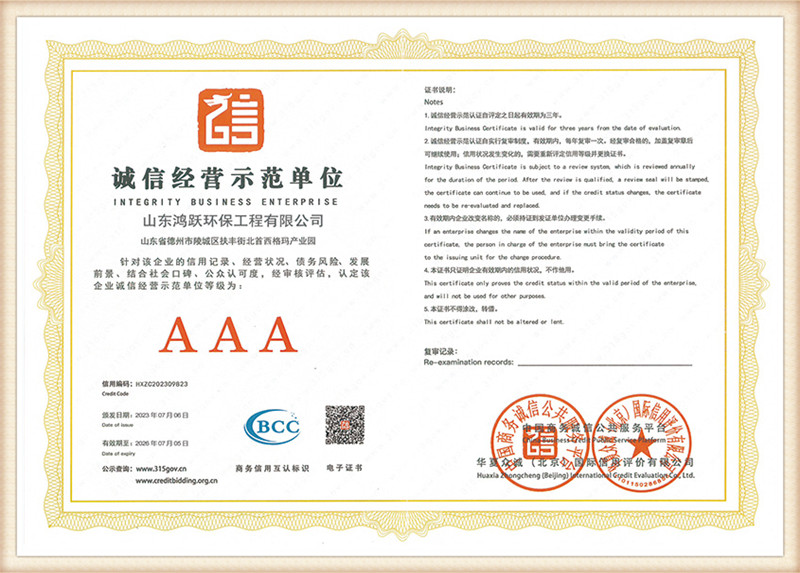
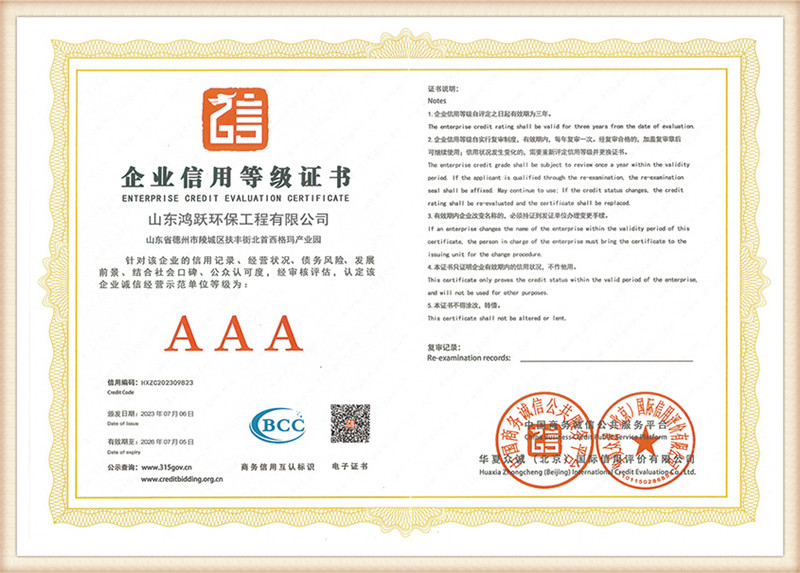
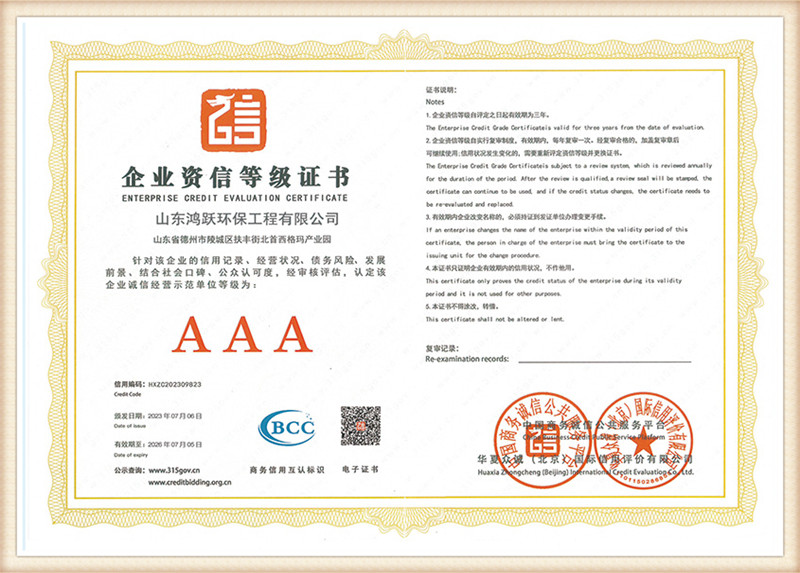
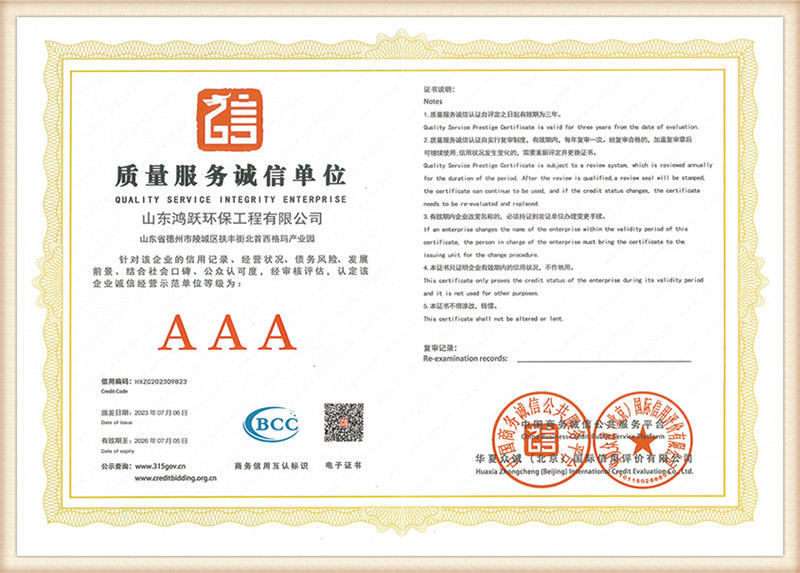
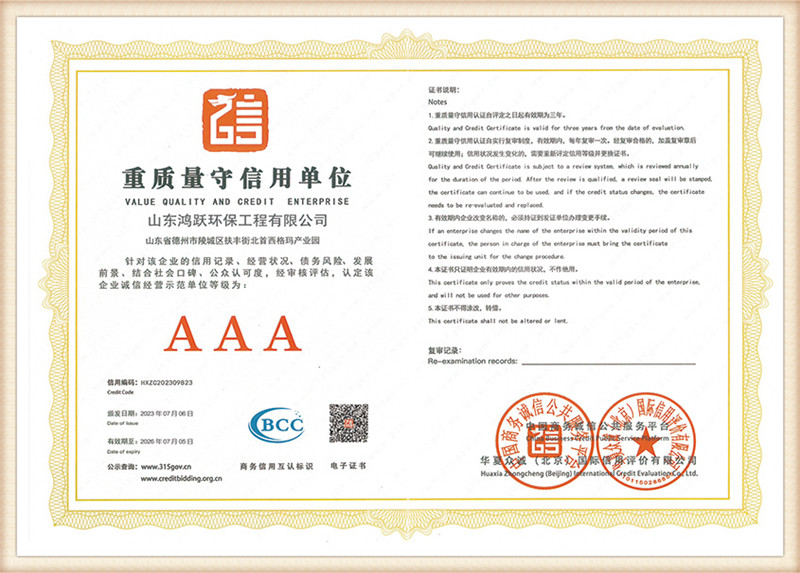
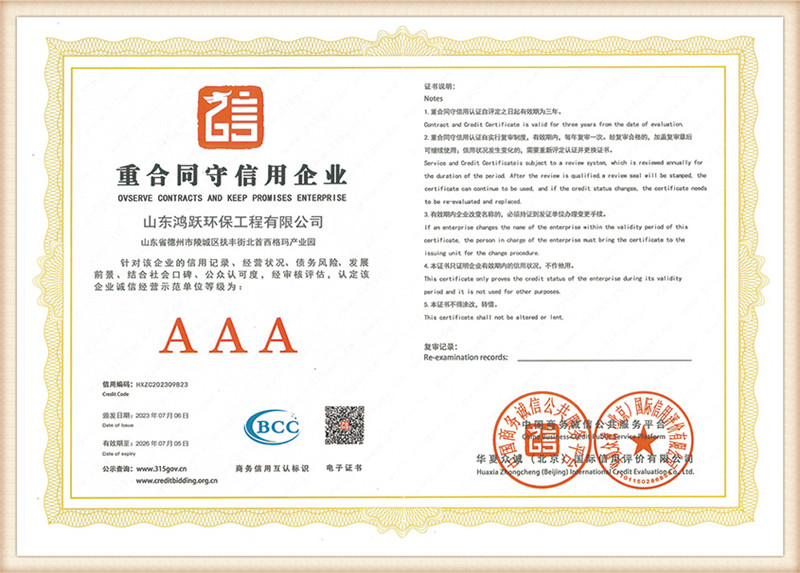
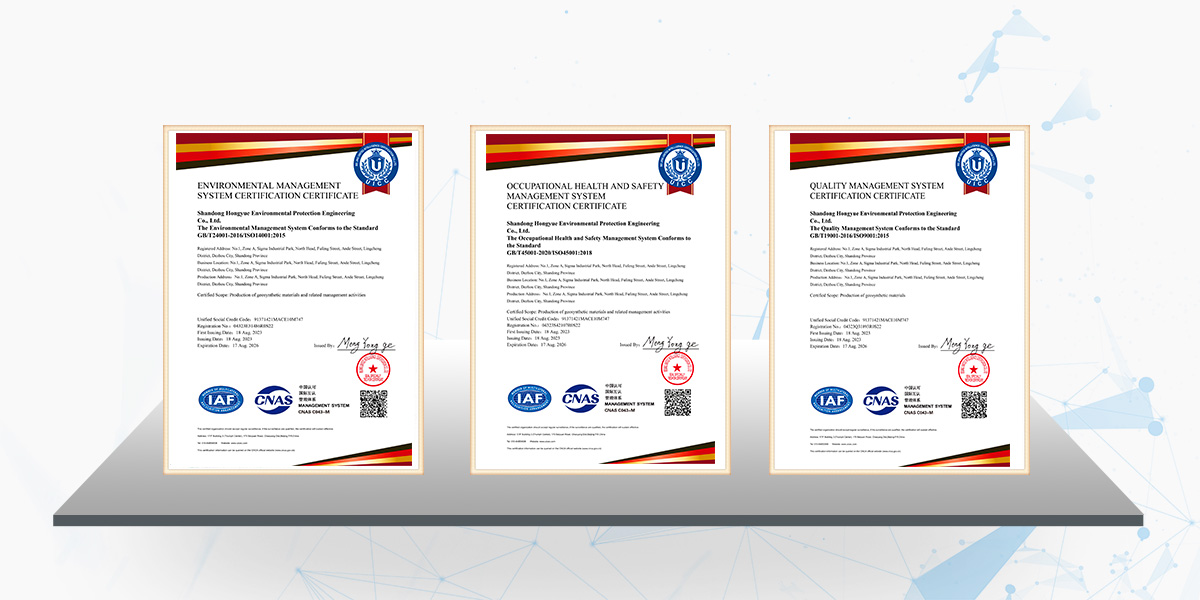
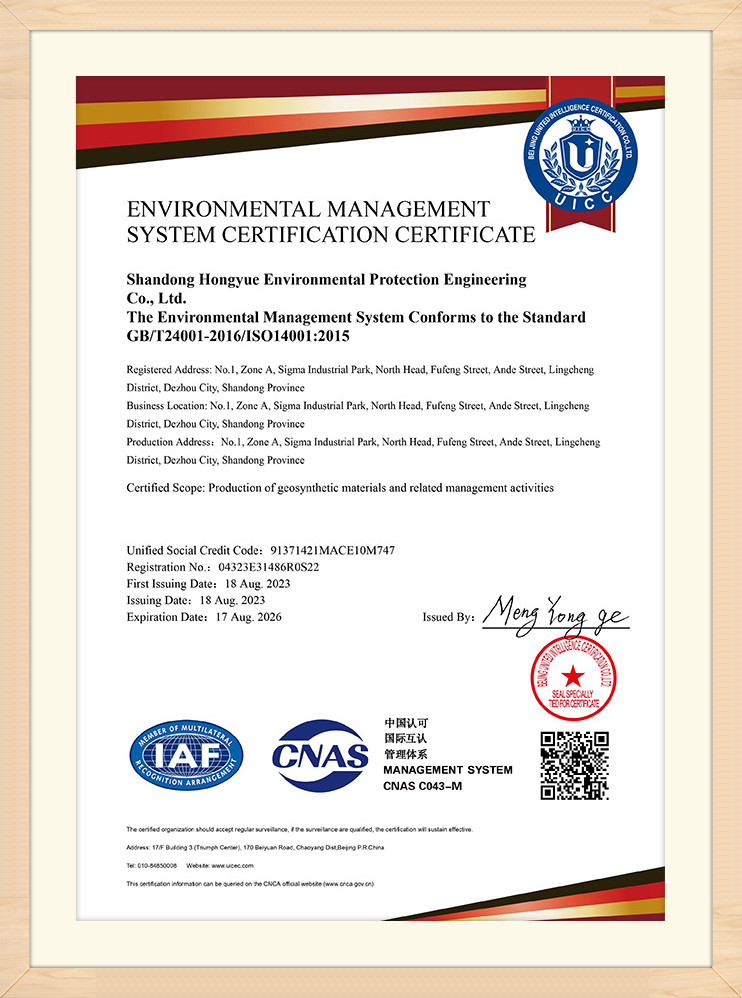
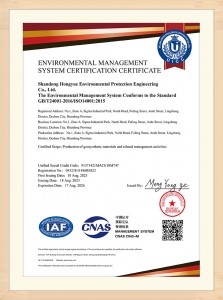
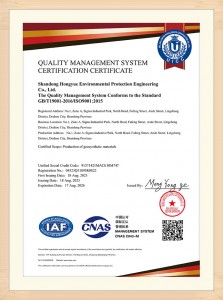
Our strict alignment with safety and quality systems is validated by our ISO9001 international quality certification, ISO14000 environmental management standard, and ISO45001 occupational health and safety system. The brand is recognized for its compliance, winning honors like "Green Building Materials" and "High-Tech Industry" designation.
We serve projects spanning railways, highways, deep tunnels, mining sites, agricultural facilities, and municipal landfills. With service networks covering main centers including Shanghai and Beijing, we provide technical advisory services, custom design integration, and export support worldwide.
Our fully automated manufacturing lines process raw materials under exact thermal, density, and physical monitoring settings to guarantee uniform structural performance.
The manufacturing process begins with strict quality verification of raw polymer ingredients, specifically high-purity polyester (PET) chips, polypropylene (PP) filament, and viscose fibers. These materials undergo mechanical testing for density, molecular weight distribution, and moisture level control before release to the extrusion hopper.
Polyester raw materials are processed via a high-temperature screw extruder at precisely managed melting temperatures. Polypropylene filament and target structural additives are blended. This thermal processing determines structural consistency and ensures the chemical resilience of the resulting geotextile fibers against harsh soil chemistries.
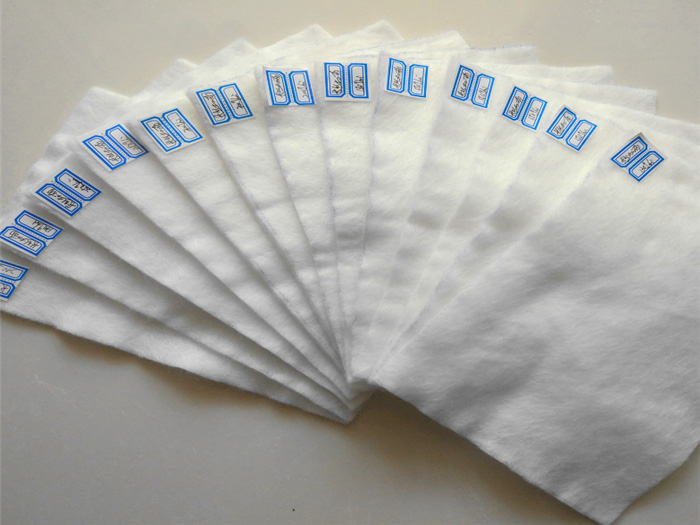
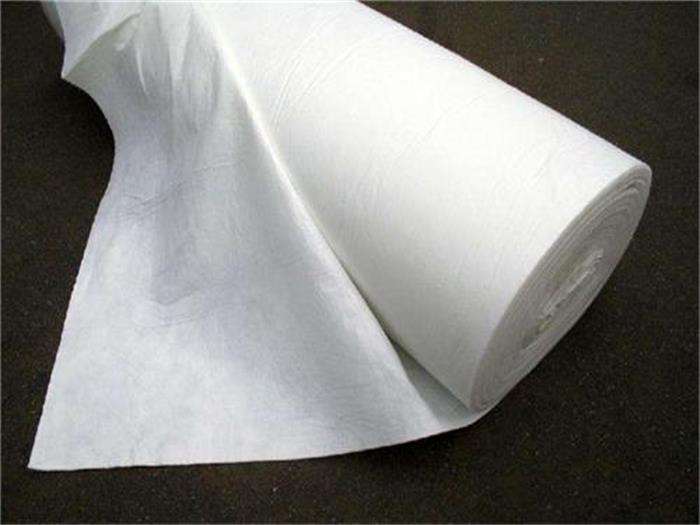
The molten polymer mix is forced through high-precision spinnerets, forming long, continuous filaments. These filaments are cooled via air-quench units and deposited onto a moving conveyor belt, forming a uniform, multidirectional web structure. Advanced control arrays adjust belt speed to define the nominal weight per square meter.
To lock the fibers into a robust, three-dimensional porous matrix, the loose web undergoes mechanical draft curing and high-density needle punching. Thousands of barbed needles pierce the web, interlocking the fibers. This process achieves the targeted high tensile strength, excellent water permeability, and robust CBR puncture resistance required by international civil specifications.
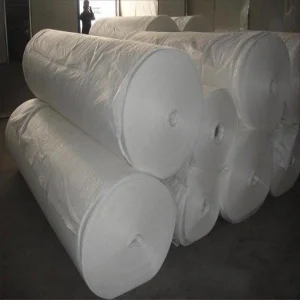
Once cured, the geotextile is slit to the standard 2m width and wound into large rolls. Rolling tension is monitored to prevent core crushing or material stretching. Each roll is measured for length, width consistency, and total weight, and wrapped in protective ultraviolet (UV) resistant polymeric film to safeguard the material during transit.
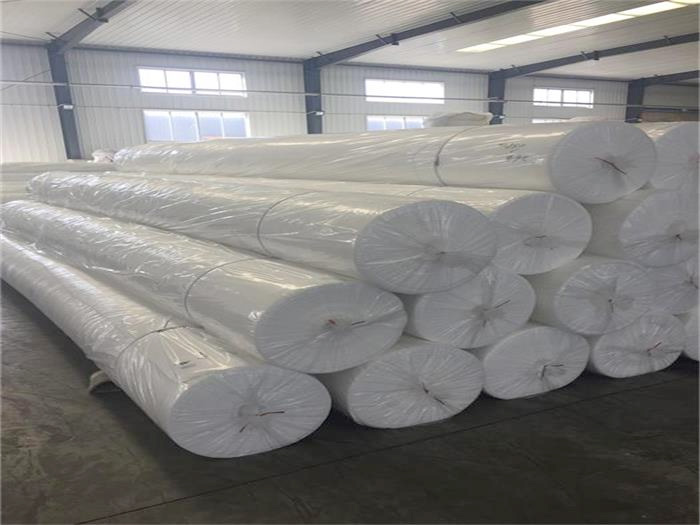
Every production batch is tested in our in-house QC laboratory. The tests include longitudinal/transverse tensile strength, elongation at break, dynamic puncture resistance, and water permeability. Only rolls that comply with or exceed ASTM, ISO, or GB/T standards receive our certified stamp of release for delivery.
Correct engineering selection, installation procedures, and site maintenance parameters are critical to ensuring the lifetime performance of hydraulic and civil barriers.
Selecting the appropriate geotextile requires matching site conditions to specific material physical properties:
Successful geotextile deployment requires systematic preparation and careful physical handling:
Proactive care prevents premature degradation and maintains functional performance:
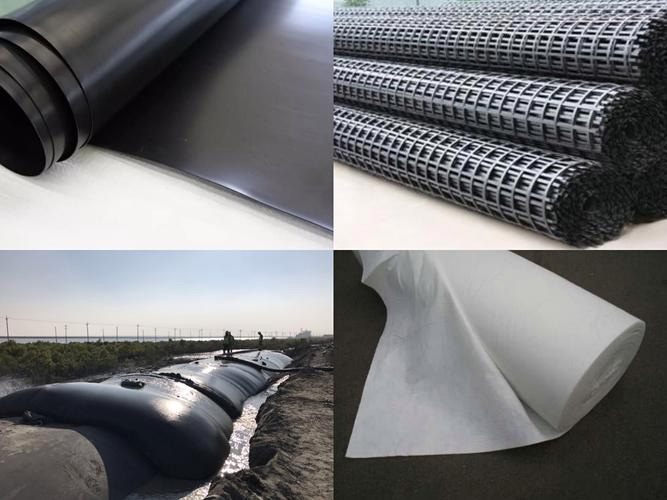
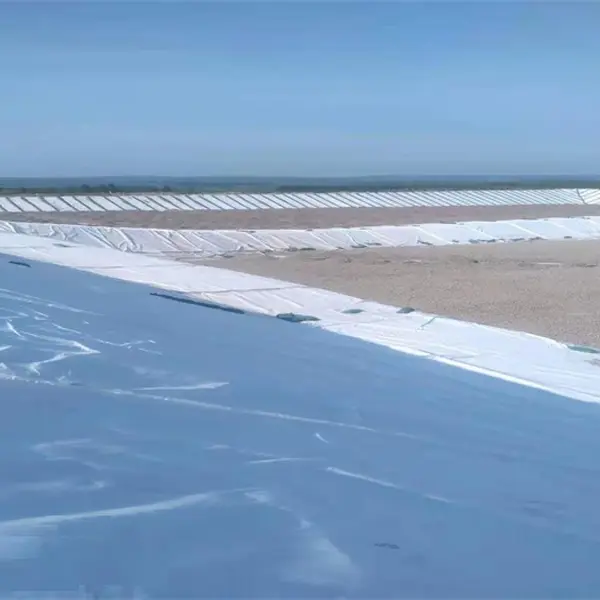
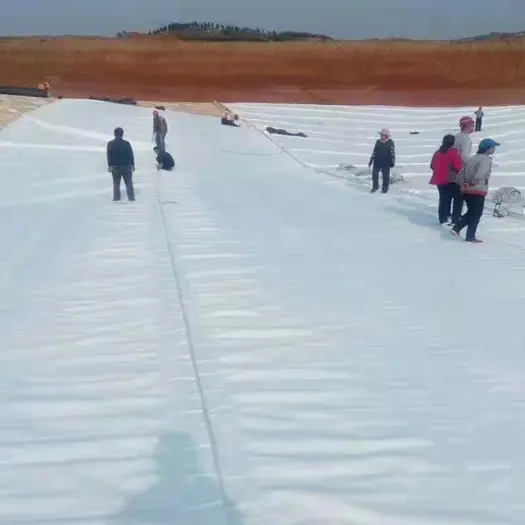
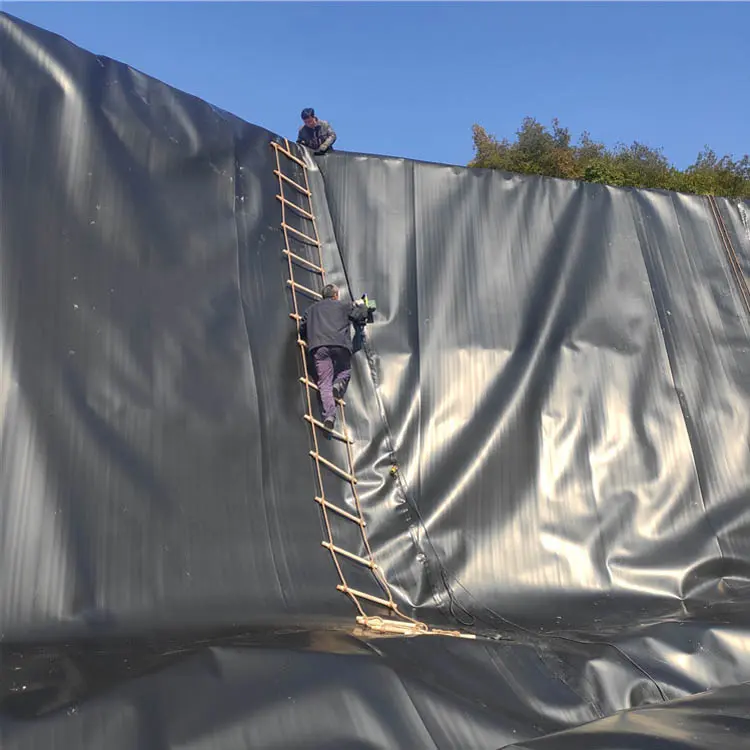
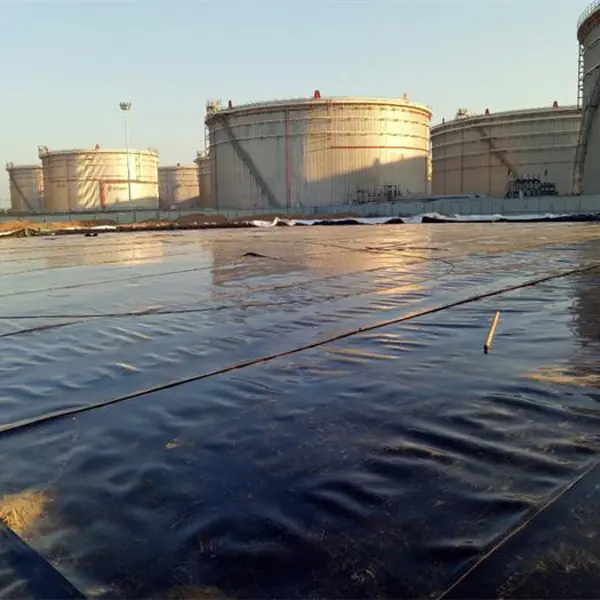
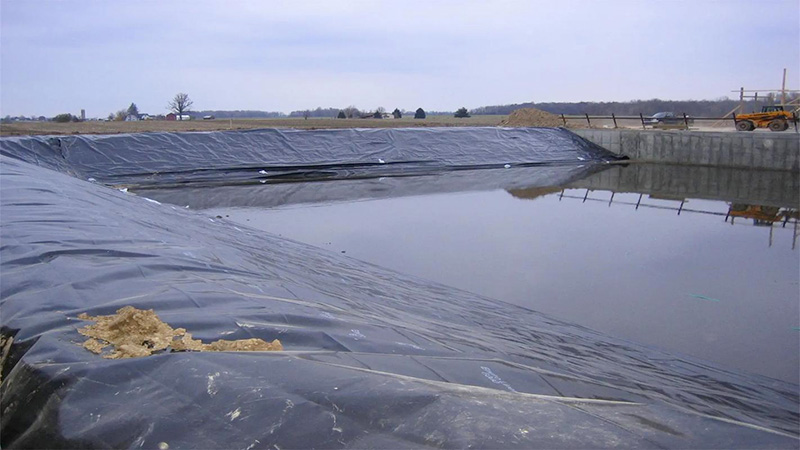
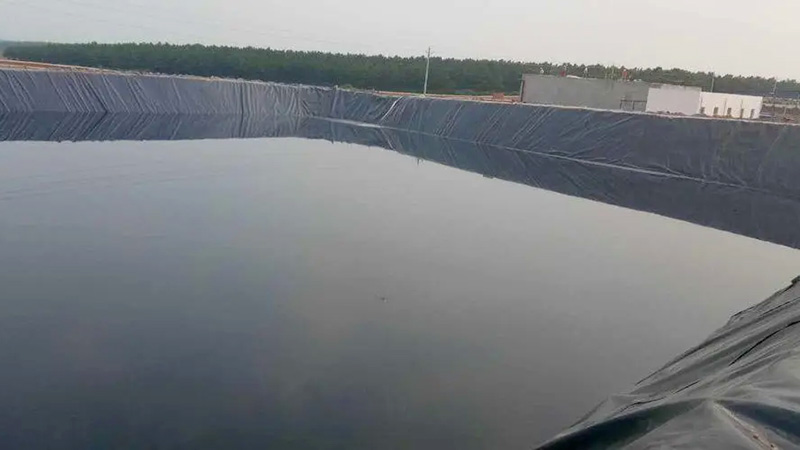
Discover how the 2m width specification functions as a critical system element in hydraulic barrier systems, transport networks, and municipal infrastructure projects.
Our state-of-the-art testing facility is equipped to perform chemical, physical, and durability evaluations to ensure every roll meets international standard certifications.
At Shandong Hongyue, quality is verified through structured laboratory testing, not just visual inspection. Our dedicated testing facility operates advanced testing equipment to evaluate material performance metrics. Every production run undergoes testing for tensile strength (longitudinal and transverse), CBR puncture resistance, dynamic drop cone impact, and cross-plane permeability.
All products comply with international standards including ISO, ASTM, and CE. We work with leading third-party testing organizations, including the China National Testing Center, to provide independent certification and verification for large-scale municipal projects.
Compare our standard geotextile configurations. Contact our technical team for custom weights, thicknesses, or volume-based pricing discounts.
| Material Structure Type | Weight (g/m²) | Thickness (mm) | Tensile Strength (kN/m) | Estimated Price Range (USD/m²) | Common Applications |
|---|---|---|---|---|---|
| PET Short-Fiber Non-woven | 100 - 150 | 0.8 - 1.2 | ≥ 4.5 | $0.18 - $0.28 | Weed control, garden drainage, agricultural filtration |
| PET Short-Fiber Non-woven | 200 - 300 | 1.5 - 2.2 | ≥ 9.5 | $0.32 - $0.48 | Subgrade separation, French drains, civil backfills |
| PET Filament Spunbond Non-woven | 300 - 400 | 2.2 - 2.8 | ≥ 15.0 | $0.52 - $0.72 | Roadway stabilization, railway foundations, retaining walls |
| PP Continuous Filament Non-woven | 400 - 600 | 3.0 - 4.2 | ≥ 25.0 | $0.85 - $1.25 | Landfill liner protection, dam filtration, tunnel linings |
| High-Strength Woven Polypropylene | 150 - 300 | 0.5 - 1.0 | ≥ 30.0 | $0.40 - $0.65 | Soft ground reinforcement, subgrade stabilization, load-bearing platforms |
*Note: The prices listed above serve as a reference range. Actual pricing depends on raw material indices, order volume, specific test requirements, and shipping destinations.
Get answers to technical questions about geotextile specification, installation, shipping, and quality assurance.
The 2m width provides a practical balance for on-site handling and transport. It can be unrolled by small crews without heavy lifting equipment. Additionally, the 2m width fits efficiently inside shipping containers, reducing transport costs compared to wider rolls.
PET geotextiles offer high tensile strength and creep resistance, making them suitable for long-term reinforcement. PP geotextiles are lighter and provide excellent chemical resistance in highly alkaline soils or chemical containment areas, though they have lower UV resistance if left exposed.
Overlap requirements depend on subgrade strength (CBR value). For stable subgrades (CBR > 3), a standard 300mm overlap is recommended. For soft or wet soils (CBR between 1 and 3), the overlap should be increased to 500mm-1000mm to prevent separation during backfilling.
Yes. All export-grade geotextiles and geomembranes from Shandong Hongyue are manufactured under ISO quality standards and carry CE certification, verifying compliance with European health, safety, and environmental standards.
We perform testing at every production stage, from raw materials to final packaging. Each shipment is accompanied by a Quality Certificate indicating the tensile strength, thickness, and permeability of that specific batch. We also support pre-shipment inspections by third-party agencies like SGS or Intertek.
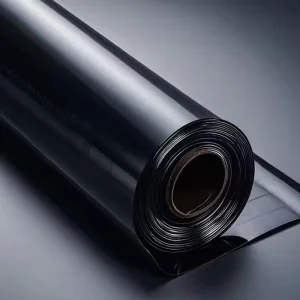
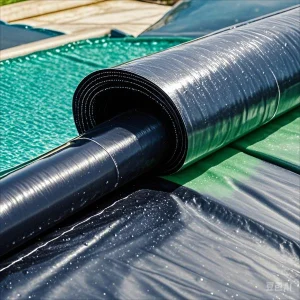
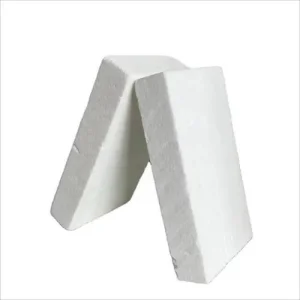
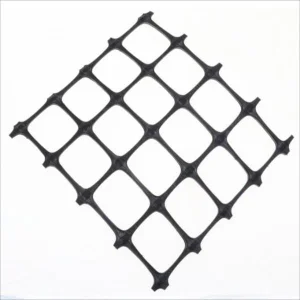
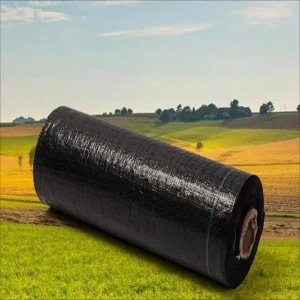
Explore our range of engineered products designed to integrate with our 2m geotextile systems for complex civil and environmental protection projects.
 Hongyue