An authoritative guide to understanding how modern geotech filter fabrics shape civil engineering infrastructure projects around the world.
In modern civil engineering, environmental containment, and infrastructural development, the integration of Geotech Filter Fabrics (geotextiles) is no longer a secondary consideration. These specialized materials perform critical functions of separation, filtration, drainage, reinforcement, and barrier protection. As engineering projects scale up to face the extreme conditions brought on by climate change, urbanization, and ecological protection mandates, selecting the correct geotech filter fabric is critical to ensuring structural integrity and extending project life.
This whitepaper, curated by industry specialists, delivers deep insights into geotech filter fabric manufacturing, procurement considerations, and pricing. Our analysis incorporates the production standards of leading manufacturers, focusing on the technological advancements represented by major industrial zones like Dezhou, Shandong Province. It provides structural engineers, procurement executives, and site contractors with the E-E-A-T (Experience, Expertise, Authoritativeness, and Trustworthiness) criteria needed to make informed material selections.
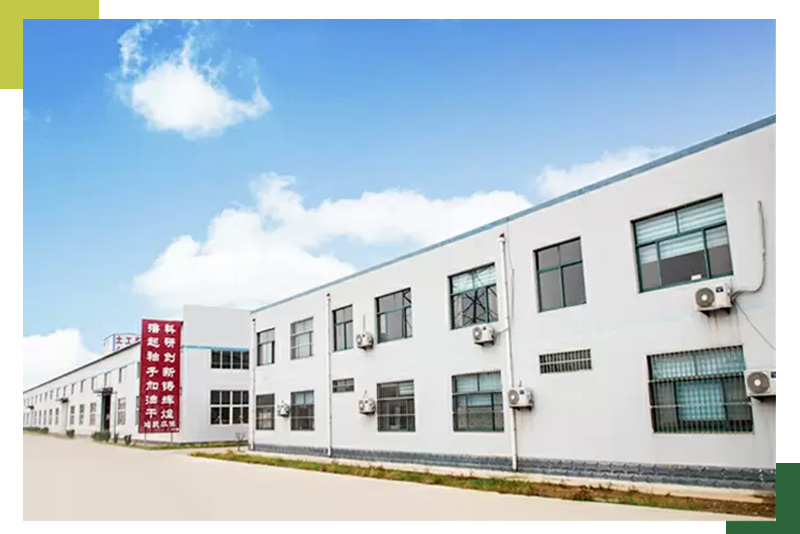
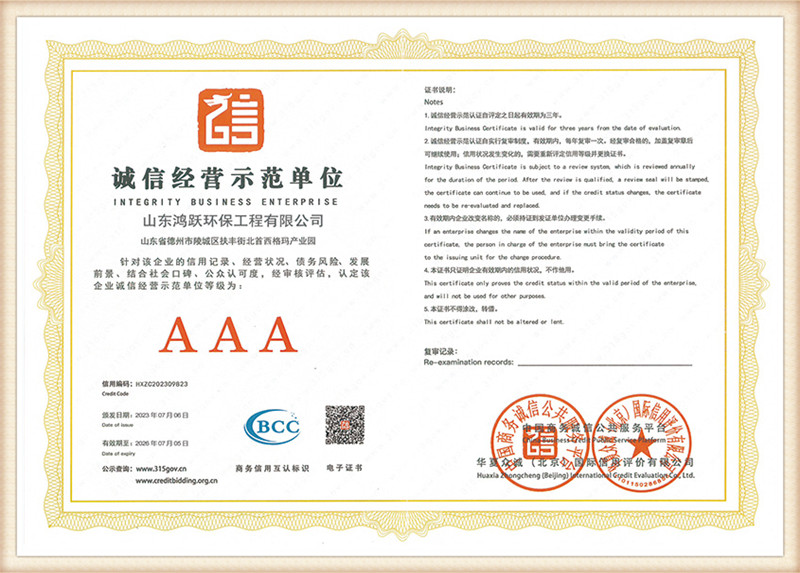
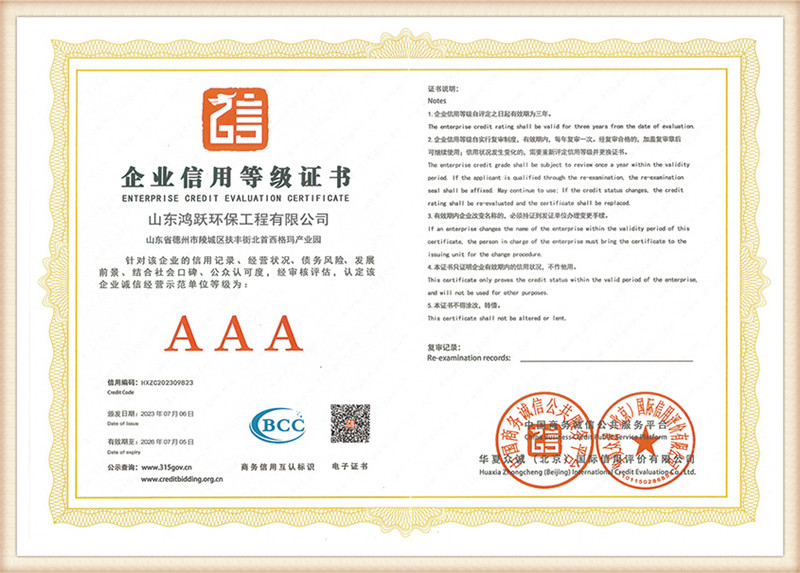
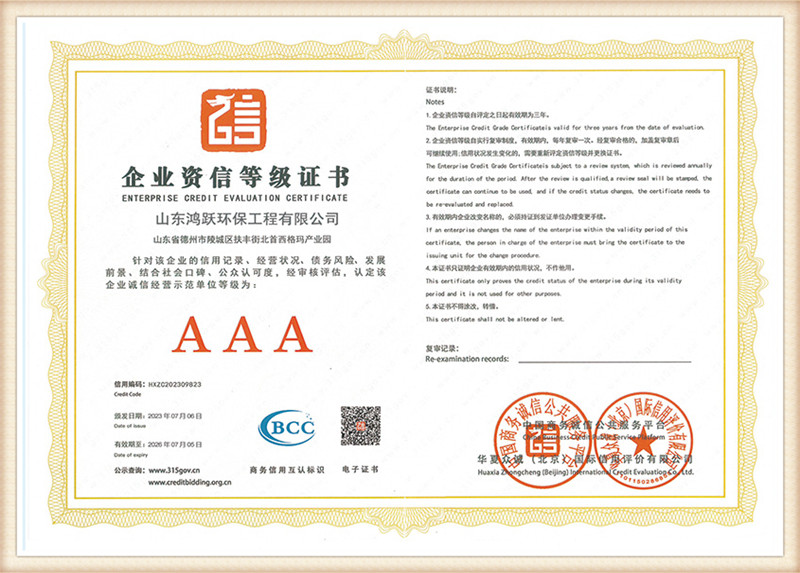
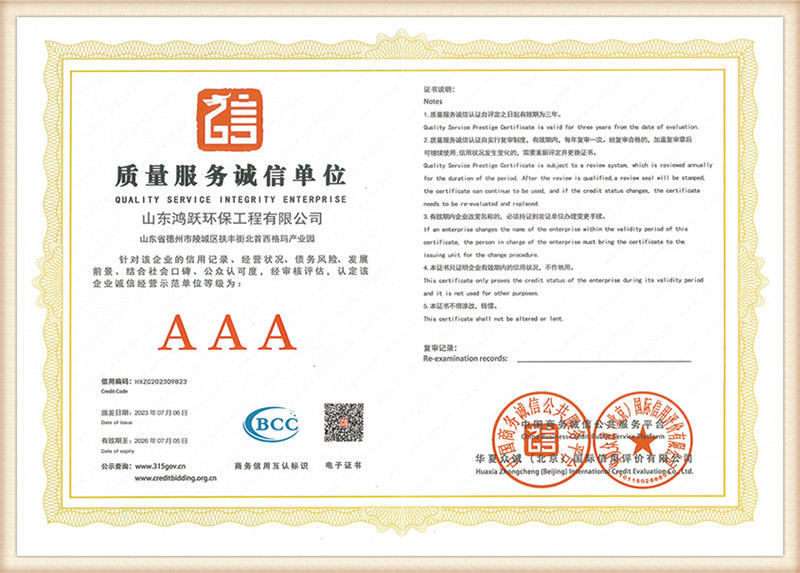
Located at the north end of Fufeng Street, Lingcheng District, Dezhou, Shandong Province, Shandong Hongyue Environmental Engineering Co., Ltd. is a scientific and technological geotechnical material manufacturer integrating engineering material production, sales, design, and construction services. The company was registered in Lingcheng District Market Supervision and Administration Bureau of Dezhou City on April 6, 2023, with a registered capital of 105 million yuan. It stands today as one of the largest production bases of geotechnical materials in China, benefiting from a superior geographical location and highly convenient logistics channels.
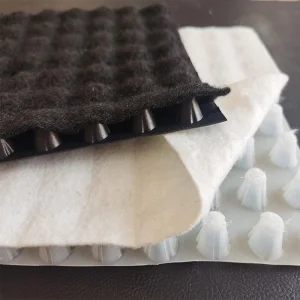
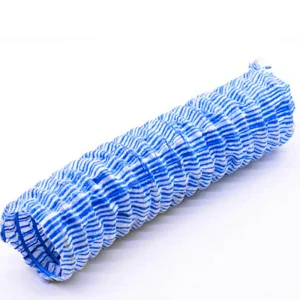
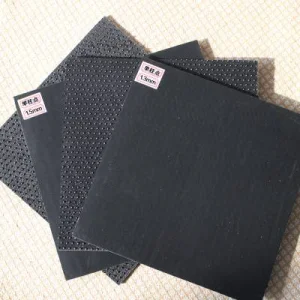
Since its inception, the company has grown rapidly to support international and domestic projects alike. Shandong Hongyue mainly deals in geotextiles, geomembranes, composite geomembranes, waterproof boards, bentonite waterproof blankets (GCL), 3D composite drainage nets, composite drainage boards, weaving cloths, woven cloths, membrane bags, blind ditches, waterproof and drainage combinations, woven bags, ecological bags, cement blankets, fiber plant blankets, and flexible pervious pipes. Their technical team belongs to the Dezhou Geotextile Association, providing high-quality engineering products that are widely applied in highways, railways, bridges, tunnels, water conservancy canals, artificial lakes, mining sites, landfill sites, and agricultural applications.
Understanding the international demand vectors driving specifications and quality parameters in geosynthetic filter fabrics.
Modern infrastructure requires strict compliance with international testing frameworks. Products must meet the standards of ASTM (American Society for Testing and Materials), ISO (International Organization for Standardization), and the CE mark for European markets. Key indicators such as CBR Puncture Strength (ASTM D6241) and Apparent Opening Size (AOS) (ASTM D4751) are crucial for project approval.
Government mandates are shifting towards materials with low carbon footprints. Recyclable polyester (PET) and high-density polypropylene (PP) geotextiles that offer extended lifecycles are favored. Companies like Shandong Hongyue design long-lasting materials that help optimize resource usage and support sustainable construction goals.
Procurement teams demand fabrics with excellent resistance to chemical degradation, UV exposure, and biological attacks. In sub-grades for heavy railways and coastal landfills, the material must withstand high shear stresses and acid/alkaline conditions without compromising permeability.
The global geosynthetic landscape has evolved from simple manual manufacturing to Factory 4.0 smart manufacturing. Shandong Hongyue integrates advanced production technologies to maintain high efficiency and product consistency. Equipped with advanced melt-extrusion, continuous thermal-bonding, and automated needle-punching machinery, the plant delivers high production speed while keeping material properties consistent.
Why Shandong Hongyue's factory provides a competitive edge:
A detailed look at the manufacturing steps required to produce high-performance geotextile materials.
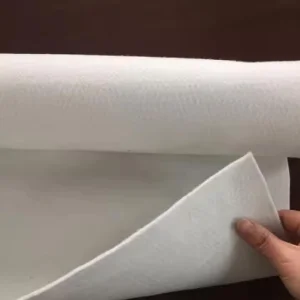
The main raw materials are polyester chips, polypropylene filament, and viscose fibers. These undergo rigorous inspection for purity. The materials are then melted at high temperatures and extruded through a screw extruder. Polymer formulations are mixed under precise temperature and pressure controls to ensure uniform melt flow.
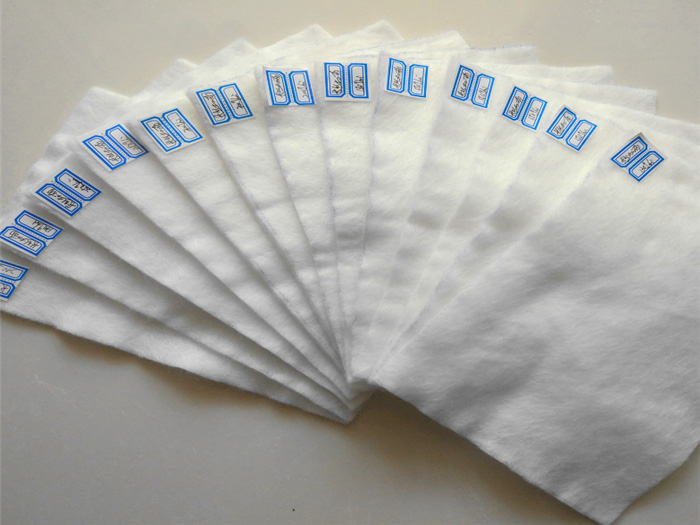
The polymer melt is extruded through spinnerets to form fine fibers. These are distributed onto a moving conveyor belt to form a uniform web structure. Controlling web thickness and fiber orientation is essential to achieving consistent physical properties. The web then undergoes draft curing, using needle-punching or thermal bonding to lock in its structural strength.
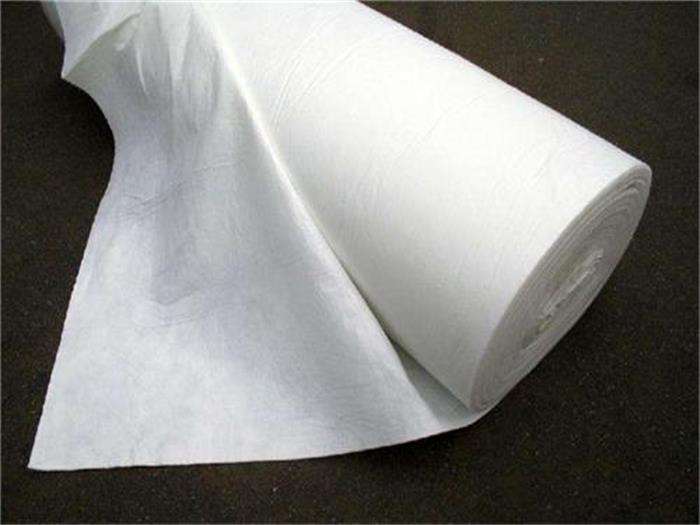
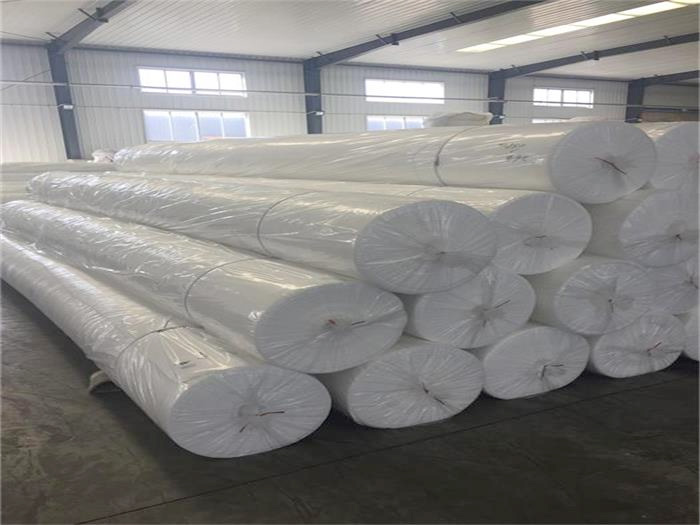
After curing, the geotextile is rolled, measured for length, width, and thickness, and prepared for shipping. Samples are sent to the laboratory to test tensile strength, tear resistance, permeability, and puncture resistance. These checks help ensure that only compliant products are dispatched to the project site.
Analyzing target deployment zones and installation technologies critical for engineering success.
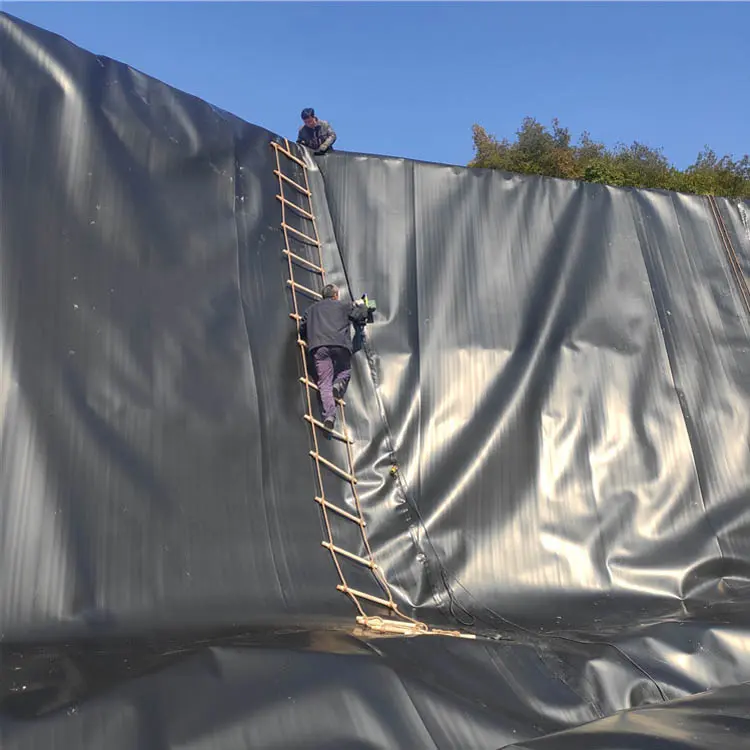
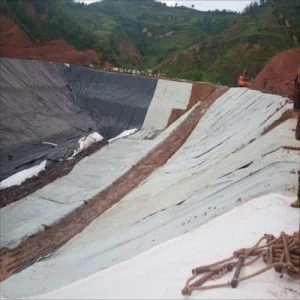
Geomembranes and geotextiles are critical components in hydraulic engineering. In reservoir and canal construction, geological conditions vary, making seepage control vital. Incorporating geotech filter fabrics protects geomembranes from damage by sharp rocks and soil movements. This composite solution helps prevent water loss and improves the safety and stability of the entire structure.
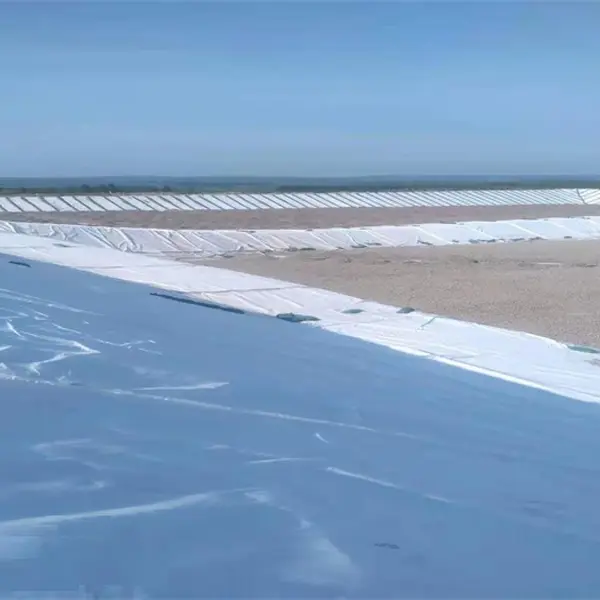
Rivers, canals, and channels are key components of urban water management and flood control. Installing a layer of geotech filter fabric along riverbeds and embankments helps prevent soil erosion while allowing water to pass through. This setup stabilizes embankments and protects adjacent agricultural land and municipal infrastructure from erosion.
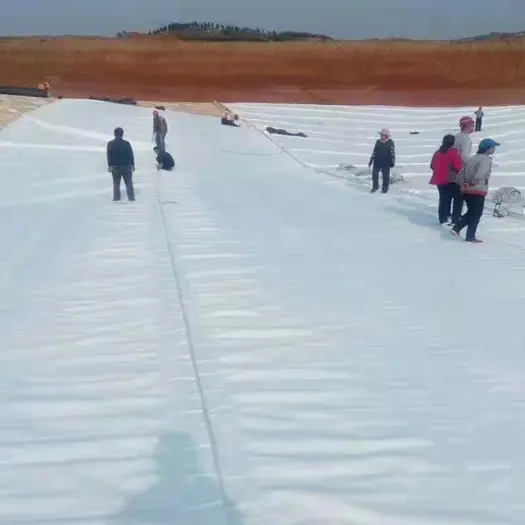
In environmental applications, preventing leachate from contaminating local water tables is crucial. Modern landfills use composite systems featuring bentonite waterproof blankets (GCL), thick HDPE geomembranes, and heavy-duty non-woven geotech filter fabrics. These systems protect the synthetic liner from punctures, ensuring long-term environmental protection.
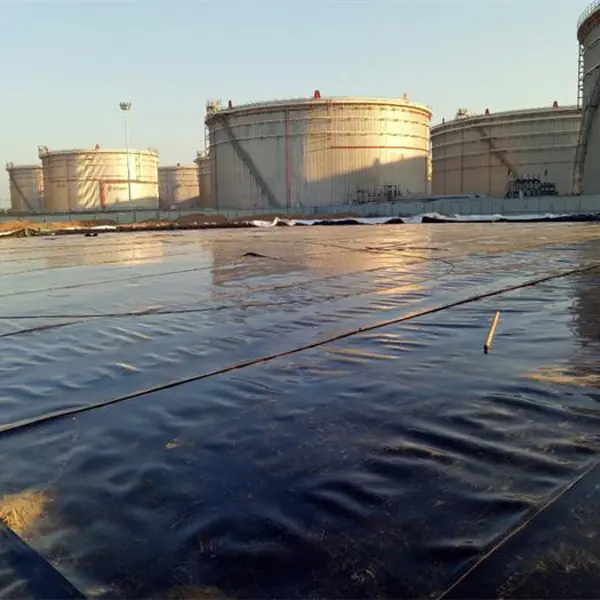
Industrial storage facilities and petrochemical plants require secondary containment systems to prevent soil contamination from potential spills. Laying geomembranes around the foundations of industrial tanks provides an impermeable barrier, helping to contain hazardous liquids and protect the local environment.
Details on the technical applications and materials available for specialized engineering needs.
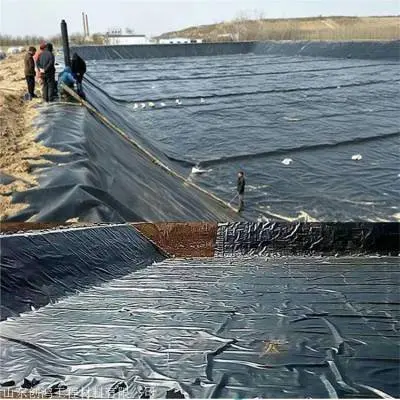
Specially formulated using high-grade polymers, these membranes prevent seepage in aquaculture ponds. They are non-toxic, highly puncture-resistant, and easy to clean, helping to maintain stable water levels and support aquaculture environments.
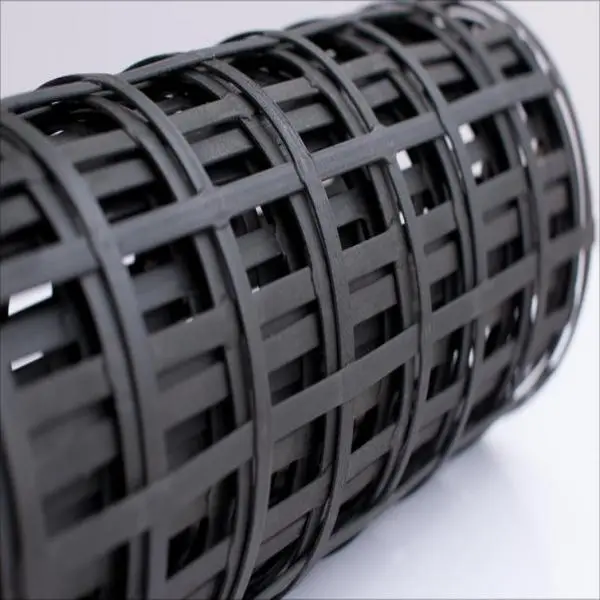
Combining steel wires with high-molecular polymer coatings, these geogrids offer high tensile strength and low creep. They are widely used for reinforcing retaining walls, steep slopes, and soft highway sub-grades.
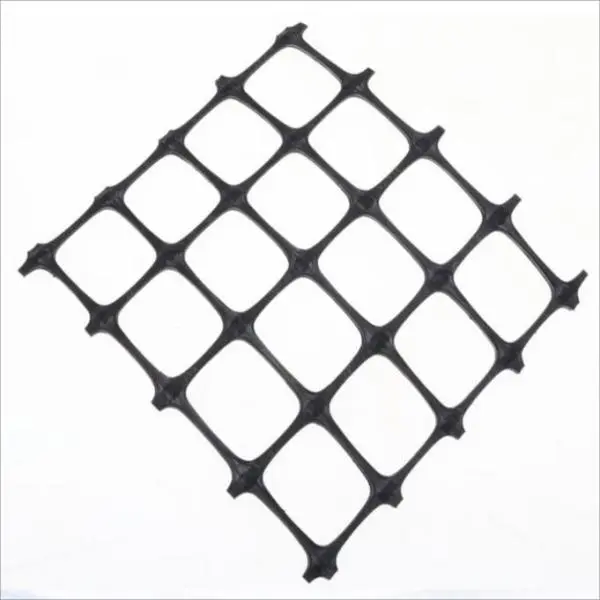
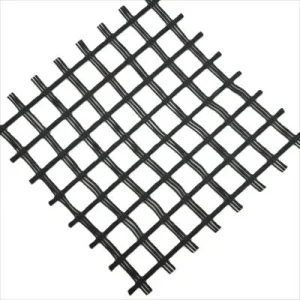
Formed through extrusion, stretching, and grid punching, these geogrids provide excellent multi-directional tensile properties. They are ideal for reinforcing weak soils and stabilizing roadbeds under heavy traffic loads.
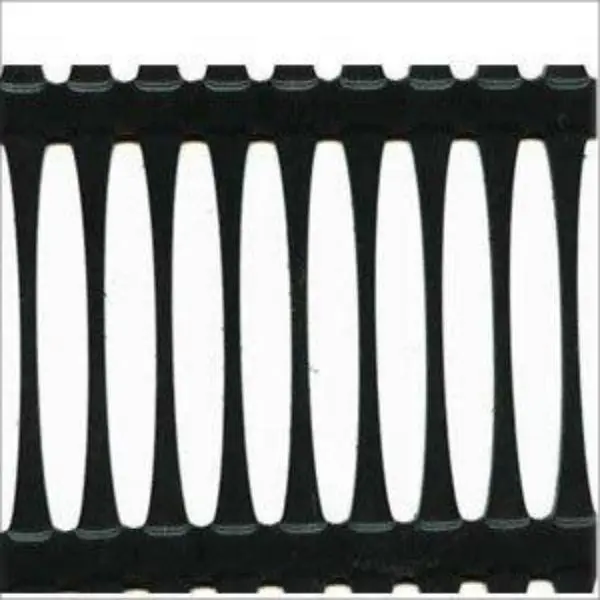
These geogrids feature high tensile strength and load capacity in a single direction, making them suitable for steep slope stabilization, retaining walls, and embankments.
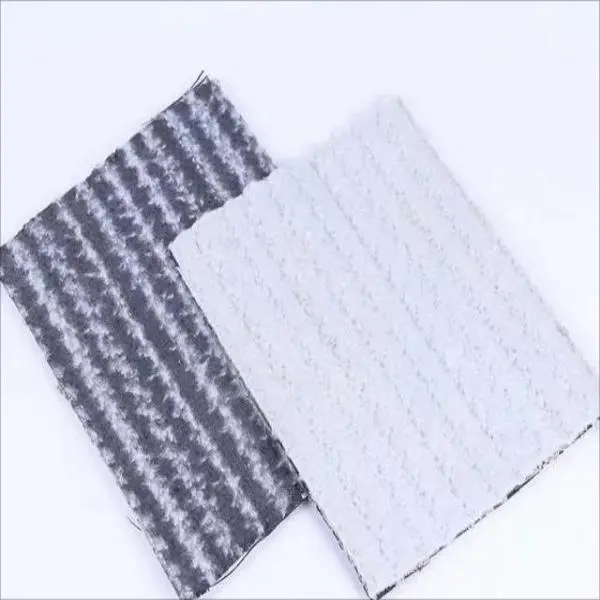
A composite material that hardens upon hydration, forming a durable concrete layer. It is used for quick slope protection, channel lining, and ditch lining where rapid stabilization is required.
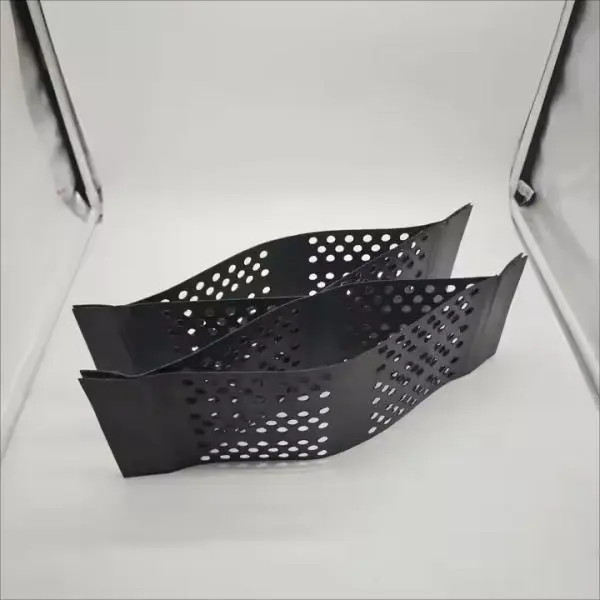
Three-dimensional honeycomb structures that confine infill materials. They are used for load distribution on soft soils and erosion control on steep slopes.
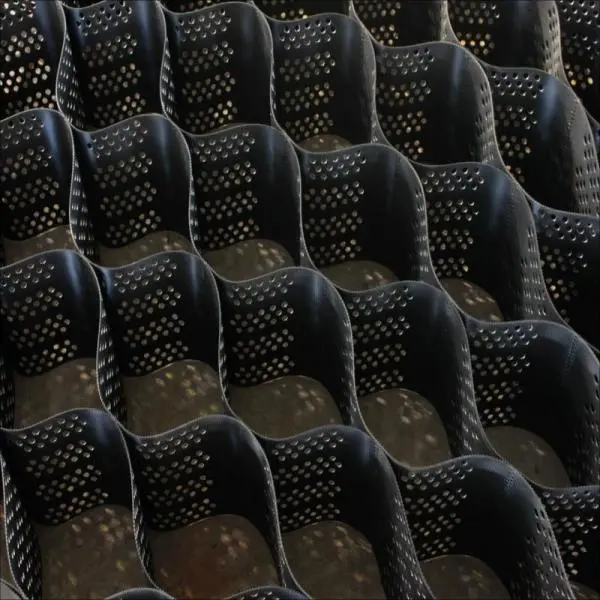
Made from high-density polyethylene, these geocells provide high tensile strength and resistance to UV and chemicals. They help improve soil stability in civil engineering projects.
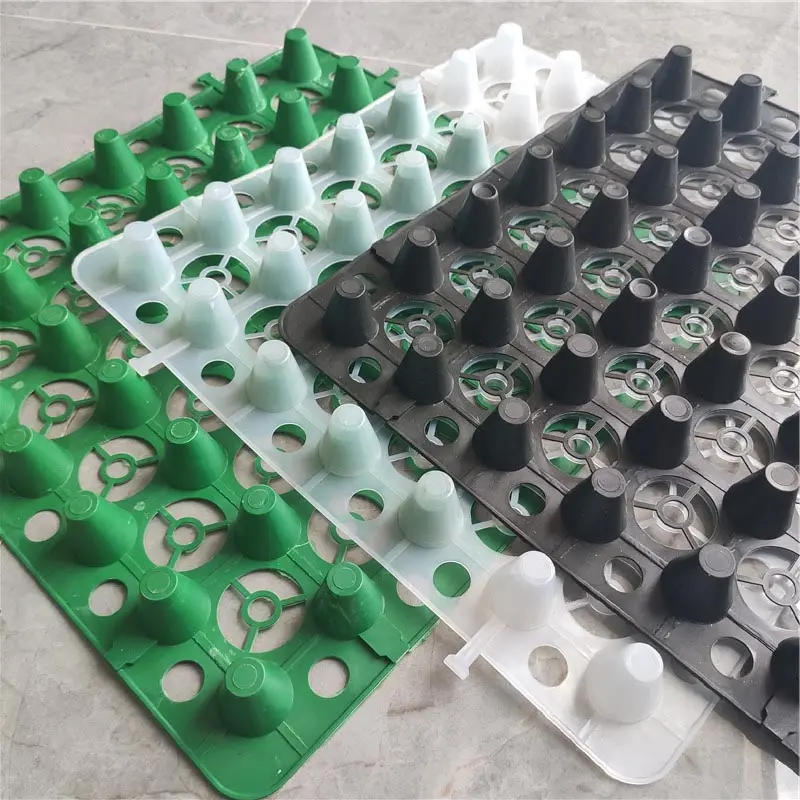
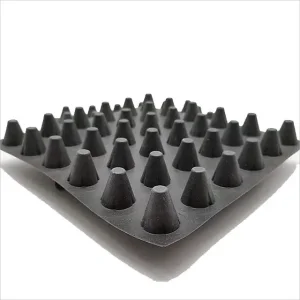
Designed for green roof systems, these boards collect water for plants while draining away excess moisture. This design protects the underlying structure from water damage.
A reference matrix showing typical configurations, material weights, and estimated FOB pricing to assist in procurement planning.
| Material Type | Common Weight (GSM) | Tensile Strength (kN/m) | Common Applications | FOB Reference Price (USD/sqm) |
|---|---|---|---|---|
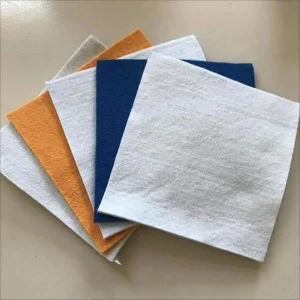
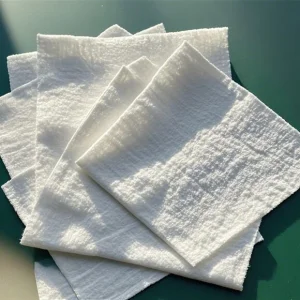
| Polyester (PET) Non-Woven Geotextile | 100g - 400g | 3 - 25 | Road drainage, landscape separation, soil stabilization | $0.15 - $0.65 |
| Polypropylene (PP) Filament Geotextile | 150g - 600g | 8 - 45 | High-speed railways, soft ground stabilization, river embankments | $0.30 - $1.20 |
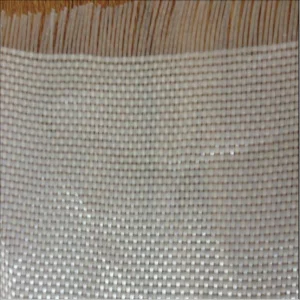
| Woven Geotextile | 120g - 800g | 15 - 120 | Reinforcement of retaining walls, marine works, sub-grades | $0.25 - $1.50 |
| HDPE Geomembrane (Rough/Smooth) | 0.5mm - 2.0mm | — | Landfills, mining tailing containment, artificial lake linings | $0.70 - $2.80 |
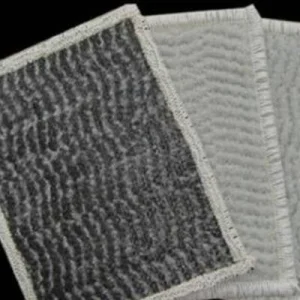
| Bentonite Waterproof Blanket (GCL) | 4000g - 5000g | — | Environmental lagoons, canals, structural waterproofing | $1.80 - $3.50 |
*Note: The prices listed above are for reference only. Actual quotes depend on polymer market rates, UV additive requirements, and order volume. Please contact our sales team for detailed project quotes.
Answers to technical questions frequently raised by project engineers and procurement professionals.
A: Polypropylene (PP) offers excellent chemical resistance, especially in highly alkaline soils. It is lightweight and provides high tensile strength at low elongation. Polyester (PET) features a higher melting point and better long-term creep resistance under constant loading. Selection depends on the chemical environment of the soil and the structural design of the project.
A: The AOS determines the filtration capability of the fabric. It must be small enough to retain fine soil particles but large enough to allow water to pass through freely. Selecting an incorrect AOS can lead to soil loss or fabric clogging, which can build up hydrostatic pressure and potentially cause structural issues.
A: Geotextiles are often exposed to sunlight during installation. UV radiation can degrade the polymer chain, reducing tensile strength. Adding UV stabilizers, such as carbon black, helps protect the polymer, allowing the fabric to maintain its strength until it is covered with soil or aggregate.
A: Successful installation involves three main phases: (1) Preparing the site by removing rocks and leveling the soil. (2) Laying the membrane smoothly and securing it in anchor trenches. (3) Welding and sealing the seams. Quality inspections are performed on the seams to verify leak-free performance.
A: GCLs consist of sodium bentonite clay sandwiched between geotextile layers. When exposed to moisture, the bentonite swells to form a low-permeability clay barrier. If minor punctures occur, the swelling bentonite naturally fills in the gaps, providing self-healing performance.
A: For international projects, manufacturers should hold ISO 9001 (Quality Management), ISO 14001 (Environmental Management), and ISO 45001 (Occupational Health) certifications. Additionally, CE certification is required for European markets, and test reports from accredited third-party laboratories are necessary to verify material compliance.
 Hongyue