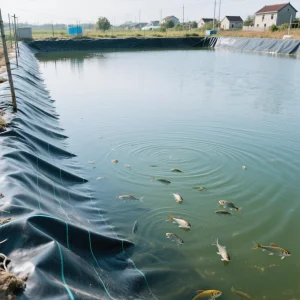
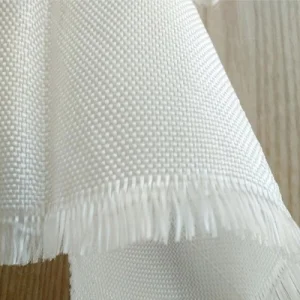
In the era of anthropogenic climate shifts, the civil engineering and infrastructure industries are transitioning from rigid concrete armor to bio-engineered, living systems. At the forefront of this ecological revolution is the Ecological Bag (commonly referred to as Ecobag or Eco-geobag). Unlike consumer shopping bags, industrial Ecobags are heavy-duty, geotextile-based components specifically formulated to withstand high UV radiation, mechanical shearing, and biological degradation. They are utilized extensively in slope stabilization, riverbank restoration, bioswales, and green wall systems.
The global market for industrial Ecobags and geotechnical materials has experienced a monumental compound annual growth rate (CAGR) of over 8.7% in the past five years. This surge is driven by strict environmental mandates globally, including the European Green Deal, the United States EPA Clean Water Regulations, and China’s massive ecological reconstruction guidelines. For international procurement officers, sourcing from qualified Ecobags factories and exporters who understand structural soil stabilization and vegetation growth compatibility is critical for engineering compliance and longevity.
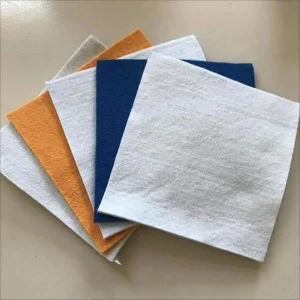
Engineering stable environmental features requires a deep understanding of polymer chemistry and hydraulics. Ecological bags are fabricated from non-woven polypropylene (PP) or polyester (PET) fibers that have been needle-punched to create a highly permeable three-dimensional matrix. This unique structure ensures that while soil particles are retained within the bag, water flows freely through the system, eliminating hydrostatic build-up—the primary cause of slope failure.
When choosing a factory supplier, engineers must evaluate three primary parameters:
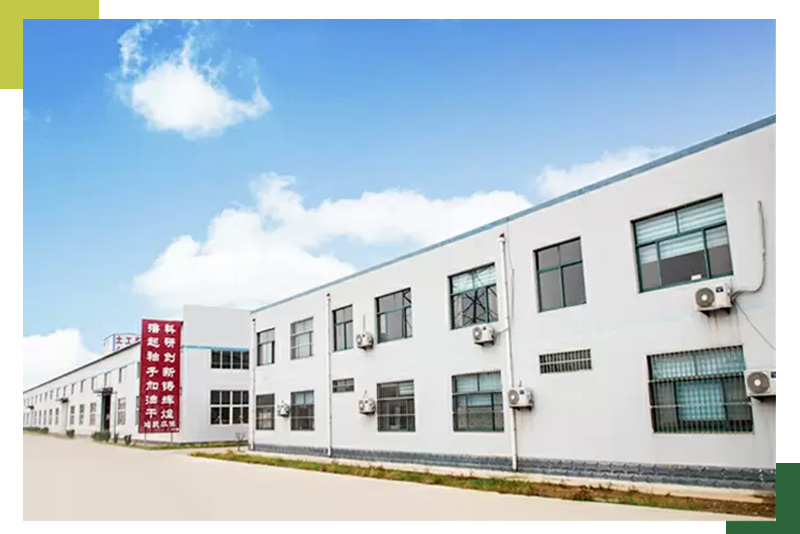
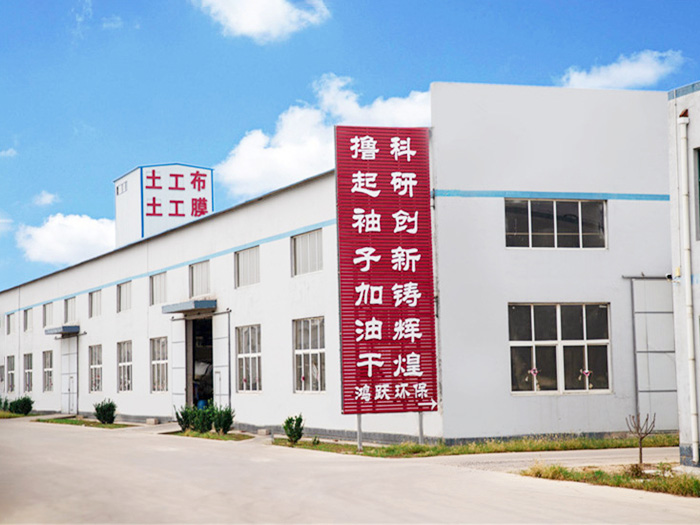
Mainland China—specifically the Dezhou cluster in Shandong Province—stands as the world's most concentrated manufacturing region for high-tech geotextiles and ecological bags. As represented by Shandong Hongyue Environmental Engineering Co., Ltd. (located at the north end of Fufeng Street, Lingcheng District, Dezhou, Shandong Province), the infrastructure here allows for unprecedented economies of scale.
Founded on April 6, 2023, with a registered capital of 105 million yuan, Shandong Hongyue integrates engineering material production, sales, design, and construction services under one roof. The Dezhou cluster provides access to raw polymer materials, high-speed computerized needle-punching machinery, and advanced quality testing laboratories. For international buyers, this localization yields several major advantages:
Integrated supply chains reduce bulk chemical processing costs. Standardized automated manufacturing lines reduce labor overhead while ensuring uniformity across millions of square meters.
Whether projects require specific dimensions, density variations (from 100g/m² to over 800g/m²), or specialized seed-infused bags for specific climatic zones, Chinese factories possess the machinery flex to fulfill unique ODM/OEM requests.
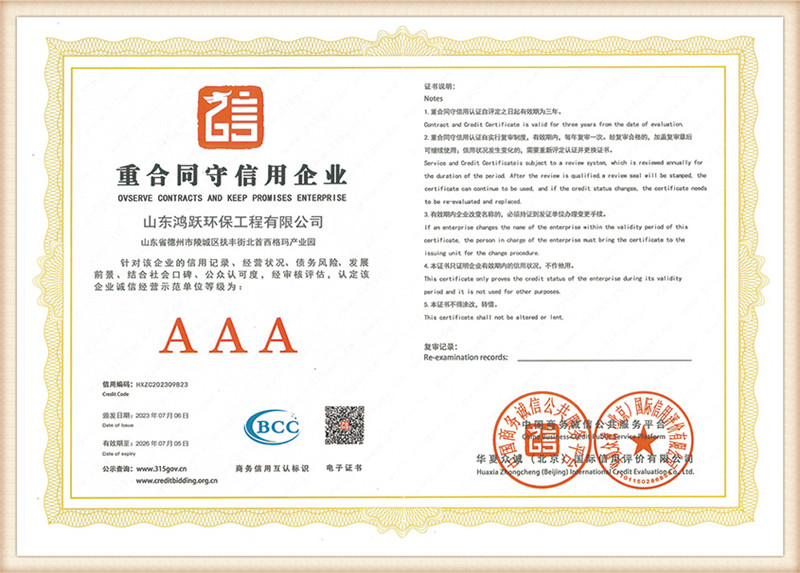
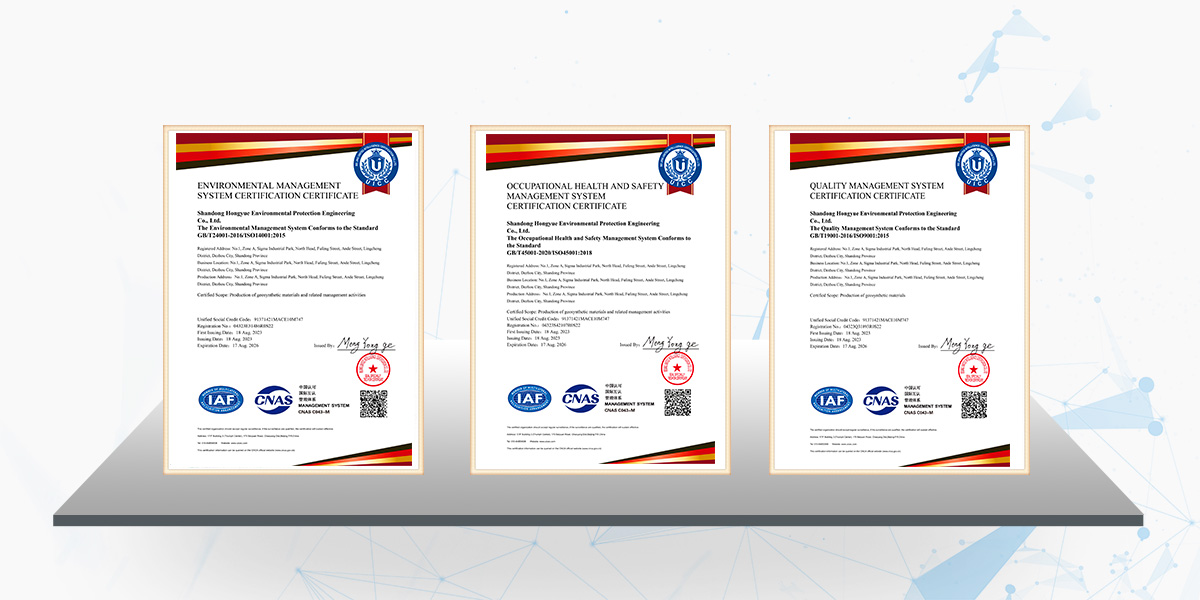
Major exports carry standard certifications including ISO9001 (quality management), ISO14000 (environmental protection), and ISO45001 (health and safety) which ensure entry into highly regulated Western markets.
Producing durable environmental barrier products requires strict control of the thermal and mechanical characteristics of polymers. Below is the workflow applied within the Shandong Hongyue facilities to fabricate high-quality non-woven fabrics used in the structure of ecological bags:
High-purity virgin polyester chips, polypropylene filament, and viscose fibers are carefully selected. Quality inspection checks chemical purity, denier uniformity, and melt flow indexes to ensure the base plastic meets environmental resilience limits.
Polyester chips are dried and melted under intense thermal pressure inside a specialized twin-screw extruder. UV stabilizers, carbon black, and proprietary degradation retardants are continuously injected to ensure even distribution inside the polymer stream.
The molten polymer is pumped through micro-spinnerets, generating thousands of fine filament fibers. High-velocity air currents stretch and cool these filaments, which are then distributed on a moving conveyor belt to build a uniform web structure.
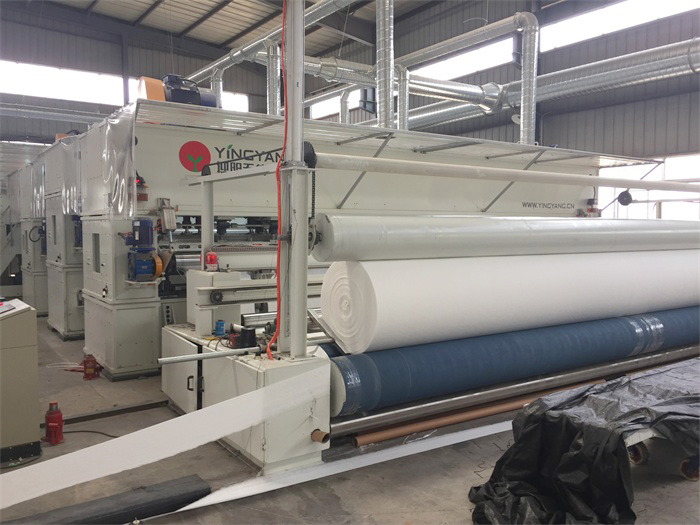
The layered web goes through a mechanical needle-punching process. Millions of barbed needles move vertically, interlocking the loose fibers. This mechanical bonding creates a heavy-duty fabric with high mechanical tensile strength and hydraulic permeability.
The needle-punched fabric is fed through heated pressure rollers (calendering) to finalize thickness and surface texture. Computerized winders slice and roll the geotextile according to the target specifications (widths and lengths).
Specimens are sent to testing labs to verify thickness, tensile strength, and water flow values. Certified rolls are then cut and stitched with high-strength UV-resistant thread to form finished ecological bags, ready for shipping and installation.
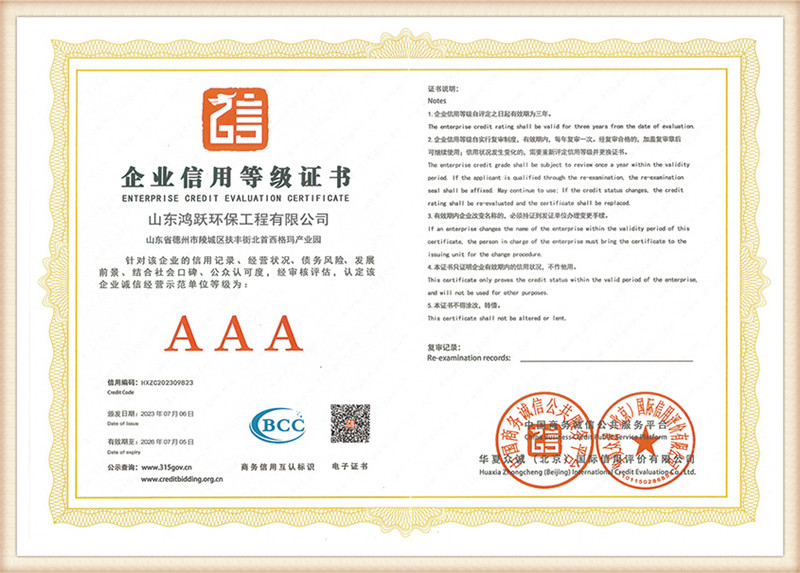
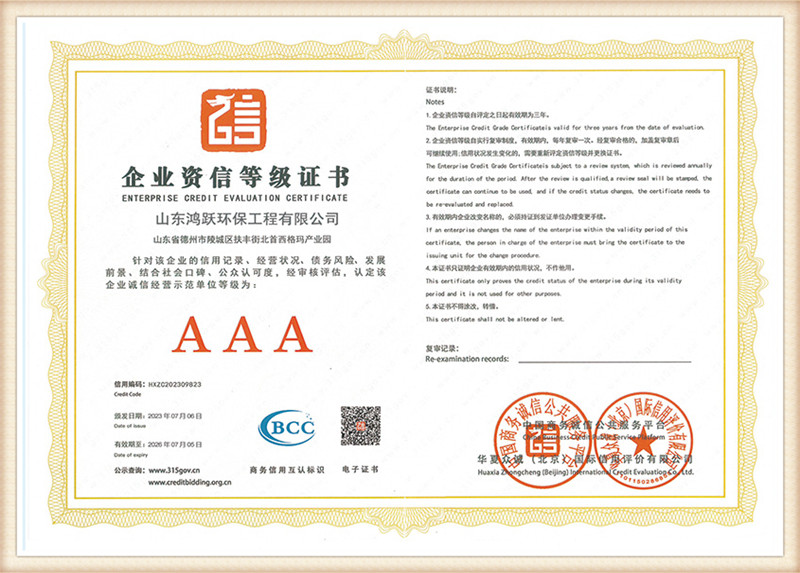
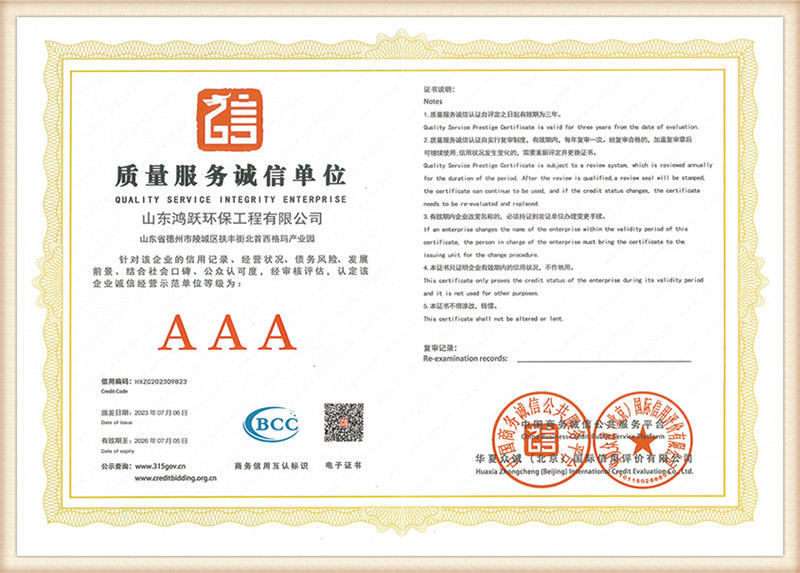
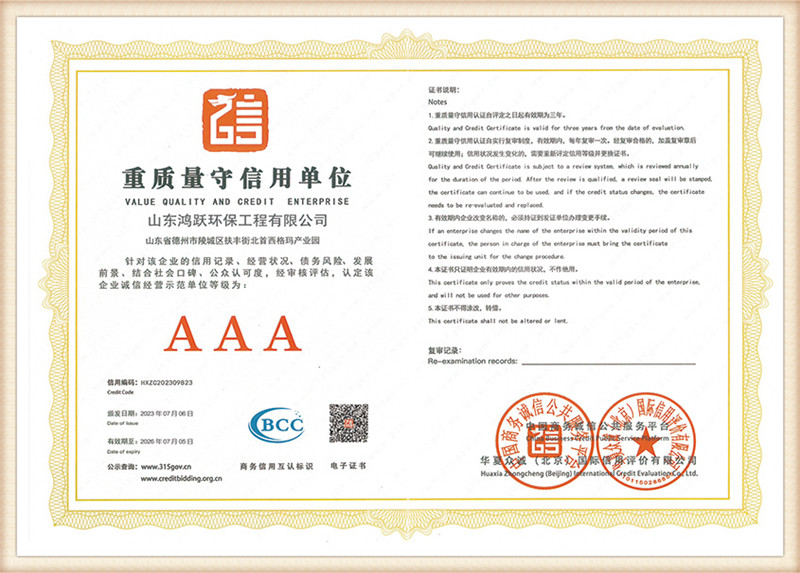
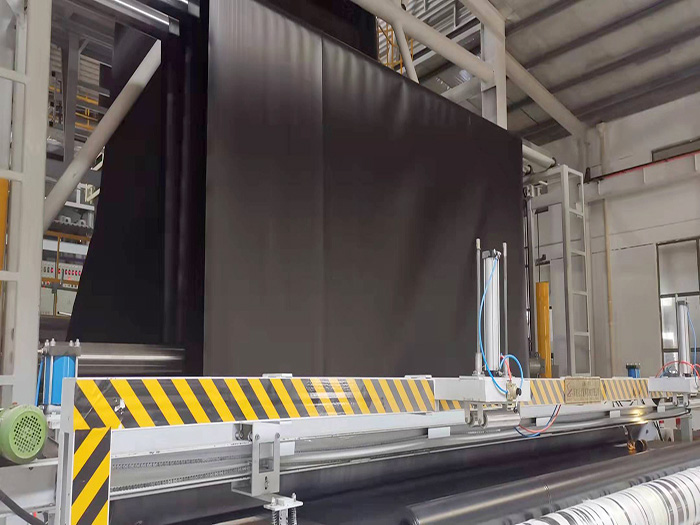
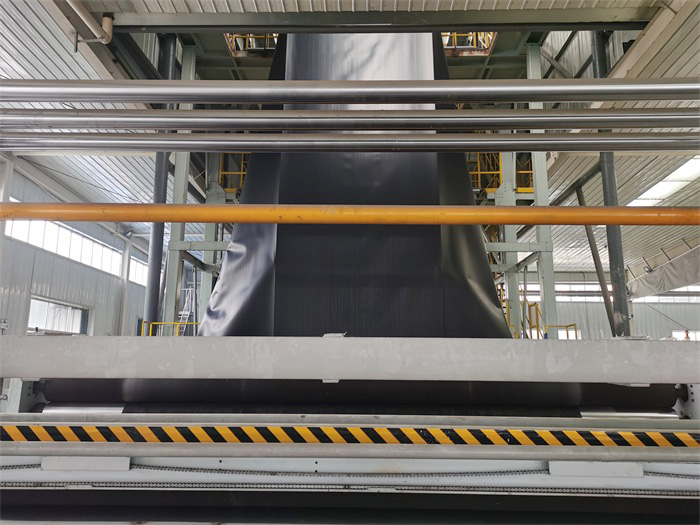
Our facilities utilize computerized machinery to maintain product uniformity. The following images display Shandong Hongyue’s manufacturing lines, raw material staging, testing labs, and completed geotextiles ready for export:
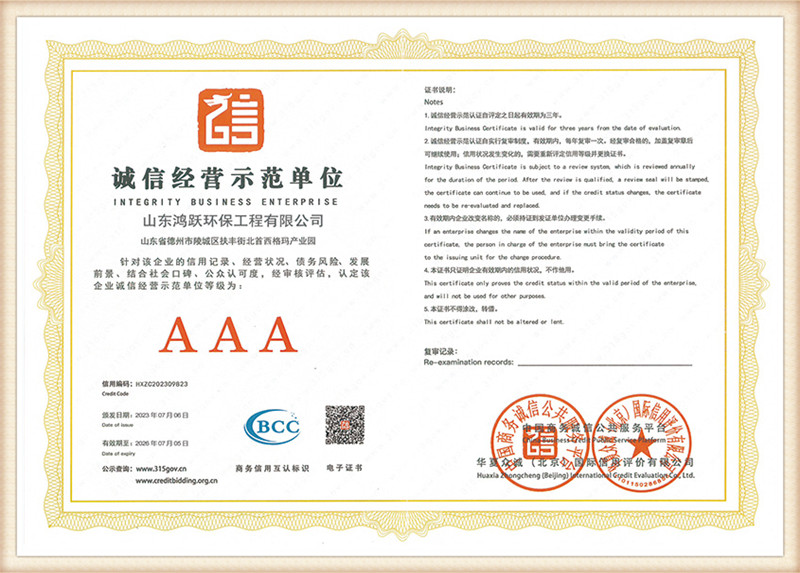
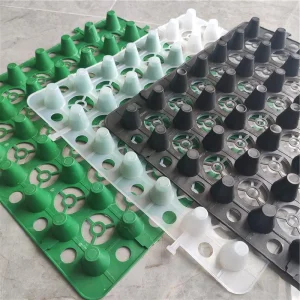
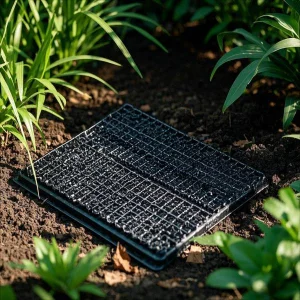
Modern geosynthetic materials do not work in isolation. A proper green civil project combines ecological bags, geotextile filters, geomembranes, and geocells to form a multi-layered ecosystem defense. Below are the primary application methodologies where Shandong Hongyue products are implemented:
In highway and railway construction, slope cuts are highly susceptible to rain-induced erosion. Constructing concrete retaining walls blocks natural groundwater flow and looks visually unappealing. Instead, filled ecobags are stacked systematically along the slope face. The bags are joined using interconnecting keys (locking plates) to form a robust retaining structure. Once vegetation grows, the roots bind the bags together and anchor deep into the natural slope, creating a permanent bio-engineered wall.
Erosion control along riverbanks requires materials that can handle constant hydraulic shear stress. Conventional rip-rap (large stones) is expensive to source and transport. Ecobags filled with local soil and seed mixtures are placed along the water line. The bag’s non-woven structure allows water to pass through freely, reducing water velocity energy while holding the soil in place. Over time, natural riverbank plants colonize the bag system, blending the engineering structure into the natural environment.
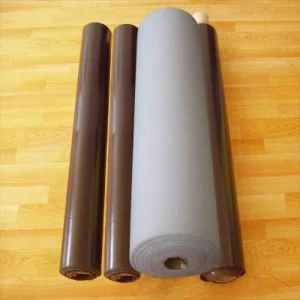
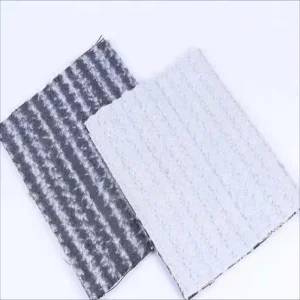
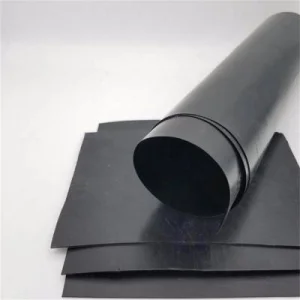
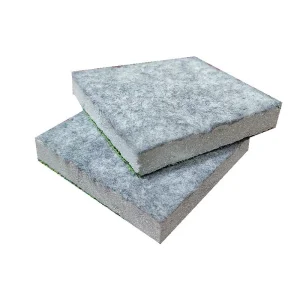
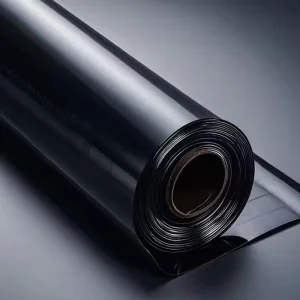
Protecting clean groundwater from hazardous landfill leachate requires robust containment systems. This is achieved using thick High-Density Polyethylene (HDPE) geomembranes. As shown in our manufacturing processes, these geomembranes are combined with thick protective geotextiles and bentonite clay blankets to create a highly reliable, leak-proof barrier.
To assist design engineers and procurement officers, the following matrix compares the chemical properties, typical life span, and primary application areas of different geosynthetic materials:
| Material Family | Common Acronym | Tensile Behavior | Hydraulic Permeability | Key Strengths | Target Applications |
|---|---|---|---|---|---|
| Non-woven Geotextiles | PP / PET | Elongates up to 50% | Extremely High (>0.5 cm/s) | Filtration, Separation, Soil Drainage | Ecobag outer layers, Road Sub-base, Drainage trenches |
| High-Density Polyethylene | HDPE | Low elongation, High stiffness | Impermeable (<1x10⁻¹³ cm/s) | Chemical Resistance, UV stability | Landfills, Waste Lagoons, Chemical ponds |
| Linear Low-Density Polyethylene | LLDPE | Highly flexible, adaptable | Impermeable (<1x10⁻¹³ cm/s) | Puncture Resistance, Flex crack resistance | Decorative ponds, Mine tailing caps, irregular foundations |
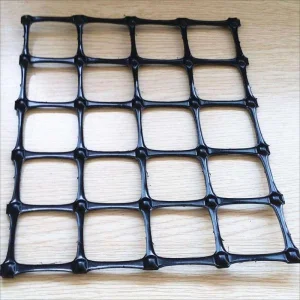
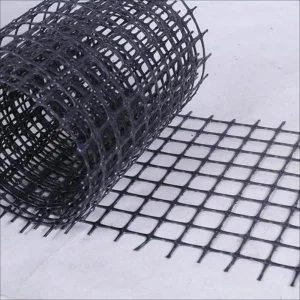
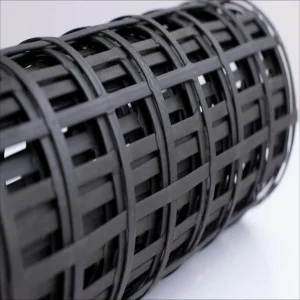
| Biaxially Stretched Grid | Plastic Geogrid | High strength at low strain | N/A (Open aperture) | Mechanical soil interlocking | Pavement reinforcement, retaining wall backfill |
| Bentonite Clay Liners | GCL | Deformation tolerant | Self-sealing barrier | Swell behavior on hydration | Secondary containment, foundation waterproofing |
Here are answers to the most common questions raised by civil engineers and procurement specialists when sourcing ecological bags and geosynthetic liners:
 Hongyue