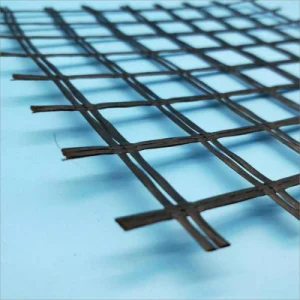
The Greater Toronto Area (GTA) and Ontario present unique climatic and environmental conditions that make physical weed suppression and soil stabilization mandatory. With seasonal temperature fluctuations ranging from -25°C in deep winter to +35°C in peak summer, the local soils experience severe freeze-thaw cycles. This phenomenon, known as frost heaving, subjects landscape installations, civil subgrades, and agricultural operations to extreme displacement stresses.
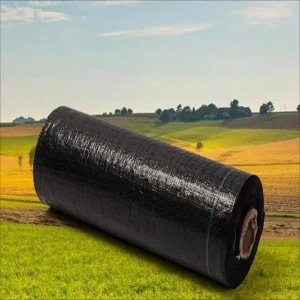
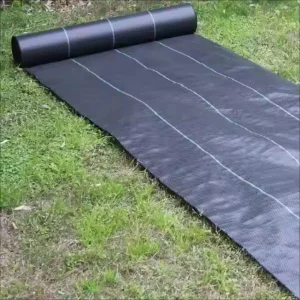
Under Ontario's Cosmetic Pesticides Ban Act, the use of chemical herbicides for aesthetic maintenance is heavily restricted across municipal properties, school grounds, public parks, and residential yards. Consequently, the commercial landscaping, architectural, and civil engineering industries in Toronto have transitioned to physical barriers. High-density, UV-stabilized weed control cloth provides a long-lasting, chemical-free solution. It effectively prevents weed seeds from germinating while maintaining the necessary soil gas and water exchange.
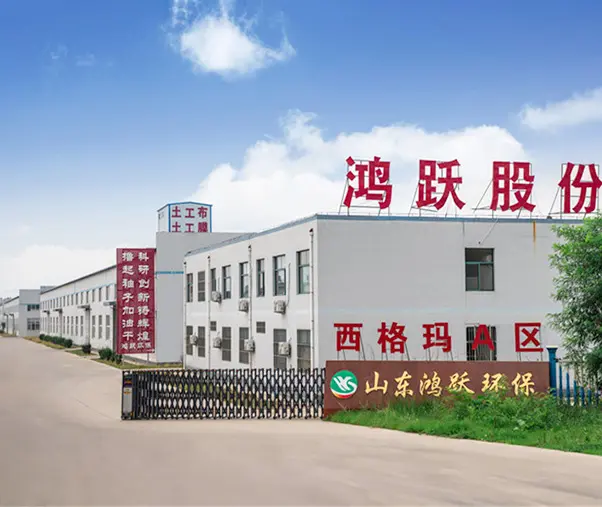
Shandong Hongyue Environmental Engineering Co., Ltd., situated at the north end of Fufeng Street, Lingcheng District, Dezhou, Shandong Province, is a scientific and technological geotechnical material manufacturer integrating engineering material production, sales, design, and construction services. The company was registered in the Lingcheng District Market Supervision and Administration Bureau of Dezhou City on April 6, 2023, with a registered capital of 105 million yuan. It stands as one of the largest production bases of geotechnical materials in China, benefiting from a superior geographical location and convenient transport routes to major global ports.
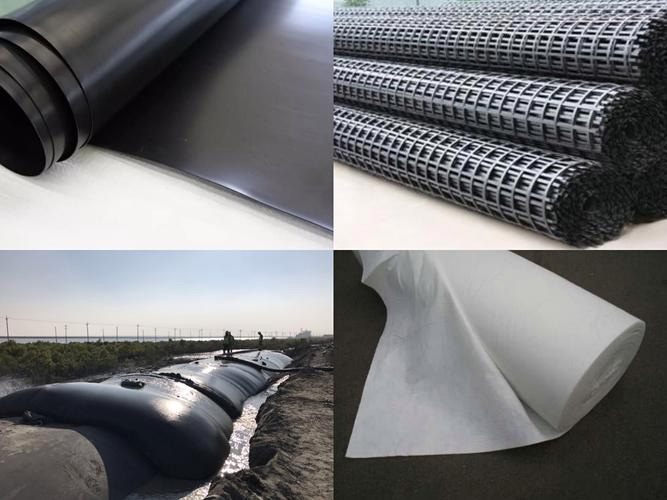
Our comprehensive line of geosynthetic materials is widely utilized in civil infrastructure projects, modern agriculture, and environmental containment designs across North America, Europe, Australia, and Asia.
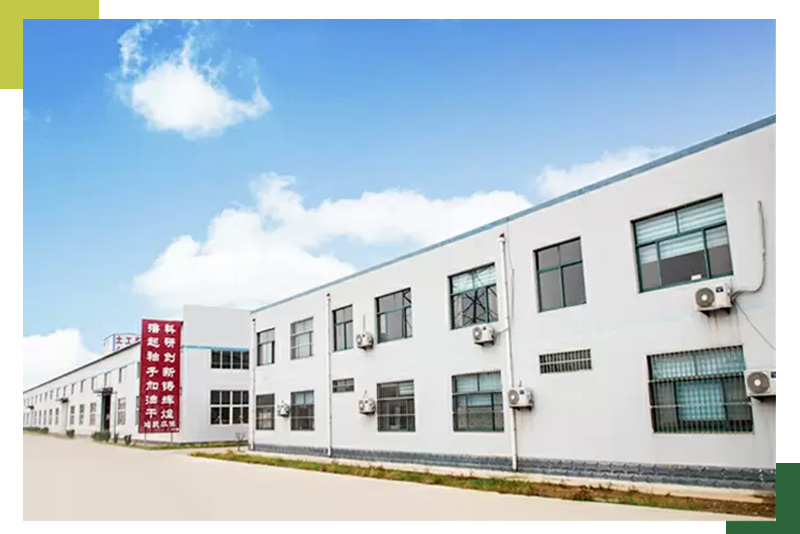
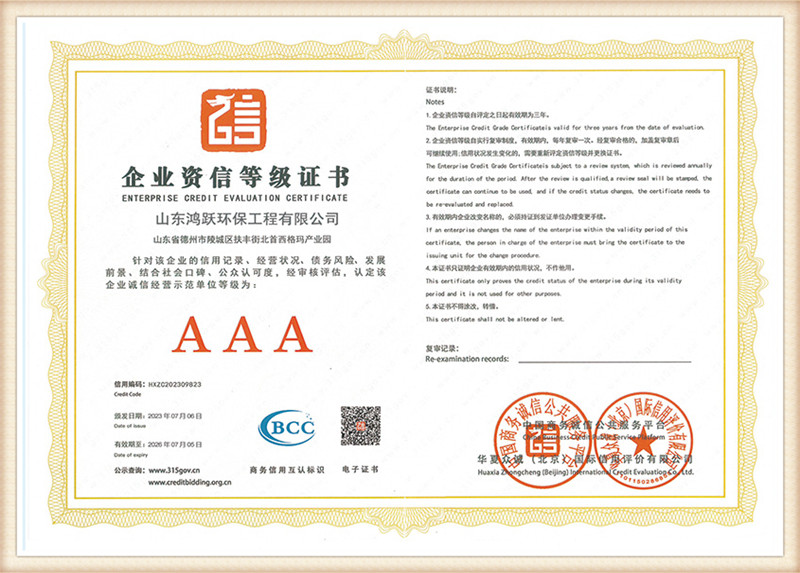
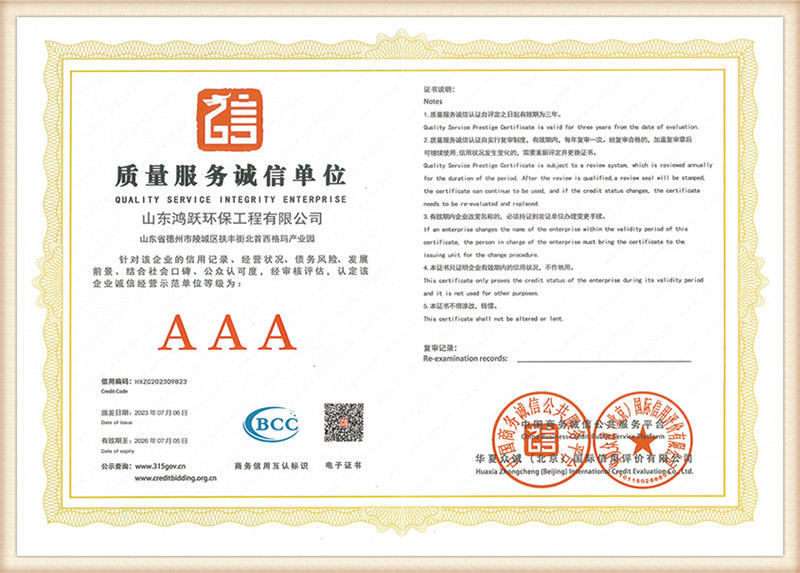
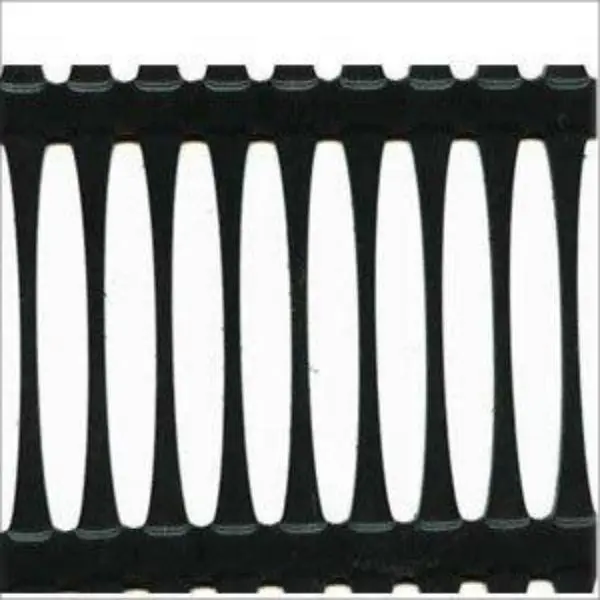
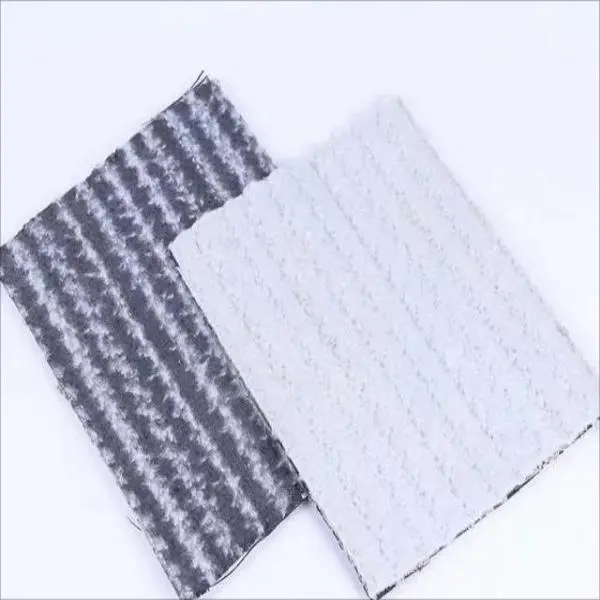
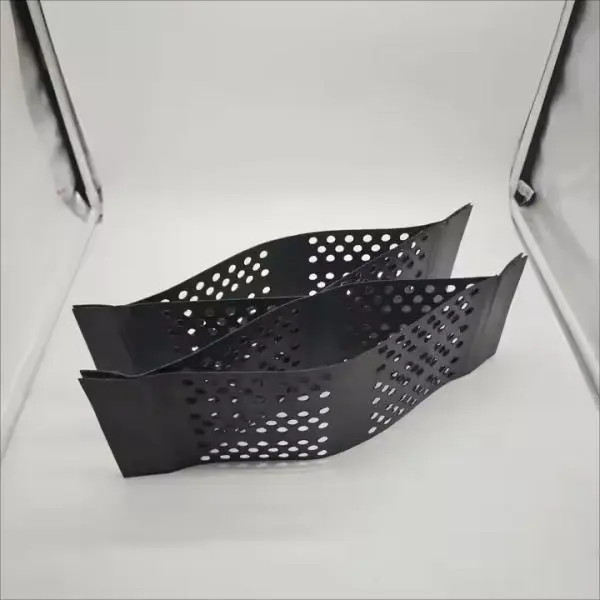
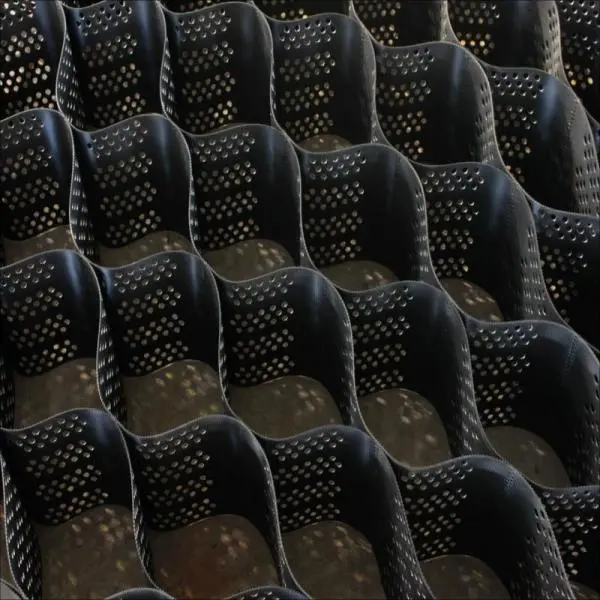
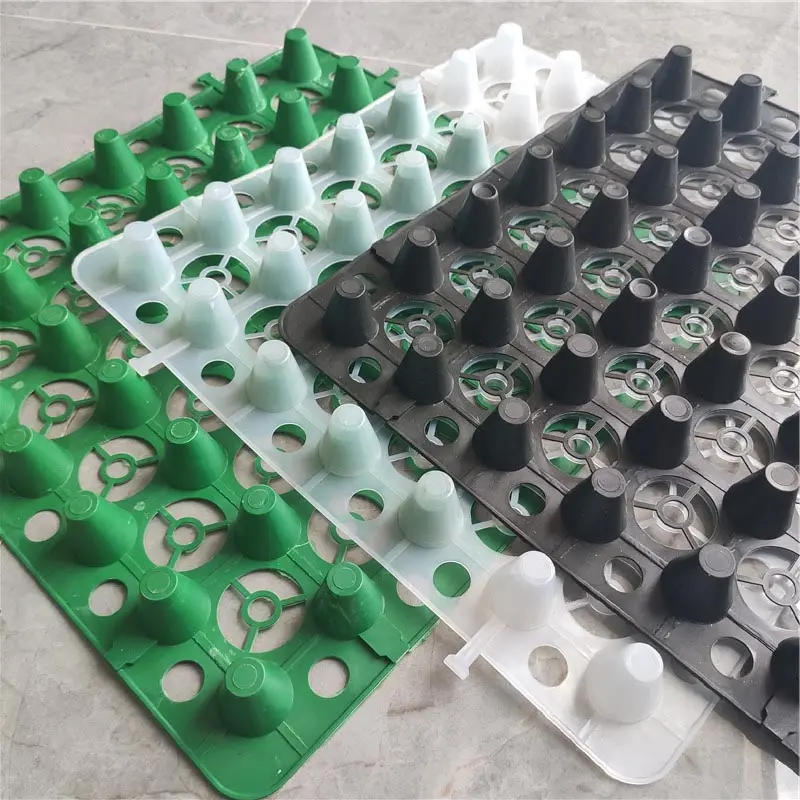
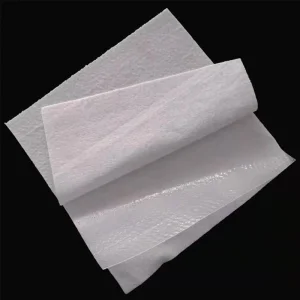
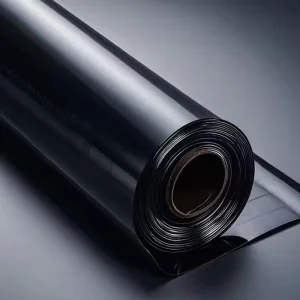
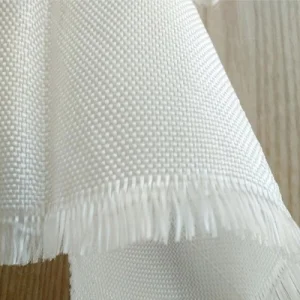
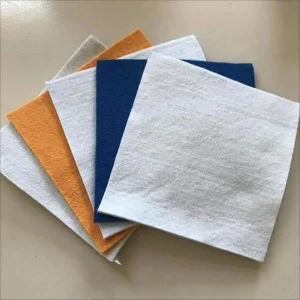
Since its establishment, the company has developed rapidly, and our business continues to grow and expand. We mainly deal in geotextiles, geomembranes, composite geomembranes, waterproof boards, bentonite waterproof blankets, 3D composite drainage nets, (composite) drainage boards, weaving cloth, woven cloth, membrane bags, blind ditches, waterproof and drainage combinations, woven bags, ecological bags, cement blankets, fiber plant blankets, and flexible pervious pipes.
Our company is a member of the Dezhou Geotextile Association. Our products are widely used in highways, railways, bridges, tunnels, reservoirs, canals, water conservancy, artificial lakes, environmental protection, aviation, mining, and agriculture.
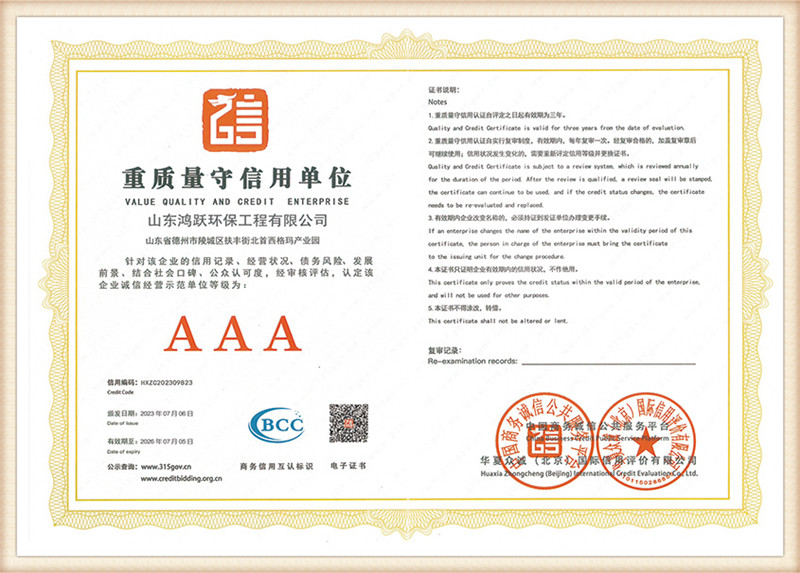
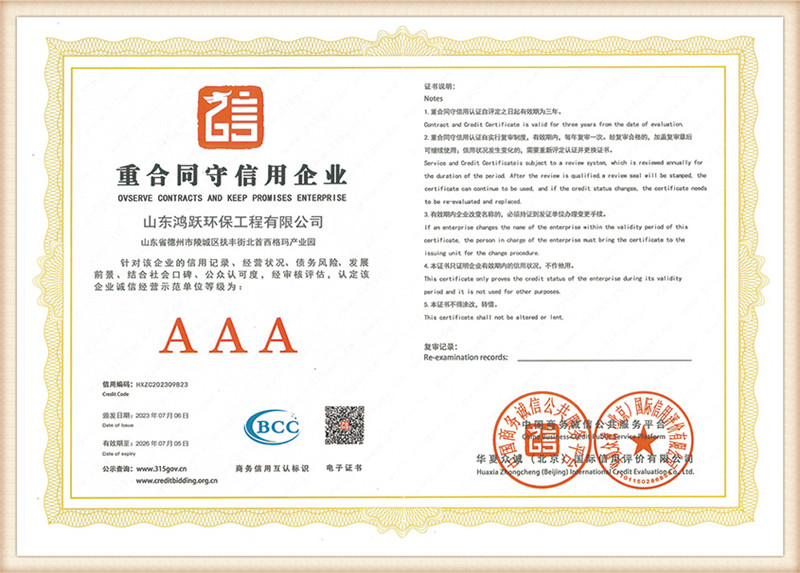
In an era of supply chain disruptions, procurement managers in Toronto require reliable, on-time delivery of high-volume geotextile materials. Shandong Hongyue integrates Industry 4.0 manufacturing processes to maintain quality consistency and price competitiveness.
Polymer chips are processed under precise temperature and pressure controls to ensure uniform distribution of UV-inhibitor compounds.
Integrated computer-controlled spinnerets distribute molten fibers in structured patterns, ensuring uniform thickness and high tensile strength.
Automated spectrophotometer and gauge sensors continuously monitor physical properties to meet ASTM standards before winding.
We employ state-of-the-art machinery that maximizes production efficiency while adhering to high quality control standards. Our production processes minimize variation in density and thickness, ensuring that every roll of weed control cloth performs consistently in the field.
Below are views from our main production departments, highlighting the scaling capacity that allows us to manage bulk corporate orders for the Toronto and North American markets:
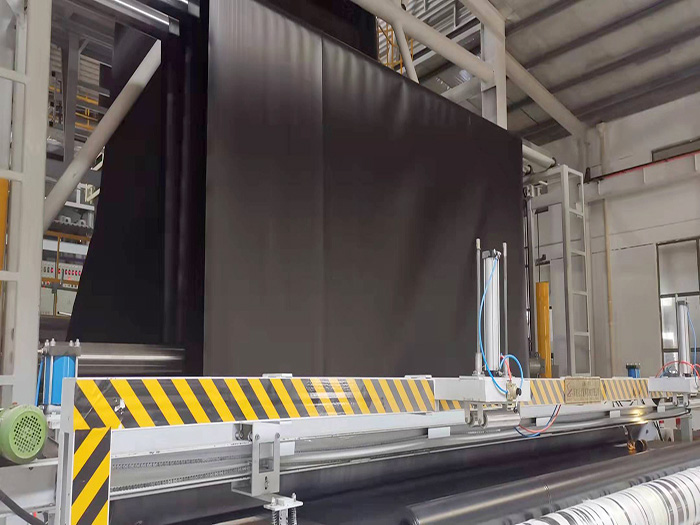
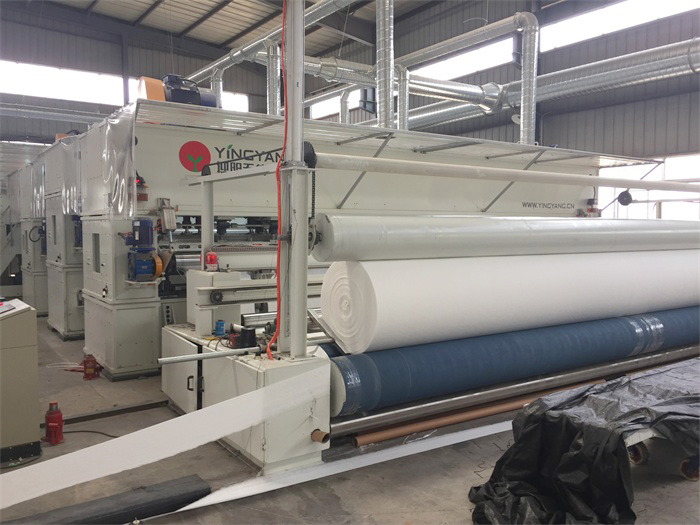
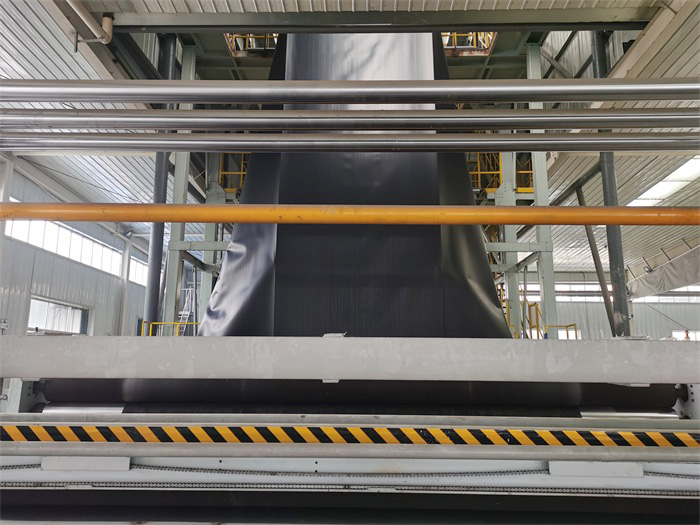
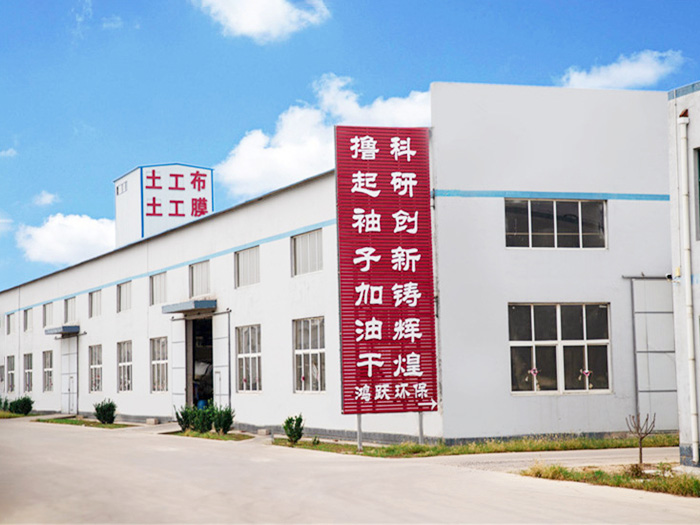
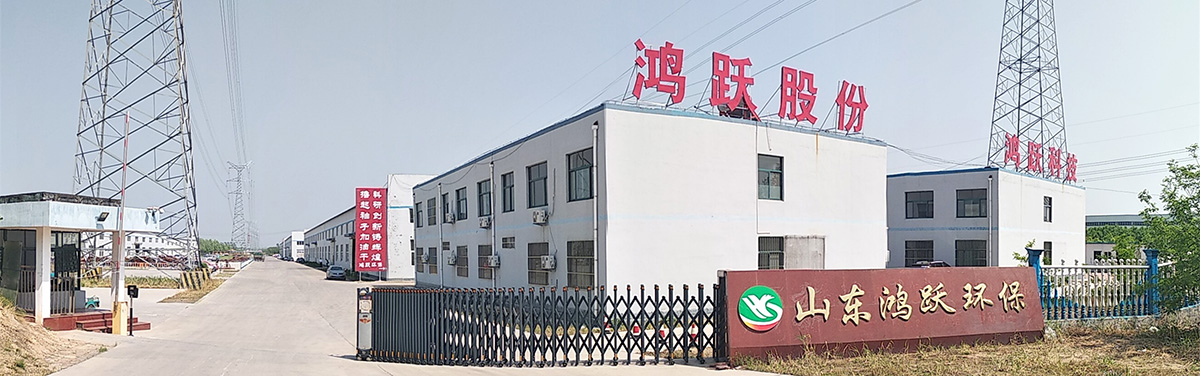
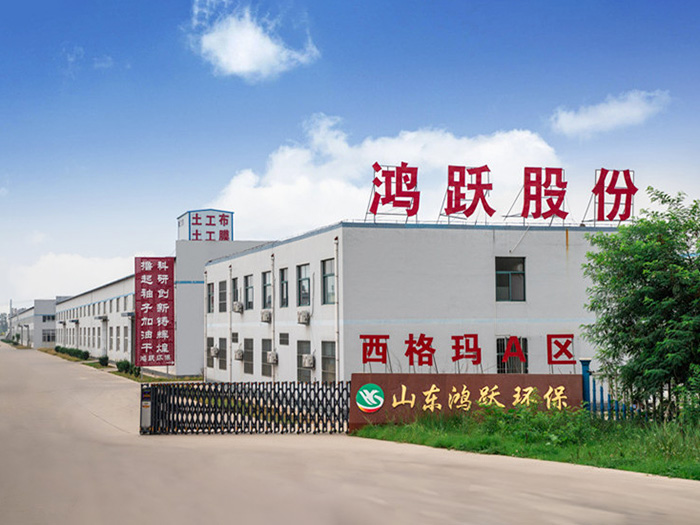
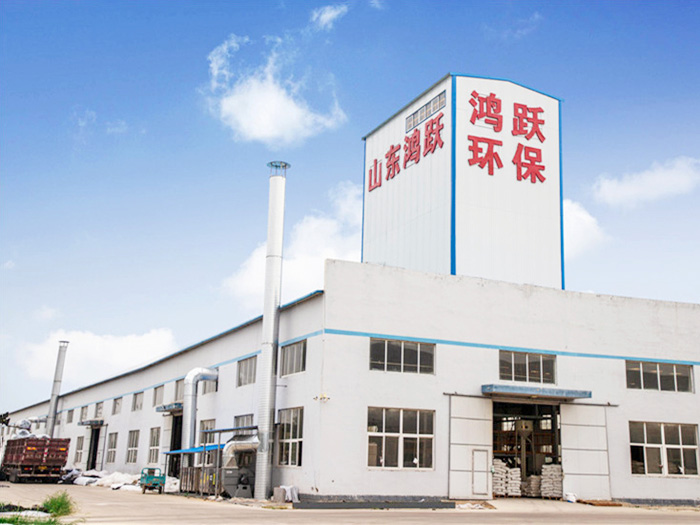
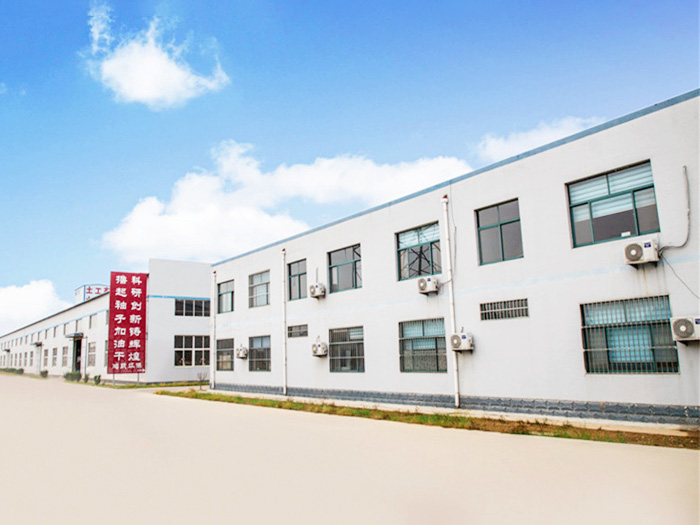
Geotextiles are widely used in civil engineering materials, with filtration, isolation, reinforcement, protection, and other functions. The manufacturing system integrates real-time feedback loops to ensure compliance with international construction parameters.
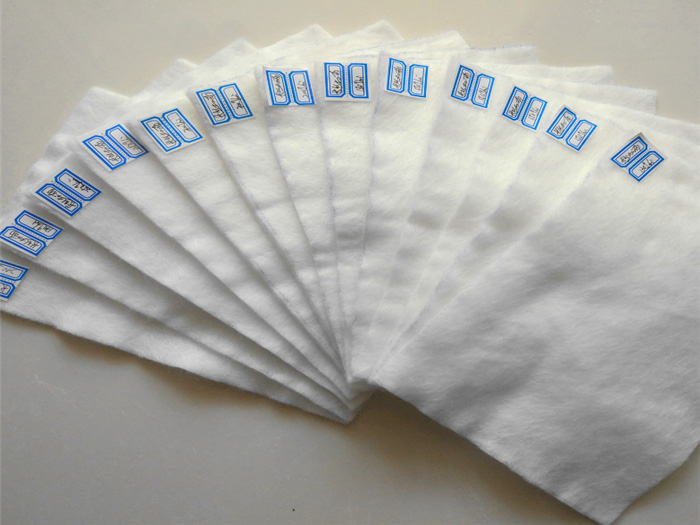
The main raw materials of geotextiles are polyester chips, polypropylene filaments, and viscose fibers. These raw materials are inspected and stored to ensure consistent grade quality and moisture-free stability before feeding into the extruders.
After the polyester slices are melted at high temperatures, they are extruded into a molten state by a screw extruder. Polypropylene filament and viscose fiber are added for mixing. In this process, the temperature and pressure parameters are controlled to ensure uniform fiber distribution.
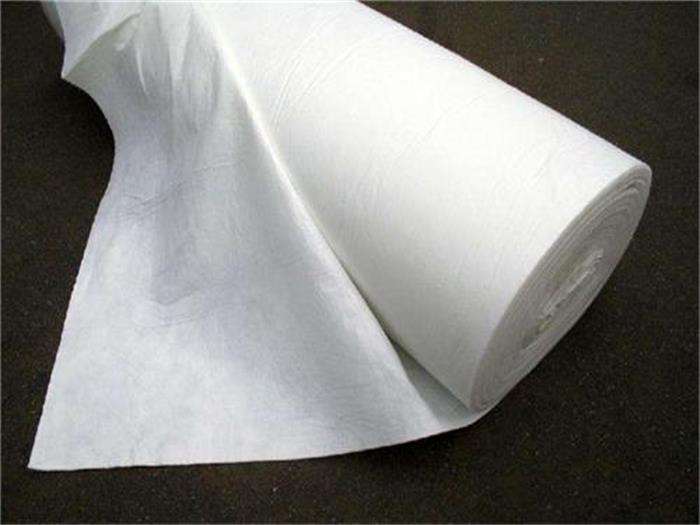
After mixing, the melt is sprayed through the spinneret to form a fibrous web on the conveyor belt. At this stage, control over the lay thickness, uniformity, and fiber orientation is maintained to meet specified physical property and stability standards.
After laying the net into rolls, draft curing treatment is performed. In this process, the heating temperature, speed, and draft ratio are managed to stabilize the structural integrity of the geotextile fibers.
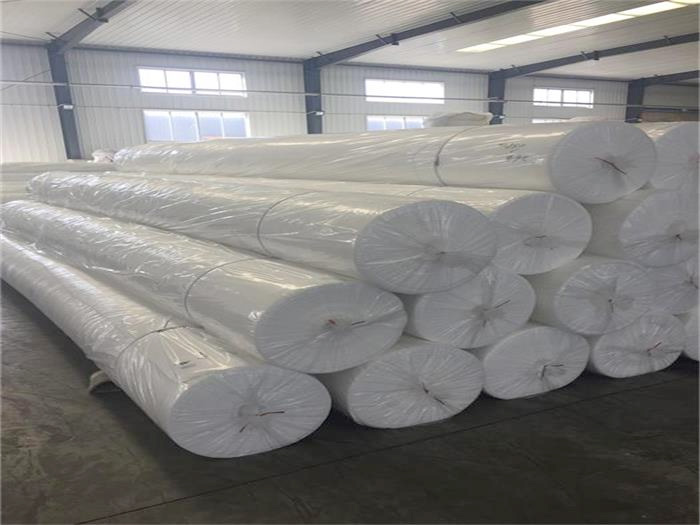
The cured geotextile is rolled, measured, and cut. The length, width, and thickness are confirmed before wrapping to ensure the product matches project delivery requirements.
At the end of each production run, physical, hydraulic, and mechanical properties are tested. This includes tensile strength, puncture resistance, and flow rate testing to confirm compliance before dispatch.
Geomembranes are used in engineering projects for containment, isolation, and structural reinforcement. Proper selection, installation, and maintenance are critical to achieving long-term performance:
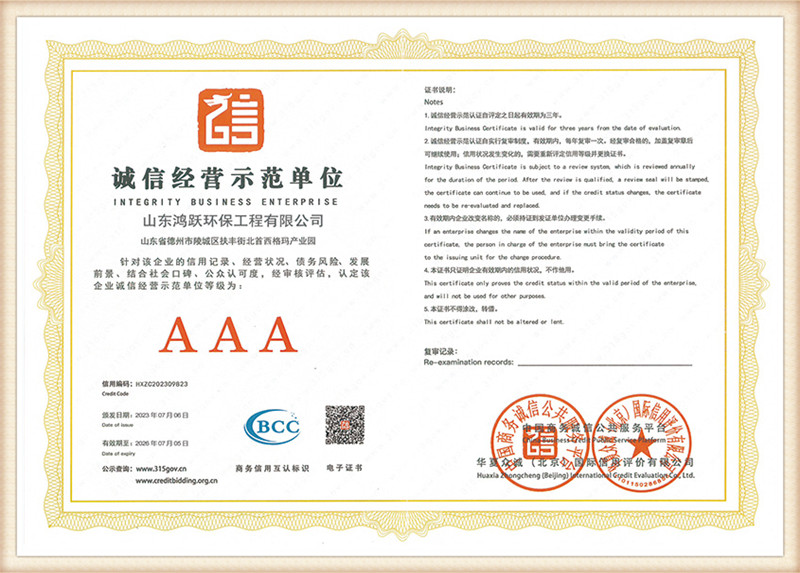
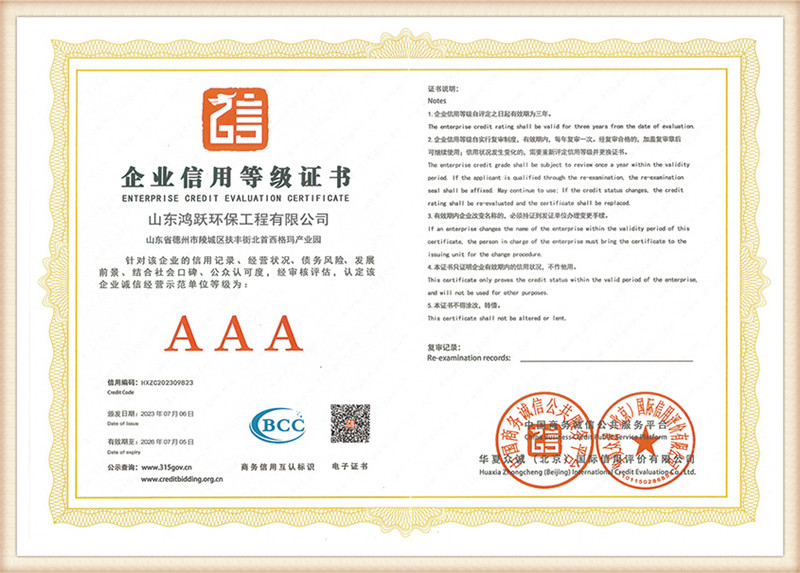
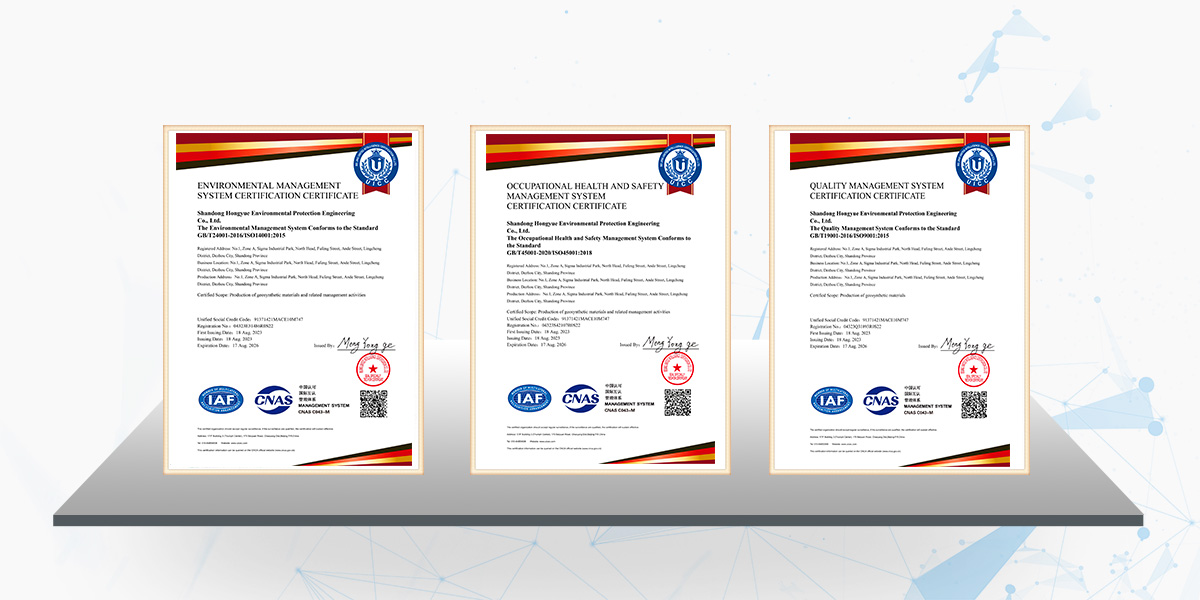
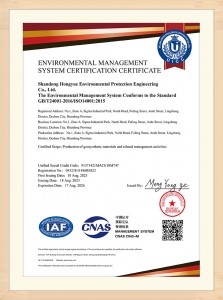
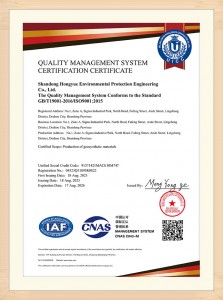
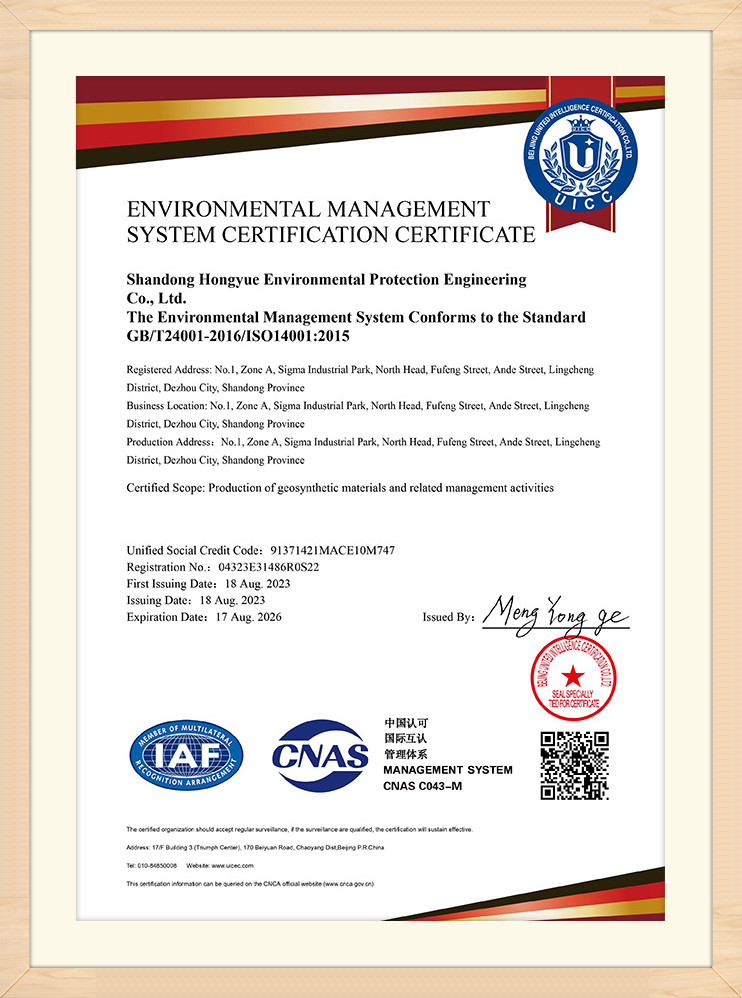
Shandong Hongyue has established a quality control system certified under ISO9001, ISO14000, and ISO45001. All materials are tested internally and verified by the National Testing Center to ensure they meet project specifications.
Our facility uses calibrated testing equipment to evaluate tensile properties, tear resistance, hydrostatic burst pressure, and carbon black dispersion. This continuous monitoring ensures that the geosynthetics supplied to our partners meet or exceed design standards.
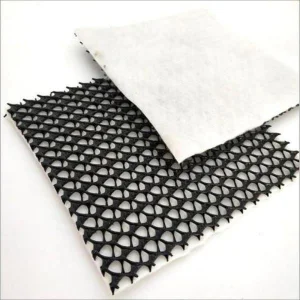
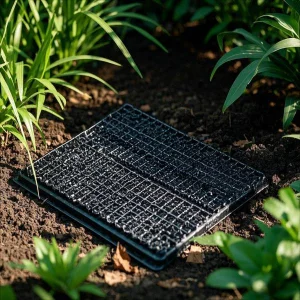
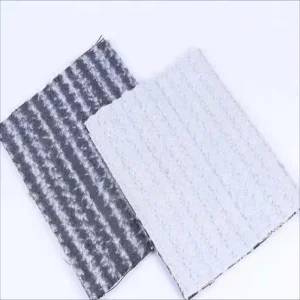
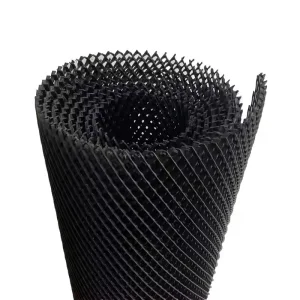
Modern geosynthetic design relies on integrating different materials to address complex geotechnical challenges. By combining barriers with drainage elements, we provide multi-functional systems for infrastructure projects:
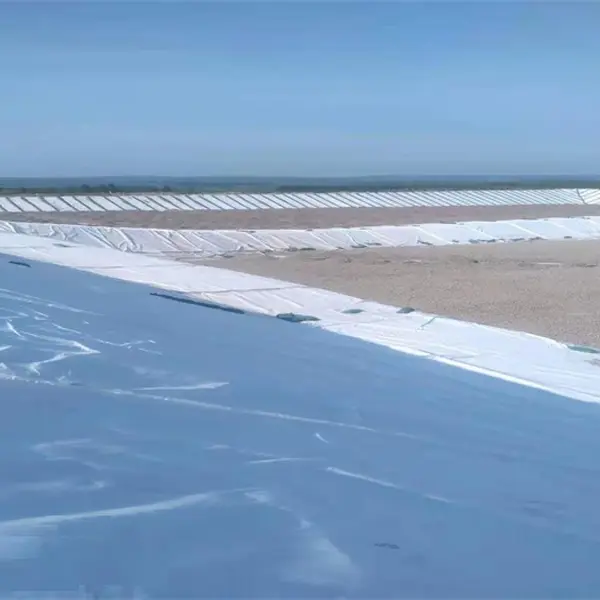
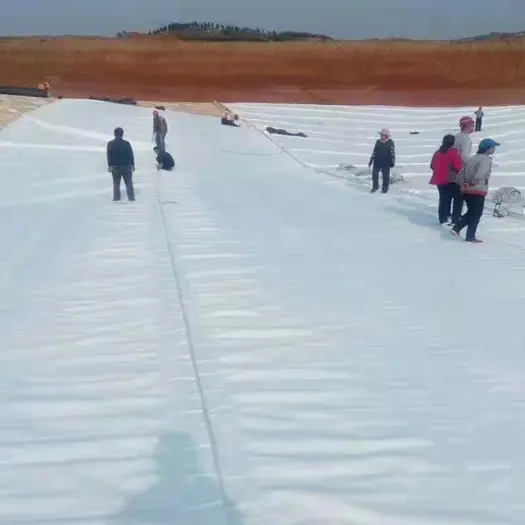
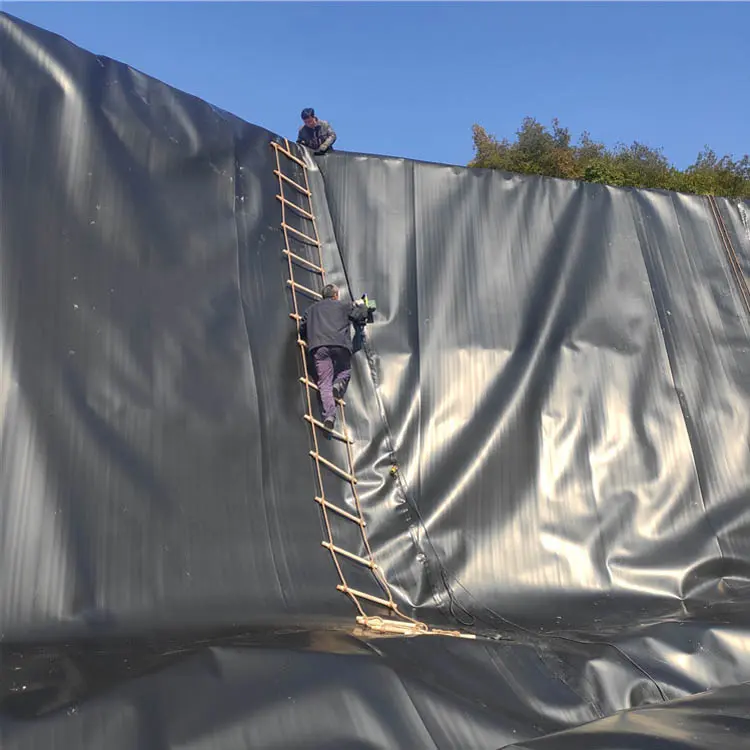
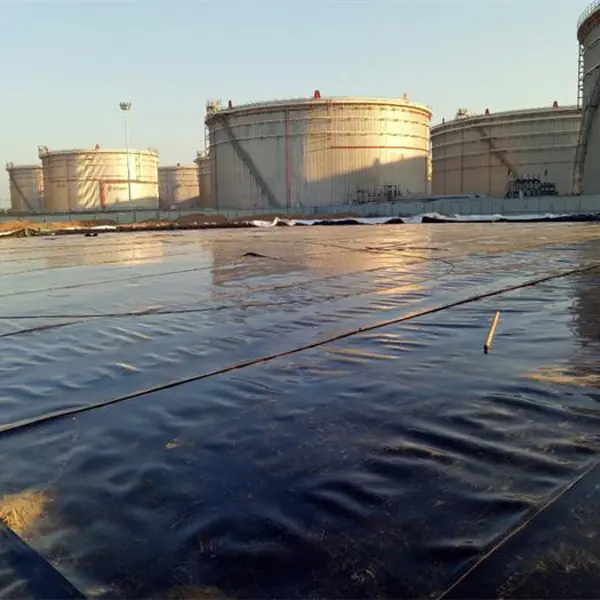
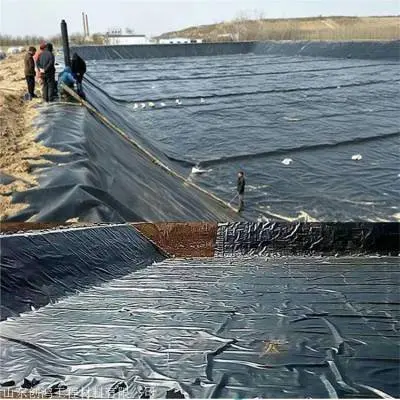
Water conservancy and civil infrastructure projects rely on geomembranes to manage seepage and protect subgrades. Their low hydraulic conductivity, flexibility, and mechanical durability make them suitable for challenging containment applications.
In reservoir construction, geomembranes prevent water loss through porous geological formations. They provide a continuous barrier that accommodates settlement and local soil movement without tearing.
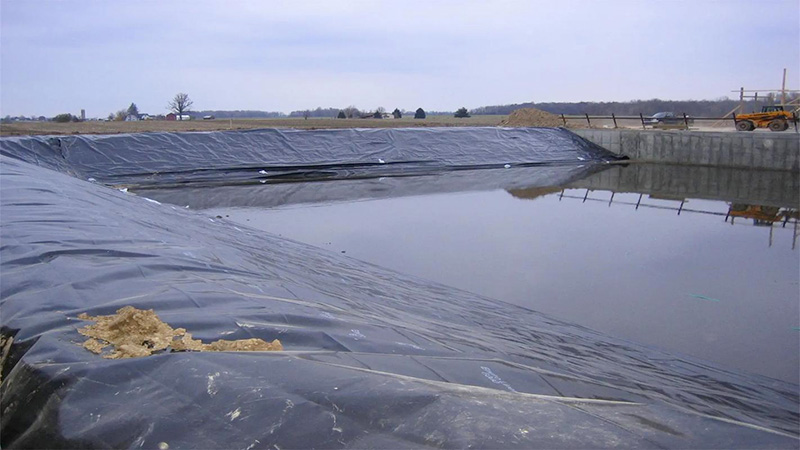
For canal and riverbank remediation, geomembranes are used to prevent lateral water migration and control erosion. By isolating the water flow from the adjacent subgrade, they reduce the risk of slope instability and embankment failure.
Our technical support team assists clients with material selection, overlap design, and welding parameters to ensure long-term system performance under site-specific environmental conditions.
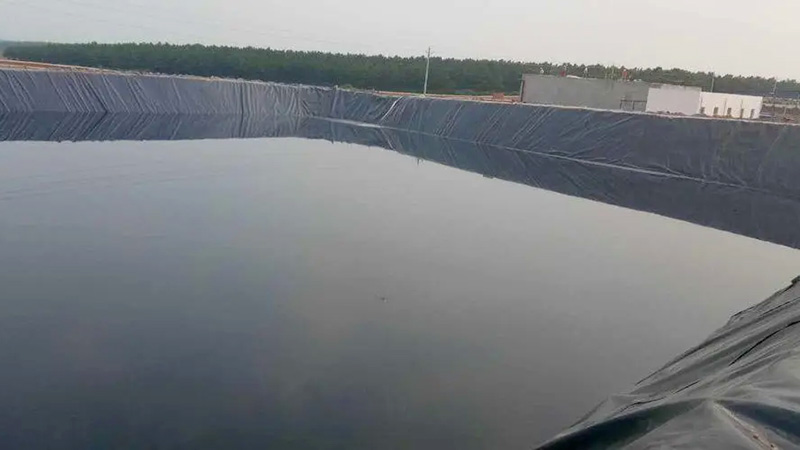
By combining geomembranes with protective geotextile layers, engineers can design composite systems that offer puncture resistance and drainage pathways. These systems are used in landfills, industrial ponds, and municipal infrastructure projects.
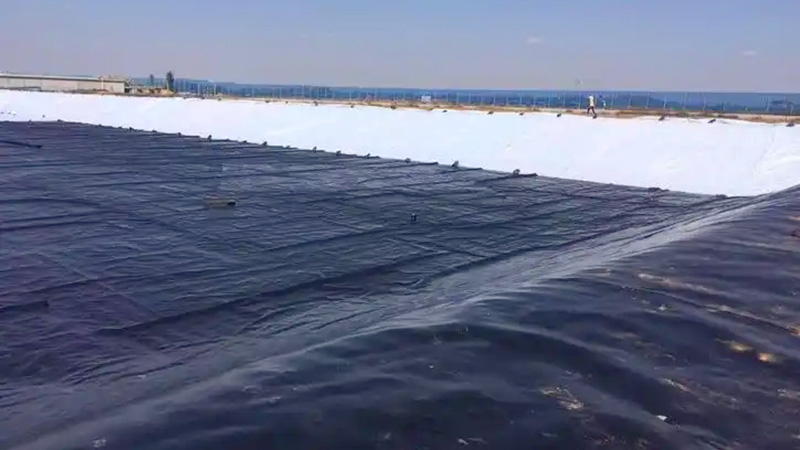
Explore our complete selection of geotextiles, geomembranes, drainage elements, and reinforcement materials for municipal, industrial, and agricultural projects in the Toronto area.
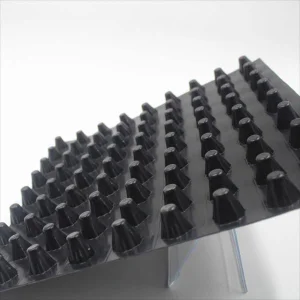
Contact our technical engineering team for product specifications, load calculation assistance, and volume-based pricing for your projects in Toronto and across Canada.
Send Inquiry Now Hongyue