Engineered geosynthetics calibrated for tropical cultivation cycles and rugged slope stabilization infrastructure.
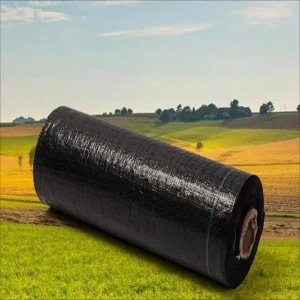
Precision woven polyethylene (PE) geotextile tailored for heavy-humidity weed restriction and moisture management in organic pineapples and cotton crops.
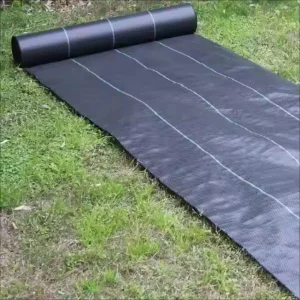
Engineered high-durability polypropylene woven barriers offering high puncture resistance and excellent hydraulic permeability for commercial plantations.
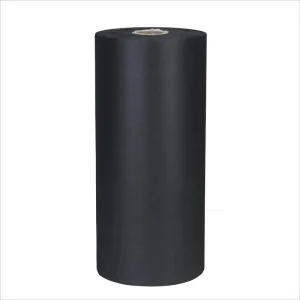
Breathable and permeable non-woven weed barriers ideal for landscape projects, enabling seamless water penetration while fully choking out weed sprouts.
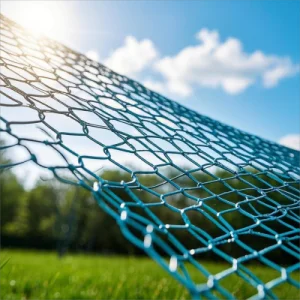
High-strength three-dimensional geonets for slope protection, root stabilization, and stormwater runoff mitigation in West African transport infrastructure.
An in-depth analysis of weed control cloth optimization under sub-equatorial climatic pressures and logistics frameworks.
Agriculture stands as the backbone of the Beninese economy, employing over 70% of the active workforce and accounting for nearly 35% of the nation’s GDP. The primary cash crops—namely cotton, cashews, pineapples (primarily the high-demand Pain de Sucre variety in the south), and palm oil—confront significant modern agronomic challenges. In Benin's sub-equatorial southern region, characterized by two wet and two dry seasons annually, weed infestation is aggressively persistent. Weeds compete directly with cash crops for vital soil nitrogen, phosphorus, and moisture, leading to harvest yield losses ranging from 25% to 60%.
Historically, weed control in Benin relied on manually intensive labor or chemical herbicides. Manual weeding is not only physically demanding and time-consuming but also damages delicate crop root zones and accelerates topsoil erosion. On the other hand, the widespread chemical alternative introduces high operational costs, pollutes critical groundwater basins, and leaves chemical residues on export crops, making them non-compliant with strict European Union import restrictions.
Consequently, the transition to high-durability weed control cloth (also known as ground cover or anti-grass geotextile) has rapidly emerged as a critical driver for agricultural modernization in Benin. By establishing a physical barrier that restricts light transmission while maintaining optimal soil aeration and moisture permeability, commercial and local farmers can reduce herbicide consumption to zero, improve soil moisture retention, and boost overall crop yields.
Selecting the appropriate polymer blend is essential to surviving the intense solar irradiance of West Africa. Benin regularly experiences a UV Index exceeding 11+, which rapidly degrades standard, un-stabilized plastics through photo-oxidation.
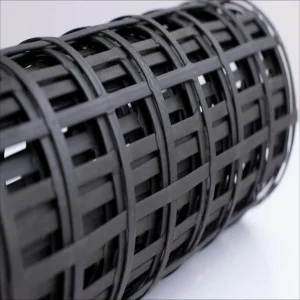
High-strength composite geogrids utilized for heavy duty roadbed stabilization and port yard reinforcement across Benin shipping lanes.
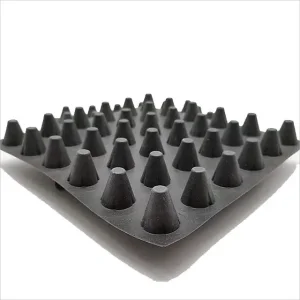
Heavy duty water diversion panels engineered for foundation water drainage and hydraulic flow control in civil buildings.
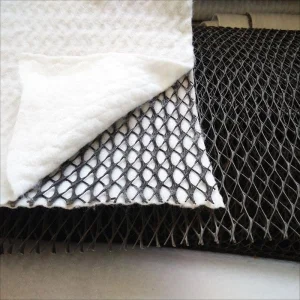
High flow tri-planar geocomposite drainage structures offering reliable filtration and long-term transmissivity under high compressive loads.
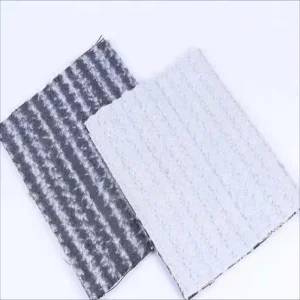
Innovative fast-setting composite geosynthetic barrier designed for rapid canal lining, ditch paving, and erosion prevention in Benin.
At our advanced manufacturing facility, Shandong Hongyue Environmental Engineering Co., Ltd. implements state-of-the-art production systems to guarantee product consistency and reliability. For instance, the production process for geotextiles and weed control cloth consists of the following critical stages:
The primary raw materials, such as high-grade virgin polyester chips, polypropylene filament, and viscose fibers, undergo strict quality verification. Precise measurements of HALS UV-stabilizers and carbon black are blended uniformly to ensure consistent chemical resistance throughout the batch.
Raw materials are fed into high-precision screw extruders, melted under carefully regulated temperatures (ranging from 220°C to 260°C depending on polymer specs), and extruded to form continuous high-strength filaments.
The extruded filaments are systematically laid down via a spinneret onto a moving conveyor belt, forming a uniform, multidirectional web structure. Fiber orientation is monitored continuously to guarantee balanced MD (Machine Direction) and CD (Cross Direction) tensile strengths.
The web structure undergoes mechanical drafting and needle-punching or thermal bonding to lock the fibers into place. This curing phase establishes the fabric's final density, puncture resistance, and hydraulic parameters.
Consolidated weed control cloth is rolled, edge-trimmed, and wound to specific custom lengths (e.g., 50m, 100m, or 200m) and widths ranging from 1m to 6m. Every roll is securely wrapped in weather-resistant protective sleeves to prevent premature UV exposure during maritime transit.
Samples from every batch undergo rigorous mechanical testing, including grab tensile strength (ASTM D4632), CBR puncture resistance (ASTM D6241), and water permeability. Only certified rolls are permitted for dispatch, ensuring international compliance.
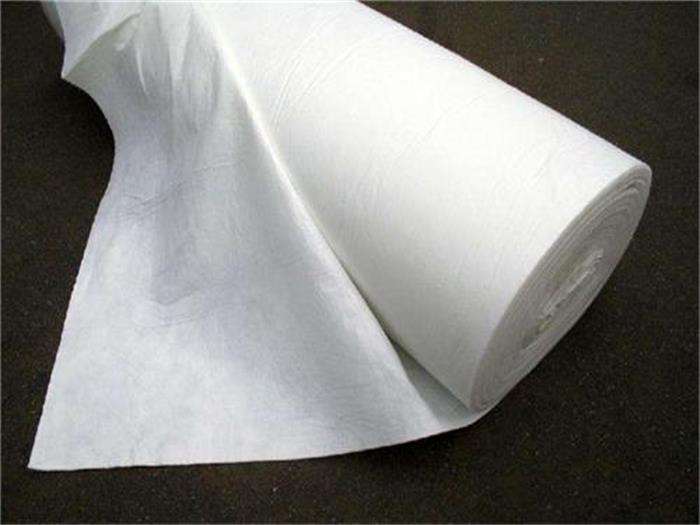
A reference guide for agricultural buyers and engineering firms planning import containers to Cotonou Port.
| Material Grade | Weight (GSM) | UV Stabilizer (HALS) | Tensile Strength (MD) | Estimated Price Range (FOB Qingdao) | Optimal Application |
|---|---|---|---|---|---|
| Standard PE Woven | 90 g/m² | 2.5% Carbon Black | ≥ 7.5 kN/m | $0.18 - $0.24 / m² | Short-cycle vegetable crops & greenhouses |
| Enhanced PE Woven | 110 g/m² | 3.0% UV-HALS | ≥ 9.5 kN/m | $0.25 - $0.32 / m² | Commercial pineapple & cashew plantations |
| Premium PP Woven | 130 g/m² | 3.2% UV-HALS | ≥ 12.0 kN/m | $0.33 - $0.41 / m² | Fruit tree nurseries & structural pathways |
| Industrial Non-Woven | 150 g/m² | 3.0% UV-HALS | ≥ 8.0 kN/m | $0.38 - $0.48 / m² | Drainage filtration & multi-season erosion control |
*Disclaimer: The prices above represent standard factory FOB rates. Actual pricing may vary based on customization requirements, raw polymer market fluctuations, and order volumes. For a detailed CIF Cotonou quote, please contact our export division.
Providing end-to-end supply chain security from Dezhou, Shandong Province to West Africa.
Shandong Hongyue Environmental Engineering Co., Ltd., located in Lingcheng District, Dezhou City, Shandong Province, is one of China's largest manufacturing bases for geotechnical and agricultural materials. Registered with a capital of 105 million RMB, our facility incorporates high-capacity extrusion lines, broad-loom weaving machines, and state-of-the-art non-woven lines capable of running 24/7. This high operational capacity insulates bulk buyers from production delays.
For customers in Benin, our export team coordinates closely with international shipping lines operating out of Qingdao Port. We offer seamless transport routing with typical transit times of 35 to 45 days to the Port of Cotonou (Port Autonome de Cotonou), which serves as the key maritime gateway not only for southern Benin but also for inland nations like Niger and Burkina Faso.
Compliance & Documentation: We ensure that all shipments to Benin are accompanied by complete documentation, including the mandatory ECTN (Electronic Cargo Tracking Note / Bordereau de Suivi de Cargaison - BSC), Bill of Lading, Certificate of Origin, Packing List, and certified ISO test reports to prevent clearance delays at destination customs.
Optimal field preparation and anchor designs configured for Benin's dry-season soil hardening and wet-season washouts.
Clear the target field of all existing large weeds, sharp stones, and biological debris. Grade the soil surface to prevent low-lying depressions where water may pool excessively during the heavy rainy seasons.
To resist wind displacement and erosion, dig a 20cm anchor trench along the perimeter of the field. The outer edges of the weed control cloth must be tucked into these trenches and backfilled with consolidated soil.
Unroll the fabric along the crop rows, keeping it uniform and lightly tensioned. Allow the fabric to sit in the sun for several hours before fixing to allow thermal relaxation, minimizing structural buckling under summer heat.
Where multiple rolls join, maintain an overlap of at least 15cm to 20cm to block weeds from penetrating seams. Anchor the fabric using heavy-duty steel U-pins or plastic pegs spaced at 1-meter intervals along seams, and 1.5-meter intervals in core zones.
Using a sharp tool, cut an 'X' or 'O' shape only at the target planting locations. Avoid over-cutting, which exposes raw soil to sunlight and enables weed growth near the crop stem.
We manufacture a wide range of geosynthetics for infrastructure, environmental protection, and agricultural applications.
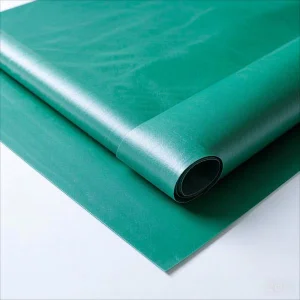
Premium high-density polyethylene liner engineered for municipal landfill containment, gold mining heap leach pads, and wastewater ponds in Benin.
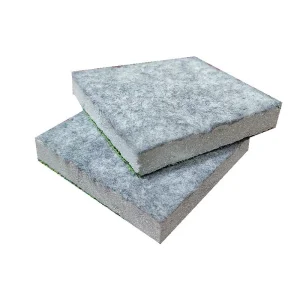
Flexible concrete-impregnated geosynthetic mat that cures rapidly upon hydration, creating a durable, armored layer for erosion control and channel lining.
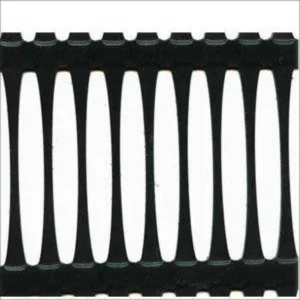
High-strength HDPE geogrids engineered for retaining walls and steep slope reinforcement, providing maximum long-term load bearing capability.
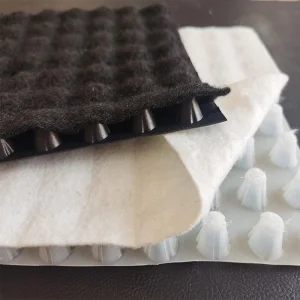
Dimpled plastic sheet laminated with geotextile, designed to redirect water flow and protect foundation walls in commercial developments.
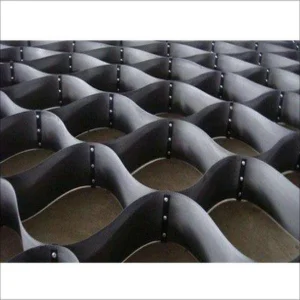
Three-dimensional cellular confinement systems designed to control soil displacement on slopes, shorelines, and load-support road beds.
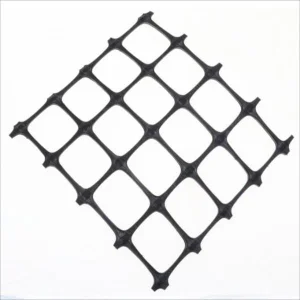
High modulus polypropylene biaxial geogrids for base reinforcement of paved roads, gravel tracks, and parking structures.
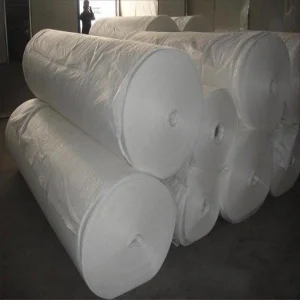
Needle-punched non-woven geotextile providing exceptional filtration, soil separation, and planar drainage characteristics.
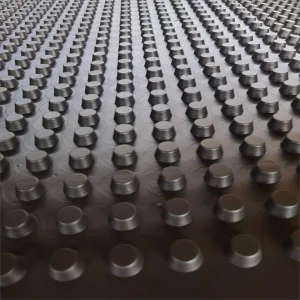
Water storage and drainage sheets manufactured from high-impact recycled or virgin polymers, ideal for modern green roof systems in urban developments.
Answering common technical, logistical, and custom clearance queries from agricultural and engineering companies in West Africa.
 Hongyue