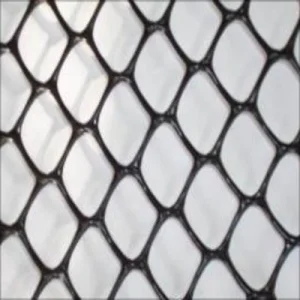
High-density polyethylene geonets optimized for harsh mechanical and hydraulic stresses.
View Specifications
Three-dimensional net structures engineered for maximum hydraulic conductivity and high loads.
Get Quotes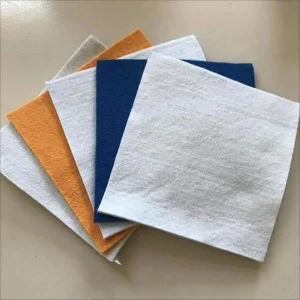
High tensile strength non-woven polyester geotextiles for filtration, separation, and drainage.
Technical Data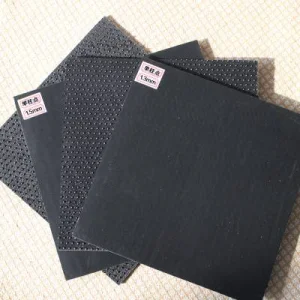
Textured finish geomembranes providing excellent friction performance on steep slopes.
Price List & DetailsNew Zealand's geomorphology presents extreme challenges for civil engineering, road networks, and waste management systems. High annual rainfall, particularly in areas like the West Coast, Fiordland, and the volcanic zones of the North Island, demands advanced drainage solutions that can handle massive water flows while ensuring structural integrity. In modern New Zealand construction, traditional gravel drainage layers are increasingly being replaced by high-performance synthetic geonets and geocomposites. Under the strict guidelines of the Resource Management Act (RMA) and municipal design standards, geotechnical projects must prioritize environmental sustainability and longevity.
A geonet is a planar geosynthetic material constructed from extruded polyethylene ribs that intersect at specific angles, creating a highly porous grid. This unique structure provides high-capacity, long-term fluid transmission in both horizontal and vertical directions. In New Zealand, geonets are extensively deployed to manage subsurface water pressures, mitigate landslide risks in seismic zones like Wellington and Canterbury, and isolate hazardous leachate in regional municipal landfills.
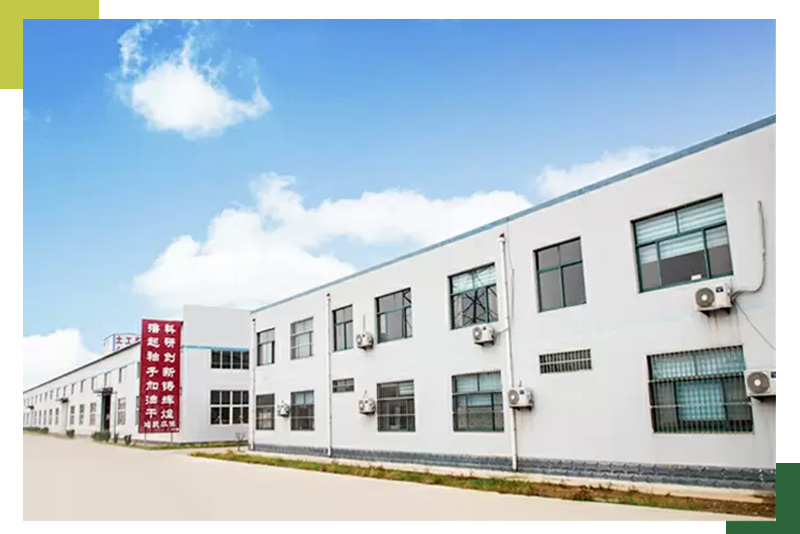
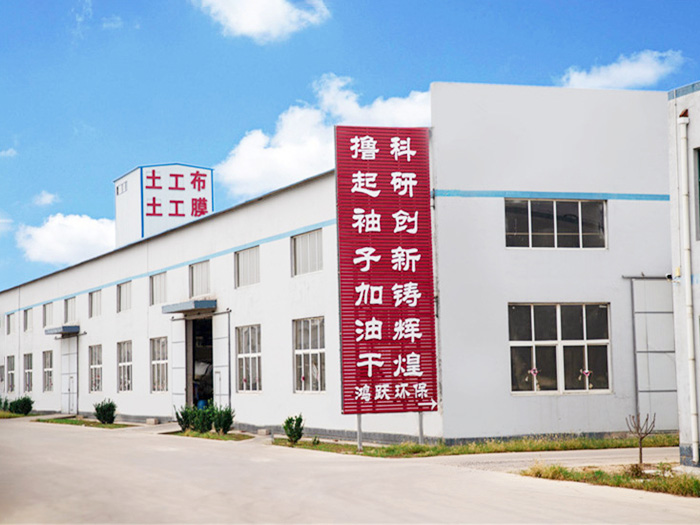
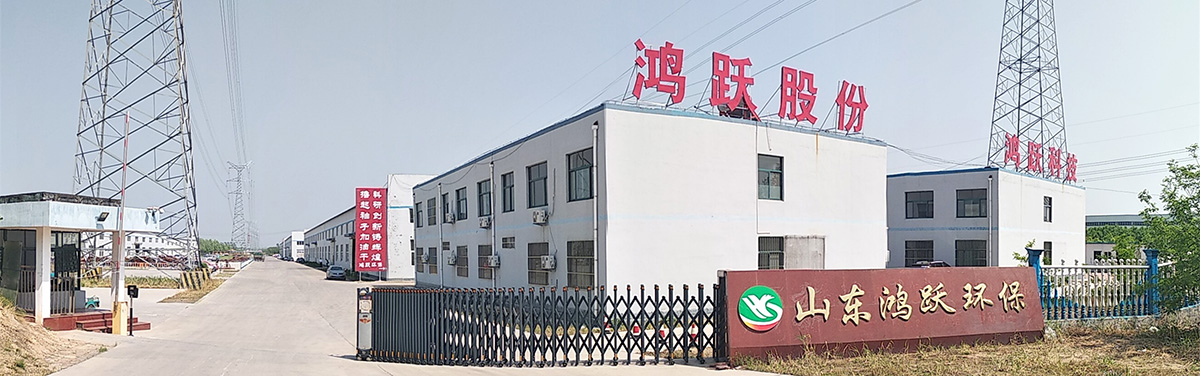
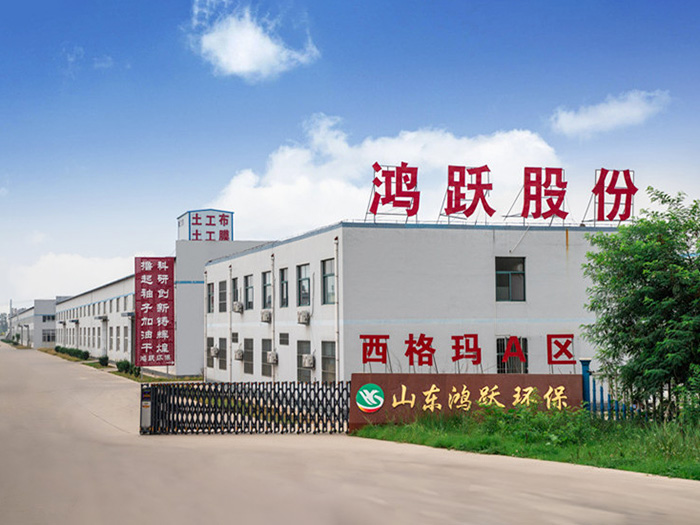
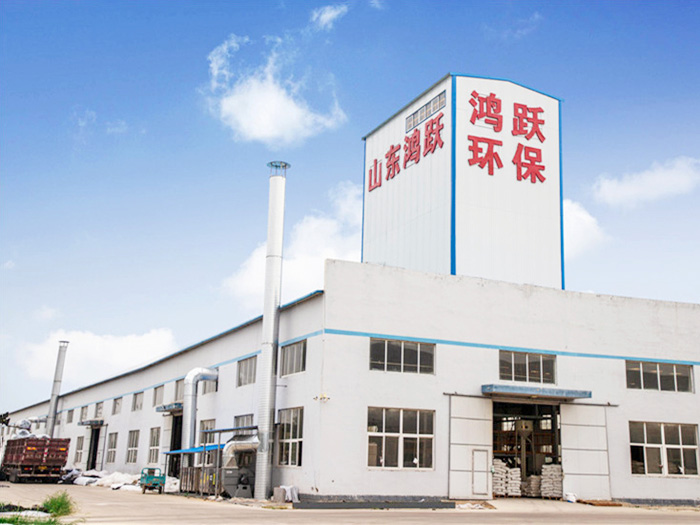
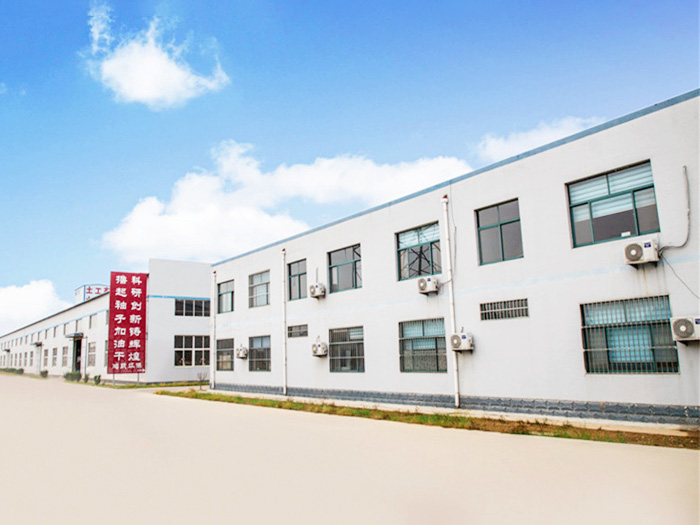
Located at the north end of Fufeng Street, Lingcheng District, Dezhou, Shandong Province, Shandong Hongyue Environmental Engineering Co., Ltd. is a scientific and technological geotechnical material manufacturer integrating engineering material production, sales, design, and construction services. The company was registered in Lingcheng District Market Supervision and Administration Bureau of Dezhou City with a registered capital of 105 million yuan. Today, it stands as one of the largest production bases of geotechnical materials in China, benefiting from a superior geographical location and highly convenient transport links to major international shipping ports.
Our comprehensive production system covers geotextiles, geomembranes, composite geomembranes, waterproof boards, bentonite waterproof blankets, 3D composite drainage nets, drainage boards, woven and non-woven geofabrics, concrete protective liners, geogrids, geocells, cement blankets, and flexible pervious pipes. As a key member of the Dezhou Geotextile Association, Hongyue is trusted by global engineering firms to deliver high-quality materials for highway, railway, bridge, tunnel, reservoir, mining, and ecological rehabilitation projects.
Different regions in New Zealand present unique soil parameters, water tables, and regulatory constraints. We custom-manufacture our drainage geonets to target these specific challenges:
In large modern landfills, managing toxic leachate is critical. Our 3D composite drainage geonets are installed directly above and below LLDPE geomembranes. This design drains high volumes of leachate rapidly, reducing the hydraulic head on the liner and preventing environmental contamination of surrounding groundwater resources.
NZ's state highway networks run through complex terrains prone to heavy rain. Implementing geocomposites under road asphalt bases effectively channels away infiltrated rainwater, preventing subgrade softening, frost heave damage, and structural road surface cracking, which reduces long-term maintenance costs.
Gold mining in Otago and coal extraction on the West Coast generate huge quantities of mine tailings. Our high-density geonets provide critical drainage layers inside tailings storage facilities (TSFs), accelerating consolidation of slurry wastes and dissipating excess pore water pressure to prevent slope failure.
At Shandong Hongyue, we employ automated, precision-controlled extrusion lines to produce geonets that exceed international standards, including ASTM and GRI specifications. Our modern machinery ensures consistent polymer distribution and uniform rib geometry.
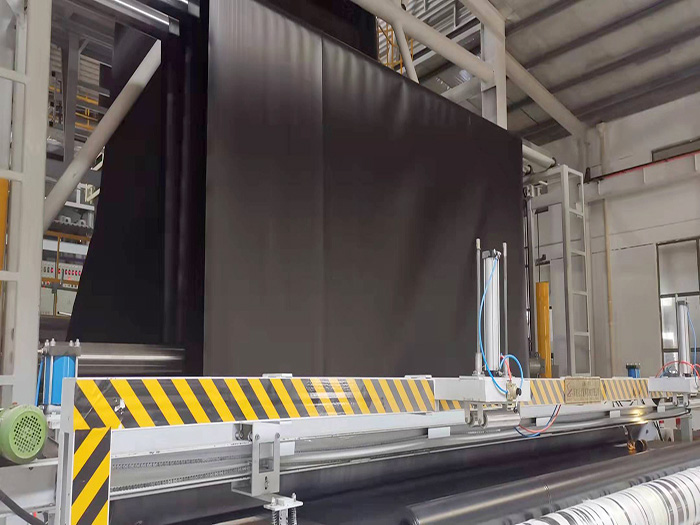
High-capacity extrusion line for HDPE Geonets
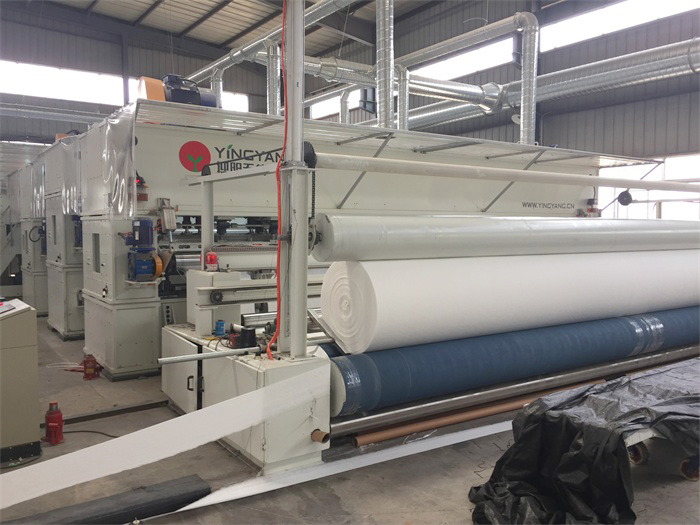
Testing Laboratory and Quality Inspection Station
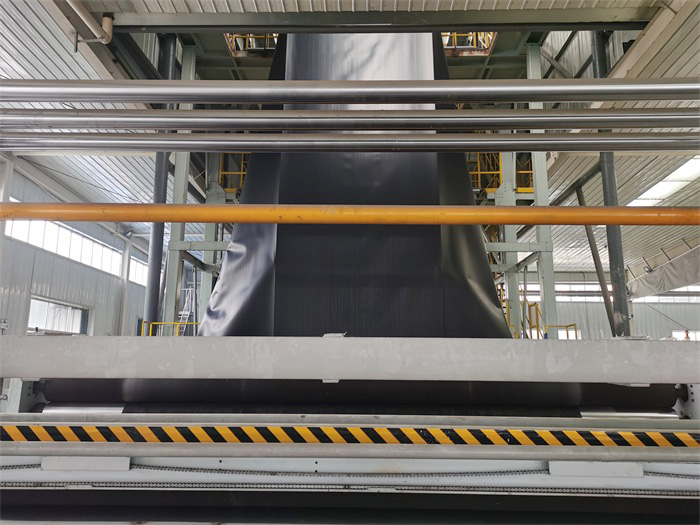
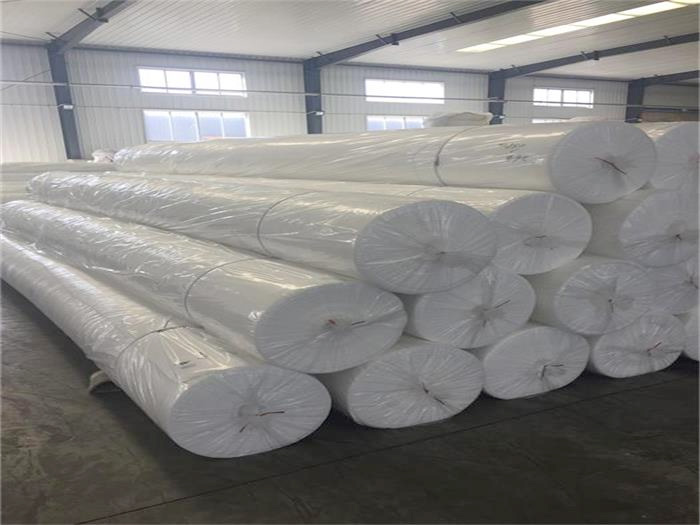
Finished Geosynthetics Roll Storage Ready for Export
Our main raw materials include virgin high-density polyethylene (HDPE) resins, premium polyester chips, polypropylene filament, and viscose fibers. Every incoming batch is rigorously tested for density, melt index, and purity to ensure long-term stability in extreme subterranean conditions.
The selected raw materials are fed into high-temperature screw extruders. After melting, the molten polymer is forced through specialized dies at precisely calibrated pressures and temperatures. For composite geonets, polypropylene filament and stabilizers are blended homogeneously to guarantee maximum tensile strength.
The extruded polymer strands pass through a rotating die head that forms intersecting ribs. This grid is immediately drawn onto a calibrated formatting mandrel to form a structured mesh on the conveyor line. The thickness, spacing, and rib angle are tightly controlled to maximize hydraulic transmissivity.
After grid formation, the geonet is cooled and sent through a drafting line. This process stretches the polymer chain structure, significantly improving the material's mechanical strength and creep resistance under compressive loads.
Once cured, the geonets are cut to required widths, rolled onto heavy-duty cores, and wrapped in protective UV-resistant plastic packaging. This ensures the geonet remains clean and undamaged during transit to the project site.
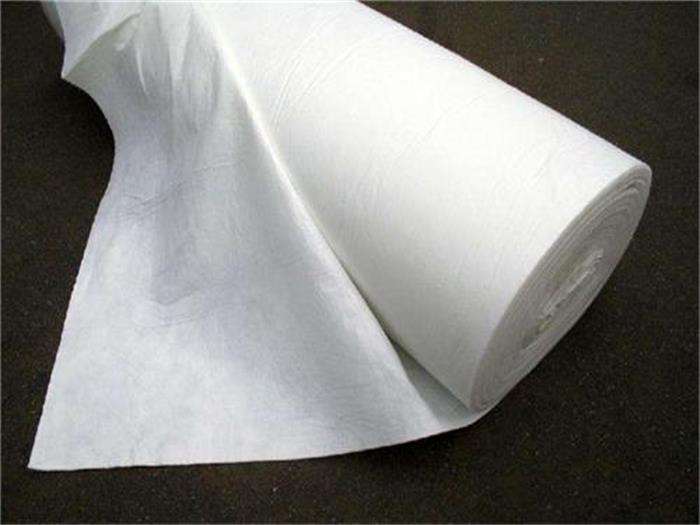
Before leaving the factory, physical and chemical parameters—including thickness, mass per unit area, tensile strength, and hydraulic flow capacity under load—are verified by our QC technicians. Only fully compliant batches are approved for shipment.
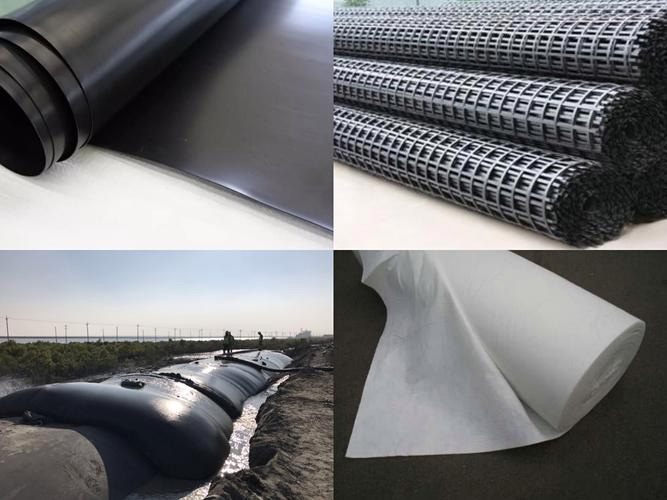
As a leading supplier, Hongyue provides comprehensive design and engineering support. Selecting the correct materials and following standard installation procedures are vital to achieving long-term performance.
The subgrade must be level and free of sharp rocks, vegetation, or debris. A level foundation prevents localized stress concentration and potential puncture of the liner during geotextile or geomembrane installation.
Proper overlap and joint treatment are critical. For geonets, adjacent rolls are overlapped by 100-150mm and secured using UV-stabilized plastic ties spaced every 1.5 to 2.0 meters along the seam.
Inspect the geosynthetic layers regularly during construction. Any damage should be repaired immediately by patching with matching material that overlaps the damaged area by at least 300mm in all directions.
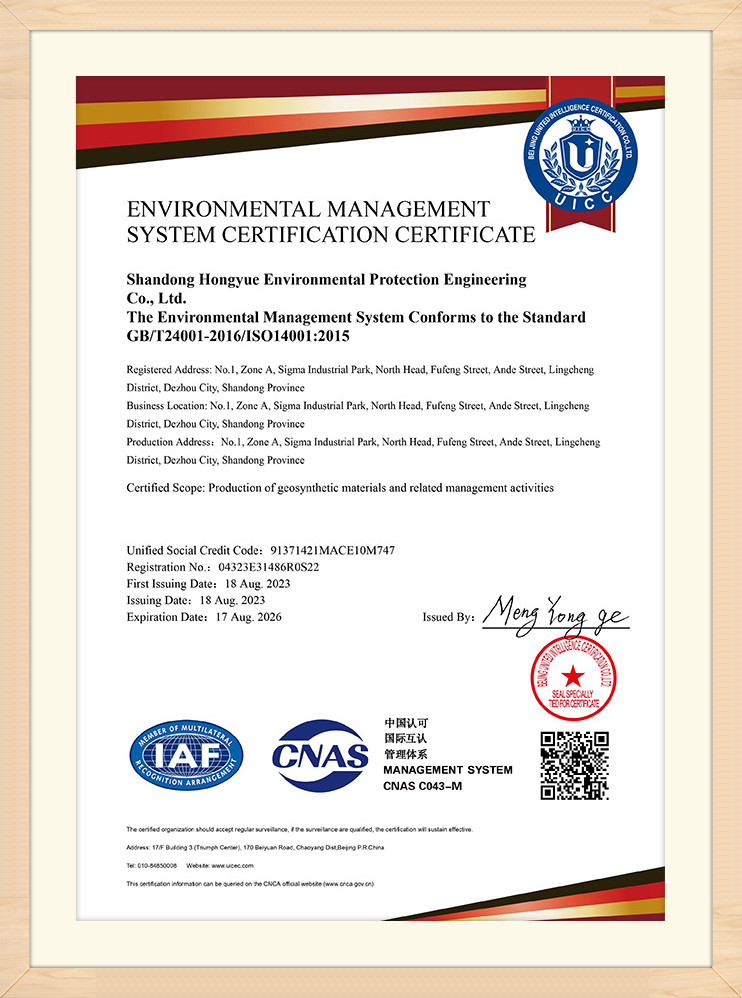
Shandong Hongyue Environmental Engineering Co., Ltd. has established a complete and scientific management system. The company has successively passed the ISO9001 international quality system certification, ISO14000 environmental system certification, and ISO45001 occupational health and safety management system certification.
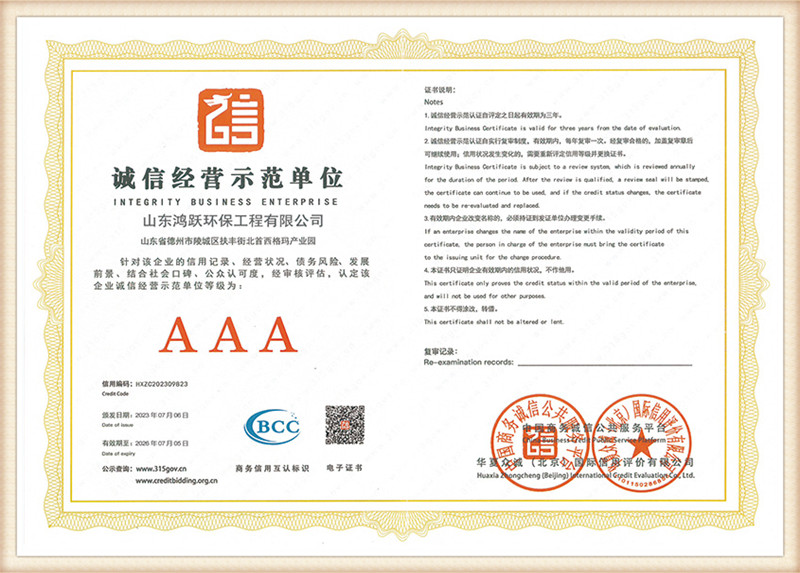
Our products have won multiple awards, including "Green and Environmentally Friendly Building Materials Products", "No Consumer Complaints", "Famous Chinese Brands", "High-Tech Industries", and "Quality Service Double Excellent Units". We maintain a modern laboratory equipped with precision testing devices to verify tensile index, hydraulic transmissivity, carbon black dispersion, and thermal aging parameters. All products meet or exceed international standards and have passed audits by the China National Testing Center and state quality inspection agencies.
Beyond drainage, geocomposite networks are key components of broader civil engineering and hydraulic solutions. Shandong Hongyue integrates engineering design with advanced materials to deliver reliable solutions for challenging environmental projects.
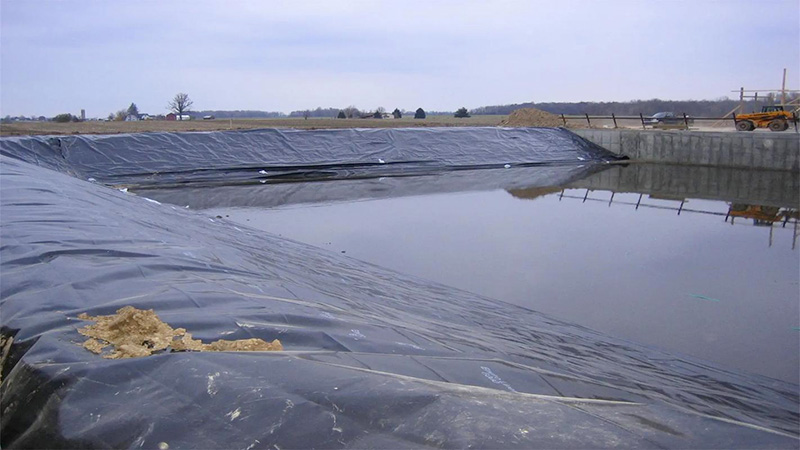
Installing HDPE geomembranes and geonets along reservoir slopes prevents water loss, stabilizes embankments, and protects against seismic damage.
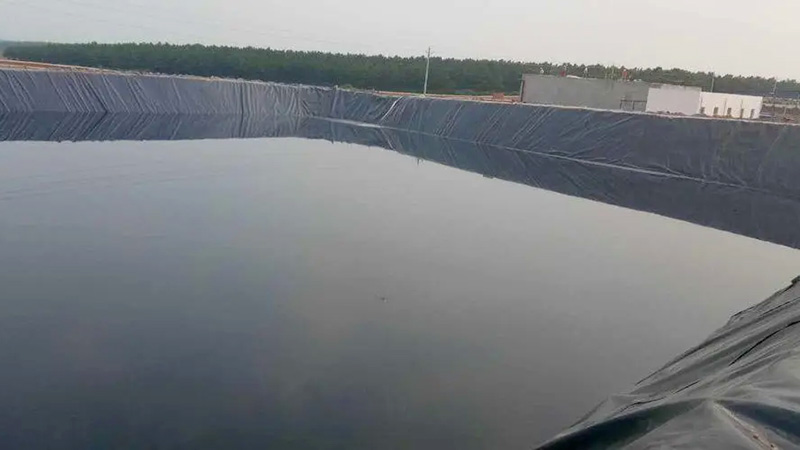
Installing drainage geonets within dikes prevents internal erosion and pipe failure, helping protect downstream urban areas from flooding.
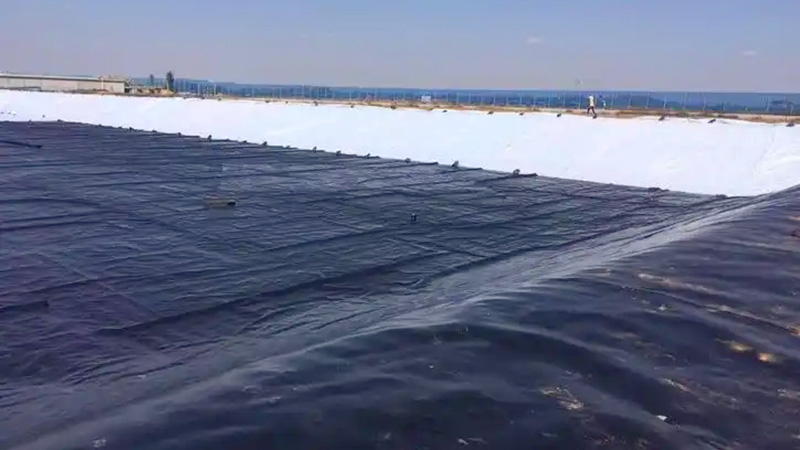
Lining canals with geonets and geomembranes prevents seepage losses, stabilizes channel walls, and controls bank erosion.
Partnering directly with Shandong Hongyue provides New Zealand civil engineering firms, mining companies, and municipal contractors with significant technical and cost advantages. By skipping intermediaries, you gain direct access to custom manufacturing and expert engineering support.
Our experienced engineering team assists with design calculations, hydraulic flow estimates, and project-specific material recommendations. Over more than a decade of supporting international projects, we have built a reputation for delivering reliable service and engineering support.
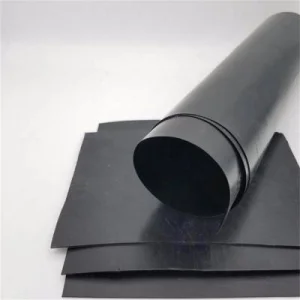
High-durability geomembranes designed for civil works demanding CE compliance certificates.
Specifications & Prices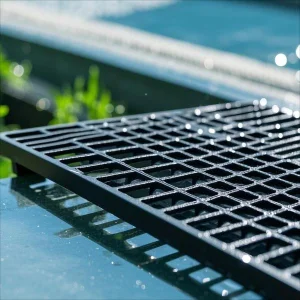
Lightweight drainage net designed for high flow capacity and easy layout in road subgrades.
Get Best Quotes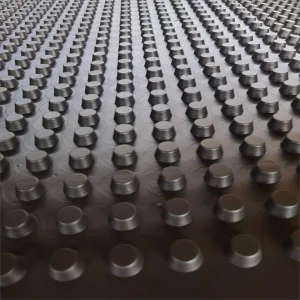
High compressive strength drainage boards for sub-surface moisture control in buildings.
Wholesale Price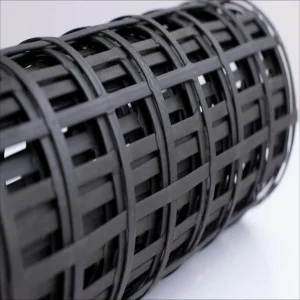
Reinforced steel-plastic geogrid providing critical structural support on steep slopes.
Custom Designs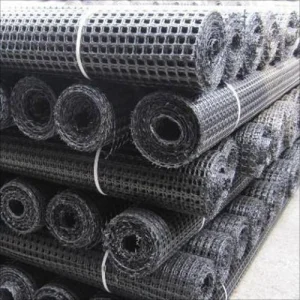
Robust three-dimensional cellular confinement systems for soil confinement and erosion control.
View Options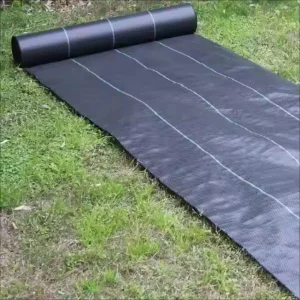
High UV resistance weed barrier fabrics designed for agricultural and commercial landscaping.
Export Quotes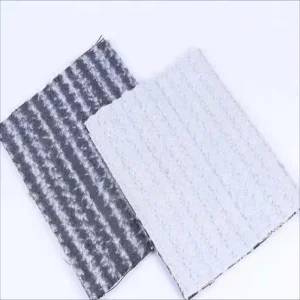
Rapid-hardening concrete cloth blankets for durable ditch lining and erosion protection.
Technical Datasheet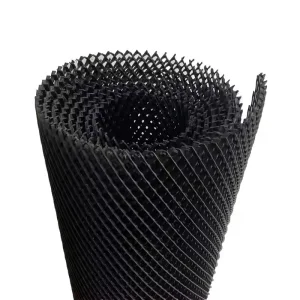
High-performance, three-dimensional geocomposites optimized for landfill leachate drainage.
Get Custom SolutionsOur expert technical team assists with material selection, customized sizing, and container logistics straight to your project site in New Zealand.
Send Inquiry Now & Get Sample Hongyue