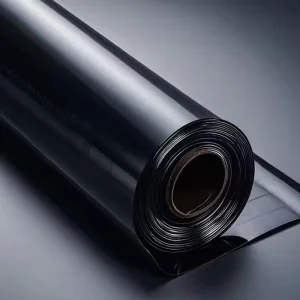
Premium GRI-GM13 certified liners offering superior chemical resistance for municipal landfills and mining containment in dry desert climates.
Technical Data Sheet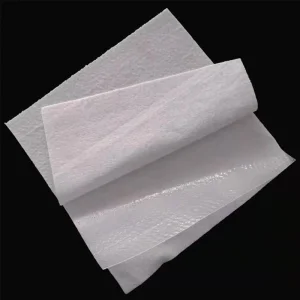
Tailored nonwoven geotextile-bonded geomembrane systems providing reinforced puncture resistance and optimal shear properties on steep slopes.
Technical Data Sheet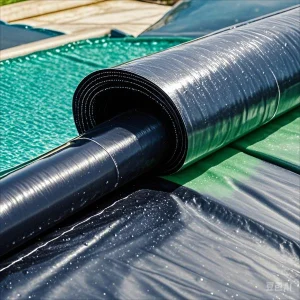
High-density polymeric barriers engineered specifically to prevent liquid migration in delicate aquifer and underground water protection systems.
Technical Data Sheet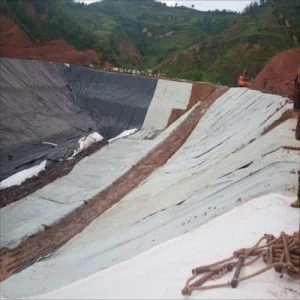
High tensile strength, UV-stabilized barrier liners engineered for long-term open-air performance in reservoir dams and irrigation networks.
Technical Data SheetIn modern geotechnical engineering, geomembranes act as the primary barrier against environmental contamination and fluid loss. In the unique geographical and ecological landscape of Israel—characterized by the hyper-arid Negev desert in the south, vital coastal and mountain aquifers, and high salinity environments near the Dead Sea—the selection of geosynthetics demands unprecedented technical rigor. Environmental managers and engineers in Israel require products that can withstand extreme UV exposure, high thermal cycling, aggressive chemical runoffs, and potential structural shifts.
Shandong Hongyue Environmental Engineering Co., Ltd., a recognized global leader with a registered capital of 105 million yuan, integrates research and development, polymer extrusion, and construction expertise to address these challenges. Our advanced production processes produce High-Density Polyethylene (HDPE) and Linear Low-Density Polyethylene (LLDPE) membranes that comply with international standards such as GRI-GM13 and GRI-GM17, providing reliable protection for hydraulic works, municipal landfills, and agricultural reservoirs.
Israel leads the world in water recycling, wastewater reclamation, and seawater desalination. Over 85% of domestic wastewater is treated and reused for agricultural irrigation. This highly managed hydrological cycle depends on extensive networks of storage reservoirs, settling basins, and canal systems. The major technical challenge in these structures is seepage. A minor leak in a desalinated water reservoir or treated effluent basin not only leads to economic loss but can also cause localized soil salinization and pollute nearby groundwater tables.
Moreover, the extreme climate of the Negev region, where ambient temperatures exceed 40°C and solar radiation yields exceptionally high UV indices, accelerates thermal degradation in standard polymers. Traditional lining materials degrade rapidly under these conditions. Consequently, HDPE geomembranes optimized with specialized carbon black formulations (2.0% to 3.0% by weight) and high-quality antioxidant packages (both standard and high-pressure OIT tests) are essential to prevent premature brittleness and stress cracking.
Choosing the correct polymer structure is vital for engineering integrity:
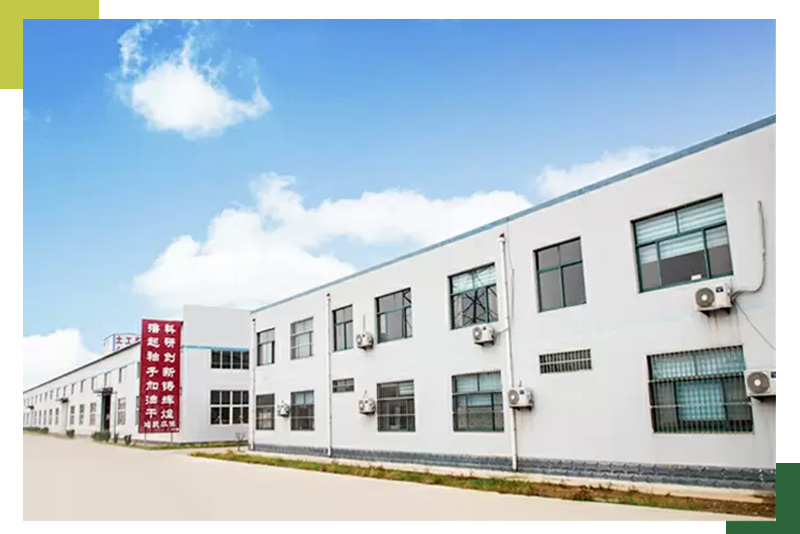
Established as a premier technological geotechnical material manufacturer in China, Shandong Hongyue Environmental Engineering Co., Ltd. is based in the Lingcheng District of Dezhou, Shandong Province. With a registered capital of 105 million yuan, our facility is one of the nation's largest production bases for geosynthetics. Our central location provides convenient transport links to major ports, enabling reliable shipping schedules to industrial centers worldwide, including Ashdod and Haifa in Israel.
Our product portfolio includes geotextiles, geomembranes, composite geomembranes, waterproof boards, bentonite geosynthetic clay liners (GCL), 3D composite drainage networks, geogrids, and glass fiber cement blankets. We serve municipal, hydraulic, mining, agricultural, and transportation sectors globally. Our technical team works alongside project owners, offering on-site welding guidance and detailed design support to ensure optimal installation quality.
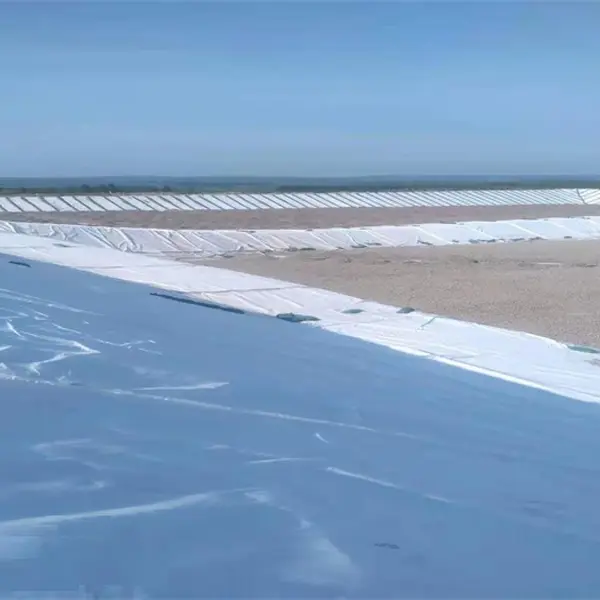
Our HDPE liners prevent seepage in agricultural storage ponds, canal networks, and drinking water reservoirs. Designed with food-safe raw polymers, they preserve water quality and prevent chemical leaching.
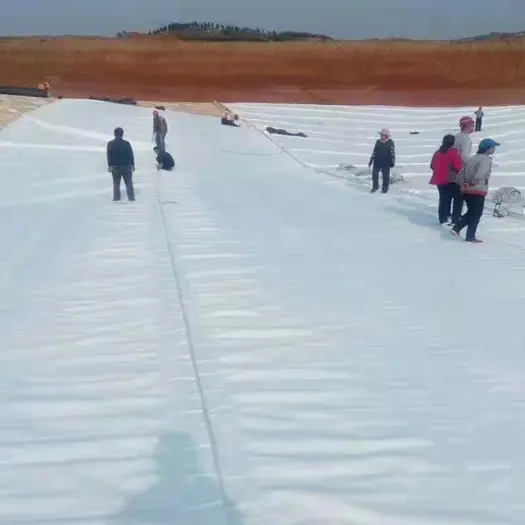
Concrete channel linings crack over time due to ground movement. Lining watercourses with composite geomembranes protects the subgrade and prevents fluid loss through fractures.
We provide dual-layer liner systems designed to contain aggressive leachate, shielding aquifers from heavy metals, organic pollutants, and industrial waste runoff.
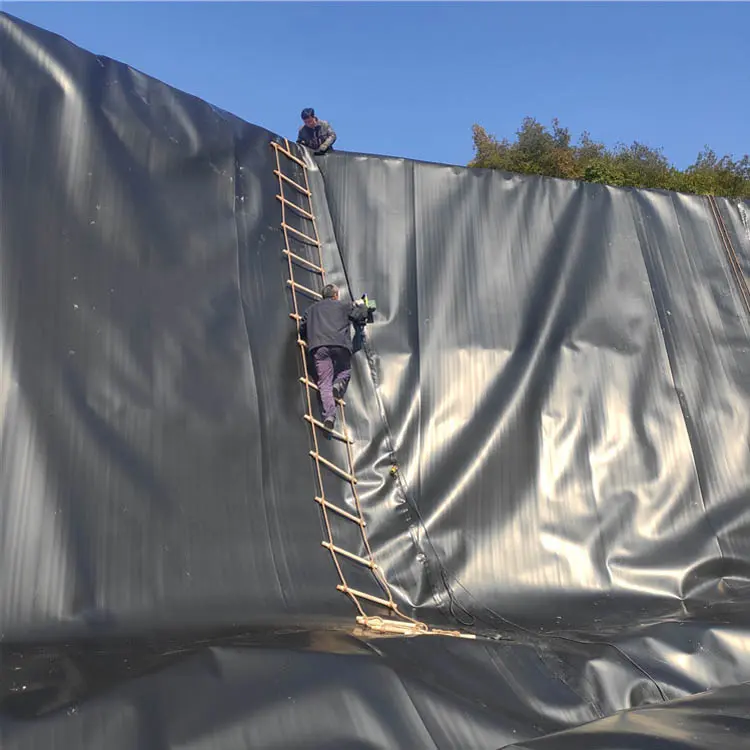
Our chemically resistant geomembranes protect tank farms and secondary containment basins, blocking hydrocarbons and organic chemicals to secure industrial sites against leaks.
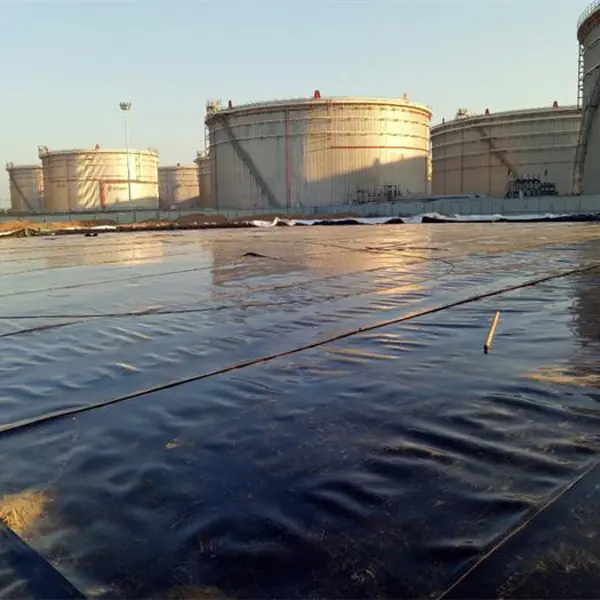
To ensure consistent physical and chemical performance, our manufacturing follows a structured process, using automated blown-film and flat-die extrusion equipment under ISO 9001, ISO 14001, and ISO 45001 standards.
We source premium virgin polyethylene resins, including polyester chips and polypropylene filaments. Every batch is verified for density and melt flow index (MFI) to guarantee reliable mechanical strength and durability.
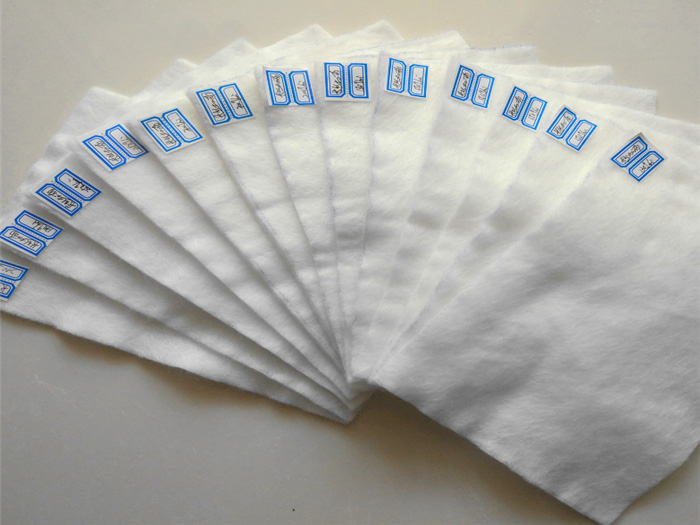
Resins are melted at controlled temperatures and extruded. During this stage, carbon black, UV stabilizers, and antioxidants are mixed in to ensure uniform dispersion and resistance to degradation.
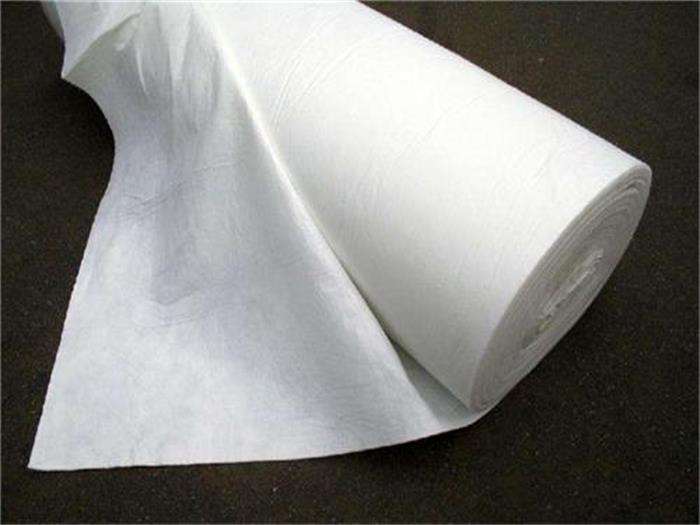
Extruded sheets undergo drafting and tension control to stabilize crystallization. Finished rolls are measured for thickness, wound, and packaged to protect the material during transit.
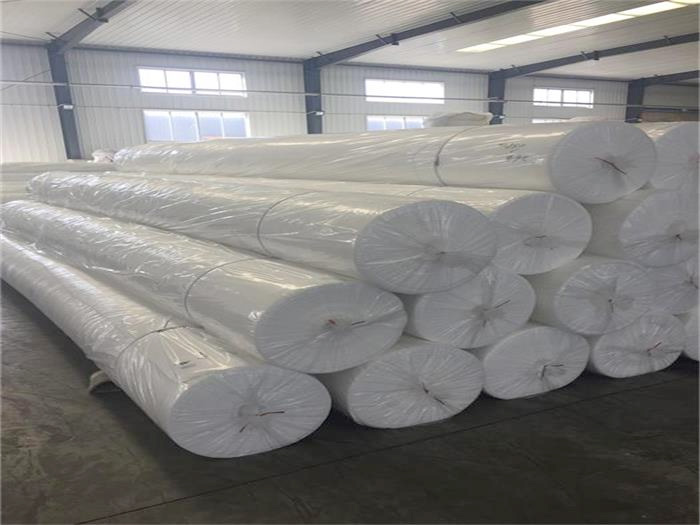
Proper installation is critical to a geomembrane's long-term performance. Without correct preparation, welding, and testing, even high-quality liners can fail prematurely under operational stress.
Subgrade Preparation: The site must be compacted and cleared of sharp rocks, vegetation, and debris. For rough terrain, a protective nonwoven geotextile cushion layer should be installed beneath the geomembrane to prevent punctures.
Welding Protocols: Panels are joined using dual-track hot-wedge welding, creating an air channel for pressure testing. In tight corners or around pipe penetrations, extrusion welding with matching resin rods is used to maintain a continuous seal.
Testing Procedures: All hot-wedge seams undergo non-destructive air pressure testing (typically held at 250 kPa for 5 minutes) to verify joint integrity. Extrusion welds are checked using vacuum box testing or spark testing to ensure leak-free performance.
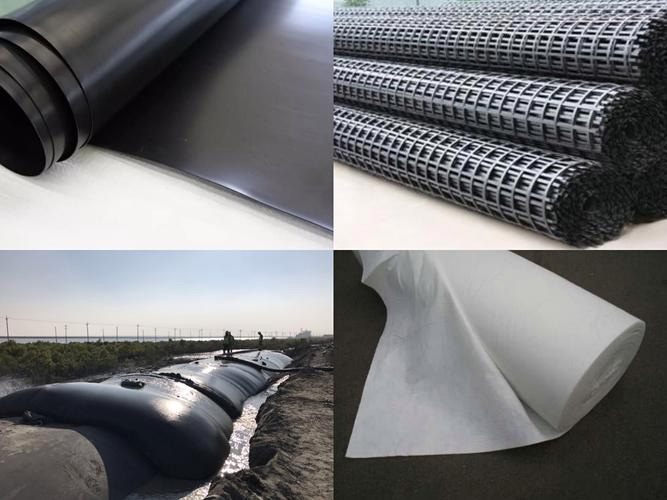
We operate modern manufacturing facilities equipped with precise testing apparatus. Every roll of geomembrane is serialized and tested in our laboratory prior to shipment.
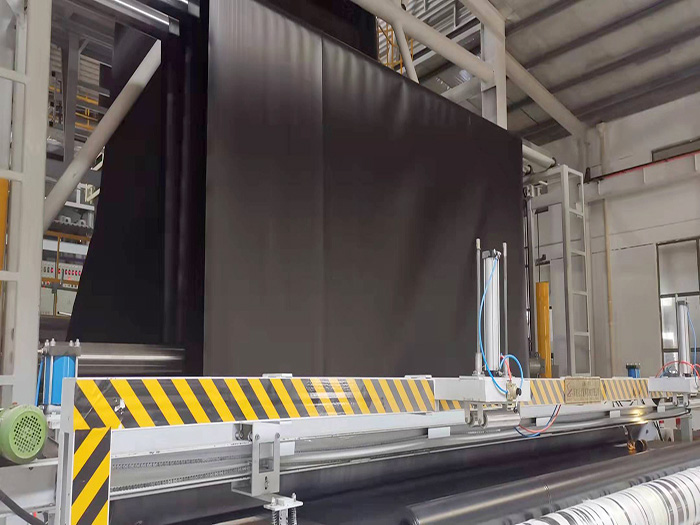
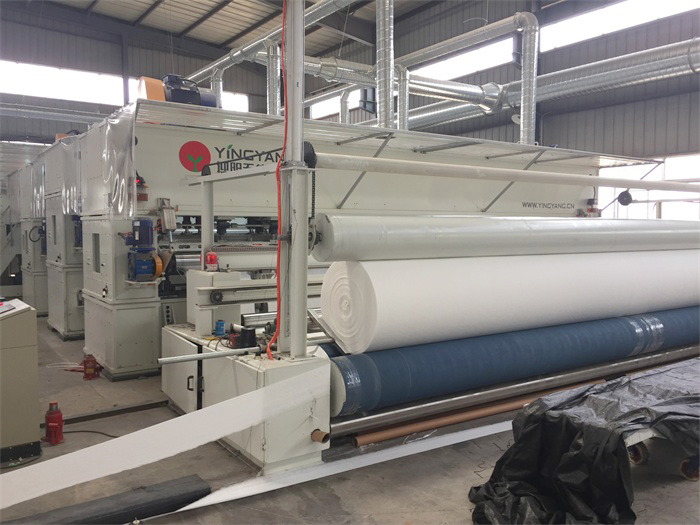
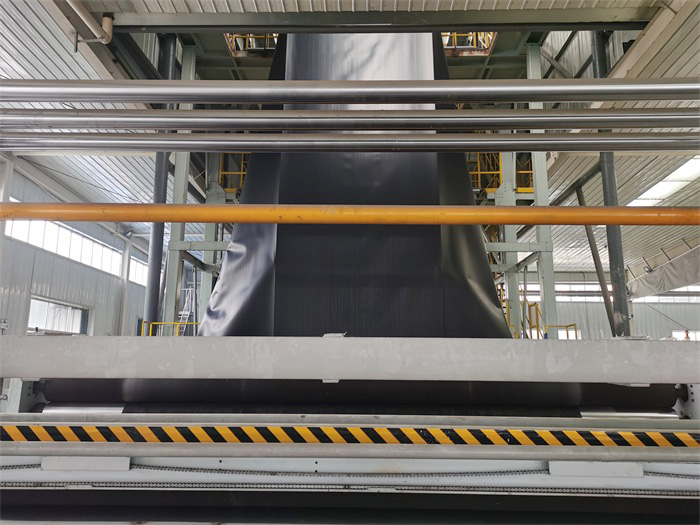
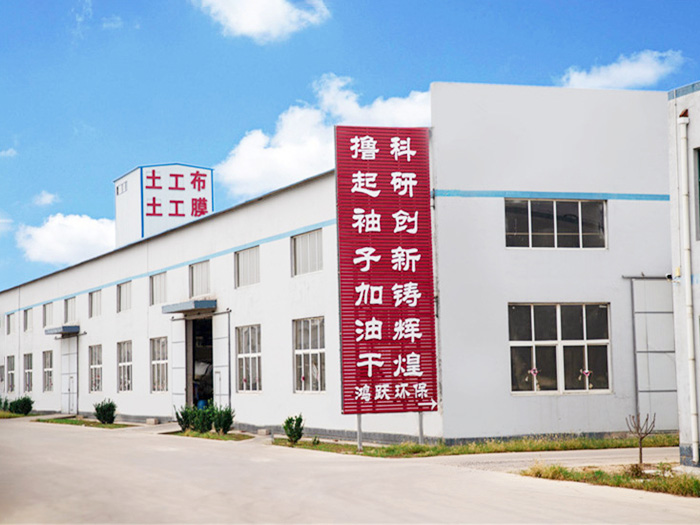
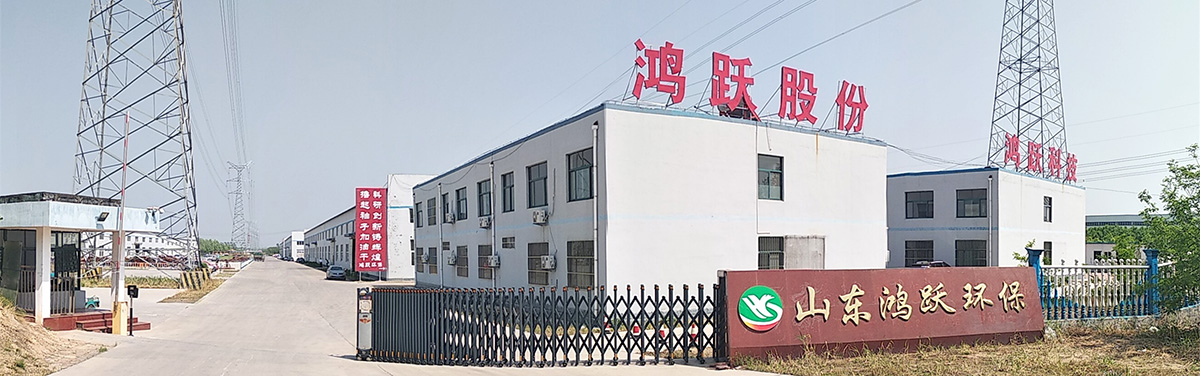
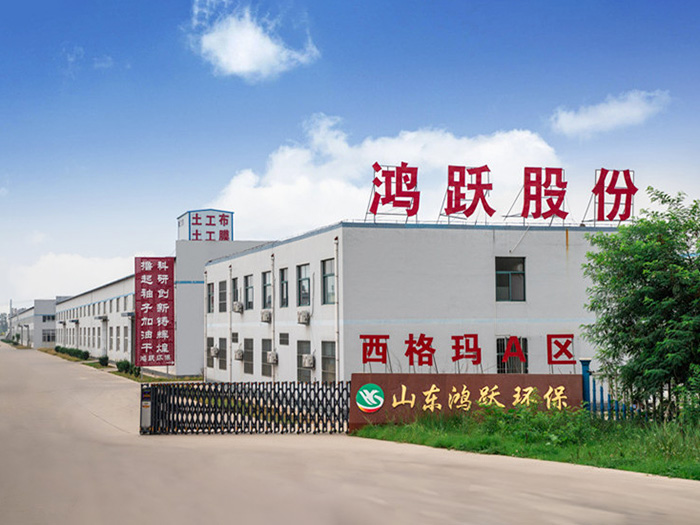
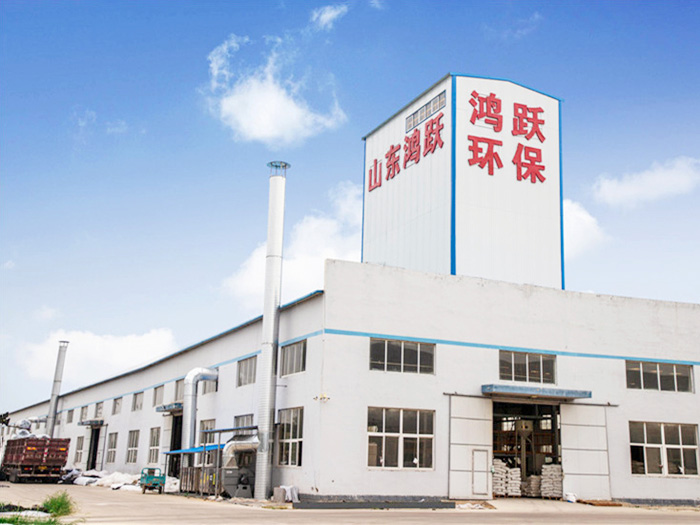
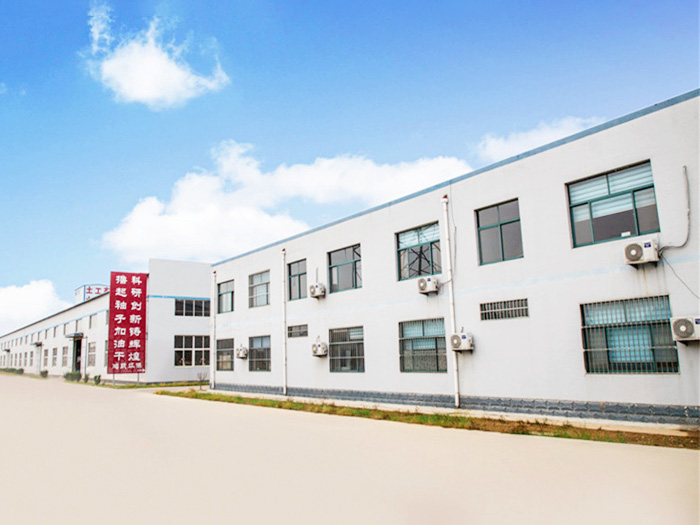
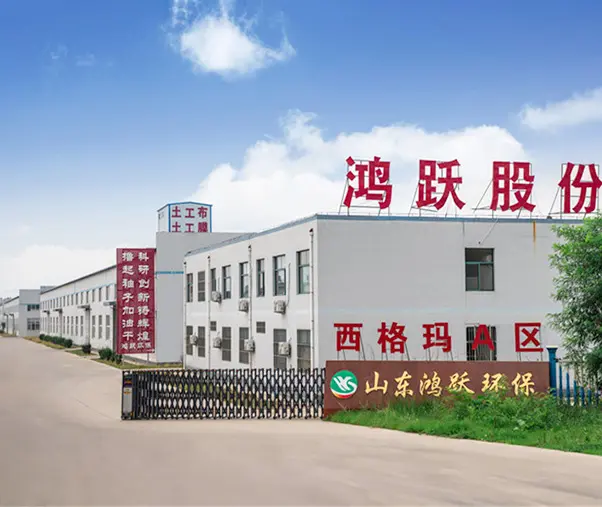
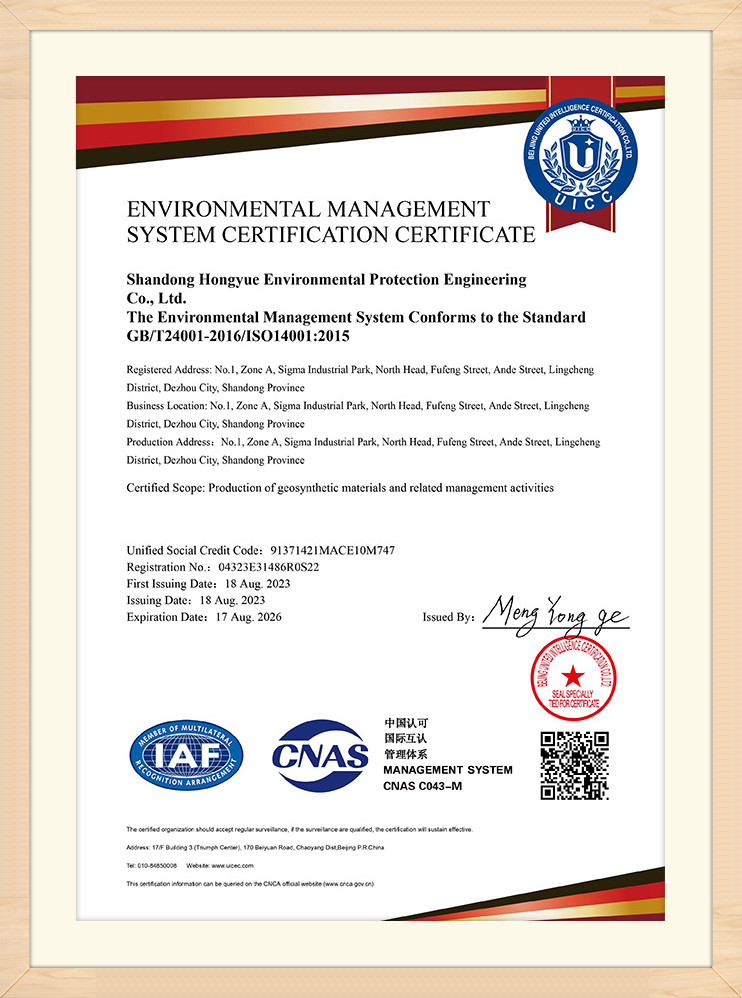
Quality control is integrated throughout our manufacturing lifecycle. Shandong Hongyue Environmental Engineering Co., Ltd. has passed international system certifications including:
Our geomembranes undergo testing to meet global standards. We verify thickness, density, tensile strength, tear resistance, carbon black content, and puncture resistance. Independent testing by accredited third-party laboratories confirms compliance with GRI-GM13, GRI-GM17, and CE requirements, ensuring reliability for critical municipal infrastructure projects in Israel.
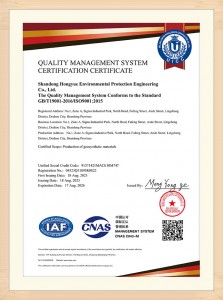
Working with international suppliers requires reliable logistics and clear compliance. We support Israeli projects through established trade channels, delivering materials efficiently to Ashdod and Haifa ports.
Our services include providing comprehensive documentation to meet local customs requirements. We supply raw material trace sheets, internal batch test reports, and third-party certifications to simplify verification by local engineers and regulatory bodies.
Additionally, we offer engineering support prior to delivery. Our technical team assists with layout optimization to minimize material waste and provides custom panel dimensions to reduce onsite welding requirements, lowering installation costs.
Below are examples of our geomembranes in key civil engineering and water management projects:
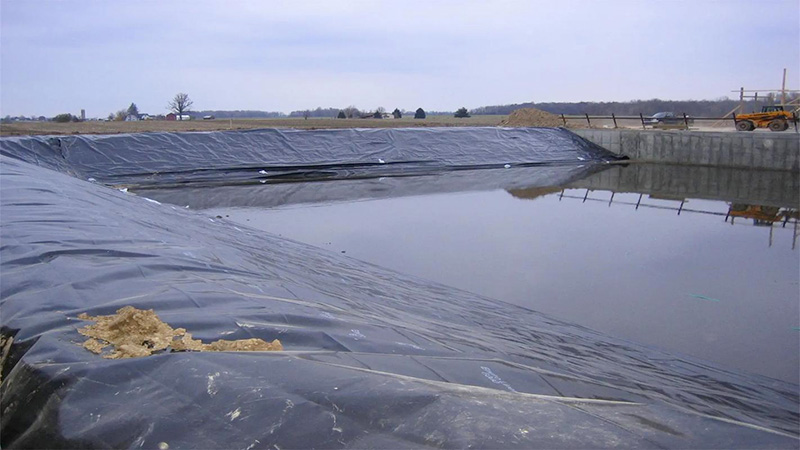
High-durability lining systems developed for municipal and agricultural reservoirs, providing reliable containment under direct sunlight.
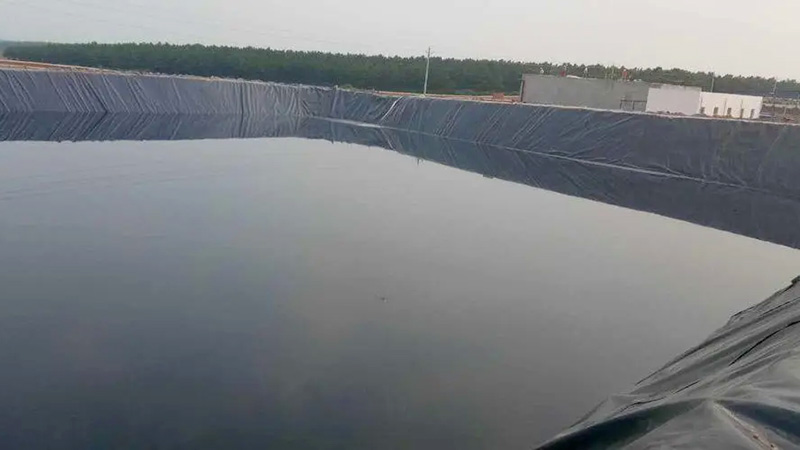
Durable liners designed to control seepage in distribution canals, maintaining constant flow rates and protecting nearby agricultural lands.
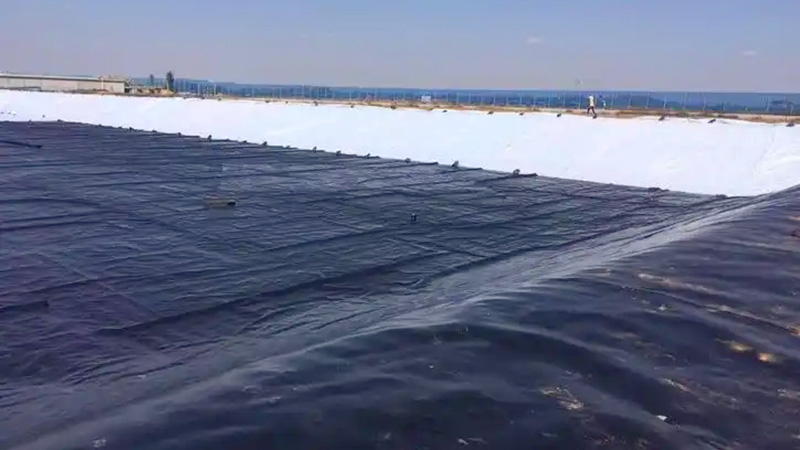
Chemically resistant barriers designed to line industrial treatment ponds, preventing untreated waste from seeping into aquifers.
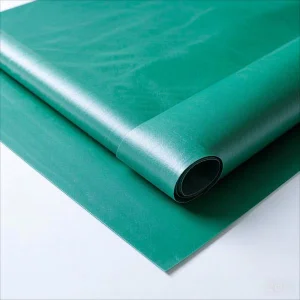
Formulated with advanced stabilizers to resist UV exposure and thermal aging, suitable for open-air desert installations.
Technical Data Sheet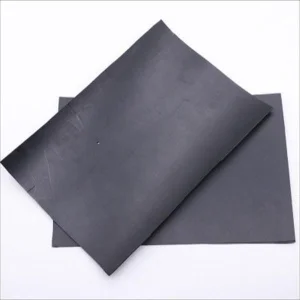
Uniform smooth liners designed for municipal containment, oil depots, and industrial storage tanks.
Technical Data Sheet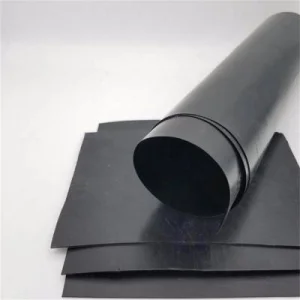
Reinforced composite barrier membranes designed for high tensile load applications and steep slopes.
Technical Data Sheet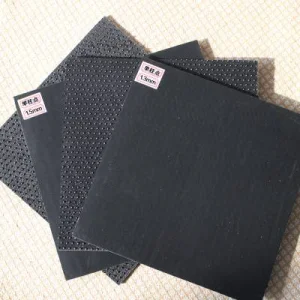
Features a textured surface to improve slope stability and friction performance in steep-sided reservoirs.
Technical Data Sheet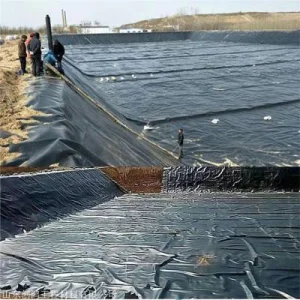
Food-safe, non-toxic liners designed for commercial aquaculture, farming ponds, and clean water storage.
Technical Data Sheet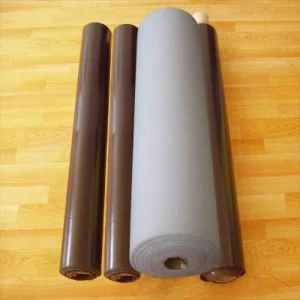
Flexible PVC lining solutions designed for tunnel waterproofing, basement seals, and municipal channels.
Technical Data Sheet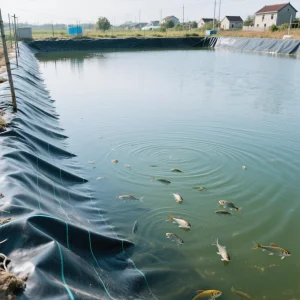
Highly flexible, elastomeric barrier membranes designed to absorb ground settlement without cracking.
Technical Data Sheet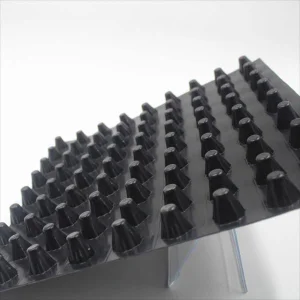
Self-adhesive dimpled drainage boards designed to protect structures and manage groundwater flow.
Technical Data SheetContact our technical sales team for engineering support, material selection guidance, and a comprehensive quote delivered to Ashdod or Haifa ports.
Send Inquiry Now Hongyue