High-quality, standardized geosynthetics designed to comply with local regulations and environmental constraints.
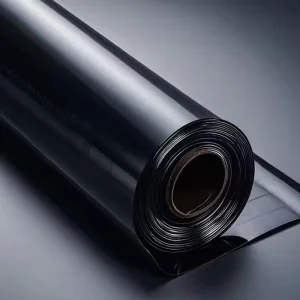
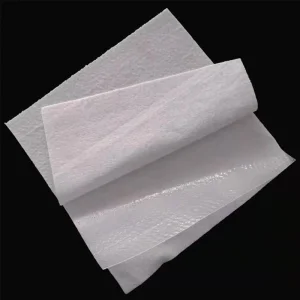
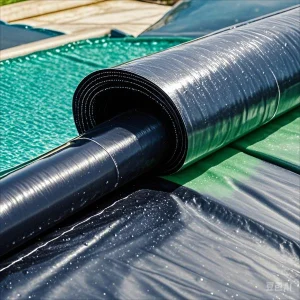
Hungary's geographical position in the heart of the Carpathian Basin presents unique geological, hydrological, and geotechnical opportunities and challenges. With the Danube and Tisza rivers traversing major economic zones, the management of water resources, agricultural security, and groundwater protection is paramount. Industrial modernization across major cities like Budapest, Debrecen, Győr, and Szeged has heightened demands for advanced seepage control systems, chemical containment, and environmental safeguards.
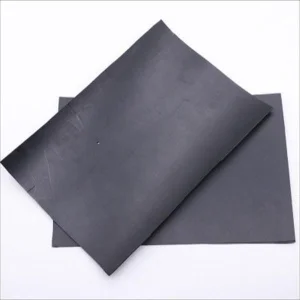
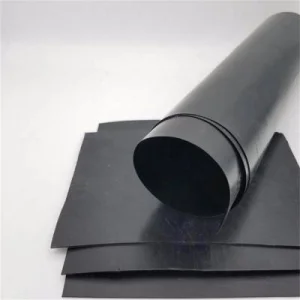
The acceleration of industrial output, specifically in battery manufacturing, automotive Gigafactories, and chemical production in regional hubs, requires strict compliance with domestic and European Union environmental directives. Geomembranes play a key role in preventing hazardous leachates, volatile organic compounds (VOCs), and heavy metals from contaminating fragile alluvial aquifers. High-Density Polyethylene (HDPE) liners, Linear Low-Density Polyethylene (LLDPE) membranes, and customized nonwoven composite systems form the baseline barriers of modern environmental containment infrastructure.
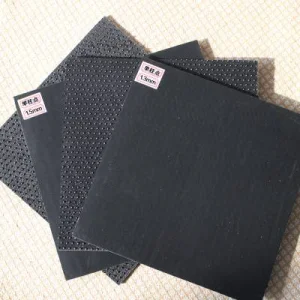
Understanding these variables allows engineers to match the precise polymer structure, thickness, surface texture (smooth or co-extruded rough), and mechanical properties of geomembranes to project-specific thermal, chemical, and physical stresses.
The choice of raw polymeric material determines the barrier's performance against UV radiation, chemical attacks, differential settlement, and mechanical wear. Shandong Hongyue Environmental Engineering Co., Ltd. processes premium-grade virgin resins to formulate durable geomembranes suited for diverse civil and industrial requirements.
| Material Type | Primary Physical Properties | Common Applications in Hungary | Key Performance Indicators |
|---|---|---|---|
| High-Density Polyethylene (HDPE) | High chemical resistance, high stiffness, low permeability, outstanding UV stability. | Landfills, industrial chemical containment, mining heap leach pads, EV factory waste holding areas. | ASTM D5199 Thickness, ASTM D6693 Tensile strength, ASTM D3895 OIT. |
| Linear Low-Density Polyethylene (LLDPE) | Excellent flexibility, elongation capacity, highly resistant to cracking under settlement stresses. | Agricultural pond liners, municipal water reservoirs, localized retention ponds. | High multi-axial tensile behavior, excellent tear resistance. |
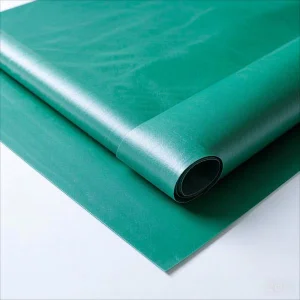
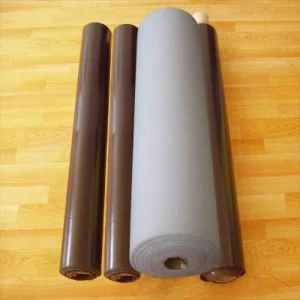
| Polyvinyl Chloride (PVC) | High flexibility, conforms easily to rough surfaces, weldable using RF or hot air. | Tunnels, underground structures, foundation waterproofing. | High pliability, custom roll geometries, thermal flexibility. |
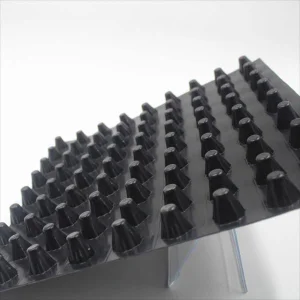
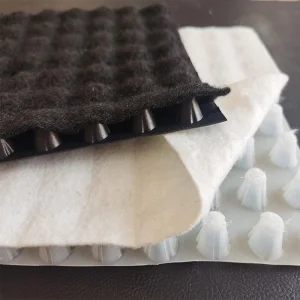
| Composite Geomembrane | Combines barrier protection of HDPE/LLDPE with structural reinforcement of nonwoven geotextiles. | Canal rehabilitation, dykes, soft subgrades with high puncture risk. | Puncture protection, interface shear strength, drainage capabilities. |
Using raw virgin material rather than recycled polymers prevents premature degradation, environmental stress cracking, and chemical pinhole failures. A robust QA/QC framework ensures that products meet or exceed technical expectations under critical structural loads.
A key factor in selecting a geomembrane supplier is finding the balance between raw material pricing and global supply chain reliability. Landlocked Hungary relies on a mixture of maritime shipping channels and overland freight corridors to receive large volumes of geosynthetic products.
Cargo arriving from production facilities in Shandong, China is typically shipped to Southern European maritime gateways, such as the Port of Koper (Slovenia) or the Port of Trieste (Italy). From there, containers travel via direct block trains or cross-border flatbed transport directly to project sites in central Hungary. Alternatively, northern European transport routes through the Port of Hamburg or Rotterdam connected to the European highway network serve northern regions.
Geomembrane pricing is structurally dependent on the global energy index, raw polymer resin costs, transportation rates, and regional demand dynamics. The total project cost of using geomembranes in Hungary generally comprises:
We provide transparent pricing options, custom rolling sizes to reduce material waste at overlap seams, and direct manufacturing shipments to keep project costs competitive for large-scale operations in Central and Eastern Europe.
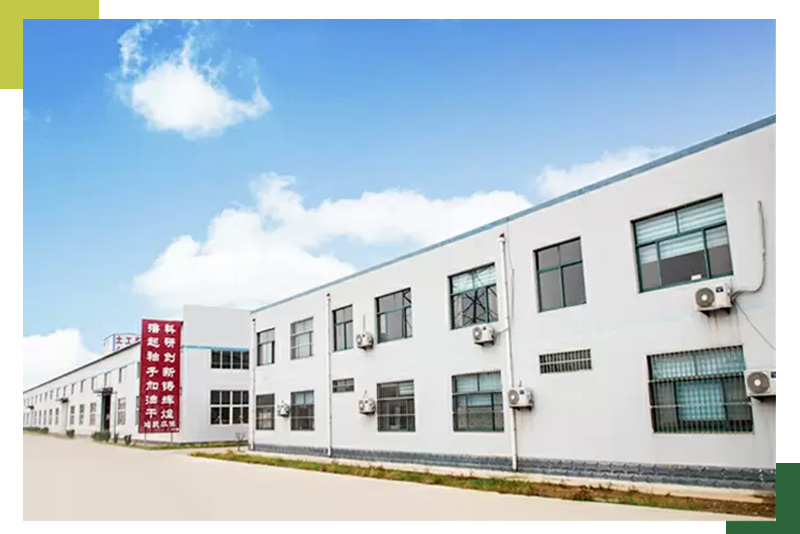
A Technical Geotechnical Material Manufacturer Integrating Production, Sales, Engineering Design, and Construction Services
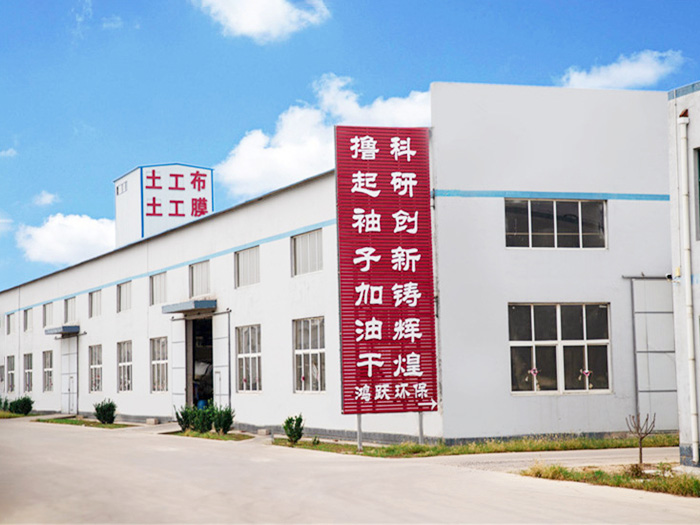
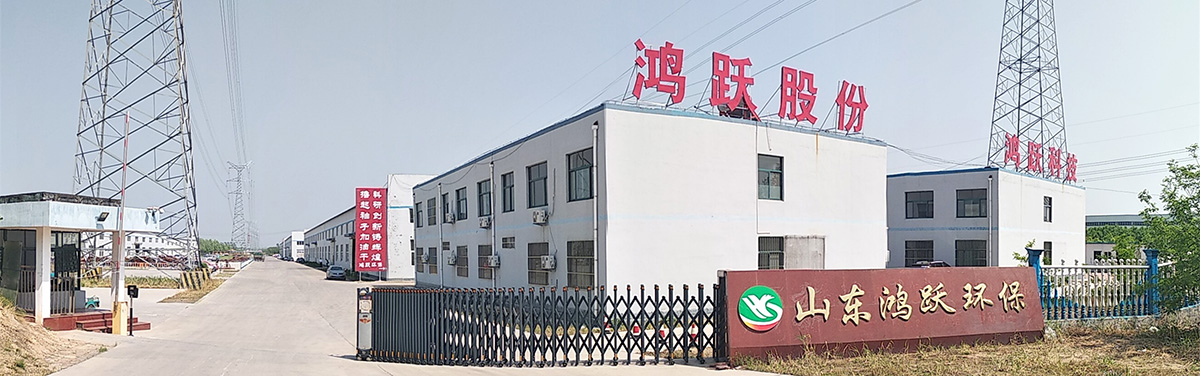
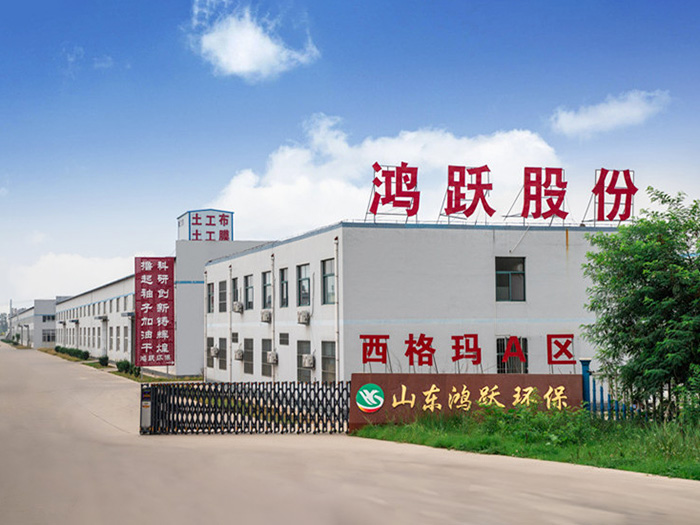
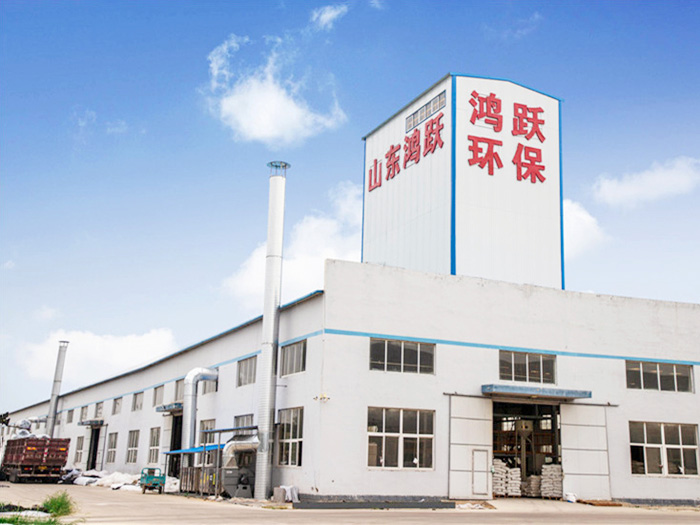
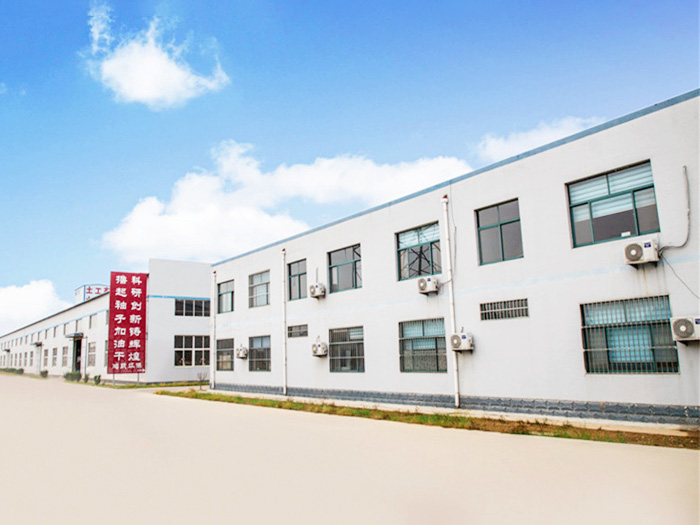
Shandong Hongyue Environmental Engineering Co., Ltd., located at the north end of Fufeng Street, Lingcheng District, Dezhou, Shandong Province, is a scientific and technological geotechnical material manufacturer integrating engineering material production, sales, design and construction services. The company was registered in Lingcheng District Market Supervision and Administration Bureau of Dezhou City on April 6, 2023, with a registered capital of 105 million yuan. It is one of the largest production bases of geotechnical materials in China at present, located in Lingcheng District, Dezhou, Shandong Province, with a superior geographical location and convenient transportation.
Since the establishment of the company has developed rapidly, business continues to grow and expand, our company mainly deals in geotextiles, geomembrane, composite geomembrane, waterproof board, bentonite waterproof blanket, 3D composite drainage net, (composite) drainage board, weaving cloth, woven cloth, membrane bags, blind ditches, waterproof and drainage combinations, woven bags, ecological bags, cement blankets, fiber plants blankets, flexible pervious pipes, business includes geosynthetics, waterproofing membrane production, sales, construction, import and export of goods. We have high quality products and professional sales and technical team. Our company belongs to Dezhou Geotextile Association, and our products are widely used in highways, railways, bridges and tunnels, reservoirs and canals water conservancy, artificial lakes, environmental protection, aviation, mining, agriculture and other fields.
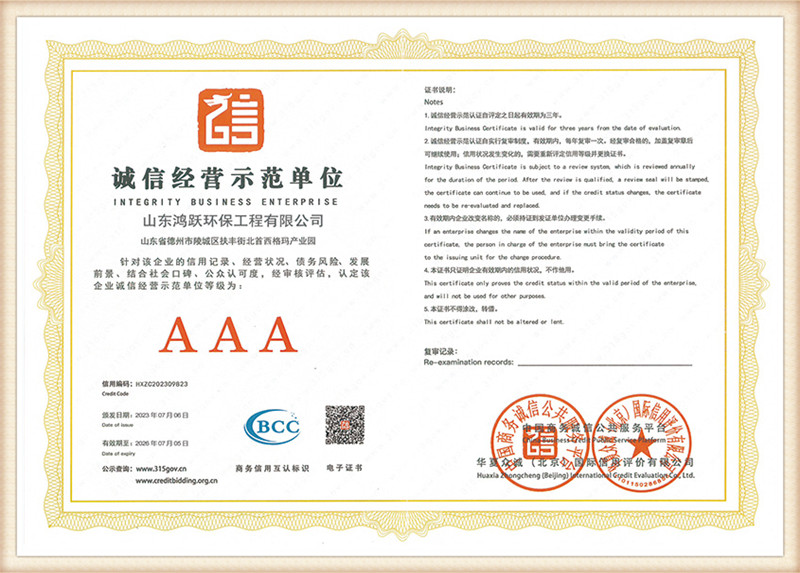
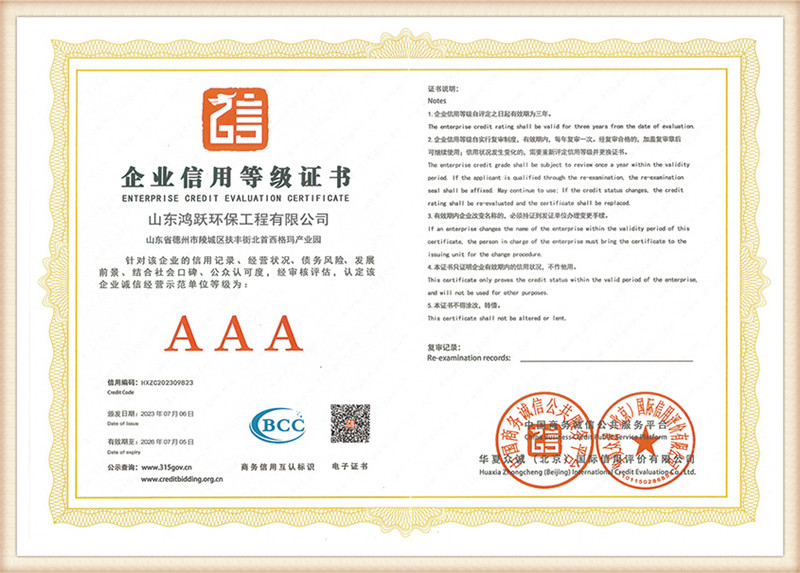
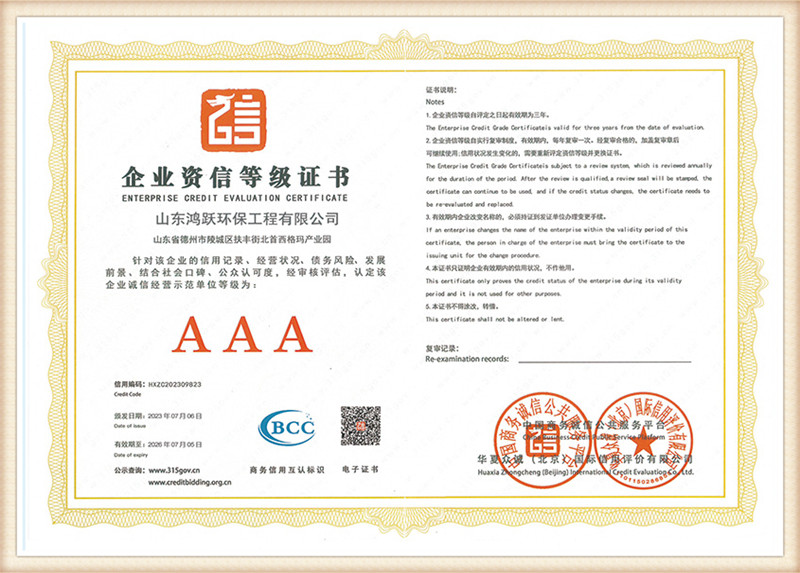
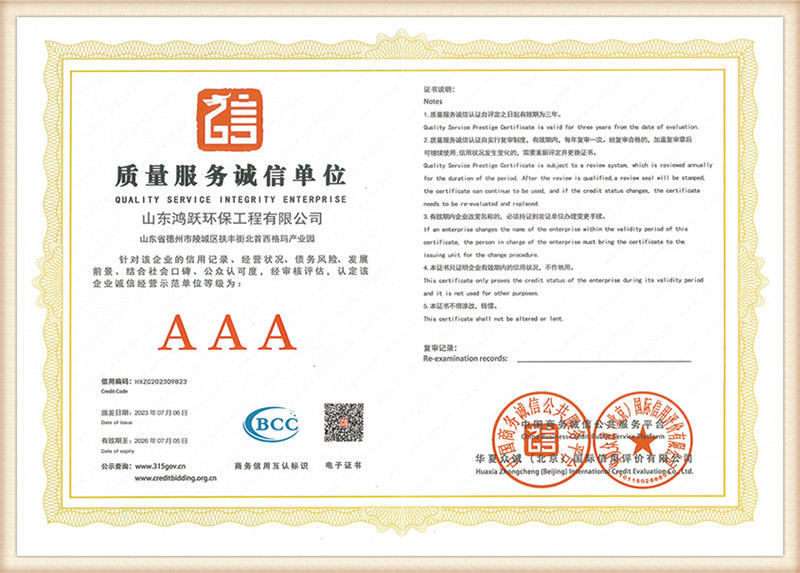
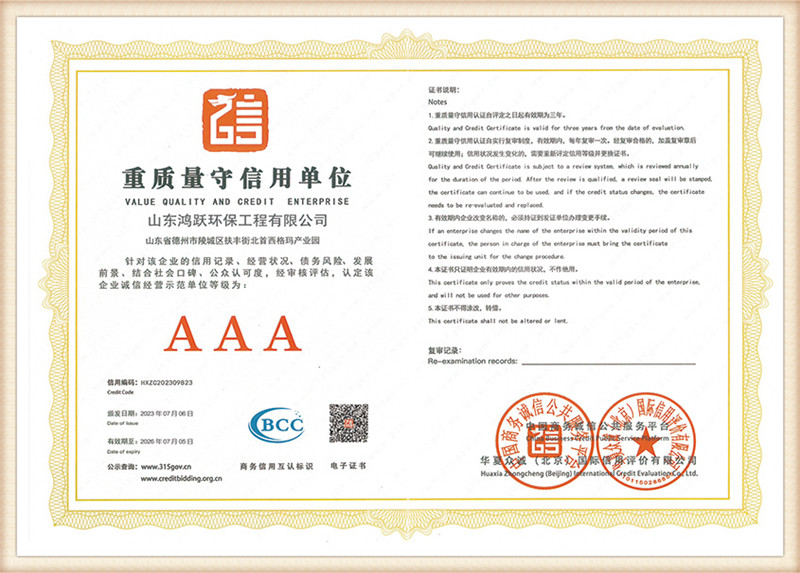
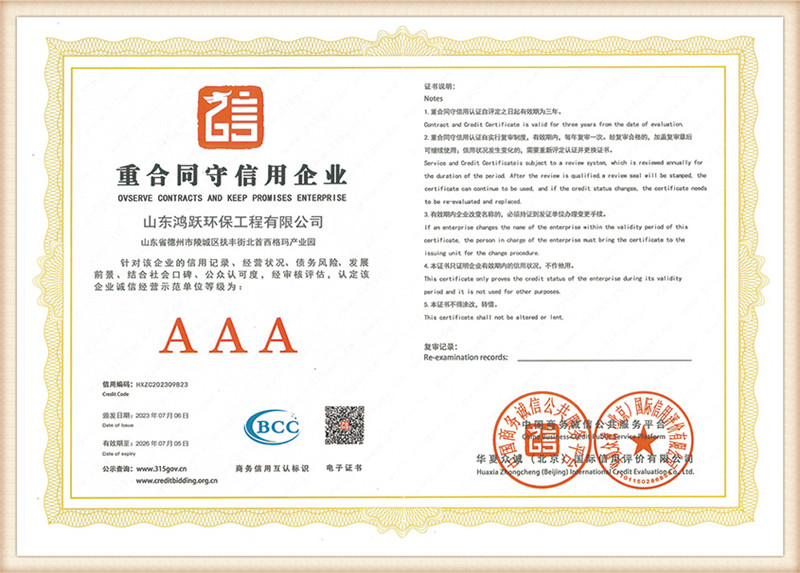
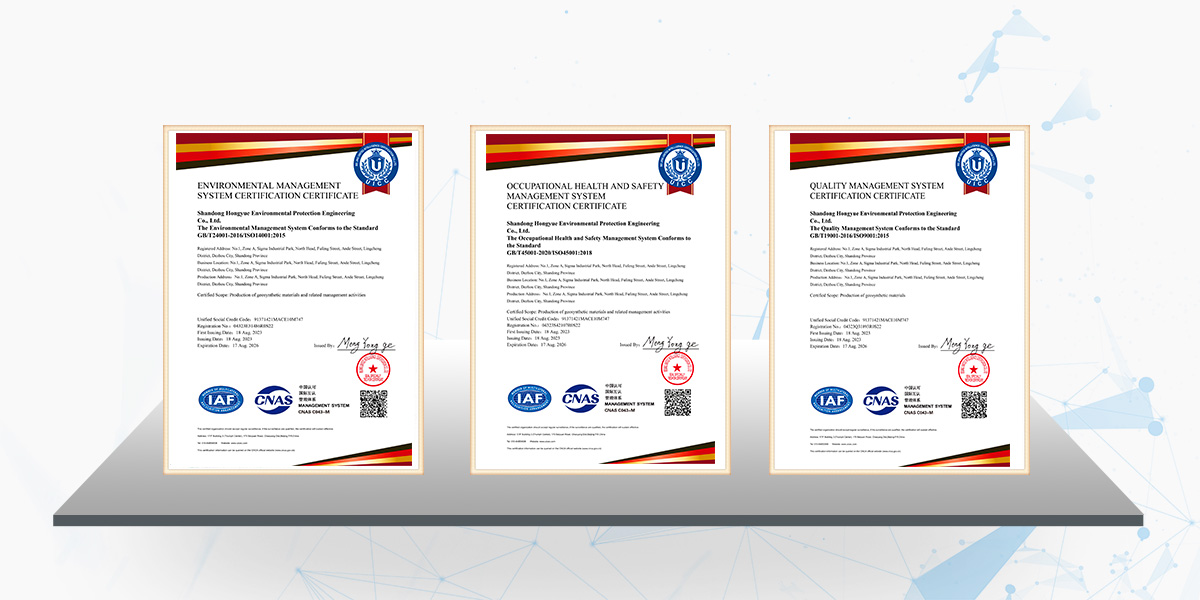
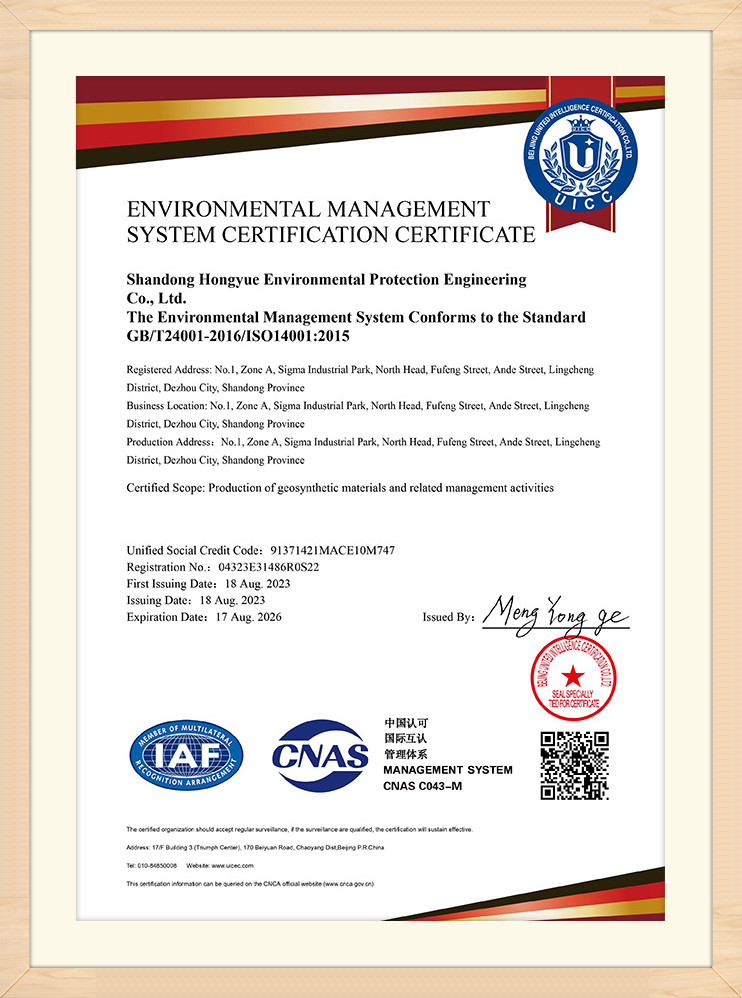
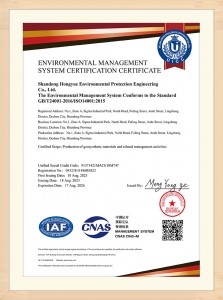
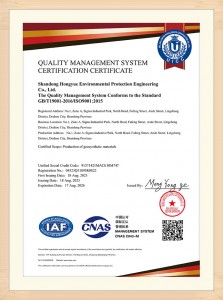
The company has successively passed the ISO9001 international quality system certification, ISO14000 environmental system certification, and ISO45001 occupational health and safety management system certification, and has won multiple honors such as "green and environmentally friendly building materials products", "no consumer complaints", "famous Chinese brands", "high-tech industries", "quality service double excellent units", and "provincial-level poverty alleviation leading enterprises". The company has established sales networks or agency agencies in more than 40 large and medium-sized cities such as Shanghai and Beijing, and its products are exported to multiple countries such as Europe, the United States, Australia, and various parts of the country. The products are widely used in key projects in various provinces and cities.
Meeting European technical criteria requires control at both the manufacturing phase and during on-site deployment.
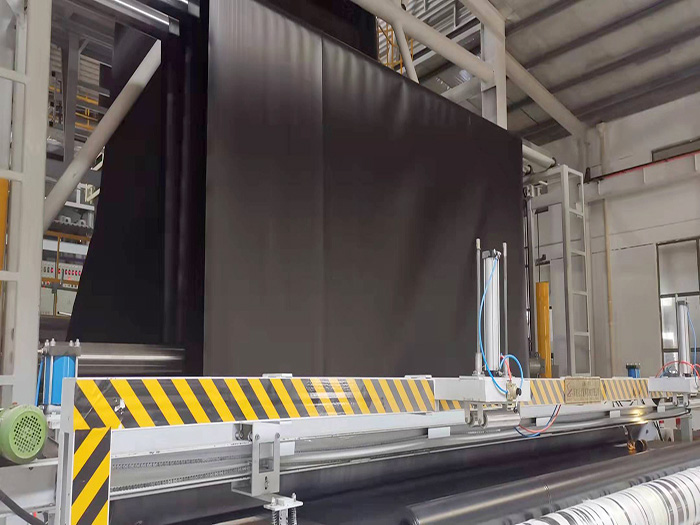
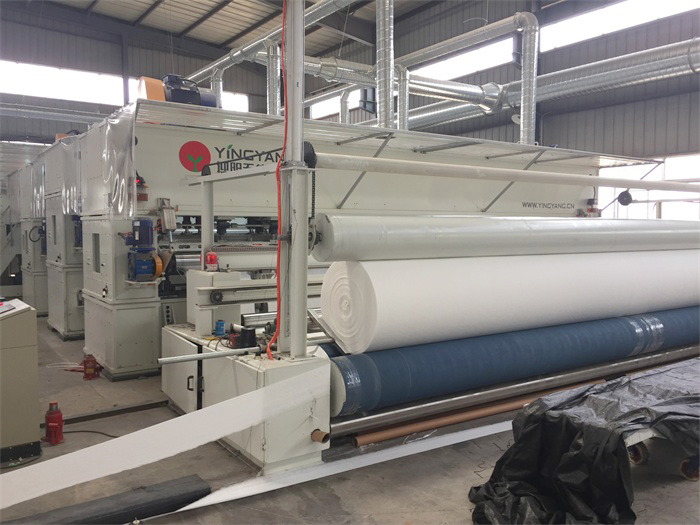
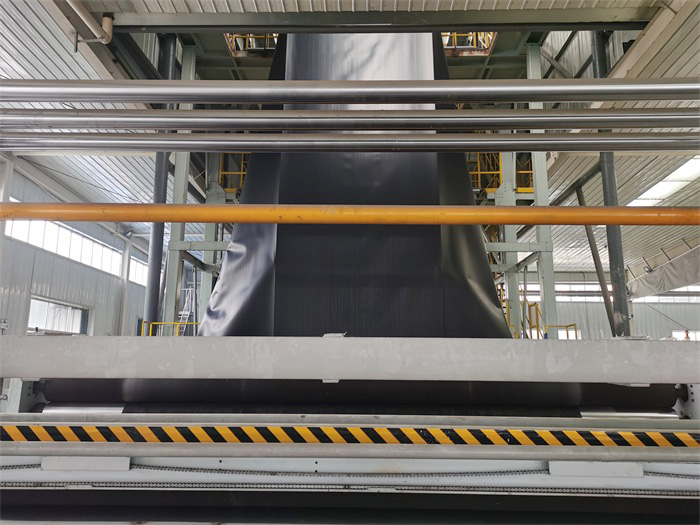
Geotextiles are widely used in civil engineering projects for filtration, isolation, reinforcement, and protection. The production process involves raw material preparation, melt extrusion, mesh rolling, draft curing, winding packaging, and quality inspections. Managing parameters at each stage helps maintain the material's environmental durability.
The primary raw materials, such as polyester chips, polypropylene filament, and viscose fiber, undergo incoming quality control to verify polymer density, moisture levels, and clean chemical compositions.
Polyester chips are melted at high temperatures and extruded into a molten state by a screw extruder. Polypropylene filament and viscose fiber are added and mixed under controlled pressure and temperature to ensure blend uniformity.
The blended melt is spun through custom spinnerets to yield fine filament fibers, which are distributed onto a continuous conveyor belt to build a uniform web structure with controlled fiber orientation and thickness.
The web passes through multi-phase needle punch or thermal bonding lines. Curing temperature, mechanical needle density, and draft ratios are adjusted to achieve the target tensile strength and hydraulic properties.
Finished sheets are cut, rolled, and wrapped in protective layers to shield the geosynthetic material from UV degradation and moisture absorption during transport.
Standardized test protocols assess physical properties (thickness, unit weight), mechanical performance (tensile strength, CBR puncture resistance), and hydraulic traits (pore size distribution, water permeability).
Correct installation is necessary to preserve the barrier properties of geomembranes over their design life. Proper subgrade preparation, welding technique, and site maintenance are critical components of a successful deployment.
Choose the geomembrane material (HDPE, LLDPE, or PVC) and thickness (0.3mm to 2.0mm) according to project requirements. Ensure the subgrade is level, compacted, and free of rocks, roots, or sharp debris.
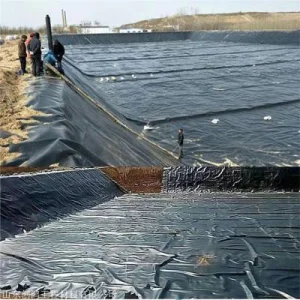
Unroll the panels with appropriate overlap. Seams are joined using double-track hot-wedge welding or extrusion welding, and anchoring trenches are used to secure the edges.
Perform air pressure testing on double-track welds and vacuum testing on detail welds. Regularly inspect and clean exposed surfaces to protect the liner from physical damage.
Geomembranes are used in key civil, municipal, and agricultural containment designs.
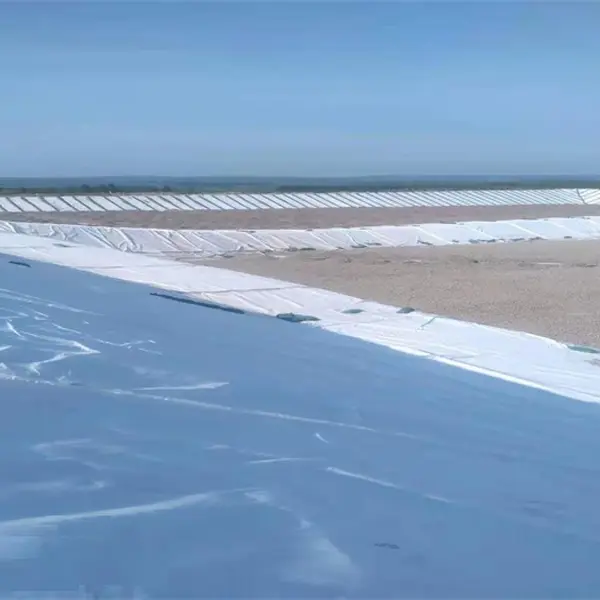
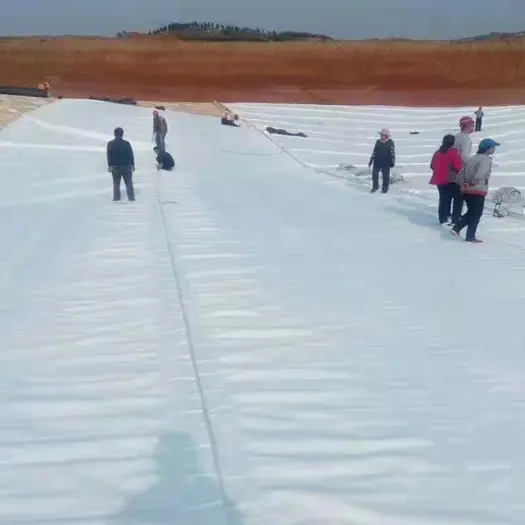
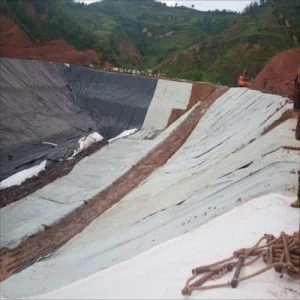
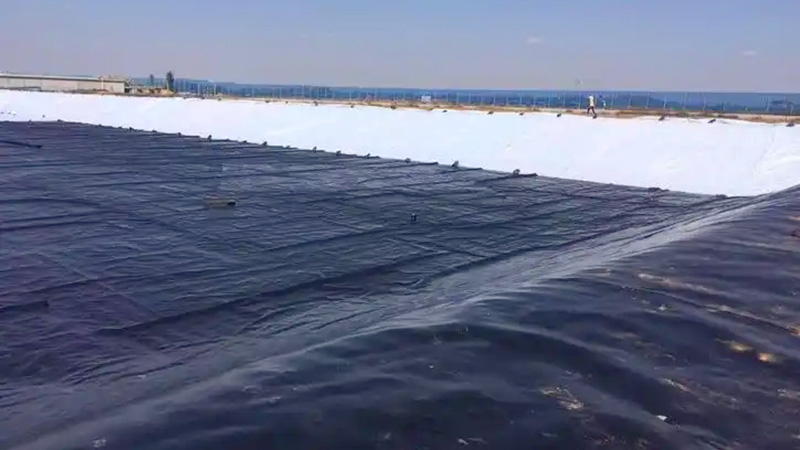
Under the EU environmental framework, landfill structures must incorporate a composite lining system. HDPE liners of 2.0 mm thickness are commonly used, often paired with nonwoven geotextile cushions and geosynthetic clay liners (GCL) to prevent landfill leachate from infiltrating local groundwater systems.
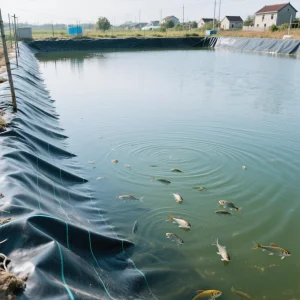
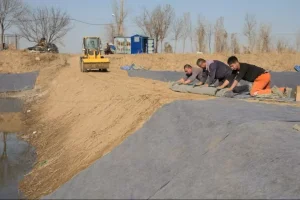
Agricultural water management projects in Hungary utilize composite geomembranes to reduce water losses from seepage in earthen canals and storage reservoirs, supporting water conservation efforts during periods of low rainfall.
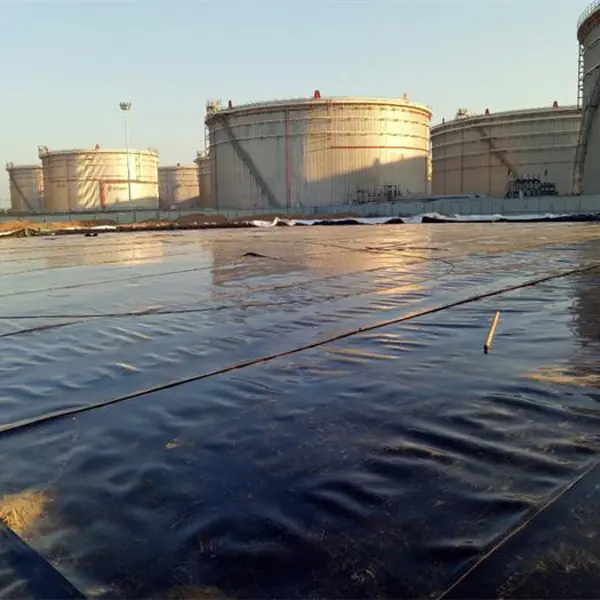
In chemical plants, oil refineries, and battery manufacturing facilities, geomembranes are used to line secondary containment areas under storage tanks, helping to capture spills and protect surrounding soil from contamination.
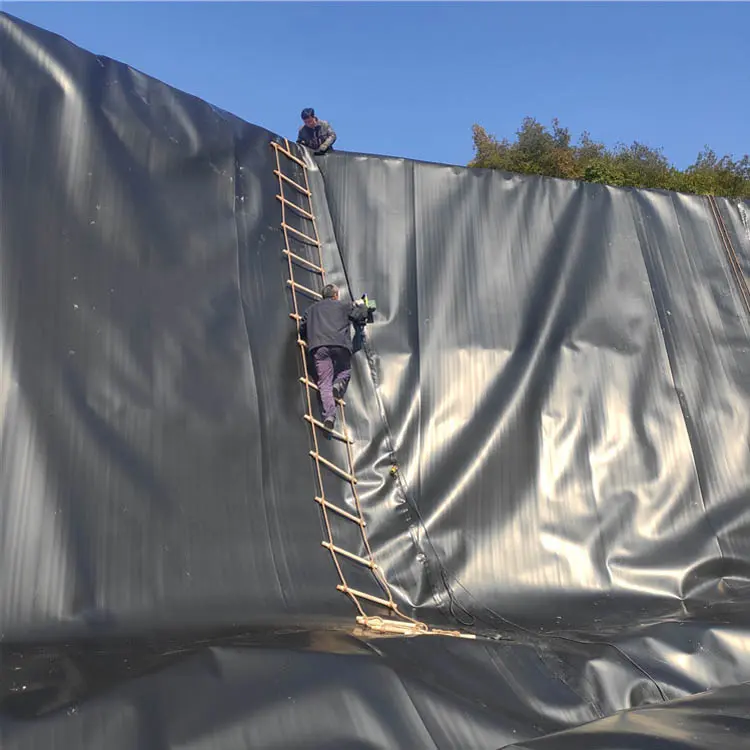
A comprehensive selection of geosynthetics designed for containment, drainage, filtration, and reinforcement in Hungarian public works.
Answers to common technical, regulatory, and logistics questions for Hungarian projects.
Partner with Shandong Hongyue Environmental Engineering Co., Ltd. for certified, reliable geosynthetic lining systems. Reach out to our technical sales team for spec sheets, samples, and direct factory pricing.
Contact Our Engineering Team Hongyue