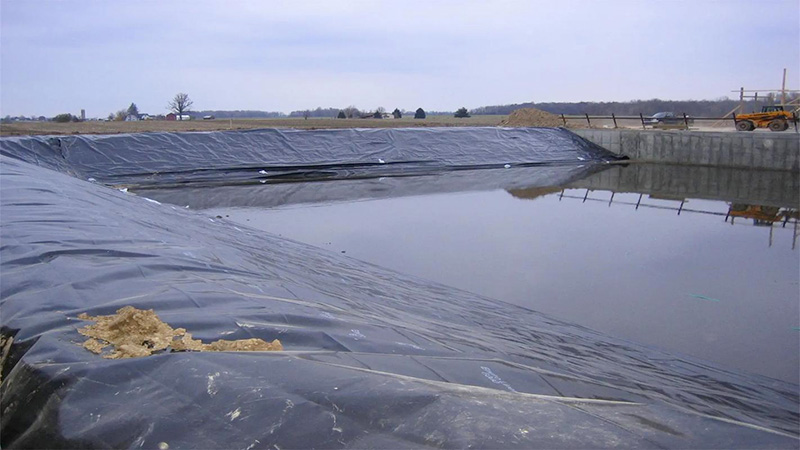
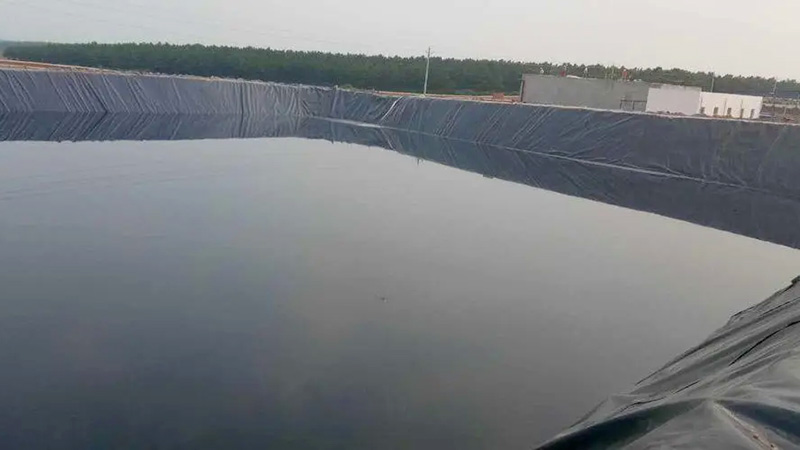
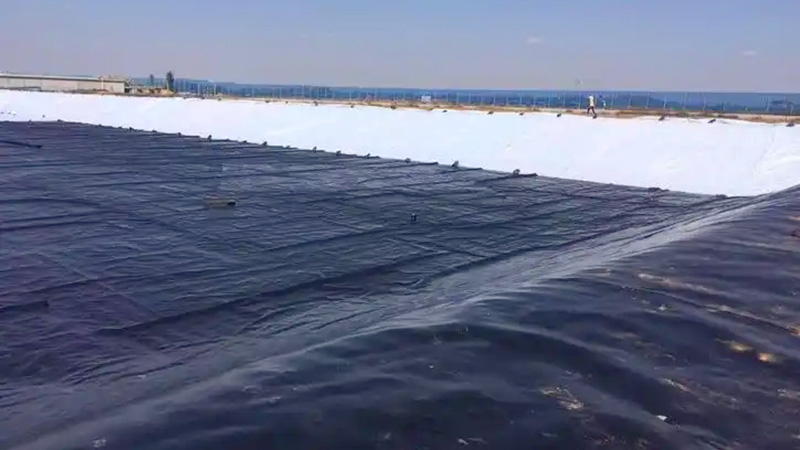
Premium grade anti-seepage geomembranes optimized for Algeria's large-scale civil, environmental, and water-holding infrastructures.
Advanced anti-seepage HDPE barriers, specifically certified for hazardous chemical and municipal waste containment systems throughout Algeria.
Inquire Price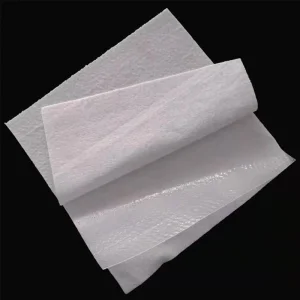
Highly durable composite structure combining geotextile layers with a core geomembrane to prevent puncture under heavy rocky subgrades.
Inquire Price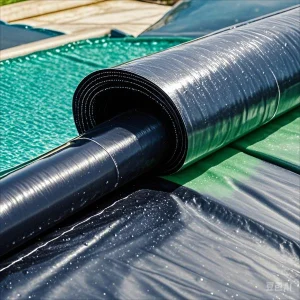
Engineered high-density materials offering maximum chemical resistance and ultra-low hydraulic conductivity metrics for dry Saharan terrains.
Inquire Price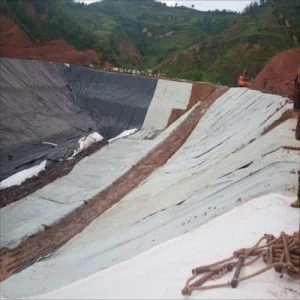
Tailor-made waterproofing sheets designed for agricultural water reservoirs, ensuring water security in Algeria's driest regions.
Inquire PriceAlgeria, as the largest country in Africa, presents a unique set of geographic challenges. The vast Saharan landscape experiences severe thermal fluctuations, intense solar ultraviolet radiation, and complex soil conditions. The Algerian government's aggressive investments in the National Water Program, massive mineral extraction (such as the Gara Djebilet iron ore deposit), and municipal sanitary landfill networks (CETs) place strict requirements on anti-seepage barrier systems.
In arid zones like Adrar, Tamanrasset, and Biskra, water is a precious resource. Traditional clay liners are insufficient due to high cracks and desiccation caused by severe heat. Advanced polyethylene (HDPE and LLDPE) and Polyvinyl Chloride (PVC) geomembranes act as critical, impermeable interfaces that secure water in irrigation canals, heap leach pads, and industrial processing zones.
"To survive in the Algerian Sahara, geotechnical materials must be specifically engineered to resist continuous ambient temperatures exceeding 45°C, while maintaining structural integrity and UV resistance over decades."
Expert insights on selecting the appropriate polymer structure for the rigorous physical demands of Northern Africa's infrastructure.
High-Density Polyethylene (HDPE) is widely regarded as the gold standard for environmental containment due to its chemical resistance, low permeability, and structural stability. However, thermal expansion and contraction are significant challenges in the Algerian desert.
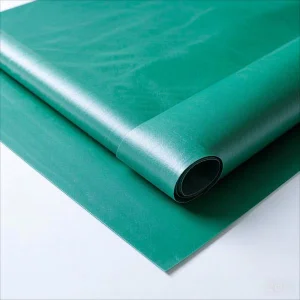
Engineered to resist mechanical puncture, soil shifts, and persistent environmental stressors.
Manufactured with robust chemical additives that maintain structural flexibility and prevent cracking under the Algerian desert heat.
Inquire Price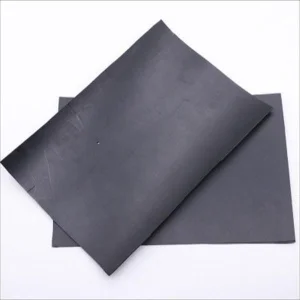
Sleek, highly uniform smooth sheets ideal for flat canal systems, chemical storage, and secondary industrial containment zones.
Inquire Price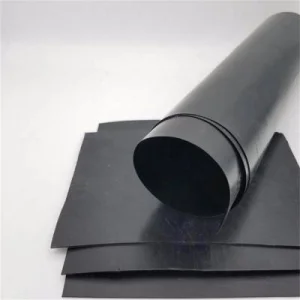
Incorporates high-tenacity reinforcement layers to handle tensile loading on high-slope embankments and mountain canals.
Inquire Price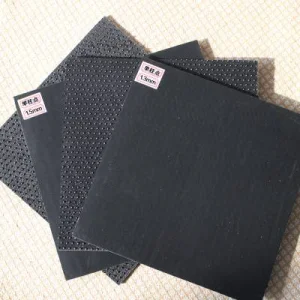
Textured geomembrane surface providing superior friction, designed to prevent interface slipping on mining heap pads.
Inquire PriceDiscover our modern manufacturing process, testing standards, and our commitment to environmental compliance.
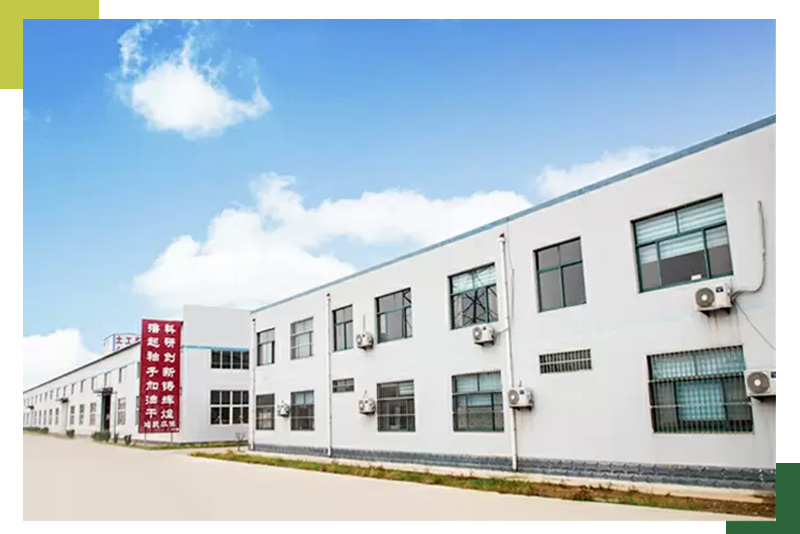
Shandong Hongyue Environmental Engineering Co., Ltd., located at the north end of Fufeng Street, Lingcheng District, Dezhou, Shandong Province, is a scientific and technological geotechnical material manufacturer integrating engineering material production, sales, design and construction services. The company was registered in Lingcheng District Market Supervision and Administration Bureau of Dezhou City on April 6, 2023, with a registered capital of 105 million yuan. It is one of the largest production bases of geotechnical materials in China at present, located in Lingcheng District, Dezhou, Shandong Province, with superior geographical location and convenient transportation.
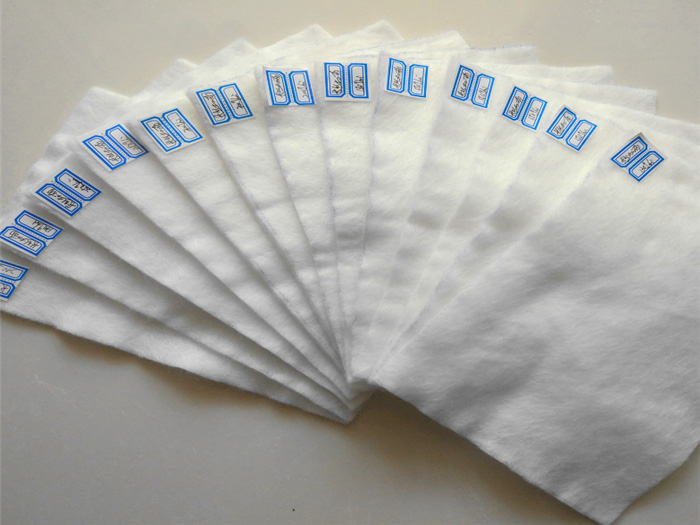
Modern production equipment and technology have been widely used, making the production efficiency and quality of geotextiles and geomembranes significantly improved. Our manufacturing steps strictly follow a rigorous pathway:
The main raw materials of geotextile are polyester chips, polypropylene filament and viscose fiber. These raw materials need to be inspected, arranged and stored to ensure their quality and stability.
After the polyester slice is melted at high temperatures, it is extruded into a molten state by a screw extruder, and polypropylene filament and viscose fiber are added for mixing. Temperature and pressure are precisely controlled.
After mixing, the melt is sprayed through the spinneret to form a fibrous substance and form a uniform network structure on the conveyor belt. Thickness and fiber orientation are tightly managed.
After laying the net into rolls, it is necessary to carry out draft curing treatment. In this process, the temperature, speed and draft ratio need to be precisely controlled to ensure the final mechanical strength.
The geotextile after draft curing needs to be rolled up and packed for subsequent construction. In this process, length, width and thickness are measured to ensure they match customer requirements.
At the end of each production link, quality is inspected. Inspection contents include physical property tests, chemical tests, and appearance quality tests. Only compliant products enter the market.
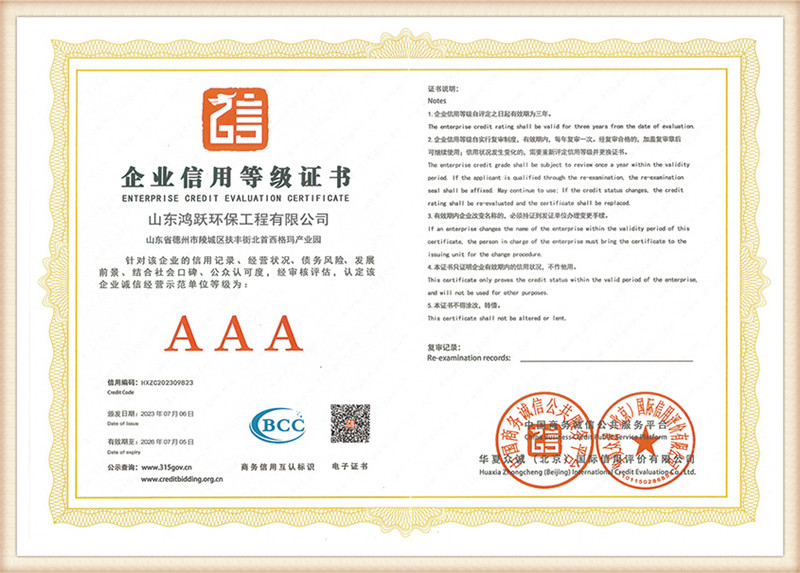
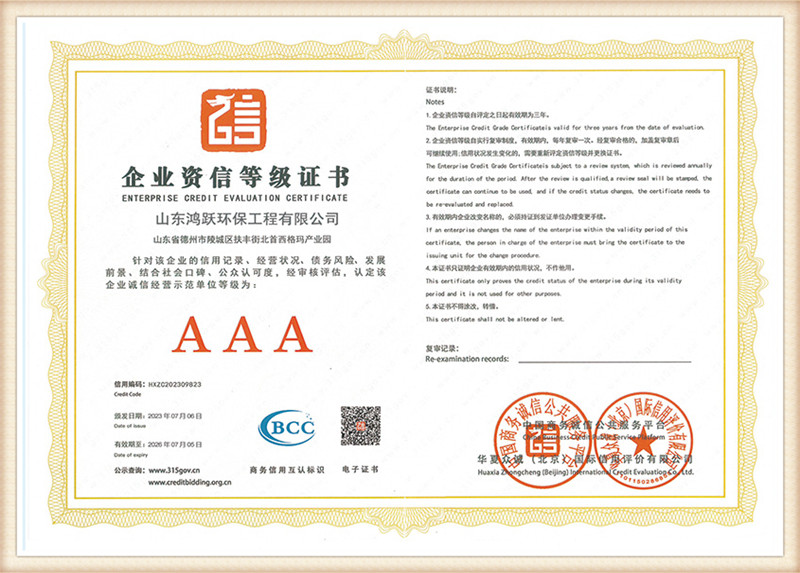
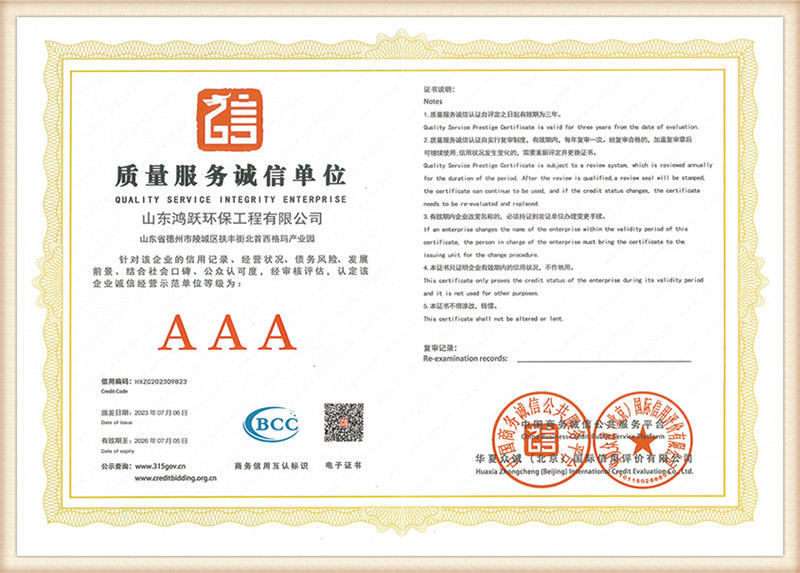
The company has successively passed the ISO9001 international quality system certification, ISO14000 environmental system certification, and ISO45001 occupational health and safety management system certification. We have won multiple honors such as "green and environmentally friendly building materials products", "no consumer complaints", "famous Chinese brands", "high-tech industries", "quality service double excellent units", and "provincial-level poverty alleviation leading enterprises".
Download Technical Datasheets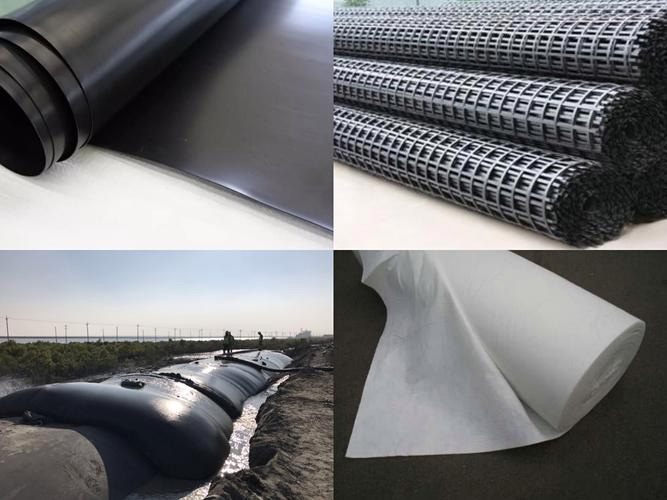
A successful geomembrane installation requires flawless surface preparation and systematic welding. In Algeria's dry climates, dust control and thermal expansion adjustments are critical factors.
Choose the suitable geomembrane according to the engineering requirements. Select HDPE for chemical projects and LLDPE for projects requiring high flexural properties. Match sheet thickness (typically 0.3mm to 2.0mm) to the puncture risks of local soils.
Ensure subgrade is level and clean, removing sharp rocks. Use the correct laying orientation (flat vs. folded) depending on the slope dynamics. Apply double-track hot wedge welding at joints and perform air-pressure test routines to guarantee zero leakages.
Regularly clean the surface to remove sharp debris. Perform localized thermal imaging scans to detect underlying voids or stresses before backfilling. Replace damaged layers promptly with specialized extrusion welding.
In Summary: The application technology of geomembrane includes selecting suitable geomembrane, laying geomembrane correctly and maintaining geomembrane regularly. Reasonable application of geomembrane can effectively improve the functions of seepage prevention, isolation and reinforcement of engineering projects, and provide guarantee for the smooth progress of engineering.
Case studies and methods applied to protect water bodies, prevent run-off, and reinforce canal pathways.
Expert answers addressing the primary concerns of Algerian project managers regarding material choice, logistics, and on-site welding.
Explore our full range of certified geomembranes, drainage elements, and protective barriers tailored for municipal and industrial projects.
Eco-friendly anti-seepage liners that prevent chemical leaching, suitable for aquaculture facilities across northern Algeria.
Inquire Price
Flexible PVC sheets designed for underground foundations, tunnel waterproofing, and municipal roofing structures.
Inquire Price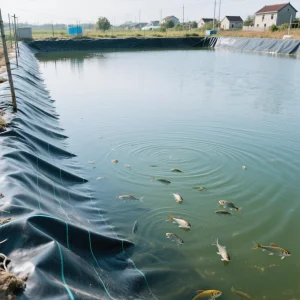
High flexibility and puncture resistance, suitable for ground conditions prone to settlement in Saharan project sites.
Inquire Price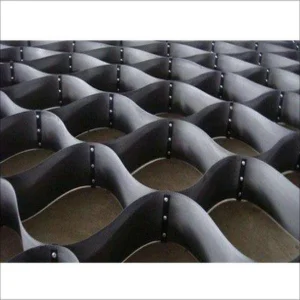
Durable cellular confinement systems designed to control soil erosion along steep Algerian road cuts and embankments.
Inquire Price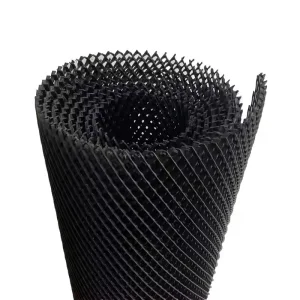
A heavy-duty drainage core wrapped in filter geotextile, protecting the geomembrane from excessive hydraulic pressure.
Inquire Price
Reinforced containment sheets optimized for large-scale municipal earthworks and retention ponds in Constantine.
Inquire Price
High-friction structured geomembrane that ensures stability on steep slope liners, preventing lining system slippage.
Inquire Price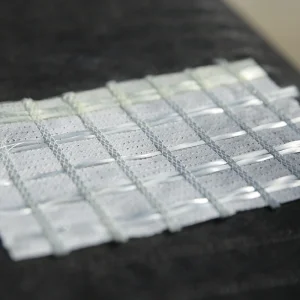
High-tensile reinforcement geotextiles designed to mitigate cracks in asphalt overlays on Algerian desert highways.
Inquire Price Hongyue