Premium class structural lining and hydraulic isolation products tailored to meet the strict European CE EN 13491 containment regulations.
Metropolitan Paris, representing the core economic hub of France and one of Europe’s primary infrastructure nodes, is undergoing an unprecedented wave of modernization. From the large-scale civil engineering undertakings of the Grand Paris Express—Europe’s largest transport expansion—to the stringent environmental targets set by the Seine-Normandie Water Agency, modern urban projects demand sealing solutions that are highly reliable, structurally sound, and environmentally neutral.
In this landscape, advanced geomembranes and geosynthetic clay liners (GCLs) serve as critical components. Whether protecting the groundwater layers of the Île-de-France region from urban runoff or stabilizing historical canal slopes along the Canal Saint-Martin, technical engineers and project designers require materials that meet local standards. Obtaining accurate manufacturers' quotes that balance high performance with international logistics is vital for keeping large-scale infrastructure projects on schedule and within budget.
Under the current French environmental frameworks, particularly the Loi de Transition Énergétique pour la Croissance Verte, infrastructure works must minimize their carbon footprint while ensuring long-term containment stability. Conventional concrete lining is increasingly replaced by Cement Blankets (Concrete Canvas). These composite geotextile-cement structures roll out on site and hydrate, reducing installation times by up to 90% and carbon emissions by up to 60% compared to traditional concrete systems.
In metropolitan Paris, local contractors regularly employ these systems for embankment stabilization, stormwater retention basins along transit corridors, and specialized canal path repairs, where minimizing impact on adjacent historical areas is a high priority.
On a global scale, the geosynthetics and environmental lining market is transitioning toward material customization and multi-functional barrier solutions. Raw material prices, global shipping rates, and regional standards create a complex sourcing environment. The current trend prioritizes:
"E-E-A-T Principle: Designing high-performance containment systems requires deep expertise in both polymer science and local geomechanics. Shandong Hongyue Environmental Engineering Co., Ltd. brings decades of combined engineering and technical experience directly to the European and Paris markets."
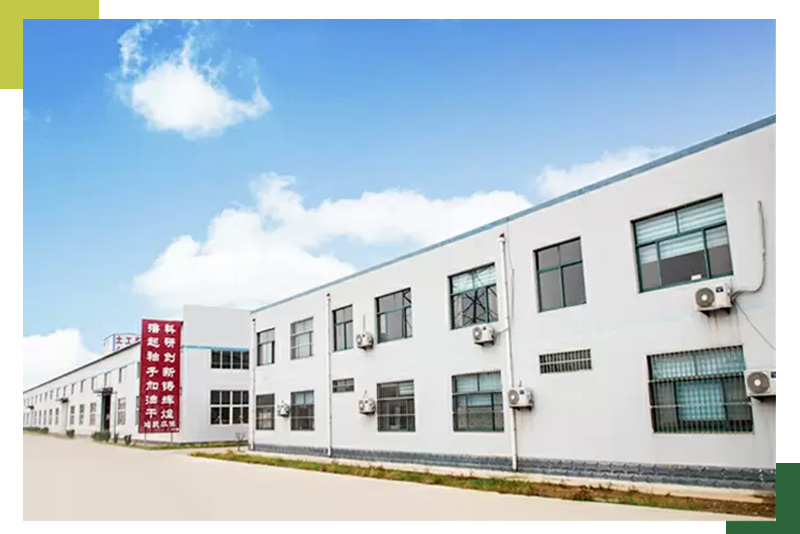
Registered on April 6, 2023, with a substantial registered capital of 105 million yuan (RMB), Shandong Hongyue Environmental Engineering Co., Ltd. operates one of China’s largest manufacturing bases for geotechnical and environmental lining materials. Located at the north end of Fufeng Street, Lingcheng District, Dezhou, Shandong Province, the facility benefits from strong logistics connections, ensuring efficient shipping to major European ports, including Le Havre, the primary maritime gateway for the Paris industrial basin.
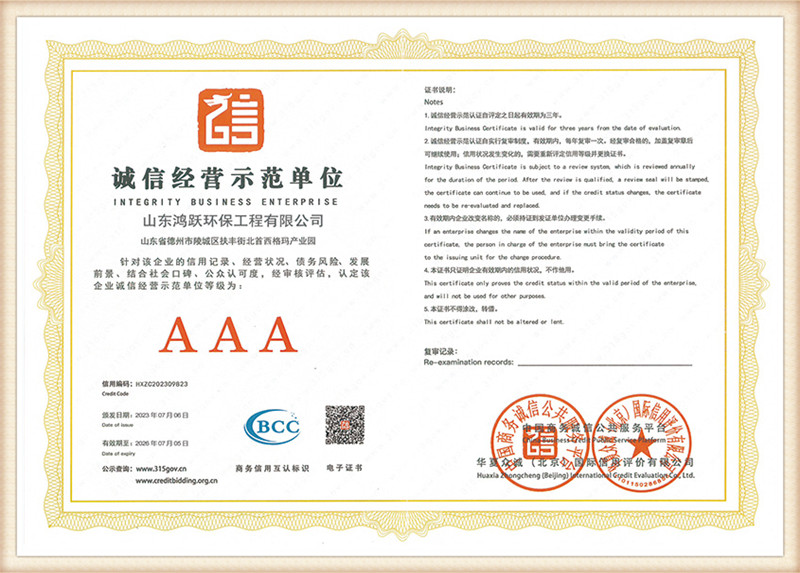
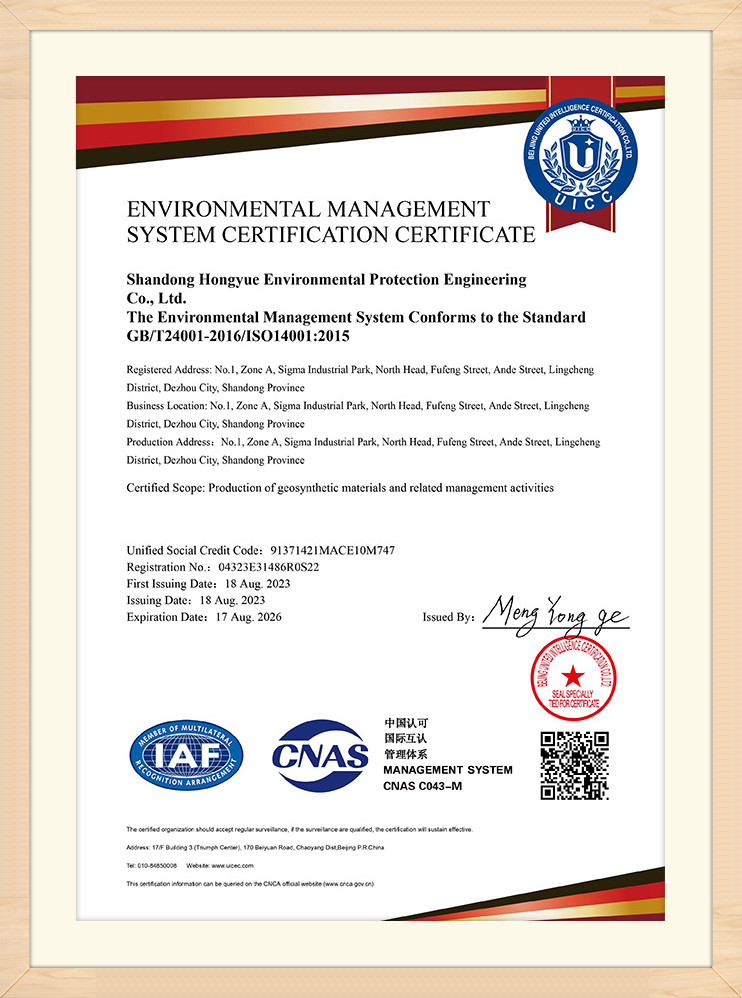
The company has established a comprehensive quality and safety management network, earning international certifications including ISO9001 (Quality Management), ISO14001 (Environmental Management), and ISO45001 (Occupational Health and Safety).
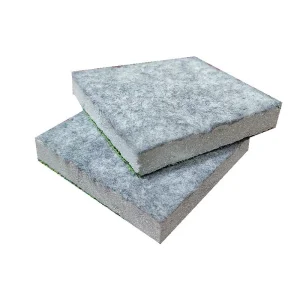
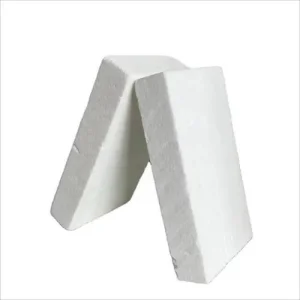
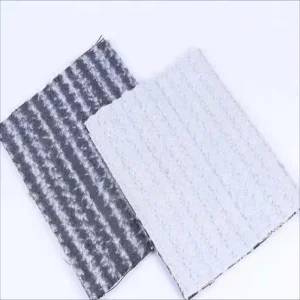
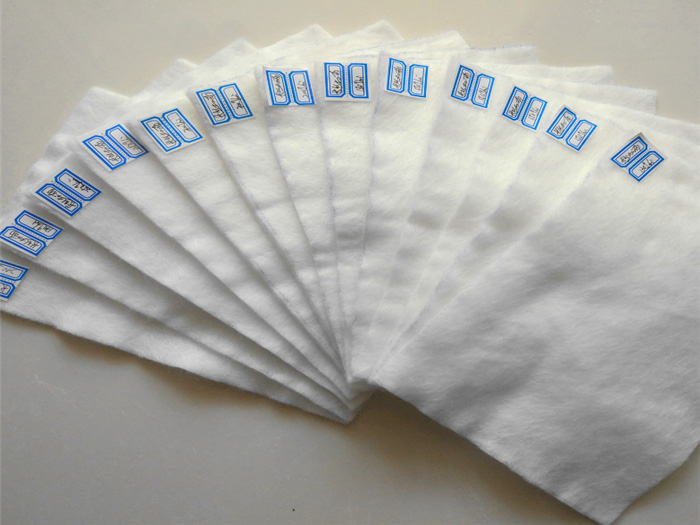
Shandong Hongyue's product range covers geotextiles, composite geomembranes, waterproof boards, bentonite waterproof blankets (GCLs), 3D composite drainage networks, geogrids, and cement blankets. These products have been recognized with awards such as "Green and Environmentally Friendly Building Materials" and are exported to markets across Europe, North America, Australia, and Asia.
With technical teams and field consultants, the company offers custom design assistance, sizing optimizations, and complete installation guidance to ensure that projects in the Paris market comply with French construction norms (such as AFNOR and ASQUAL standards).
Maintaining high quality is a core priority at Shandong Hongyue. To ensure every batch of materials shipped to European construction sites performs reliably, the company operates a dedicated quality control department equipped with testing instruments.
Every shipment undergoes rigorous testing to verify mechanical and hydraulic properties:
Registered Capital (RMB)
9001, 14000, 45001 Certifications
Global Export Destinations
CE Conformity for Key Materials
The performance of a geosynthetic barrier system depends on the quality of its manufacturing. High-grade geotextiles and geomembranes undergo a multi-step production process, combining advanced materials engineering with precise quality control.
High-quality base resins—typically virgin High-Density Polyethylene (HDPE), Linear Low-Density Polyethylene (LLDPE), or Polypropylene (PP)—are mixed with carbon black (usually 2-3% for UV protection) and proprietary thermal stabilizers. Recycled materials are avoided to prevent premature degradation.
The formulated polymer blend is fed into a screw extruder, melted at temperatures exceeding 200°C, and then forced through a flat die (flat-die extrusion) or a circular die (blown-film extrusion) to form a uniform sheet of the desired thickness, ranging from 0.3mm to 3.0mm.
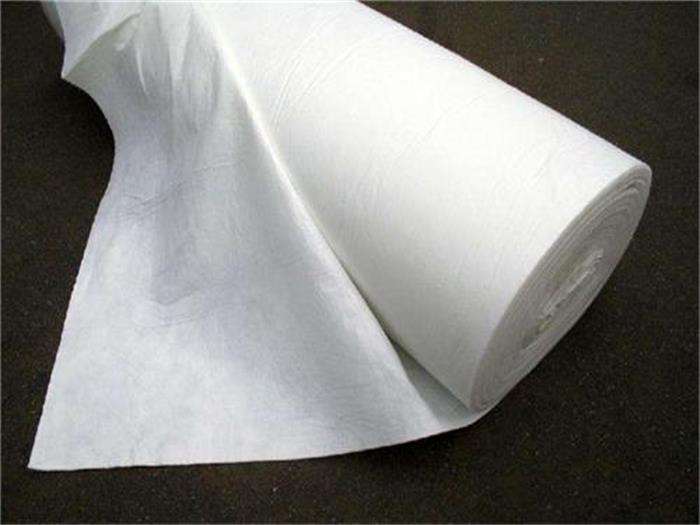
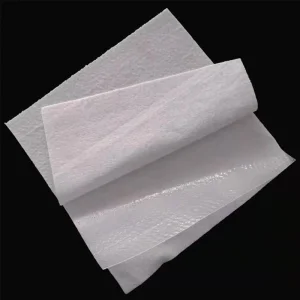
For composite geomembranes and geotextiles, the warm membrane sheet is combined with nonwoven needle-punched geotextiles through a calendering or thermal bonding process. The resulting composite material is then cooled down under controlled tension to prevent structural deformation and internal stress.
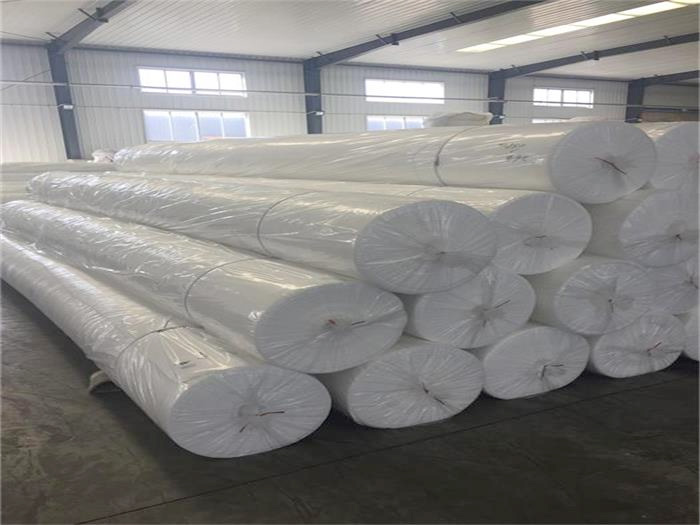
The cured material is rolled onto steel or heavy-duty cardboard cores, measured, and wrapped in protective film. Samples from both ends of each roll are sent to the on-site lab to verify thickness, tensile strength, and puncture resistance before being approved for export.
An effective barrier system requires correct on-site installation. Proper handling and positioning prevent installation damage and ensure the long-term integrity of the lining.
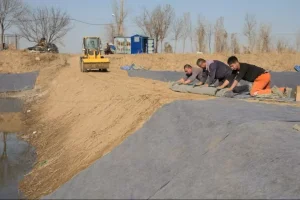
Subgrade Preparation: The site base must be compacted, level, and free of sharp rocks, roots, or water pools. A protection layer of sand or nonwoven geotextile should be placed down before laying the geomembrane.
Key steps for installing geomembranes and cement blankets in civil engineering projects:
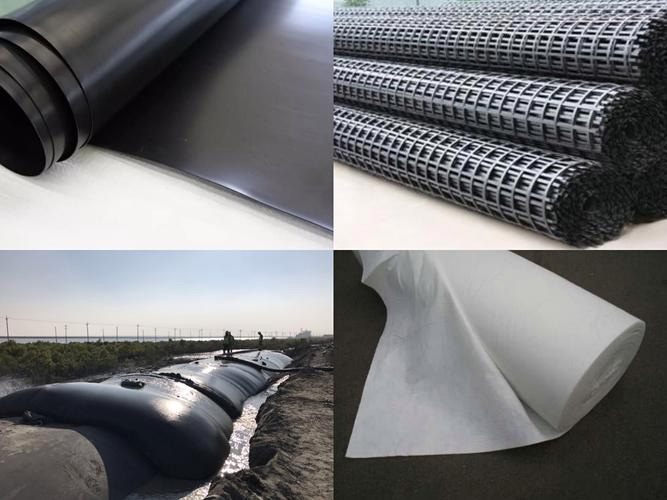
Geomembranes and composite geosynthetics are versatile materials used across various municipal and commercial applications to manage fluids and prevent environmental contamination.
Protecting water resources requires effective containment in canals and reservoirs. Nonwoven composite geomembranes prevent water loss in distribution channels and isolate historical waterways (like the Canal de l'Ourcq) to control seepage and protect surrounding foundations.
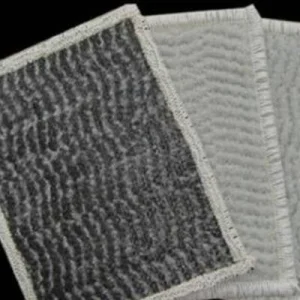
Modern waste management relies on multi-layer containment systems to protect groundwater. Combining a thick HDPE geomembrane with a bentonite waterproof blanket (GCL) creates an effective composite barrier that prevents leachate migration.
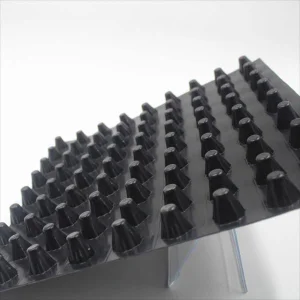
In urban settings, waterproofing underground structures is essential for stability. Self-adhesive drainage boards and composite geonets divert groundwater away from foundations and tunnel walls (such as those in the Grand Paris Express), preventing hydrostatic pressure build-up.
Direct manufacturer supply, compliant with EN regulations. Contact our engineering team for customized thickness, roll width, and density configurations.
Get answers to technical questions about materials selection, performance standards, and local installations.
Cement Blankets (or Concrete Canvas) are composite materials containing dry cement mix encapsulated within needle-punched geotextiles. They are lightweight, flexible, and can be rolled out directly on slopes and channels. Once hydrated, they cure into a durable concrete layer. This minimizes heavy machinery requirements, reduces local environmental impact, and is well-suited for confined urban spaces such as the Canal Saint-Martin or Grand Paris rail corridors.
High-Density Polyethylene (HDPE) geomembranes are preferred for containment applications because of their chemical resistance, low permeability, and UV stability. For projects with high structural deformation or settlement, Linear Low-Density Polyethylene (LLDPE) offers better flexibility and elongation, helping to prevent structural cracks.
Our manufacturing processes follow ISO 9001, ISO 14001, and ISO 45001 frameworks. Every batch of geomembrane and geotextile is tested in our quality monitoring lab for tensile strength, thickness uniformity, puncture resistance, and permeability. Products intended for the EU market are certified to meet European CE standards, and test reports can be provided before shipping.
Production times vary depending on the order size and custom specifications, but typically take 7 to 15 days from the order date. Maritime transit from Qingdao Port to Le Havre, France, generally takes 30 to 40 days, meaning total delivery is typically completed within 45 to 55 days.
Our engineering team is ready to assist you with technical specifications, material selections, and competitive manufacturers' quotes. We provide standard and custom solutions tailored to your project requirements.
Contact Our Engineering Desk Now Hongyue