High-durability engineered barriers matching localized EPA standards and ASTM specifications.
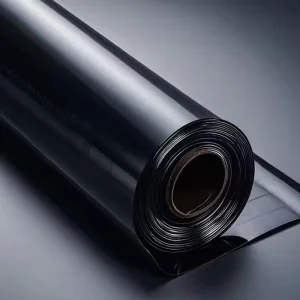
CE certified, high-density polyethylene barrier designed specifically to withstand harsh New England seasonal cycles and prevent hazardous chemical seepage.
View Tech Data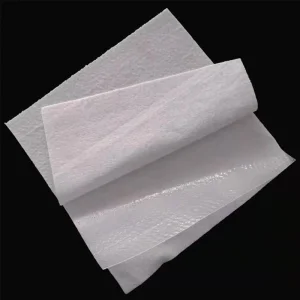
Fully customizable composite geotextile-geomembrane barriers engineered for structural reinforcing and sea-wall interface protections in Massachusetts Bay.
View Tech Data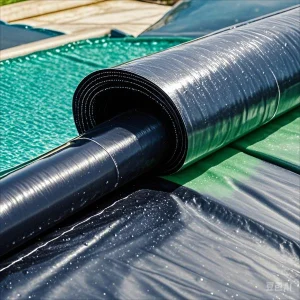
Optimized density and elongation characteristics designed to prevent sub-grade soil shifting and root penetration in urban New England green infrastructure.
View Tech Data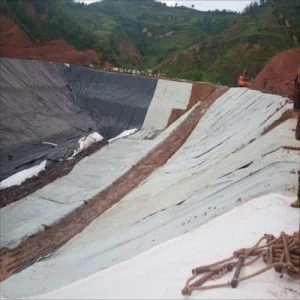
Superior anti-seepage ratings for clean-water storage systems, ensuring zero environmental contamination across municipal reservoir applications.
View Tech DataThe Greater Boston area presents unique challenges for geotechnical engineering. Its historic urban core, dense industrial corridors, and expansive coastlines demand robust, long-term environmental protection measures. From the remediation of brownfields along the Mystic and Chelsea Rivers to structural water containment at Logan Airport, the requirements for high-performance barriers are exceptionally stringent.
Furthermore, Massachusetts Department of Environmental Protection (MassDEP) guidelines enforce tight regulations regarding landfill containment, groundwater protection, and stormwater run-off. Under these frameworks, geomembranes serve as the foundational line of defense against leachate migrations. We provide specialized geomembranes designed to withstand freeze-thaw cycles typical of the New England climate, maintaining tensile strength and anti-permeability through extreme winter frosts and summer heat waves.
By focusing on custom density configurations and composite structures, we supply Boston-based civil engineers and environmental contractors with containment liners that significantly exceed EPA Title 40 CFR requirements, offering proven longevity and chemical resistance.
Mapping the future of environmental isolation materials in modern infrastructure.
Modern requirements are shifting away from baseline PVC towards high-molecular-weight High-Density Polyethylene (HDPE) and Linear Low-Density Polyethylene (LLDPE) compounds. These materials provide superior resistance to chemical deterioration, UV irradiation, and oxidative aging, essential for decades of buried exposure.
Regulators worldwide are targeting 100% containment of volatile organic compounds (VOCs) and mining leachates. Double-lining systems with integrated leak-detection mechanisms (such as structured rough geomembranes with conductive backing) are quickly becoming standard specifications for high-risk industrial waste pools.
Rather than laying independent sheets, engineers favor factory-laminated composite geosynthetics. Laminated combinations featuring nonwoven geotextiles welded to geomembranes reduce on-site labor overhead, guarantee consistent shear strength parameters, and offer enhanced puncture resistance.
Engineered products tailored to specific geographic and civil configurations of the New England area.
Boston's historic Back Bay area presents complex water table challenges. Due to fill land structures, municipal basements and utilities are continuously subject to hydrostatic water pressures. Utilizing our Linear Low-Density Polyethylene (LLDPE) membranes provides the elongation capabilities necessary to conform to shifting subgrade foundations while maintaining an absolute water-tight barrier.
Redeveloping old industrial locations along Boston's waterfront requires preventing soil-bound contaminants from venting hazardous gases or leaching into waterways. Heavy-gauge smooth geomembranes serve as secure soil caps, encapsulating volatile heavy metals and coal tars in place, allowing safe above-ground municipal developments.
Increasing storm frequencies in Massachusetts mandate modern retention ponds and overflow basins. Composite drainage nets paired with rough geomembranes ensure water paths are controlled and channelized, protecting underlying aquifer structures from highway runoff containing oils and salts.
Seaport installations, docking areas, and harbor piers require containment materials that resist constant saltwater degradation, tidal forces, and marine biological growth. Our customized PVC and reinforced geomembranes deliver the chemical neutrality and shear resistance needed for marine civil applications.
Comprehensive product assemblies designed to work in synergy for complex public and private utilities.
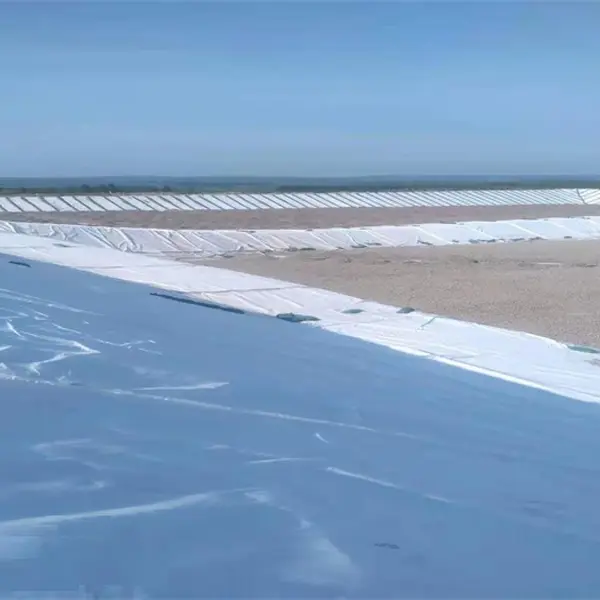
Secures canal systems, dams, and reservoirs against water loss with flexible structural liners.
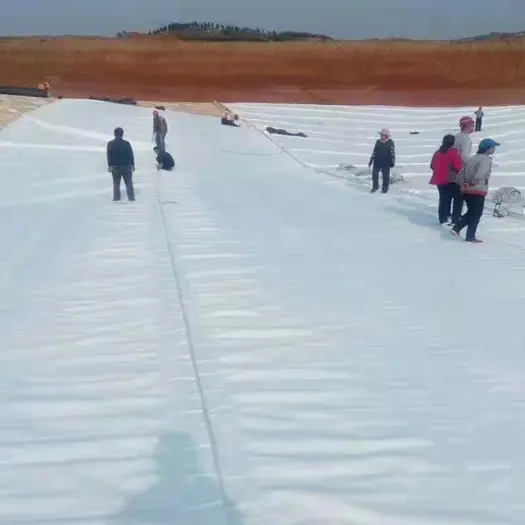
Durable protection against structural riverbank erosion and channel loss under high-velocity flows.
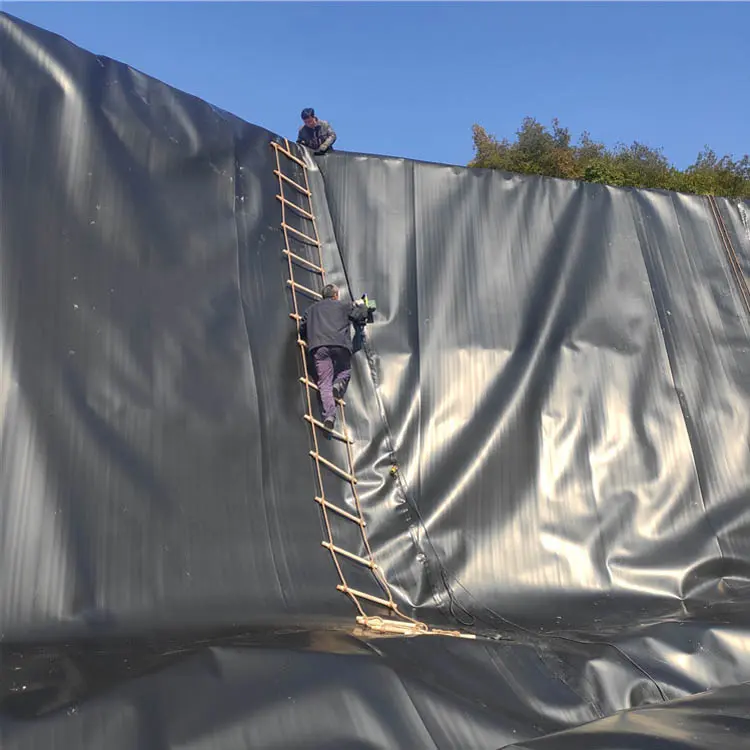
High-density barriers built for municipal waste basins ensuring absolute aquifer protection.
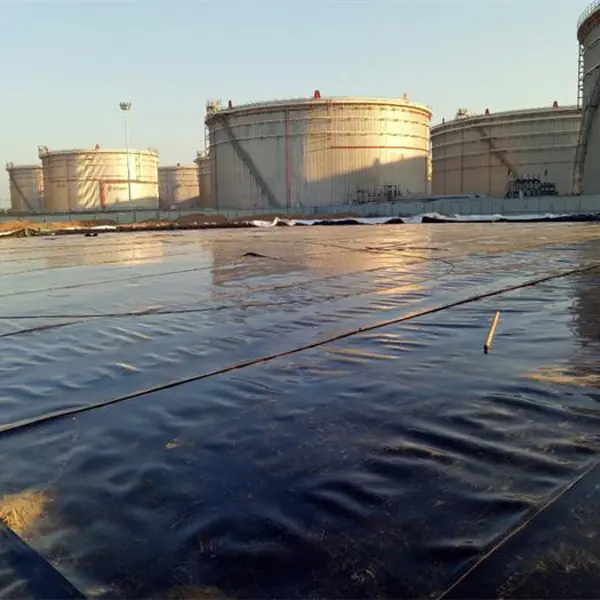
Secondary containment zones protecting soil matrices from fuel leakage and chemical discharge.
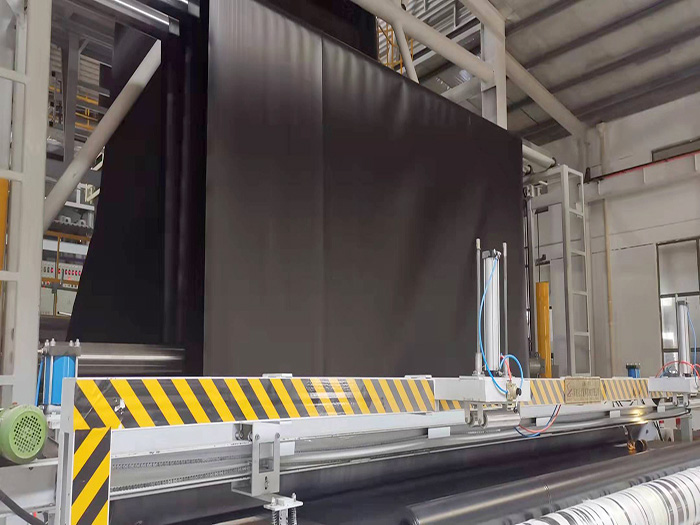
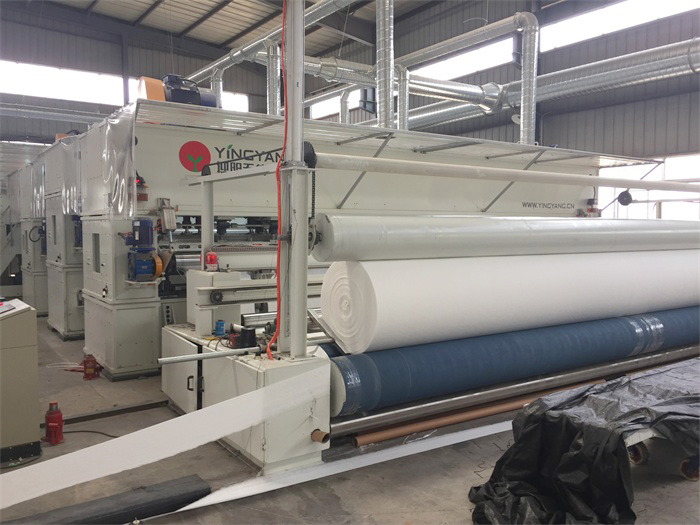
At Shandong Hongyue Environmental Engineering Co., Ltd., we combine advanced engineering materials with high-capacity production lines to serve projects globally. Established with a registered capital of 105 million yuan, our facility features advanced extrusion and calendering technologies that ensure consistent thickness, surface uniformity, and density profiles across every batch.
Our complete environmental engineering array includes geotextiles, geomembranes, composite geomembranes, waterproof boards, bentonite waterproof blankets, 3D composite drainage nets, (composite) drainage boards, woven and nonwoven geobags, flexible pervious pipes, and ecological blankets. This extensive range forms four highly targeted systems: impermeability, environmental protection, reinforcement, and water stop.
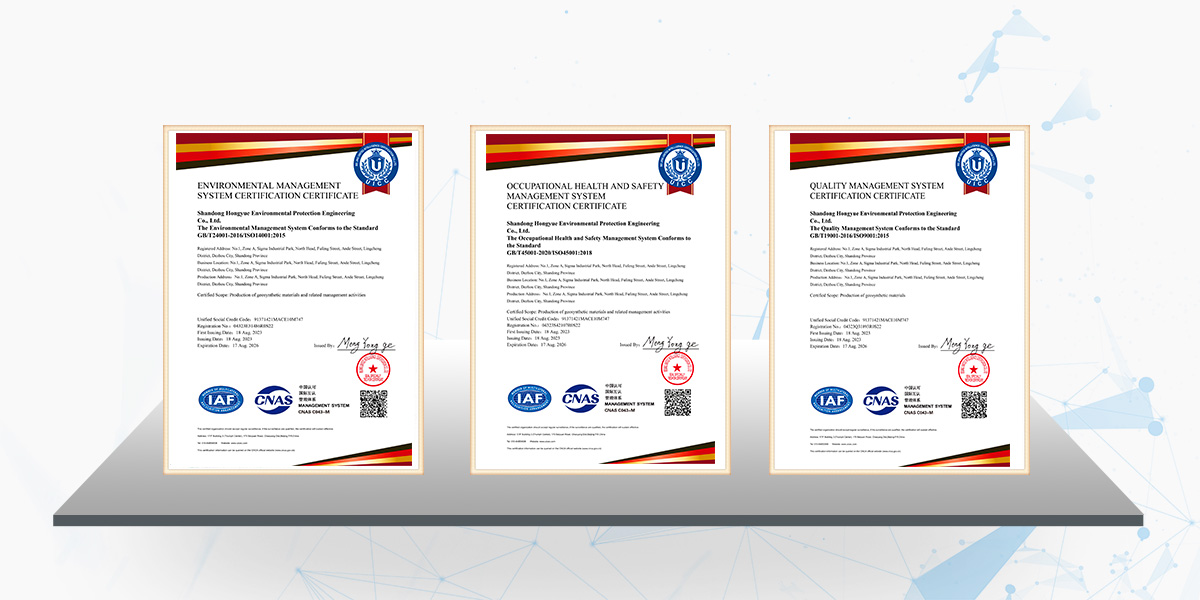
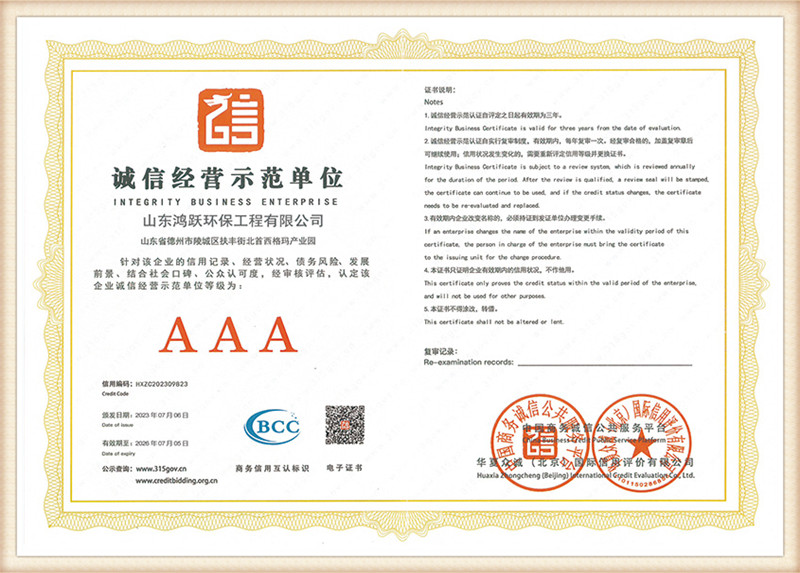
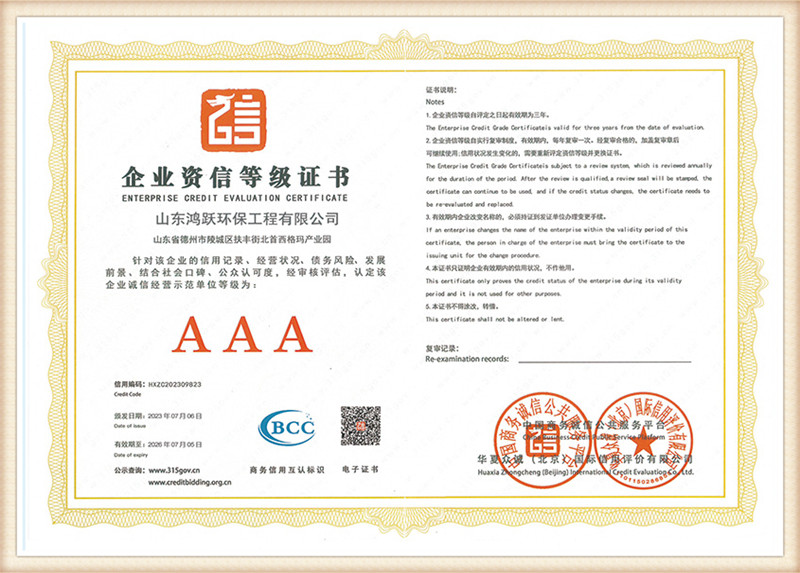
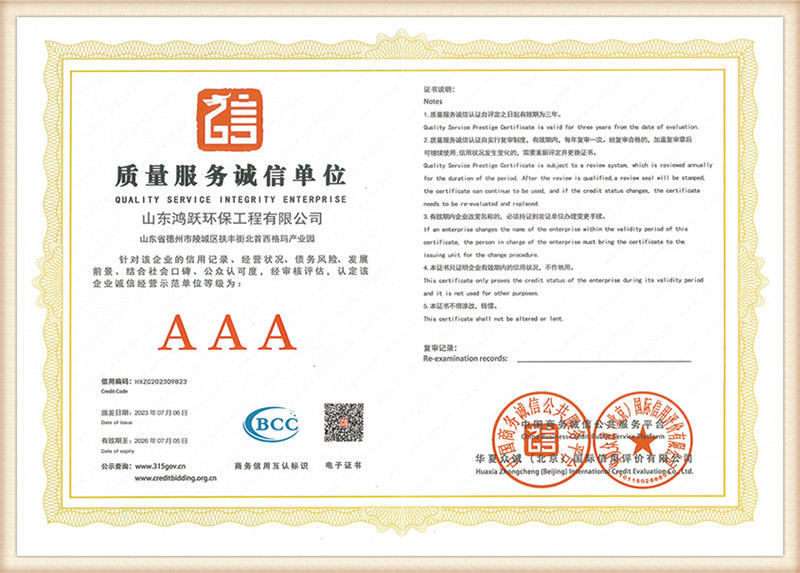
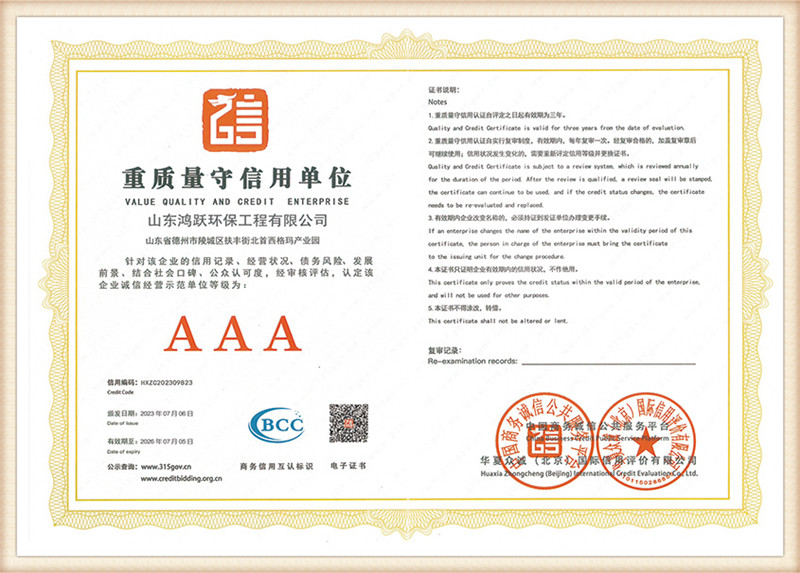
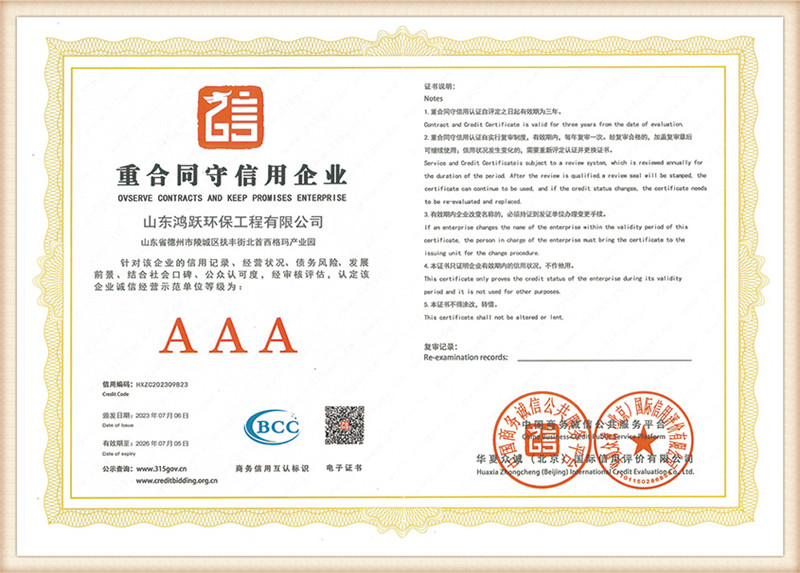
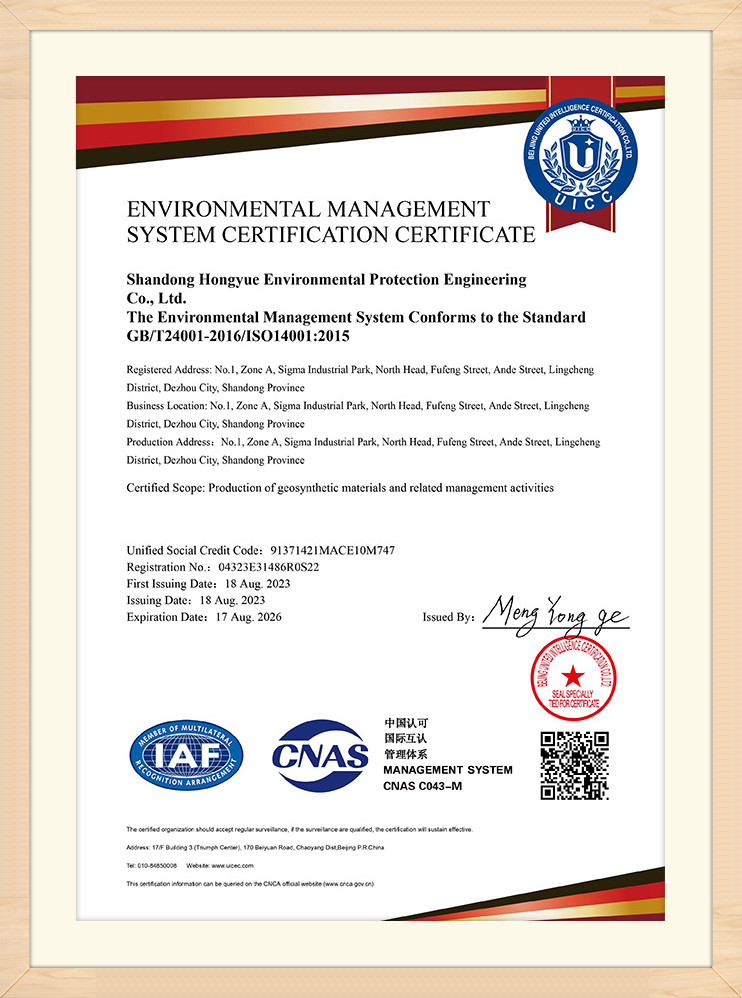
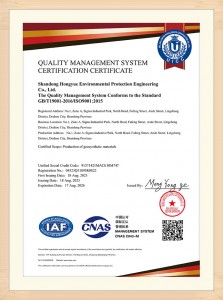
We believe quality is the ultimate benchmark of reliability. Every product undergoes strict validation at our in-house laboratories, testing raw materials, inline production steps, and final rolls against strict international ASTM and CE requirements. Our certifications (ISO 9001, ISO 14001, and ISO 45001) demonstrate our commitment to manufacturing precision and environmental responsibility.
Our raw materials consist of high-density polyester chips, virgin polypropylene filament, and specialized viscose fibers. These materials undergo a series of strict quality checks for chemical purity and consistency before entering production.
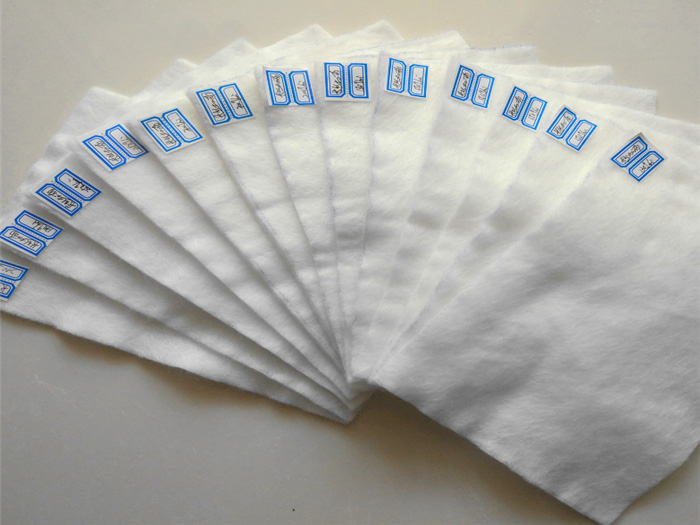
Polymer chips are heated and extruded through a screw system. Parameters like temperature, pressure, and flow rates are continuously monitored to maintain homogeneous melt viscosity, which is essential for ensuring puncture resistance in the final sheet.
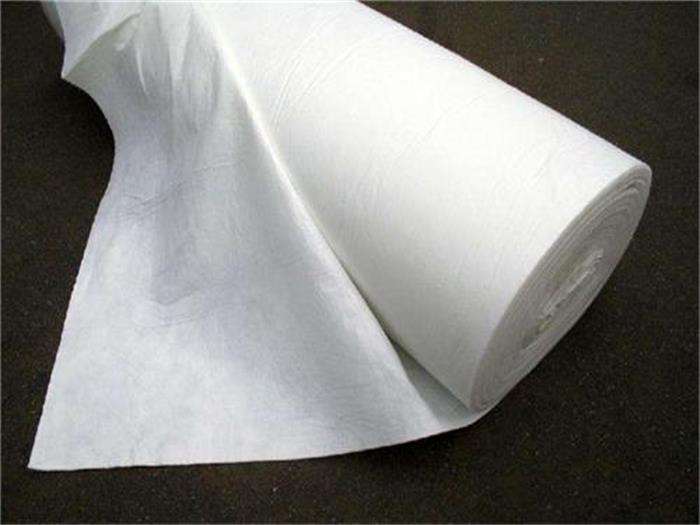
The extruded polymers are formed into a web structure using specialized spinnerets. This stage controls the web's directional density, thickness, and alignment to establish uniform strength across both the longitudinal and transverse directions.
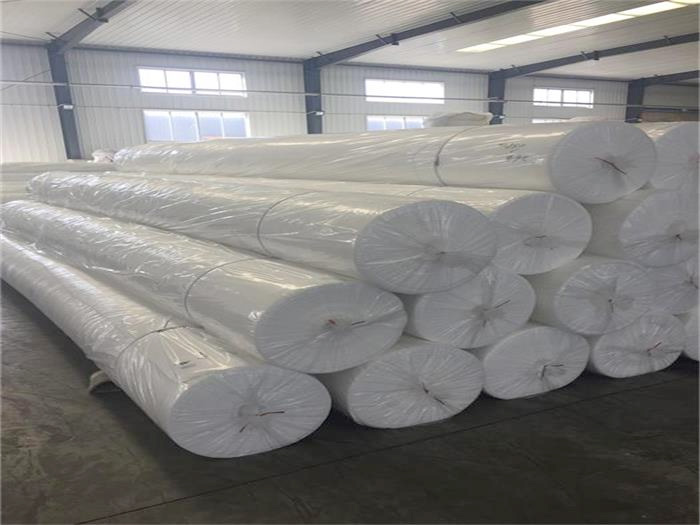
The formed polymer web is fed into a draft curing oven to lock the fibers in place. This thermal bonding process stabilizes the physical structure, ensuring high resistance to mechanical stress and environmental aging.
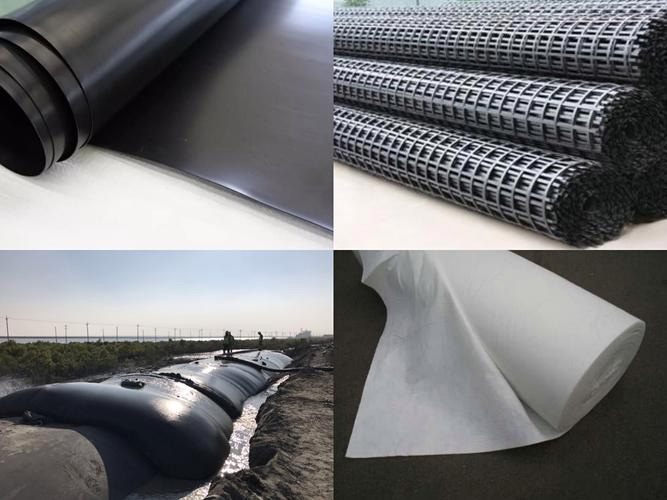
Finished sheets are cut, measured, and rolled. Every batch is marked and tested for physical properties (such as tensile strength, puncture resistance, and permeability) before receiving shipping approval.
Best practices to ensure structural reliability and containment performance in challenging environments.
The foundation surface must be compacted and cleared of sharp rocks, roots, or debris that could puncture the liner. Any standing water or soft spots should be addressed to create a stable, flat base before laying the material.
Rolls should be unrolled carefully to avoid dragging, which can damage the membrane. It is important to leave adequate slack in the panels to allow for thermal expansion and contraction during seasonal temperature changes.
We recommend using double-track hot wedge welding for long-term seam integrity. This technique creates a continuous air channel between two parallel welds, allowing engineers to verify seam quality through non-destructive air pressure testing.
Regular inspections help identify potential issues like silt buildup, mechanical damage, or localized shifts. Keeping the surface clean of sharp debris helps preserve the integrity of the barrier over its service life.
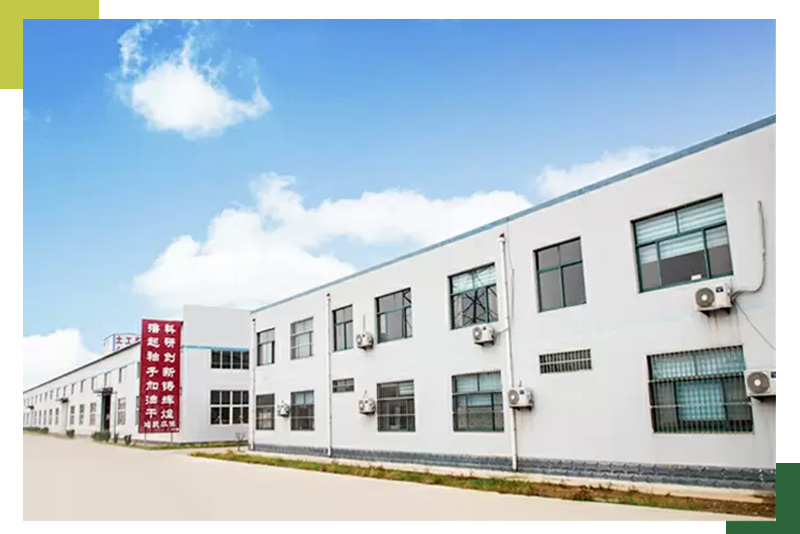
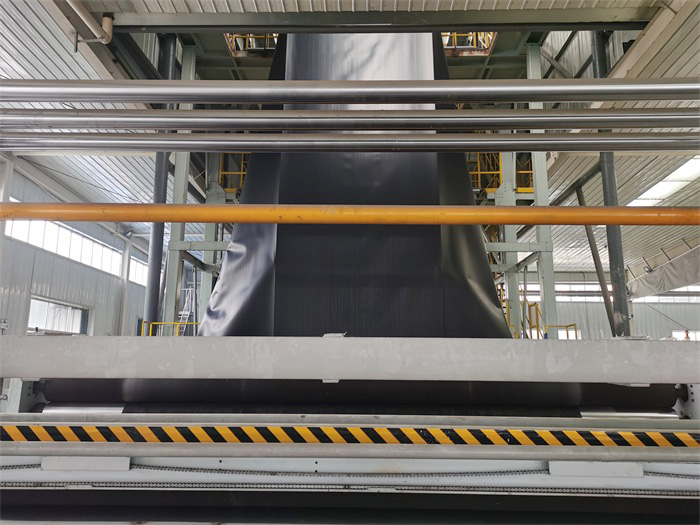
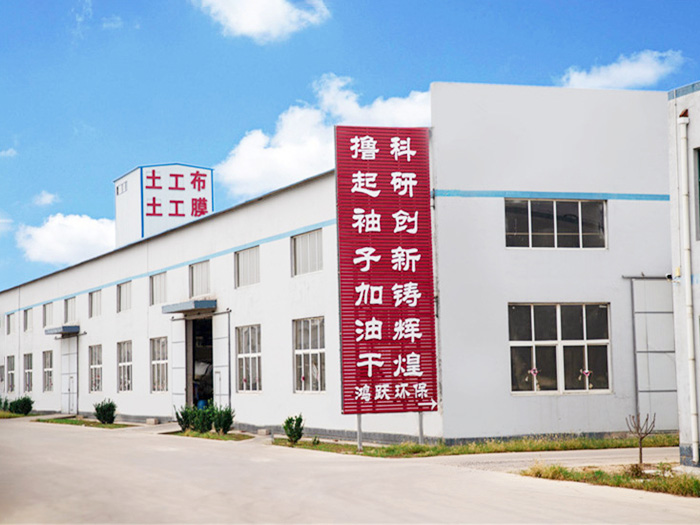
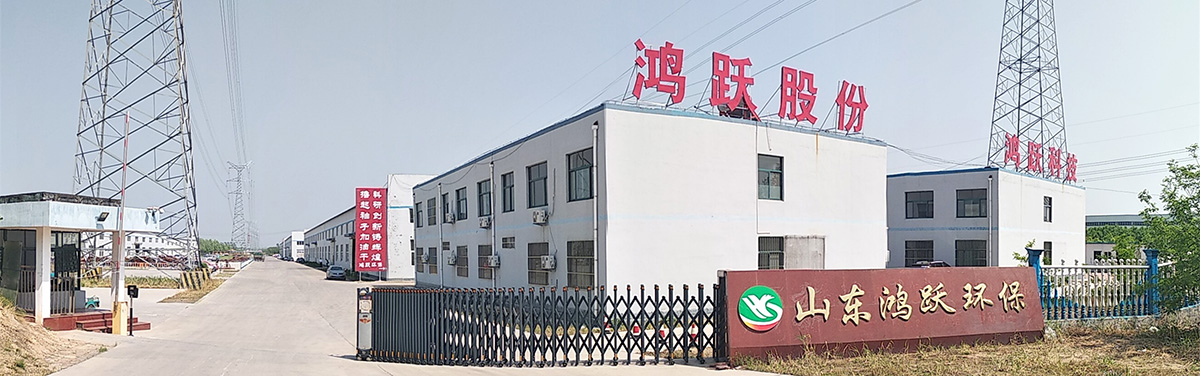
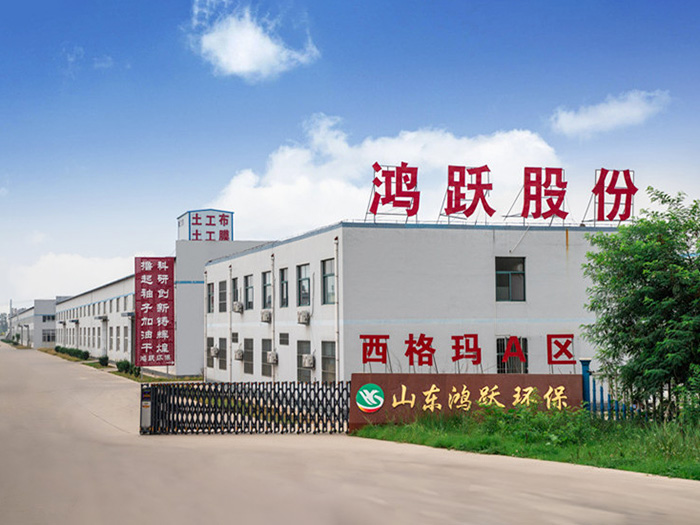
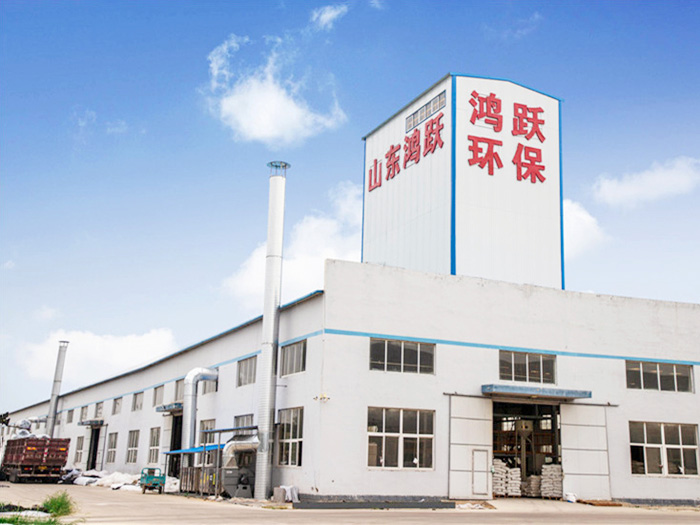
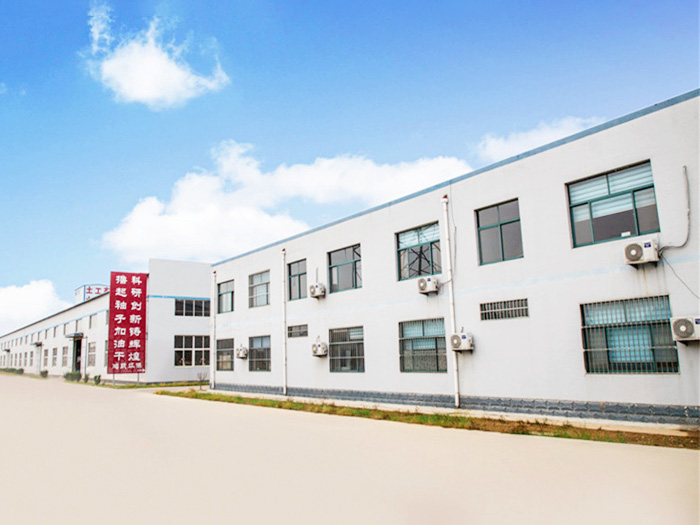
A look inside our advanced manufacturing center, showing our equipment, testing tools, and storage capacity.
Answers to common technical questions about using geomembranes in municipal and environmental engineering projects.
Explore our complete range of high-performance membranes, geotextiles, and drainage materials.
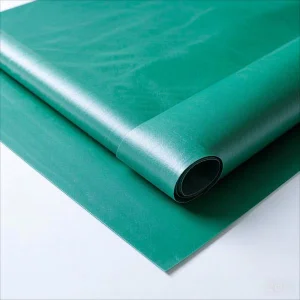
Formulated with premium carbon stabilizers to withstand high UV exposure in uncovered reservoirs and canal networks across New England.
Technical Sheet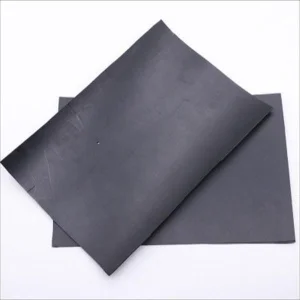
Offers uniform thickness and smooth surfaces for municipal containment projects and pond liners requiring high shear strength.
Technical Sheet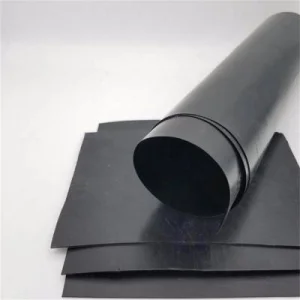
CE-certified reinforced membrane designed for high-stress municipal waterworks, canals, and steep-slope installations.
Technical Sheet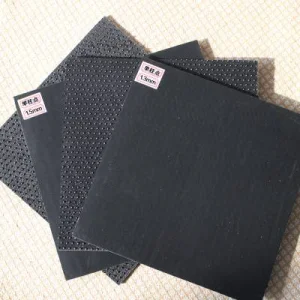
Features a textured surface to increase friction, preventing soil sliding on steep landfill caps and reservoir banks.
Technical Sheet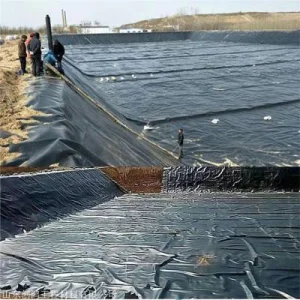
Safe for aquaculture and agricultural water storage, offering high puncture resistance and flexible installation.
Technical Sheet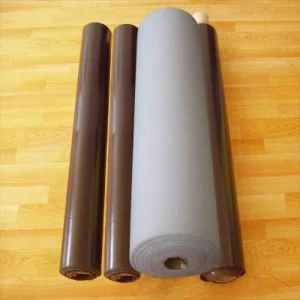
Highly flexible PVC liner engineered for underground structures, basements, and sub-grade tunnels in metropolitan Boston.
Technical Sheet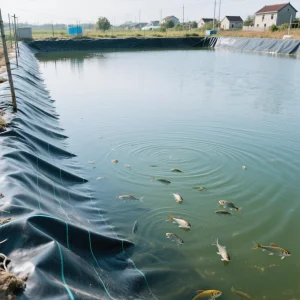
Offers high elongation and flexibility, designed to adjust to settlement in large landfills and waste containment cells.
Technical Sheet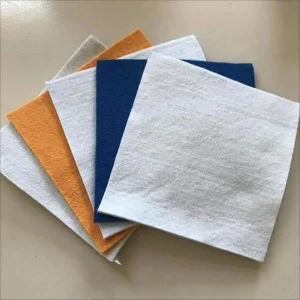
High-strength nonwoven fabric for filtration, soil separation, and protecting membranes from physical wear.
Technical Sheet Hongyue