Engineered for Kuala Lumpur's expressway constructions, slope protections, and municipal infrastructure developments.
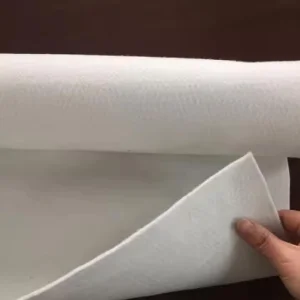
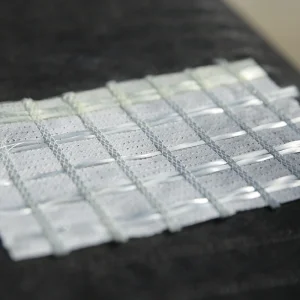
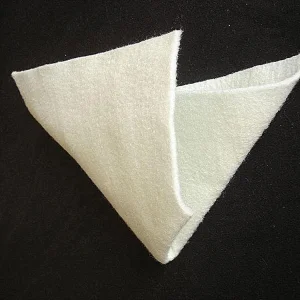
Kuala Lumpur, the beating heart of Malaysia's economic engine, is undergoing unprecedented urban expansion. From high-density commercial towers to transit-oriented developments (TODs) like the MRT3 Circle Line and the East Coast Rail Link (ECRL) corridors, the structural integrity of foundations is paramount. Underneath KL's rapid growth lies a complex geological profile—predominantly characterized by the Kenny Hill Formation (interbedded sandstone, siltstone, and shale) and highly weathered karstic limestone. These geological formations, coupled with the region's tropical monsoon rains, present severe challenges: slope failures, ground subsidence, sinkholes, and rapid soil erosion.
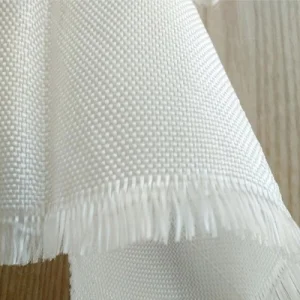
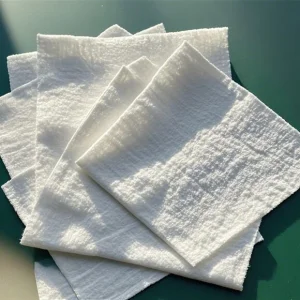
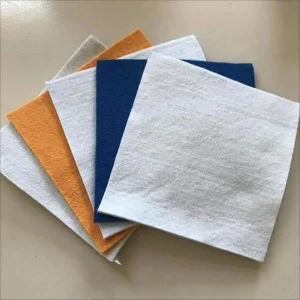
As a result, municipal engineers and private developers across the Klang Valley are shifting away from traditional concrete retaining structures toward flexible, environmentally resilient geosynthetic systems. The demand for high-strength biaxial geogrids, uniaxial geogrids, and heavy-duty non-woven filtration geotextiles has reached record levels. These modern materials not only stabilize vulnerable slopes but also reduce carbon footprints and construction cycle times by over 40%.
To address these challenges, Shandong Hongyue Environmental Engineering Co., Ltd. provides certified geosynthetics tailored to withstand tropical acidic soils, chemical runoffs, and extreme mechanical stresses.
Understanding the international shifts in civil engineering procurement, material standards, and structural cost optimizations.
Global procurement teams no longer rely purely on price factors. Project owners mandate strict compliance with ASTM, ISO, and CE certifications. Products must undergo independent third-party laboratory tests (such as TRI/Environmental or GSI verification) to ensure long-term design tensile strength, creep resistance, and UV stability.
With changing precipitation patterns and rising global temperatures, engineering projects demand materials with superior chemical degradation resistance. Polymer geogrids must maintain their structural integrity for at least 50 to 120 years under diverse environmental exposures, including high soil acidity and alkaline conditions.
Smart procurement executives focus on the total cost of ownership (TCO), factoring in oceanic shipping, inland logistics, installation speeds, and waste ratios. Sourcing directly from modern manufacturing centers in China provides consistent bulk volumes, customized roll dimensions, and reduced port-to-port delivery times.
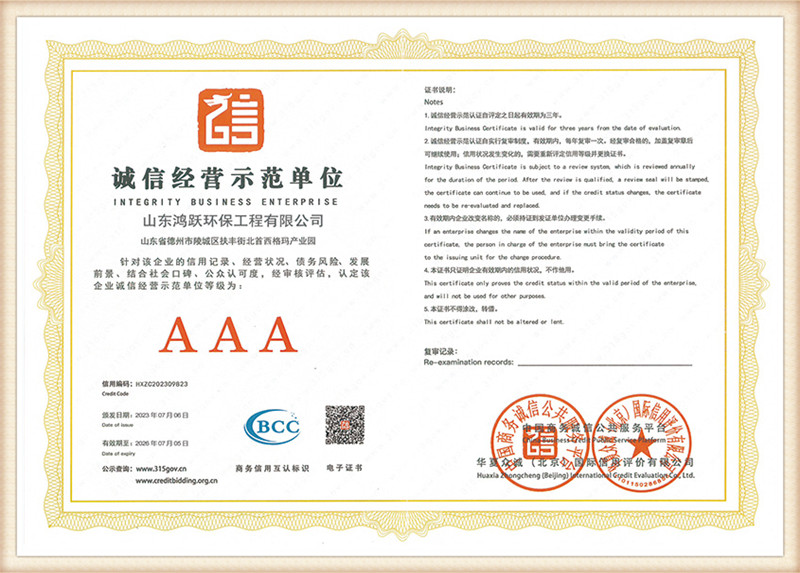
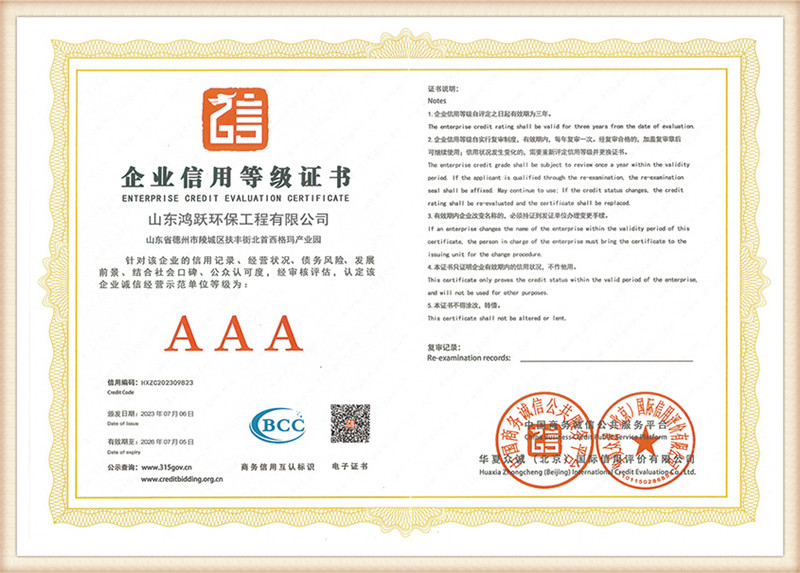
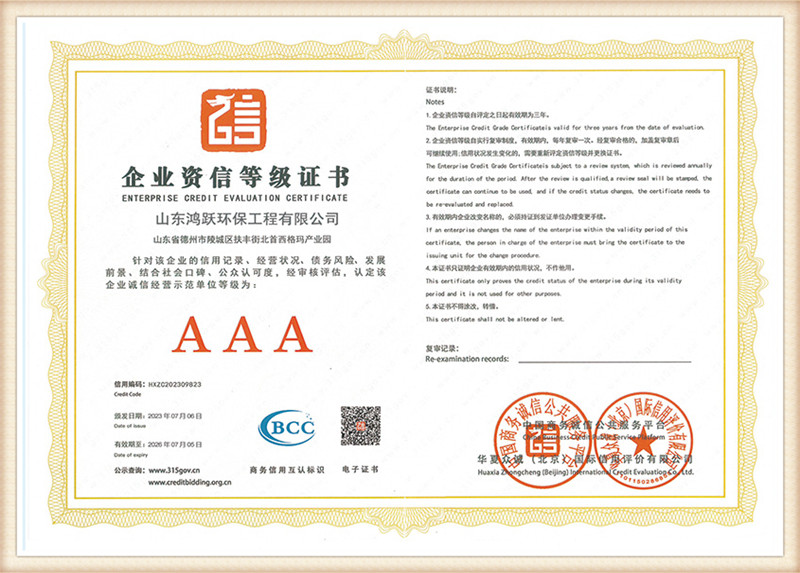
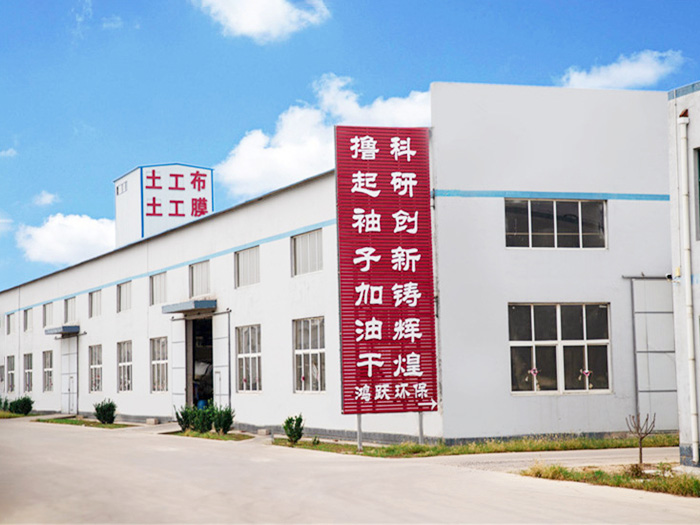
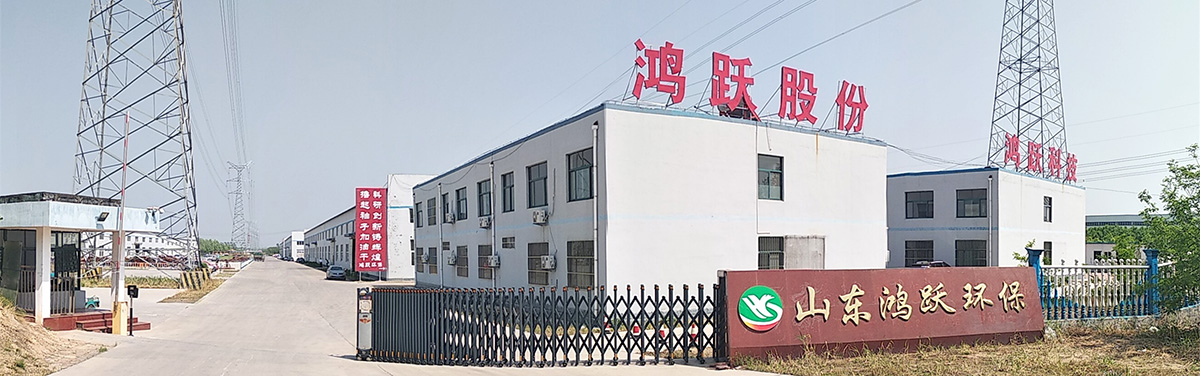
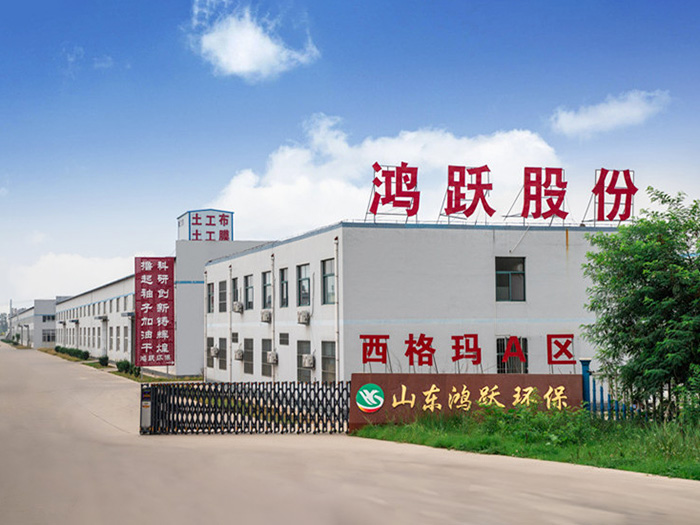
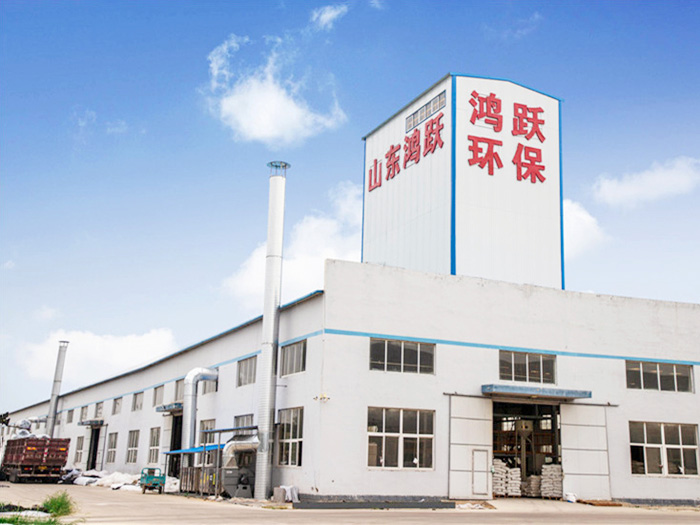
At the center of China’s advanced geosynthetic manufacturing corridor, Shandong Hongyue Environmental Engineering Co., Ltd. (based in Lingcheng District, Dezhou, Shandong Province) stands as a beacon of high-tech production. Leveraging Factory 4.0 principles, we integrate automated raw material handling, computerized extrusion controls, and real-time thickness profiling.
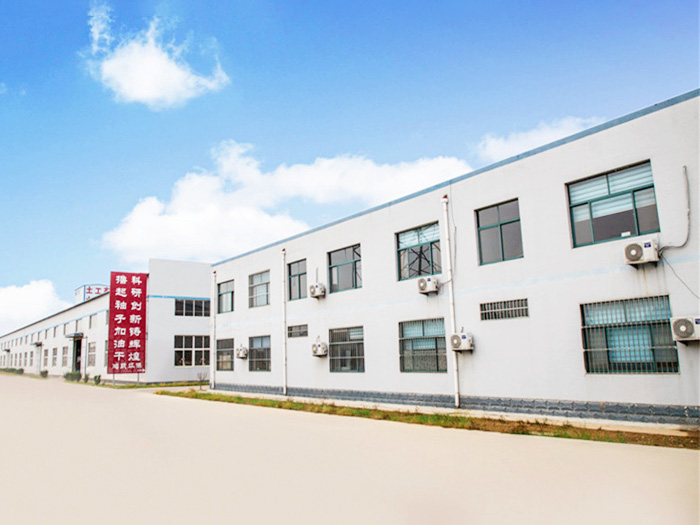
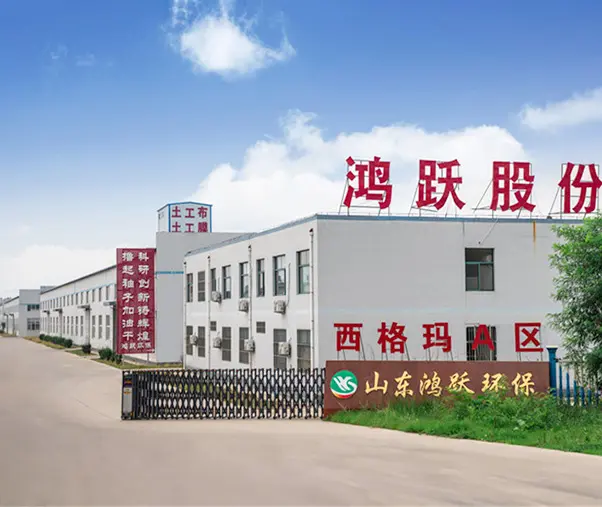
Our facility boasts a registered capital of 105 million Yuan, positioning it among China’s largest and most technologically advanced geosynthetic production bases. With fully integrated logistics links connecting our plants directly to major domestic ports, we ensure prompt shipping access to Port Klang and other critical destinations across Malaysia.
Through systematic process optimization and large-scale bulk procurement of high-grade virgin polymers, we eliminate manufacturing waste. This allow us to offer highly competitive pricing structures for Kuala Lumpur and global civil engineering contractors without compromising technical performance.
How our Shandong factory applies stringent Quality Assurance across all six key stages of manufacturing.
We source premium polyester chips, polypropylene filament, and viscose fibers. These raw materials are thoroughly tested for moisture content and density. Following raw material selection, polymers are melted at high temperatures and extruded into fibers using high-precision screw extruders, ensuring uniform polymer alignment.
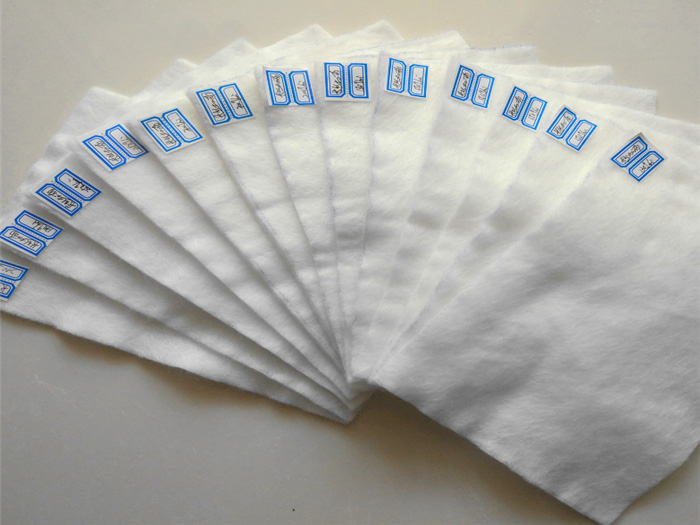
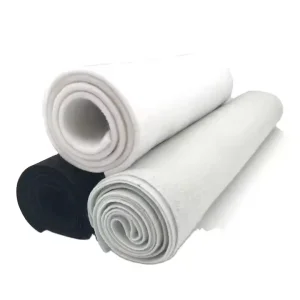
The molten polymer fibers are distributed through state-of-the-art spinnerets onto a high-speed conveyor belt, forming a multi-directional structural web. Next, the web undergoes draft curing, where heating, speed, and draft ratios are precisely balanced to lock in the material's mechanical strength and elongation limits.
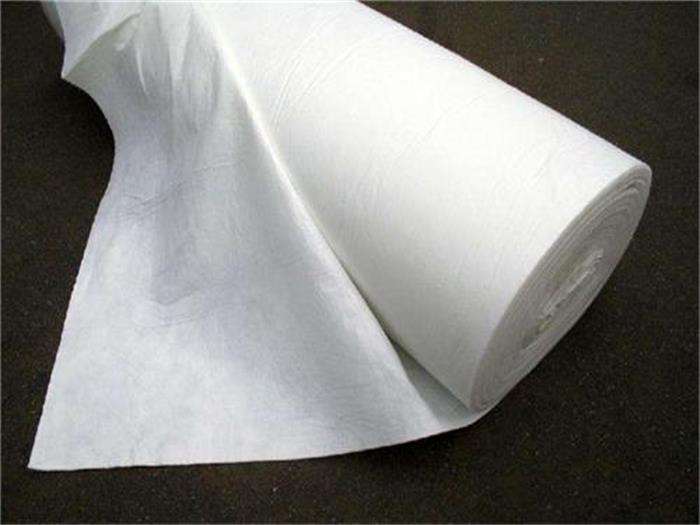
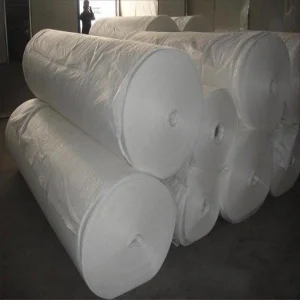
Finally, cured geotextiles are rolled into specified lengths and widths, wrapped in UV-protective film, and stored. Every batch undergoes testing for physical properties (mass per unit area, tensile strength, grab strength, CBR puncture resistance, and water permeability) prior to global dispatch.
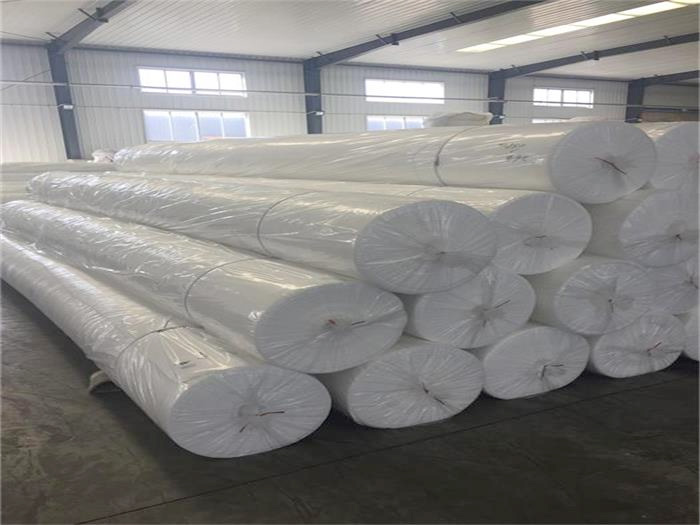
Engineered solutions for challenging soil profiles, urban structures, and water retention systems across Malaysia.
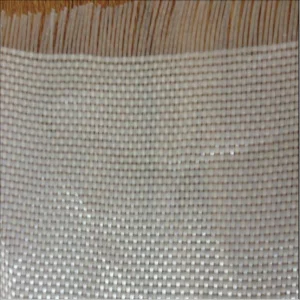
Klang Valley is highly prone to slope failures along steep terrains like Ampang, Hulu Kelang, and Bukit Antarabangsa. By integrating uniaxial plastic geogrids and reinforced woven geotextiles into slope reinforcement designs, civil engineers can build steepened slopes and retaining walls with high load capacities. This system prevents water buildup within the soil structure while retaining topsoil particles, allowing natural vegetation to take root and stabilize the slope.
Kuala Lumpur’s expressways must handle heavy industrial and commercial traffic. Subgrade soils often consist of weak marine clays or moisture-sensitive silts. Laying a layer of biaxially stretched plastic geogrid below the aggregate base spreads concentrated wheel loads over a wider area. This reduces subgrade stress, minimizes differential settlement, and prevents asphalt cracking, significantly extending the service life of major highways.
In water management and industrial waste applications, environmental containment is critical. Using HDPE geomembranes as primary barrier liners prevents hazardous leachates from migrating into groundwater tables. Additionally, combining geomembranes with composite geonet drainage layers ensures efficient liquid and gas collection, safeguarding Kuala Lumpur’s natural environment.
A transparent look inside the testing laboratories, raw material yards, and heavy-duty manufacturing lines of Shandong Hongyue.
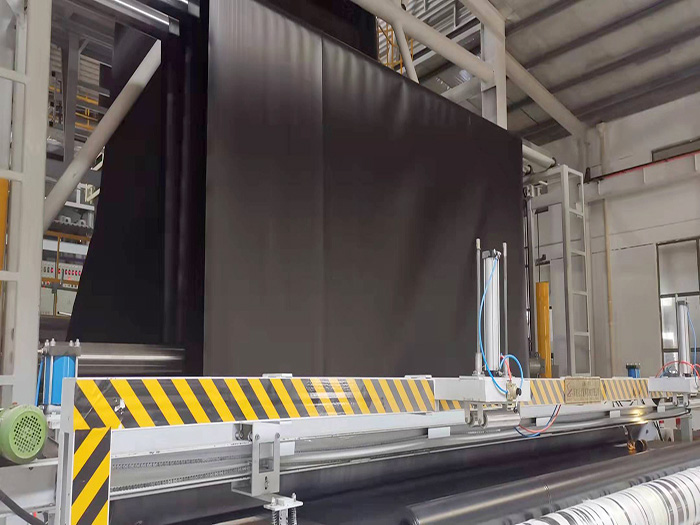
High-speed needle-punch systems producing wide-width geotextiles up to 6 meters wide, optimizing installation overlap ratios in massive infrastructural works.
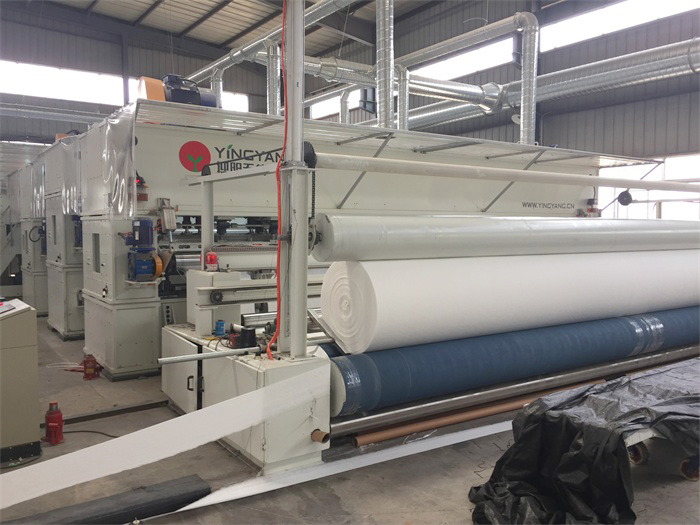
Precision stretch heating systems that align polymer structures, imparting high tensile strengths at low strain limits.
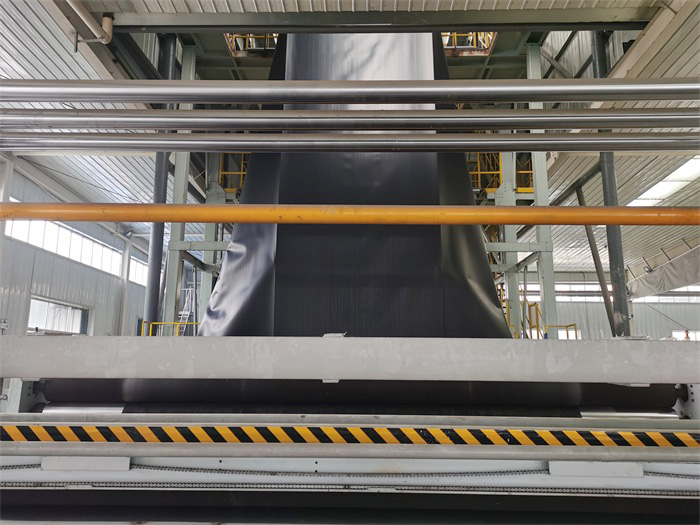
Controlled environments housing raw polymer resins to prevent moisture absorption and dust contamination prior to compounding.
How our engineering materials are applied globally across complex hydraulic, transportation, and waste management projects.
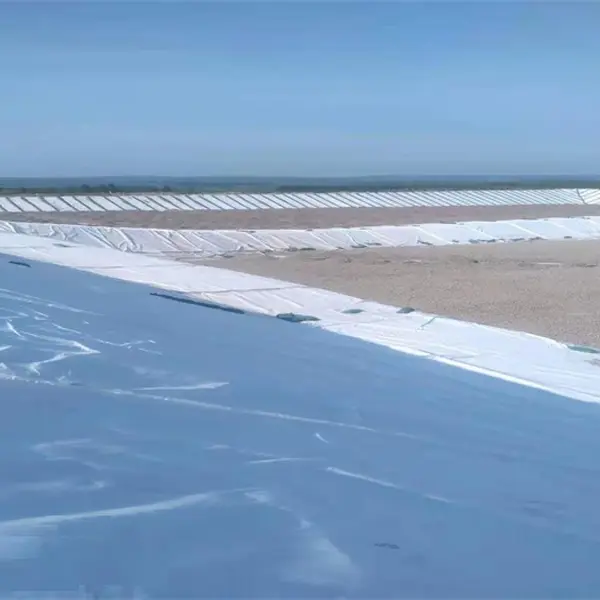
Reservoirs, water treatment facilities, and canals require durable lining solutions. Our HDPE and composite geomembranes prevent seepage losses, maintaining water volume while resisting microbial attacks and root penetration common in Malaysia's tropical soils.
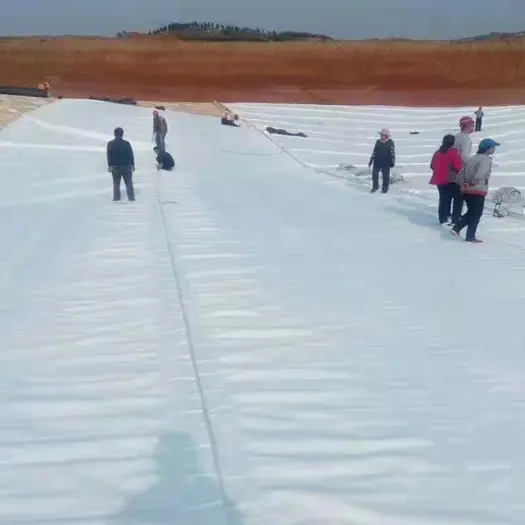
Protecting riverbanks from high shear stresses during heavy monsoonal discharges. Composite structures incorporating non-woven geotextiles and HDPE geomembranes prevent internal piping while allowing safe hydrostatic pressure dissipation.
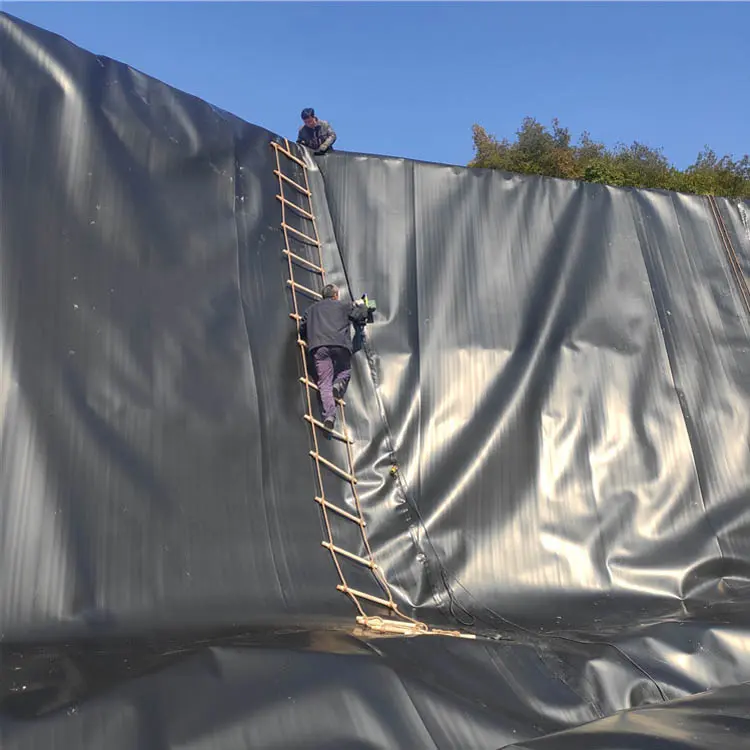
Preventing environmental damage from hazardous municipal leachate. Double-lined composite systems containing bentonite blankets (GCL), geomembranes, and geonets ensure long-term environmental protection.
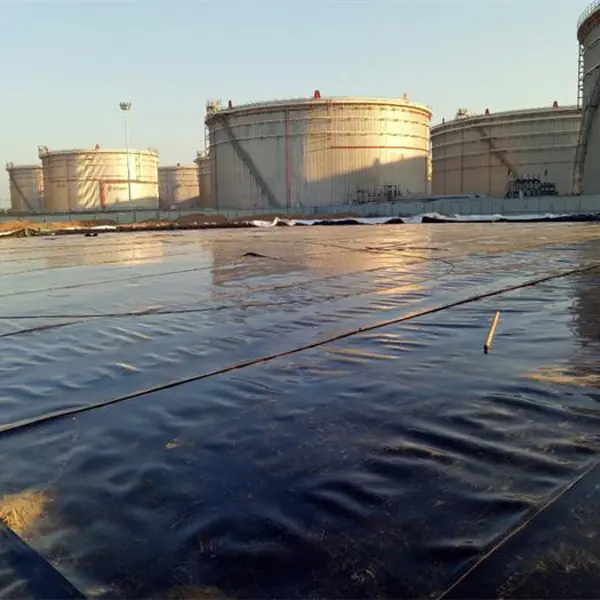
Secondary containment structures for oil storage yards and chemical plants. Our membranes offer chemical resistance, preventing fuel leakages from reaching surrounding soils and groundwater reservoirs.
Certified performance parameters verified by domestic and international testing agencies.
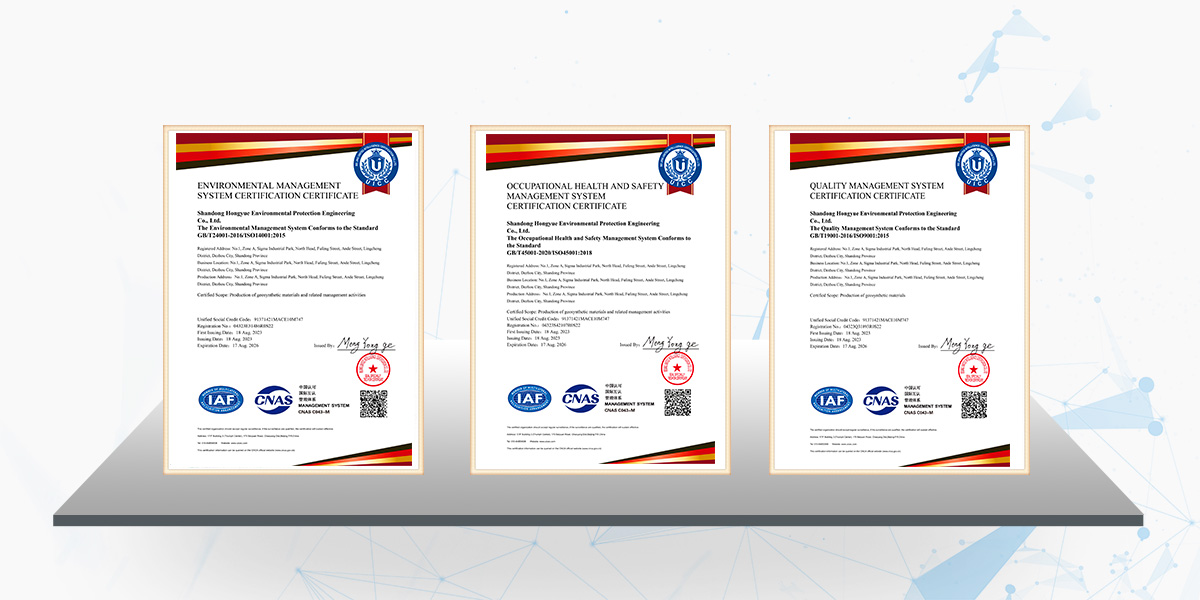
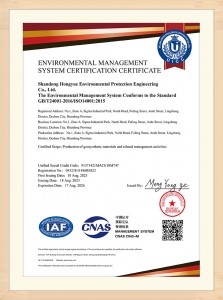
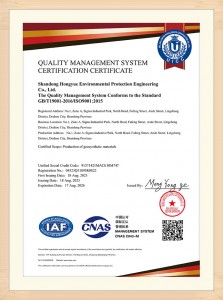
Shandong Hongyue Environmental Engineering Co., Ltd. operates in strict accordance with international standards. We have obtained ISO9001 International Quality Management System Certification, ISO14000 Environmental Management System Certification, and ISO45001 Occupational Health and Safety Management System Certification. In addition, our geosynthetic materials have been awarded honors such as "famous Chinese brand", "green and environmentally friendly building materials", and "high-tech industry enterprise".
All manufactured rolls undergo testing at the China National Testing Center, ensuring compliance with both local standards and international criteria, including ASTM, BS, and EN specifications. Through our strict quality control systems, we ensure that every square meter of geogrid, geomembrane, and geotextile delivered to your site meets or exceeds design expectations.
Explore our specialized geotechnical range for retaining walls, soil reinforcement, and drainage applications.
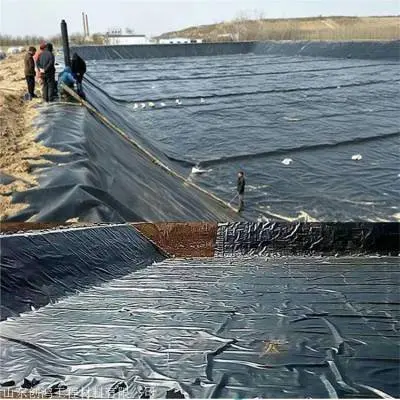
Smooth, high-density impermeable geomembrane optimized for aquaculture and chemical containment.
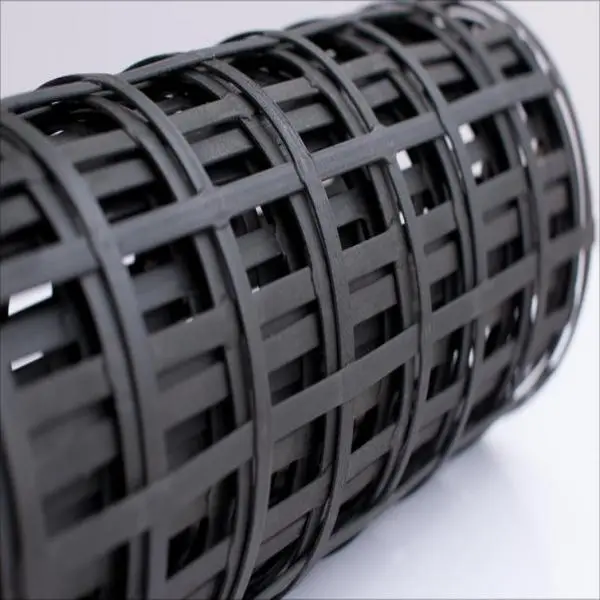
Excellent tensile strength with steel wires wrapped in protective polymer sheath, reducing creep.
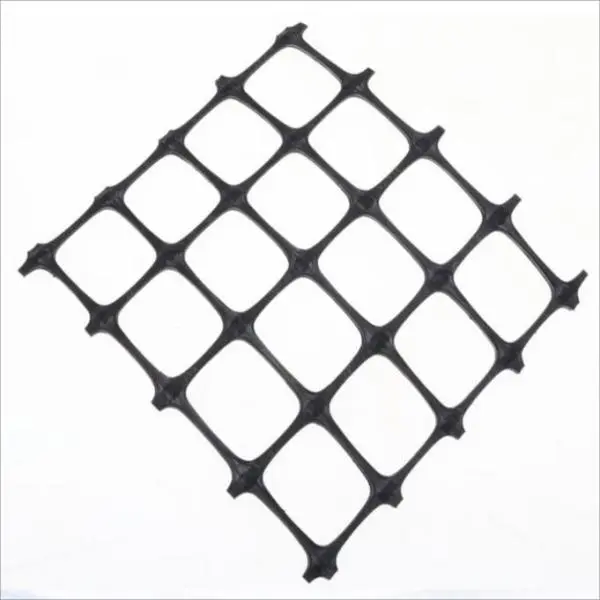
Engineered with high junction strength to provide structural locking for aggregate bases.
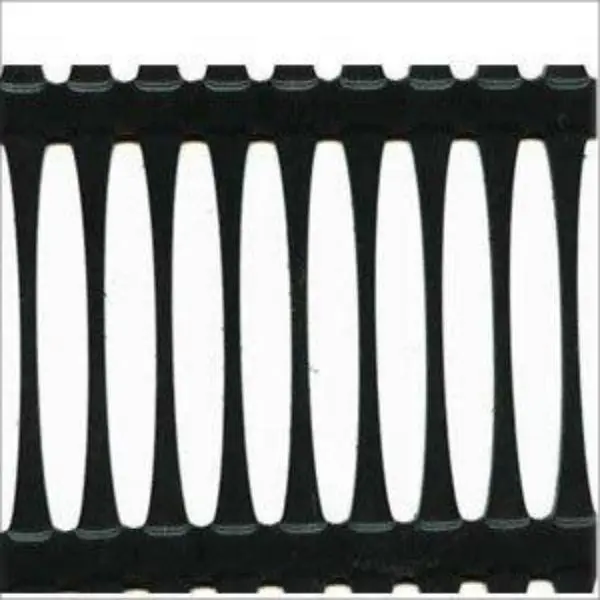
Optimized for unidirectional loading in MSE retaining walls and steepened slopes.
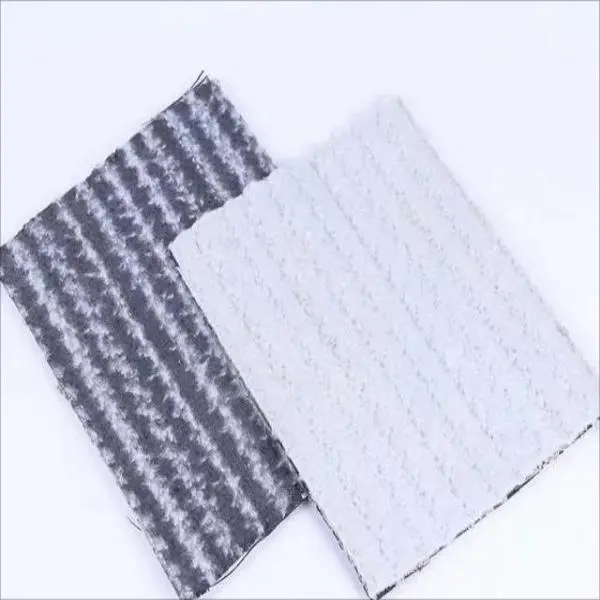
Geosynthetic composite that hardens on hydration, creating a durable concrete protection layer.
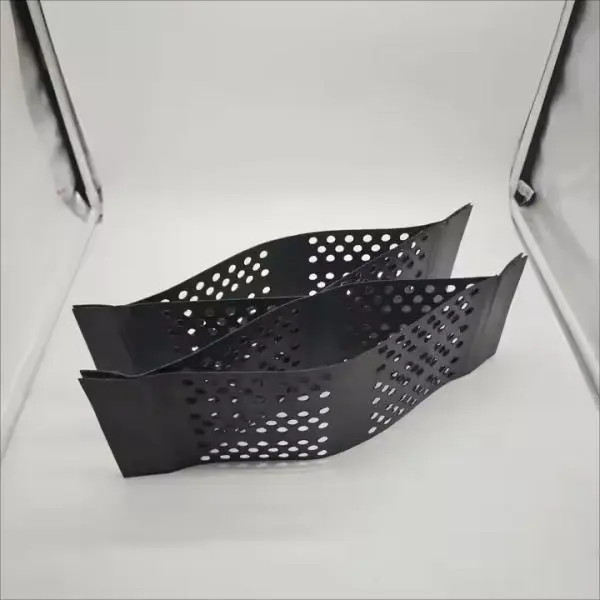
Stabilizes steep slopes and base courses using dynamic three-dimensional cell confinement.
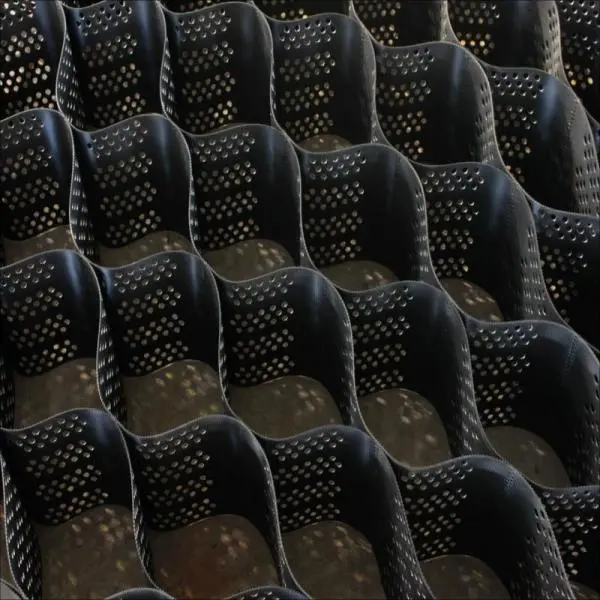
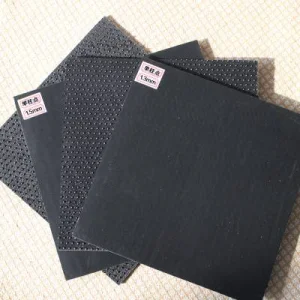
Textured walls improve frictional lock, and perforations ensure optimal lateral drainage.
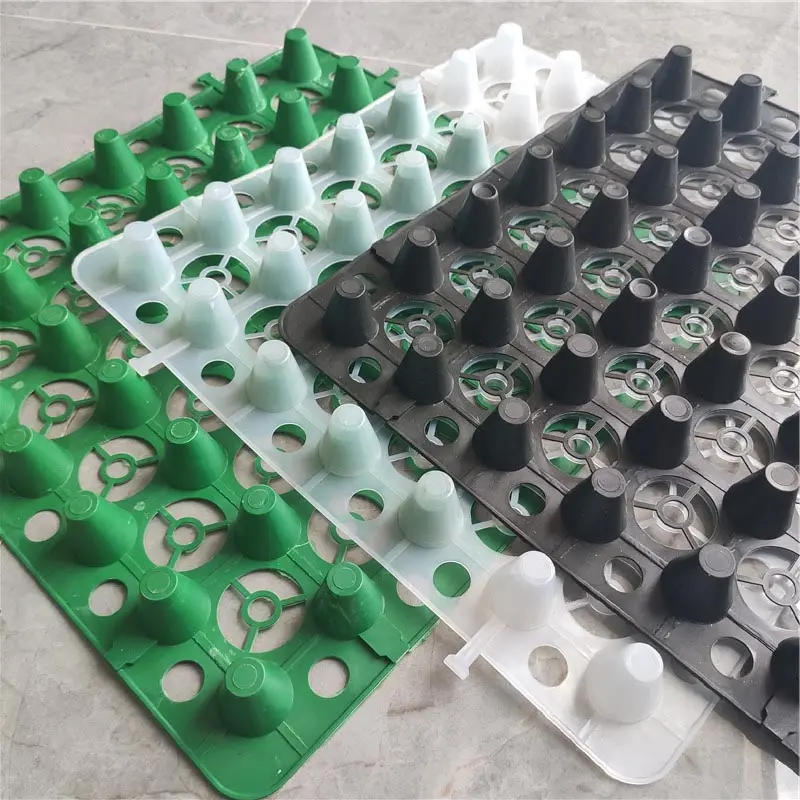
Ideal for green roof installations and retaining walls, facilitating clean lateral water flow.
Get authoritative answers on design properties, costing, and logistical steps for importing to Malaysia.
Uniaxial geogrids are stretched in a single direction (typically the machine direction) and are engineered to carry loads along a single axis. They are widely used in vertical structures like retaining walls (MSE walls) and steep slope stabilization. Biaxial geogrids are stretched in both longitudinal and transverse directions, distributing tensile strength equally. They are suited for base reinforcement, road pavement subgrades, and railway beds to distribute high axle loads.
Our facility operates under strict ISO 9001 quality guidelines. Every batch of polymers is tested for moisture, melt flow index, and purity. During and after manufacturing, we test sample pieces for wide-width tensile properties (ASTM D4595), puncture resistance, and thickness conformity. Every batch comes with a Manufacturer Mill Certificate (MTC) and can undergo third-party inspection (SGS/TUV) at the loading port before shipping to Port Klang.
Production times vary from 7 to 15 days depending on the volume and type of product (geotextiles, geogrids, or geomembranes). Shipping from Qingdao Port or Shanghai Port directly to Port Klang typically takes 10 to 14 days. Including customs clearance, clients in the Klang Valley can expect materials on-site within 25 to 30 days of placing an order.
Yes. Our geogrids and geotextiles are formulated using high-grade Polypropylene (PP), Polyester (PET), or High-Density Polyethylene (HDPE). These polymers offer chemical inertness, making them resistant to soil microbes, chemical fertilizers, acidic groundwater (pH 2-11), and saline soil environments common in coastal regions.
Geosynthetic pricing is mainly influenced by the raw material weight (grams per square meter), the ultimate design tensile strength (kN/m), the roll dimensions, and the choice of virgin vs. recycled polymers. For accurate container-load rates, we suggest contacting our sales department directly to get a customized quotation based on your project specification sheet.
Detailed product listings with direct access to technical specifications and compliance dataheets.
Whether you are designing expressway slope protection, building modern landfill barriers, or stabilizing municipal subgrades in Kuala Lumpur, get certified geosynthetics directly from our China Factory 4.0 production line.
Send Inquiry Now Hongyue