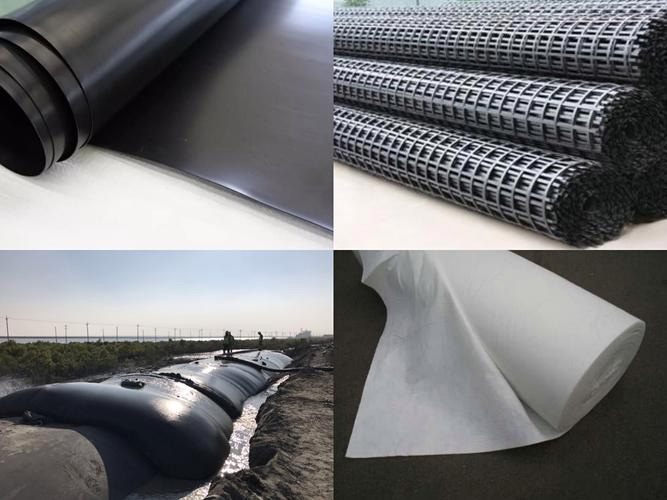
High-strength reinforcement polymers and composite structures optimized for Montevideo port expansions, highway subgrades, and regional agricultural embankments.
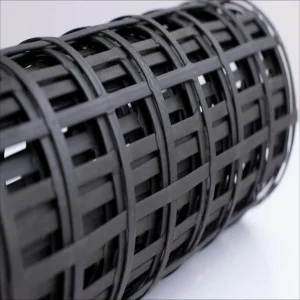
Uruguay's civil engineering projects are undergoing an unprecedented phase of expansion. Guided by the Ministerio de Transporte y Obras Públicas (MTOP), national infrastructure development programs are heavily focused on upgrading key road networks (such as Ruta 5, Ruta 8, and Ruta 9), reinforcing railway corridors for wood pulp transport (like the Ferrocarril Central project), and modernizing maritime port terminals at Montevideo.
From a geotechnical standpoint, Uruguay presents complex soil challenges. The presence of highly expansive clay soils, locally known as Vertisols, in the central and northern regions (including departments like Durazno, Tacuarembó, and Salto) demands specialized engineering solutions. These clay layers shrink and swell severely during seasonal weather variations, leading to asphalt cracking, subgrade deformation, and slope failures.
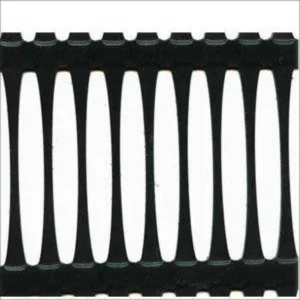
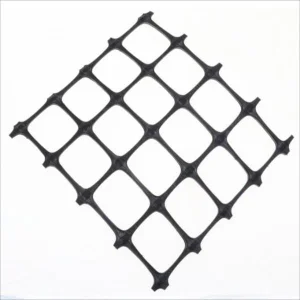
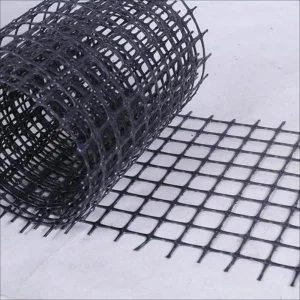
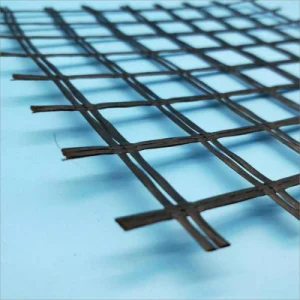
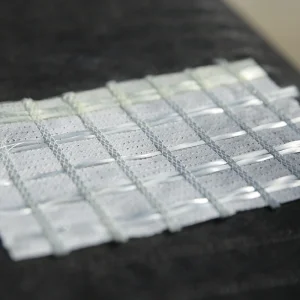
To tackle these challenges, modern engineering designs specify high-tensile uniaxial and biaxial geogrids. By distributing loads across a stable planar grid, geosynthetics drastically minimize localized subgrade stress, restrict lateral movement of base aggregate particles, and limit differential settlement in roads built over high-plasticity clay beds.
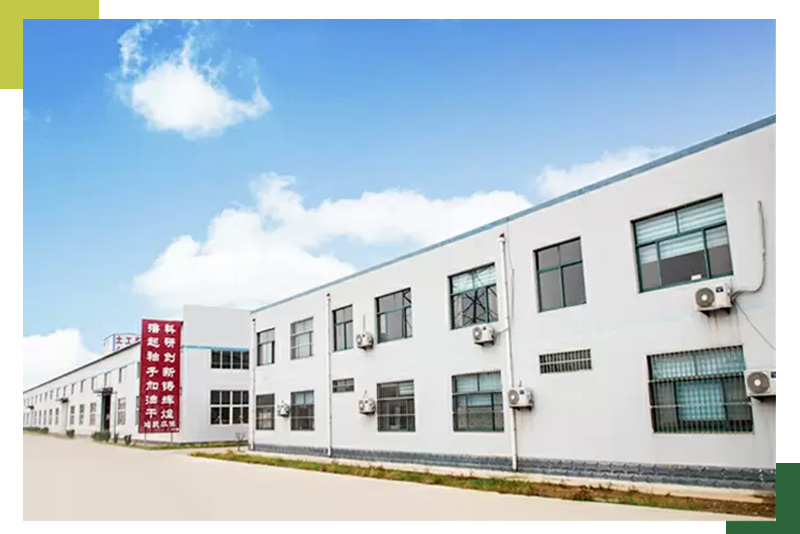
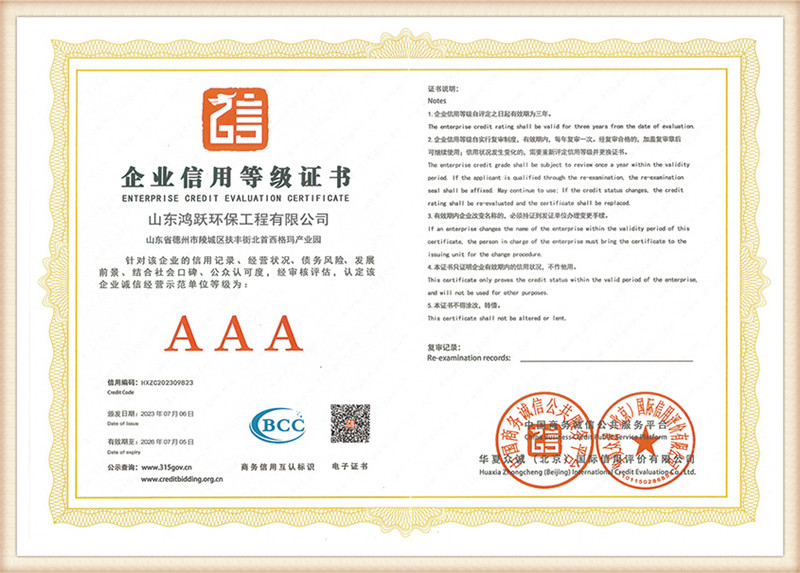
Established as a leading scientific and technological geotechnical material manufacturer, we combine production, sales, design, and site support into integrated civil engineering solutions. Located in Lingcheng District, Dezhou, Shandong Province—the heart of China's geosynthetic manufacturing base—our company operates with a registered capital of 105 million yuan.
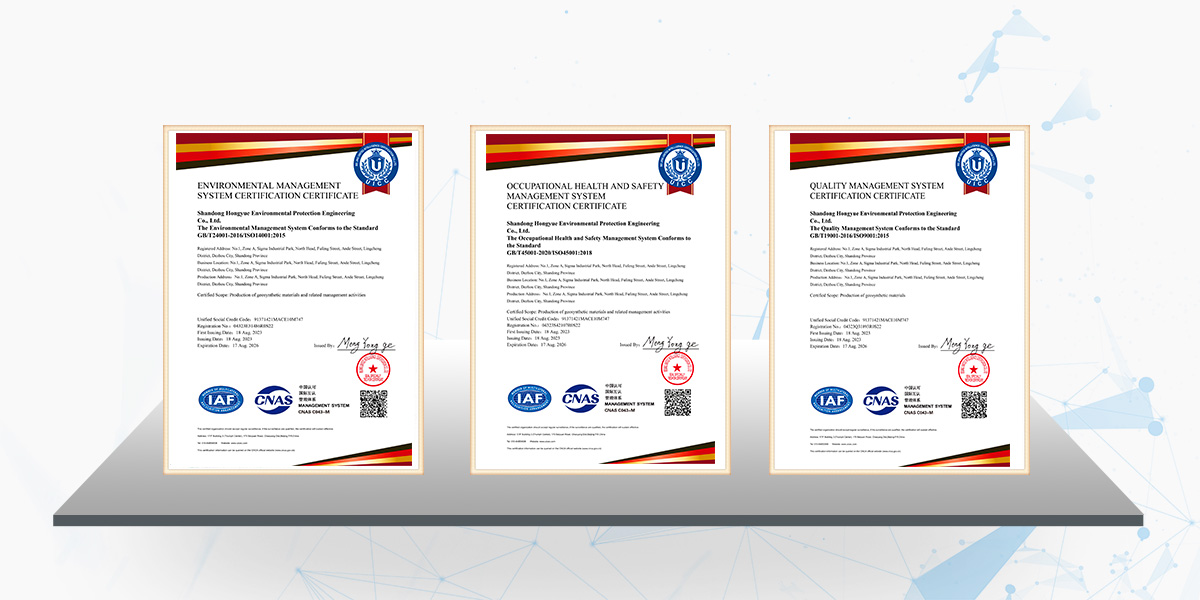
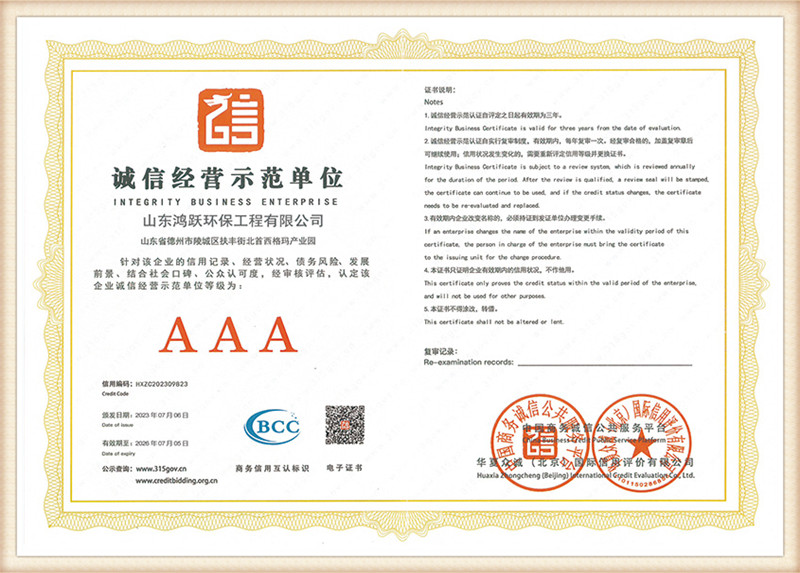
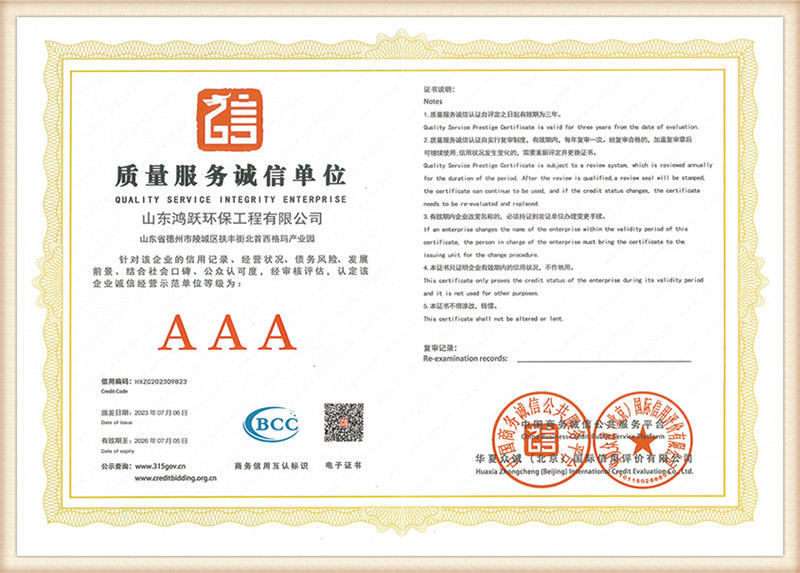
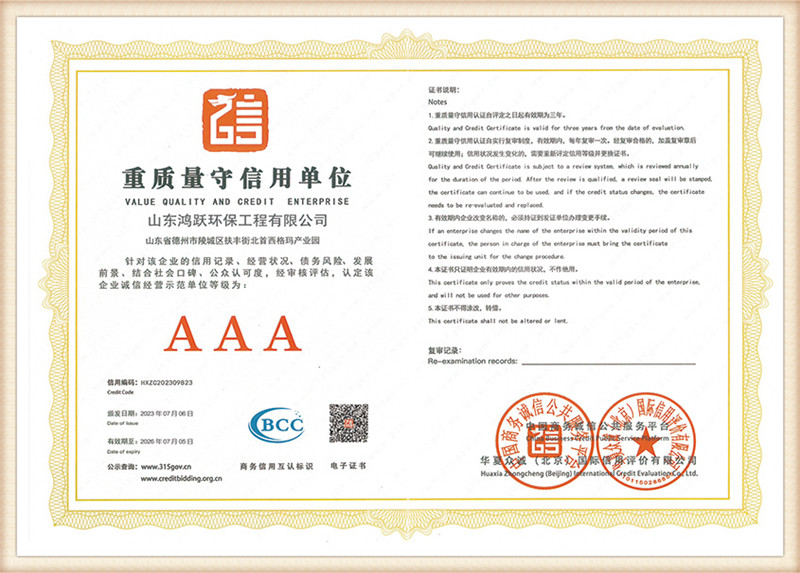
We have obtained international quality and management standard certifications including ISO9001 quality system certification, ISO14000 environmental management certification, and ISO45001 occupational health and safety certification. With direct links to the Dezhou Geotextile Association, our engineering polymers are built to meet rigorous ASTM, EN, and Mercosur engineering standards, serving municipal developments, trans-national rail corridors, and key environmental conservation sites globally.
Our geosynthetics offer durable barrier systems and reinforcement layouts engineered to withstand physical stress and environmental degradation in challenging infrastructure setups.
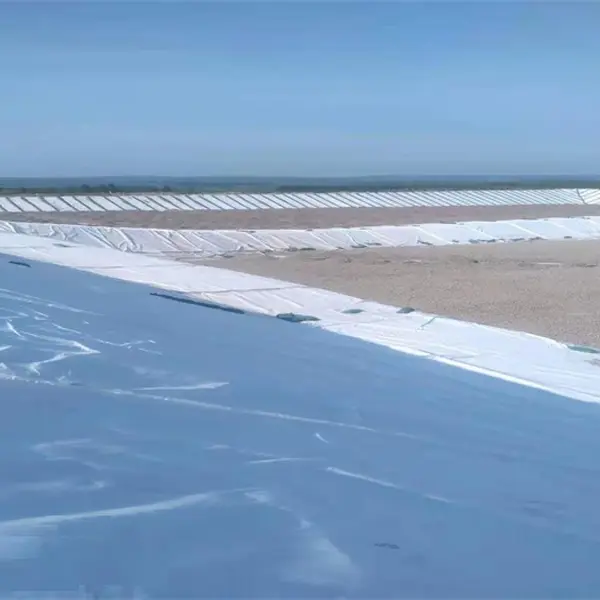
Integrating composite geomembranes with geotextile layers protects agricultural channels and reservoirs from seepage loss, preserving valuable water assets in Uruguay's dry seasons.
Get Solution Details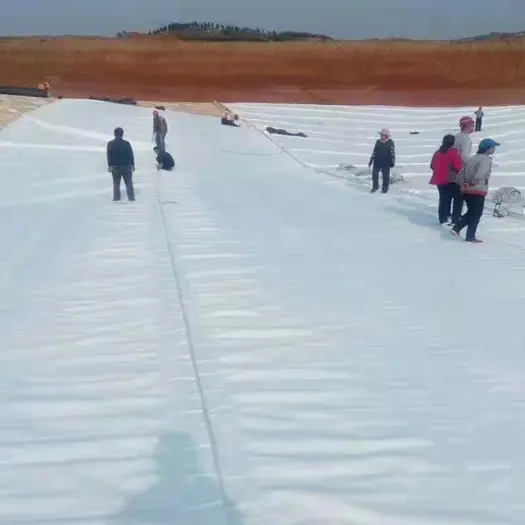
Flexible concrete canvases and geomembrane systems prevent bank erosion and deep foundation scouring, maintaining stable hydraulics along key urban riverways.
Get Solution Details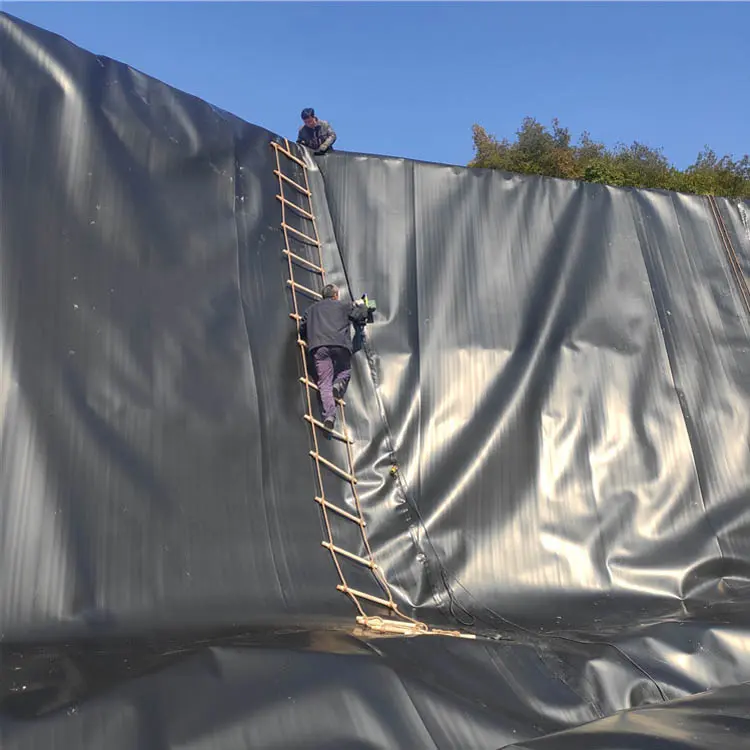
Thick, puncture-resistant HDPE geomembranes form impervious bottom barriers, preventing toxic leachates from contaminating shallow groundwater tables.
Get Solution Details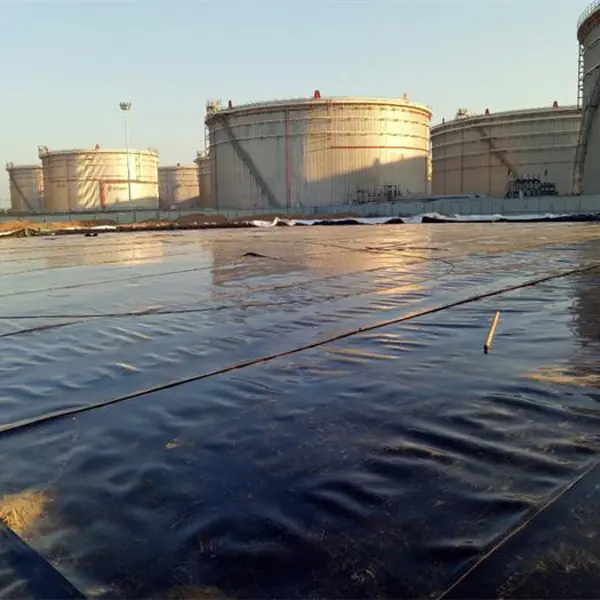
Secondary containment lining systems engineered with high chemical resistance protect soils around petrochemical refineries and storage depots.
Get Solution DetailsOur state-of-the-art production lines guarantee consistent properties, high tensile capacities, and long-term chemical durability in all environmental conditions.
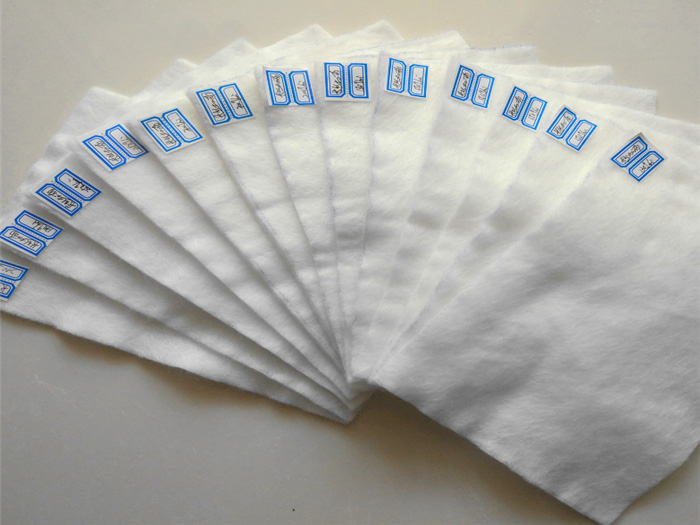
Geotextiles form the foundation of subgrade separation and filtration layers. Their production demands strict raw material checks, controlled melt extrusion temperatures, and calibrated needle-punching or weaving processes to ensure uniform porosity, high water permeability, and reliable tensile performance.
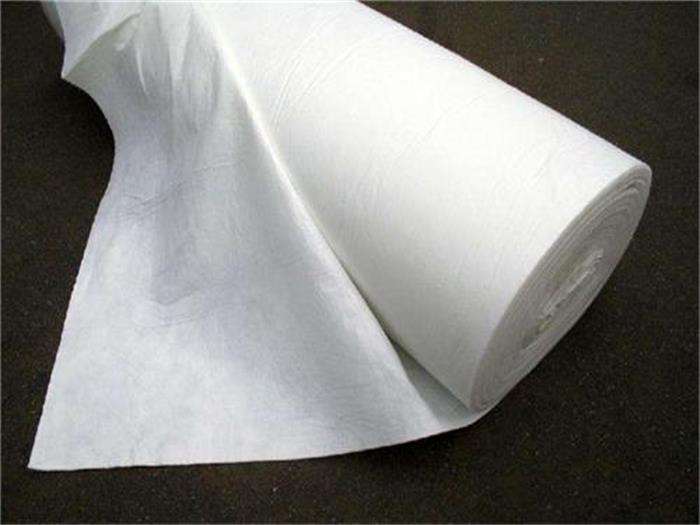
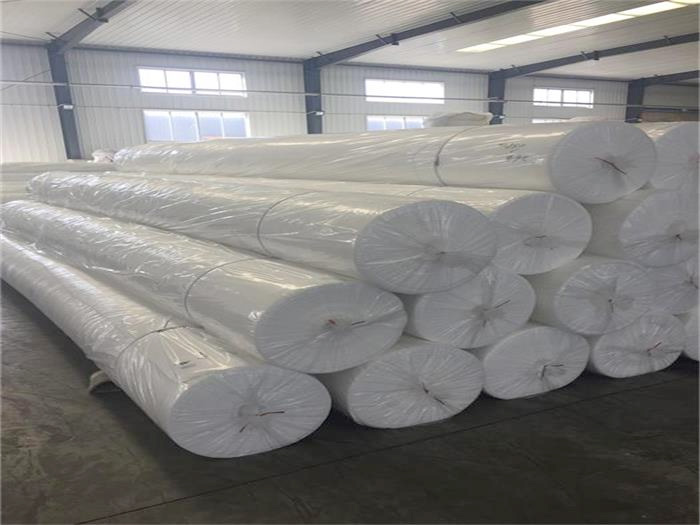
We source premium, virgin polymer chips (polyethylene, polypropylene, or polyester) and thoroughly test them to confirm density, molecular weight distribution, and grade stability.
Polymer granules are heated and extruded under precise temperatures to form high-strength sheets or thin filaments, ensuring consistency across the material's profile.
For geogrids, sheet structures undergo precise punching patterns. For non-woven geotextiles, fibers are laid out in dense, uniform networks on active conveyor belts.
Punched sheets are stretched under high heat and controlled draft ratios to align polymer chains. This molecular alignment gives the geogrid high tensile strength at low strains.
Finished rolls are trimmed to size, wrapped in protective packaging, and tested in our laboratory to verify unit weight, tear resistance, and tensile strength before dispatch.
Proper installation is key to ensuring the performance and longevity of geosynthetic installations. For landfills, wastewater lagoons, and agricultural canals in Uruguay, we recommend following standard international guidelines during field execution:
The subgrade must be compacted and leveled to clear rocks, roots, or sharp objects that could puncture the liner. Any standing water must be pumped out before laying the geomembrane.
Roll out panels with minimal tension, allowing for thermal expansion and contraction. Overlaps should be 100mm to 150mm wide to accommodate double-track hot wedge welding equipment.
Conduct air pressure and vacuum box tests on all joints to verify seal integrity. Anchor the edges in pre-excavated trenches to secure the geomembrane liner against wind and water shear forces.
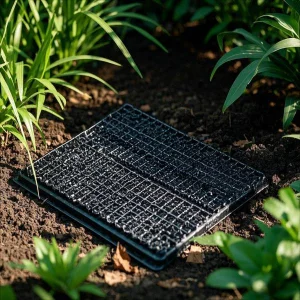
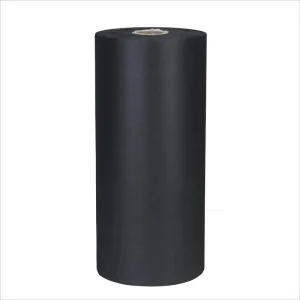
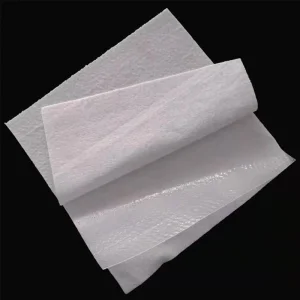
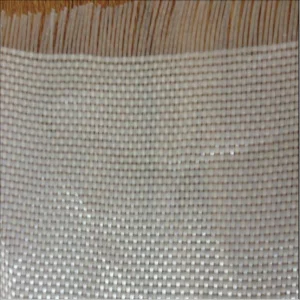
Explore our complete selection of reinforcing geogrids, separation geotextiles, and barrier membranes, designed to stabilize soils and protect structures under demanding conditions.
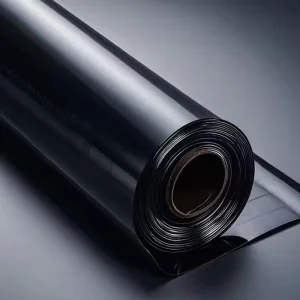
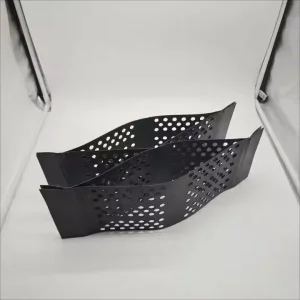
Technical details, project coordination guidelines, and logistics support for civil engineers and procurement teams in the South American market.
Uruguay's northern clay soils swell with winter rains and shrink during hot summers, causing roads to shift and crack. High-tensile geogrids interlock with base aggregate particles, forming a stable layer that resists lateral forces. This prevents subgrade soil from shifting, reduces aggregate displacement under heavy traffic loads, and limits cracking and rutting.
We ship standard 20GP or 40HQ containers directly from Qingdao Port to the Port of Montevideo. Transit times generally range from 35 to 45 days, depending on shipping schedules. Our logistics team handles export documentation and customs clearance prep, ensuring smooth entry under Uruguay's import guidelines.
Our company maintains ISO9001, ISO14000, and ISO45001 certifications. Our geogrids, geomembranes, and geotextiles are tested by China's National Testing Center and have passed sampling inspections by the State Administration of Quality Supervision. Products also carry CE certification, meeting key European and South American technical requirements.
Yes. We can customize roll sizes, tensile strength ratings (ranging from 20kN/m to over 200kN/m), aperture geometries, and UV stabilizer formulations. This allows us to supply materials designed for the dynamic physical loads and environmental conditions of your specific project site.
Contact our technical sales team for custom project quotes, product samples, design recommendations, and logistics support.
 Hongyue