Direct supply line engineered to exceed European standard specifications (ÖNORM EN 13249)
Austria's unique geographic landscape, defined by the rugged Alps and extensive river systems, places exceptional demands on civil engineering and soil stabilisation. From the steep slopes of the Tauern Autobahn (A10) to flood defense systems along the Danube, the mechanical reinforcement of soil is critical. Modern engineering relies heavily on advanced geosynthetics, with **geogrids** acting as the backbone of load distribution, structural integrity, and long-term erosion control.
As a premier global manufacturer, Shandong Hongyue Environmental Engineering Co., Ltd. integrates decades of production expertise with rigorous research to supply top-tier geogrids and environmental barriers designed specifically to withstand the intense thermal cycles and high dynamic loads typical of Austrian civil developments.
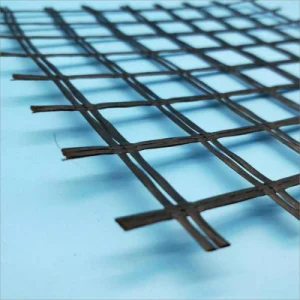
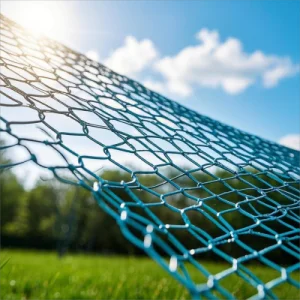
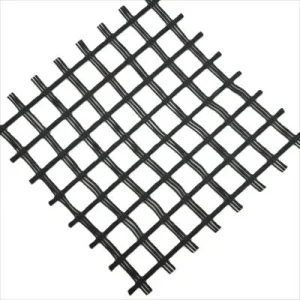
The Austrian federal guidelines (such as the RVS guidelines for road construction) require structural fillers and soil stabilizers to resist aggressive freeze-thaw cycles, sub-zero temperatures, and high mechanical strains. Geogrids provide tensile strength under load, forcing particles to lock into the grid apertures and preventing lateral displacement.
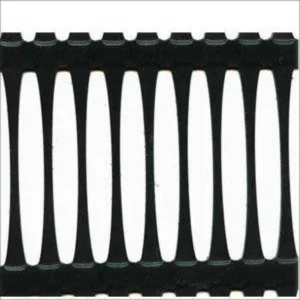
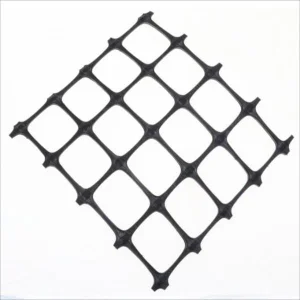
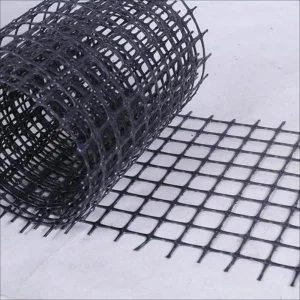
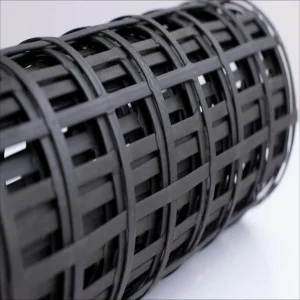
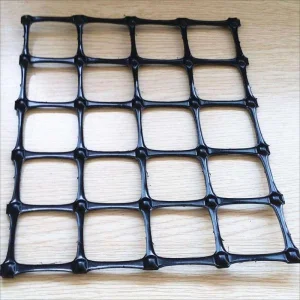
Our Uniaxial and Biaxial geogrids have been rigorously tested to ensure high junction efficiency, exceptional creep resistance, and chemical stability in acidic and alkaline soils. Whether it is stabilizing railway embankments for the ÖBB (Austrian Federal Railways) or retaining steep slopes in Tyrol, choosing the right geogrid configuration can reduce aggregate fill requirements by up to 40%, cutting overall project carbon emissions significantly.
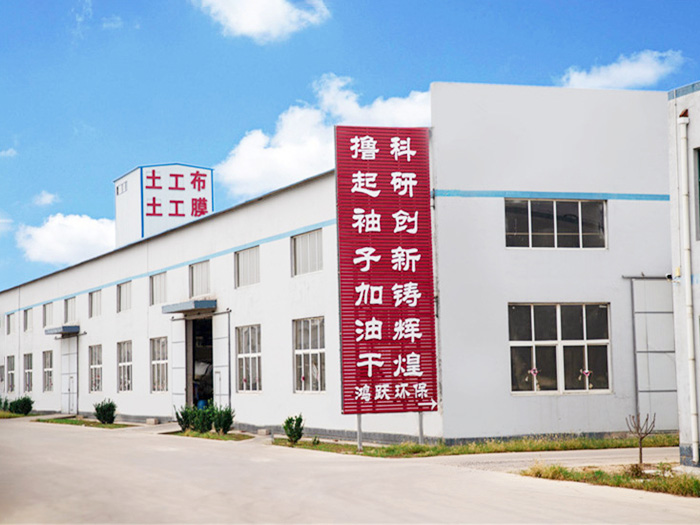
Many European engineering buyers assume that importing geosynthetics from China compromises delivery speeds. Shandong Hongyue refutes this model. Located in Dezhou, Shandong Province, our facilities represent one of China's largest production bases for geotextiles and geogrids.
Our automated production lines operate 24/7, maintaining extreme uniformity in polymer drawing and aperture alignment. Because we source raw materials (HDPE, Polypropylene, and Polyester filament) at massive scale, we bypass regional inflation factors and pass the cost savings directly to European engineering projects through highly competitive, transparent FOB/CIF quotes.
In 2025, global infrastructure bids emphasize sustainability and circular economy metrics. Our geosynthetics are manufactured with raw polymers that are 100% recyclable. We comply with EU chemical compliance requirements (REACH) and hold international certifications including ISO 9001 (Quality Management), ISO 14001 (Environmental Systems), and ISO 45001 (Occupational Health & Safety).
Our facility is equipped with state-of-the-art testing centers where every batch undergoes tensile testing, junction strength audits, and carbon black dispersion checks. We guarantee that all products shipped to Austria perform strictly to specification.
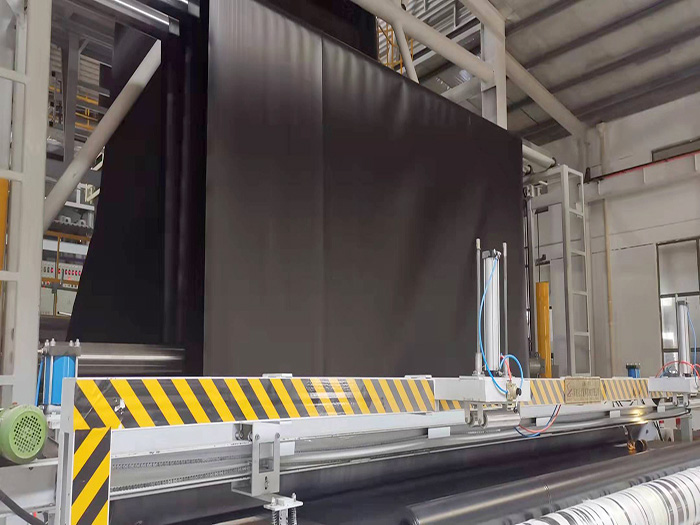
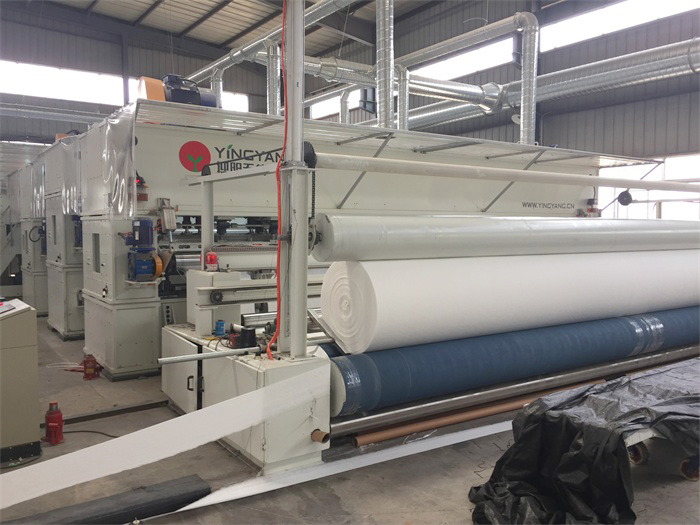
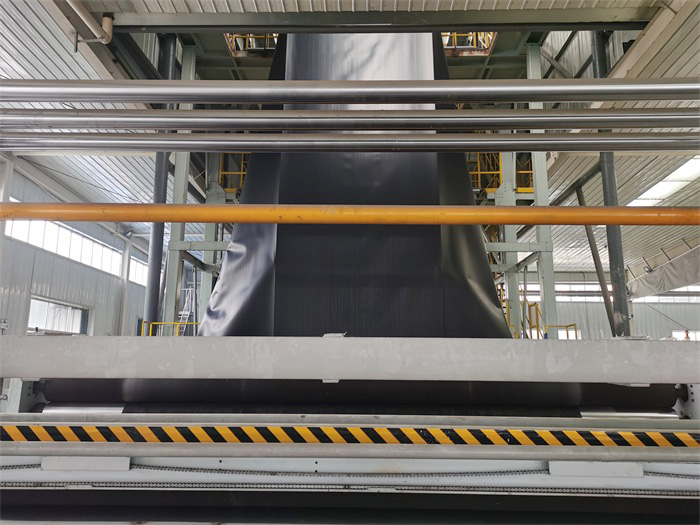
High-grade virgin polymers, polyester chips, and polypropylene filaments are inspected for purity, moisture content, and molecular weight distribution before entering the processing silo.
Polymers are heated in specialized screw extruders to achieve a homogenous molten sheet. In this stage, UV stabilizers and carbon black are added to guarantee solar degradation resistance.
The extruded sheet is precision-punched in a grid pattern and then heated and stretched under high tension. Longitudinal drawing forms uniaxial grids; dual-axis stretching creates stable biaxial shapes.
Continuous testing ensures the grid apertures and junction strength match engineering requirements. Products are rolled, labelled, and packed in heavy-duty protective covers for international transport.
Austrian engineers face severe challenges with seasonal groundwater fluctuations and freezing soil bases. Below are primary scenarios where Hongyue geosynthetics provide long-term structural and environmental benefits:
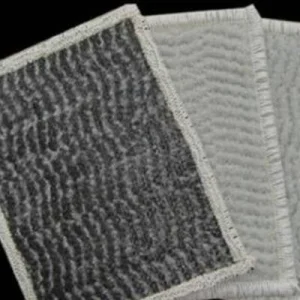
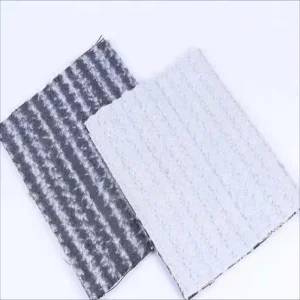
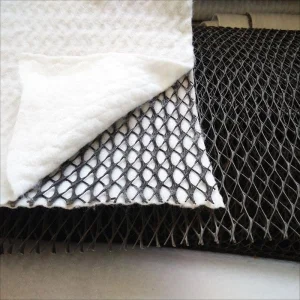
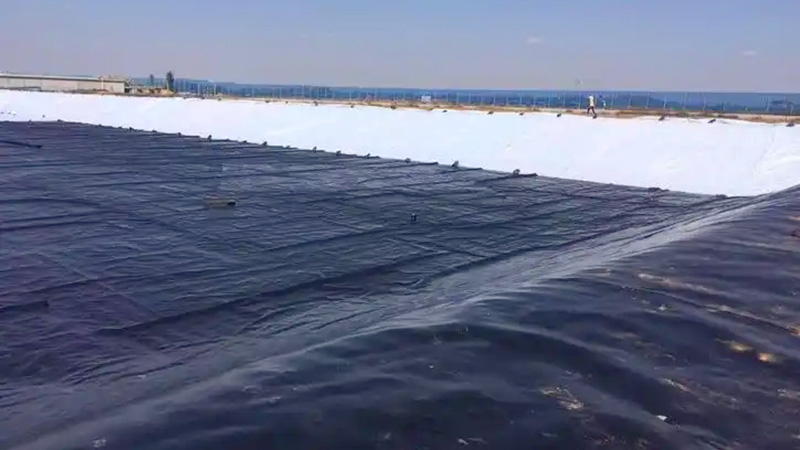
Along the Danube and various municipal waterworks in Styria, geomembranes prevent subgrade soil erosion and water loss. Our composite geomembranes combine non-woven geotextiles with durable HDPE sheets, providing excellent puncture resistance and preventing internal soil migration.
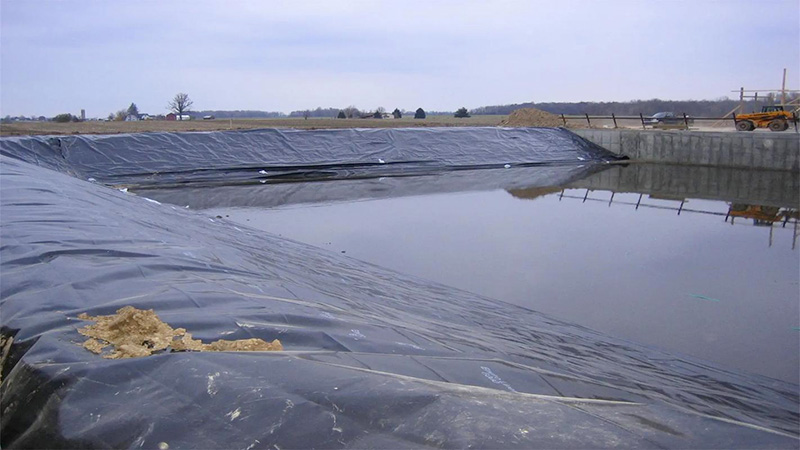
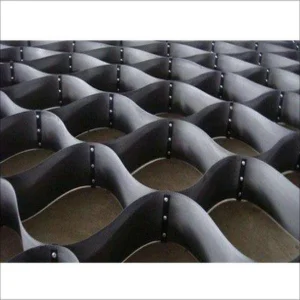
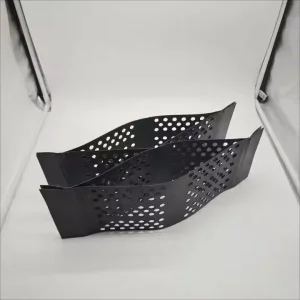
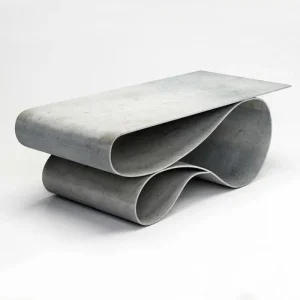
Slope stability is paramount in Salzburg and Tyrol. Installing biaxial geogrids in combination with concrete canvas and geocells prevents superficial slope failure during heavy spring snowmelts.
Answering vital procurement and engineering questions for decision-makers
Comprehensive portfolio of geogrids, geocells, and waterproofing systems
 Hongyue