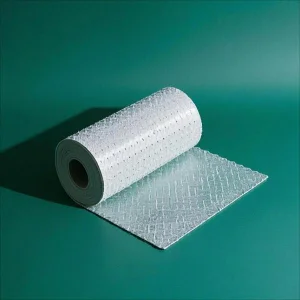
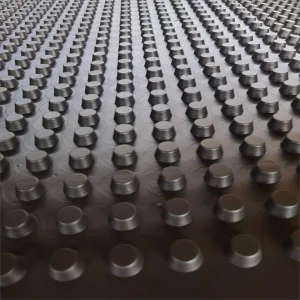
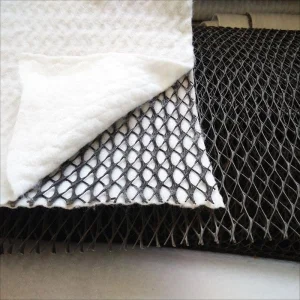
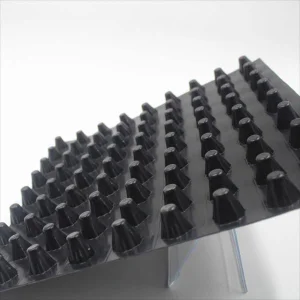
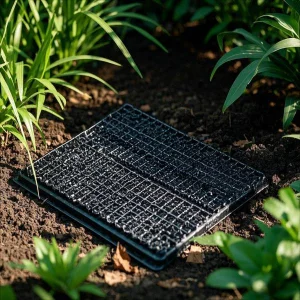
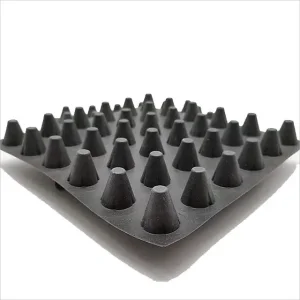
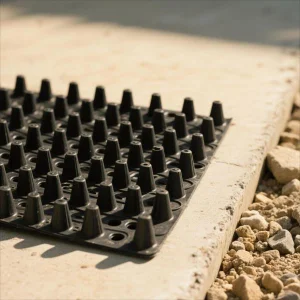
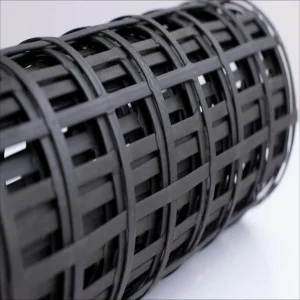
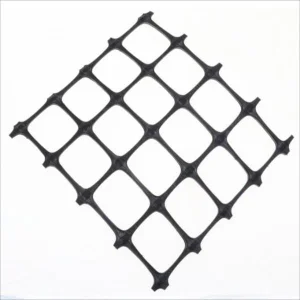
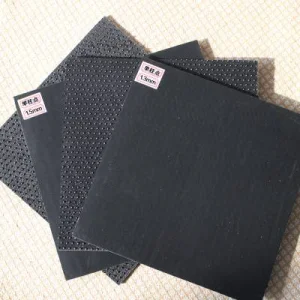
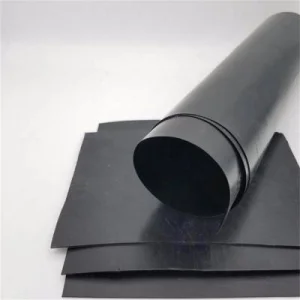
Precision-manufactured drainage boards, geonets, and blind ditches designed for Sustainable Drainage Systems (SuDS) and high-load civil engineering requirements across Great Britain.
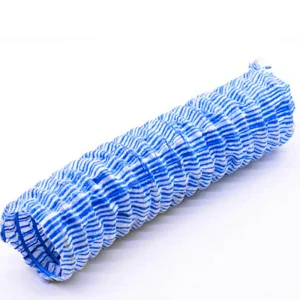
The United Kingdom is facing unprecedented geotechnical challenges driven by intensified weather patterns, strict environmental mandates, and ambitious infrastructure developments such as High Speed 2 (HS2), major highway expansions, and vast urban regeneration schemes. Chief among these challenges is water management. With the UK Government's mandate for **Sustainable Drainage Systems (SuDS)** under Schedule 3 of the Flood and Water Management Act 2010, construction and civil engineering projects must prioritize natural, efficient, and long-term water flow management.
Geosynthetics and structural drainage materials are at the heart of this transition. Traditional gravel-filled drains are rapidly being replaced by synthetic geocomposites, high-density polyethylene (HDPE) drainage boards, and engineered geonets. These modern solutions offer significant advantages: they reduce the need for quarry-extracted aggregates, cut transport-associated carbon emissions, and offer predictable, certified hydraulic performance. As projects align with Net Zero 2050 goals, specifying carbon-efficient drainage systems has evolved from an environmental preference to a structural necessity.
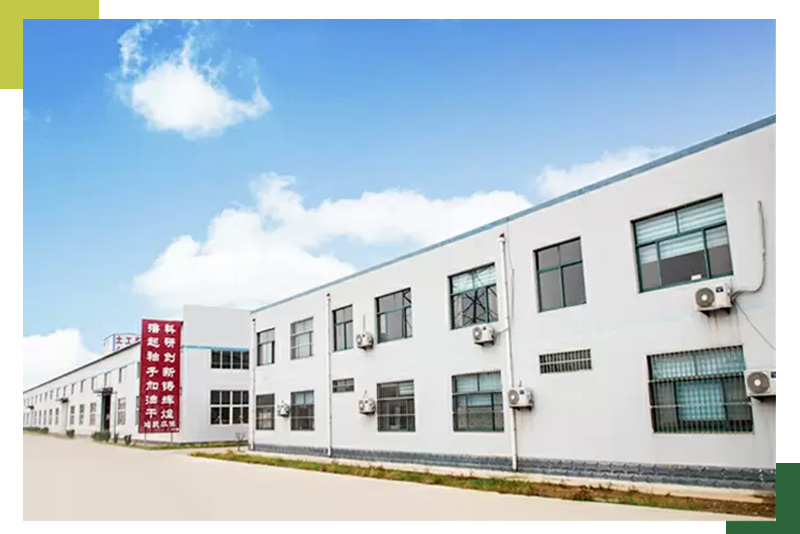
Shandong Hongyue Environmental Engineering Co., Ltd., located at the north end of Fufeng Street, Lingcheng District, Dezhou, Shandong Province, stands as a major scientific and technological geotechnical material manufacturer. We seamlessly integrate engineering material production, sales, design, and construction services. Registered with a capital of **105 million Yuan**, our state-of-the-art facility represents one of China's largest production bases for advanced geosynthetics. Our strategic geographic position ensures optimized logistics and streamlined export routes to the UK’s major ports, including Felixstowe, Southampton, and London Gateway.
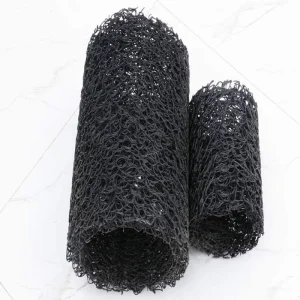
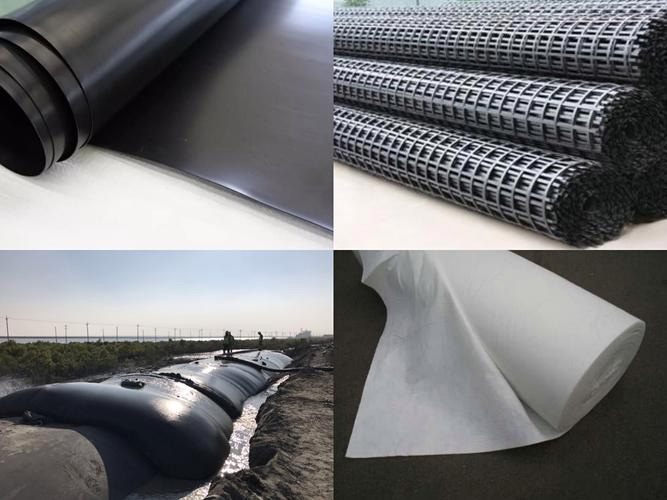
Since our inception, our business has rapidly scaled to address both domestic infrastructure priorities and international demand. Shandong Hongyue is an active member of the prestigious **Dezhou Geotextile Association**. Our comprehensive product range includes:
These products are widely specified across a spectrum of critical civil disciplines: highways, national rail lines, complex tunnels, large-scale reservoir channels, artificial lakes, landfill containment, mining operations, and sustainable agricultural infrastructure.
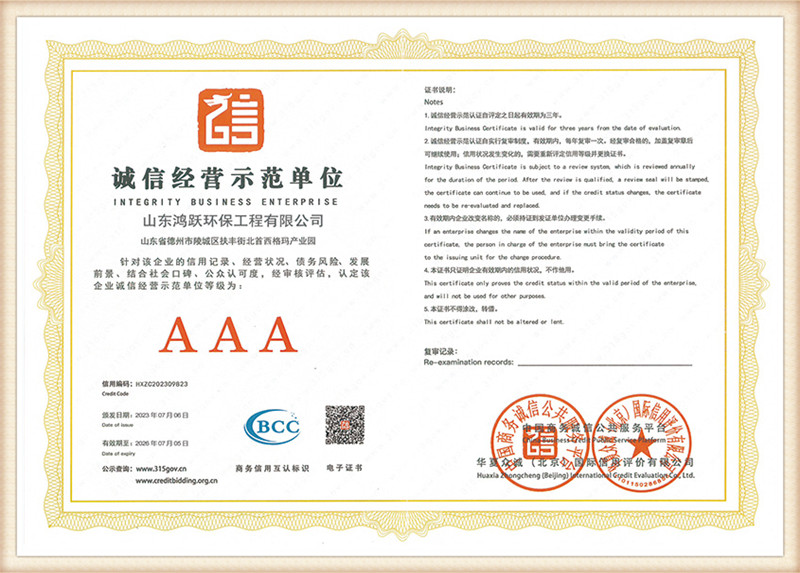
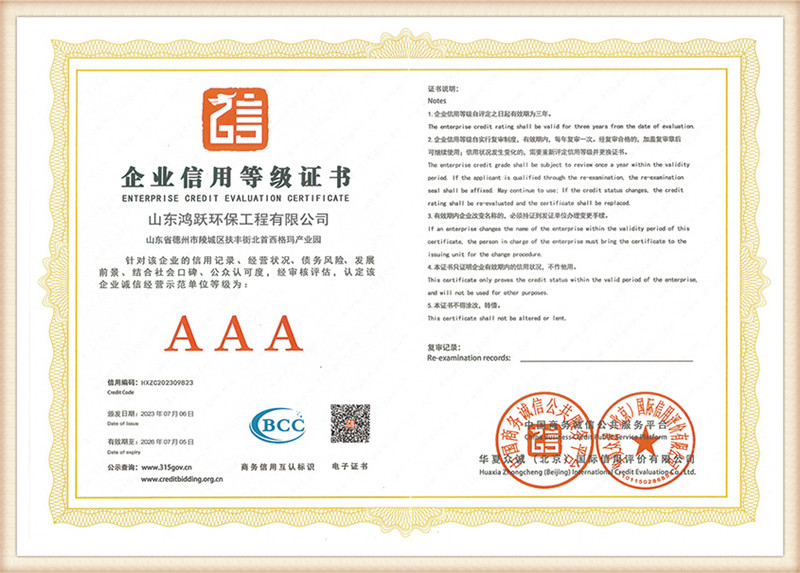
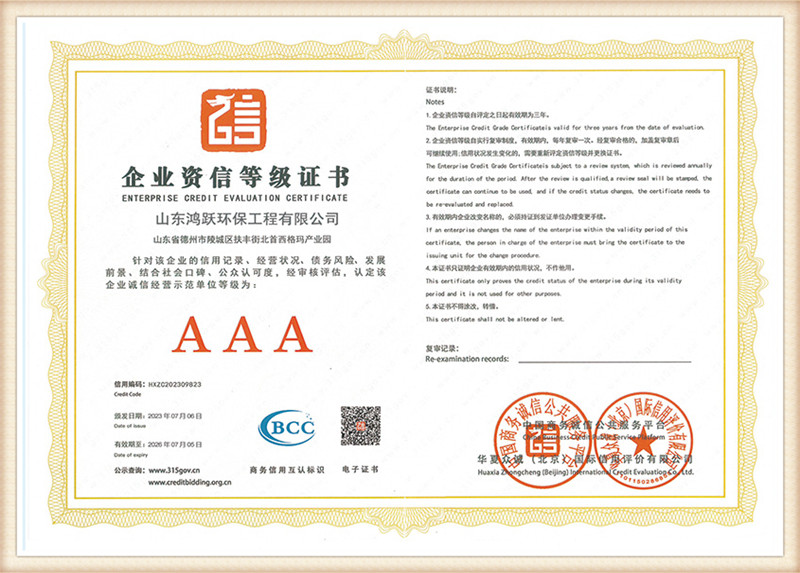
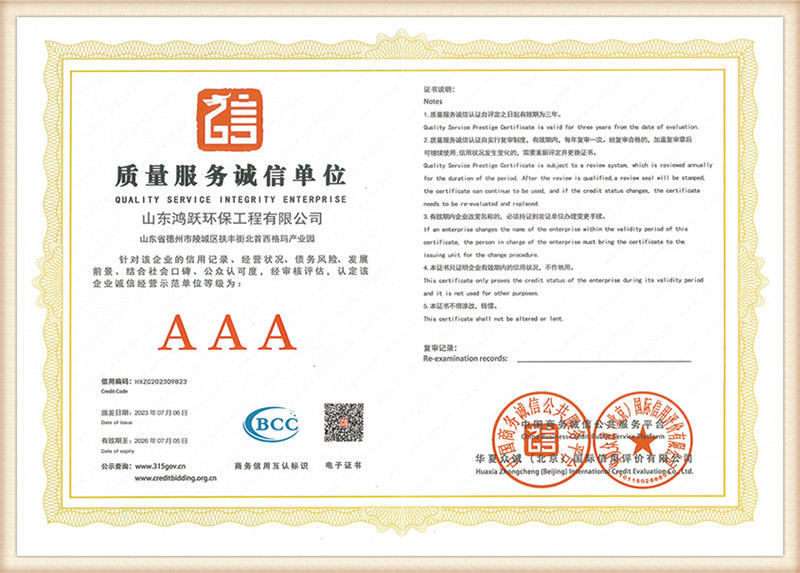
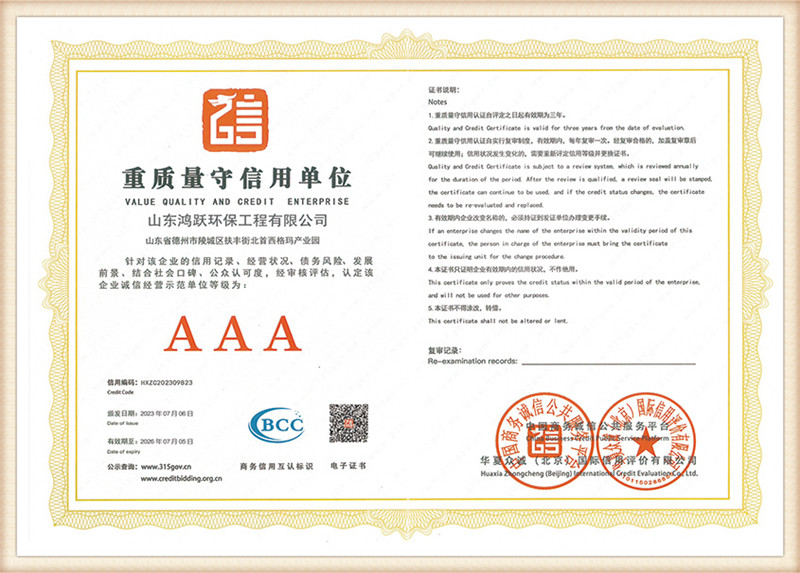
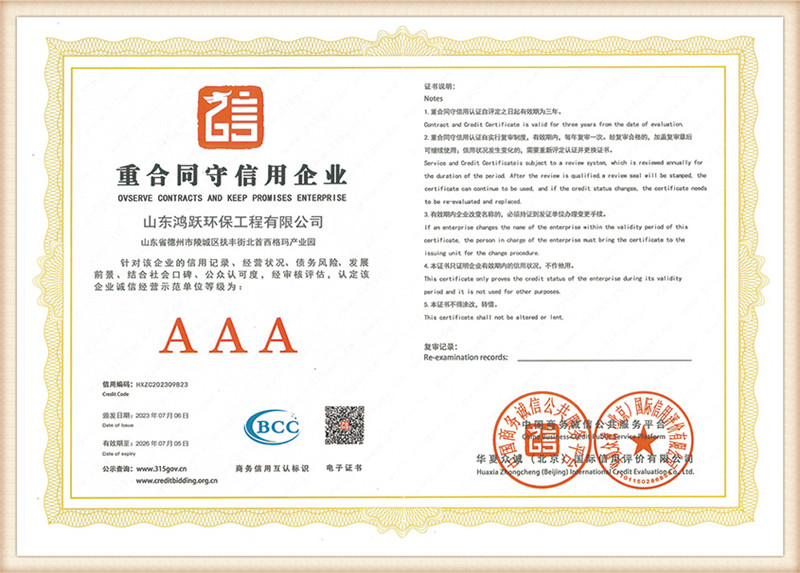
To satisfy the demanding entry requirements of the British construction market, our factory operates strictly under the **ISO9001 International Quality Management System**, **ISO14001 Environmental Management System**, and **ISO45001 Occupational Health and Safety Management System**. Our products hold valid CE certifications, verifying alignment with European and British structural performance standards.
The physical conditions of UK construction sites—typically characterized by heavy clay soils, high groundwater tables, and strict regulatory restrictions on runoff rates—require precise design values. Below are the key scenarios where Shandong Hongyue products are applied to deliver high-performance drainage:
| Application Scenario | Primary Material Specified | Engineering Function & BS Compliance | Hydraulic Benefit |
|---|---|---|---|
| Highway Sub-Base Drainage | Plastic Blind Ditch / Geotextile Wrap | BS EN 13252, separation and sub-surface water redirection. | Prevents sub-grade softening, extends pavement lifecycle. |
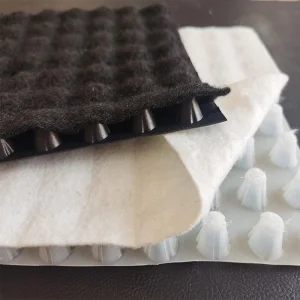
| Structural Basement Walls (Type C) | HDPE Coiled & Sheet Drainage Boards | BS 8102:2022 water management barrier behind retaining walls. | Relieves hydrostatic pressure, dry interior finishes. |
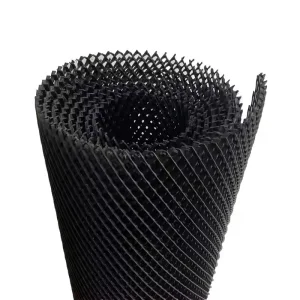
| Landfill Capping & Lining | 3D Composite Geonet / HDPE Geomembrane | EA (Environment Agency) guidelines for waste containment. | High transmissivity under extreme loads, prevents leachate escape. |
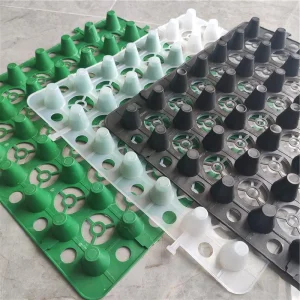
| Sustainable Urban Drainage (SuDS) | Storage and Drainage Boards / Geopipes | CIRIA C753, storm water attenuation and retention. | Controlled release rates, mitigates local flooding events. |
China's geotechnical manufacturing sector benefits from fully integrated supply chains. At Shandong Hongyue, we control the process from raw polymer pellet selection through extrusion, dimpling, lamination, and testing. This integration yields distinct advantages for UK buyers:
Consistency in civil engineering materials is paramount. A single weak seam or variable flow rate can compromise an entire retaining wall or reservoir slope. Below we outline our production stages, ensuring quality at every step.
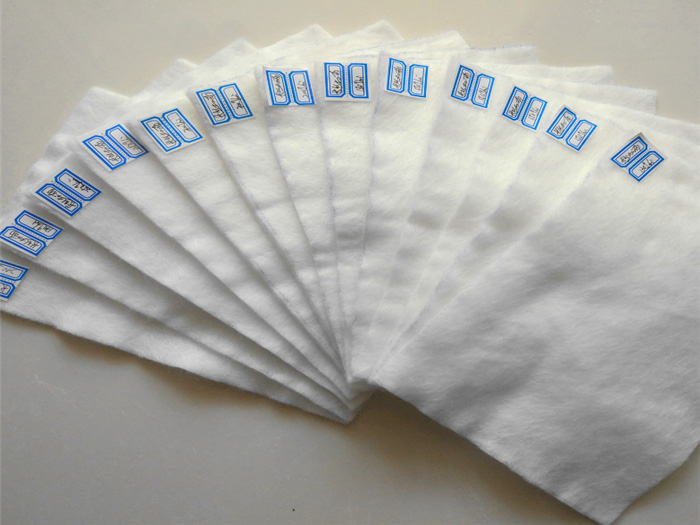
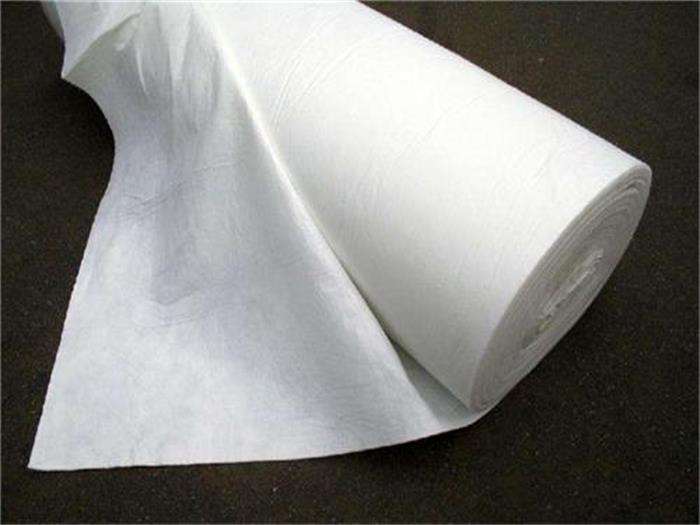
Geotextile is widely used in civil engineering materials, performing filtration, isolation, reinforcement, and protection functions. Its production process includes raw material preparation, melt extrusion, mesh rolling, draft curing, winding packaging, and inspection steps.
The main raw materials are polyester chips, polypropylene filament, and viscose fiber. These undergo strict incoming inspection to ensure chemical stability, UV resistance, and consistent melt index.
Polyester slices are melted at high temperatures and extruded by a screw extruder. Polypropylene filament is added for mixing, with temperature and pressure precisely controlled to ensure uniform fiber diameters.
The melt is sprayed through the spinneret to form a fibrous web. The fibers are laid down on a moving conveyor belt, where we control the thickness, density, and orientation to establish isotropic strength properties.
The web passes through multi-phase needle-punching looms. Hundreds of needles interlock the fibers mechanically, creating a stable, high-permeability three-dimensional matrix with high tensile resistance.
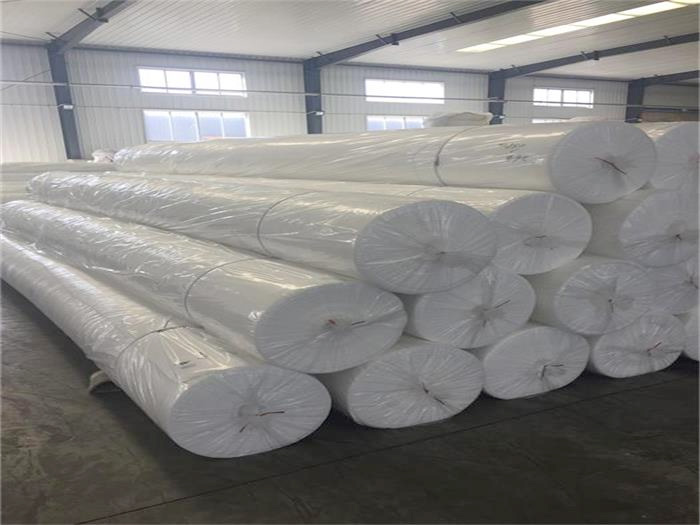
The cured geotextile is measured for thickness, cut to specified widths (up to 6 meters to reduce field joints), and wound tightly onto protective cores, then wrapped in UV-resistant film.
Every production run undergoes lab testing. We verify mass per unit area, grab tensile strength, CBR puncture resistance, and vertical water permeability to ensure compliance before shipment.
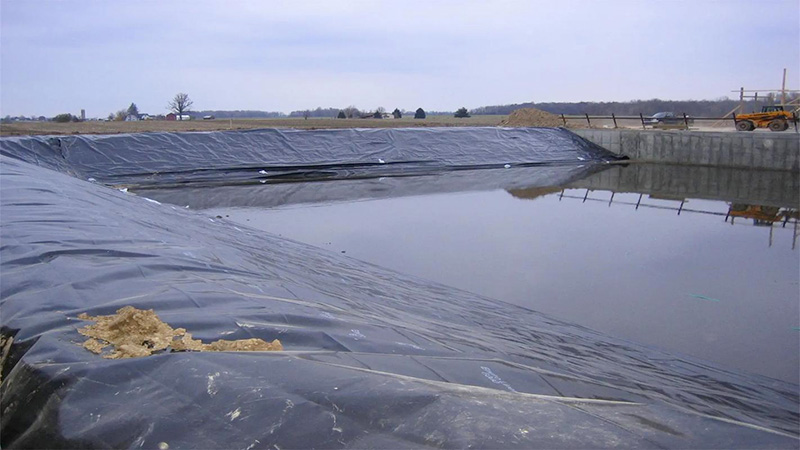
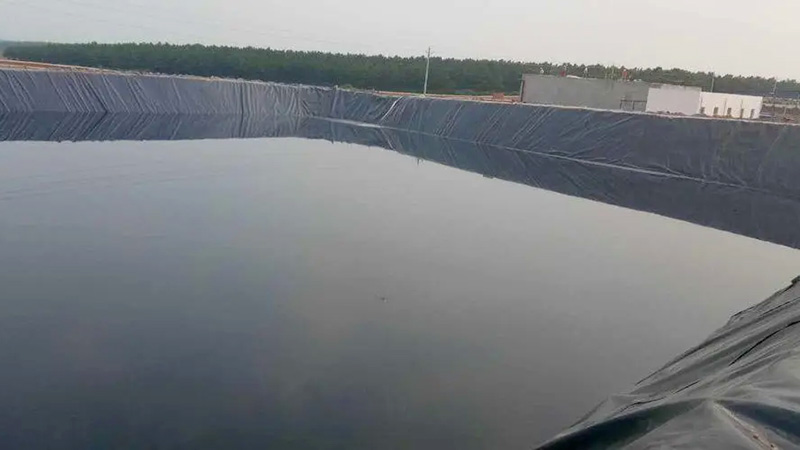
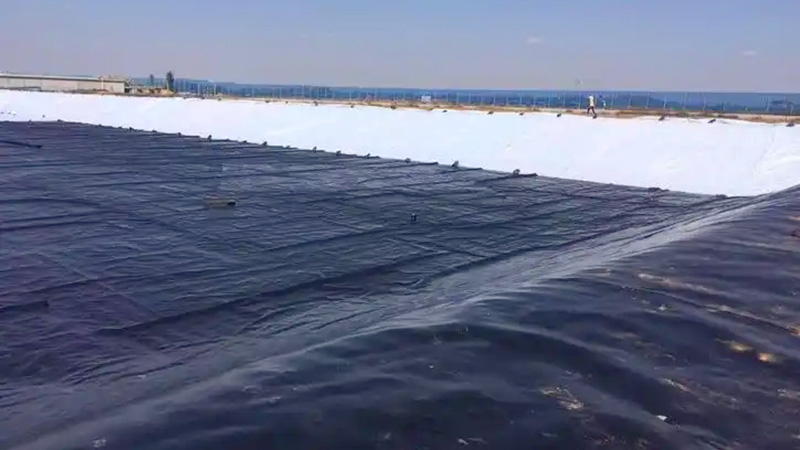
Geomembrane is a key material used in engineering projects, providing critical containment, isolation, and anti-seepage functions. Successful application relies on selecting the appropriate polymer structure and executing correct laying and jointing methodologies.
We supply high-density polyethylene (HDPE) and linear low-density polyethylene (LLDPE) membranes ranging in thickness from 0.3mm to 2.0mm. HDPE is selected for projects requiring chemical resistance and durability (such as landfills), while LLDPE offers higher flexibility for irregular profiles and complex site contours.
Subgrade soils must be compacted and cleared of sharp rocks, debris, and standing water. The membrane is unrolled with pre-calculated overlap margins (typically 100mm to 150mm) to accommodate thermal contraction and expansion.
Joints are fused using automated dual-track hot-wedge welding machines. This creates an air channel between two parallel weld lines, allowing for pressure testing to verify joint integrity. Hand-extrusion welding is used for detailed penetrations and patch repairs.
Geomembranes and drainage networks act as unified systems in water conservancy projects. Their combined performance is critical for civil works such as reservoirs, canals, river embankments, and landfill cap systems.
Expert answers addressing compliance, material performance, and supply chain logistics for UK civil engineering projects.
Explore our complete range of certified geosynthetic materials, including drainage boards, geogrids, and geomembranes available for UK supply.
Get direct factory quotes, technical datasheets, and compliance documentation tailored for your UK project specifications. Partner with Shandong Hongyue for robust, high-volume geotechnical solutions.
Send Inquiry Now Hongyue