Explore our primary, certified geotechnical materials engineered to meet strict German and European structural performance directives.
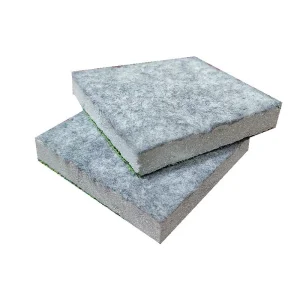
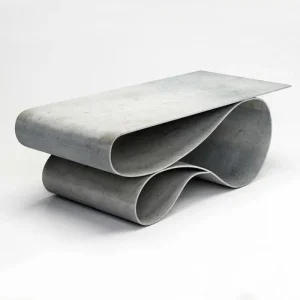
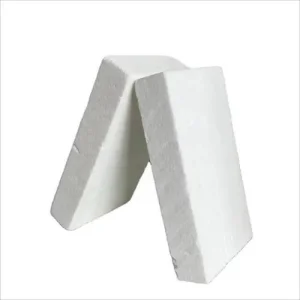
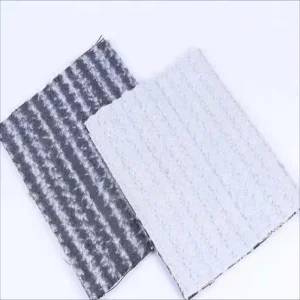
Geosynthetic Cementitious Composite Mats (GCCM), globally commercialized as Cement Blankets, represent a paradigm shift in civil and ecological engineering. By combining the flexibility of a geotextile with the structural integrity of concrete, GCCMs allow engineers to lay down a thin, durable, waterproof concrete layer in fraction of the time required by traditional methods.
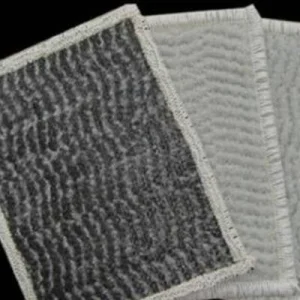
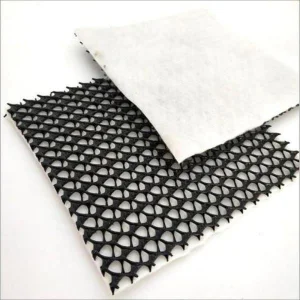
Shandong Hongyue Environmental Engineering Co., Ltd., an ISO-certified leader in geosynthetics, manufactures advanced GCCMs incorporating specialized 3D fiber matrices packed with a proprietary dry-mix concrete powder. Upon hydration, this structure cures into a highly durable, fiber-reinforced concrete armor that prevents erosion, blocks water seepage, and resists mechanical wear.
For municipalities, environmental consultants, and general contractors in Berlin and the wider Brandenburg region, GCCMs provide an optimized technical path. They eliminate the logistical overhead of mixing trucks, shotcrete rebounds, and deep ground disruption in sensitive subsoil regions like the Berlin Urstromtal.
Berlin's geographical location within the North German Plain presents unique geotechnical characteristics. With sandy, highly permeable soils, high groundwater tables in metropolitan areas (e.g., adjacent to the Spree and Havel river basins), and strict environmental laws, conventional construction methods face continuous constraints.
Under Germany's Federal Water Act (Wasserhaushaltsgesetz - WHG), projects near water bodies must prevent soil and groundwater contamination. Traditional wet concrete application runs the risk of leaching lime and altering soil pH. GCCMs isolate the uncured powder within a geotextile shell, ensuring zero runoff during installation.
Berlin is upgrading its extensive railway grids managed by Deutsche Bahn and regional operators. Heavy transit zones require immediate slope protection alongside tracks to prevent erosion from high-speed trains. Because cement blankets are supplied in rolls, they can be deployed without heavy road machinery in narrow track corridors.
Northeastern Germany faces harsh winter frost cycles. Concrete structures in canals and ditches are vulnerable to frost cracking due to trapped water. Our glass-fiber and synthetic reinforced composite mats maintain elastic-plastic structural behaviors, mitigating crack propagation during harsh temperature transitions.
Worldwide demand for Geosynthetic Cementitious Composite Mats is experiencing exponential growth, driven by an industry-wide pivot toward green building practices and rapid construction techniques. In regions such as Europe, North America, and Australia, traditional shotcreting is being heavily restricted due to high carbon intensity, safety risks of high-pressure concrete delivery, and material wastage.
Initially utilized for basic ditch linings, GCCMs have evolved into highly sophisticated engineering materials with custom enhancements:
| Parameter | Shandong Hongyue GCCM | Traditional Shotcrete |
|---|---|---|
| Thickness | 6mm - 15mm | 50mm - 100mm |
| Cure Time | 24 Hours | 28 Days |
| Labor Requirements | Low (3-person crew) | High (Specialist operators) |
| Carbon Footprint | Minimized | Very High |
Shandong Hongyue Environmental Engineering Co., Ltd. operates state-of-the-art production plants designed to maintain absolute product stability. Below is a detailed walkthrough of our geotextile, geomembrane, and cement blanket manufacturing sequences.
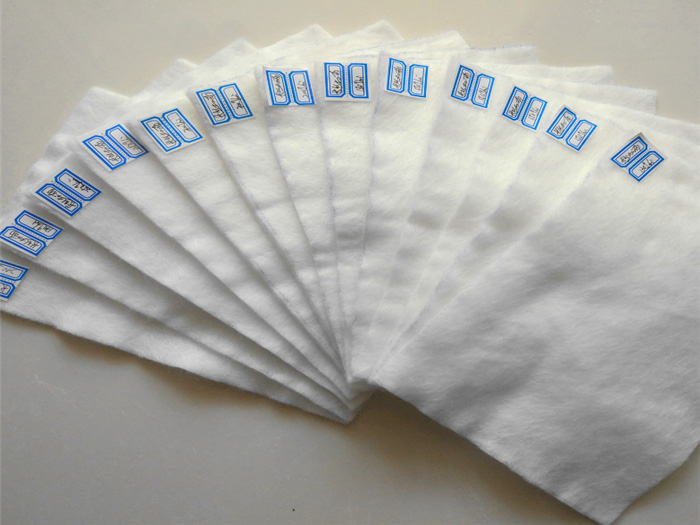
The durability of a cement blanket depends directly on the structural integration of its top and bottom geotextile layers. The production of the underlying fabric includes:
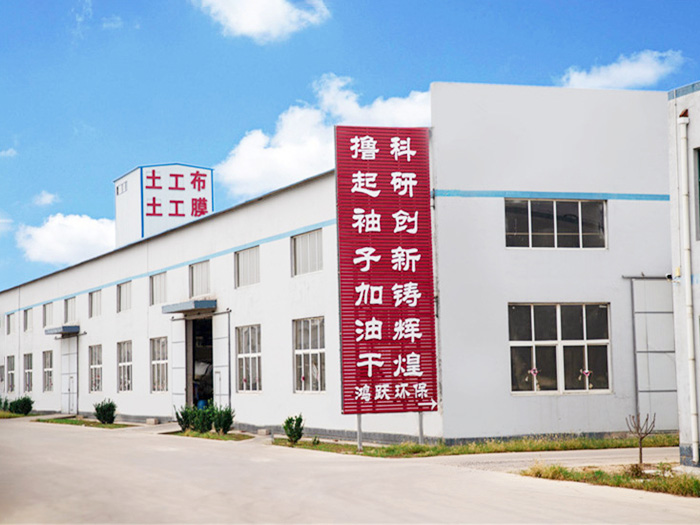
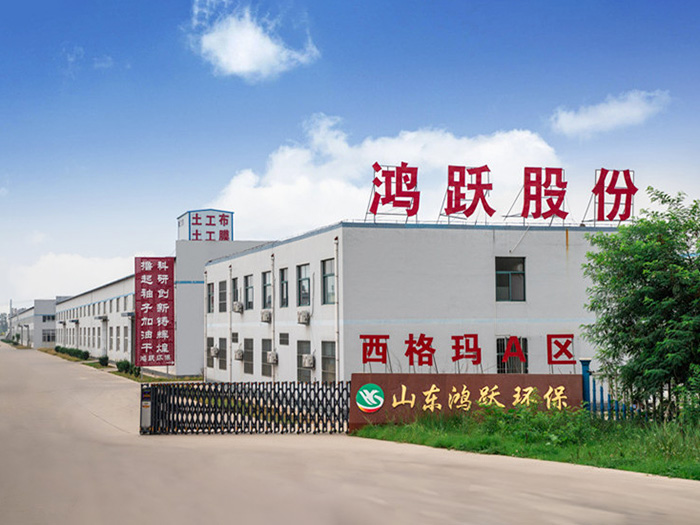
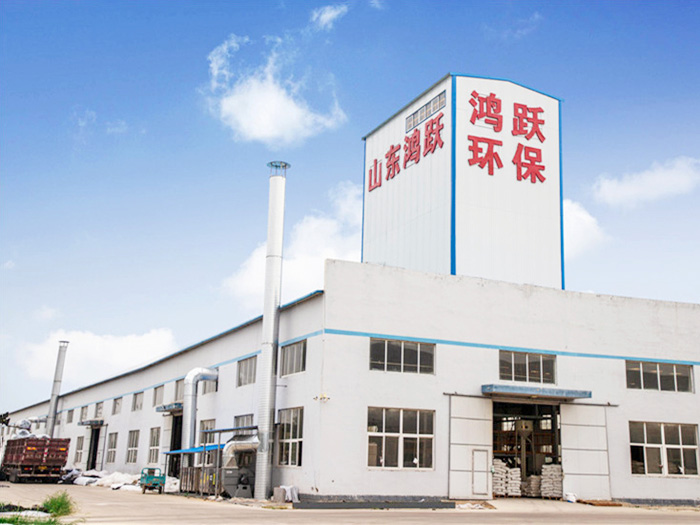
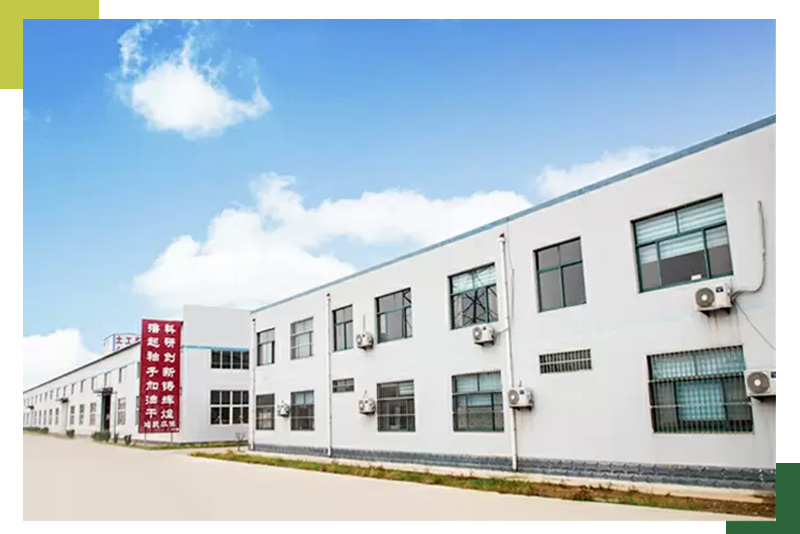
Our Dezhou-based manufacturing facility spans over several thousand square meters, integrating cutting-edge testing equipment to verify the chemical resistance, tensile values, and water permeability of our production lots.
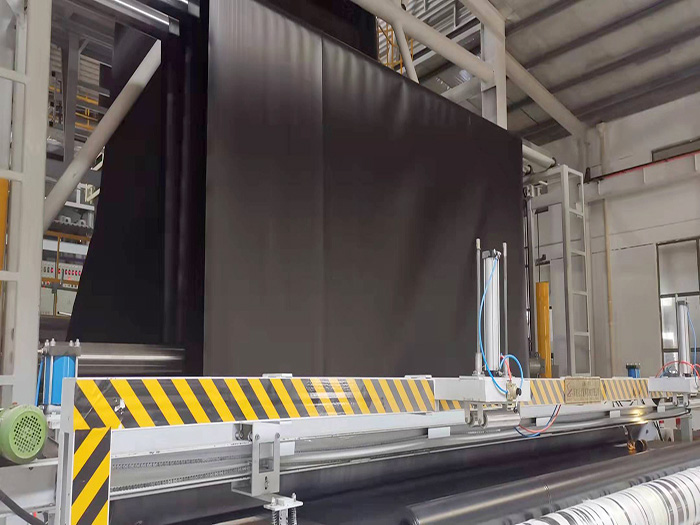
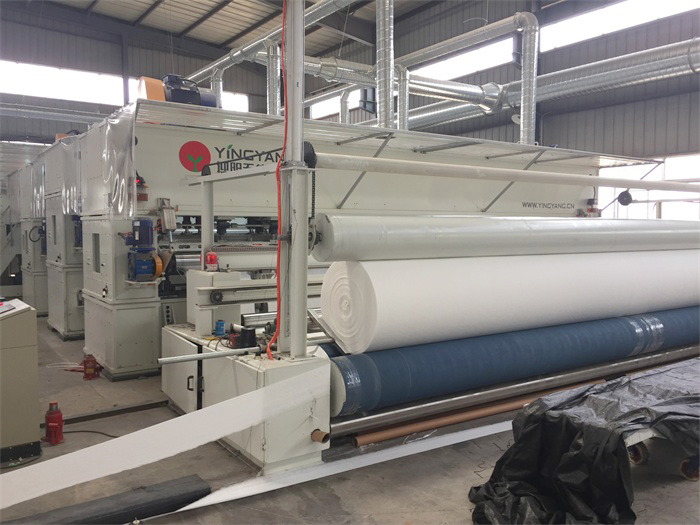
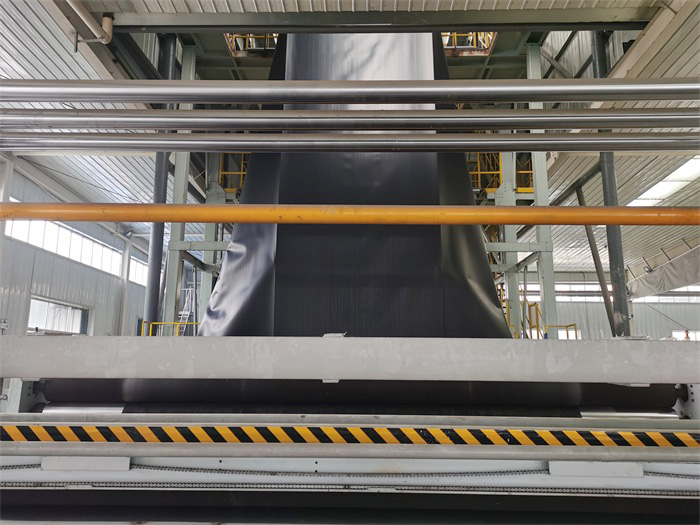
Successful implementation of GCCMs in municipal and heavy industrial settings requires systematic preparation, laying, and hydration.
Ensure the recipient slope or ditch surface is clean of large root systems, sharp rocks, and deep hollows. Fill voids with crushed aggregate or compact the native sandy soil to prevent structural settling after hydration.
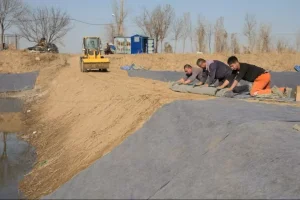
Lay panels overlapping in the direction of the water flow (minimum overlap: 100mm). Fasten using galvanized stakes, stainless steel anchor screws, or thermal welding joints at the seams to guarantee wind-uplift and hydraulic resistance.
Spray water uniformly over the blanket surface until completely saturated. Under warm conditions, a second watering is recommended within the first 60 minutes. Keep hydrated zones protected from vehicle loading for 24 hours.
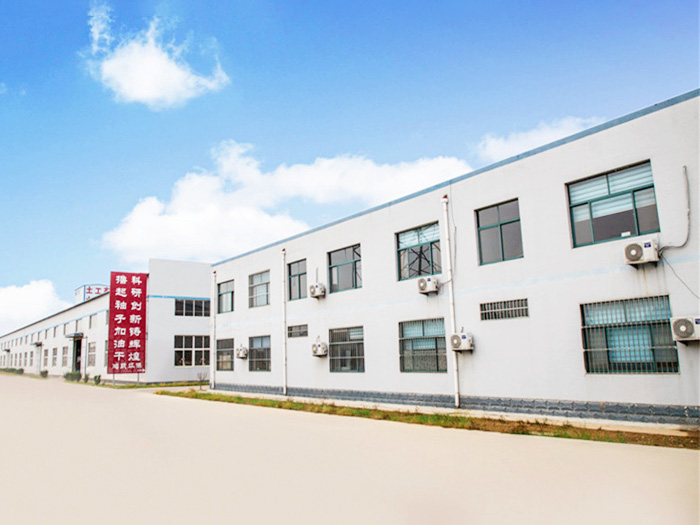
Established with a registered capital of 105 million yuan, Shandong Hongyue Environmental Engineering Co., Ltd. is positioned at the forefront of geotechnical material innovation in China. Our facility, based in Dezhou, Shandong Province, leverages advanced machinery to supply high-end environmental barrier materials globally.
Our core competency spans the manufacture of high-durability geotextiles, geomembranes, composite geogrids, geocells, and cement blankets. We hold certifications under ISO9001 (Quality Management), ISO14001 (Environmental Standards), and ISO45001 (Occupational Health & Safety Systems), ensuring every yard of material shipped complies with international standards.
With active distribution networks across Europe, North America, and Australia, we are prepared to handle transport logistics directly to ports or jobsites in Berlin and Brandenburg.
Key information regarding Cement Blanket delivery, costs, and installation parameters for European contractors.
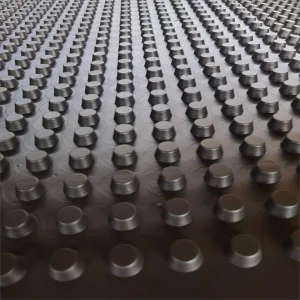
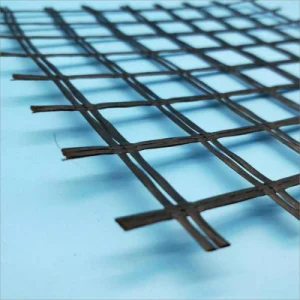
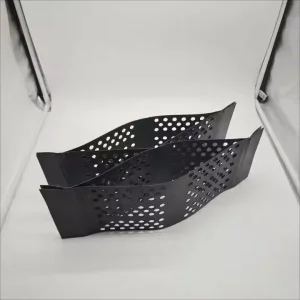
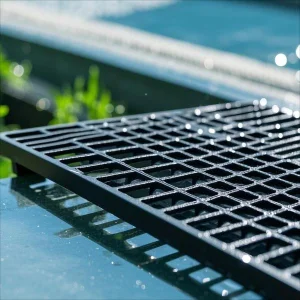
We supply integrated engineering systems, including drainage boards, geogrids, geomembranes, and geocells to support heavy-duty foundation and retaining works.
 Hongyue