Engineered to mitigate harsh tropical precipitation, erosion, and soil shifting in Malaysian environments.
Malaysia's geographic location exposes it to continuous hot climates and heavy rain cycles, particularly during the Northeast Monsoon (November to March). Severe runoff impacts road embankments, railway lines, and agricultural channels, causing landslides and severe structural damage. Traditional concrete solutions, such as shotcrete and precast blocks, require massive machinery, cause significant carbon footprints, and degrade under intense UV exposure and soil acids.
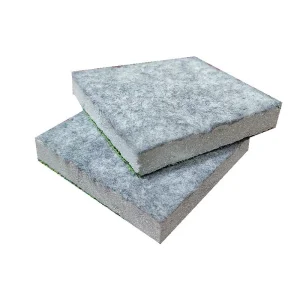
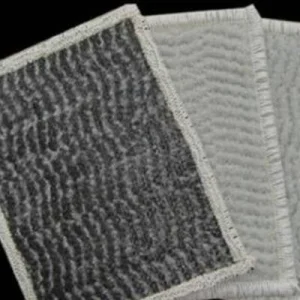
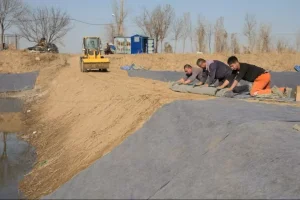
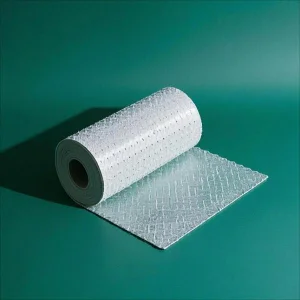
Our Geosynthetic Cementitious Composite Mats (GCCM), colloquially known as Cement Blankets, provide a game-changing alternative. Composed of a three-dimensional fiber structure containing a specially formulated dry concrete mix, backed with an impermeable PVC liner, it sets and hardens upon simple hydration. This creates a highly durable, fire-resistant, and structural concrete layer that adheres to uneven ground and protects soil from washing away.
By shifting to our cement blankets, Malaysian engineering firms and local public works departments (JKR) achieve robust reinforcement while keeping carbon emissions low, minimizing site preparation times, and maintaining cost competitiveness.
Understanding thickness selection, freight routes to Port Klang, and total lifecycle economy.
When budget-planning for large-scale slope protection, reservoir linings, or canal systems in Peninsular Malaysia or East Malaysia, understanding the factors that dictate the Cement Blanket (GCCM) pricelist is critical. Standard industry rates vary depending on thickness (usually 5mm, 8mm, 10mm, and 15mm), internal fiber configurations (e.g., Glass Fiber reinforced composites), and overall order volume.
Because geosynthetic clay liners and cement blankets are heavy materials, freight is a major component of the landed price. We maintain a reliable supply chain system shipping directly from Qingdao Port to major Malaysian ports including Port Klang, Penang Port, Johor Port, Kuching (Bintulu), and Kota Kinabalu. Due to our extensive export history, our team handles all custom clearance steps smoothly, minimizing additional delay fees at the ports.
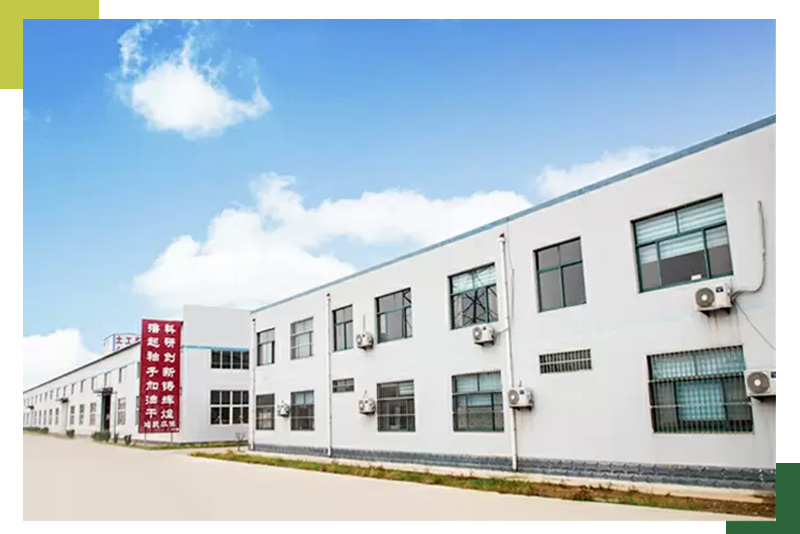
Located at the north end of Fufeng Street, Lingcheng District, Dezhou, Shandong Province, Shandong Hongyue Environmental Engineering Co., Ltd. is a scientific and technological geotechnical material manufacturer integrating engineering material production, sales, design, and professional construction services. The company was registered in the Lingcheng District Market Supervision and Administration Bureau of Dezhou City on April 6, 2023, with a registered capital of 105 million yuan. It stands as one of the largest and most technically advanced production bases of geotechnical materials in China, benefiting from a superior geographical location and convenient shipping logistics.
We boast high-quality products and a professional sales and technical team, being an active member of the Dezhou Geotextile Association. Our products are widely used in highways, railways, bridges, tunnels, reservoir and canal water conservancy, artificial lakes, environmental protection, aviation, mining, and agriculture fields globally.
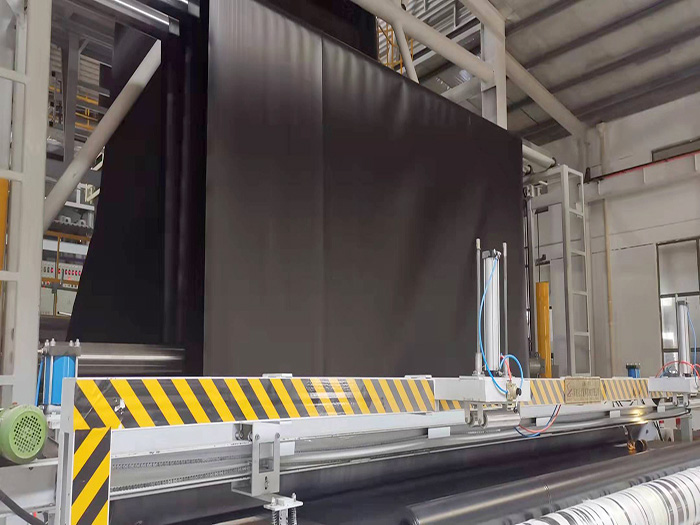
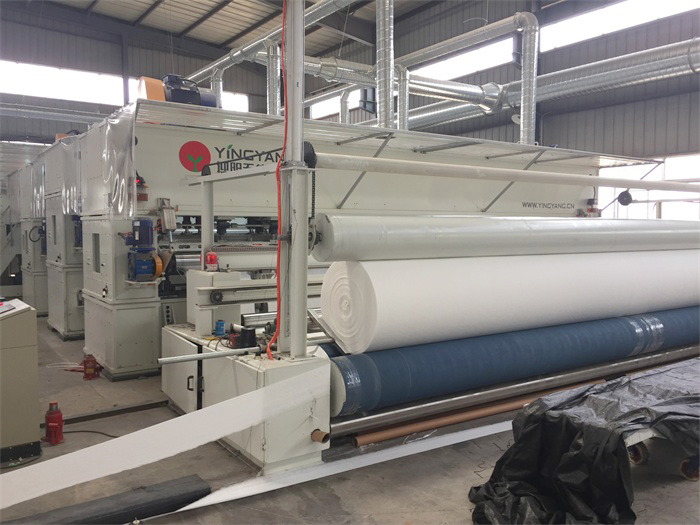
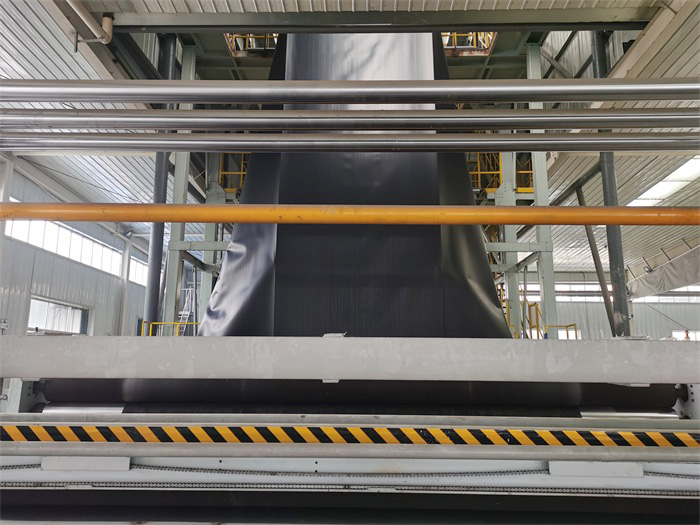
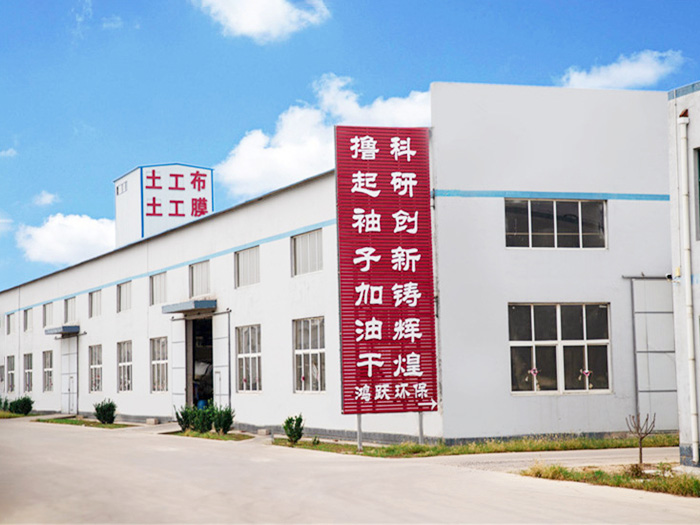
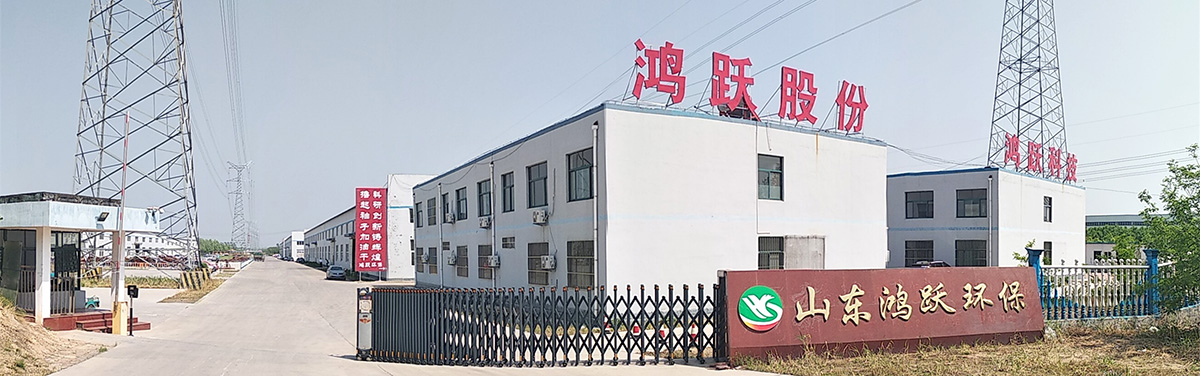
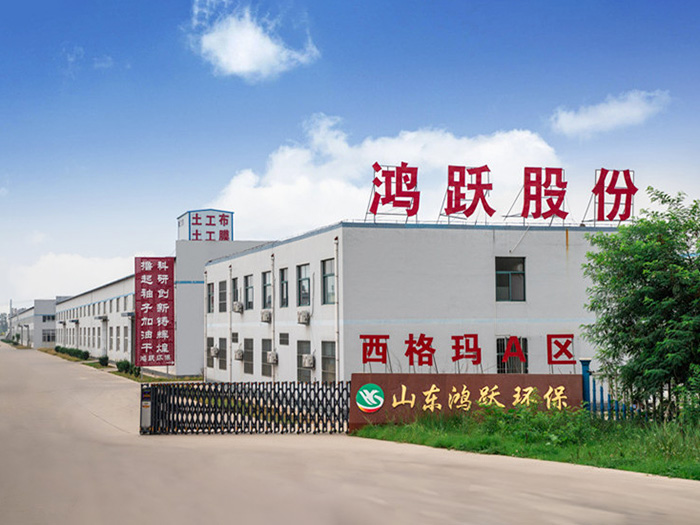
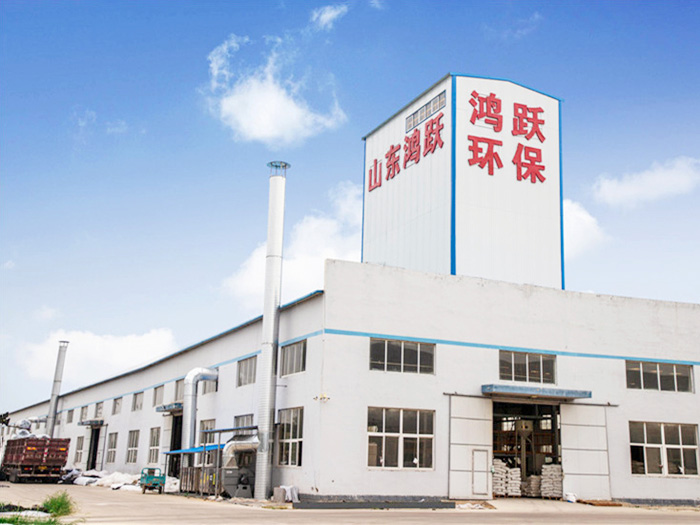
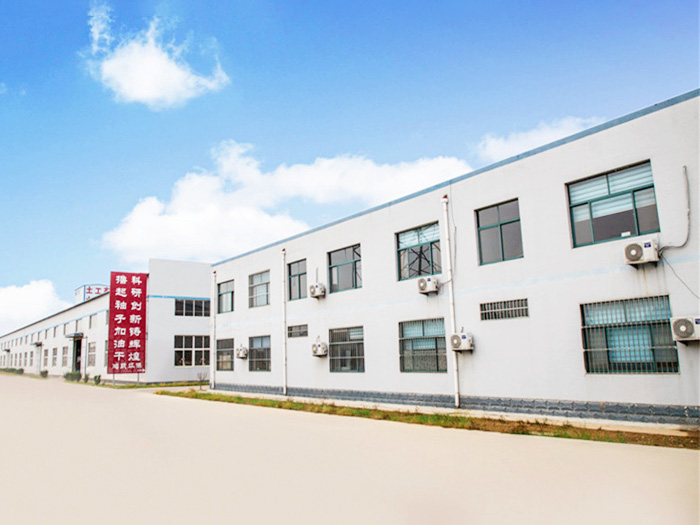
Engineered under precise parameters to guarantee absolute material integrity on construction sites.
Modern production equipment and technology are widely used at Hongyue, making the production efficiency and quality of geotextiles, geomembranes, and composite materials significantly elevated. The production involves rigorous heat parameters, pressure controls, and automatic tension tracking to ensure that every roll delivered to Malaysia matches ASTM standards and CE certifications.
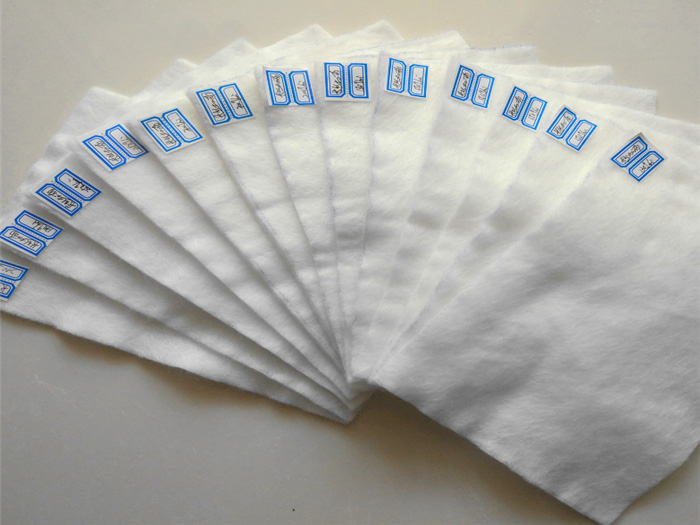
The primary raw materials are high-density polyester chips, polypropylene filament, and viscose fibers. All incoming materials undergo chemical inspection to ensure stability.
Materials are melted at high temperatures and extruded by a screw extruder. Precise temperature control ensures uniformity of the molten polymer state.
The melt is sprayed through fine spinnerets to form fibers, laying a uniform net structure. Fiber orientation is controlled to lock physical properties.
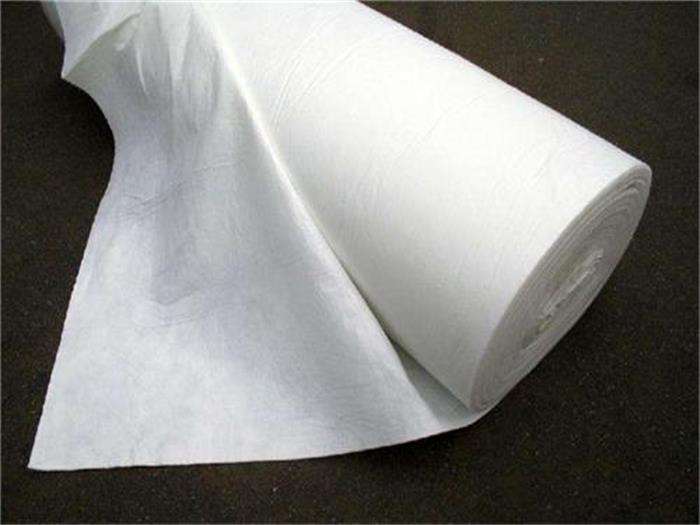
Once the net is rolled, draft curing treatment is initiated. Under exact speed ratios, the tensile strength of the sheets is maximized.
Completed materials are rolled, measured for length, width, and thickness compliance, and packed in heavy water-resistant outer layers.
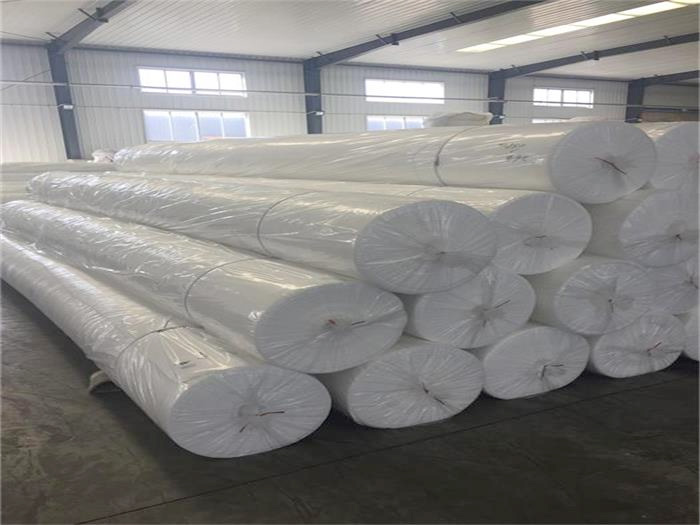
Prior to dispatch, laboratory testing verifies physical density, chemical resistance, and shear properties. Only passing rolls are marked for delivery.
Proven application methodologies to implement modern geosynthetics in challenging environments.
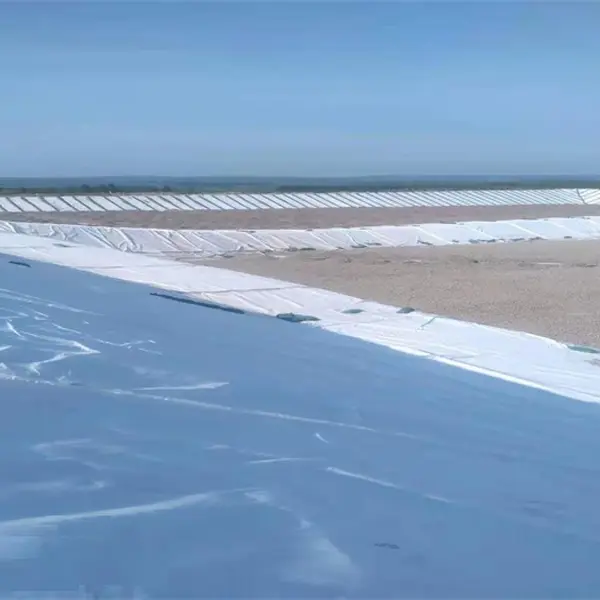
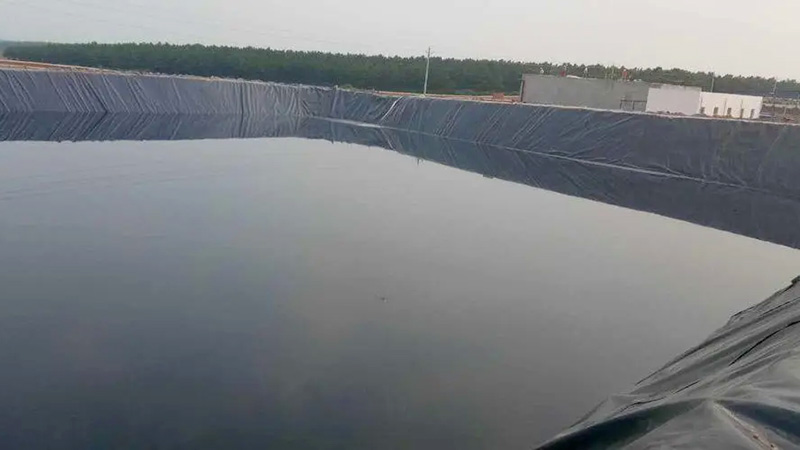
Providing absolute water preservation by stopping agricultural soil erosion and structural leaking in irrigation channels.
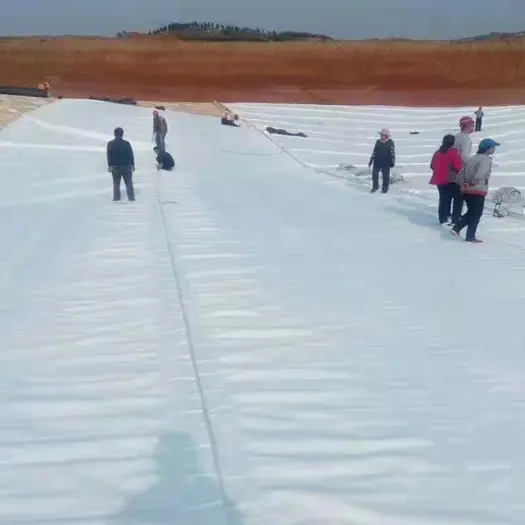
Protecting rivers, streams, and storm drains from structural breakdown under monsoon conditions.
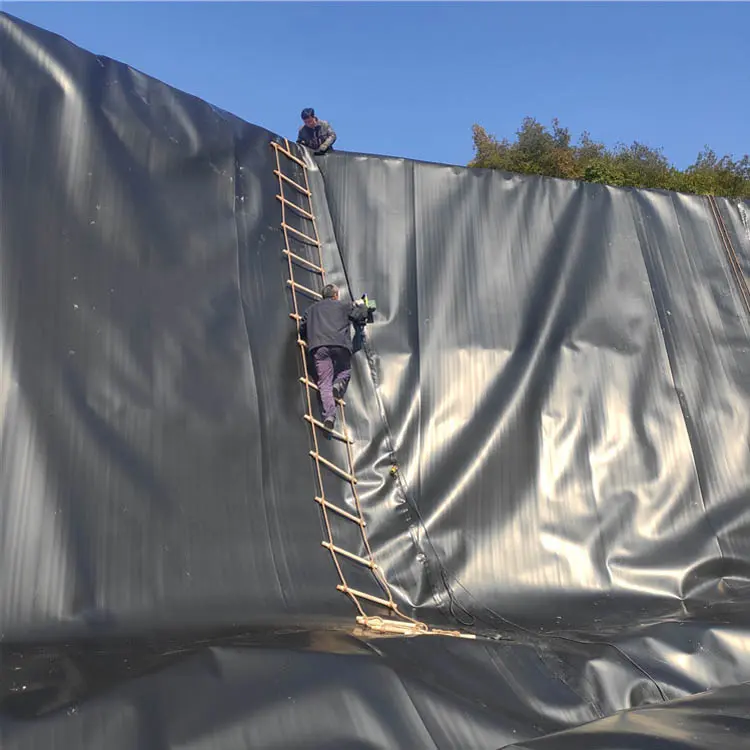
Preventing highly toxic leachates from leaking into underground groundwater reserves in municipal zones.
For chemical and fuel safety, our geomembranes and cement mats act as secondary containment layers around petrochemical tank farms (like the Pengerang Integrated Complex). In the event of primary tank failures, our structures contain hazardous substances securely, preventing subsoil penetration.
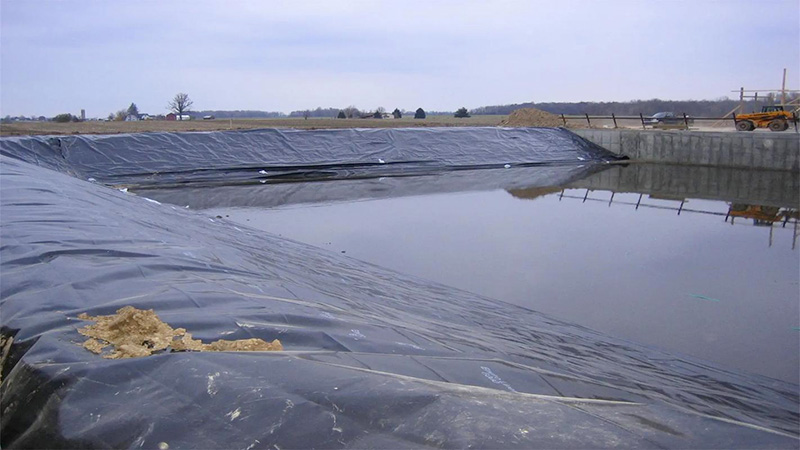
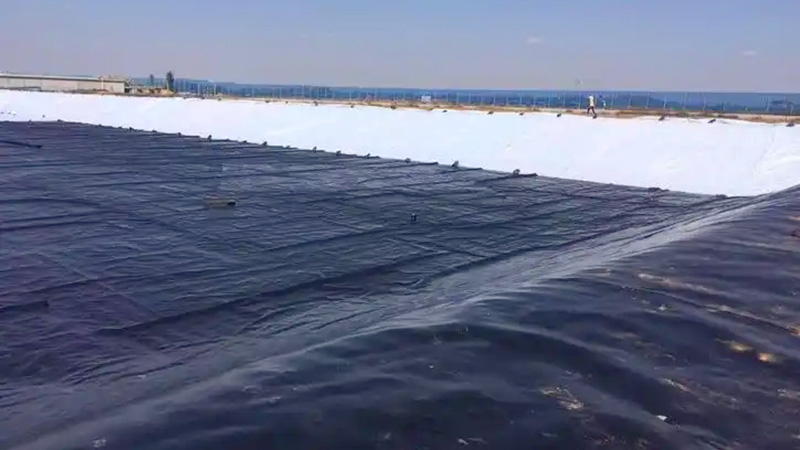
Additionally, reservoir and embankment slope works are much safer when incorporating high-quality geosynthetics. Our composite geomembranes stabilize slopes while blocking any natural water seepage routes.
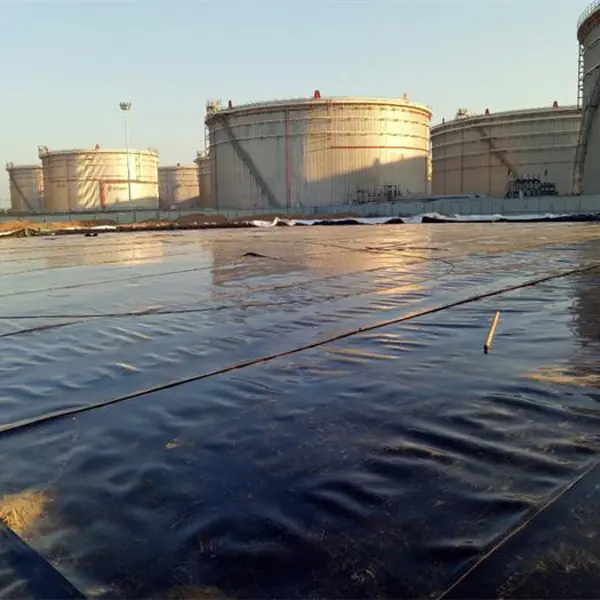
Essential field engineering guidelines to ensure high durability and correct setup.
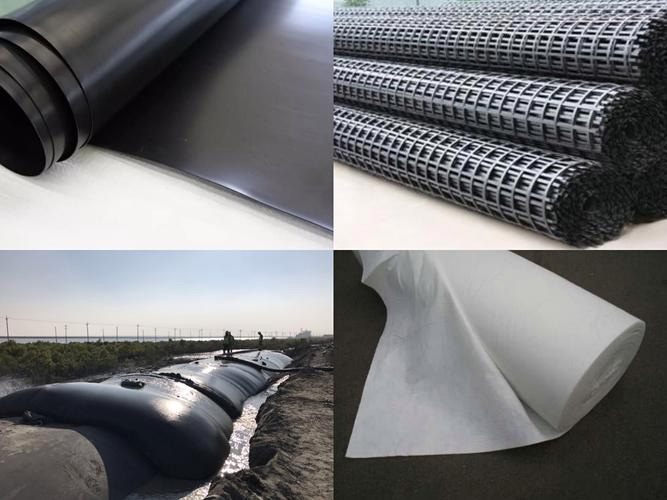
Ensure the subgrade is level and free of sharp rocks, roots, or debris. Fill and compact any voids or depressions to create a firm, stable base for laying the GCCM or geomembrane.
Unroll the blanket down the slope rather than across it. Overlap joints by at least 100mm, with the shingle overlap aligned in the direction of the water flow. Secure the edges using anchor trenches or ground pegs.
Use physical adhesives, screws, or thermal welding depending on whether you are sealing a geomembrane or a concrete blanket. This prevents under-blanket water migration and keeps the system stable during heavy storms.
Hydrate the material with fresh or saline water. Spray uniformly until the blanket is fully saturated. Do not spray high-pressure water directly on un-cured mats. Curing is completed within 24 hours.
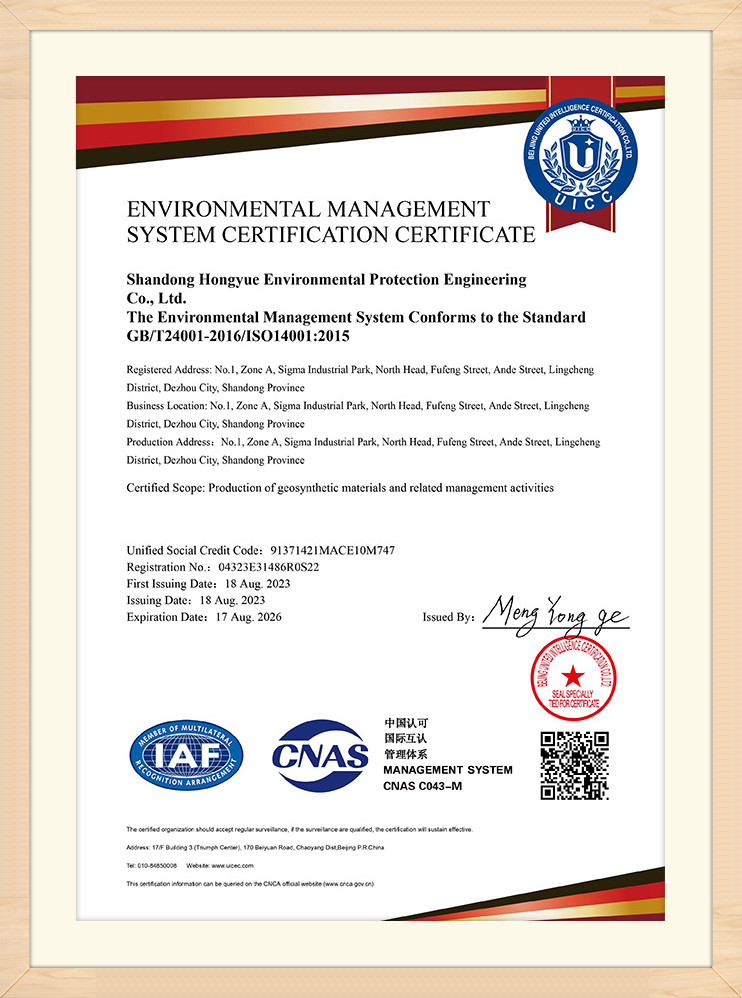
Shandong Hongyue Environmental Engineering Co., Ltd. has established a complete and scientific management system. We are fully certified under ISO9001 (International Quality System Certification), ISO14000 (Environmental Management System Certification), and ISO45001 (Occupational Health & Safety Management System Certification).
Our commitment to excellence has earned us industry recognitions including "Green Building Materials Products," "No Consumer Complaints," "Famous Chinese Brand," and "High-Tech Industry." Every production batch passes through our internal laboratory testing facility, followed by quality verification from the China National Testing Center, ensuring they meet or exceed international engineering performance benchmarks.
With an experienced production and technical support team, our engineers bring more than 10 years of field experience. We provide 24-hour service to answer your project questions, offer design support, and supply detailed material datasheets.
How we help Malaysian projects achieve complete water containment and durable channel protection.
Providing clear engineering answers on the use of cement blankets in Malaysia's tropical climate.
Comprehensive containment, drainage, and structural systems for various civil engineering designs.
We manufacture customized geotextiles, geomembranes, and concrete canvas products to meet specific project guidelines in Malaysia.
Contact our engineering sales team to receive detailed pricing, transport calculations to your site, and complete product datasheets.
Send Inquiry Now Hongyue