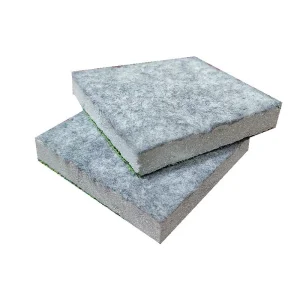
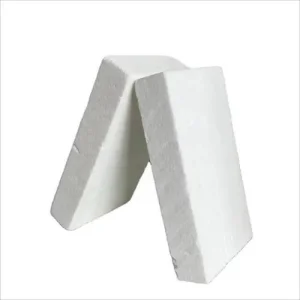
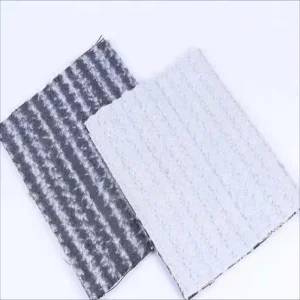
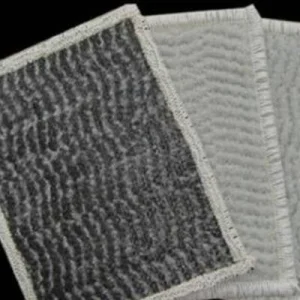
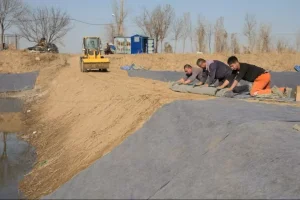
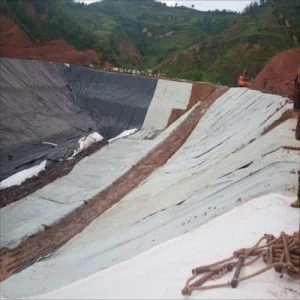
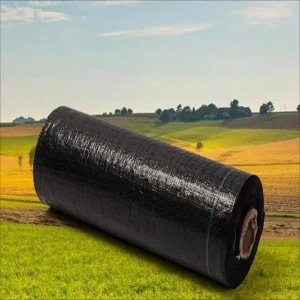
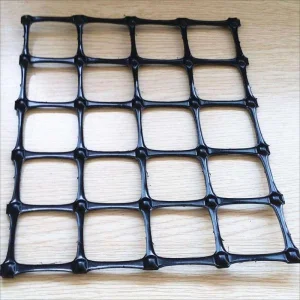
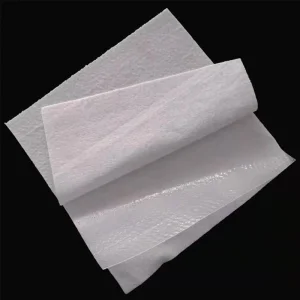
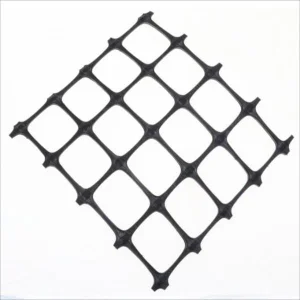
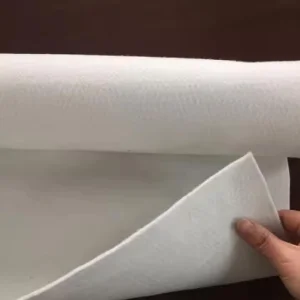
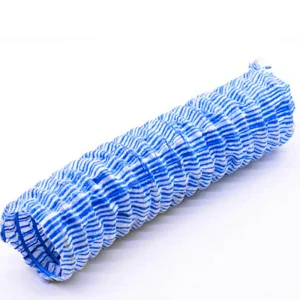
Norway's rugged mountainous terrain, extreme freeze-thaw cycles, and heavy coastal rain require innovative geotechnical solutions. Traditional concrete pouring under sub-zero temperatures is logistically complex, labor-intensive, and carbon-heavy. Our Geosynthetic Cementitious Composite Mats (GCCMs), commonly known as Cement Blankets, provide a revolutionary alternative that cures in place, forming a hard, waterproof, and fire-resistant concrete armor layer. Below are our top solutions customized for Norwegian road, rail, and environmental containment works.
Norway’s infrastructure is facing unprecedented climatic pressures. With increasing levels of rainfall, rapid snowmelt cycles, and high risks of landslides across counties like Vestland, Innlandet, and Troms og Finnmark, civil engineers require structural protection that can be deployed rapidly. Conventional concrete methods demand specialized ready-mix trucks, formwork, and dry weather conditions above 5°C. For remote, mountainous regions, importing these resources is economically and logistically unviable.
Our Geosynthetic Cementitious Composite Mats (GCCM) bypass these constraints. A roll of cement blanket replaces several concrete mixer trucks, drastically shrinking transport costs and cutting down site installation schedules by up to 90%. When rolled out and hydrated, the embedded dry concrete mix cures to a target mechanical strength within 24 hours. The resulting concrete armor offers exceptional durability against abrasion, freeze-thaw cracking, and chemical exposure, satisfying the strict specifications outlined by the Norwegian Public Roads Administration (Statens vegvesen).
Infrastructure developers globally are aligning with ESG targets. The manufacturing and transport of traditional concrete are primary drivers of carbon emissions. By utilizing thin-profile cement blankets, projects reduce the volume of raw materials required by up to 95%. This drastically minimizes haulage emissions, satisfying local environmental monitoring bodies like the Norwegian Environment Agency (Miljødirektoratet).
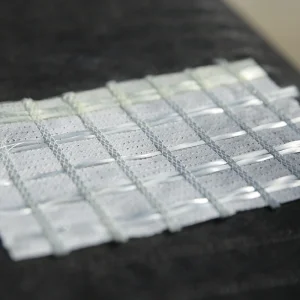
Norwegian fjords are prone to surface erosion from snowmelt runoffs. Standard geotextiles degrade under intense UV exposure and persistent freeze cycles. A specialized glass fiber or geosynthetic cement blanket serves as a robust surface armoring, locking onto the subgrade while providing a durable barrier that stops erosion before it undermines highways, railways, and municipal borders.
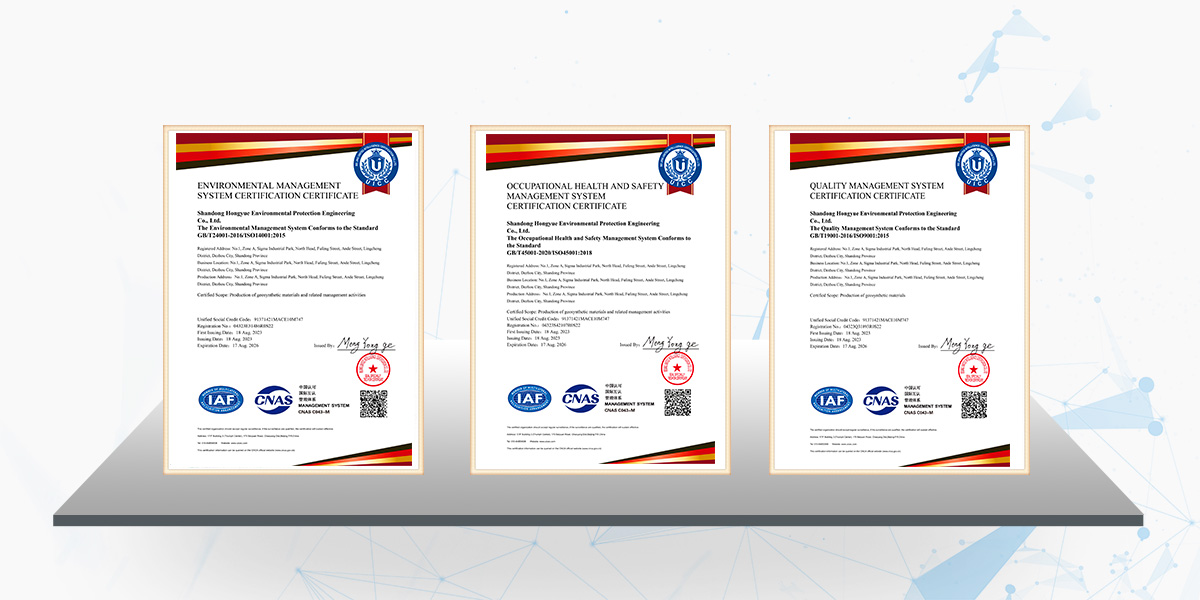
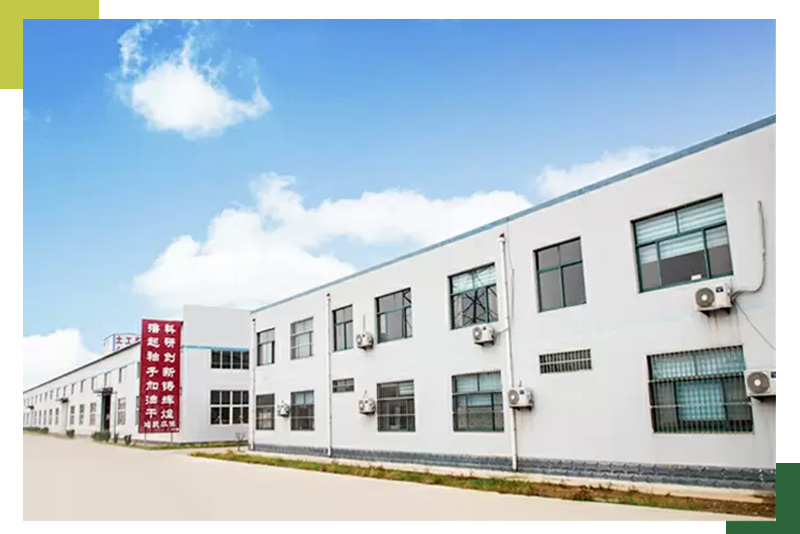
Our manufacturing facility, Shandong Hongyue Environmental Engineering Co., Ltd., located at Dezhou, Shandong Province, stands as one of the largest modern production bases of geotechnical materials in China. With a registered capital of 105 million yuan and high-performance smart manufacturing systems (Factory 4.0 framework), we ensure structural integrity, consistent density, and precise fiber distribution across all products.
Through extensive integration of raw material processing and automatic extrusion lines, we eliminate typical middleman markup, offering unmatched quality-to-price ratios for global procurement. Our proximity to major shipping routes allows us to deliver high-quality materials directly to key Norwegian ports like Oslo, Bergen, and Trondheim in record lead times.
Our commitment to quality is backed by international standards:
High-performance geotechnical materials demand absolute consistency. A minor defect in density can lead to hydraulic washouts and catastrophic slope failures. At Shandong Hongyue, we employ automated inline sensors to monitor production stages in real time:
Polyester chips and polypropylene filament are melted at high temperatures via precise screw extruders. Mixing ratio control guarantees base fabric strength.
Extruded fiber matrix forms a uniform mesh. Mechanical draft curing processes stretch the fibers to maximize tensile parameters.
Final checking via physical property testing (puncture strength, permeability, thickness calibration) before shipping.
All materials are tested under rigorous simulated freezing cycles to match Norwegian site realities. Our laboratory is equipped with precision tensile machines, hydraulic permeability chambers, and aging simulation blocks, ensuring all materials exceed regional European requirements.
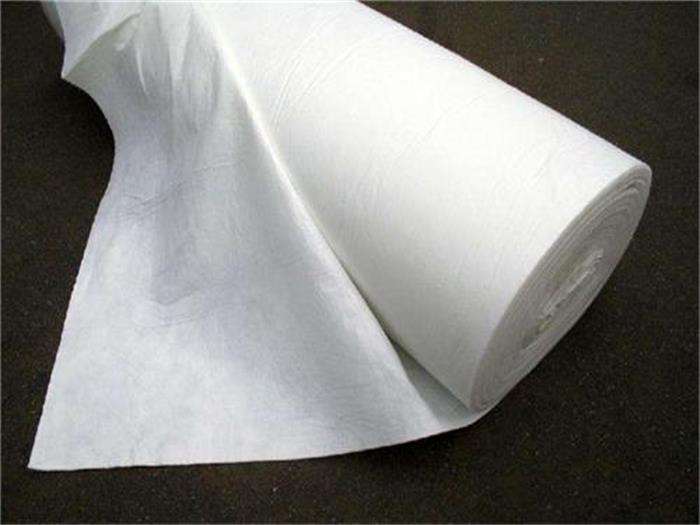
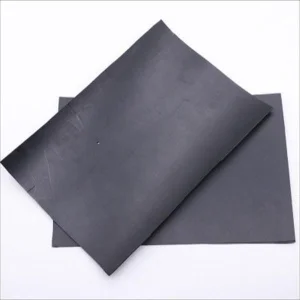
In addition to Cement Blankets, anti-seepage projects across Norway's reservoirs and dams rely heavily on specialized geomembranes. Selecting the right lining material depends on the geotechnical constraints:
| Material Type | Thickness Range | Core Application | Key Strengths for Cold Climates |
|---|---|---|---|
| High-Density Polyethylene (HDPE) | 0.5mm – 2.0mm | Landfills, Reservoirs, Waste Containment | Excellent chemical resistance, UV block, extreme low temperature performance |
| Linear Low-Density Polyethylene (LLDPE) | 0.3mm – 1.5mm | Channel Lining, Dam Seepage Prevention | Superior flexibility and elongation, adapts to uneven subgrade settlement |
| Composite Geomembrane | Customized layers | Slope protection, River channels | Integrated non-woven geotextile layer protects backing from rock puncture |
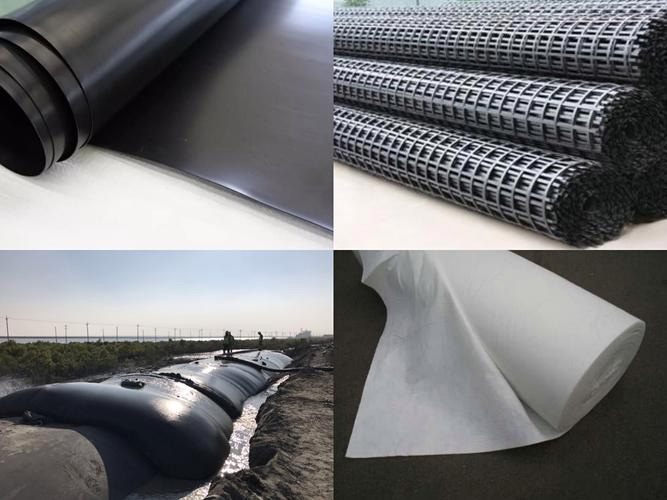
To prevent failures under sub-zero conditions, thermal wedge welding must be conducted with precise temperature and pressure controls. Prior to laying, all sharp objects and gravel must be cleared from the subgrade. In winter climates, keeping the surface free of frost and moisture is critical to establishing robust, leak-free welds.
Explore our wider portfolio of geosynthetics, engineered specifically for high tensile strength, drainage, and slope stability under Arctic geological conditions.
 Hongyue