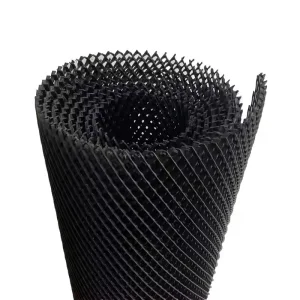
In modern geotechnical engineering, the stabilization of soft soils, retaining walls, steep slopes, and heavy-traffic pavements requires materials with high tensile modulus and minimal creep deformation. High-performance geogrids, such as the Stratagrid series, act as high-efficiency structural reinforcements. By interlocking with soil particles, aggregate, or road base materials, these systems create a composite block with enhanced load distribution and shear strength.
As a premium industrial manufacturer and exporter based in Dezhou, Shandong, we recognize that structural integrity cannot be compromised. The mechanical properties of geogrids, specifically their junction efficiency, aperture geometry, and long-term design strength (LTDS), directly impact the lifespan of highways, railway foundations, and retaining walls. Integrating high-performance geogrids minimizes aggregate layer thickness, reduces excavation volume, and lowers overall carbon emissions during construction.
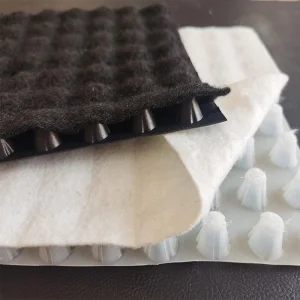
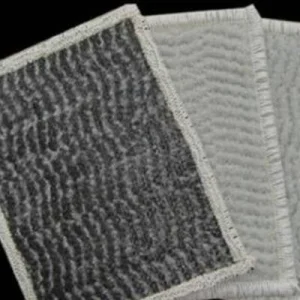
Geosynthetics do not work in isolation. Modern design requires a multi-layered approach that integrates geogrids, geomembranes, and geotextiles to address complex seepage, structural load, and filtration challenges simultaneously.
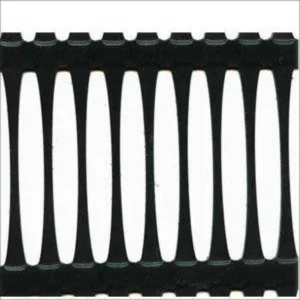
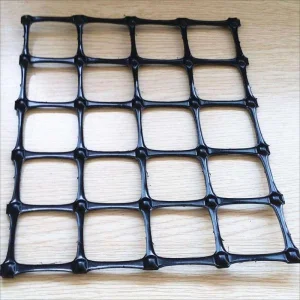
Heavy axle loads induce severe cyclic stresses on subgrades. By applying uniaxially and biaxially stretched geogrids, lateral movement of base aggregate is constrained, controlling rutting and extending the operational lifespan of transit systems.
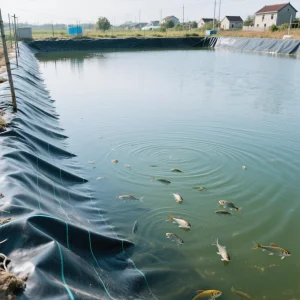
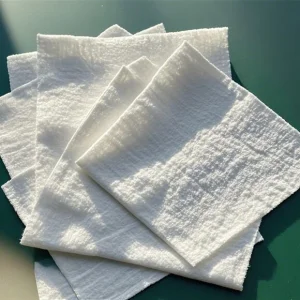
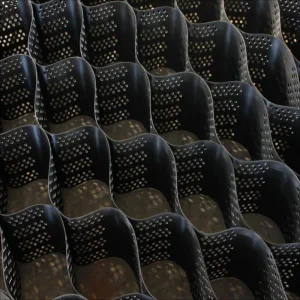
Combining geomembranes with protective nonwoven geotextiles prevents seepage in canals and agricultural reservoirs. Geocell containment structures secure concrete or vegetative cover along canal slopes, mitigating scouring from high-velocity currents.
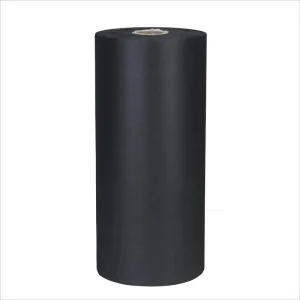
Environmental protection demands secure barrier systems. Our high-density polyethylene (HDPE) geomembranes and geosynthetic clay liners (GCL) form composite lining systems that isolate leachate and prevent groundwater contamination.
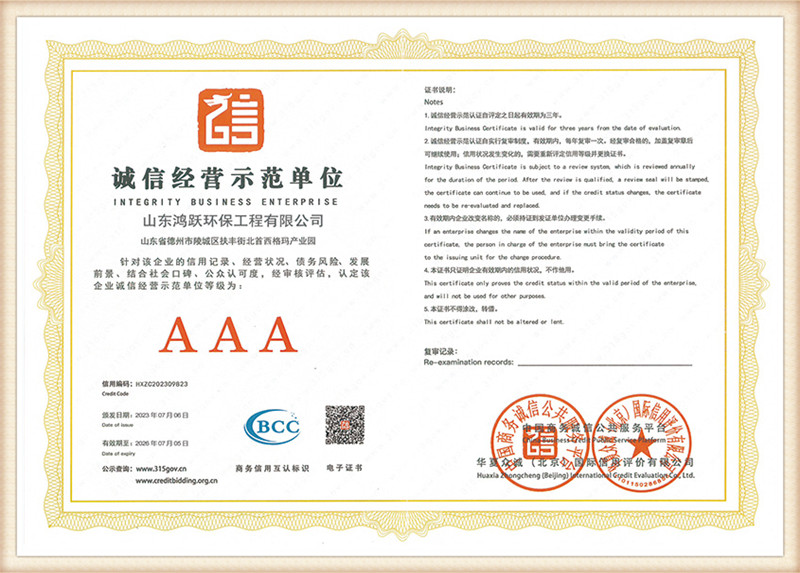
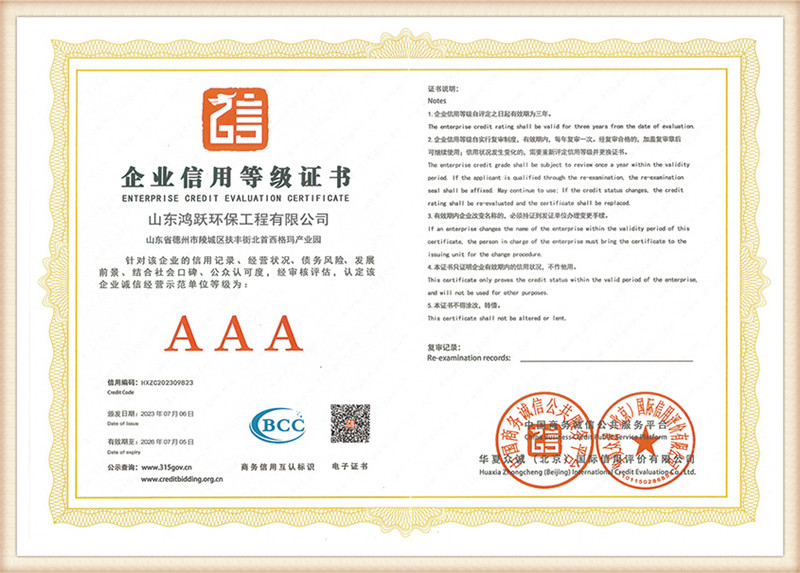
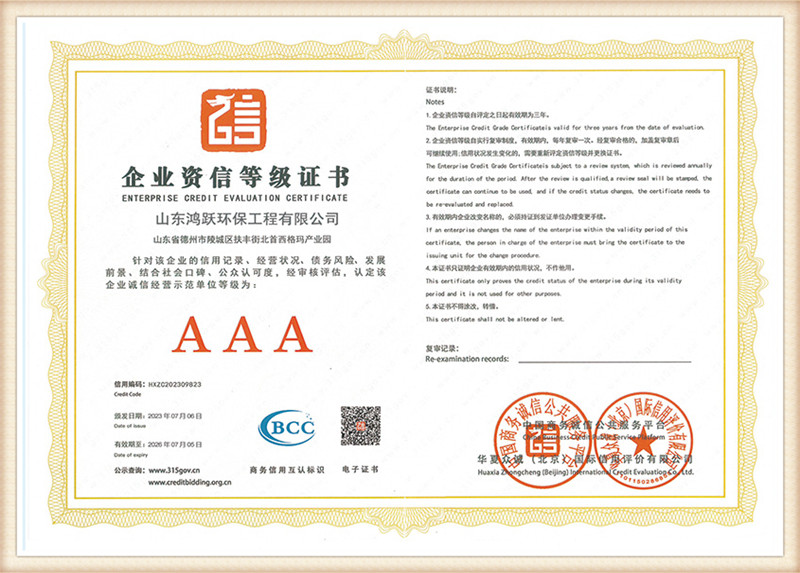
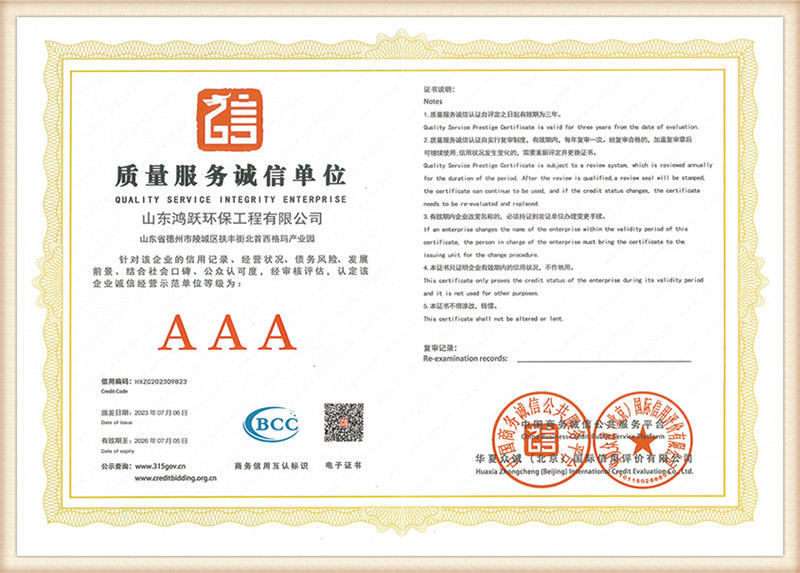
Established on April 6, 2023, and located at the northern sector of Fufeng Street, Lingcheng District, Dezhou, Shandong Province, Shandong Hongyue Environmental Engineering Co., Ltd. has grown to become one of the largest and most advanced geotechnical production hubs in China. With a substantial registered capital of 105 million RMB, the company is built on a foundation of scientific innovation, industrial-grade production, and global commercial exporting.
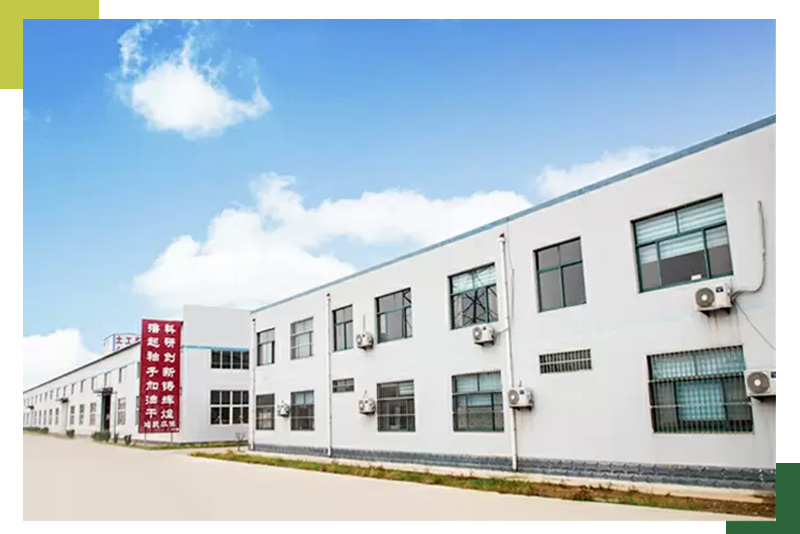
We deliver an integrated suite of geotechnical materials that form four core systems: impermeability, environmental protection, reinforcement protection, and structural water stop. Our geographical location provides access to high-efficiency logistics channels, ensuring seamless maritime and overland transport for international projects.
Our facility uses automated, high-precision extrusion, network rolling, and curing machinery. Below is our standard manufacturing workflow, developed to ensure all materials meet or exceed global ASTM and ISO testing standards.
Polyester chips (PET), polypropylene filaments (PP), and viscose fibers undergo inspection. This step establishes basic structural stability, chemical compatibility, and environmental degradation resistance.
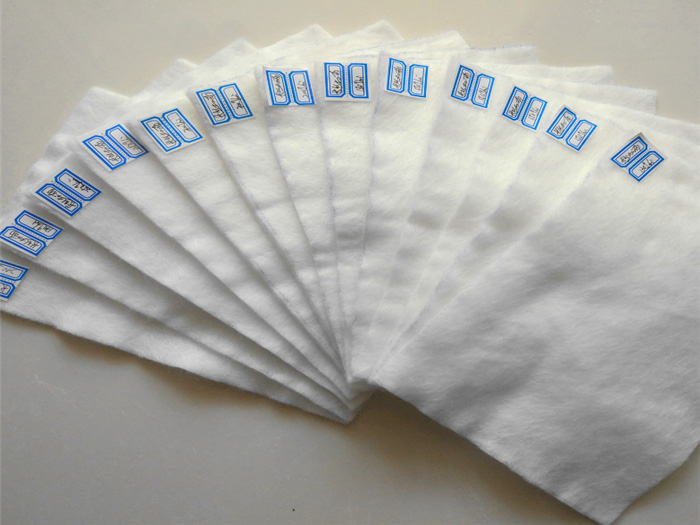
Polyester slices are melted at high temperatures and processed through twin-screw extruders. Molten polymers are combined with stabilizer packs to increase resistance against UV degradation and oxidation.
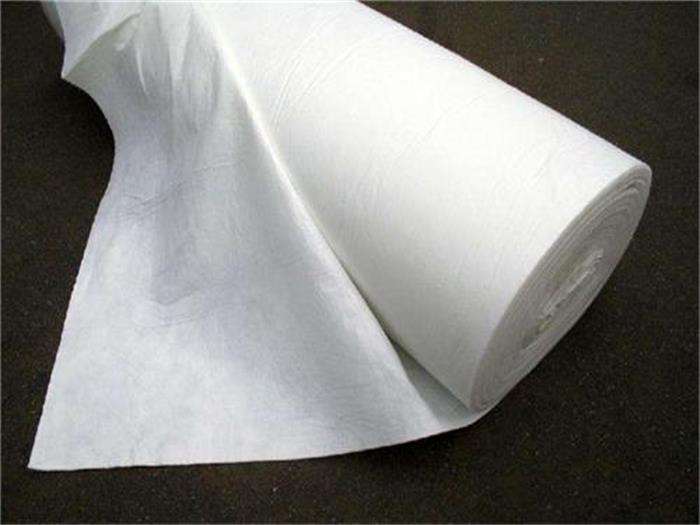
Extruded filaments are distributed via high-speed spinnerets onto moving conveyor systems. We control fiber orientation and aperture distribution to optimize multidirectional tensile strength.
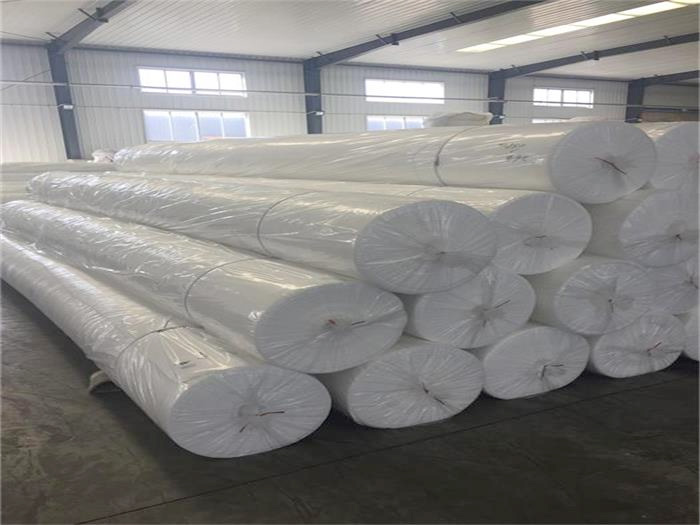
The fibrous grids are heated and tensioned to set the polymers. This step locks in the geogrid's junction strength, lowering the risk of long-term creep under continuous stress.
Finished materials are rolled, measured for thickness and weight uniformity, and wrapped in protective UV-resistant packaging for international transport.
Samples from each production batch are subjected to wide-width tensile tests, junction shear capacity evaluations, puncture resistance tests, and chemical degradation analysis in our on-site QC laboratory.
High-performance materials require proper installation. Below are the key steps to install geomembranes and geogrids safely on-site.
Clean the area of sharp rocks, vegetation, debris, and standing water. Grade the soil surface to maintain contact between the geogrid and the ground, which prevents local stress concentration.
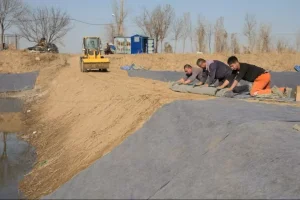
Roll out the geogrids along the design alignment. Tension the grids manually or with machinery to remove slack before backfilling. Overlap adjacent rolls by 300mm to 500mm and secure them with ties or anchoring pins.
Deposit soil or base aggregates onto the grid. Do not drive machinery directly on the uncompacted geogrid. Spread the backfill in lifts of 150mm to 300mm and compact it to meet structural density requirements.
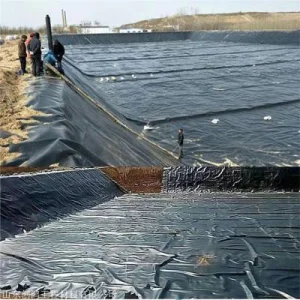
Water infrastructure is vulnerable to seepage, structural sliding, and piping failures. High-density geomembranes act as low-permeability barriers in hydraulic structures. By sealing reservoirs, dams, and irrigation canals, our geosynthetics help conserve water and protect regional soils from salinization.
In municipal waste management and industrial storage, compound lining systems (geomembrane backed by geosynthetic clay liners and reinforced by geogrids) provide barrier performance. These multi-layered barriers protect groundwater resources near landfills and chemical storage areas from leachate contamination.
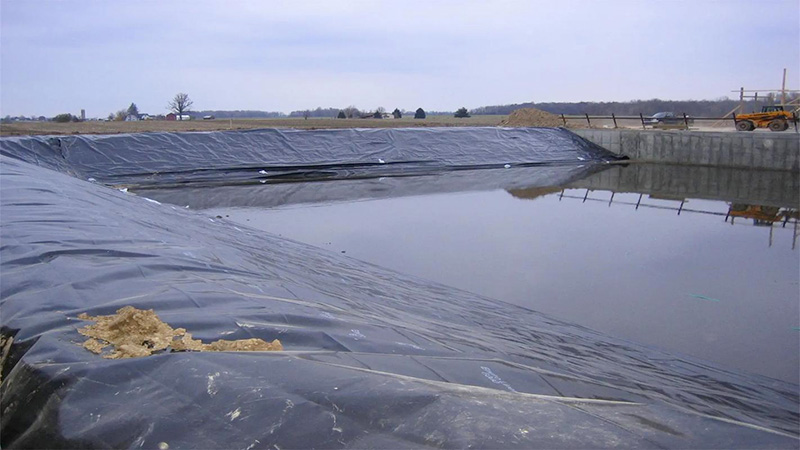
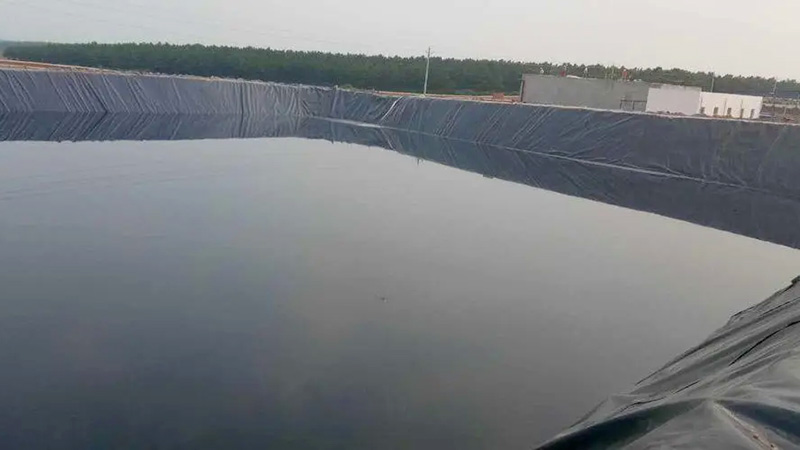
Dikes and river channels are subjected to continuous hydraulic forces and seasonal fluctuations. Our composite geotextile and geomembrane systems prevent water from undercutting dikes, which helps prevent slope failures and structural sliding.
By combining geotextiles for filtration and drainage with geogrids for structural support, engineers can build stable retaining structures on soft riverbanks. These structures resist scouring, control soil erosion, and support local plant growth.
Shandong Hongyue Environmental Engineering Co., Ltd. continues to develop new materials for international infrastructure projects. Our R&D team is focused on high-strength, low-carbon geotextiles and modified polymers that withstand chemical exposure in mining and industrial storage applications.
We are developing green civil engineering materials, including biodegradable soil covers and sensor-integrated smart geogrids that monitor structural deformation in real-time.
Our company maintains distribution channels to Europe, the United States, Australia, Southeast Asia, and the Middle East, offering custom packing and export clearance support.
 Hongyue