Engineered to international standards for critical civil infrastructure and soil reinforcement projects.
In modern geotechnical engineering, the construction of vertical or near-vertical soil walls requires structural stabilization that can withstand lateral earth pressures, dynamic loads, and environmental weathering. Mechanically Stabilized Earth (MSE) wall geogrids act as critical tensile reinforcement elements. They convert unstable soil structures into composite masses with high shear strength. By utilizing interlocking mechanisms between the geogrid apertures and the backfill material, these geogrids redistribute structural stress.
The evolution of geogrids has transitioned from simple polymeric meshes to highly specialized uniaxial stretched plastic geogrids, steel-plastic composites, and warp-knitted geosynthetics. Our engineering team at Shandong Hongyue Environmental Engineering Co., Ltd. develops geogrids specifically engineered to manage creep resistance, stress-strain performance, and environmental degradation, guaranteeing structural integrity over service lifespans exceeding 100 years.
Whether the project involves bridge abutments, railway embankments, highway slope retentions, or mining slope stabilization, selecting the correct geogrid type—such as high-density polyethylene (HDPE) or high-tenacity polyester (PET)—is vital. Each material offers distinct behaviors under constant load, which directly impacts the Long-Term Design Strength (LTDS) calculation of the MSE wall system.
Analyzing key commercial requirements, technical criteria, and logistics considerations for international civil contractors.
Global procurement requires materials certified to ASTM, EN ISO, and local standards. Geosynthetics must maintain precise tensile properties and structural resistance coefficients.
Under constant stress, polymers experience molecular stretching (creep). Sourcing agents prioritize suppliers that provide third-party validated creep testing over 10,000 hours.
Geogrids embedded in backfills encounter varying pH values, moisture levels, and microbiological activity. Protection against oxidation, UV degradation, and chemical leaching is a core design requirement.
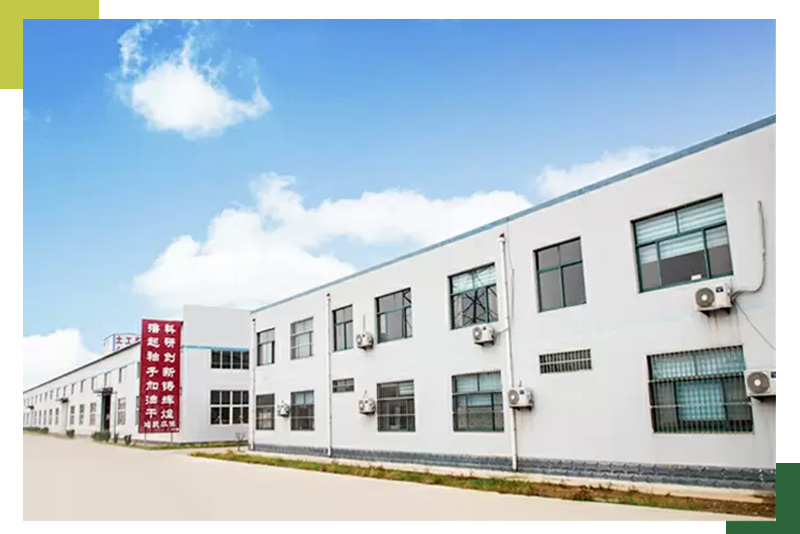
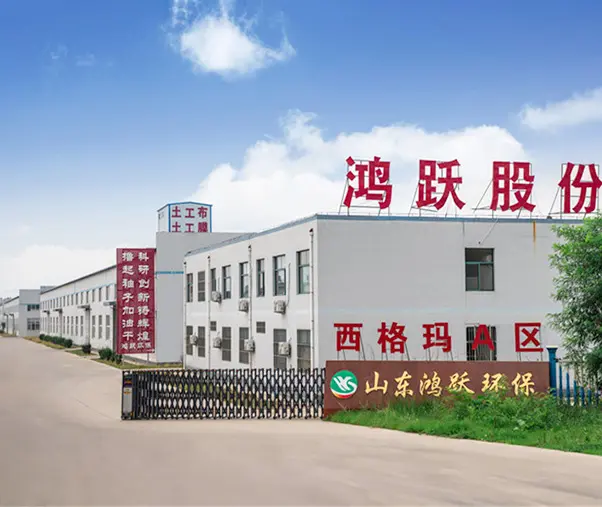
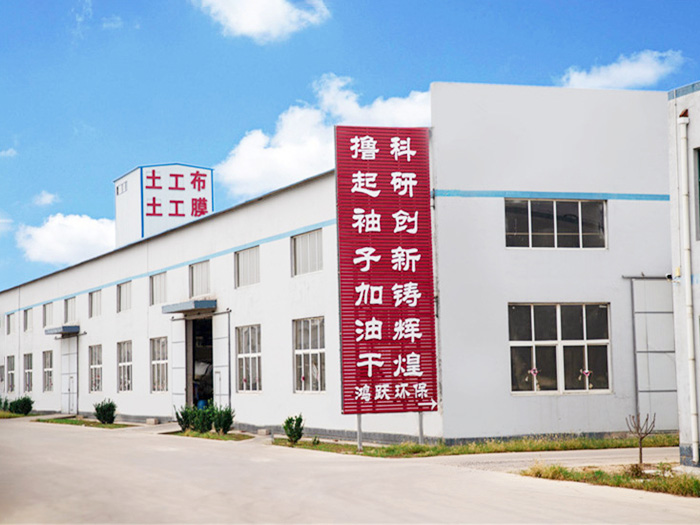
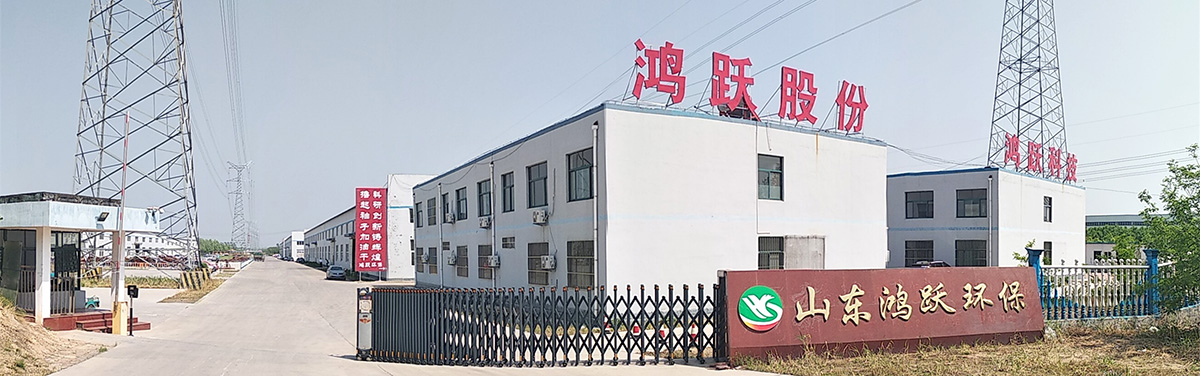
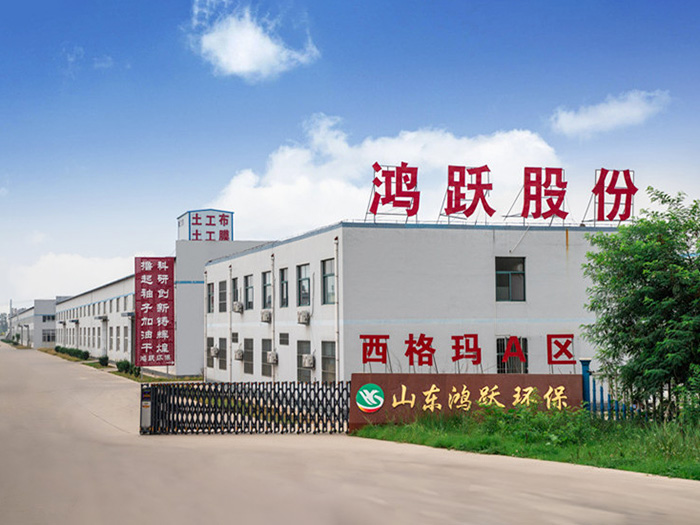
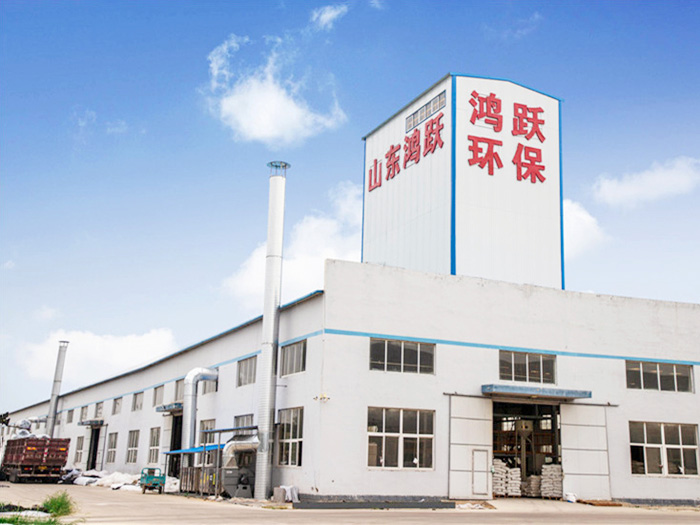
Based in the Lingcheng District of Dezhou, Shandong Province, Shandong Hongyue Environmental Engineering Co., Ltd. is a leading manufacturer in China's geotechnical materials sector. Established with a registered capital of 105 million yuan, our operations integrate advanced engineering design, material manufacturing, and global distribution.
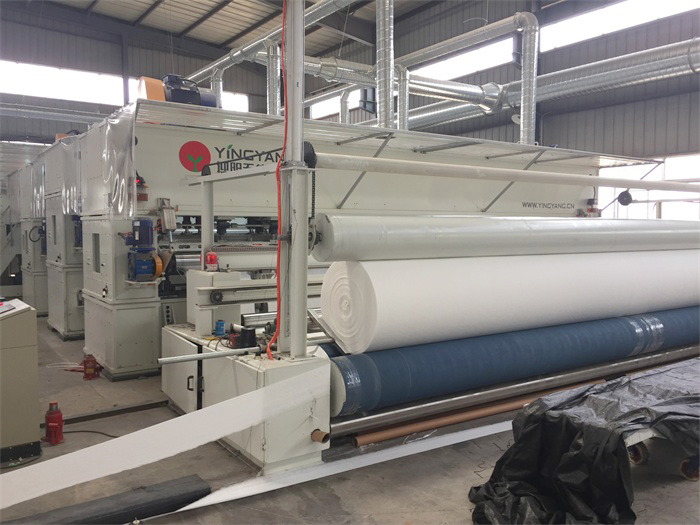
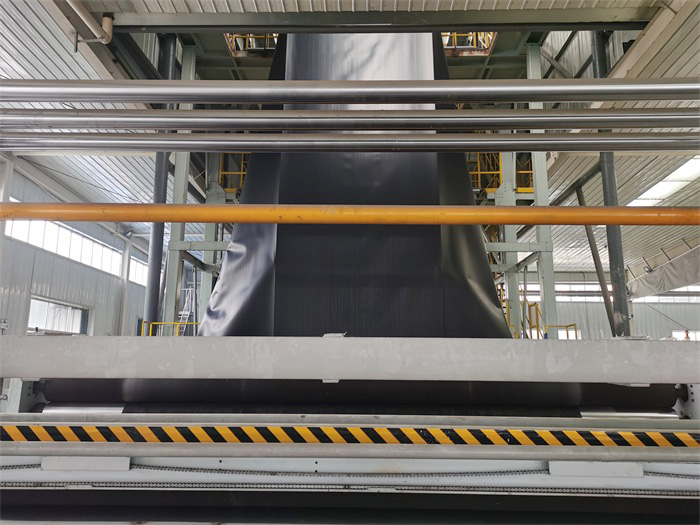
Our manufacturing facilities operate under Factory 4.0 concepts, incorporating automated melt extrusion lines, precision tension systems, and real-time Quality Management Systems (QMS). Our location in Dezhou provides direct access to primary national logistics networks, enabling efficient transport of goods to international shipping hubs.
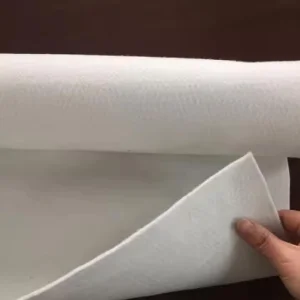
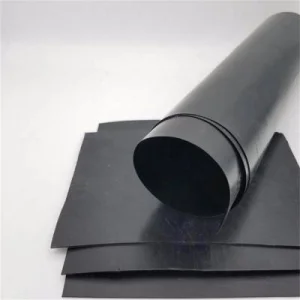
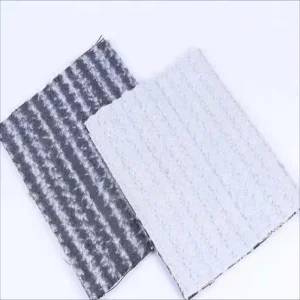
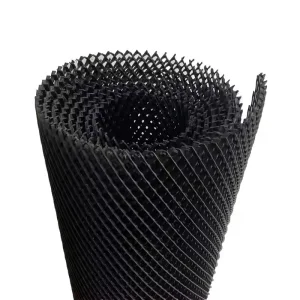
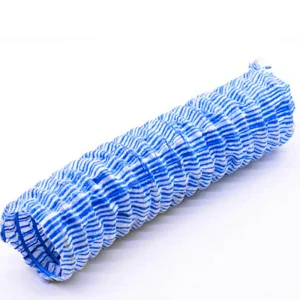
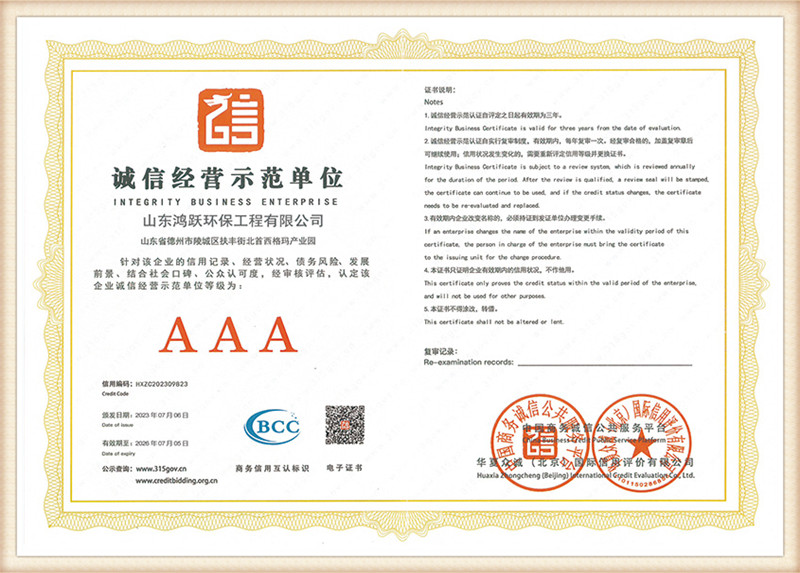
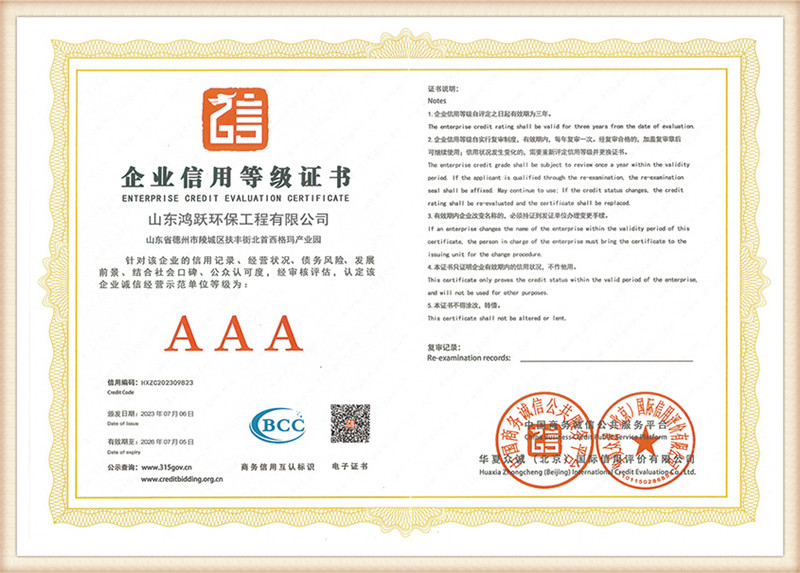
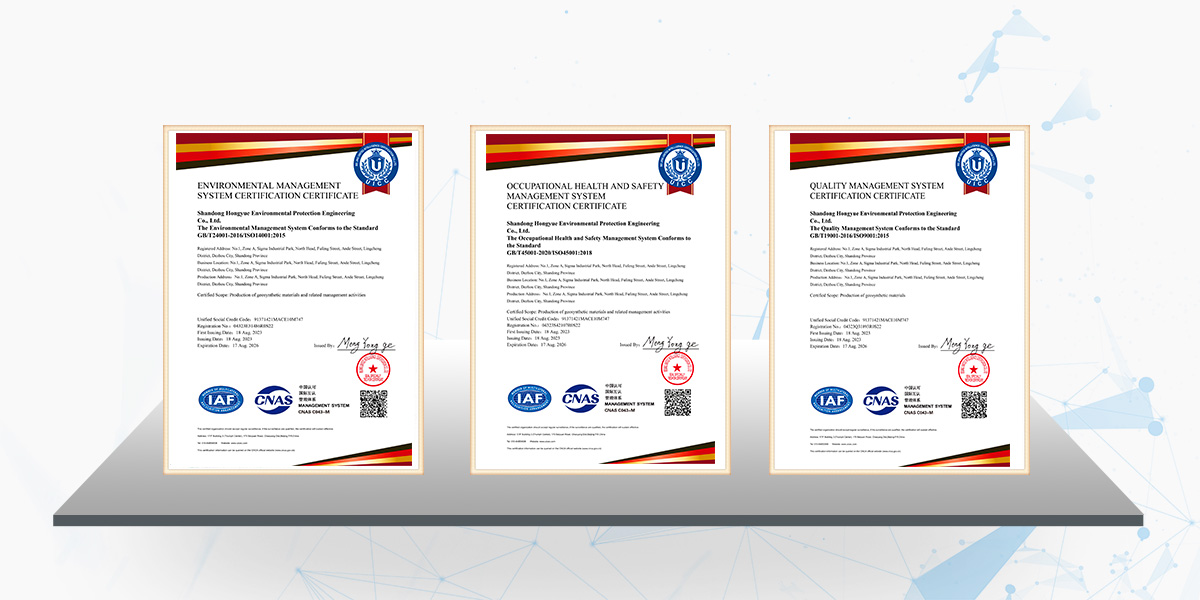
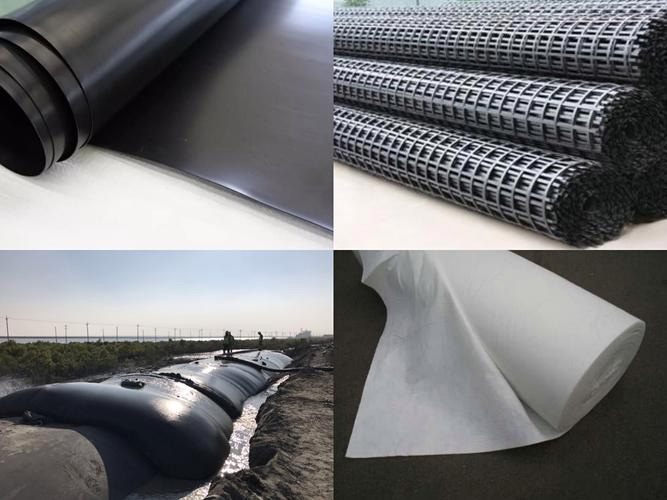
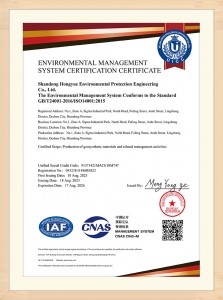
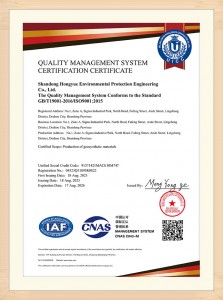
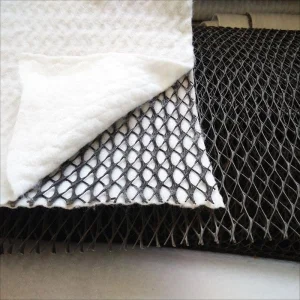
Our product lines include geotextiles, geomembranes, composite geomembranes, waterproof boards, bentonite waterproof blankets, 3D composite drainage nets, drainage boards, woven and non-woven geogrids, and other specialized geosynthetic systems. Certified under ISO9001, ISO14000, and ISO45001, we deliver reliable, high-performance materials for global infrastructure developments.
A detailed look into the structured steps of raw material processing and mechanical verification.
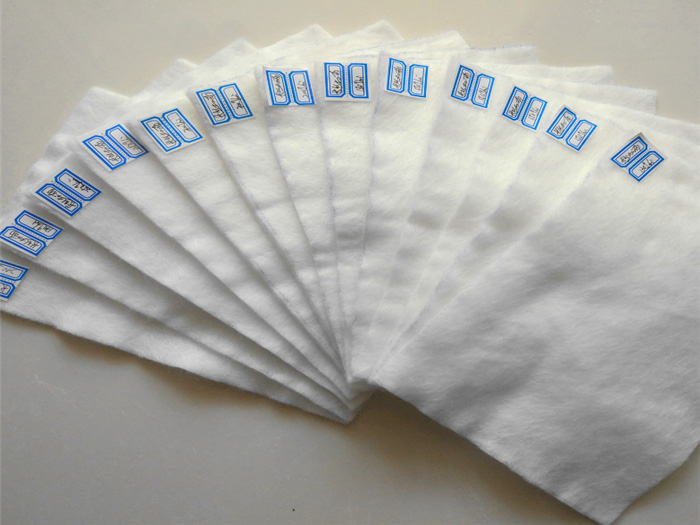
We source high-grade polymer chips, including virgin HDPE and high-tenacity polyester. Each batch undergoes testing for density, melt flow index, and molecular weight distribution to ensure consistent raw material quality.
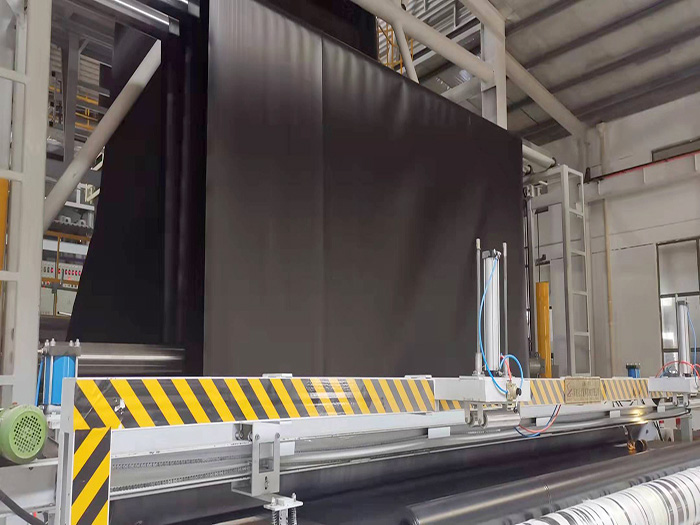
Raw materials are melted at high temperatures, blended with carbon black and stabilizers, and extruded through flat dies. This stage determines sheet thickness uniformity and the distribution of UV-resistant additives.
Extruded sheets are punched with precise arrays of holes using automated CNC matrices. The pattern of these punches determines the geogrid's final aperture size and shape.
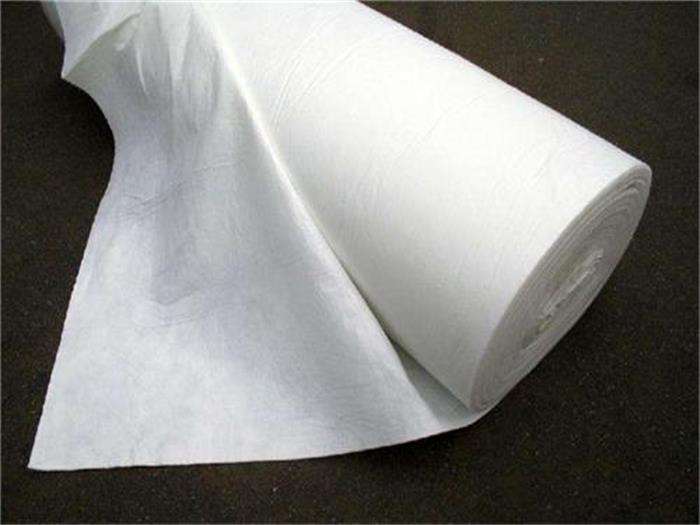
The punched sheets are heated and stretched under tension. Under controlled temperatures, the polymer molecules align along the direction of stretch, significantly increasing the geogrid's tensile strength and load-bearing capacity.
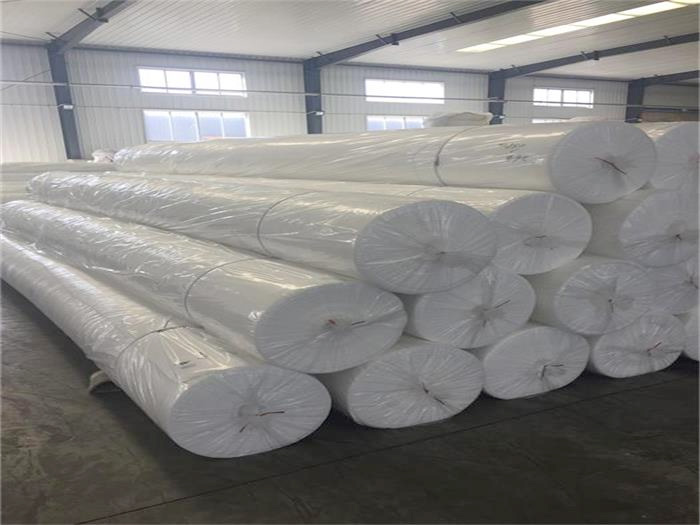
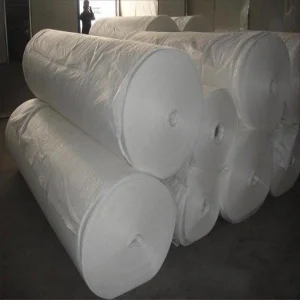
Finished geogrids are wound into rolls, cut to standard dimensions, and packaged. We test samples from every run to confirm compliance with target structural specifications.
| Property Category | HDPE Uniaxial Geogrid | PP Biaxial Geogrid | Steel-Plastic Composite Geogrid | Test Methods |
|---|---|---|---|---|
| Ultimate Tensile Strength | 50 - 200 kN/m | 20 - 50 kN/m | 30 - 300 kN/m | ASTM D6637 / ISO 10319 |
| Elongation at Nominal Strength | ≤ 10% | ≤ 13% | ≤ 4% | ASTM D6637 |
| Tensile Strength at 2% Strain | 15 - 75 kN/m | 7 - 18 kN/m | 12 - 120 kN/m | ASTM D6637 |
| Tensile Strength at 5% Strain | 30 - 150 kN/m | 14 - 36 kN/m | 24 - 240 kN/m | ASTM D6637 |
| Carbon Black Content | ≥ 2% | ≥ 2% | N/A | ASTM D4218 |
| Long-term Creep Strength (120 yrs) | 40% - 48% of Ultimate | N/A (mainly for base reinforcement) | 65% - 70% of Ultimate | ASTM D5262 / D6992 |
Our ISO-certified laboratory and advanced testing equipment ensure that all shipments meet project standards.
Reviewing practical installation methods and material behaviors in critical infrastructure environments.
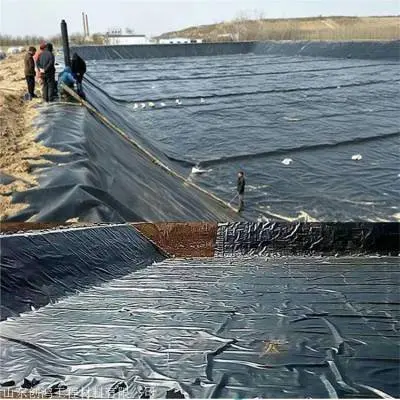
Geomembranes are widely used in hydraulic engineering for seepage control, isolation, and structural reinforcement. In reservoir construction, they establish an impermeable barrier that prevents water loss through permeable soil layers or fractured rock formations. By lining the reservoir bed with high-density polyethylene (HDPE) sheets, projects reduce seepage, stabilize banks, and protect surrounding geological structures.
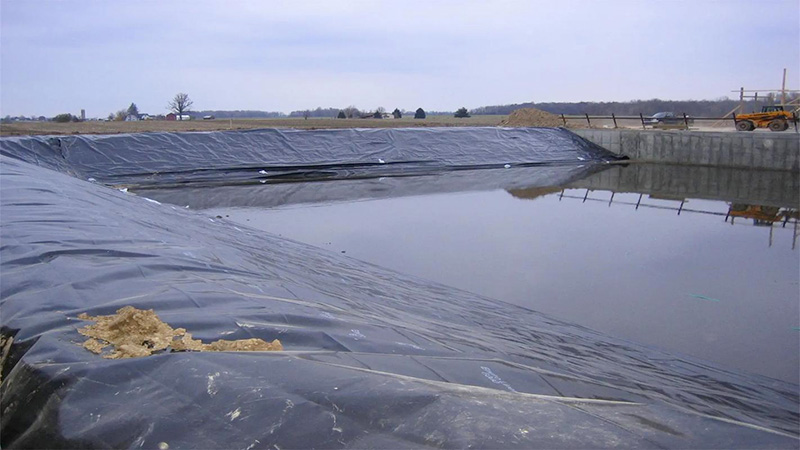
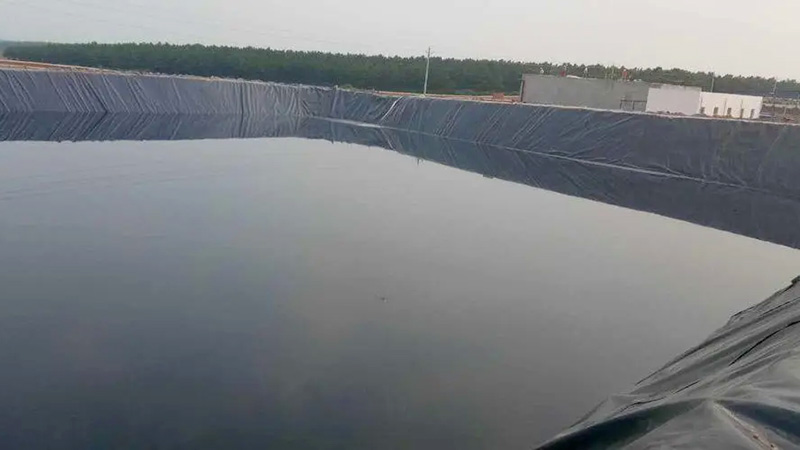
Levees and river control works protect adjacent flatlands and urban centers from flooding. During high-velocity flows, water paths are prone to rapid erosion. Integrating composite geomembranes and geogrids provides the tensile resistance required to anchor slope-protection systems. This reinforcement prevents sliding along critical slip circles, securing the containment system during heavy water events.
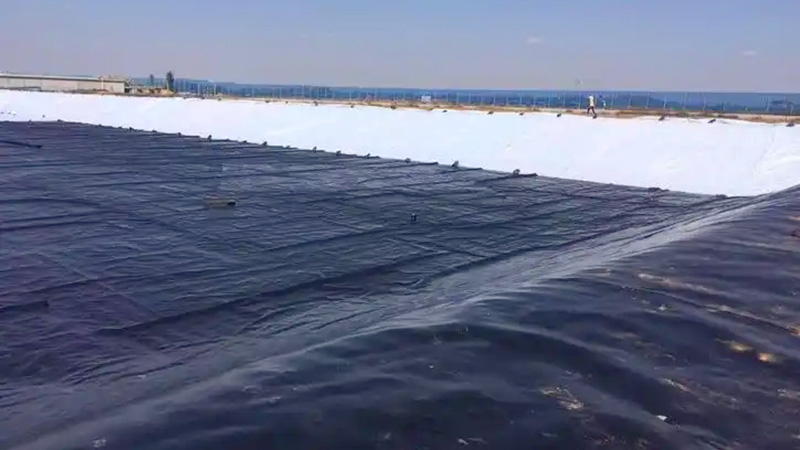
Proper implementation is critical to the performance of any geogrid-reinforced soil mass or geomembrane lining. We follow a structured workflow to maintain system integrity:
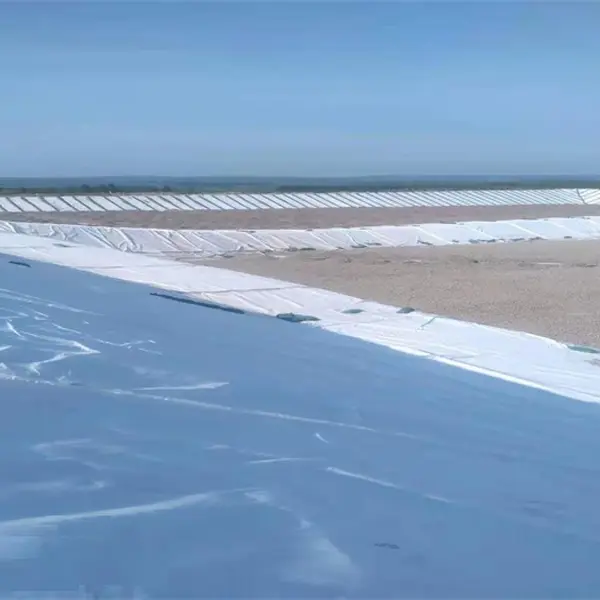
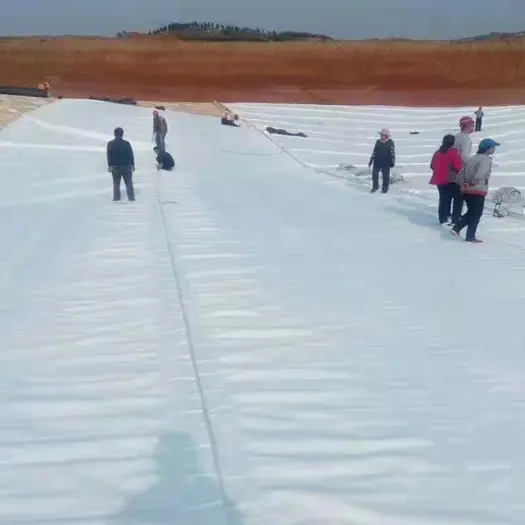
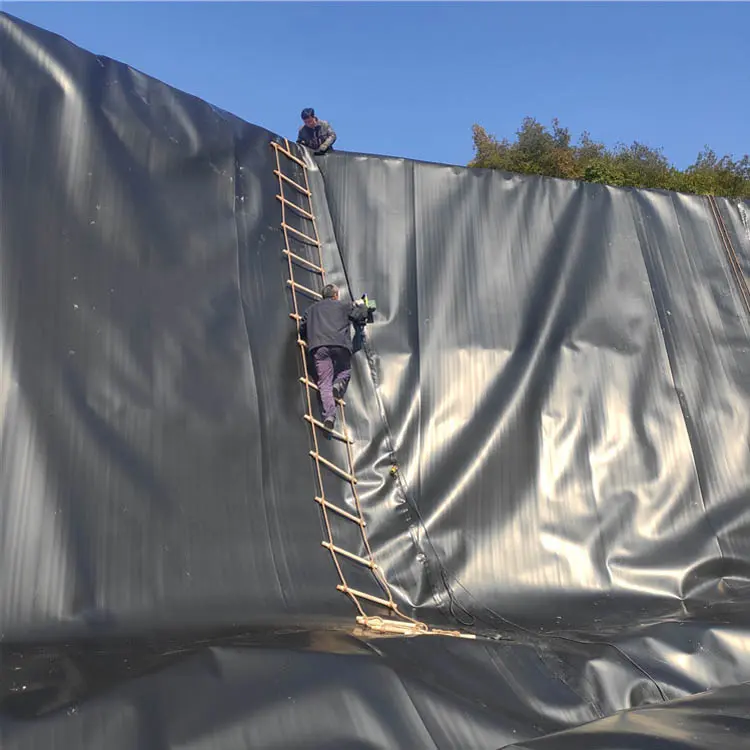
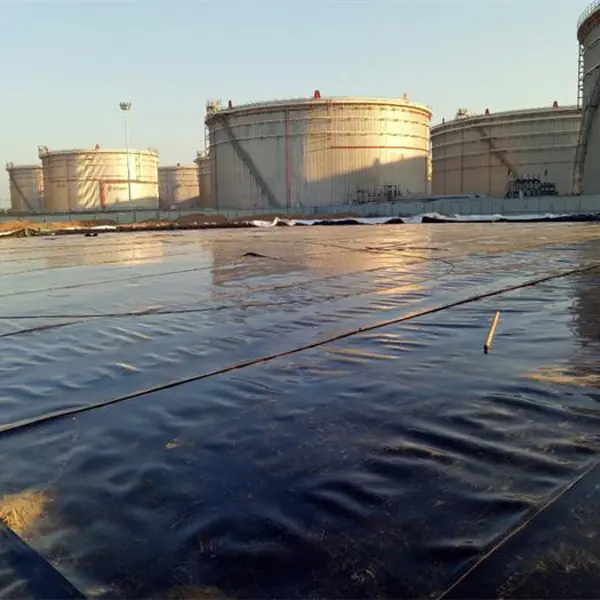
Explore our range of specialized structural and drainage components designed to solve geotechnical challenges.
Specially formulated for aquaculture installations, this liner offers UV resistance and chemical stability to protect aquatic environments.
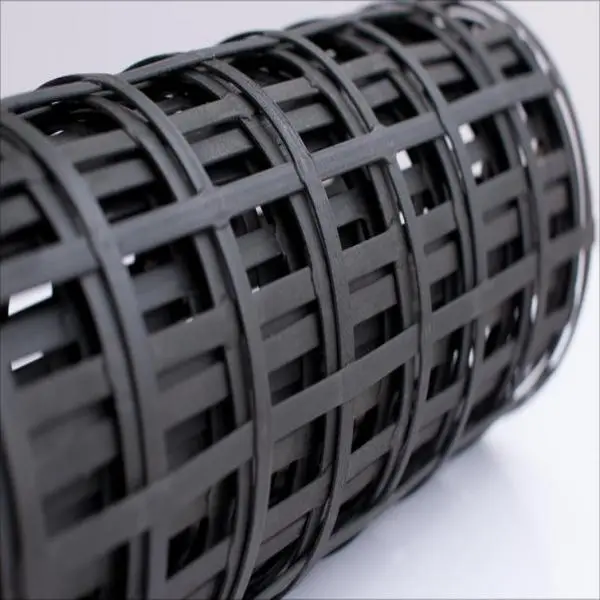
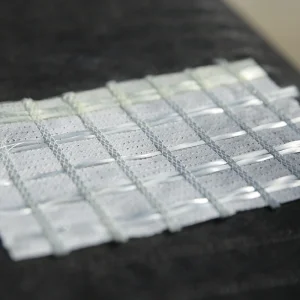
Combines high-tensile steel wire with polymer coatings, providing high junction strength and low long-term creep deformation.
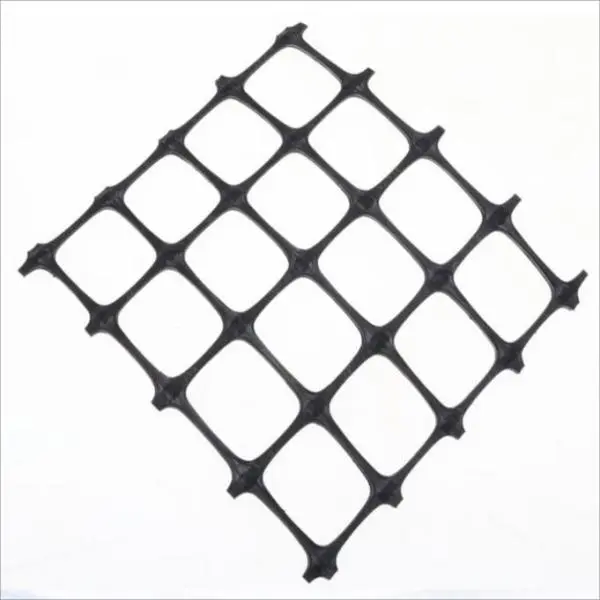
Designed for base stabilization and subgrade reinforcement. Features high tensile strength in both longitudinal and transverse directions.
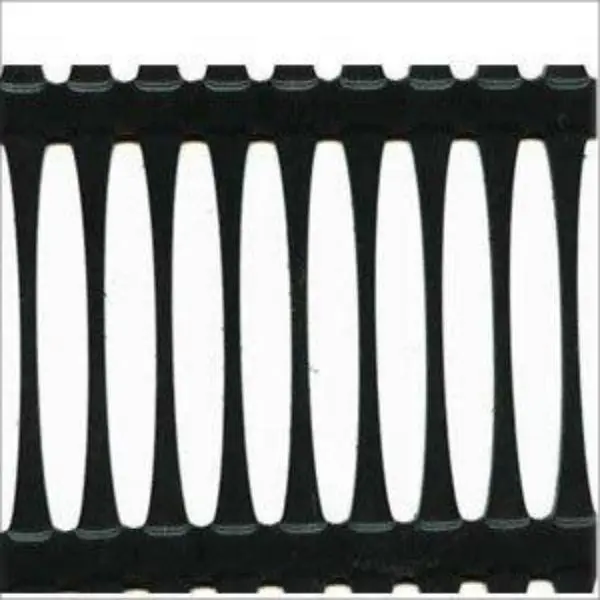
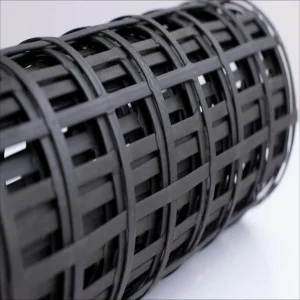
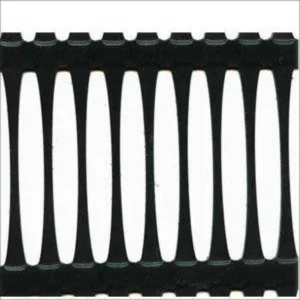
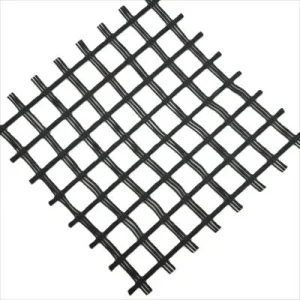
Engineered for high tensile strength in the primary direction, making it suitable for retaining walls and steep slope reinforcement.
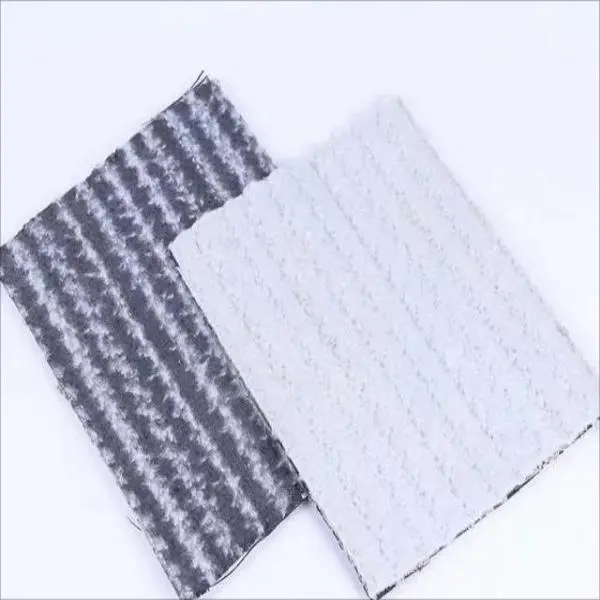
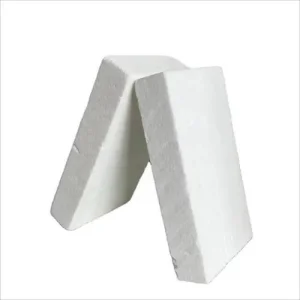
A composite material that sets upon hydration, providing an impermeable, fire-resistant concrete layer for channel lining and slope protection.
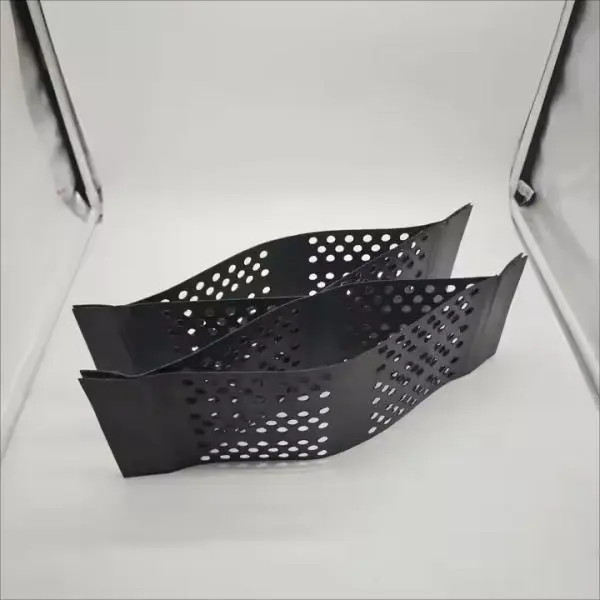
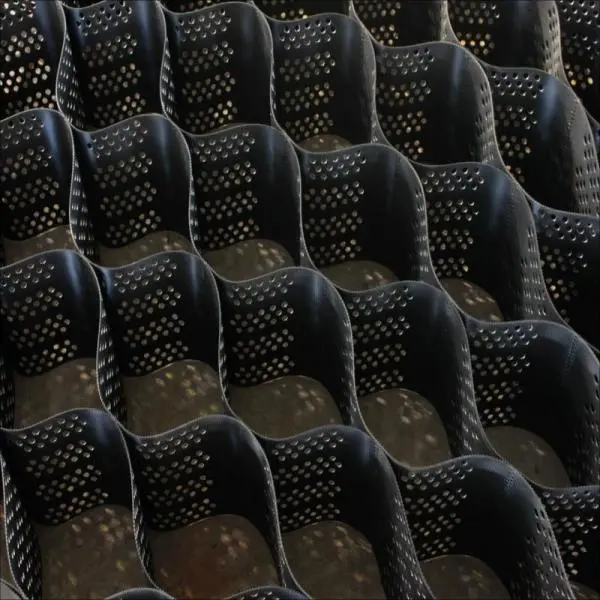
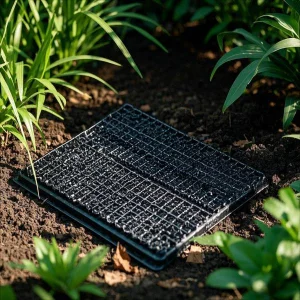
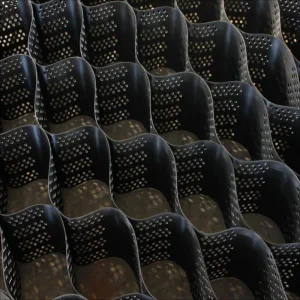
A three-dimensional cellular confinement system that stabilizes soil, prevents erosion on steep slopes, and distributes heavy wheel loads.
Features texturized cell walls and perforations to improve friction and drainage within the confined soil matrix.
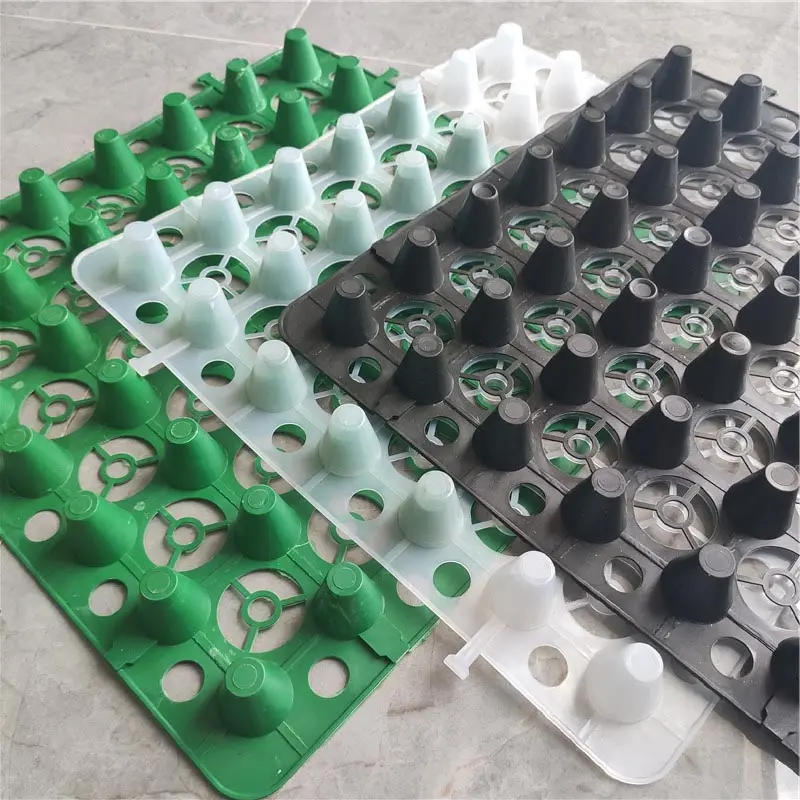
A dimpled plastic board designed to manage water storage and drainage for underground garage roofs and green roofs.
Common questions regarding material selection, design criteria, and testing protocols for earth retention structures.
The primary differences lie in their chemical properties and mechanical behavior under long-term load:
LTDS is calculated by applying reduction factors to the ultimate tensile strength (T_ult) to account for environmental and installation conditions:
LTDS = T_ult / (RF_CR × RF_ID × RF_D)
Subgrade preparation prevents local stress concentrations and punctures. Sharp stones, roots, or soil irregularities can damage geotextile or geomembrane sheets under aggregate and hydraulic loads. Cleared, graded, and compacted foundations ensure uniform load distribution across the geosynthetic layers.
Geogrids reinforce soil through three primary mechanisms:
Explore our specialized range of geogrids, geocells, and cement-composite blankets for global infrastructure applications.
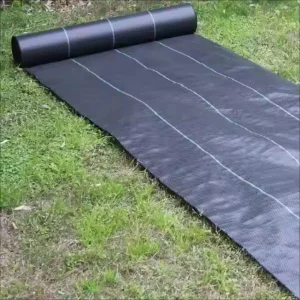
 Hongyue