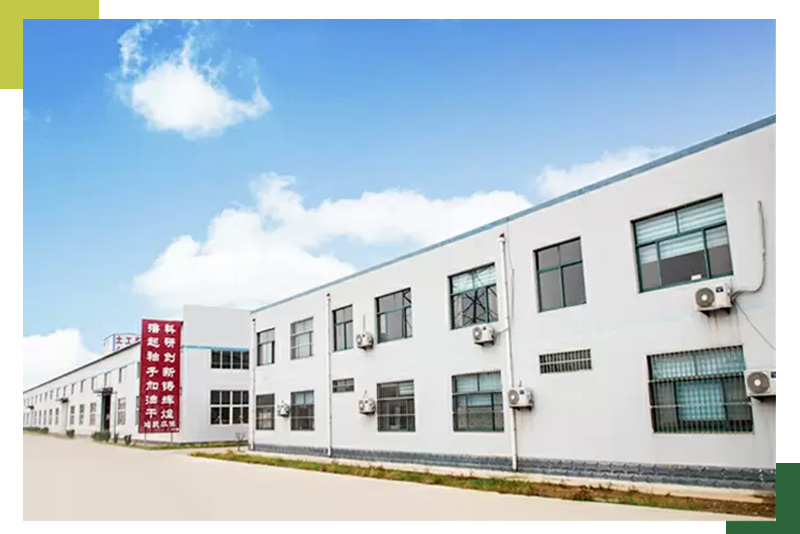
Located at the north end of Fufeng Street, Lingcheng District, Dezhou, Shandong Province, Shandong Hongyue Environmental Engineering Co., Ltd. is a high-tech manufacturing enterprise integration design, production, sales, and complex construction services. Registered on April 6, 2023, with a robust capital base of 105 million yuan, we operate one of China's most comprehensive and advanced geosynthetic manufacturing units.
Positioned at the geographical heart of Dezhou's world-famous Geotextile industrial cluster, we leverage convenient high-speed logistics and raw material supply chain efficiencies. Our company belongs to the prestigious **Dezhou Geotextile Association**, reflecting our industry-approved standards and active role in setting domestic technical standards.
Contemporary civil engineering faces unprecedented challenges from climatic volatility, extreme rainfall patterns, and seismic instability. Traditional hard-armoring methods for slope stabilization, such as cast-in-place concrete or heavy riprap, are increasingly falling out of favor due to high carbon footprints, vulnerability to hydrostatic pressure buildup, and high long-term maintenance costs.
The modern global engineering consensus is transitioning rapidly toward flexible, ecologically integrated geosynthetic systems. Geotextile slope protection systems act as highly customizable permeable barriers. They provide three core capabilities: tensile reinforcement to combat gravity-driven shear stress, particulate retention to prevent subgrade washout, and high hydraulic conductivity to relieve pore water pressure. According to recent infrastructure industry forecasts, the global geosynthetic clay liner and geotextile slope stabilization market is expected to grow at a CAGR of 6.8% over the next decade, catalyzed by massive trans-continental transportation projects and coastal reclamation works.
Engineered fibers interlock with soil matrices, reinforcing sheer boundaries against deep rotational failures.
Supports ecological greening (eco-bags and plantable geosynthetics) to establish natural vegetation roots.
Prevents water accumulation behind retaining structures, mitigating the primary catalyst for slope failure.
For international procurement agents, tier-1 EPC contractors, and municipal engineers, procurement is not simply a transaction of goods, but a rigorous validation of compliance. Global tenders demand absolute adherence to strict testing benchmarks:
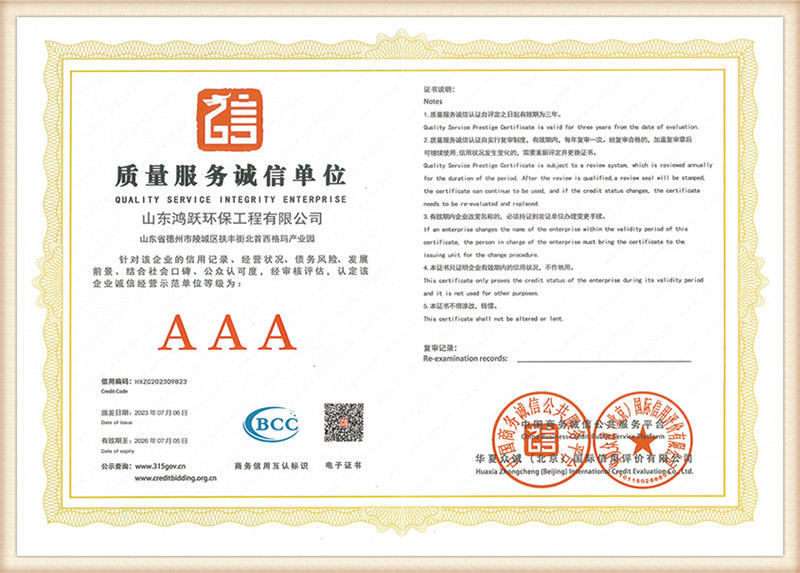
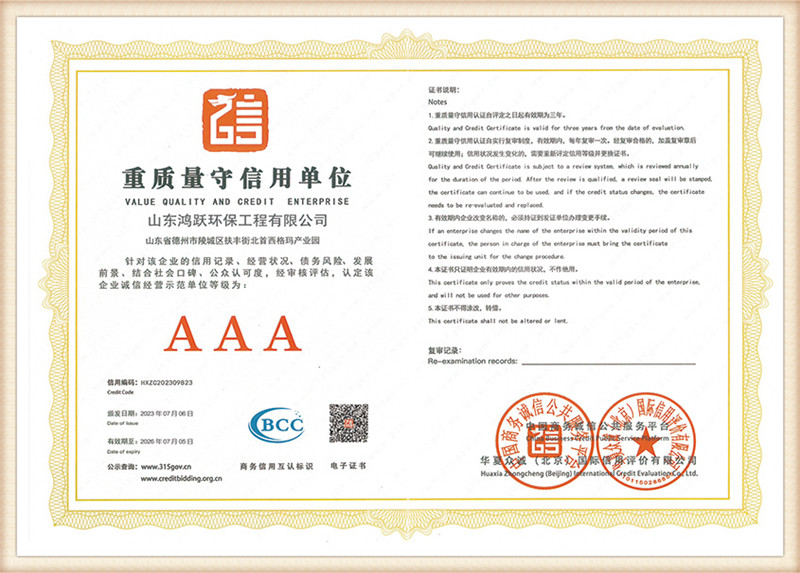
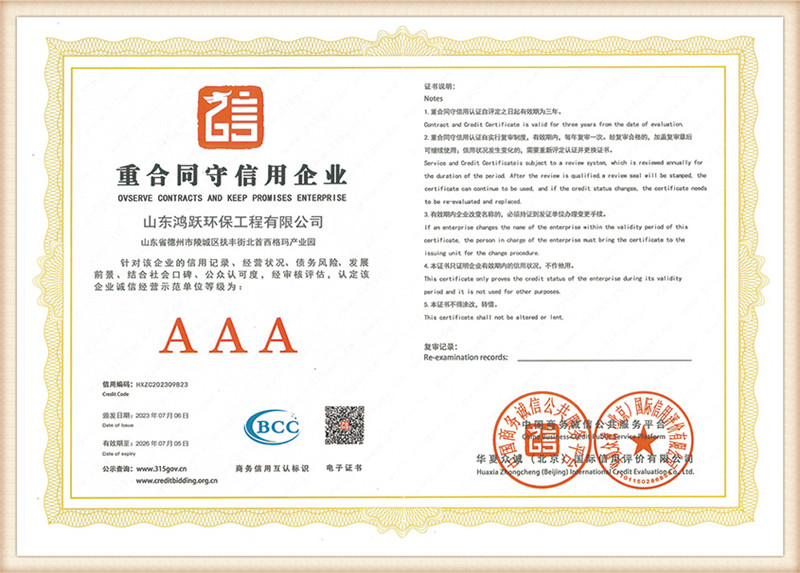
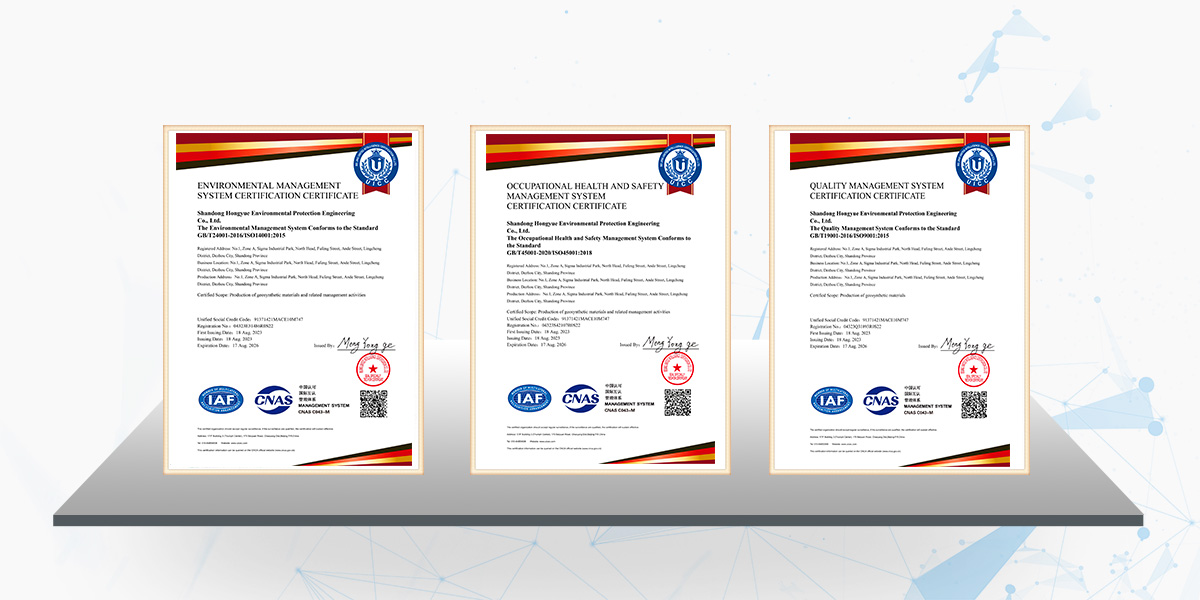
To secure zero-defect project execution, engineering clients prioritize manufacturers that possess verified vertically integrated QA frameworks. At Shandong Hongyue, we minimize variance across parameters by conducting inline laser scanning of thickness, non-destructive weight-distribution tracking, and high-precision physical puncture testing. Our ISO 9001, ISO 14001, and ISO 45001 certifications provide international clients with absolute confidence in our structural integrity.
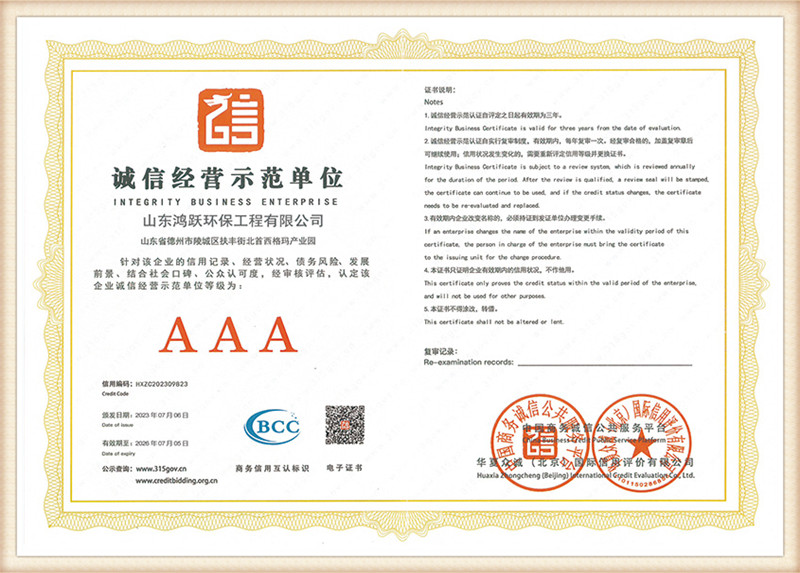
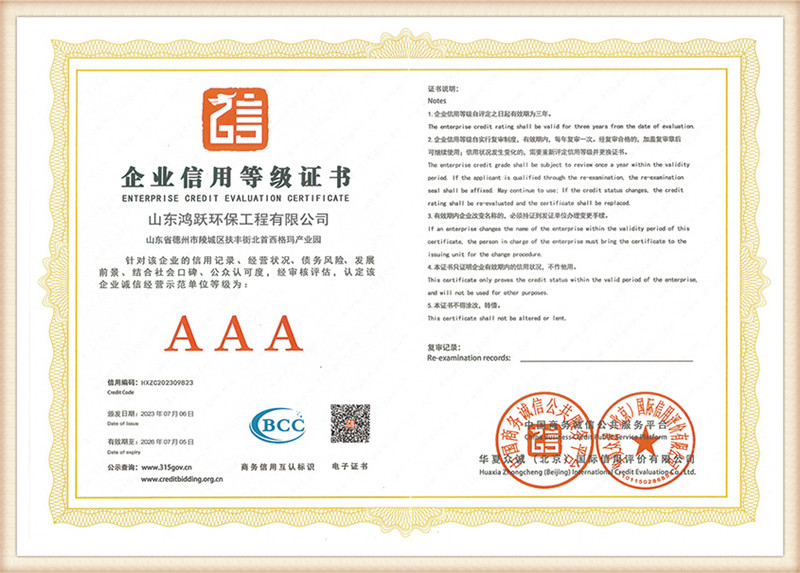
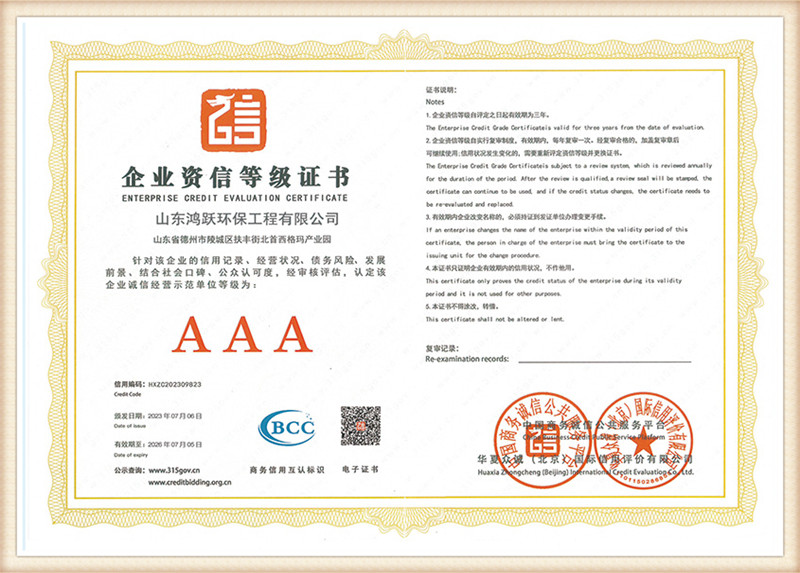
China's smart manufacturing transformation—Factory 4.0—is highly visible at the Shandong Hongyue production base. By integrating raw polymer material pipelines with automated mechanical lines, we achieve significant economies of scale without compromising precision.
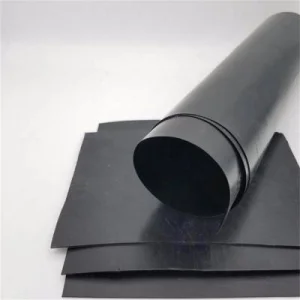
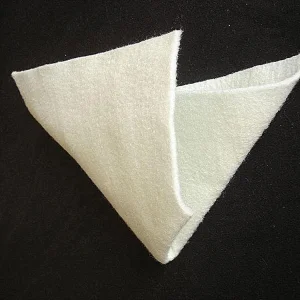
Our manufacturing strategy focuses on minimizing thermal stress during extrusion. High-speed polymer dosing units maintain exact ingredient ratios, while automated carding and cross-lapping machines control fiber placement density. This level of automation guarantees that each batch of short fiber needle-punched geotextile or composite geomembrane exhibits highly isotropic physical properties (strength parameters matching across machine and cross-machine directions). Additionally, our geographic location in Dezhou, Shandong Province, provides direct connection to deep-water shipping lanes and rapid trans-provincial rail lines, mitigating logistics bottlenecks and ensuring timely global shipments.
We source ultra-pure virgin polypropylene and polyester chips, verifying molecular weight distribution and thermal characteristics prior to unloading.
Microprocessor-controlled screw extruders melt polymers under optimized temperature curves to prevent thermal depolymerization.
Mechanical web laying is consolidated via multiple state-of-the-art needle boards, achieving the correct density and permeability profile.
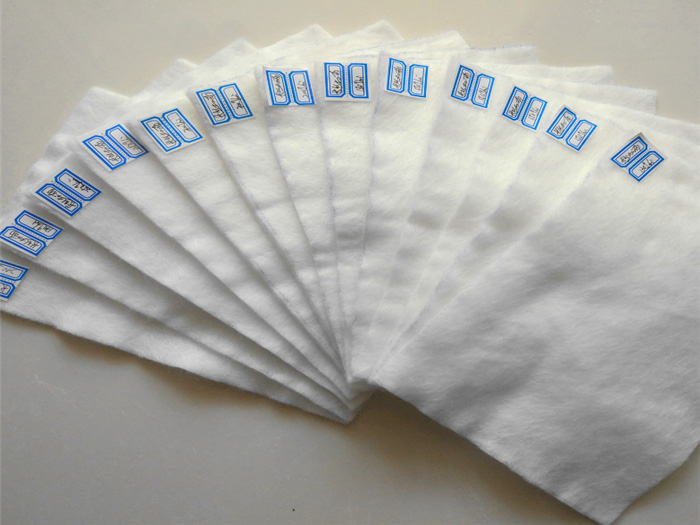
Shandong Hongyue maintains a strict multi-tier quality inspection framework. Our internal lab is equipped with calibrated testing machinery for grab tensile, trapezoidal tear resistance, CBR puncture resistance, and hydraulic transmissivity. All products are tested to comply with international regulations and undergo regular inspection by the China National Testing Center, ensuring they meet or exceed standard requirements.
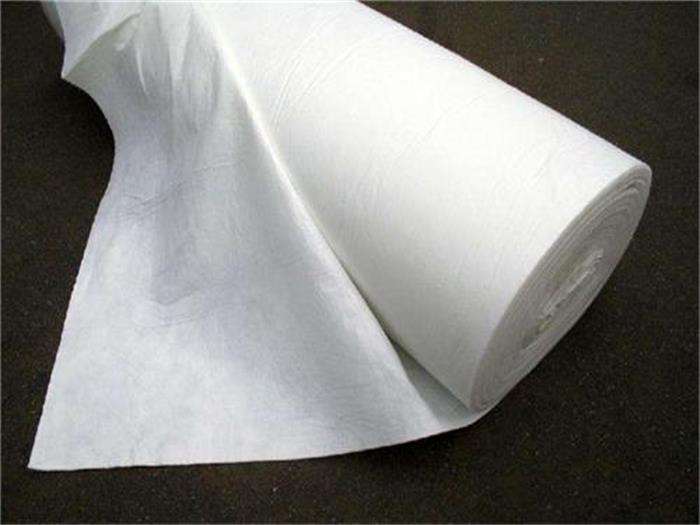
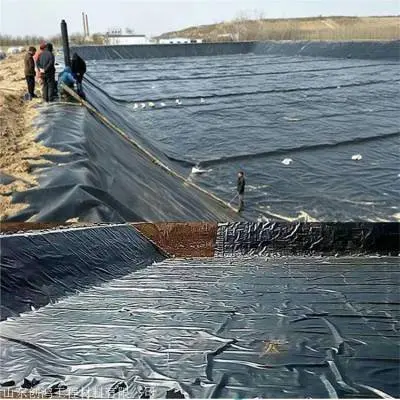
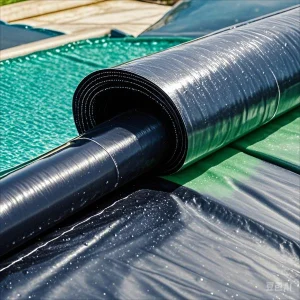
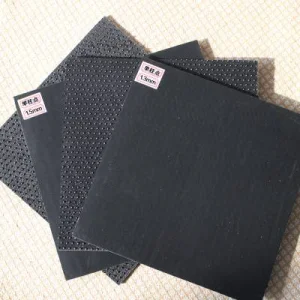
Optimized for aquaculture containment, offering high UV protection and chemical inertness.
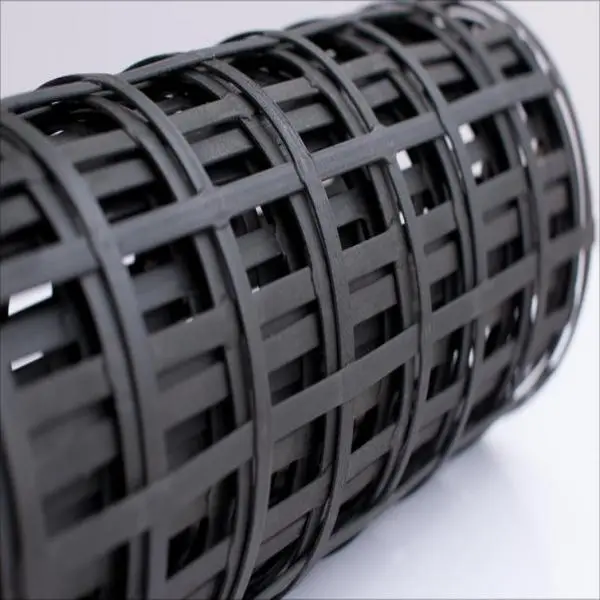
Engineered for high-load roadbed stabilization and retaining wall reinforcement.
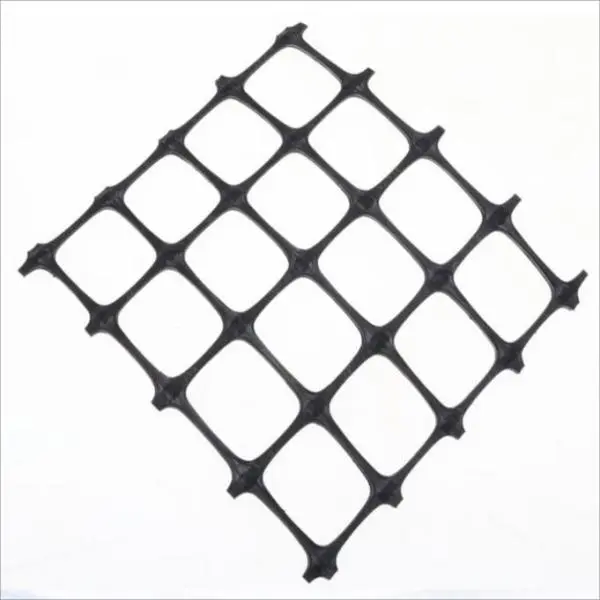
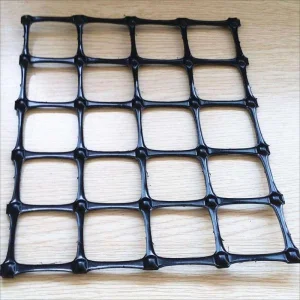
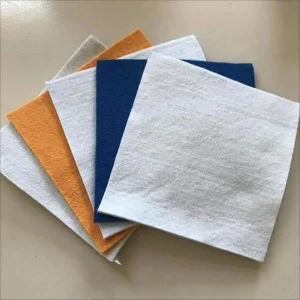
Biaxial and uniaxial structures for slope protection and civil foundation reinforcement.
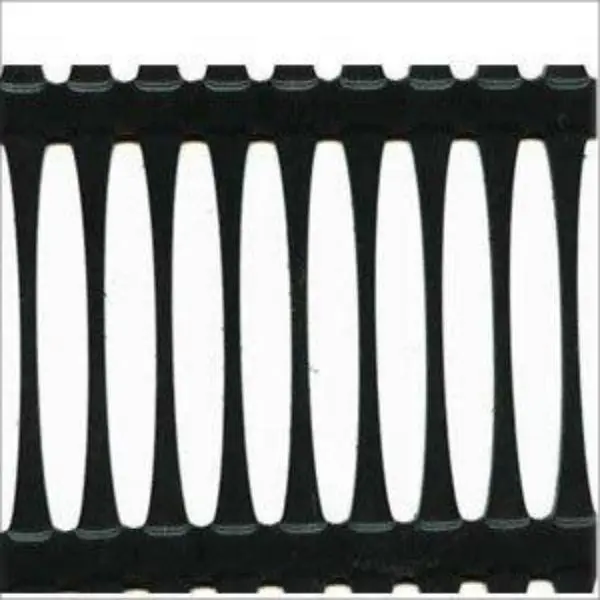
Designed for steep embankments, retaining walls, and slope engineering projects.
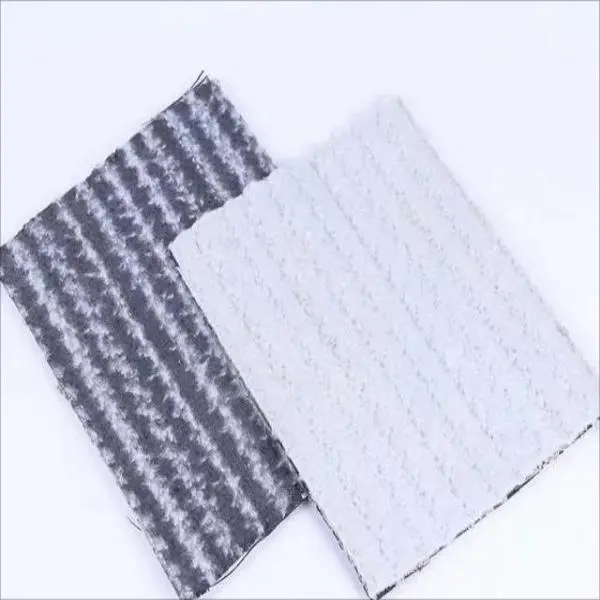
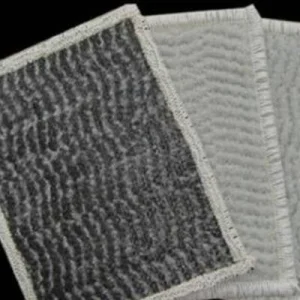
Rapid hydration cementitious composite barriers for durable ditch lining and erosion protection.
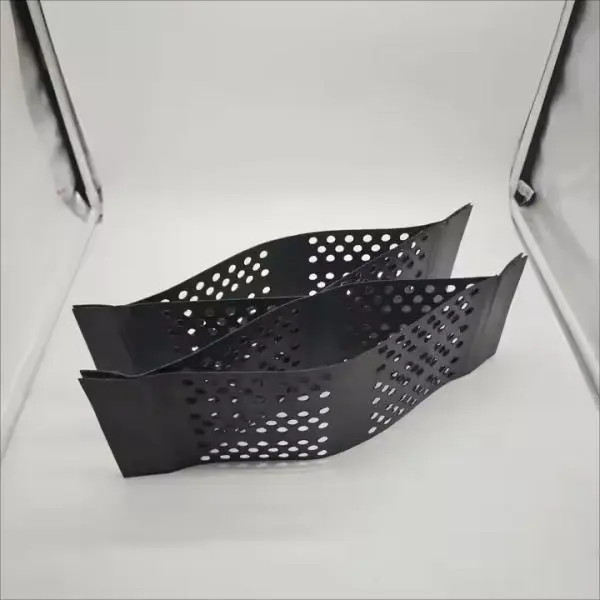
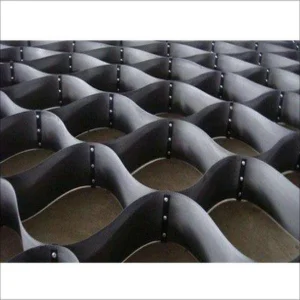
Three-dimensional confinement systems for load distribution and green slope reinforcement.
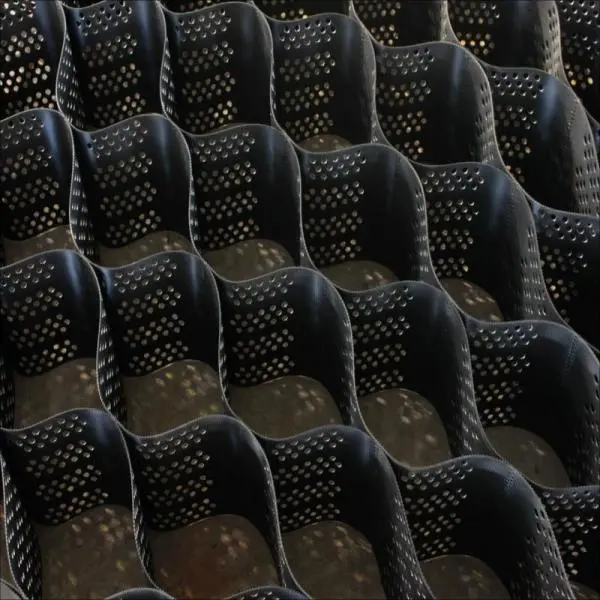
High-density polyethylene dimensional cell networks for structural erosion stabilization.
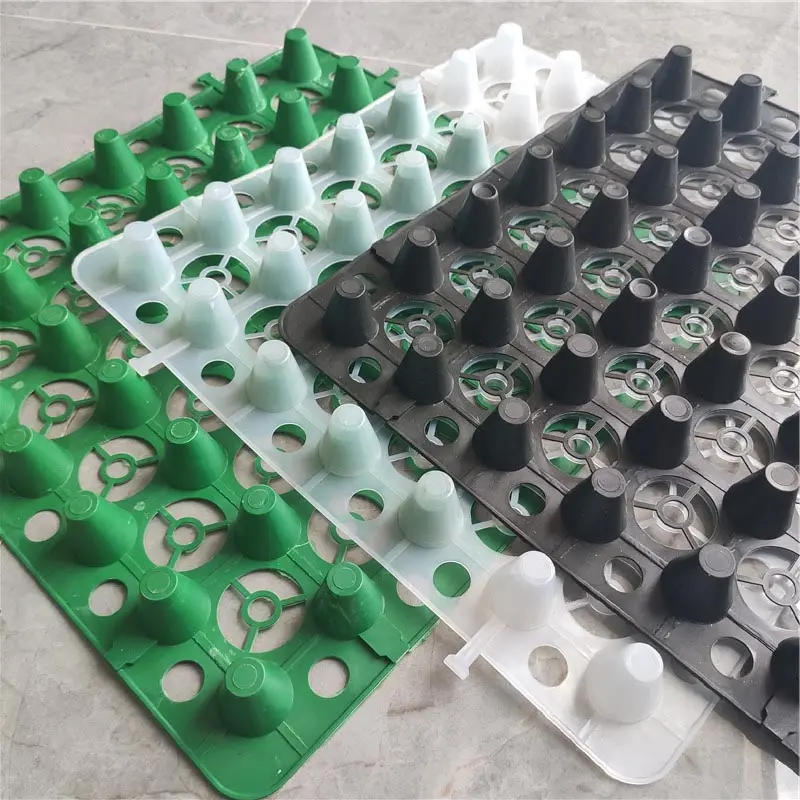
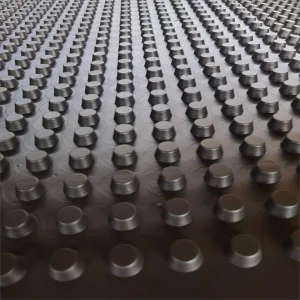
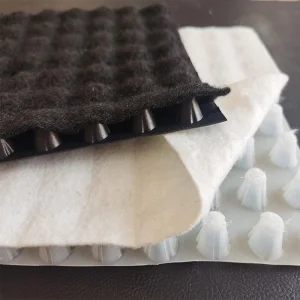
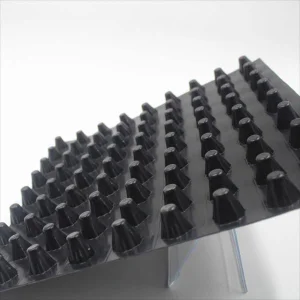
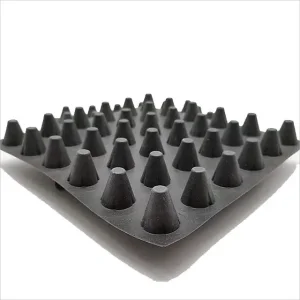
Engineered for structural water management, green roofs, and parking garage decks.
Proper installation is critical to the long-term performance of geosynthetic systems. Shandong Hongyue provides complete engineering system solutions for civil projects worldwide, supported by our experienced engineering services team.
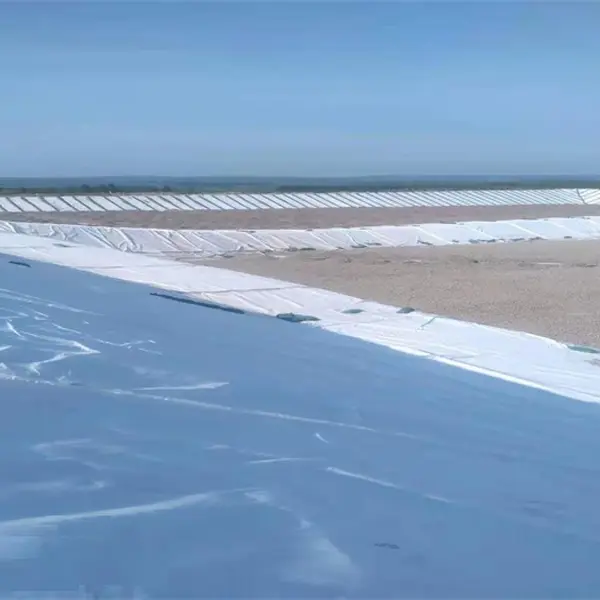
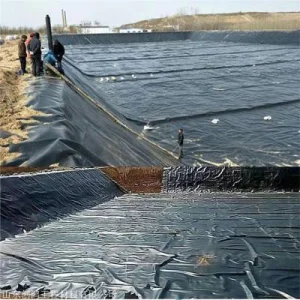
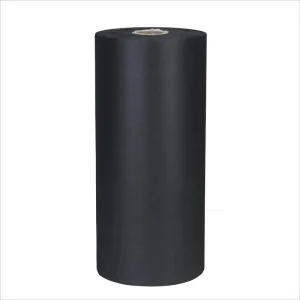
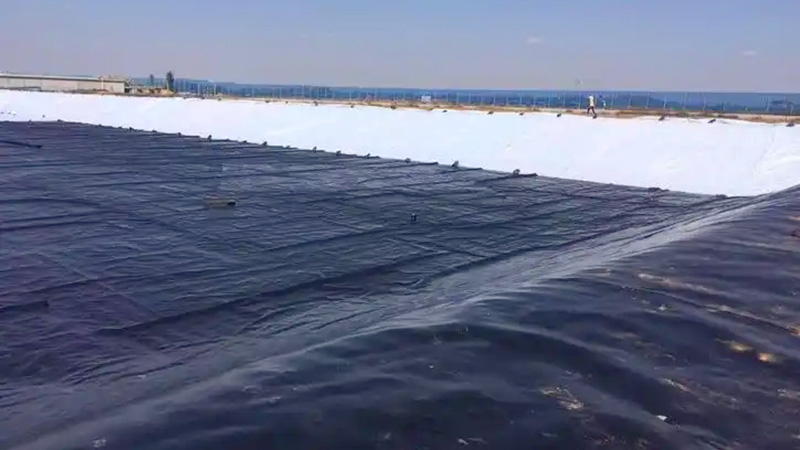
Providing long-term anti-seepage layers for reservoirs and channels, using highly stable HDPE and composite membranes to prevent containment loss.
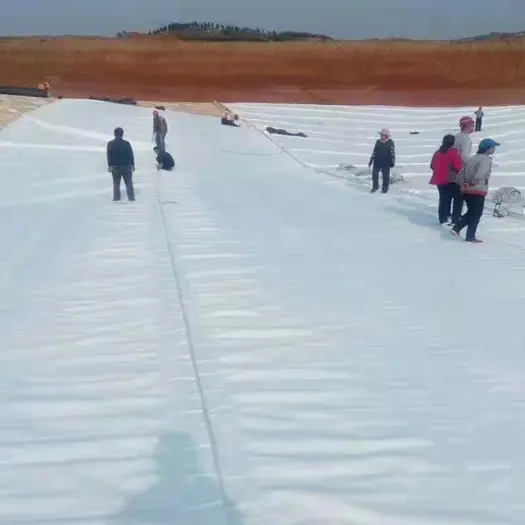
Reinforcing active channels against water erosion. Non-woven geotextile layers prevent substrate washout while allowing natural water release.
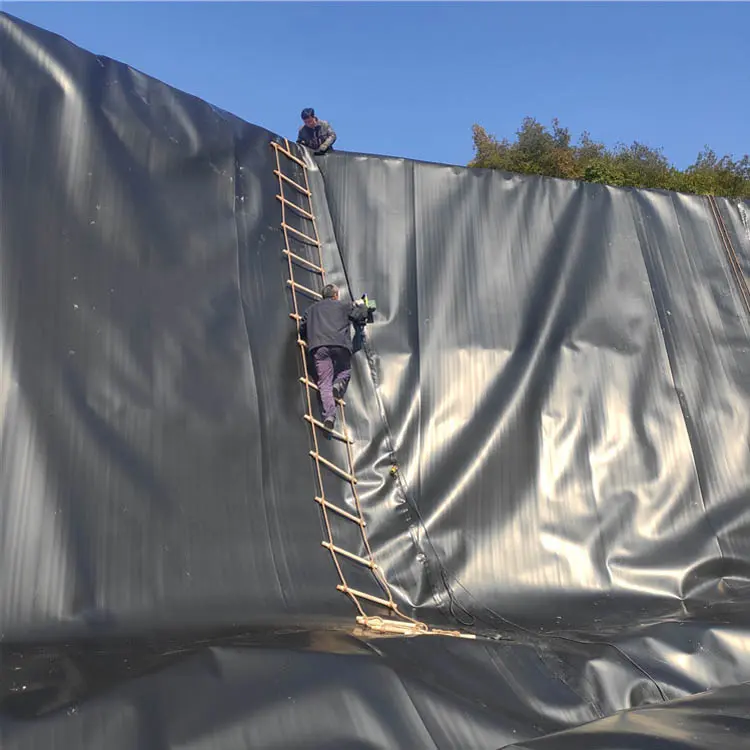
Double-barrier configurations using geomembranes and geosynthetic clay liners (GCL) to prevent landfill leachate from penetrating local water tables.
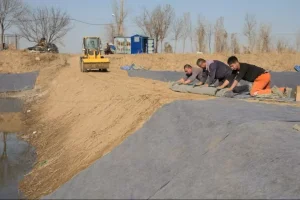
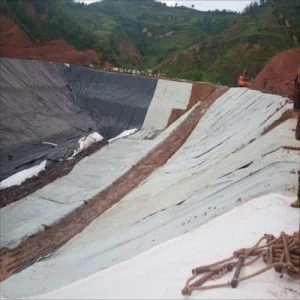
When installing geomembranes, site workers must first ensure the soil foundation is compacted, graded, and cleared of sharp rocks. Our engineers recommend overlapping seams by 10cm to 15cm and using dual-track hot wedge welding systems. Pressure testing of the weld channel is essential to verify joint strength. For vertical slopes, securing the upper sections in anchor trenches is required to prevent sliding during backfilling.
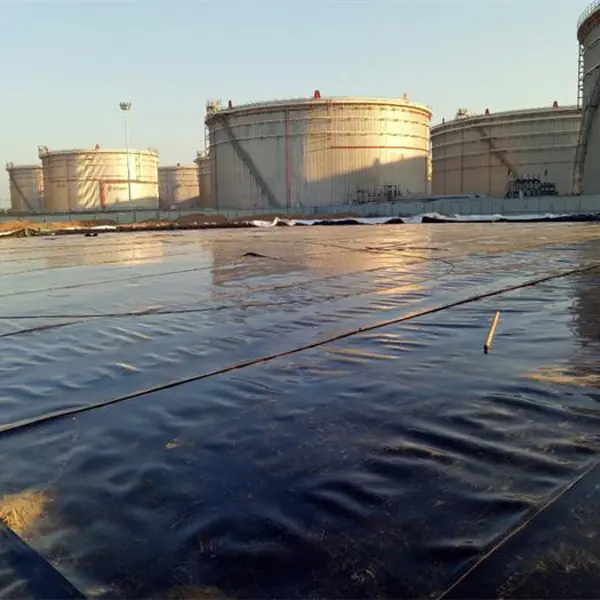
Shandong Hongyue's materials are specified across various challenging applications globally, proving their reliability in diverse environmental conditions.
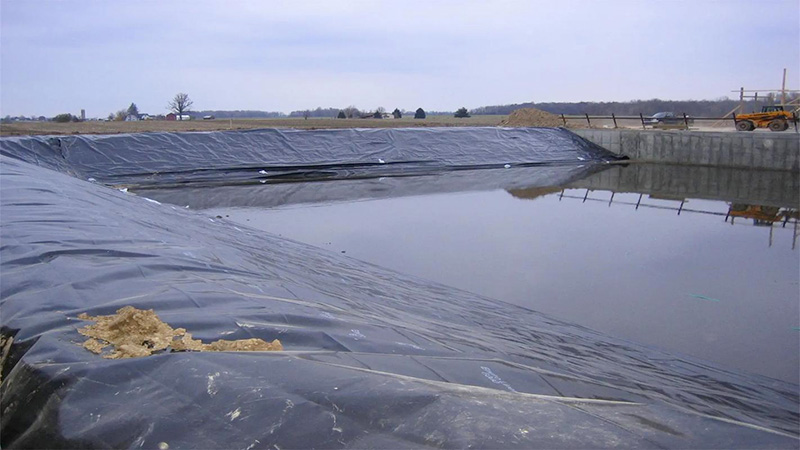
In complex geological formations, reservoirs can lose water through porous bedrock. Laying our composite geomembrane provides a stable, continuous barrier. In a major reservoir reinforcement project, the installation of our material reduced water loss metrics by over 95%, stabilizing the hydraulic performance of the reservoir.
Levee systems protecting populated downstream zones require robust protection against failure. Our high-tensile polyester geotextiles and HDPE geocells reinforce embankments, confining structural infill and preventing soil movement under high hydrostatic pressure during flood events.
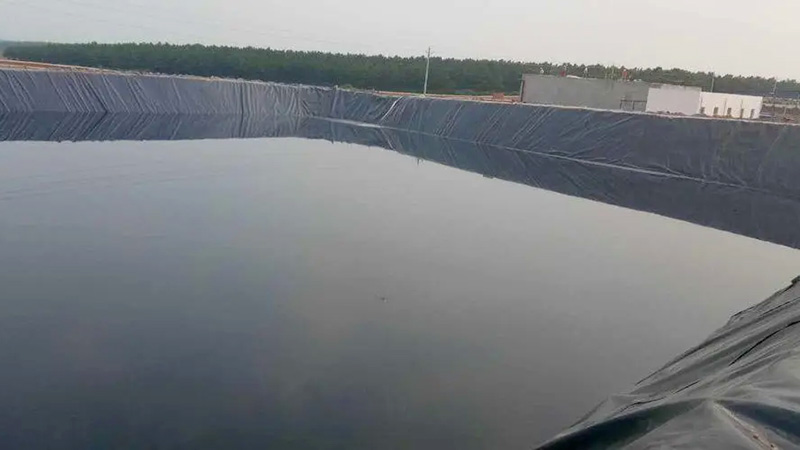
For active water channels, we supply integrated solutions that combine high-performance geotextiles with concrete-filled mattresses or geocells. This design prevents erosion along the waterline while supporting ecological restoration, allowing native vegetation to root through the geocell matrix.
Expert insights on product specifications, chemical resistance, and installation techniques for engineers and buyers.
 Hongyue