Our premier selection of high-performance geosynthetics, engineered to deliver exceptional structural reinforcement, separation, filtration, and containment protection across diverse civil infrastructure projects worldwide.
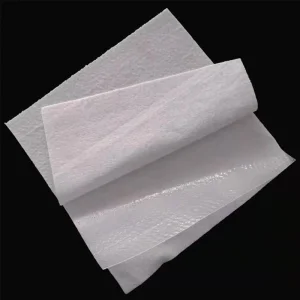
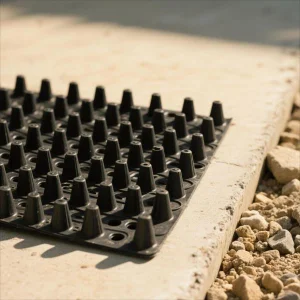
The global geotextile manufacturing and supply ecosystem has transitioned from basic raw material production to highly specialized, engineering-driven polymer technologies. As worldwide demand surges for resilient, climate-adaptive infrastructure, international engineering consortia and municipal planners prioritize advanced geotextile systems that offer significant Information Gain and performance benefits. Beyond the simple filtration layer, modern nonwoven and woven geotextiles function as complex, multi-functional barriers that optimize load distribution, prevent sub-grade migration, and guarantee reliable hydraulic containment under high static and dynamic pressures.
Whether executing large-scale highway stabilizations in high-moisture subgrades, designing robust industrial landfill liner systems, or establishing channel bank protections against heavy wave action, selecting the correct geotextile manufacturer is vital for structural longevity and risk mitigation. This whitepaper analyzes the engineering standards, production pathways, application technologies, and regulatory requirements that define elite manufacturing performance in the global geosynthetic market.
From heavy-load transportation corridors to municipal waste isolation, engineered geosynthetics provide the structural base for high-performance municipal, agricultural, and industrial infrastructure systems.
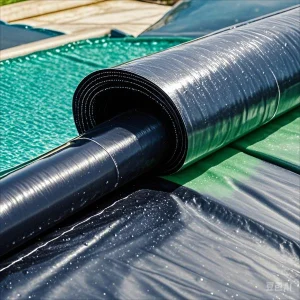
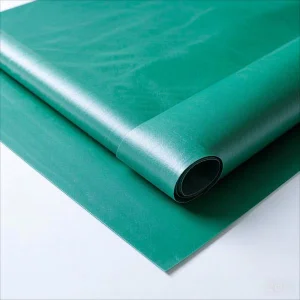
Hydraulic installations demand highly reliable seepage control. Custom geomembranes and needle-punched nonwoven composite liners serve as the primary containment layer for reservoirs, irrigation canals, and artificial lakes. By separating subgrade soils from fluid flow, they maintain dike integrity, prevent lateral piping, and control costly water loss in arid agricultural systems.
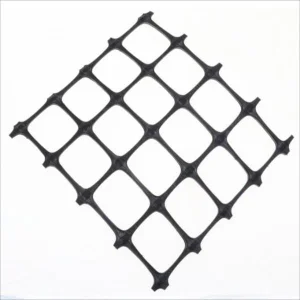
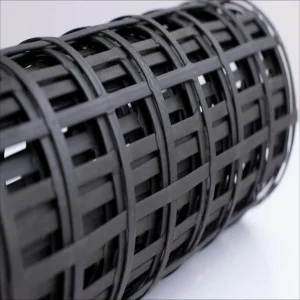
High-speed railways, highway embankments, and heavy-haul airport runways rely on geosynthetic separation to prevent the intermixing of structural sub-base aggregate with native soft subgrade soils. Utilizing high-modulus geogrids and high grab-tensile strength polyester geotextiles increases the bearing capacity of weak soils, minimizes differential settlement, and extends pavement service life.
Environmental safety protocols require secure isolation of hazardous municipal and industrial leachates. Multi-layered composite lining systems, containing HDPE geomembranes, sodium bentonite geosynthetic clay liners (GCLs), and thick nonwoven geotextiles for physical protection, guarantee zero fluid penetration into localized groundwater tables, meeting international EPA and EN environmental standards.
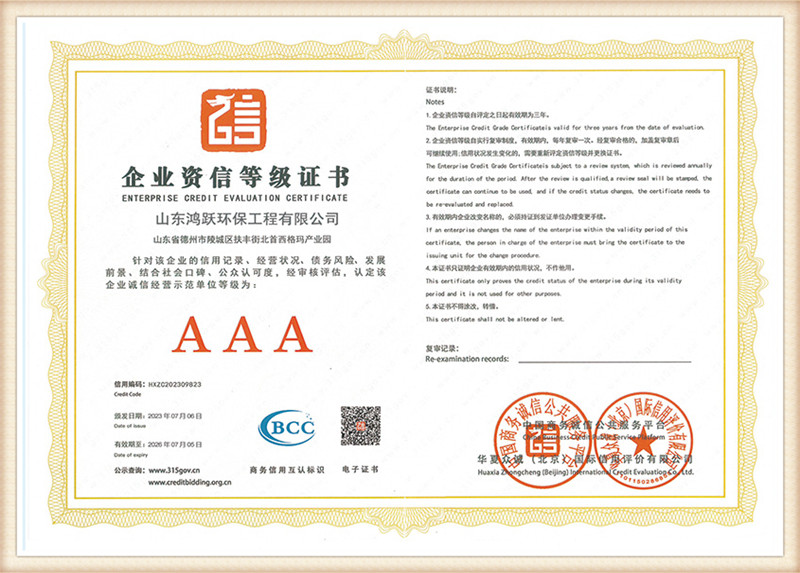
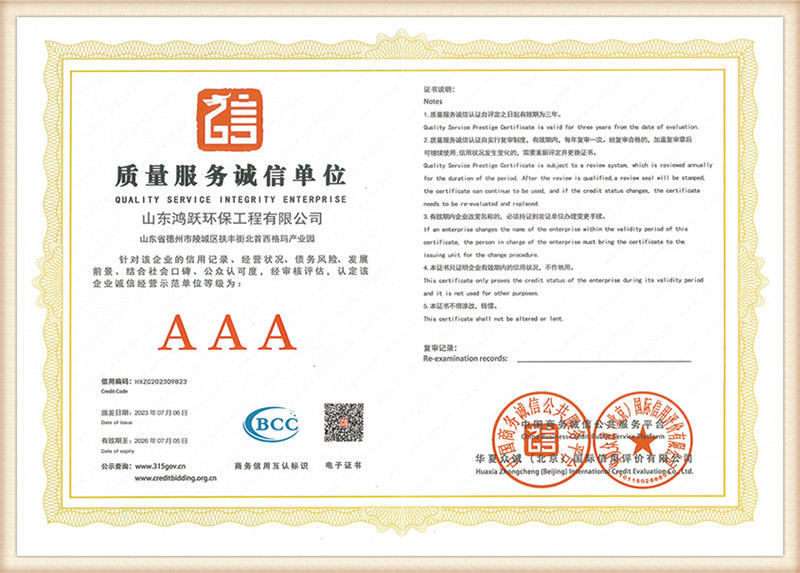
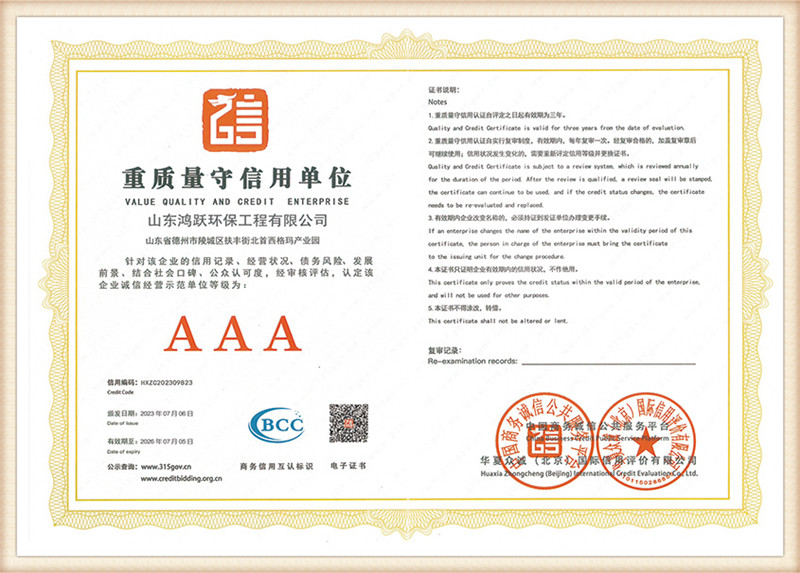
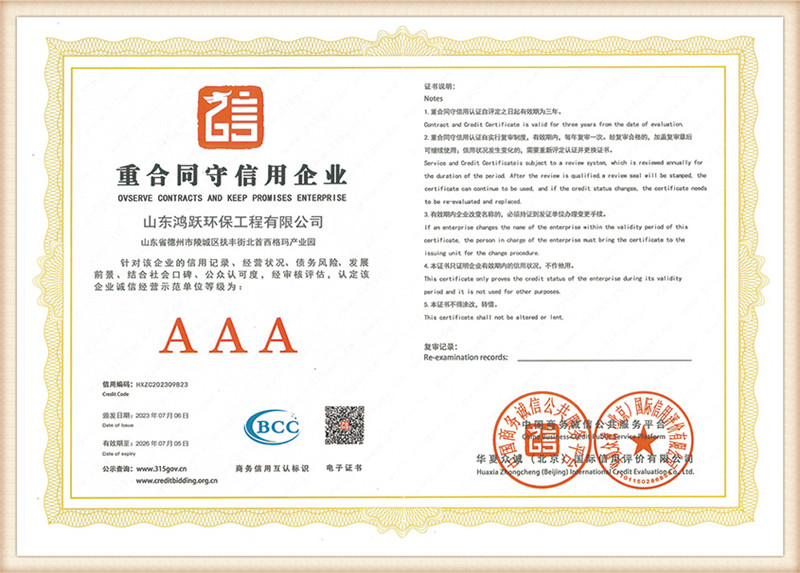
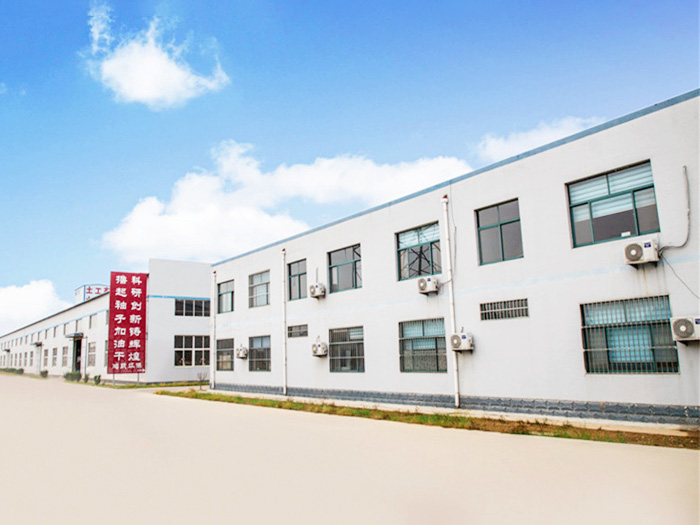
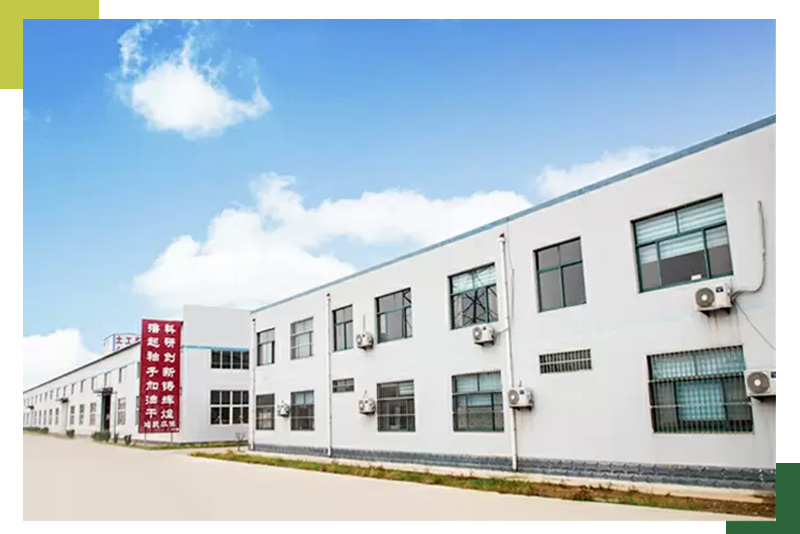
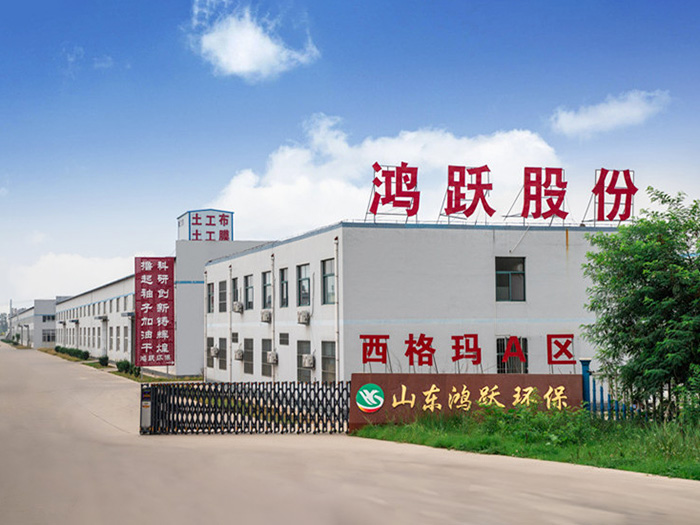
Founded on a commitment to technical precision and material integrity, Shandong Hongyue Environmental Engineering Co., Ltd. (located at the north end of Fufeng Street, Lingcheng District, Dezhou, Shandong Province) is a modern geotechnical material manufacturer. Registered with a capital of 105 million yuan, Hongyue stands as one of the major production bases of geotechnical materials in China, supported by high-precision logistics and shipping access via Shandong's industrial transport corridors.
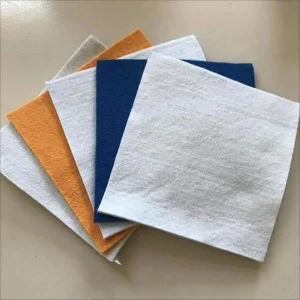
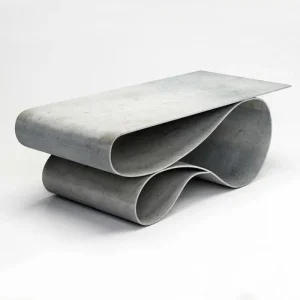
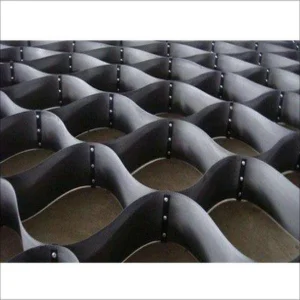
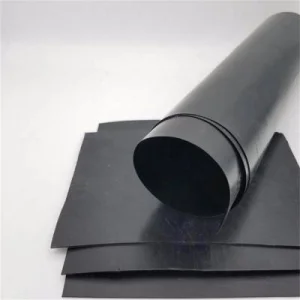
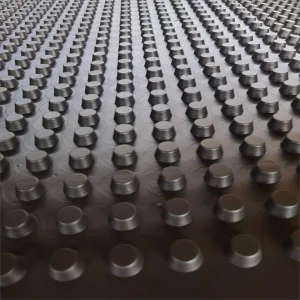
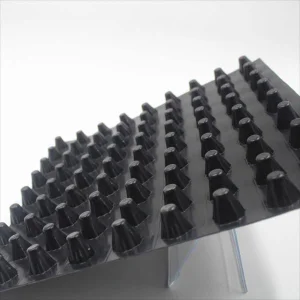
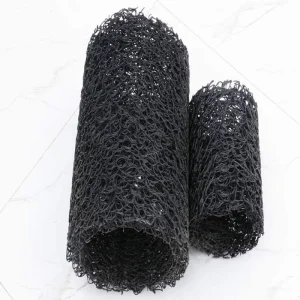
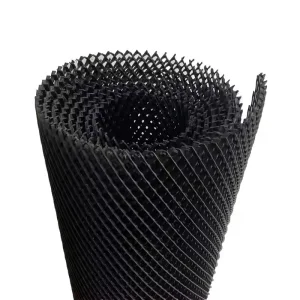
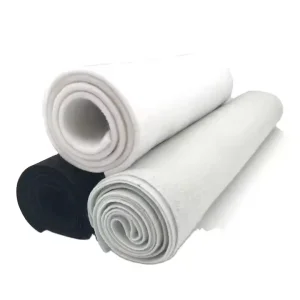
Our manufacturing scope encompasses a comprehensive range of geosynthetics, including polyester and polypropylene filament geotextiles, geomembranes, composite geomembranes, waterproof boards, geosynthetic clay blankets, three-dimensional composite drainage nets, geocells, concrete canvases, and flexible drainage systems. As an active member of the Dezhou Geotextile Association, we support design, production, and field installation services to ensure complete client support.
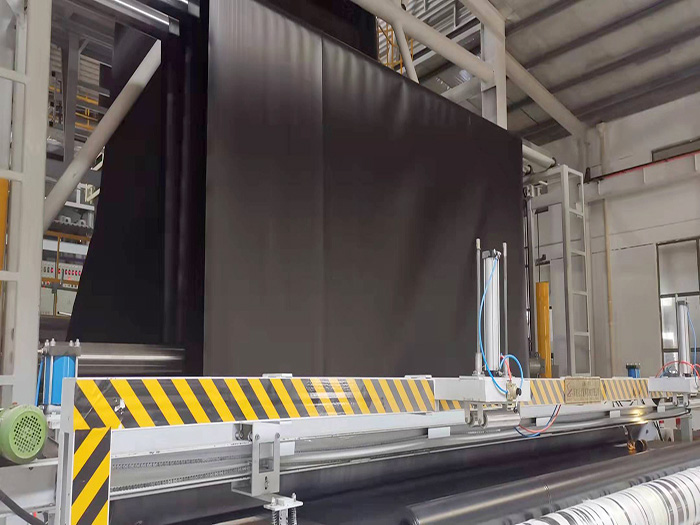
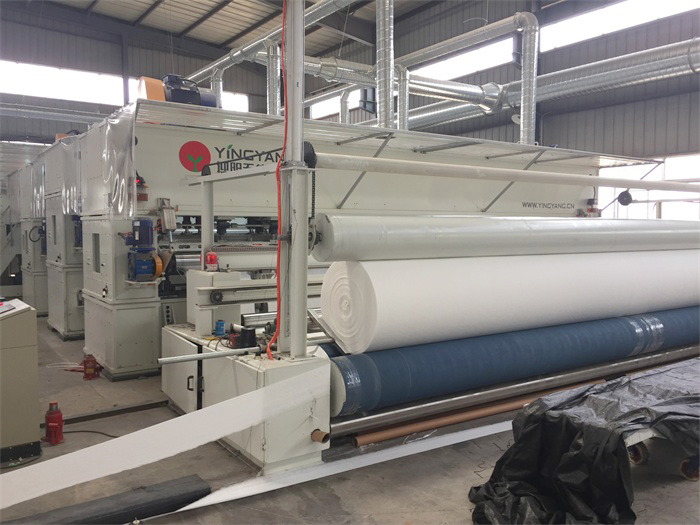
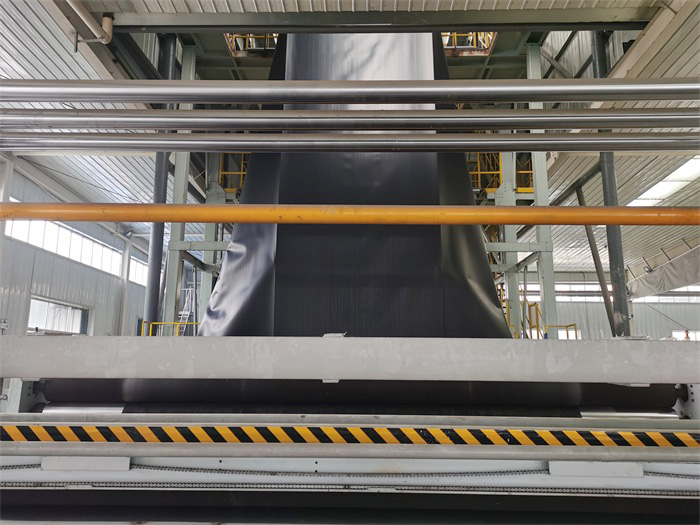
To guarantee stable material performance across severe environmental installations, the production of geotextiles at our Shandong facilities follows a strict six-step manufacturing process.
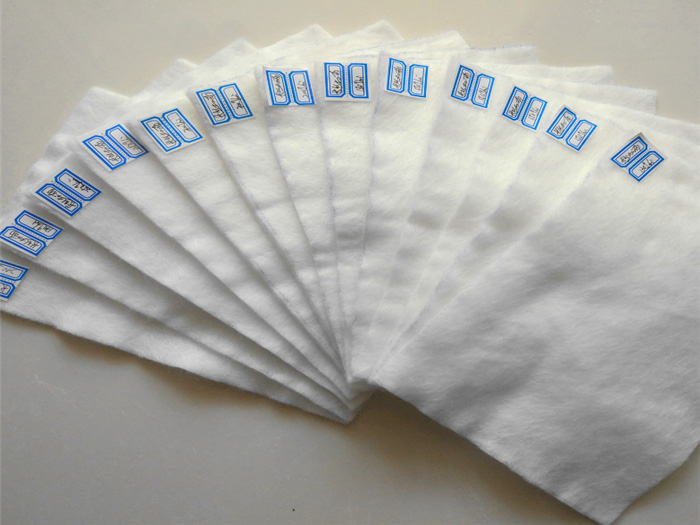
We select high-grade polyester (PET) chips, polypropylene (PP) filament, and viscose fibers. Every batch undergoes density testing and raw polymer purity checks to ensure optimal chemical resistance.
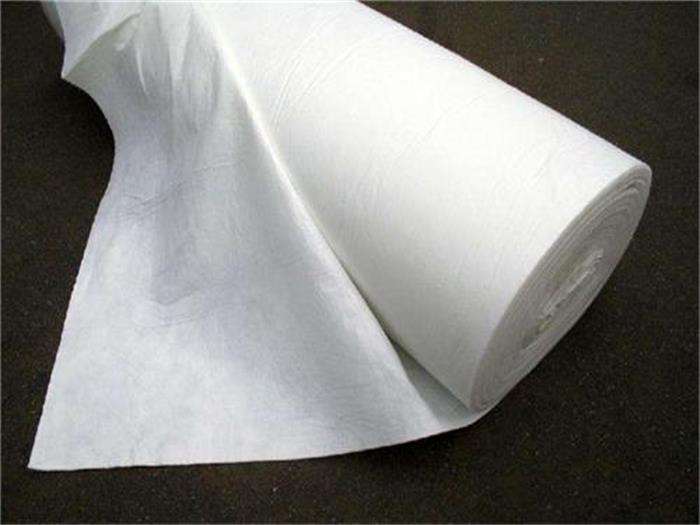
Polymer chips are melted in a precision screw extruder. We regulate the extrusion temperature and pressure curve to mix PP and PET filaments without degrading their molecular chains.
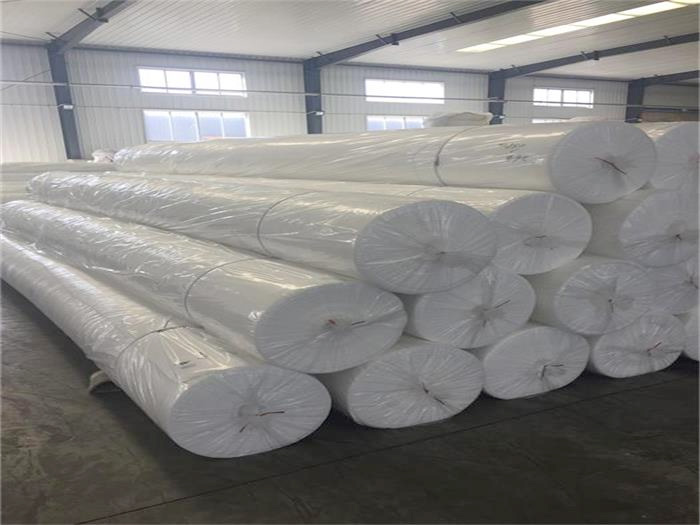
The molten polymer is extruded through spinnerets to form continuous filaments, which are distributed onto conveyor belts to create a uniform, multi-directional web structure.
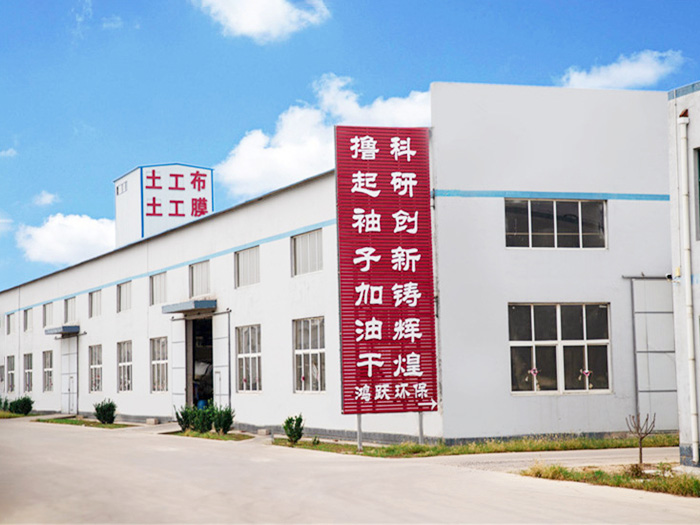
The laid fiber net is drafted and cured under controlled thermal conditions. Adjusting the draft ratio and needle penetration depth locks in the required tensile strength and puncture resistance.
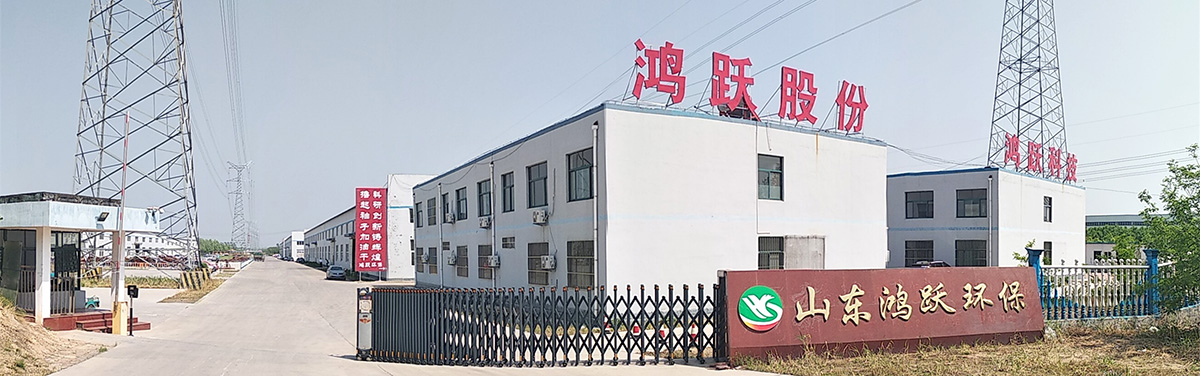
Once cured, the geotextile is measured for thickness, cut to specified widths (typically 2m to 6m), and wound onto cores. Moisture-proof, UV-resistant outer packaging prevents damage during shipping.
Samples are tested in our internal laboratory for grab tensile strength, tear resistance, CBR puncture resistance, and hydraulic permittivity. We only ship rolls that meet ASTM and EN standards.
Correct design, material selection, and field installation are essential to maximize the performance of geomembrane and geotextile containment systems.
Match raw material properties to engineering requirements. High-density polyethylene (HDPE) geomembranes (thicknesses from 0.3mm to 2.0mm) offer excellent chemical and UV resistance for exposed containment, while LLDPE provides the flexibility needed for irregular terrains with potential differential settlement.
Clear all subgrade surfaces of sharp stones, roots, and standing water. Unroll the geomembrane or geotextile smoothly to avoid wrinkles. When joining panels, use hot-wedge extrusion welding or double-track fusion welding, and perform non-destructive pressure tests along the seams to confirm leak-free containment.
Regularly inspect exposed containment systems to remove dirt and debris that could trap gases or liquids. Keep sharp equipment away from the lining, and check high-stress areas (such as pipe penetrations and structural terminations) to ensure anchors remain secure.
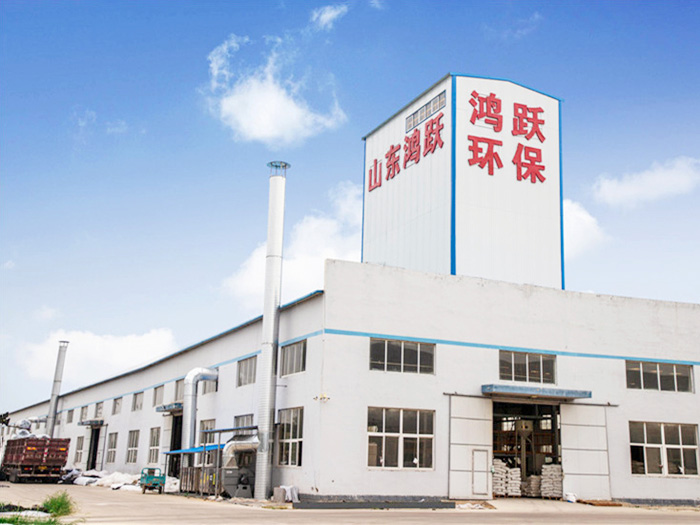
Shandong Hongyue maintains an engineering team with over ten years of field experience in containment and soil stabilization. We assist global clients through every stage of their project, from structural modeling and material selection to on-site installation support.
Our regional offices coordinate closely with our main technical center to offer 24-hour support. By providing customized rolls, pre-fabricated panels, and recommended joint designs, we help client engineering teams control material waste and speed up installation schedules.
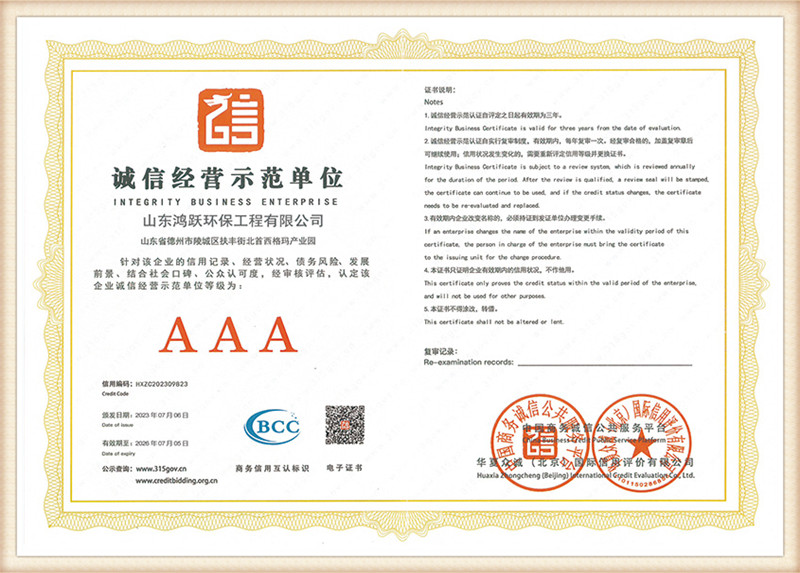
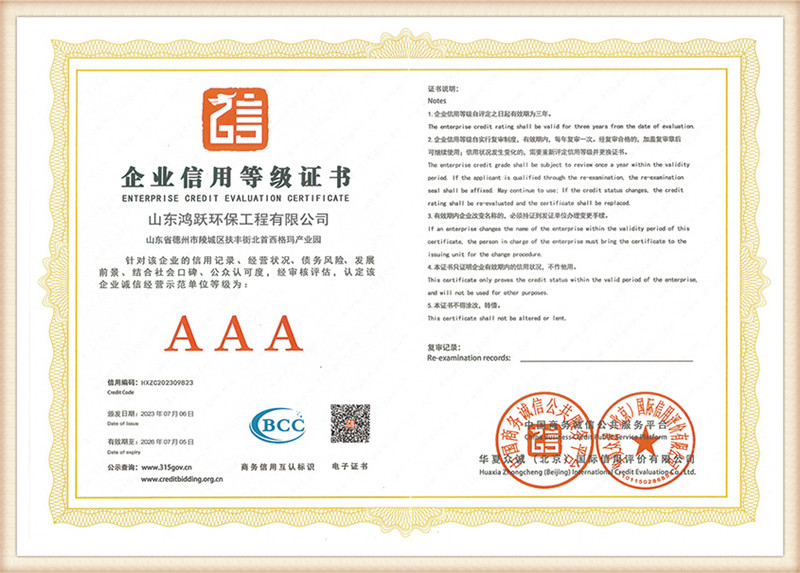
To meet the requirements of international infrastructure projects, Shandong Hongyue operates a strict quality management system certified under ISO9001, ISO14000, and ISO45001. Our materials are tested by the China National Testing Center and undergo regular independent quality audits by national inspection agencies.
With our high-capacity production lines, we produce custom-engineered geotextiles and membranes designed to withstand extreme freeze-thaw cycles, highly acidic or alkaline soils, and long-term UV exposure. This consistent performance has earned our products placement in key public works across China, Europe, the Americas, Australia, and Southeast Asia.
We verify the ultimate tensile strength (UTS) and elongation break points of our filaments to ensure they can handle high structural stresses without tearing.
We measure water flow rate and pore size distribution to confirm our filtration geotextiles prevent soil migration while allowing water to drain freely.
Using accelerated weathering tests, we verify our polymers retain their strength when exposed to outdoor solar radiation during installation.
An engineering resource for procurement managers, civil designers, and geotechnical contractors.
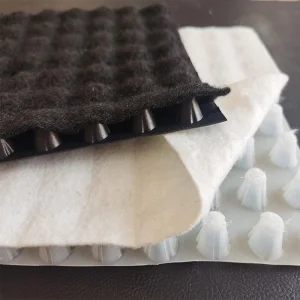
Explore our specialized range of geonets, geogrids, and composite drainage boards, designed to handle complex soil reinforcement and water management challenges.
 Hongyue