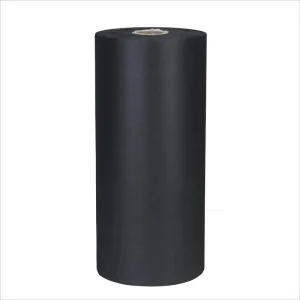
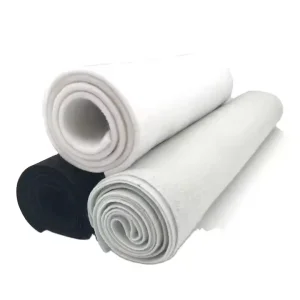
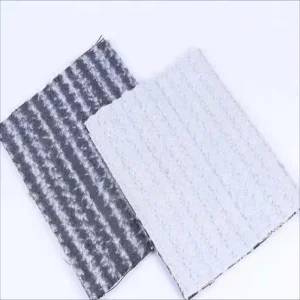
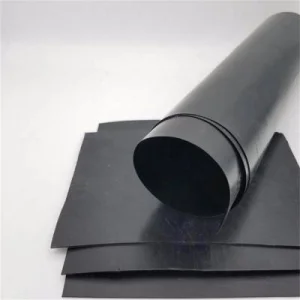
Industry-approved stabilization, containment, and barrier systems optimized for major civil and infrastructure works.
Understanding the engineering mechanics of aggregate separation, dynamic loading distribution, and soil subgrade reinforcement.
In modern civil engineering, infrastructure development, and hardscaping, the integrity of a gravel layer is heavily dependent on the stability of the underlying soil subgrade. Placing gravel directly onto soft, silty, or clayey subgrades triggers a destructive phenomenon: subgrade intrusion and aggregate migration. Under continuous vehicle or foot loads, the gravel particles are pushed down into the soft subgrade, while the subgrade soils migrate upward into the gravel voids. This process ruins structural load capacity, compromises drainage, and leads to surface deformation, ruts, and potholes.
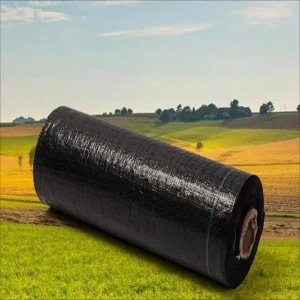
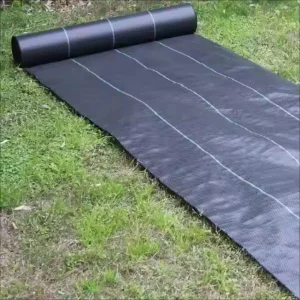
Implementing a specialized geo fabric under gravel (geotextile) establishes an engineered physical barrier that maintains separation. Designed with high tensile strength and calibrated permeability, our geotextile fabrics isolate subgrade soils while allowing water to filter through. This separation guarantees that the aggregate layer maintains its thickness, structural properties, and porous flow capacity over its operational lifespan.
From an engineering perspective, geotextile layers under aggregate structures serve four primary functions:
A premier Chinese geotechnical engineering base integrating high-capacity manufacturing, design, and construction services.
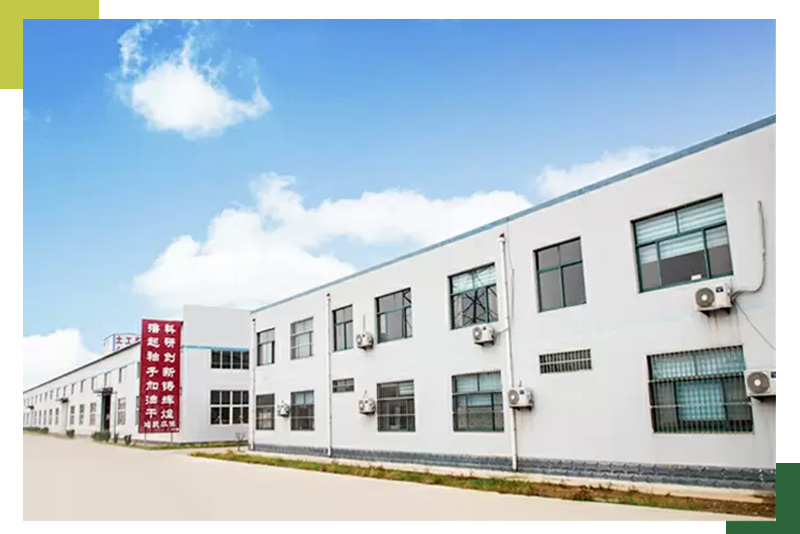
Shandong Hongyue Environmental Engineering Co., Ltd., located at the north end of Fufeng Street, Lingcheng District, Dezhou, Shandong Province, is a scientific and technological geotechnical material manufacturer integrating engineering material production, sales, design and construction services. The company was registered in Lingcheng District Market Supervision and Administration Bureau of Dezhou City on April 6, 2023, with a registered capital of 105 million yuan. It is one of the largest production bases of geotechnical materials in China at present, located in Lingcheng District, Dezhou, Shandong Province, with superior geographical location and convenient transportation.
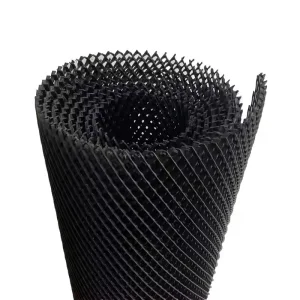
Since the establishment of the company has developed rapidly, business continues to grow and expand, our company mainly deals in geotextiles, geomembrane, composite geomembrane, waterproof board, bentonite waterproof blanket, 3D composite drainage net, (composite) drainage board, weaving cloth, woven cloth, geotextiles, membrane bags, blind ditches, waterproof and drainage combinations, woven bags, ecological bags, cement blankets, fiber plants blankets, geotextiles, flexible pervious pipes, business includes geosynthetics, waterproofing membrane production, sales, construction, import and export of goods. We have high quality products and professional sales and technical team, our company belongs to Dezhou Geotextile Association, products are widely used in highways, railways, bridges and tunnels, reservoirs and Canals Water Conservancy, artificial lakes, environmental protection, aviation, mining, agriculture and other fields.
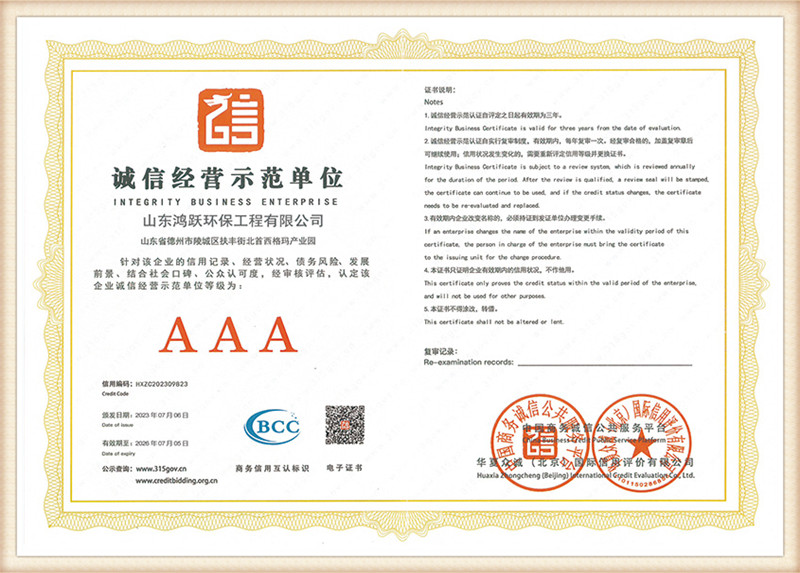
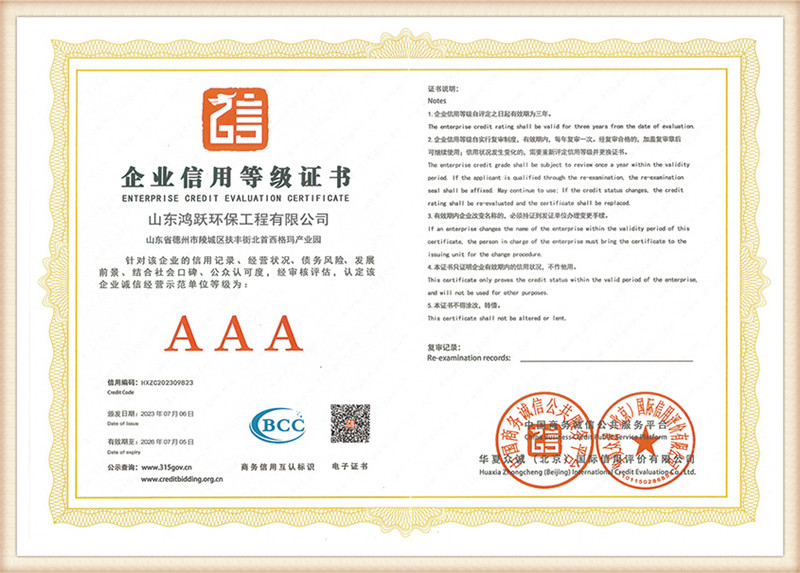
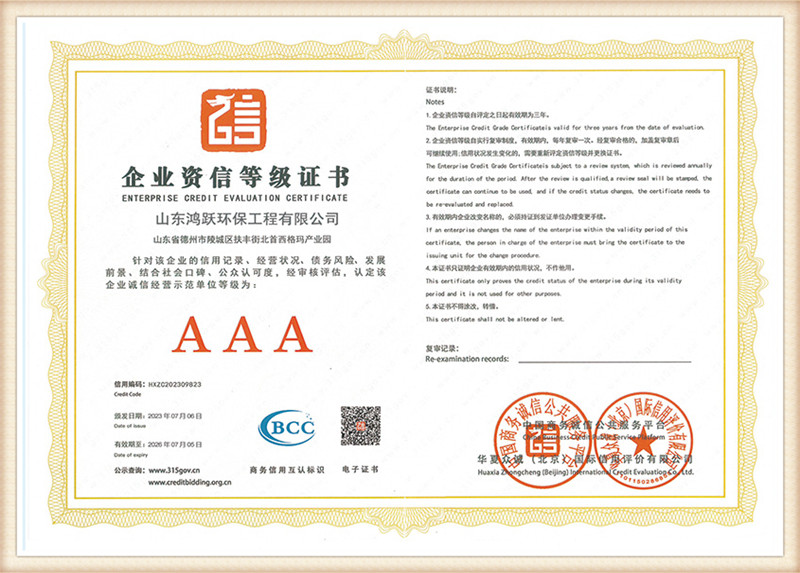
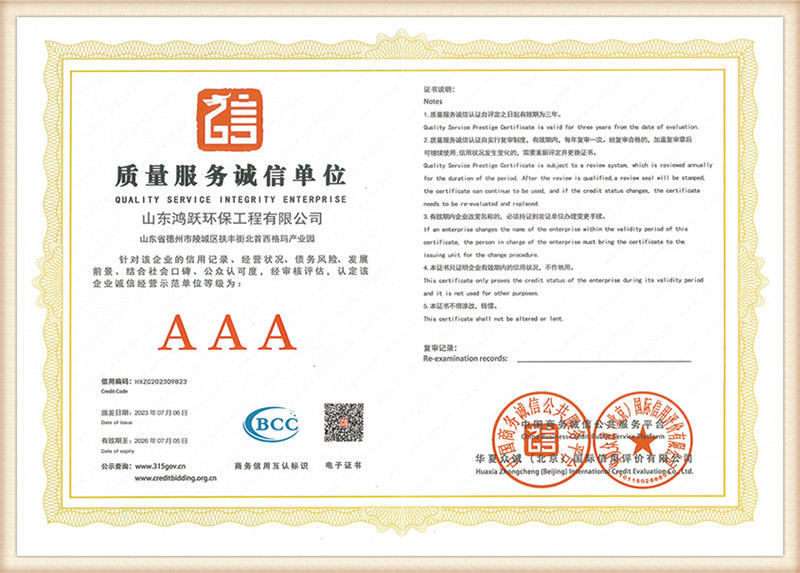
The company has successively passed the ISO9001 international quality system certification, ISO14000 environmental system certification, and ISO45001 occupational health and safety management system certification. We have won multiple honors such as "green and environmentally friendly building materials products", "no consumer complaints", "famous Chinese brands", "high-tech industries", "quality service double excellent units", and "provincial-level poverty alleviation leading enterprises". The company has established sales networks or agency agencies in more than 40 large and medium-sized cities such as Shanghai and Beijing, and its products are exported to multiple countries such as Europe, the United States, Australia, and various parts of the country. The products are widely used in key projects in various provinces and cities.
Matching structural load requirements with standard geofabric properties for global construction operations.
Commercial buyers, infrastructure engineers, and procurement agents must evaluate specific physical and mechanical metrics when sourcing geotextiles for gravel applications. Selecting the right fabric weight, tensile properties, and puncture resistance ensures the long-term integrity of gravel roads, parking structures, and railway bases. The table below matches common project demands with appropriate material properties.
| Application Scenario | Recommended Fabric Type | Mass Per Unit Area (g/m²) | Grab Tensile Strength (kN) | CBR Puncture Resistance (kN) | Key Engineering Purpose |
|---|---|---|---|---|---|
| Light Traffic Driveways & Walkways | Non-Woven PP / Needle-Punched | 150 - 200 g/m² | ≥ 0.8 kN | ≥ 1.5 kN | Filtration & weed prevention under light gravel |
| Commercial Parking & Service Access | Non-Woven Filament Polyester | 250 - 350 g/m² | ≥ 1.5 kN | ≥ 2.5 kN | Separation, load distribution, and rut prevention |
| Heavy Haul & Heavy Industrial Roads | High-Strength Woven PP / Polyester | 400 - 600 g/m² | ≥ 3.0 kN | ≥ 4.5 kN | Subgrade reinforcement and aggregate stability |
| Railway Ballast & Drainage French Drains | Needle-Punched Continuous Filament | 300 - 450 g/m² | ≥ 2.0 kN | ≥ 3.5 kN | High transmissivity, puncture resistance from ballast gravel |
| Water Conservancy & Hydraulic Slopes | Composite Geotextile with Geomembrane | 500 - 800 g/m² | ≥ 4.5 kN | ≥ 6.0 kN | Seepage barrier, filtration, and erosion protection |
Roll dimensions are highly critical for reducing waste during installation. Shandong Hongyue supplies rolls in widths ranging from 2.0 meters up to 6.0 meters, and lengths from 50 to 200 meters. This customization reduces overlap frequency (typically 300mm to 500mm), lowering material costs by up to 12% on highway systems.
Polypropylene (PP) offers excellent chemical resistance in highly alkaline or acidic subgrade environments. Polyester (PET) features high tensile strength at low strain rates and superior creep resistance, making it suitable for long-term load bearing applications under heavy industrial gravel bases.
A step-by-step look at our automated production line, showing how raw polymers are transformed into certified geotextiles.
Geotextile is widely used in civil engineering materials, with filtration, isolation, reinforcement, protection and other functions, its production process includes raw material preparation, melt extrusion, mesh rolling, draft curing, winding packaging and inspection steps. It requires precise control across multiple links of processing, while factoring in environmental protection and durability. Modern production equipment and technology have been widely adopted, significantly improving production efficiency and geotextile quality.
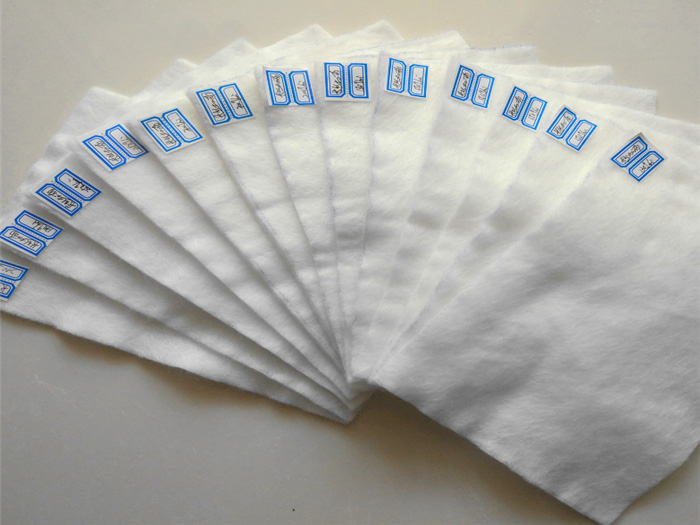
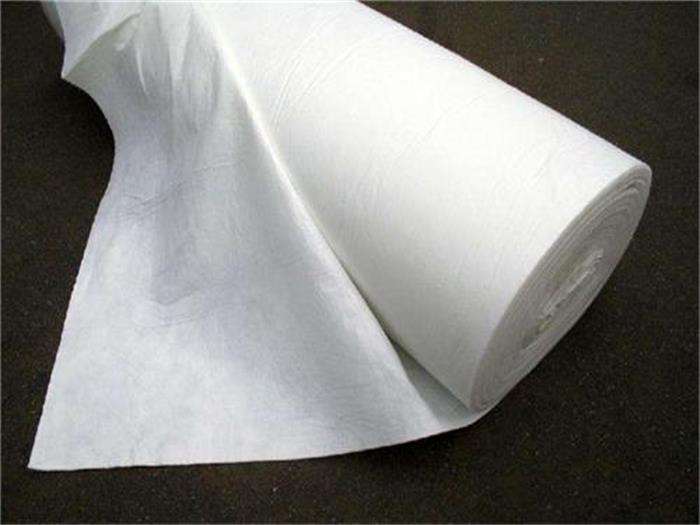
Shandong Hongyue uses multi-layer co-extrusion spinning equipment and high-density needle-punching boards. This ensures the fibers form a stable three-dimensional structure. This 3D fiber matrix gives our non-woven geotextile high physical permeability alongside isotropic tensile properties, meaning the fabric resists tearing and stretching evenly in all directions.
The main raw materials of geotextile are polyester chips, polypropylene filament and viscose fiber. These raw materials need to be inspected, arranged and stored to ensure their quality and stability before processing.
After the polyester slice is melted at high temperatures, it is extruded into a molten state by a screw extruder, and polypropylene filament and viscose fiber are added for mixing. Temperature and pressure parameters are precisely controlled to ensure a uniform melt.
After mixing, the melt is sprayed through the spinneret to form a fibrous substance and form a uniform network structure on the conveyor belt. Thickness, uniformity, and fiber orientation are controlled at this stage.
After laying the net into rolls, draft curing treatment is performed. In this process, the temperature, speed, and draft ratio are precisely controlled to ensure the final mechanical strength of the geotextile.
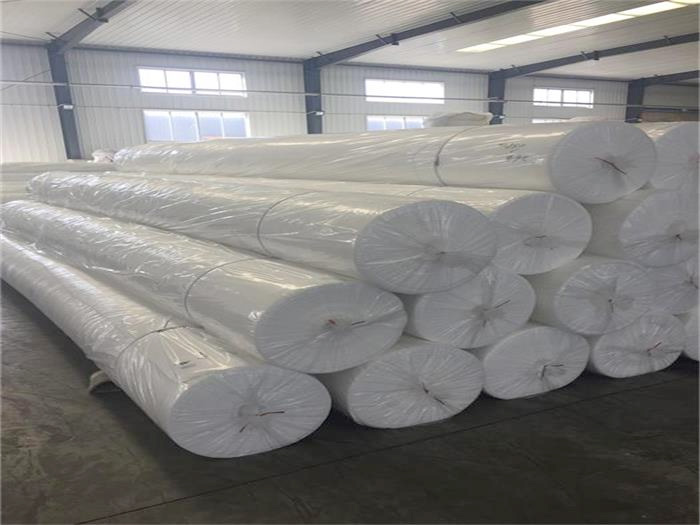
The cured geotextile is rolled up and packed for subsequent construction. The length, width, and thickness are measured to ensure they match the specific requirements of the civil design.
At the end of each production link, the geotextile is tested for physical, chemical, and dimensional properties. Only batches meeting national and international quality standards are approved for export.
Our quality assurance program runs 24/7. Testing includes CBR puncture resistance (ASTM D6241), tensile strength and elongation (ASTM D4632), water permeability (ASTM D4491), and Apparent Opening Size (AOS, ASTM D4751). By checking every batch, we provide engineering teams with reliable performance data, ensuring long-term stability under heavy gravel roads.
How geotextiles and geomembranes work together to stabilize structures and manage water flow.
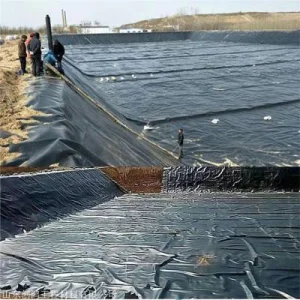
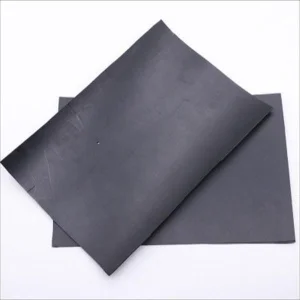
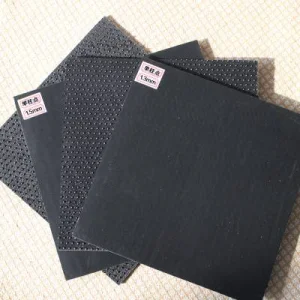
Geomembrane, as an efficient anti-seepage material, plays a vital role in water conservancy projects. Its excellent anti-seepage performance, lightweight construction characteristics, and low relative cost make geomembrane an indispensable part of modern water conservancy and municipal works.
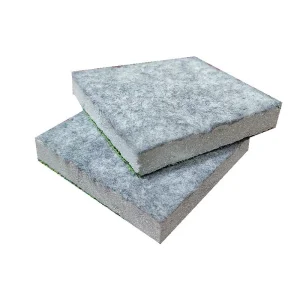
In hydraulic systems, combining geomembranes with geotextiles creates composite barrier networks. The geotextile protects the thin geomembrane from puncture damage caused by gravel and subgrade rocks. At the same time, it allows gas and water pressure to vent from underneath, preventing the liner from lifting or shifting.
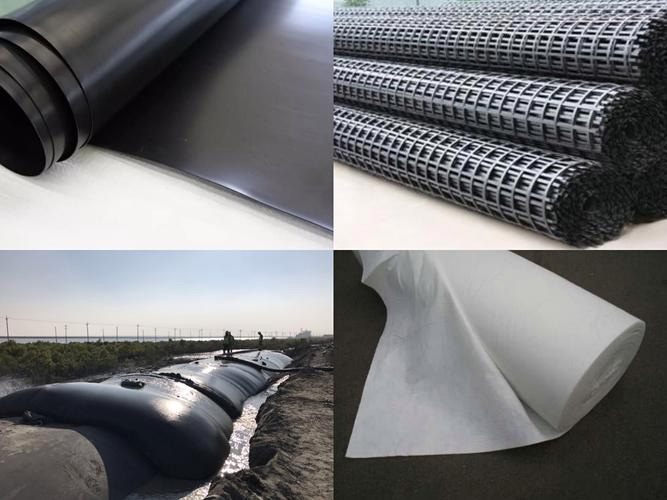
Because reservoirs are built in valleys or low-lying areas, geological conditions are complex. It is essential to prevent water loss through the reservoir bottom and surrounding rock. Using a protective geofabric combined with a high-durability geomembrane provides a reliable, long-term barrier that improves the safety and stability of the entire reservoir structure.
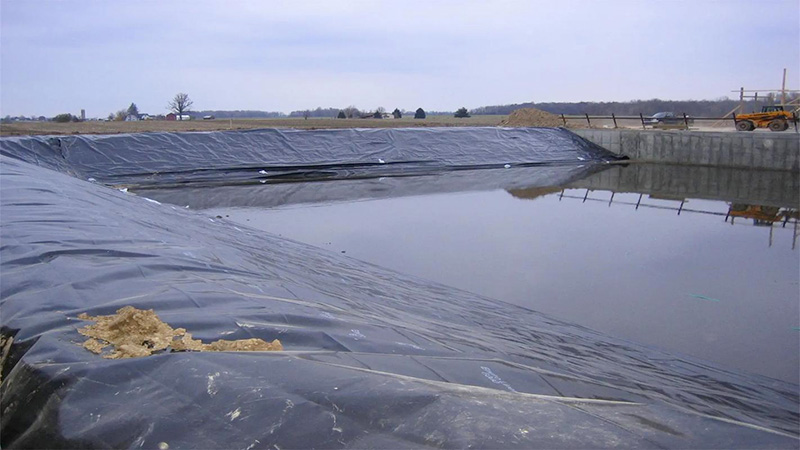
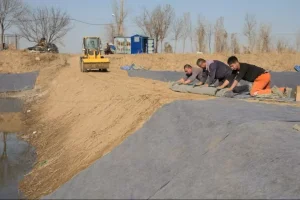
Dikes are critical structures designed to protect downstream areas from flooding. Unpredictable subgrade movement and piping erosion can compromise these levees. Installing high-strength geotextiles under protective rock armor or gravel stabilizes the soil slope and prevents internal erosion, safeguarding municipal infrastructure.
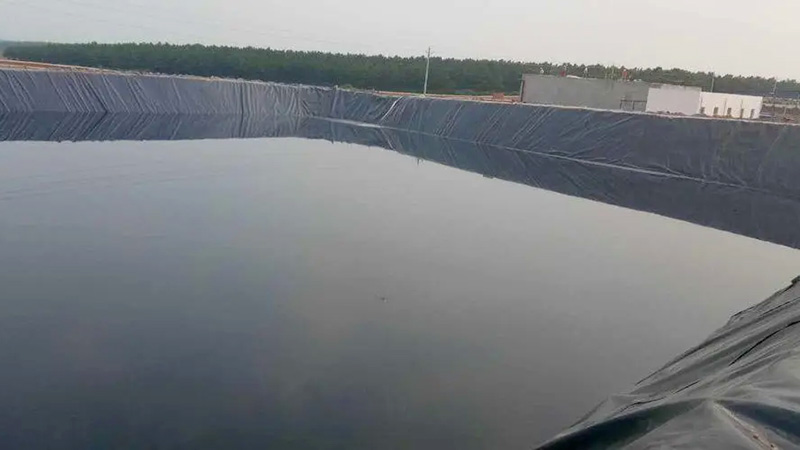
Rivers and agricultural channels are essential components of water conservancy systems. They regulate water flow, protect farmland, and support local ecosystems. Installing a composite barrier system prevents channel bed erosion and water loss through seepage, ensuring consistent flow rates throughout the year.
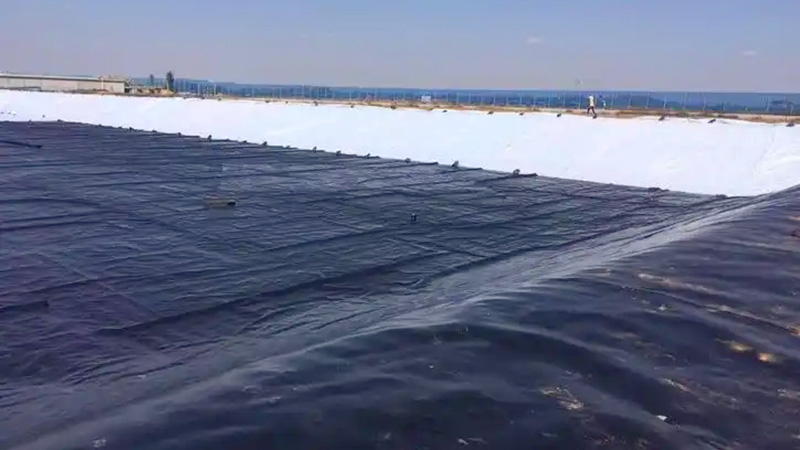
Our commitment to sustainable production, long-term durability, and smart geosynthetic technologies.
Polymers like polypropylene can degrade when exposed to sunlight during installation. Shandong Hongyue integrates advanced hindered amine light stabilizers (HALS) into the polymer melt. This treatment keeps the fabric strong and stable even after long-term UV exposure, ensuring it holds up during long project timelines.
For temporary access roads and agricultural applications where long-term synthetic barriers are not needed, our R&D team is working on natural and PLA-based biodegradable options. These fabrics stabilize the soil during construction and then break down naturally over several years, minimizing environmental impact.
For critical infrastructure projects like high-speed railways and earth dams, we are developing geotextiles embedded with fiber-optic strain and temperature sensors. This technology allows operators to monitor structural deformation and locate internal erosion in real-time, helping prevent failures before they occur.
Ensuring our products meet international standards and are delivered efficiently to project sites worldwide.
Shandong Hongyue operates a comprehensive management system certified to ISO9001, ISO14001, and ISO45001 standards. Our quality control lab is equipped with testing equipment to verify the performance of all geotextiles, geomembranes, and composite drainage nets. Every shipment is tested and certified to meet or exceed national and international guidelines.
Our products carry CE certification, verifying compliance for major European infrastructure works. We also manufacture materials according to specific ASTM standards (such as ASTM D6241 and D4632) to meet regulatory requirements in North American and Australian markets. This rigorous compliance minimizes procurement risks for municipal and private contractors alike.
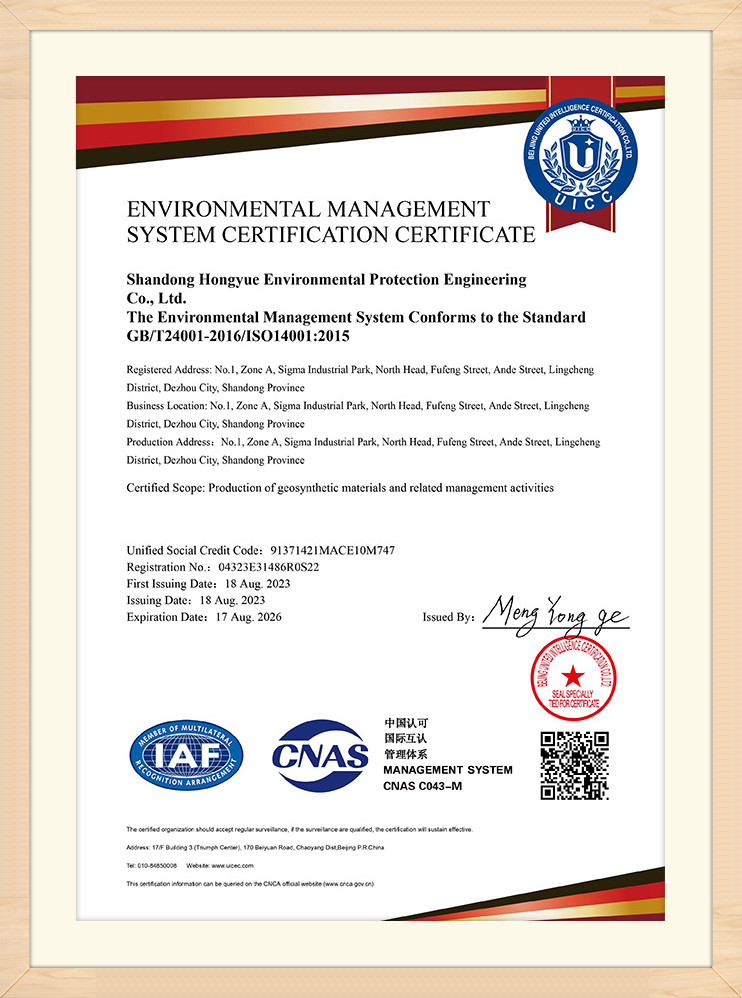
With experienced engineers and technical service teams, Shandong Hongyue provides support throughout the project lifecycle. We offer material consulting, project support, design assistance, and on-site construction guidance. Our localized sales networks in major cities worldwide help ensure smooth logistics, custom clearance, and on-time delivery to your site.
Expert answers to common technical, design, and procurement questions about using geo fabrics under gravel.
Additional professional geosynthetic solutions, including specialized geomembranes, drainage sheets, and cement blankets.
 Hongyue