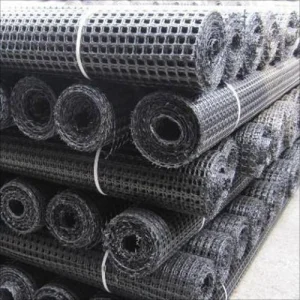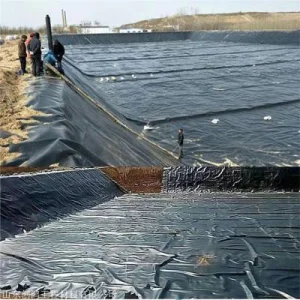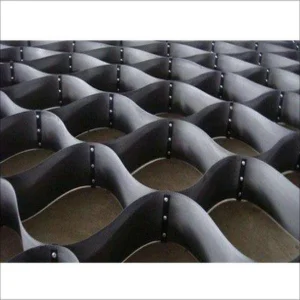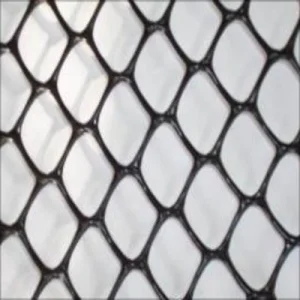
Modern civil infrastructure demands solutions that balance ecological sustainability with structural longevity. Geo fabric retaining walls, engineered using high-tensile geosynthetics, have revolutionized structural earth stabilization. Rather than relying on traditional, rigid, carbon-intensive concrete gravity structures, modern designs utilize the principles of Geosynthetic Reinforced Soil (GRS).
By placing alternating layers of compacted granular backfill and high-performance geotextiles, engineers create an internally stable composite material. The shear stresses generated within the compacted backfill are transferred directly to the geo fabric layers through interface friction and passive resistance. This interaction radically reduces lateral earth pressures exerted on the wall face, enabling the construction of near-vertical retaining structures that easily withstand high dynamic loads.
Shandong Hongyue Environmental Engineering Co., Ltd. stands at the forefront of this industrial transformation. With advanced manufacturing technology based in Dezhou, China, we produce highly specialized geosynthetics capable of meeting the rigorous demands of highway, railway, water conservancy, and deep-excavation engineering globally.
How the transition toward green engineering and carbon reduction is driving international demand for geotextile and geogrid reinforcement systems.
From urban transport projects in Southeast Asia to extensive rail upgrades across Europe and North America, governments are prioritizing durable, low-cost geosynthetic solutions over concrete blocks to speed up project delivery timelines.
Environmental regulations dictate that structural projects must minimize their carbon footprints. Utilizing vegetative geo fabric retaining walls (ecological bags) helps integrate local flora, fostering natural biodiverse habitats.
Industrial sourcing departments need direct factory-to-site supply pipelines to eliminate middleman margins. High-precision production runs must match exact project site specifications to guarantee compliance with local civil codes.
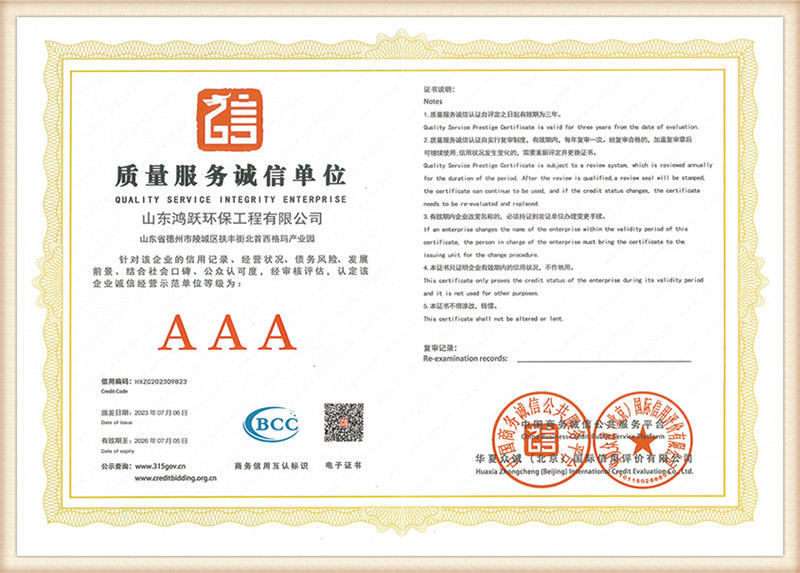
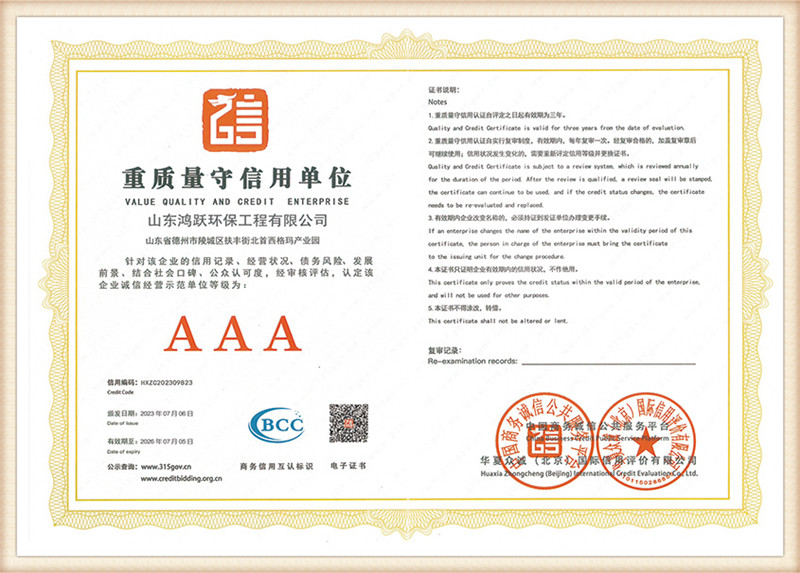
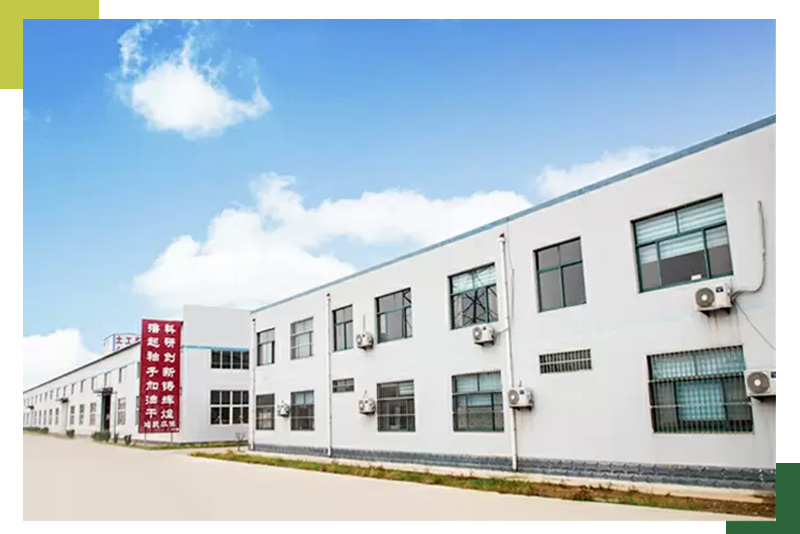
Shandong Hongyue Environmental Engineering Co., Ltd., located in the Lingcheng District of Dezhou, Shandong Province, leverages a world-class manufacturing ecosystem. Since our registration on April 6, 2023, with a substantial capital base of 105 million RMB, we have built a highly integrated manufacturing facility. This concentration of raw material access and transport networks ensures efficient supply chains.
Our manufacturing capacity stands out globally due to several key factors:
Our manufacturing capability translates into short lead times, reliable product consistency, and a broad product range that meets the requirements of complex, high-stakes infrastructure projects.
From raw polymer chips to high-tensile geotechnical rolls: our step-by-step factory workflow.
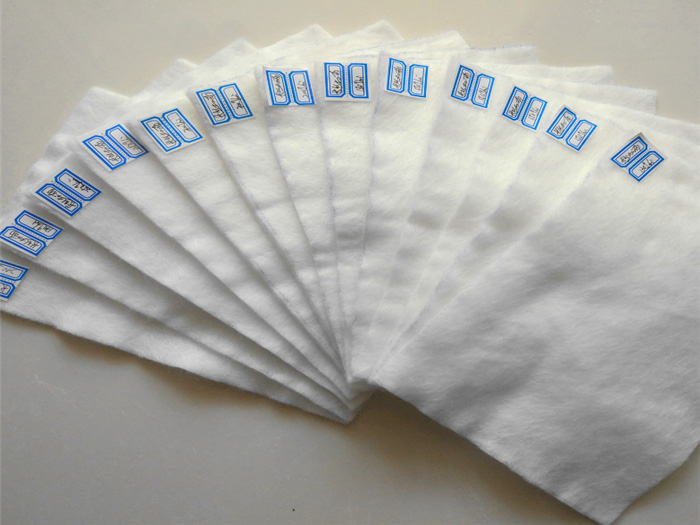
High-grade polyester chips, polypropylene filament, and viscose fibers are thoroughly tested. Inspecting these raw materials ensures consistency in molecular weight distribution and mechanical performance.
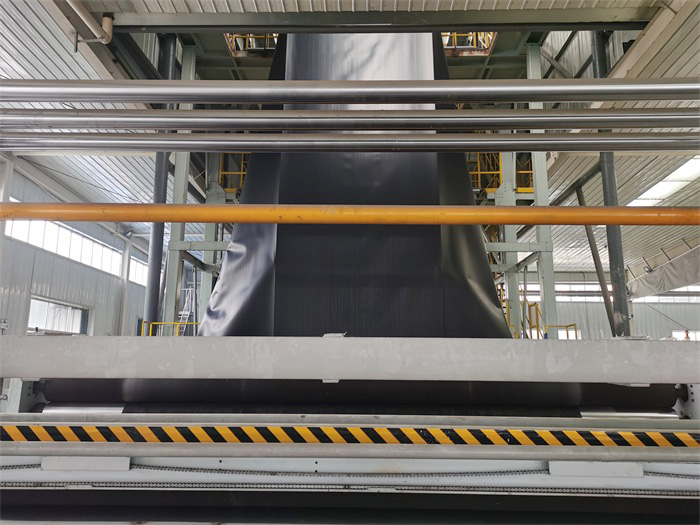
Polymer materials are melted in a high-temperature screw extruder. Precise temperature and pressure control ensure a homogenous melt state, which is crucial for uniform fiber extrusion.
The molten polymer is extruded through high-precision spinnerets to form continuous filaments. These filaments are laid out on a conveyor belt to create a uniform, multi-directional web structure.
The loose web undergoes mechanical needle-punching or thermal bonding. This process entangles the fibers, increasing tensile strength, stabilizing pore size distribution, and maintaining hydraulic permeability.
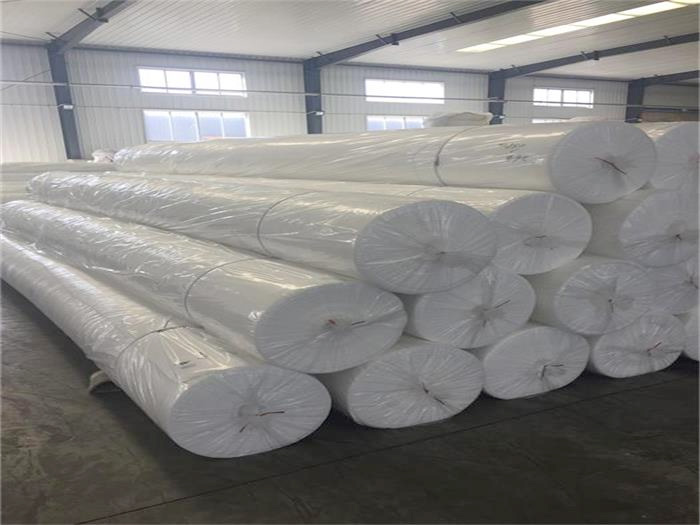
The cured geotextiles are rolled to precise lengths and widths. Protective packaging prevents UV degradation during transport, storage, and site staging.
Every production run undergoes strict quality checks. We test for grab tensile strength, static puncture resistance (CBR), pore size (AOS), water flow rate, and long-term chemical durability.
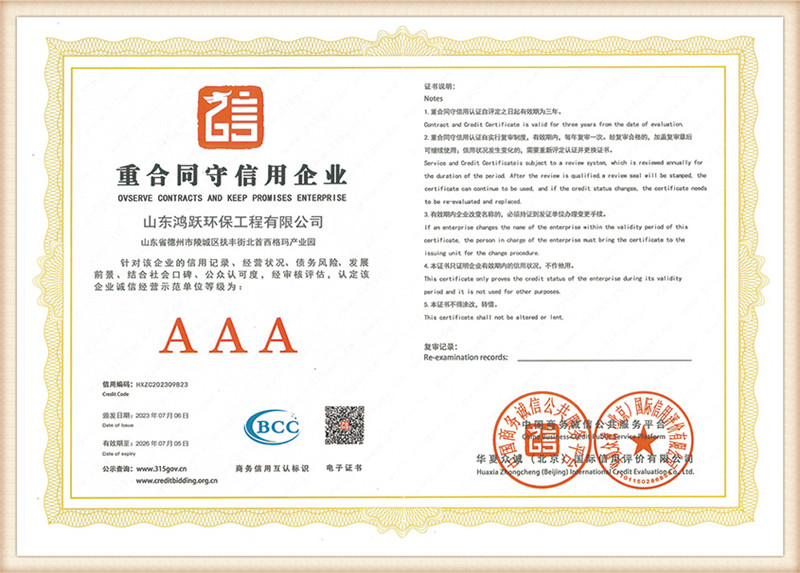
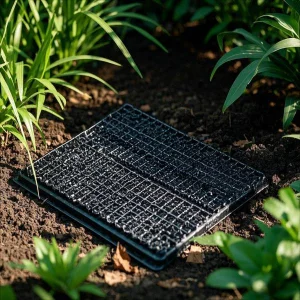
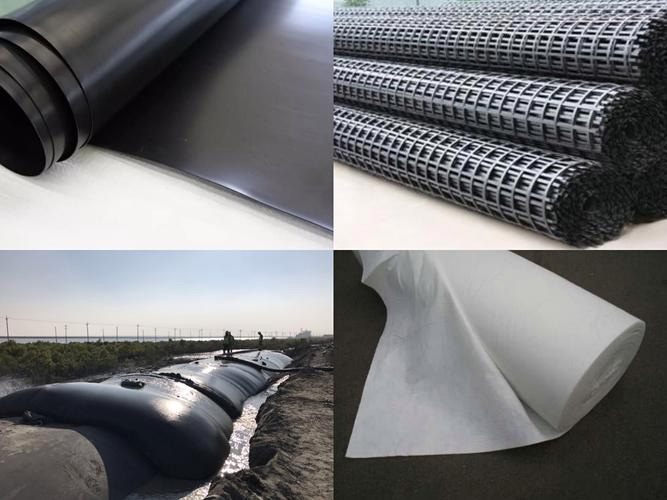
Geosynthetic solutions must be engineered to match the specific geological and climatic conditions of the project site. High-density polyethylene (HDPE) geomembranes, composite geotextiles, and geocells serve diverse functions across civil and environmental engineering projects:
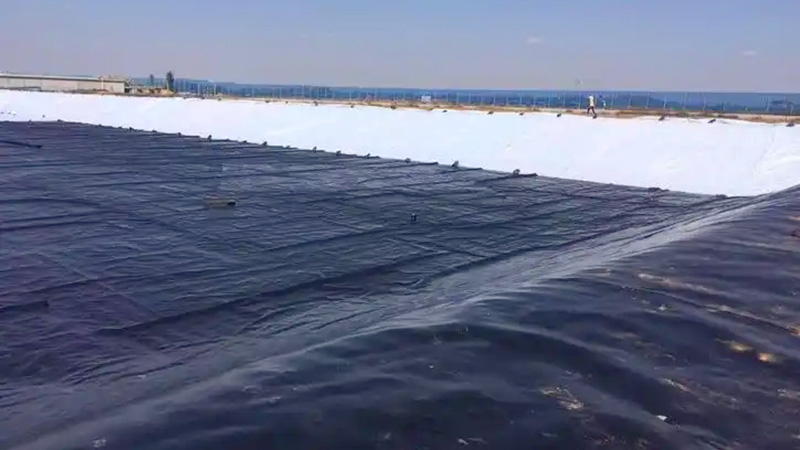
In municipal water reservoirs and distribution canals, geomembranes act as low-permeability barriers. They prevent fluid loss into the surrounding rock and soil, stabilizing the reservoir slopes and mitigating environmental erosion risks.
Fluvial and coastal levees face continuous hydrodynamic forces. Integrating reinforced geotextiles and plastic geogrids within the soil structure increases its resistance to cyclical shear stress. This prevents internal erosion (piping) while allowing groundwater drainage.
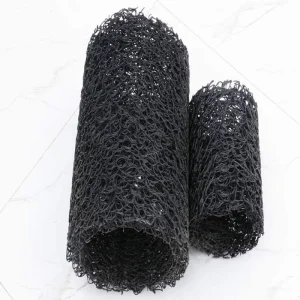
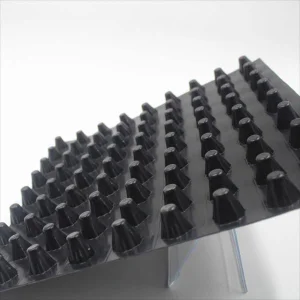
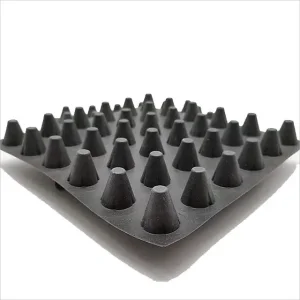
In waste containment facilities, double-layer geomembrane containment systems prevent leachate from contaminating local aquifers. A robust composite drainage net keeps pressure off the primary liner, maintaining long-term environmental safety.
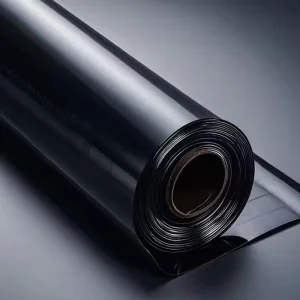
Petrochemical tank farms require reliable secondary containment systems. Heavy-gauge HDPE geomembranes provide robust chemical resistance, ensuring full compliance with environmental regulations regarding spill mitigation.
How smart monitoring, high-durability polymers, and green chemistry shape the next generation of civil engineering geosynthetics.
Incorporating fiber-optic strain sensors directly into geotextile sheets allows engineers to monitor structural deformation and stress levels in real-time, providing early warnings for large retaining wall systems.
Adding specialty carbon black formulations and proprietary anti-oxidant additives helps geomembranes and geogrids resist long-term UV radiation and heat, even when exposed to harsh outdoor conditions.
We are researching and developing biodegradable polymers for temporary civil works. These materials offer structural support during soil consolidation and safely decompose once the soil reaches self-stability.
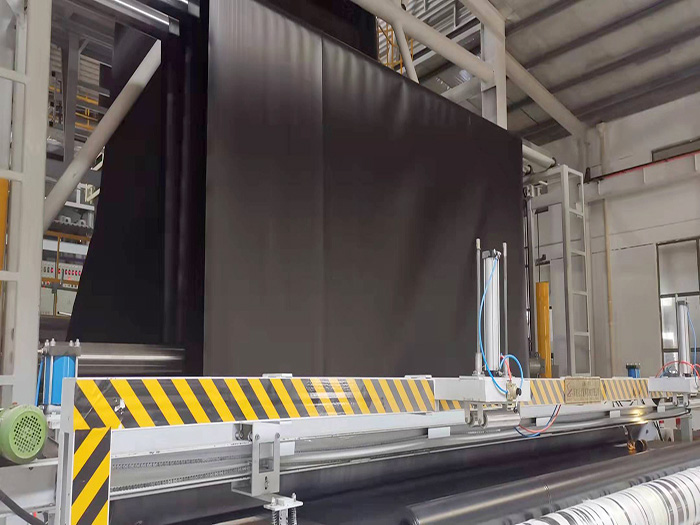
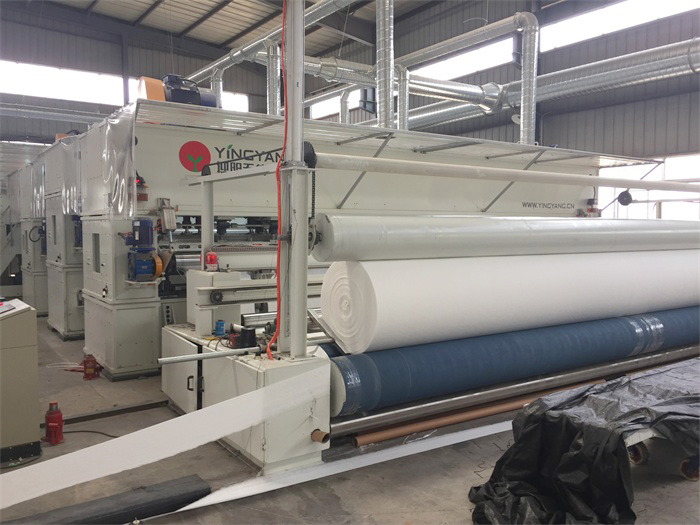
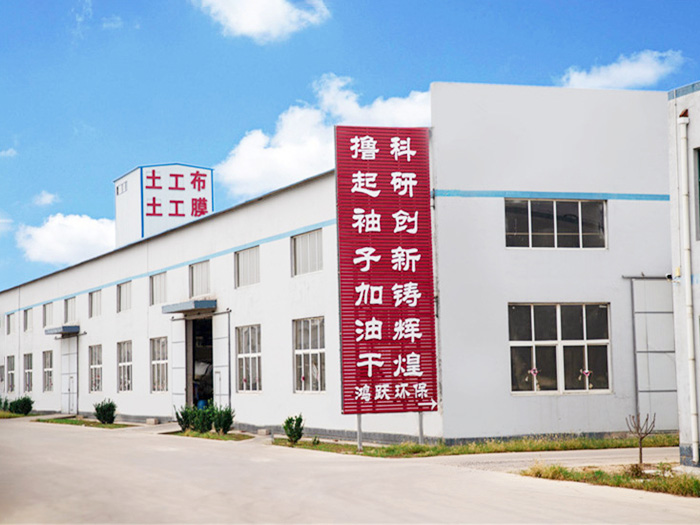
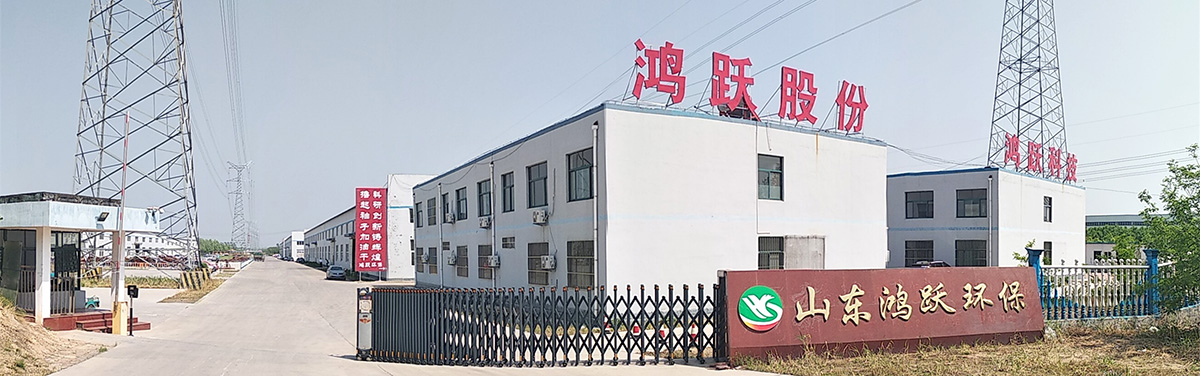
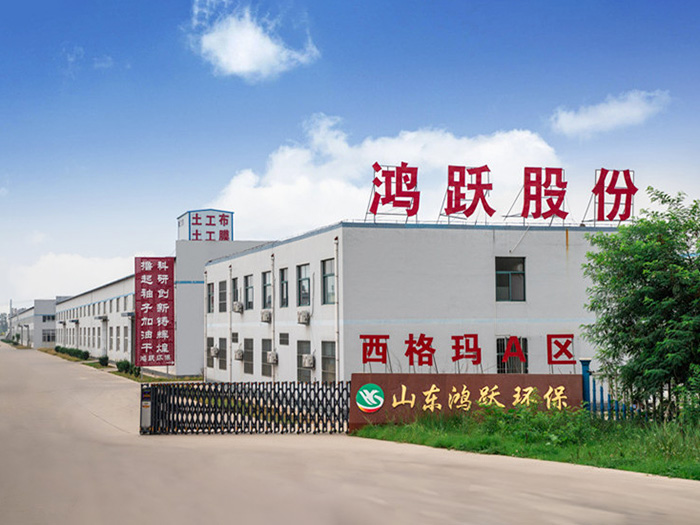
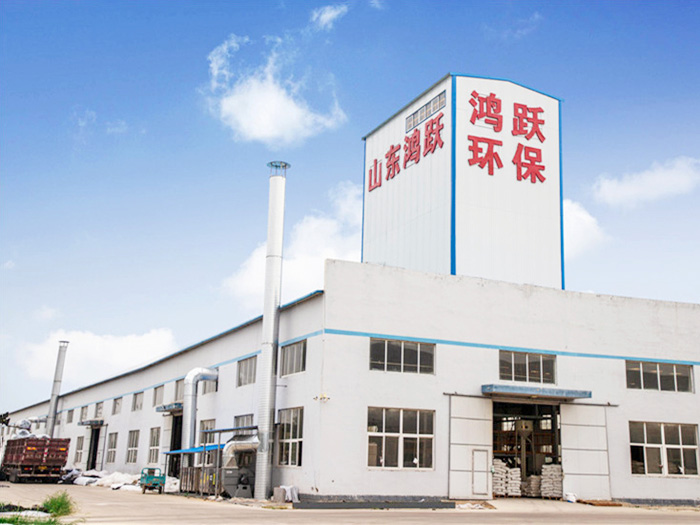
A look inside Shandong Hongyue's production facilities, advanced machinery, and rigorous testing laboratories.
From municipal environmental protection to heavy transportation infrastructure: exploring key application scenarios.
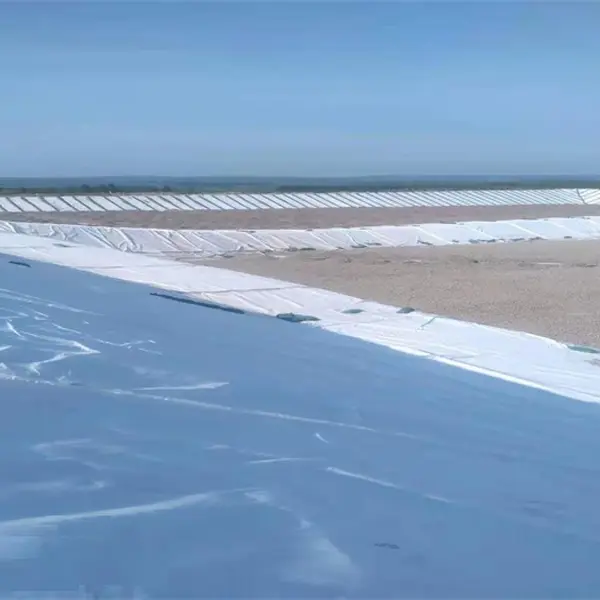
Reduces seepage losses in agricultural distribution canals, stabilizing the banks and conserving local water resources.
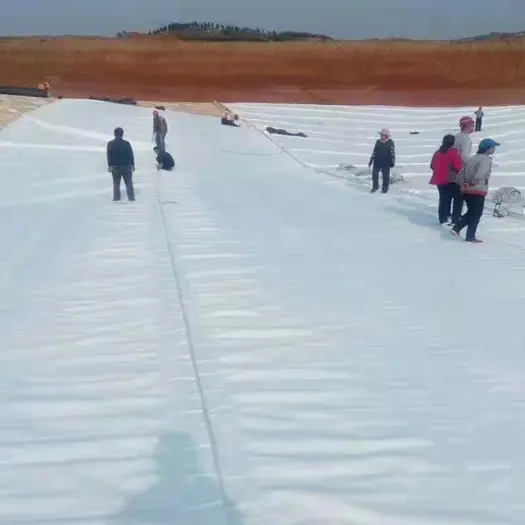
Prevents soil erosion along urban watercourses while allowing natural water exchange and supporting bank vegetation.
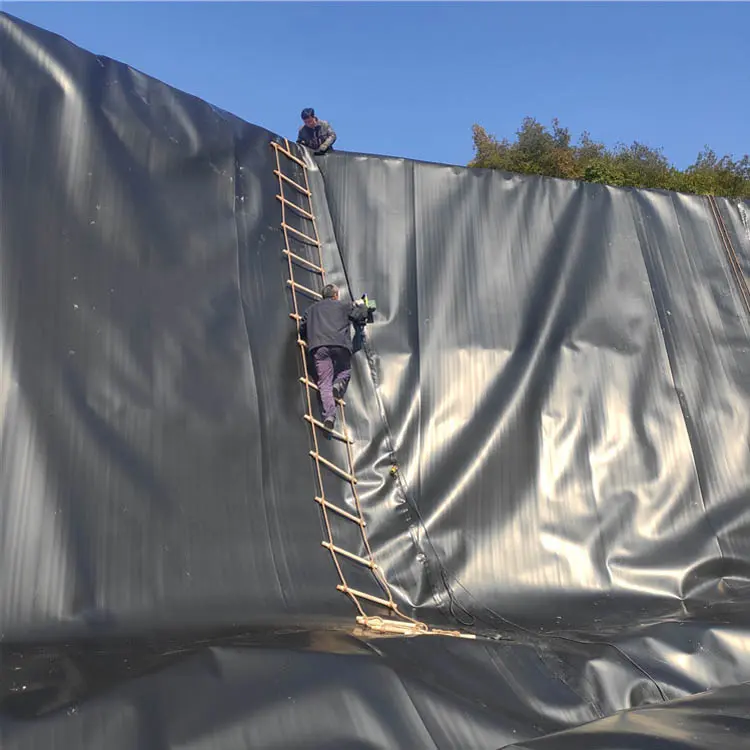
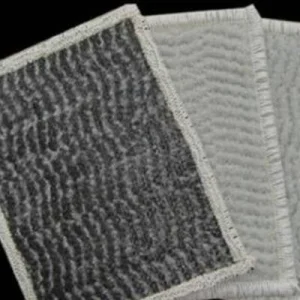
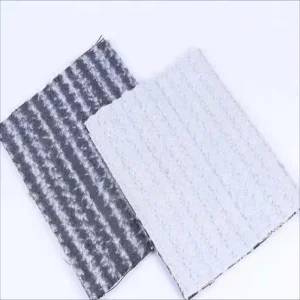
A multi-layer barrier design that combines geomembranes and GCLs to contain hazardous chemical effluents.
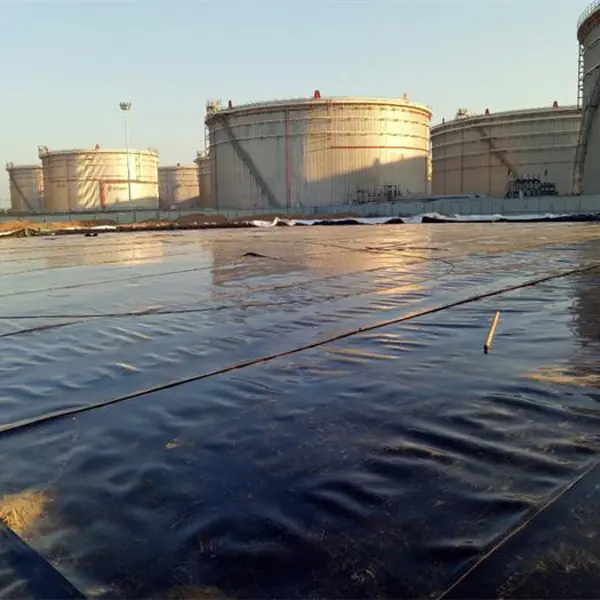
Provides high chemical resistance as secondary containment, preventing contamination from fuel storage tank leaks.
Answers to common technical, manufacturing, and sourcing questions about geo fabric retaining walls.
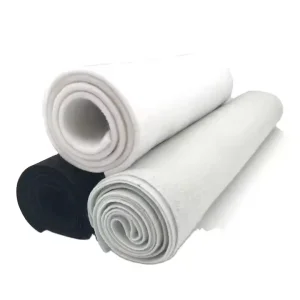
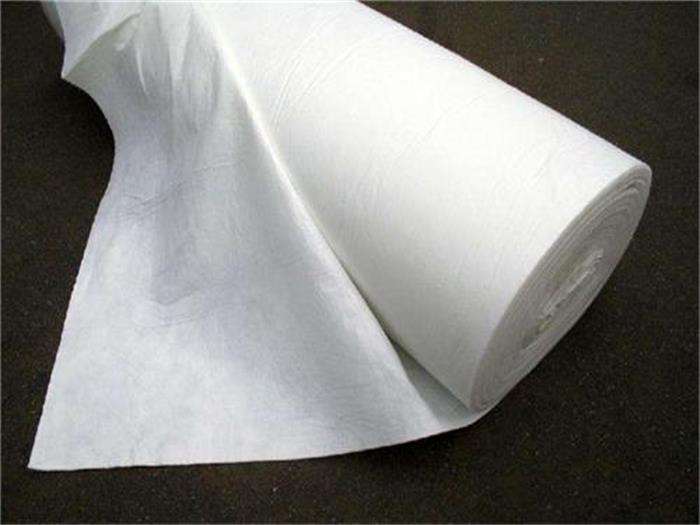
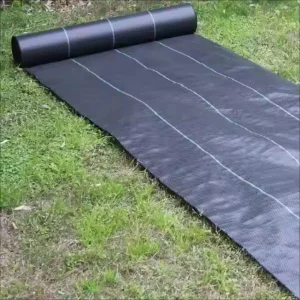
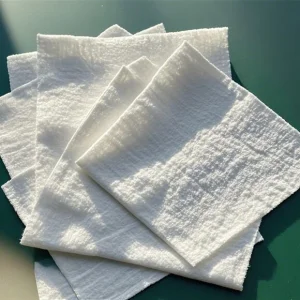
Woven geotextiles typically offer high tensile strength and load distribution with low elongation, making them suitable for subgrade reinforcement under heavy foundations. In contrast, non-woven geotextiles provide excellent filtration and high permeability. For retaining walls, non-woven fabrics allow water to drain freely while holding back soil fines, preventing hydrostatic pressure buildup behind the wall face.
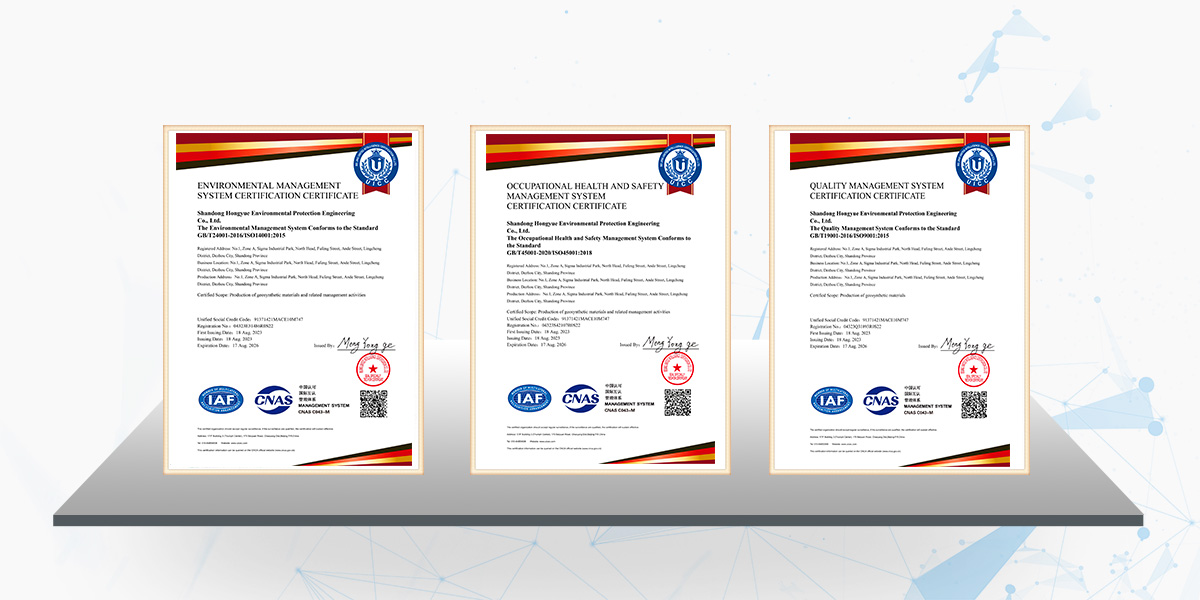
Our quality management system is fully certified to ISO 9001 standards. Every batch of raw polymer chips undergoes mechanical and thermal testing before extrusion. Our online monitoring equipment continuously checks fabric weight and thickness, and we verify mechanical properties like grab tensile strength and static puncture resistance in our dedicated testing lab before packaging.
Yes. We can customize roll sizes, tensile strengths, unit weights, and puncture resistance ratings to align with project-specific design codes. Our technical team works directly with engineers to ensure the materials meet the required tensile strengths and hydraulic flow rates for the site.
Our factory is located in Dezhou, Shandong Province, with direct access to major transport routes leading to Qingdao Port. This proximity enables fast container loading and dispatch. Lead times range from 7 to 15 days, depending on order size and customization requirements.
We provide comprehensive technical support, including material consultations, detail drawings, and installation guides. For large-scale civil projects, our technical service team can provide onsite guidance on deployment, joint welding, and quality checks to ensure successful installation.
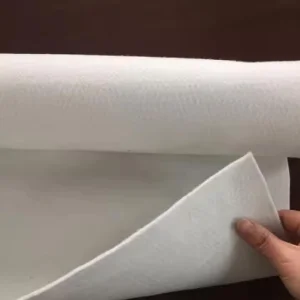
Successful geotextile installation requires proper ground preparation, controlled material placement, and reliable seam joining. Our non-woven filament geotextiles are engineered to withstand installation stresses, resisting tearing when backfill is spread and compacted.
Proper overlap widths and secure jointing—using thermal bonding or specialized sewing—are critical to maintaining structural and hydraulic continuity across the wall face.
 Hongyue