Explore our industrial-grade components designed to meet strict ASTM and EN ISO specifications for modern construction.
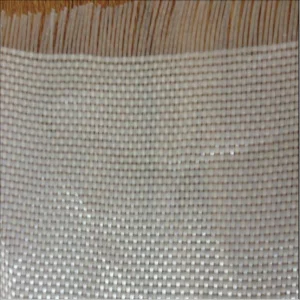
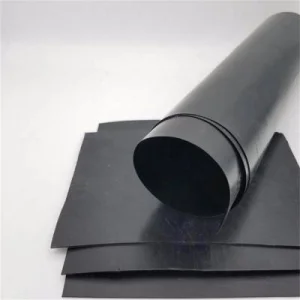
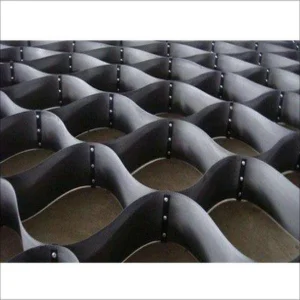
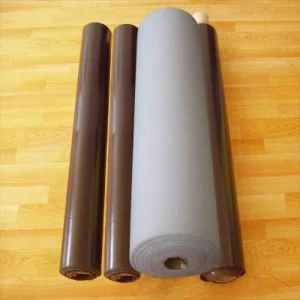
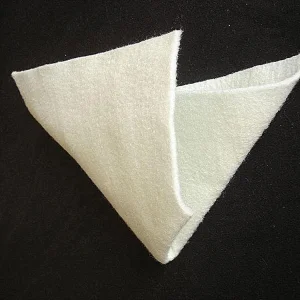
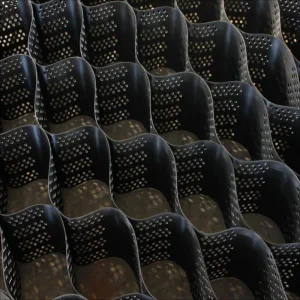
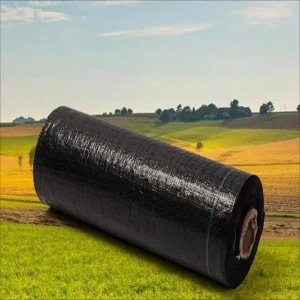
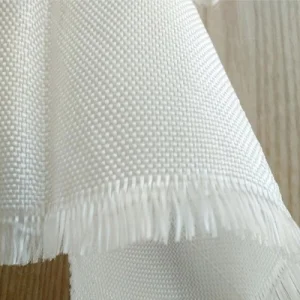
In modern geotechnical engineering, the implementation of gabion structures (wire mesh baskets filled with rock) is a primary method for erosion control, retaining wall construction, and hydraulic channel stabilization. However, the structural success of any gabion installation is intrinsically linked to the performance of the geotextile filter cloth laid behind and underneath it.
Without a high-quality filter cloth acting as a separation and filtration barrier, migrating fine soil particles from the native subgrade can leach through the coarse rock voids. This process, known as soil piping, leads to subgrade undermining, void formation, and eventually structural deformation or catastrophic collapse of the gabion wall. By prioritizing specialized nonwoven needle-punched or high-tensile woven filter cloths, engineers ensure structural drainage while permanently retaining base soils.
Understanding the hydraulic parameters and mechanical dynamics that occur at the boundary interface of soil and rock filling.
The primary mechanical action of the filter cloth is to prevent the intermixing of the subgrade soil with the gabion rock filling. The Apparent Opening Size (AOS) of the geotextile must be selected based on the soil particle size distribution curve ($d_{50}$ and $d_{85}$) to block particles from escaping while allowing water passage.
Hydrostatic pressure build-up behind retaining structures is a leading cause of failure. The geotextile filter cloth must feature a high coefficient of permeability ($k_g$) compared to the native soil ($k_s$). Our polypropylene and polyester short-fiber needled punched fabrics offer unmatched multi-dimensional drainage pathways.
During the loading of gabion baskets with heavy, angular stones (often dropped from heights), the underlying filter cloth is subjected to intense stress. High CBR puncture resistance (measured in Newtons) and wide-width tensile strength are required to prevent tearing during construction.
| Property Parameter | Test Standard | Typical Nonwoven Spec (Standard Range) | Typical Woven Spec (High Strength Range) |
|---|---|---|---|
| Mass Per Unit Area | ASTM D5261 / ISO 9864 | 150 g/m² - 600 g/m² | 100 g/m² - 400 g/m² |
| Grab Tensile Strength | ASTM D4632 / ISO 10319 | 600 N - 2500 N | 1500 N - 6000 N |
| CBR Puncture Resistance | ASTM D6241 / ISO 12236 | 1500 N - 5000 N | 3000 N - 8000 N |
| Apparent Opening Size (AOS) | ASTM D4751 / ISO 12956 | 0.075 mm - 0.30 mm | 0.15 mm - 0.60 mm |
| Water Permeability / Permittivity | ASTM M4491 / ISO 11058 | 0.5 s⁻¹ to 2.2 s⁻¹ | 0.05 s⁻¹ to 0.5 s⁻¹ |
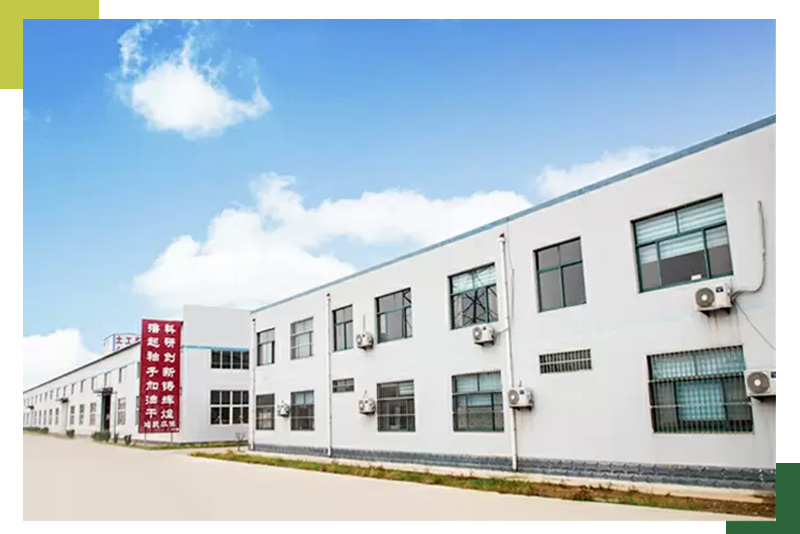
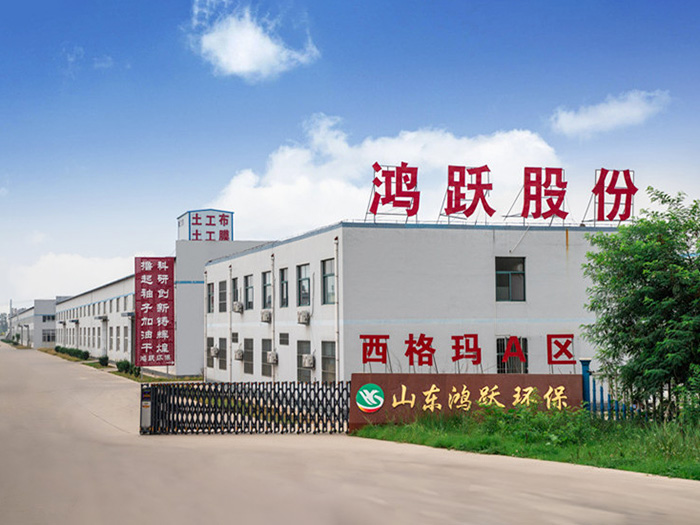
Our organization is a highly recognized, scientific, and technological geotechnical material manufacturer. We integrate engineering material production, sales, design, and professional construction services under one roof. Registered in the Lingcheng District Market Supervision and Administration Bureau of Dezhou City on April 6, 2023, the company operates with a substantial registered capital of 105 million yuan.
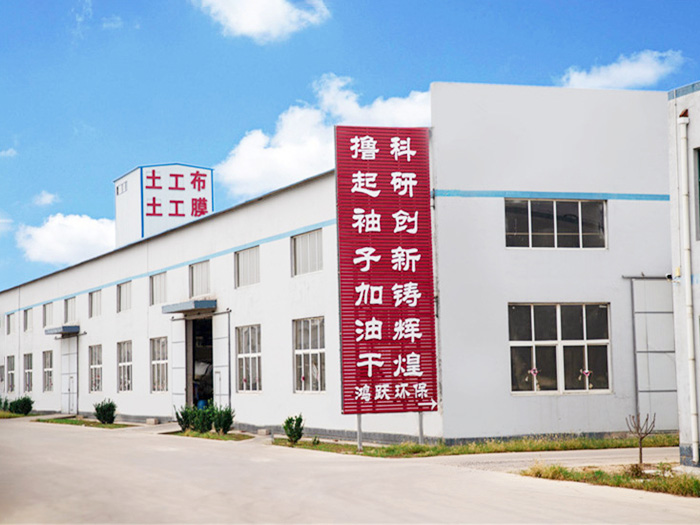
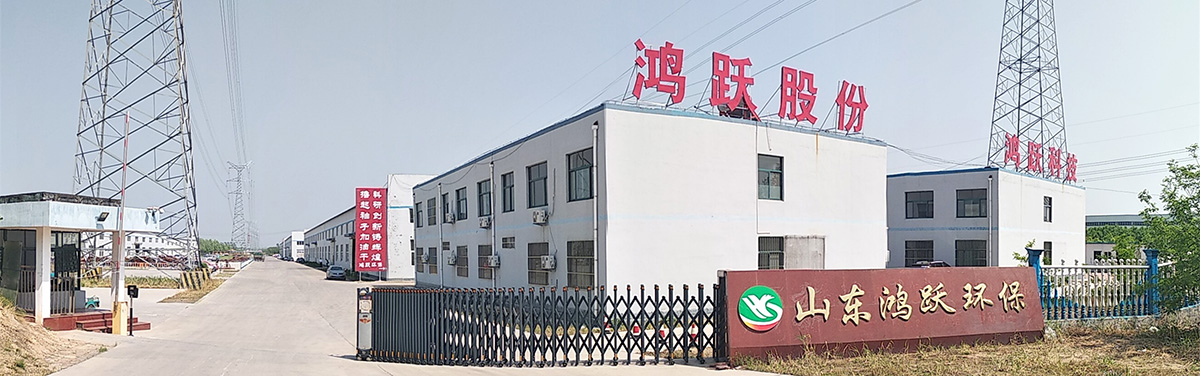
We are situated at the north end of Fufeng Street, Lingcheng District, Dezhou, Shandong Province. As one of the largest production bases of geotechnical materials in China today, our facility benefits from a superior geographical location and highly convenient logistics networks, enabling prompt global shipping and bulk delivery to international ports.
Shandong Hongyue belongs to the prestigious Dezhou Geotextile Association. Our products are widely utilized in major projects across various provinces and internationally within highways, railways, bridges, tunnels, water conservancy reservoirs, canals, artificial lakes, environmental protection sectors, mining, and agriculture.
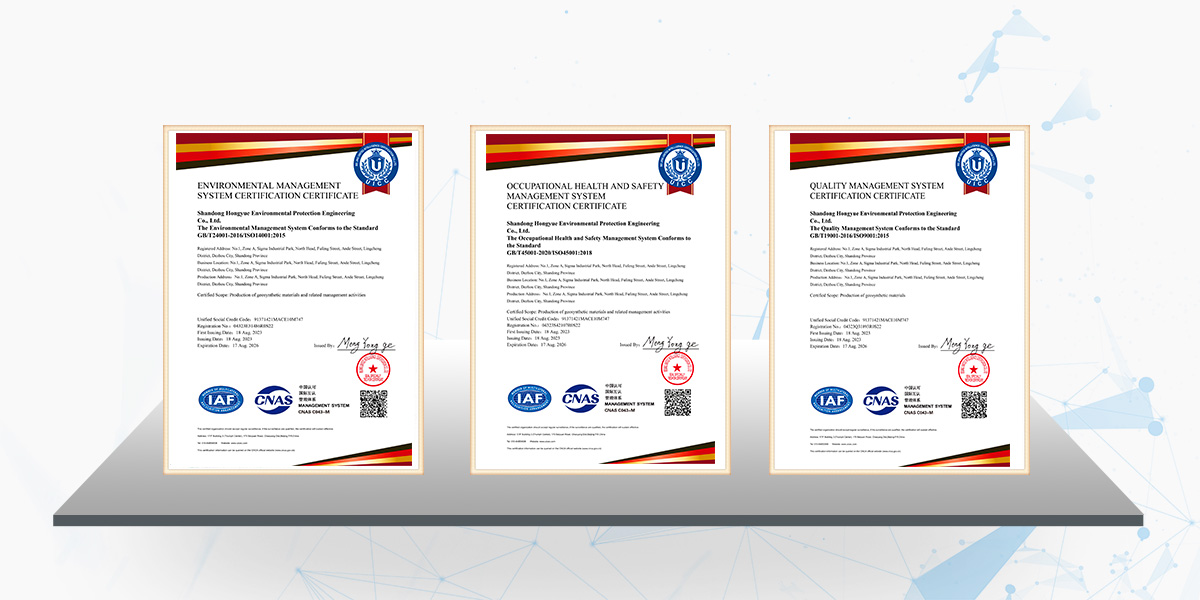
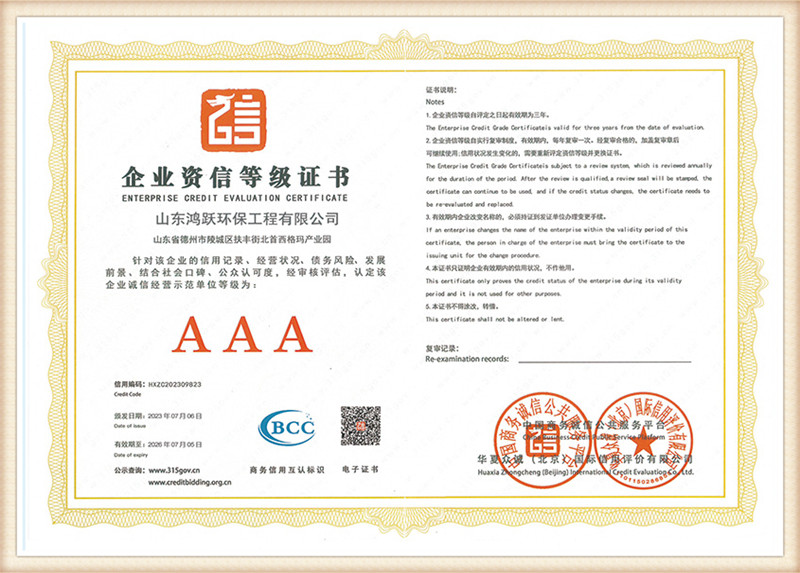
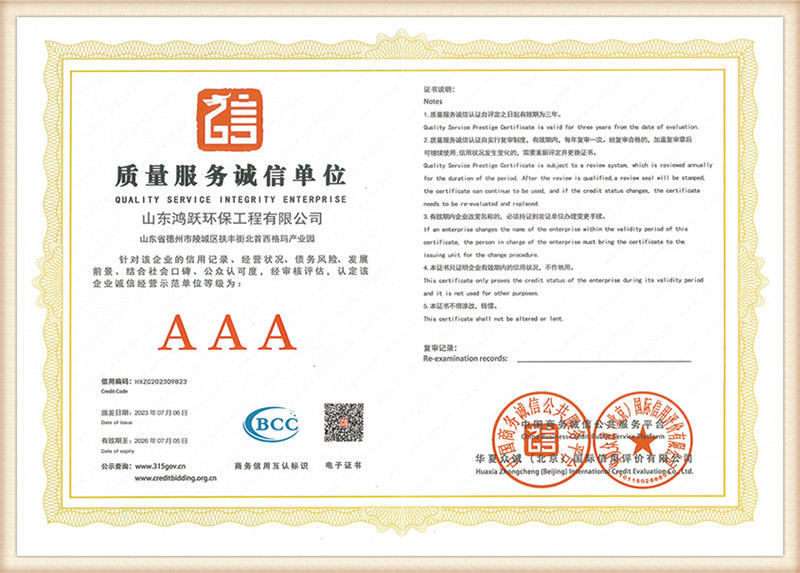
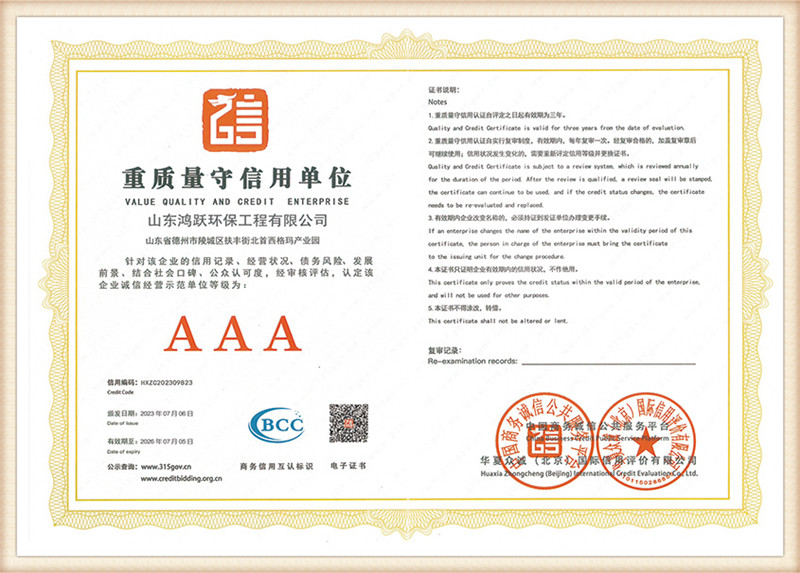
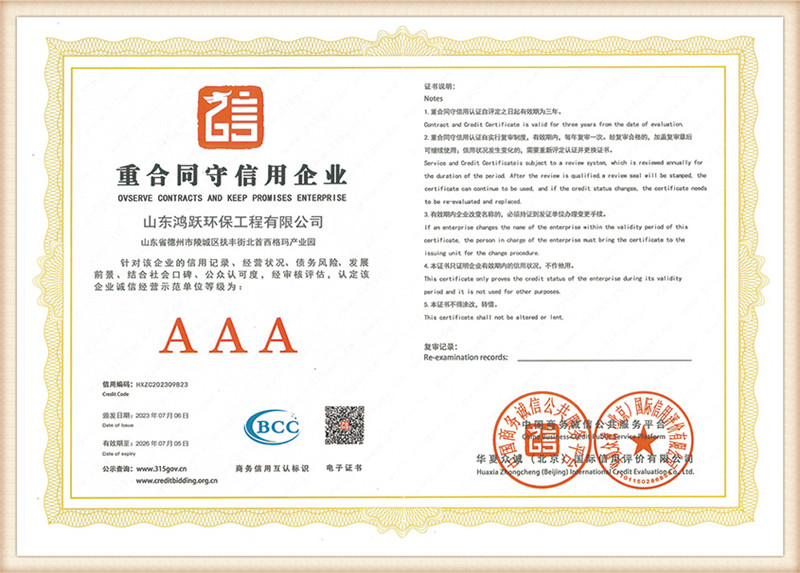
Our commitment to product stability and excellence is verified by strict global standards.
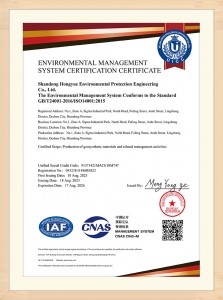
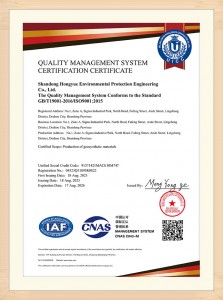
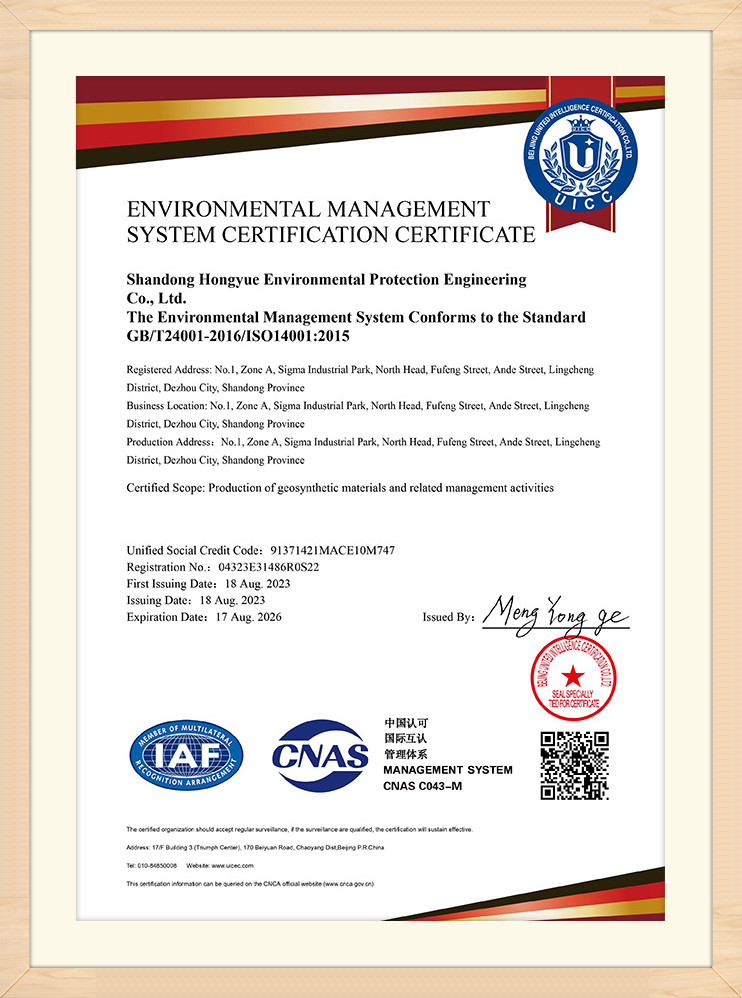
We have successfully established and executed a complete quality management network, passing the ISO9001 international quality system certification, ISO14000 (ISO14001) environmental system certification, and ISO45001 occupational health and safety management system certification.
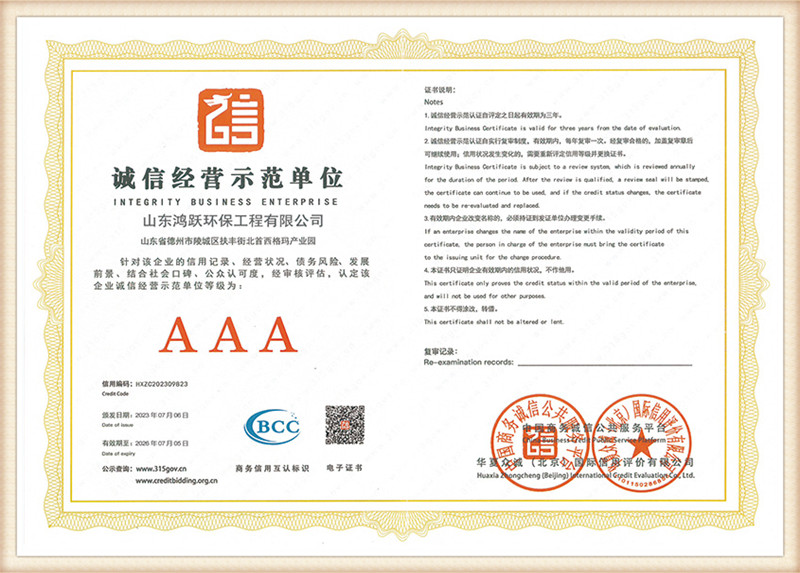
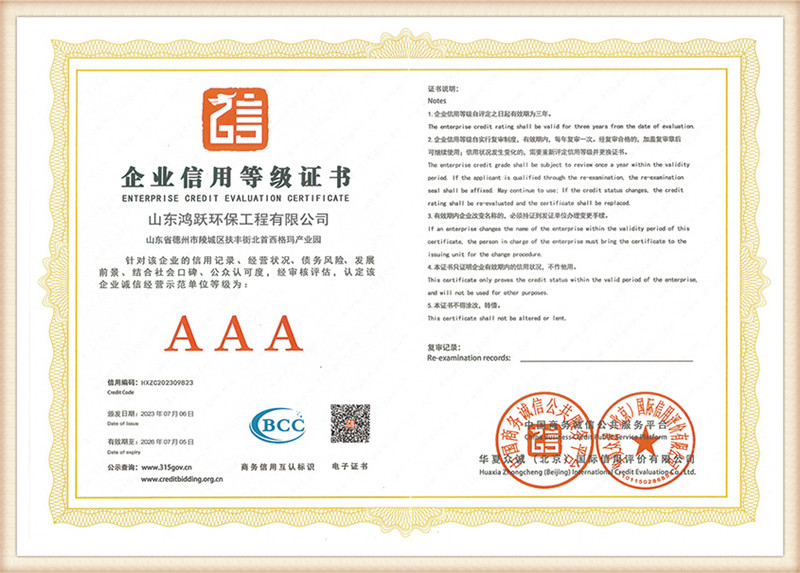
The company has won multiple honors such as "green and environmentally friendly building materials products", "no consumer complaints", "famous Chinese brands", "high-tech industries", "quality service double excellent units", and "provincial-level poverty alleviation leading enterprises".
We have established responsive sales offices and agencies in over 40 large and medium-sized domestic cities, including Shanghai and Beijing. Our exports regularly support key infrastructure projects in Europe, the United States, Australia, and Southeast Asia.
A step-by-step insight into how raw polymers are processed into high-strength, needle-punched geotechnical filter cloths.
Geotextile is widely used in civil engineering, performing filtration, isolation, reinforcement, and protection functions. Its production workflow involves precise melting parameters, draft ratio controls, mechanical needle-punching density, and comprehensive inspection metrics to verify mechanical integrity and environmental durability.
The main raw materials are polyester chips (PET), polypropylene filament (PP), and viscose fiber. Raw material batches are rigorously inspected, analyzed for purity, and stored to maintain quality and chemical stability.
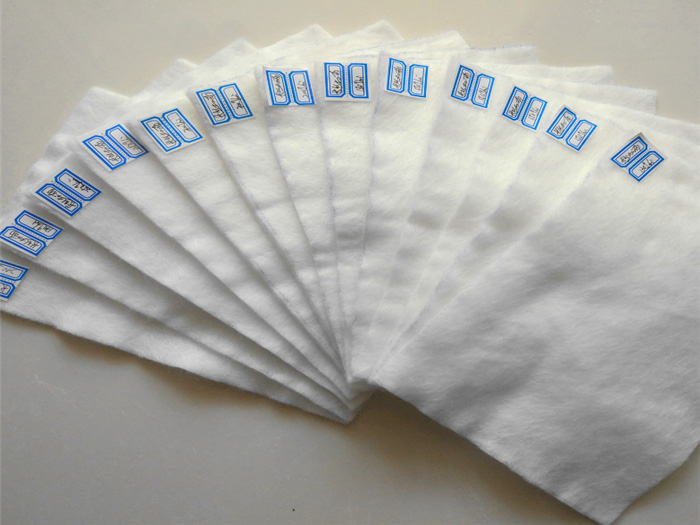
Polyester chips are melted at high temperatures and extruded by a screw extruder. Polypropylene filament and viscose fibers are introduced and blended. Temperature and pressure are continuously monitored for uniform melt state.
The molten mixture is sprayed through spinnerets to form fine, continuous fibers. These fibers are layed onto a conveyor belt to construct a uniform network. Controls manage web thickness and fiber orientation.
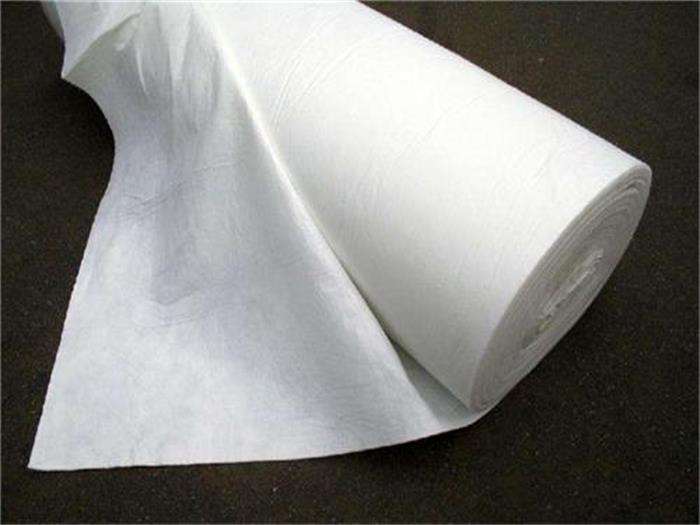
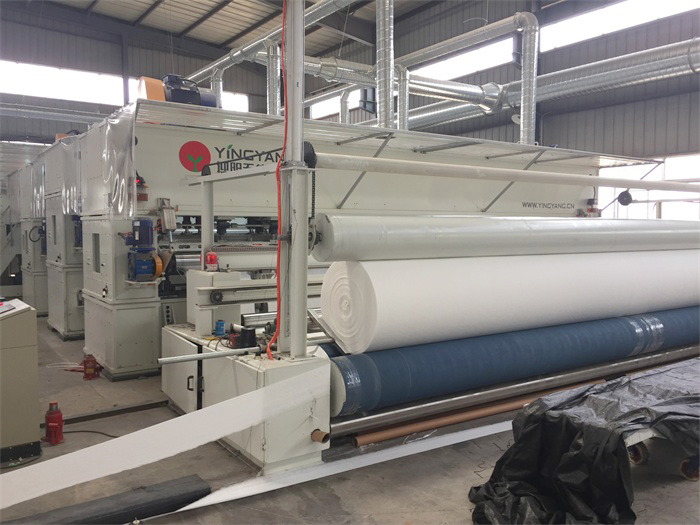
After laying the fiber network, web rolls undergo draft curing and needle-punching. Mechanical needle density, depth, speed, and draft ratio are managed to achieve high multi-directional mechanical strength.
The cured geotextiles are rolled, measured for length, width, and thickness compliance, and securely wrapped. Clear labels identify grade and batch parameters for traceability on job sites.
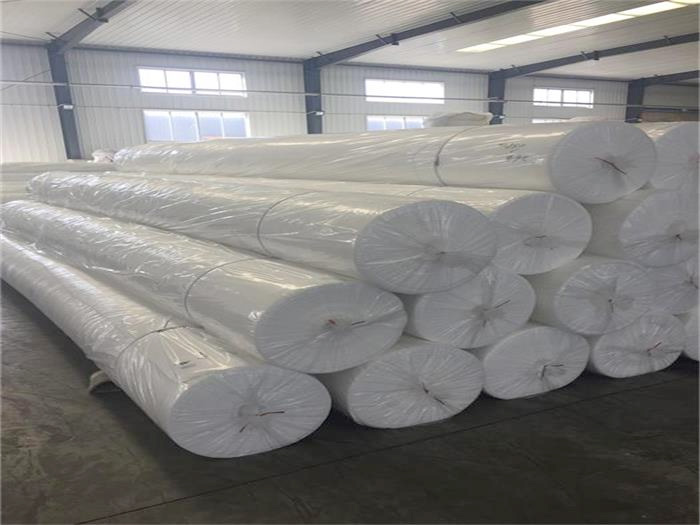
At the end of the production cycle, representative samples undergo testing in our facility. We verify physical property limits, chemical degradation resistence, and visual quality before shipment.
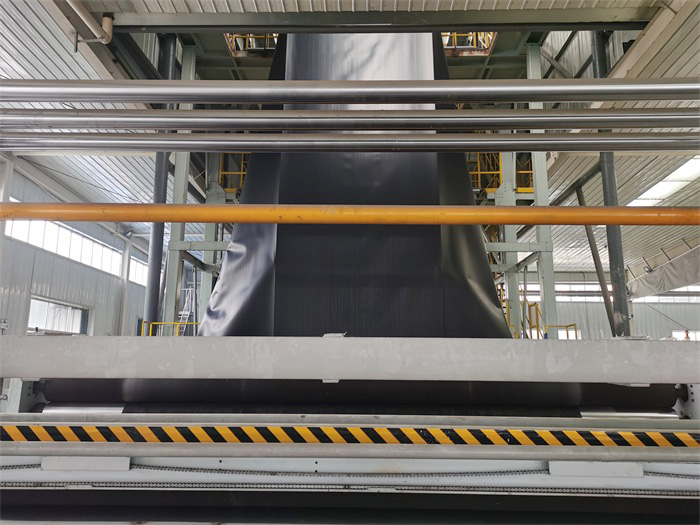
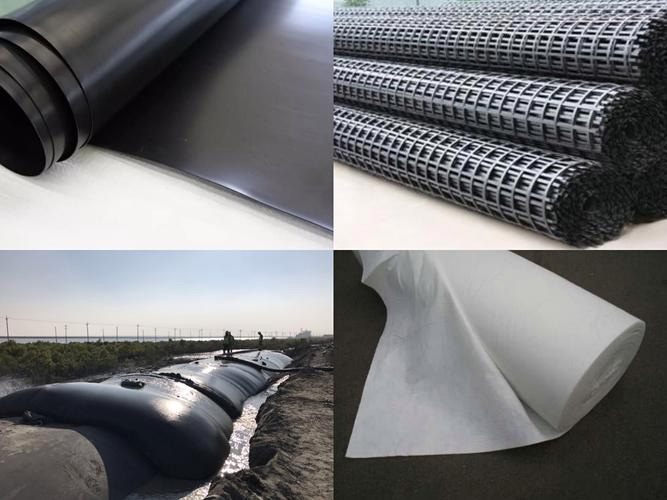
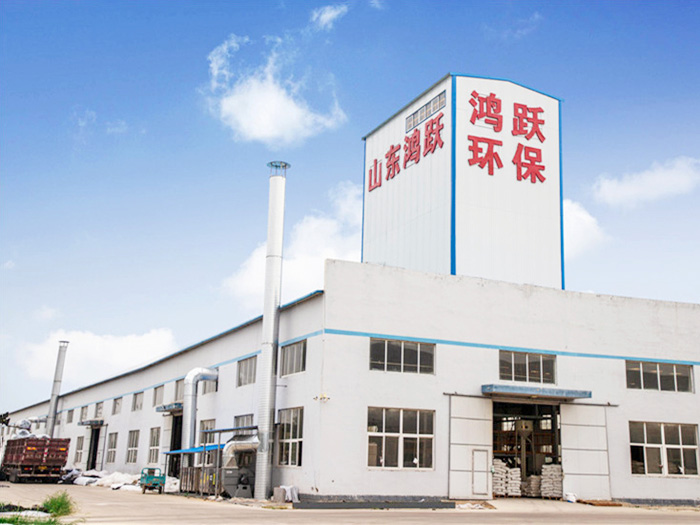
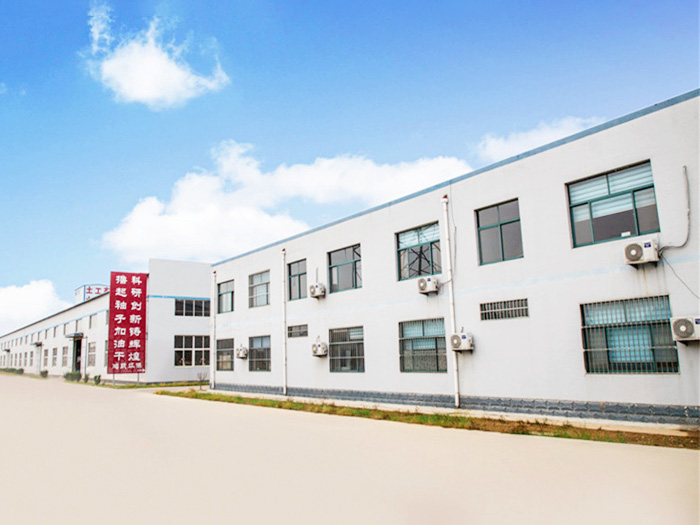
A closer look inside the Shandong Hongyue facilities and automated geotextile production lines.
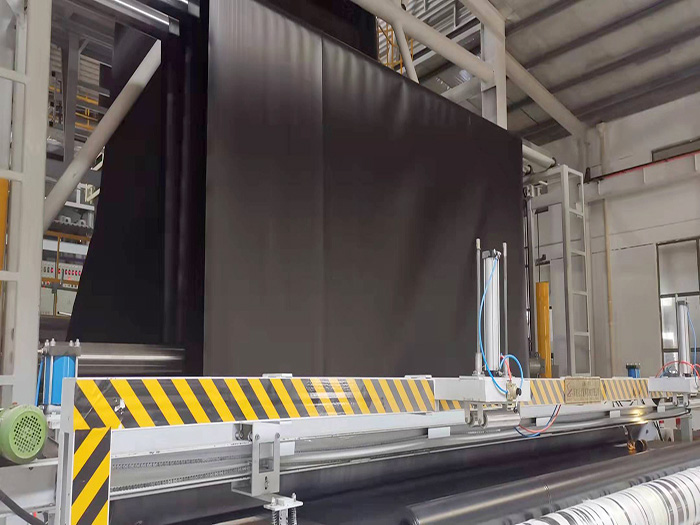
For projects requiring both soil filtration and fluid containment, geotextiles are paired with impermeable geomembranes. Geomembranes serve vital isolation, reinforcement, and seepage prevention functions in civil works.
Shandong Hongyue produces a comprehensive range of high-performance geomembranes (including HDPE, LLDPE, and PVC formulations). When used in conjunction with nonwoven geotextiles (which act as protective cushioning layers to prevent puncture from subgrade rocks), these systems create robust, multi-layered barriers for critical hydraulic applications.
Correct installation methods determine the final impermeability and life expectancy of containment systems.
The ground area must be leveled, compacted, and cleared of sharp rocks, roots, or debris. A smooth foundation protects the geomembrane from mechanical stress punctures.
Depending on site requirements, materials are laid out flat or slightly folded to accommodate temperature variations. Minimal tension is maintained to prevent stress cracking.
Adjacent sheets are welded using dual-track hot wedge welders or extrusion welding guns. Testing (such as air pressure or vacuum testing) confirms weld integrity.
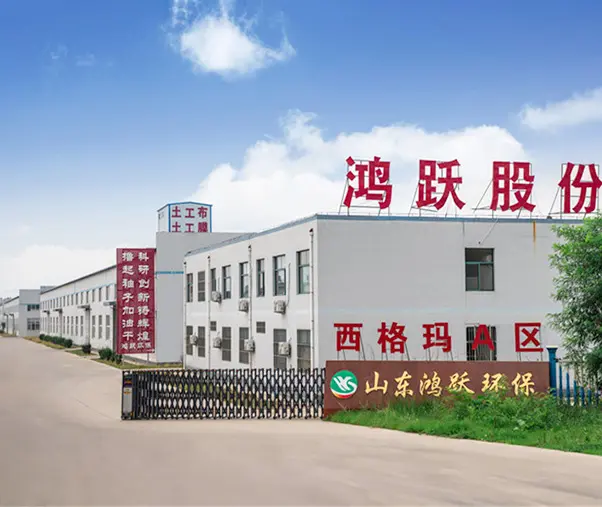
How our geosynthetic systems perform under severe hydraulic stresses in diverse project sites.
Reservoirs are often built in valleys with complex geological profiles. High hydrostatic pressure requires reliable sealing to prevent water loss and subgrade erosion. Integrated geomembrane and geotextile cushions provide protection against leakage and stability challenges.
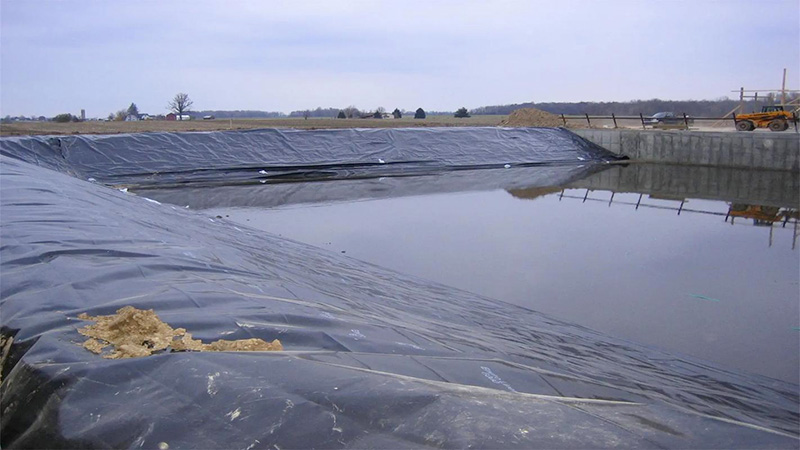
Dikes and levees protect downstream communities and infrastructure from floods. Internal erosion and piping can lead to instability. Incorporating geotextiles behind armor stones helps stabilize soil and manage flood waters.
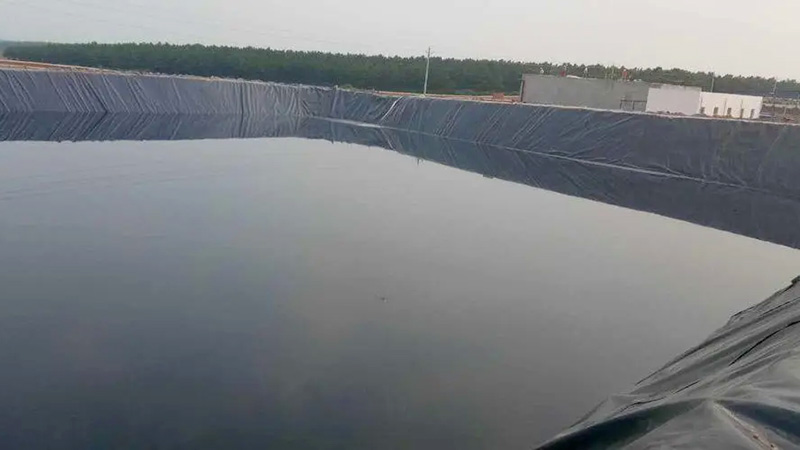
Canals and natural waterways are subject to continuous shear stresses from water flow. Geotextile filter cloths used under gabions or riprap stone allow water to drain from the slope while preventing soil loss into the channel.
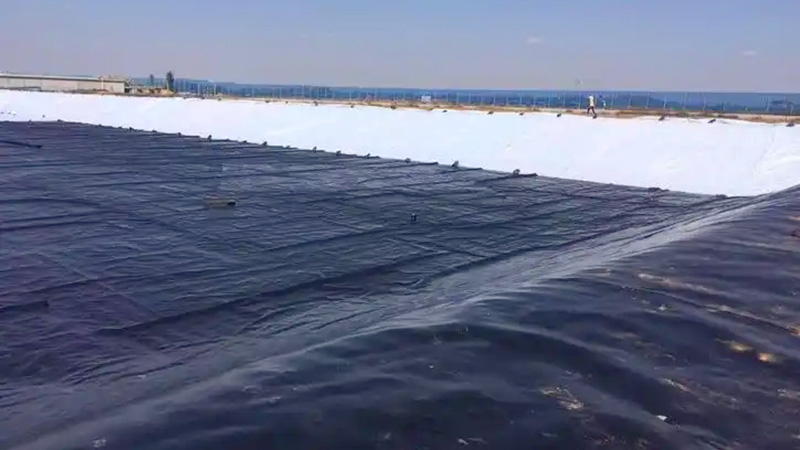
Environmental containment structures require double-lined containment systems. Combining high-strength geotextiles with heavy HDPE geomembranes helps prevent landfill leachate from contaminating groundwater.
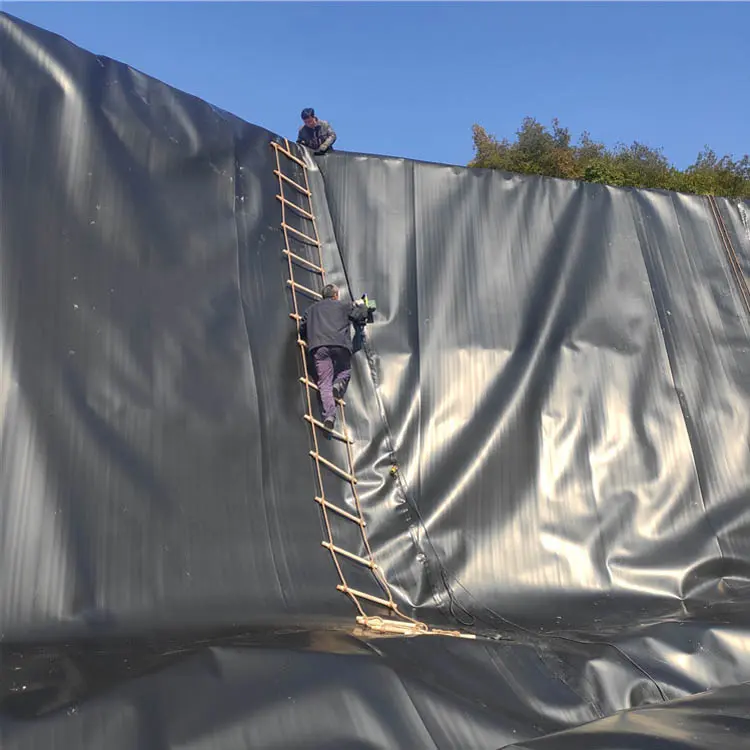
A global track record of geotechnical performance across infrastructure projects.
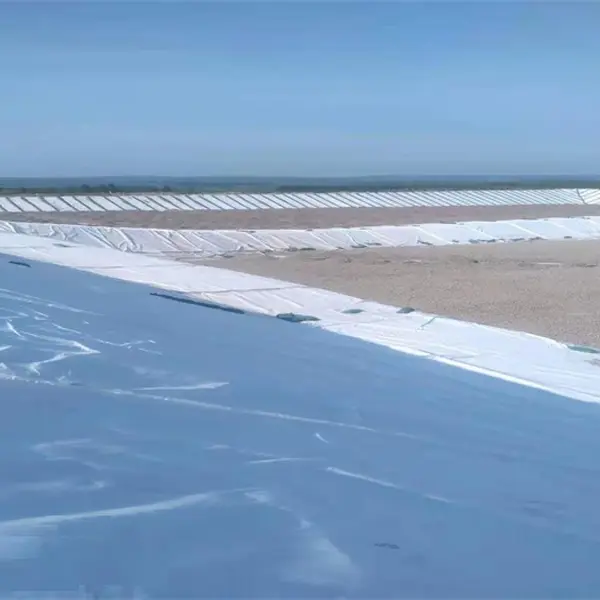
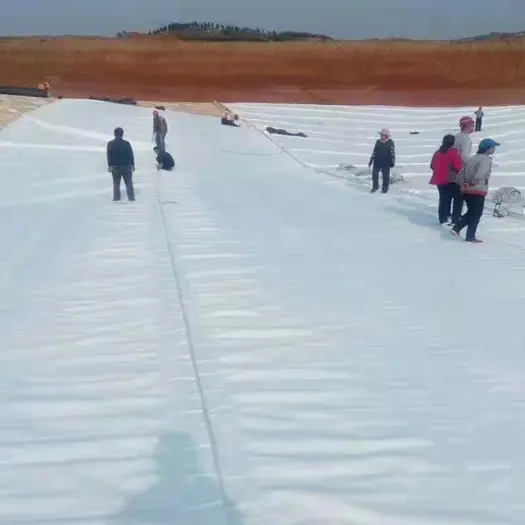
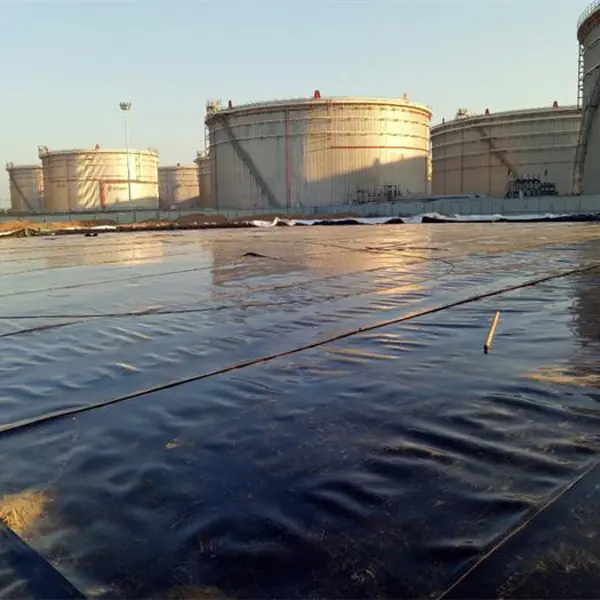
At Shandong Hongyue, we operate a fully equipped, state-of-the-art testing facility. Each batch of filter cloth, geogrid, and geomembrane undergoes testing before release. All products meet or exceed international specifications and have passed tests by the China National Testing Center, along with national quality supervision sampling inspections by the State Administration of Quality Supervision and Inspection.
Our lab technicians possess over a decade of geotechnical engineering experience. They verify that materials shipped to your job site will perform under harsh conditions and environmental stresses.
Insights into the next generation of filter cloths, smart sensors, and eco-friendly geotechnical infrastructure.
With a growing focus on sustainability, manufacturers are exploring biodegradable and bio-synthetic geotextiles. These materials provide filtration during construction and degrade harmlessly after vegetation has fully stabilized the soil.
By incorporating fiber-optic sensors or conductive elements directly into the filter cloth mesh, engineers can monitor stress, soil movement, and hydraulic changes inside critical structures in real-time, preventing failures.
Standard polypropylene is susceptible to degradation from sunlight. Next-generation geotextiles use specialized carbon black formulations and hindered amine light stabilizers (HALS) to extend product life under direct UV exposure.
Addressing common queries from engineers, distributors, and procurement teams regarding filter cloth for gabion structures.
Explore our geogrids, geonets, and specialty geosynthetic components for soil reinforcement and site stabilization.

 Hongyue