Direct supply of certified materials for heavy-duty earthwork, stabilization, and drainage containment systems.
Integrating R&D, manufacturing, site design, and global supply chains for environmental engineering materials.
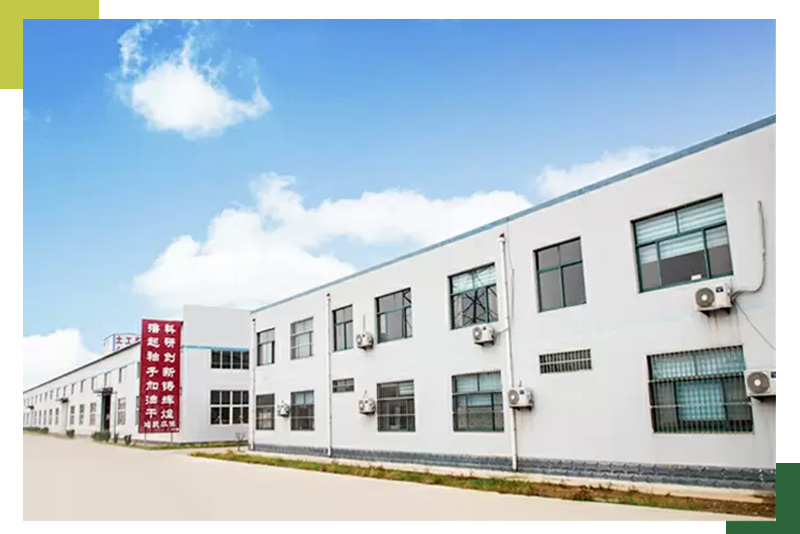
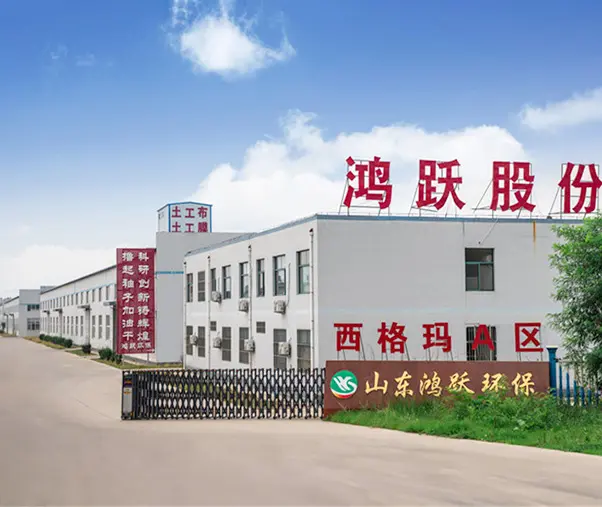
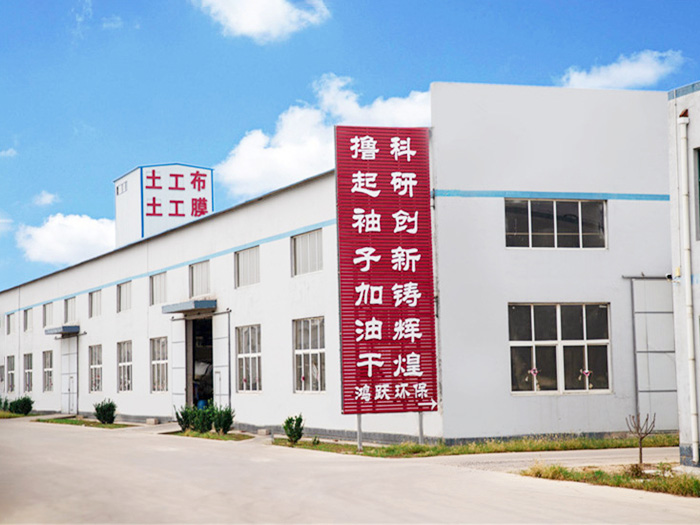
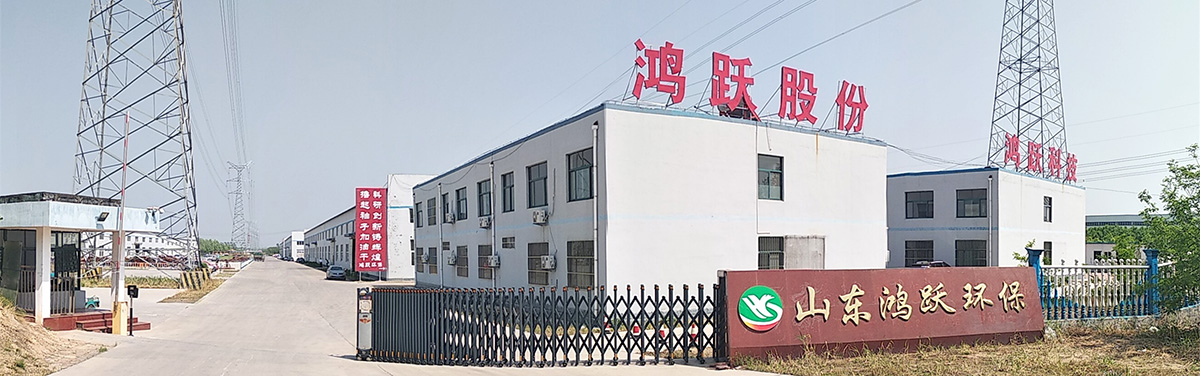
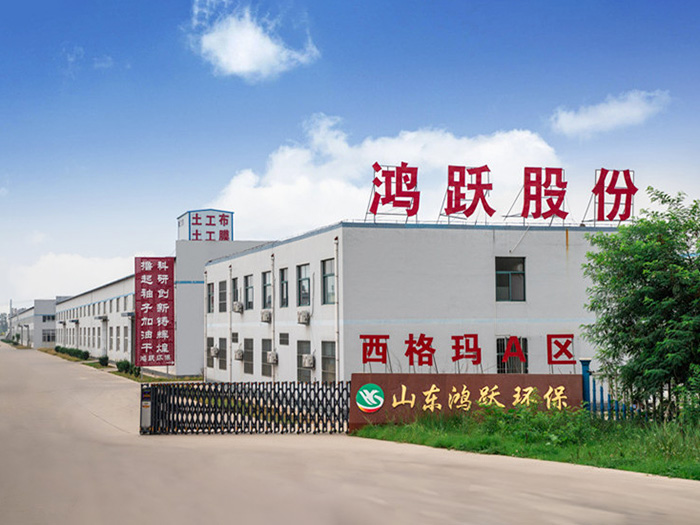
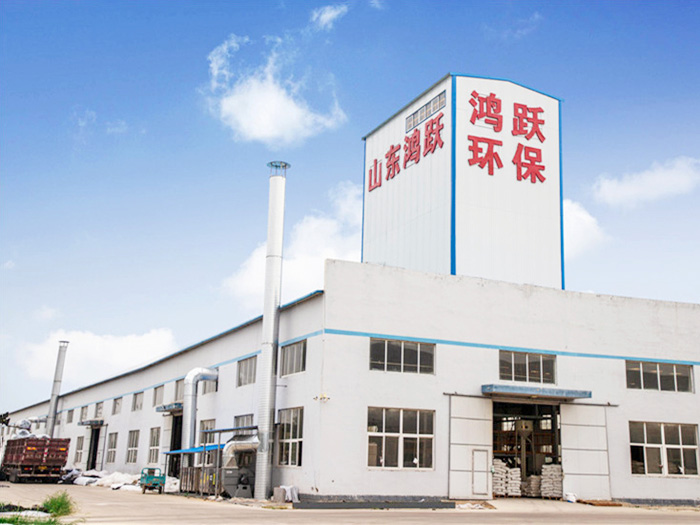
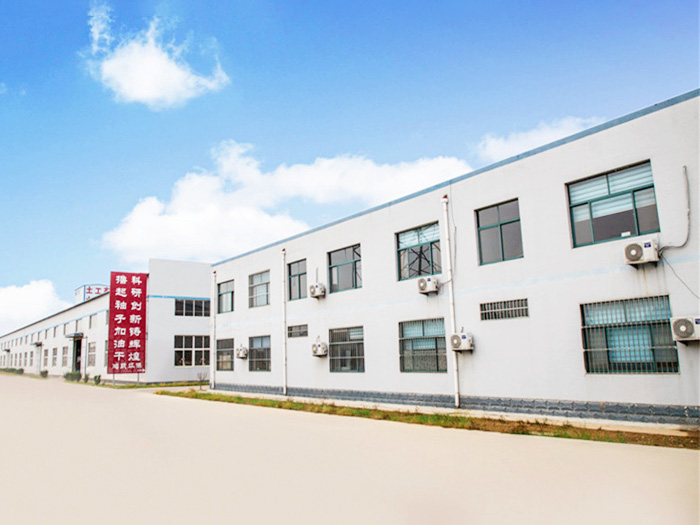
Established on April 6, 2023, and registered at the Market Supervision and Administration Bureau of Dezhou City, Shandong Province, with a robust registered capital of 105 million RMB, Shandong Hongyue Environmental Engineering Co., Ltd. has developed rapidly into one of the largest geotechnical production bases in China. Strategically situated at the north end of Fufeng Street, Lingcheng District, our facilities benefit from a highly developed transportation network, ensuring rapid cargo transit to international ports.
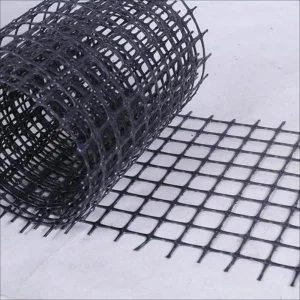
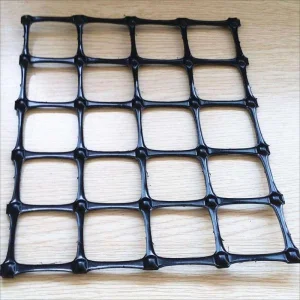
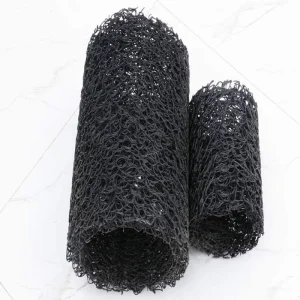
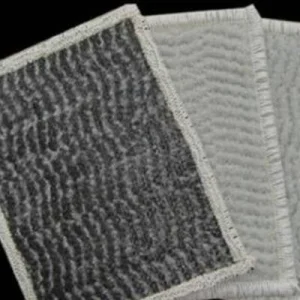
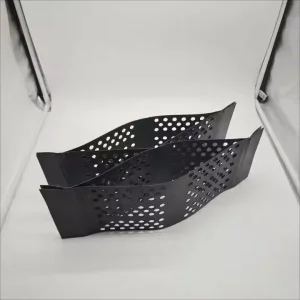
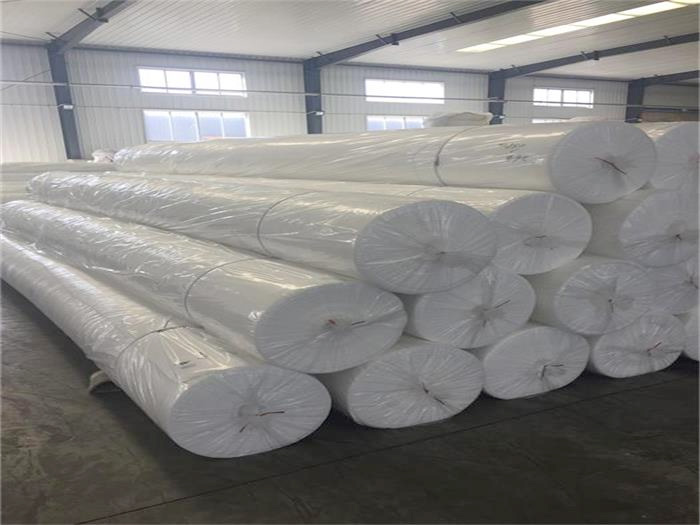
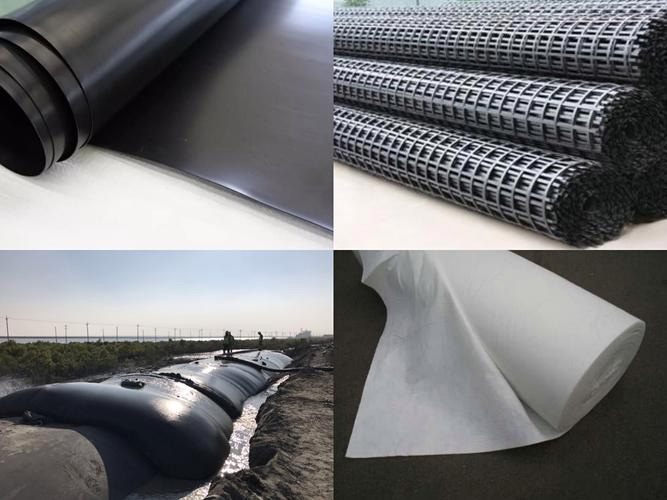
Our comprehensive production system covers key geosynthetics including cellular confinement systems, geomembranes, geotextiles, GCL blankets, and composite drainage structures. With state-of-the-art production lines, we support key infrastructure, agricultural, environmental, and mining initiatives globally.
How structured 3D cellular frameworks redistribute dynamic loads, control erosion, and increase soil bearing capacity.
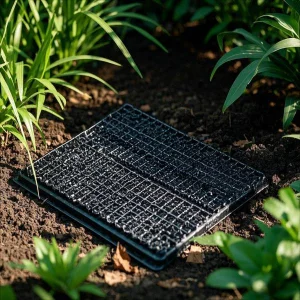
Geocells, originally researched in conjunction with military engineering agencies, stabilize granular soils by locking infill materials in a three-dimensional honeycomb structure. The primary engineering mechanics include:
| Performance Indicator | Standard Unconfined Base | Standard Geocell Confinement | High-Yield Baselok Class Geocell |
|---|---|---|---|
| Load Bearing Capacity Factor | 1.0 (Baseline) | 1.8 - 2.2x Increase | 2.8 - 3.5x Increase |
| Subgrade Stress Distribution | Highly concentrated | Partially distributed | Widely distributed (Wideslab) |
| Seam Weld Peel Strength | N/A | > 1000 N / 100 mm | > 1420 N / 100 mm (ASTM D5199/D1004) |
| Aggregate Requirement Reduction | 0% | 20% - 30% Savings | Up to 50% Thickness Savings |
| Expected Service Life (Years) | 5 - 10 Years | 30+ Years | 50+ Years (ISO 13438 Compliant) |
Understanding shifting regulatory compliance, carbon footprint reduction targets, and material supply logistics in global civil works.
Major infrastructure projects now mandate reduction of onsite carbon emissions. Confinement systems allow the use of local, lower-grade, or recycled aggregates, cutting down on long-distance aggregate transport and associated emissions.
B2B procurers require verification of physical and mechanical performance metrics. As a certified manufacturer, Shandong Hongyue ensures all geocell products meet strict ASTM standards for seam strength, polymer density, and environmental crack resistance.
Climate change has escalated storm frequencies and intensities. Geocell confinement locks topsoil on steep slopes (up to 1:1) even during severe precipitation, offering superior defense against soil erosion compared to hydroseeding alone.
How we address environmental containment, hydraulic management, load distribution, and structural earthworks.
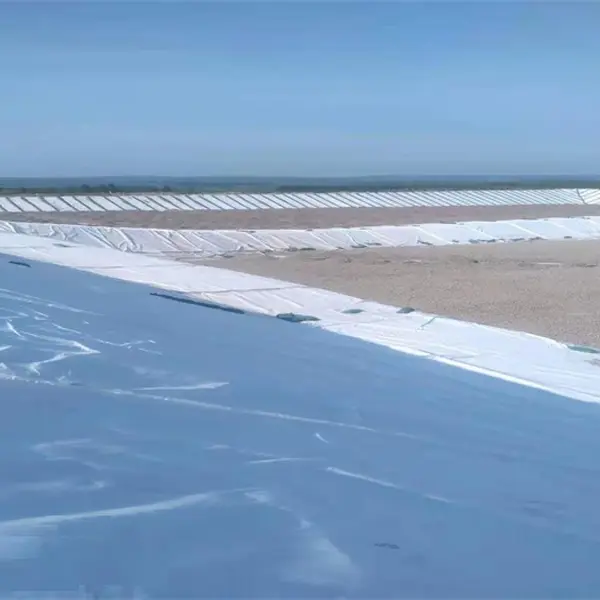
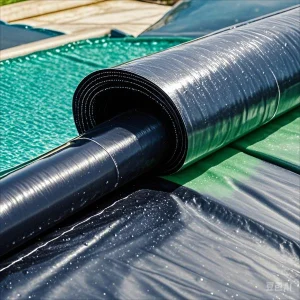
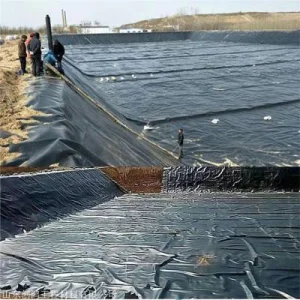
Engineered geomembranes used to construct highly secure anti-seepage layers for agricultural reservoirs, chemical storage ponds, and large-scale canal networks.
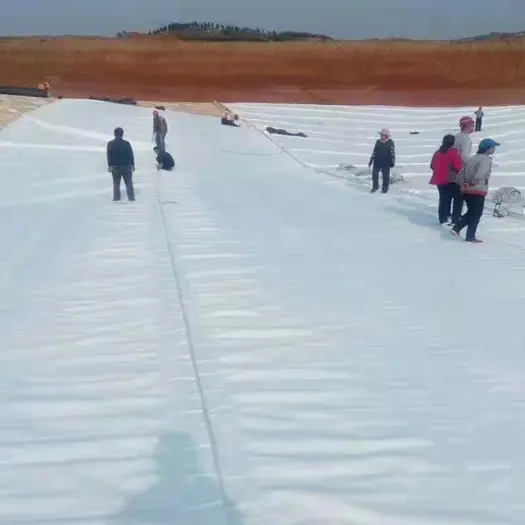
Advanced multi-layered composite geomembranes stabilize active riverbeds and structural channels, preventing fluid migration and preserving local hydrology.
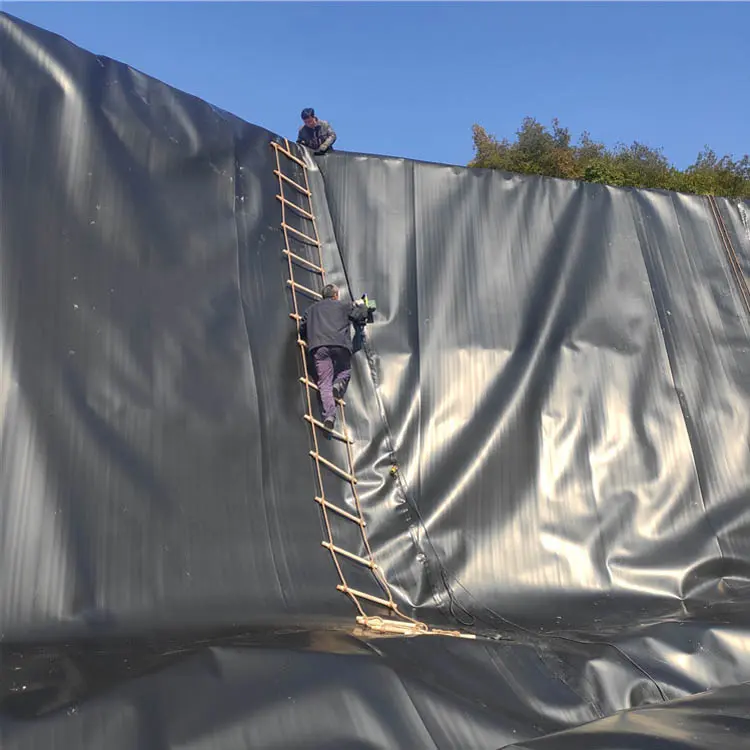
Our environmental containment barriers prevent hazardous chemical leachates from entering ground tables, complying with global municipal protection standards.
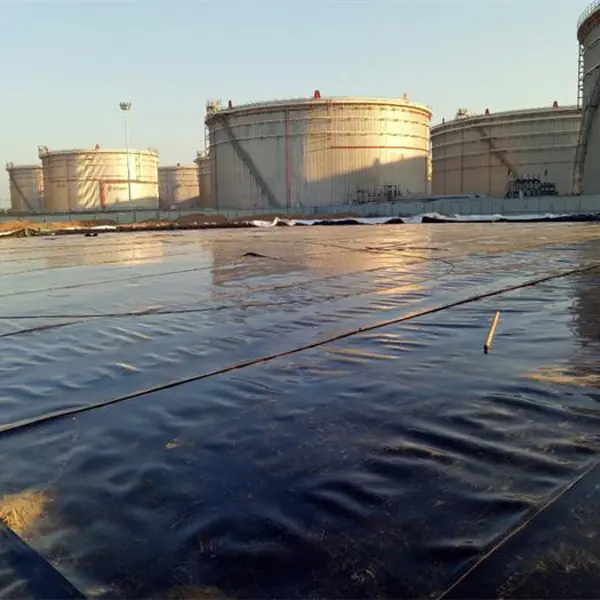
Heavy-duty, fuel-resistant geosynthetic membranes lining tank farms and refining pads, preventing catastrophic chemical leakages in petrochemical zones.
Ensuring absolute consistency in weld peel strength and material durability across every single roll and sheet.
At Shandong Hongyue, our operations utilize automated lines designed to run under precise temperature, pressure, and stretch parameters. This optimization keeps properties uniform across production runs.
We source premium polyester chips and high-density virgin polyethylene (HDPE). All raw materials are tested for density, melt index, and structural purity before processing.
HDPE resin is extruded at temperature-controlled points into sheets. Texturing and structural micro-perforations are added to enhance friction and drainage.
Sheets are joined with automated ultrasonic welding lines. Computerized weld monitoring guarantees joint weld strength meets international standards.
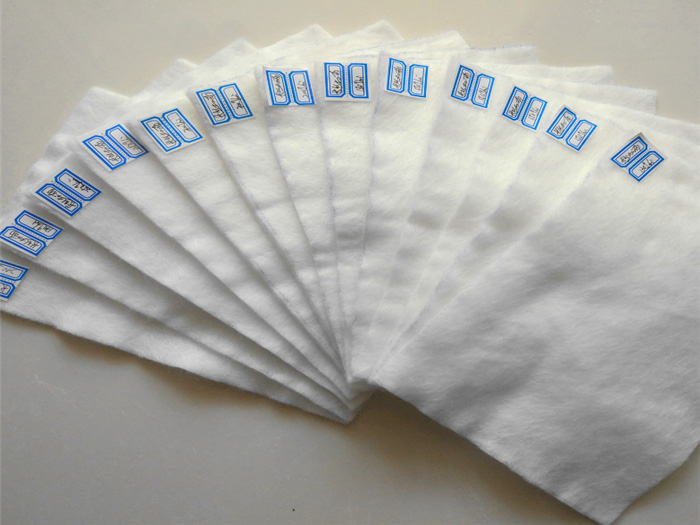
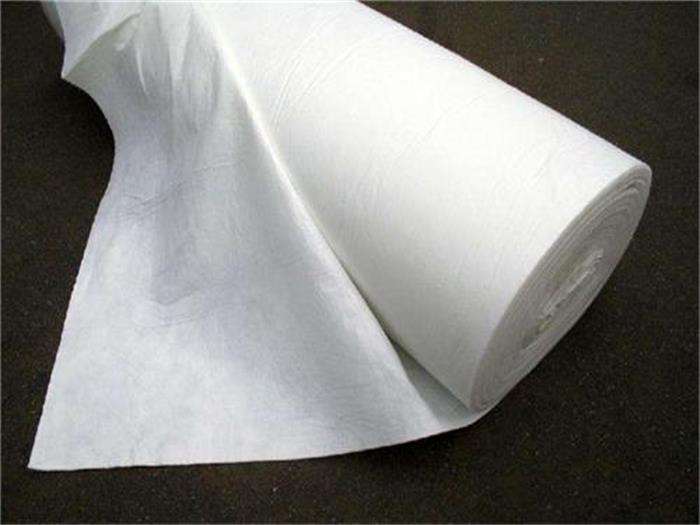
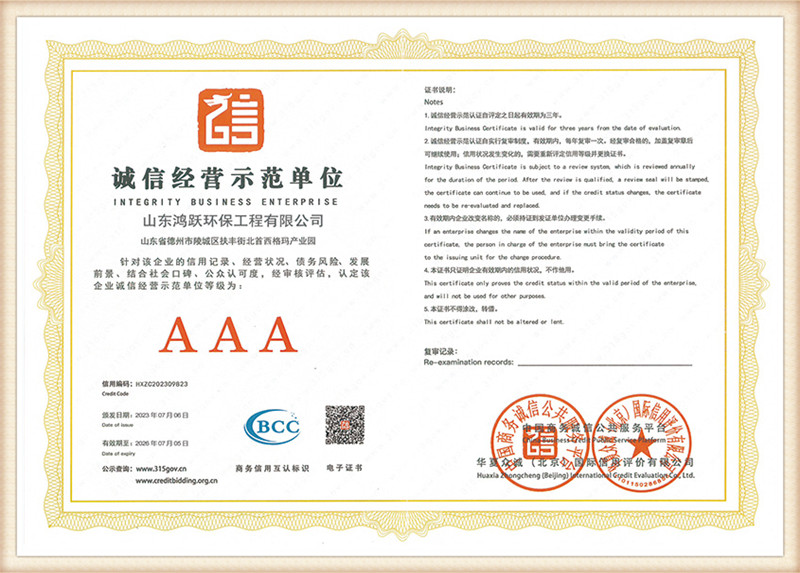
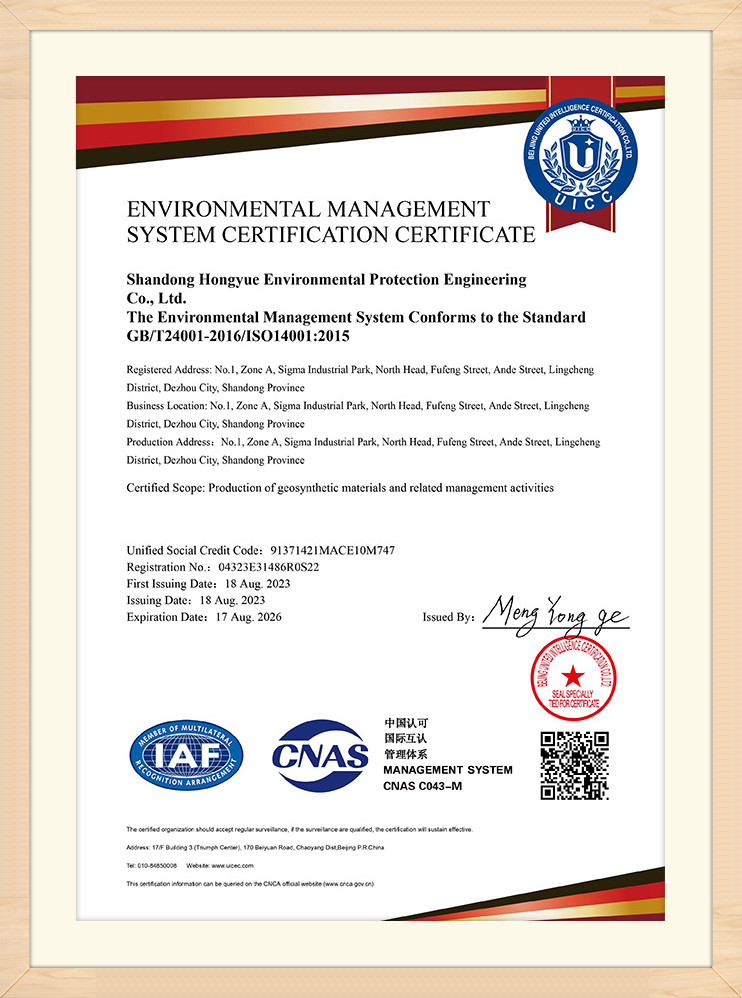
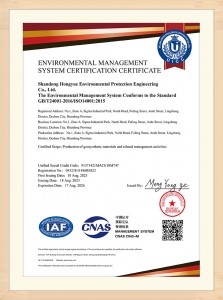
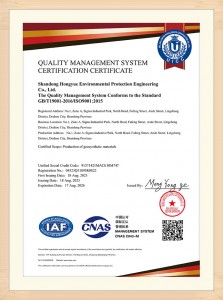
Certified to ISO9001, ISO14000, and ISO45001, verifying our commitment to industrial safety, environmental care, and quality output.
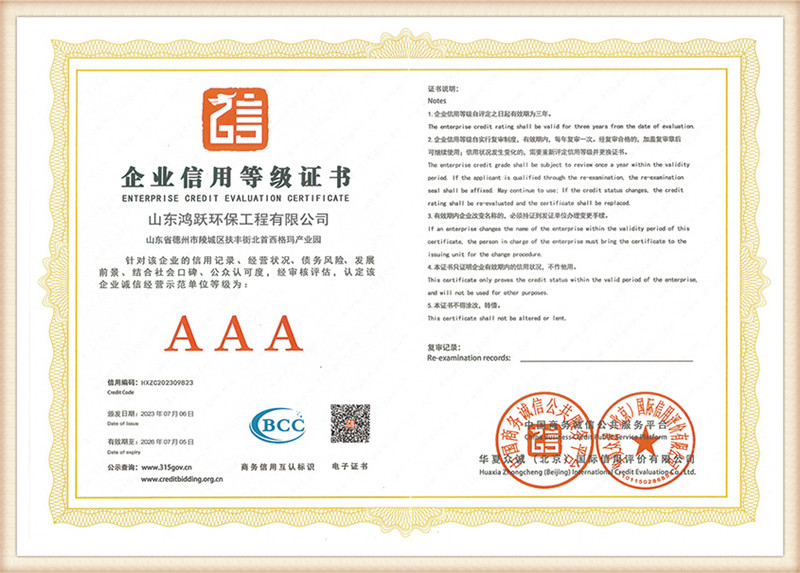
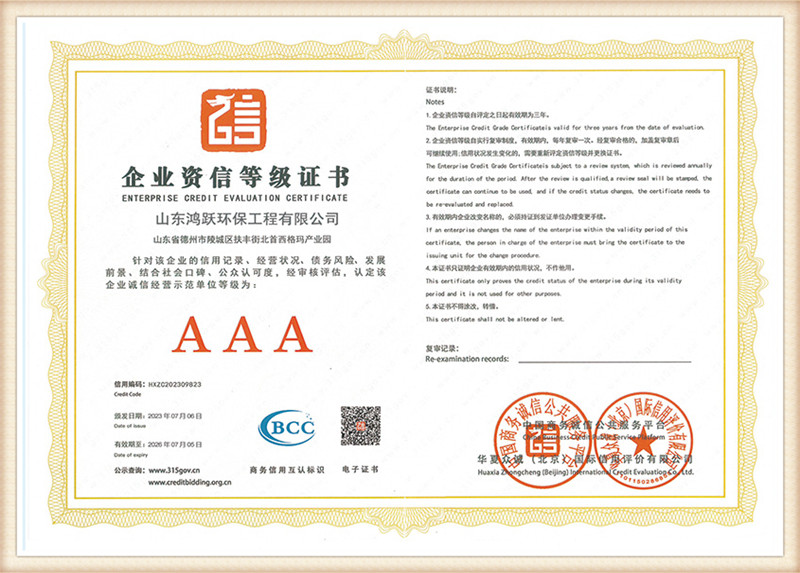
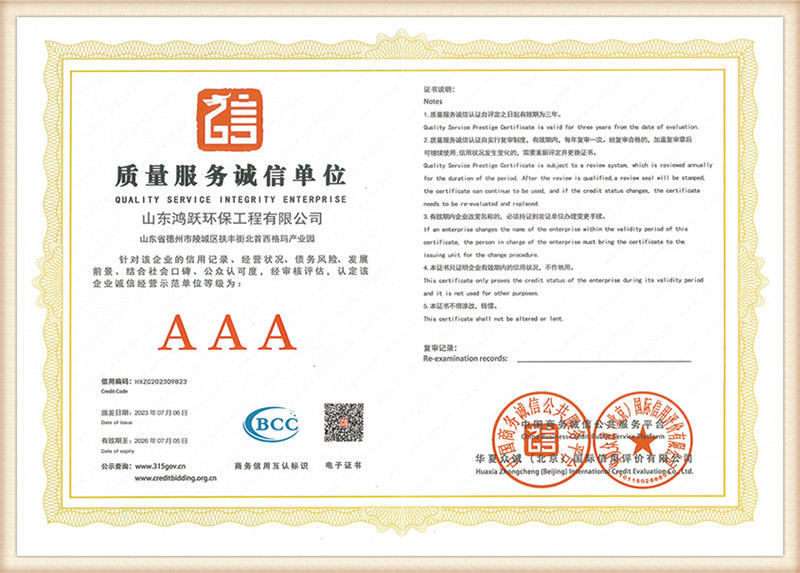
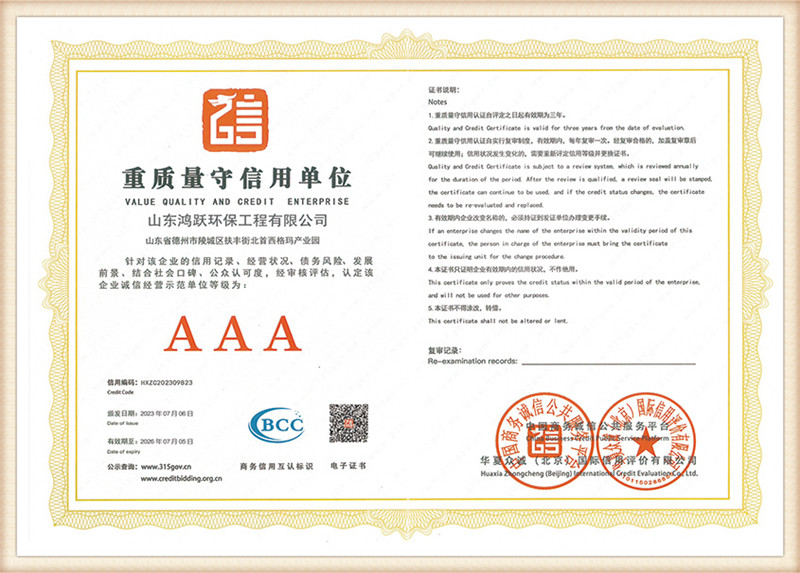
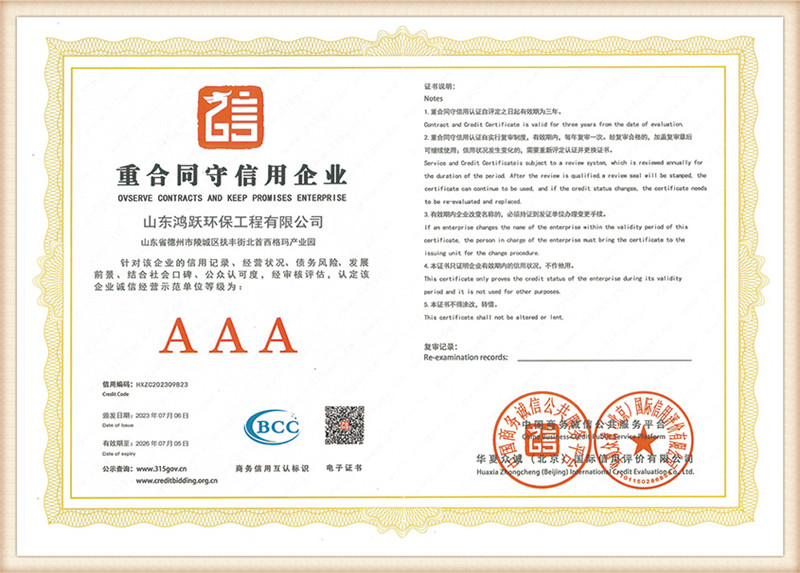
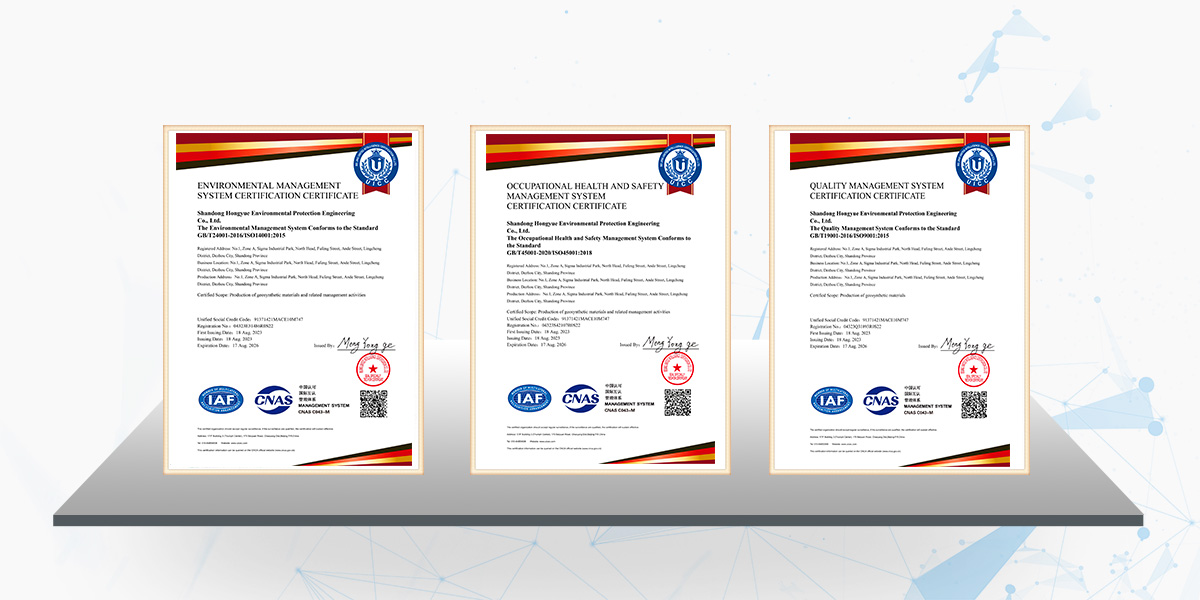
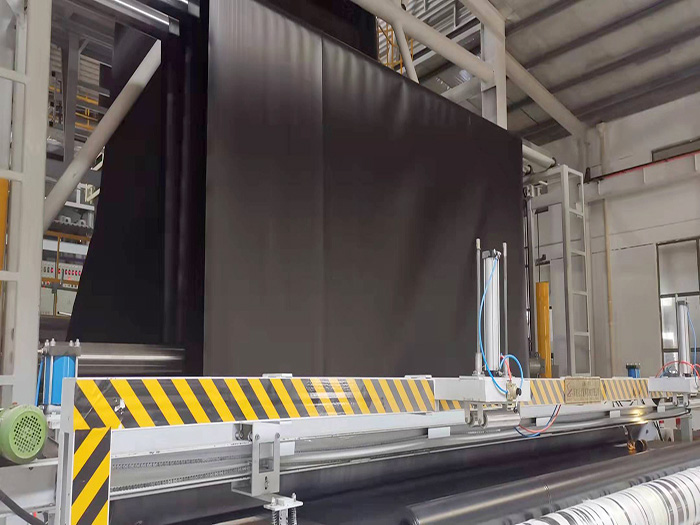
All materials produced at our plants are subjected to rigorous testing. Our products consistently meet or exceed international standards under supervision by the National Quality Inspection Center of China.
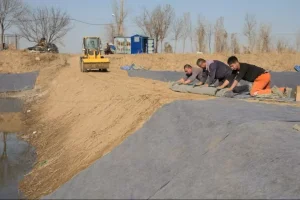
Step-by-step installation instructions for cellular confinement systems on load support and slope erosion projects.
Excavate the area to the design elevation. Remove rocks, vegetation, and organic matter. Compact the foundation soil to ensure a stable subgrade base.
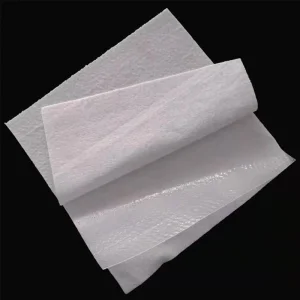
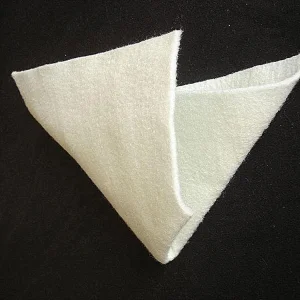
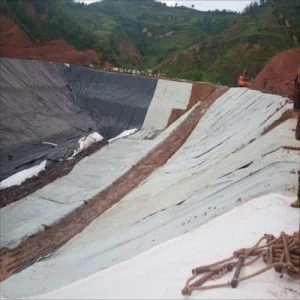
Lay down a non-woven geotextile separating layer. This prevents subgrade fines from migrating into the geocell infill while allowing water to drain freely.
Stretch out the geocell panels to their full dimensions. Drive anchors (such as J-pins or fiberglass tendons) to hold the cells open. Interconnect adjacent panels using heavy-duty staples or keys.
Backfill the cells with aggregate, concrete, or local soil. Overfill slightly by 25-50 mm to allow for compaction. Compact using standard vibratory rollers or plates.
For slope applications, infill with topsoil and apply hydroseeding. The cell walls protect the root system as vegetation grows, creating a natural green armor.
Verify that cell walls remain fully tensioned, anchors are secure, and infill compaction is uniform. This step ensures the design's structural load capacity is met.
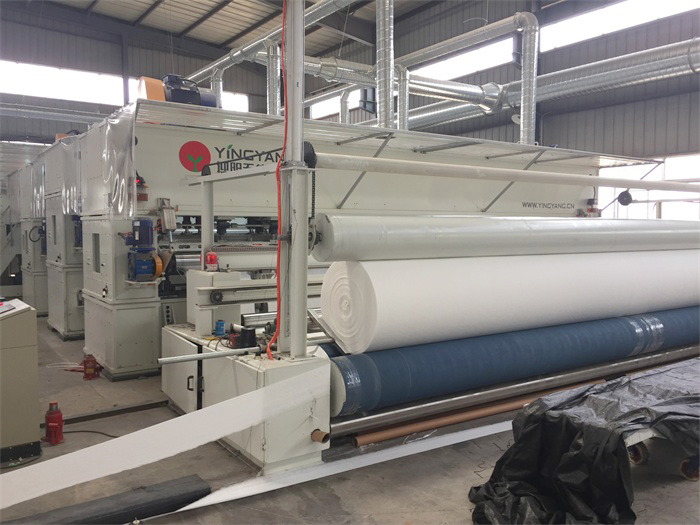
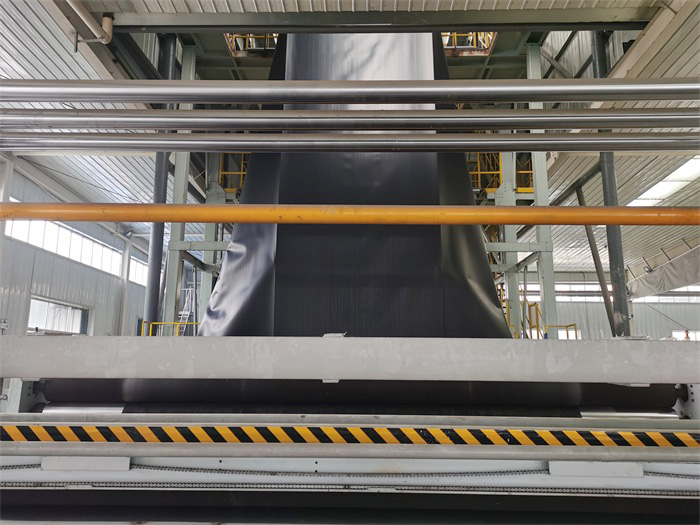
Shandong Hongyue is designing advanced geocells to meet the demands of tomorrow's infrastructure.
Our research and development pipeline focuses on three key areas:
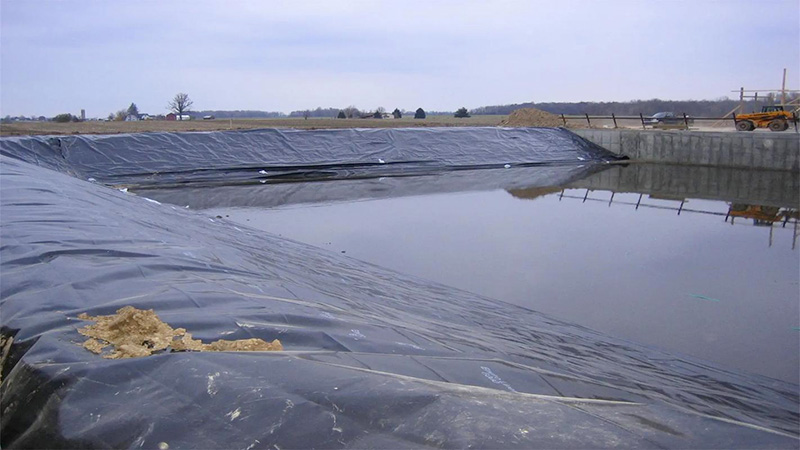
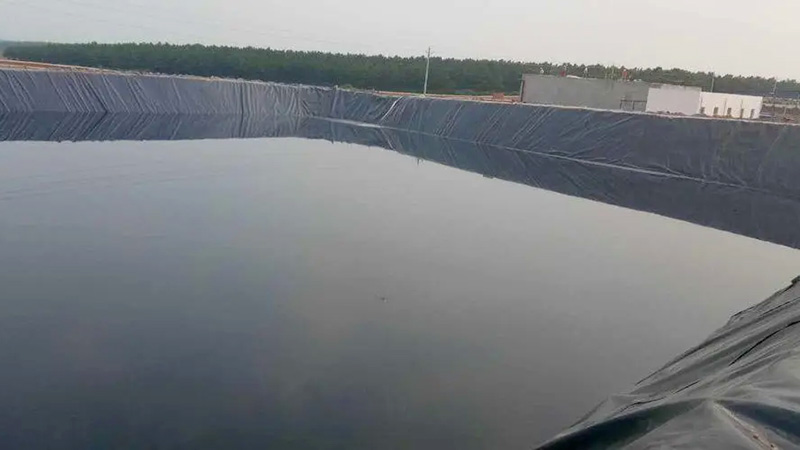
In-depth analysis of geomembrane solutions for reservoirs, dams, and municipal canals.
Modern hydraulic engineering relies on advanced geomembranes to prevent seepage and protect structural foundations. Our products are engineered for high puncture resistance, low permeability, and long-term durability in challenging conditions.
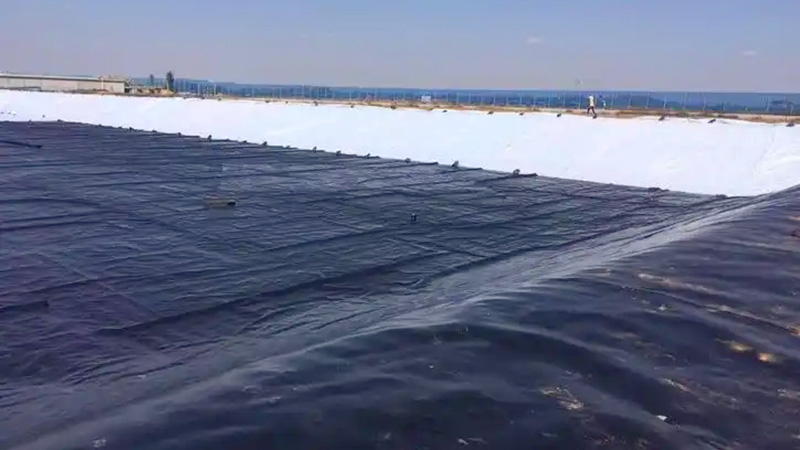
Continuous monitoring of raw materials, weld strength, and finished products ensures compliance with project specifications.
Addressing the technical, design, and procurement questions raised by civil engineers and purchasing managers.
Baselok-equivalent geocells are manufactured from high-performance virgin HDPE resins that offer superior environmental stress crack resistance (ESCR) and tensile strength. Our panels feature optimized ultrasonic weld patterns that achieve seam peel strengths exceeding 1420 N per 100 mm, significantly higher than standard recycled-content alternatives. This ensures the cell walls can withstand high dynamic loads and severe environmental conditions without splitting.
By confining infill material within its three-dimensional pockets, geocells limit lateral movement under loading. This increases the elastic modulus of the base layer, allowing designers to reduce the required aggregate thickness by up to 50% while achieving the same load-bearing capacity. Additionally, it allows the use of lower-cost local sand or gravel as infill, reducing expensive aggregate hauling costs.
Yes. Our geocells are engineered for slope stabilization on grades up to 1:1. Anchor spacing depends on slope angle, soil conditions, and infill type. Typically, slopes steeper than 1:2 require a grid of anchors (steel J-pins or polymer pins) spaced at 1 to 1.5 meters on center. For steep rock faces, high-strength polyester tendons are threaded through the cell walls and secured to a concrete anchor trench at the top of the slope.
Our manufacturing plant is certified to ISO9001 (Quality Management), ISO14000 (Environmental Management), and ISO45001 (Occupational Health & Safety). Our products undergo regular laboratory testing to ensure compliance with ASTM and GRI standards, including ASTM D5199 for thickness, ASTM D1505 for density, and ASTM D1505/D5397 for environmental stress crack resistance.
Made from high-molecular-weight virgin HDPE with added carbon black for UV protection, our geocells are highly resistant to biological decay, acids, and alkalis found in natural soils. They are designed for a service life exceeding 50 years in typical buried and exposed configurations, as verified by accelerated aging and creep testing under ASTM D6992.
Panels are joined using high-strength polymer keys (such as Atra-Keys) or heavy-duty pneumatic staples. Connecting panels properly ensures that load distribution remains continuous across the entire installation site, preventing local failures at joint interfaces.
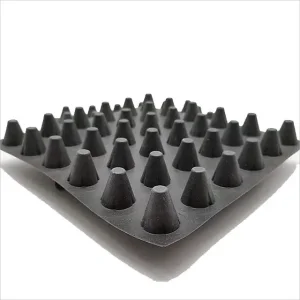
Complementary geosynthetic systems designed to protect subgrades, manage runoff, and secure containment boundaries.
 Hongyue