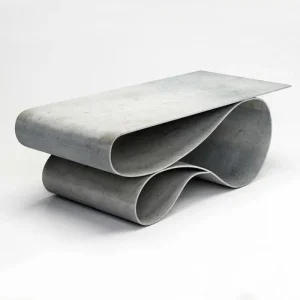
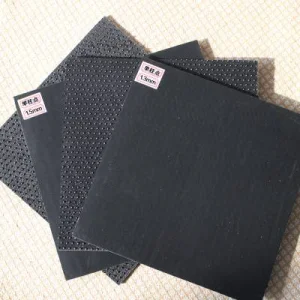
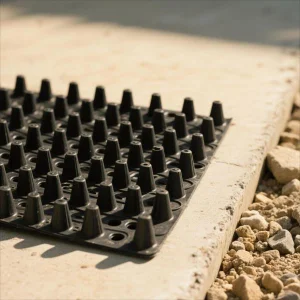
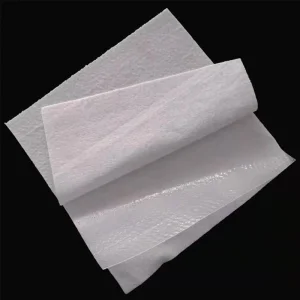
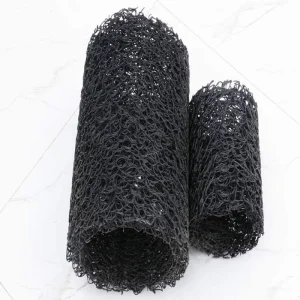
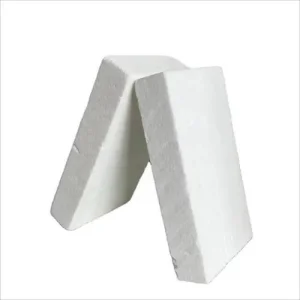
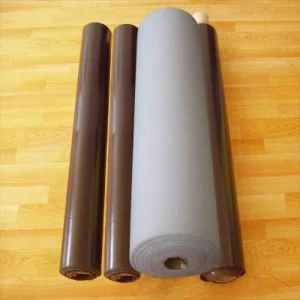
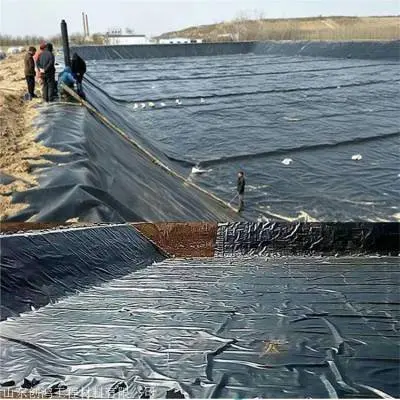
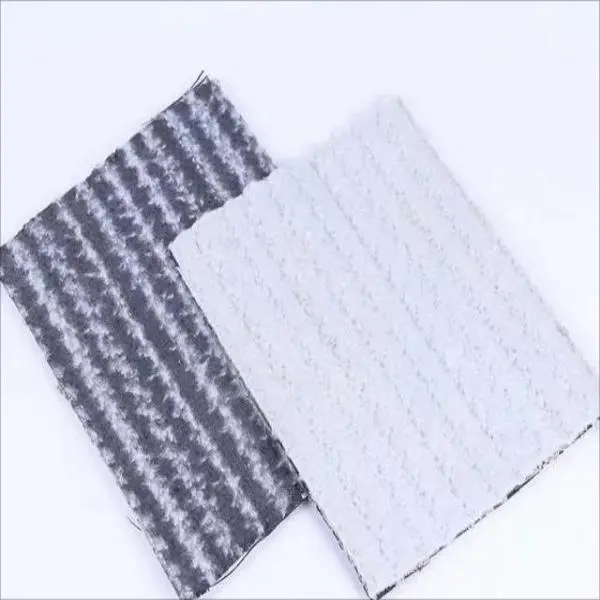
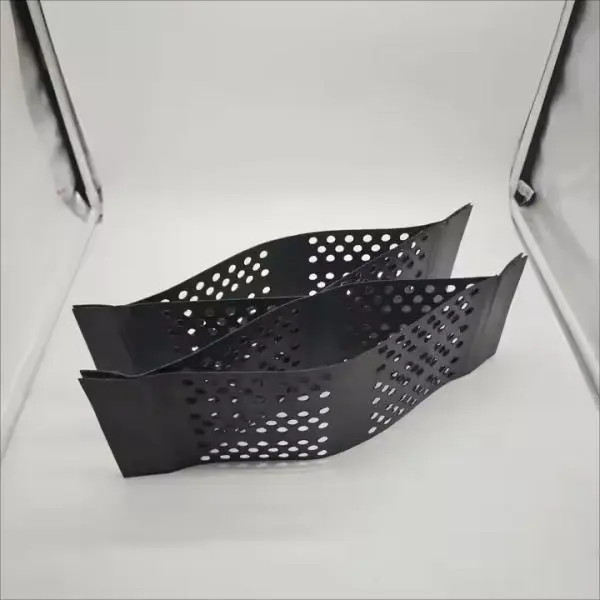
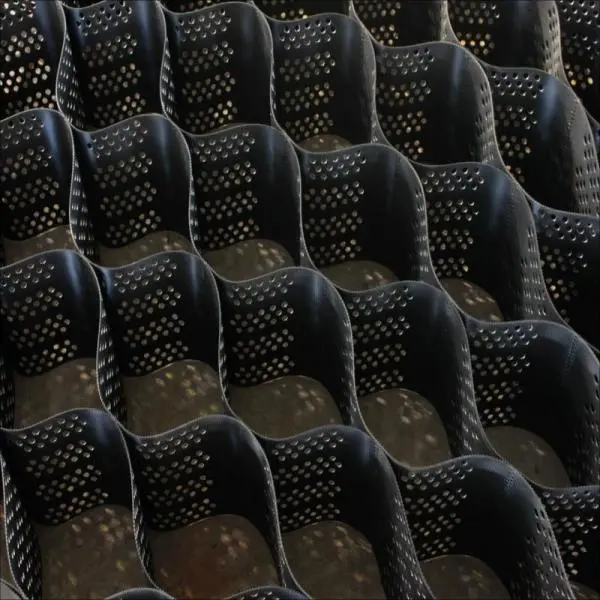
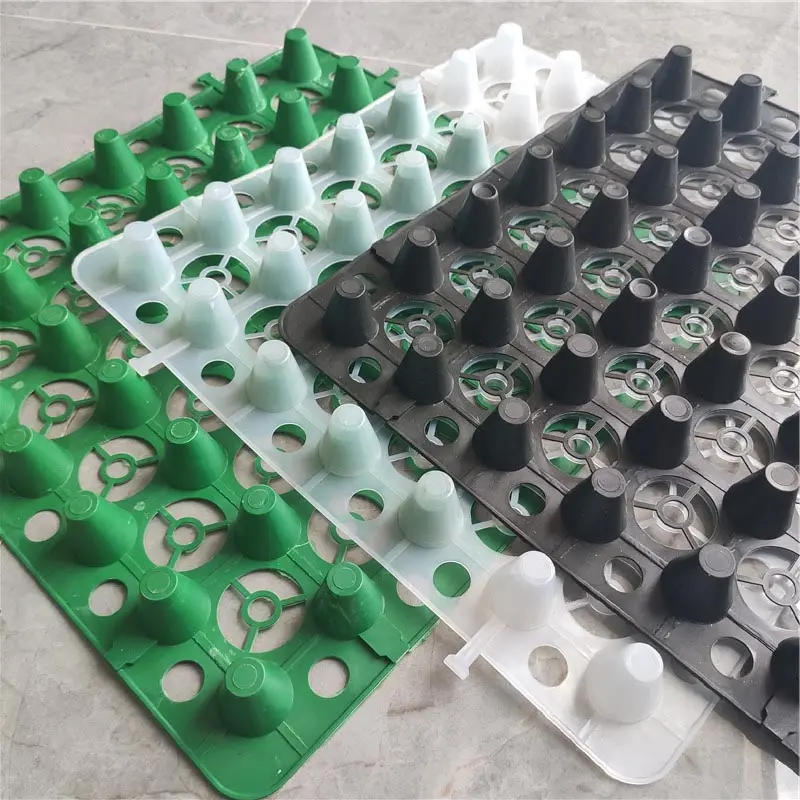
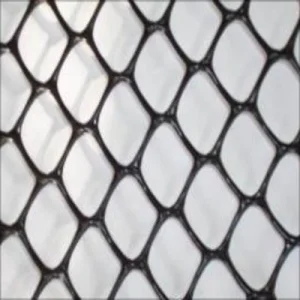
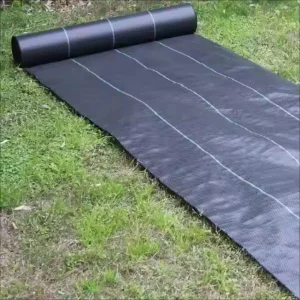
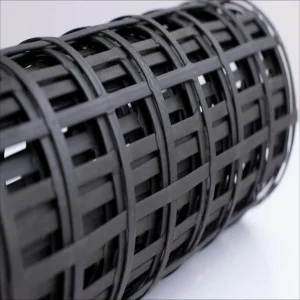
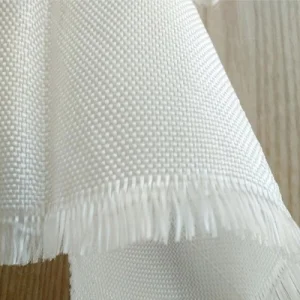
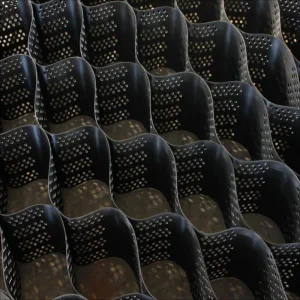
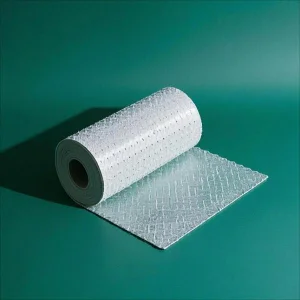
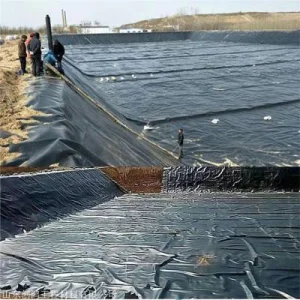
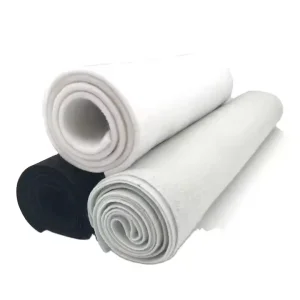
Select from our high-performance geotechnical engineering materials for channel protection, soil reinforcement, drainage control, and hydraulic sealing. As a premier manufacturer, we ensure peak material performance across all application boundaries.
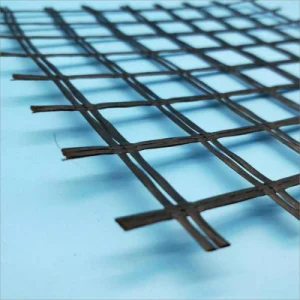
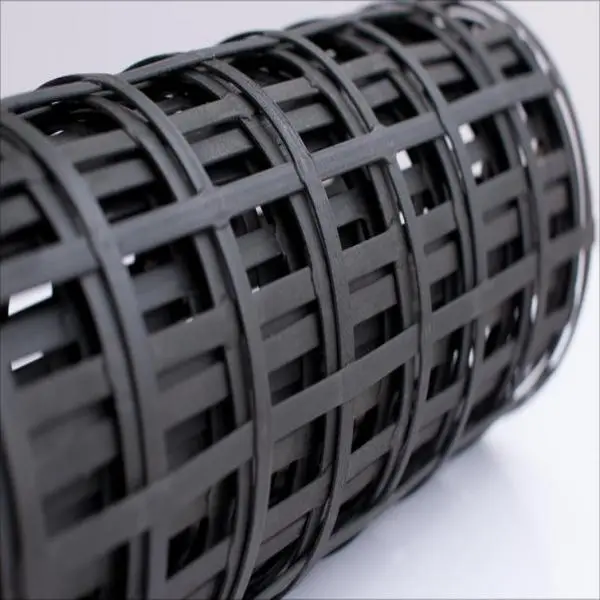
In modern civil engineering, soil reinforcement has graduated from empirical calculations to precision molecular architecture design. Among various reinforcing components, the Polyester (PET) Geogrid has established itself as the leading geosynthetic material for high-stress applications. Formulated by weaving high-tenacity, multifilament polyester yarns and wrapping them with a protective protective coat (bitumen, PVC, or specialized acrylics), polyester geogrids exhibit exceptional tensile resistance under low design strains.
Global infrastructure investments—spanning high-speed rail lines, mechanised earth retaining structures (MSE), expressways, and expansive mining containment facilities—require reinforcement materials that promise a lifespan exceeding 100 years. Engineered to bypass the dynamic stresses of freeze-thaw cycles and heavy cyclic loading, high-molecular-weight PET filaments solve the structural challenge of mechanical shear failures. This whitepaper details how specialized OEM polyester geogrids optimize long-term design strength (LTDS) and provides an analytical breakdown of global pricelists to assist procurement directors in managing cost-benefit matrices.
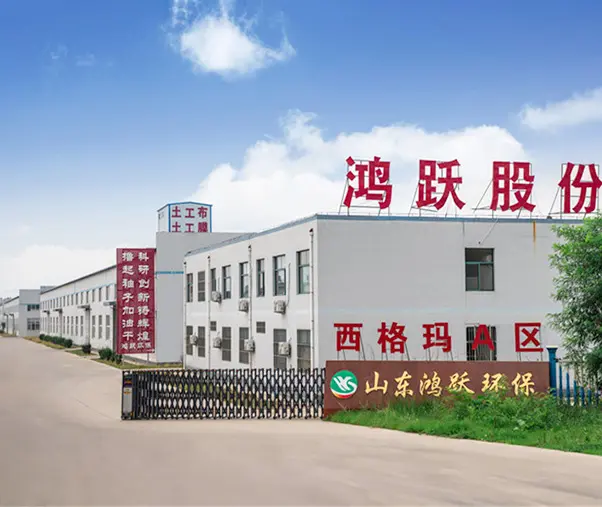
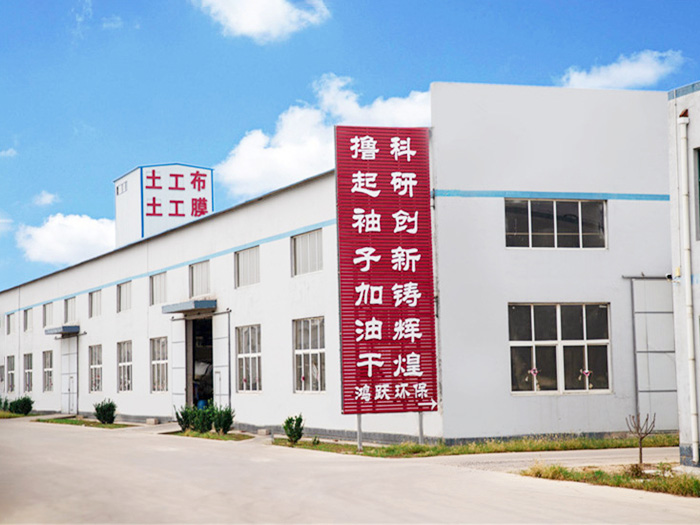
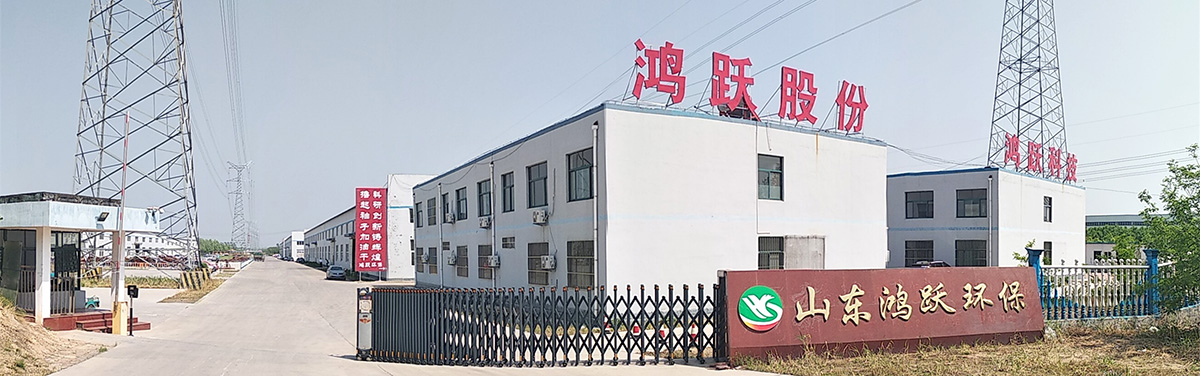
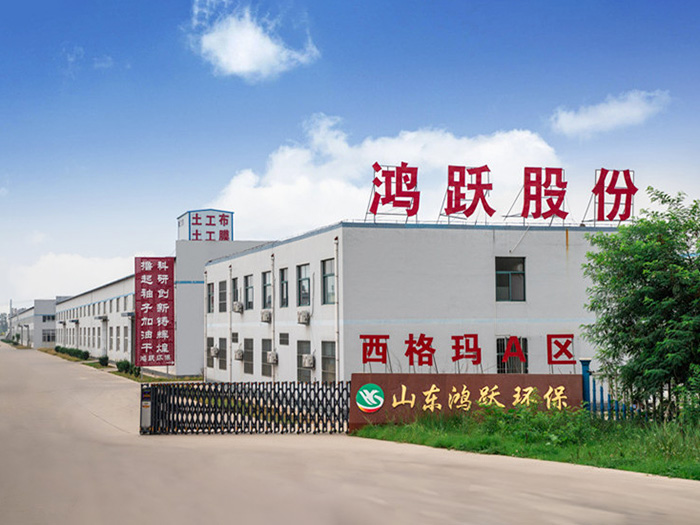
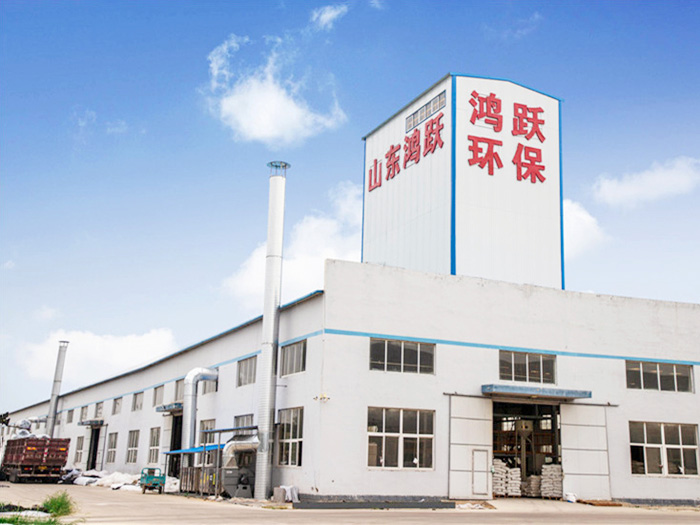
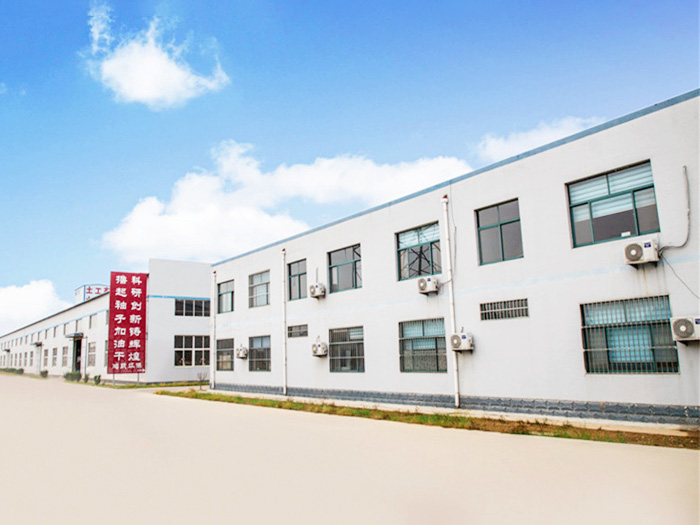
Established on April 6, 2023, and registered with a capital of 105 million yuan in the Market Supervision and Administration Bureau of Dezhou City, Shandong Hongyue Environmental Engineering Co., Ltd. stands as one of China's largest production bases for advanced geotechnical and anti-seepage materials. Strategically positioned at the north end of Fufeng Street, Lingcheng District, Dezhou, Shandong Province, we leverage superior geographical parameters and interconnected logistics paths to service critical projects globally.
We operate as a high-technology enterprise integrating research, engineering material production, sales, design, and turnkey construction services. Our multi-faceted engineering portfolio encompasses geomembranes, nonwoven geotextiles, composite geomembranes, waterproofing boards, geosynthetic clay liners (GCL), 3D composite drainage networks, geogrids, pervious concrete canvas materials, and flexible agricultural protective bags. Powered by advanced automated production lines and backed by deep engineering expertise, Hongyue guarantees that each roll of geogrid shipped satisfies the exact performance indicators required by civil engineering designers.
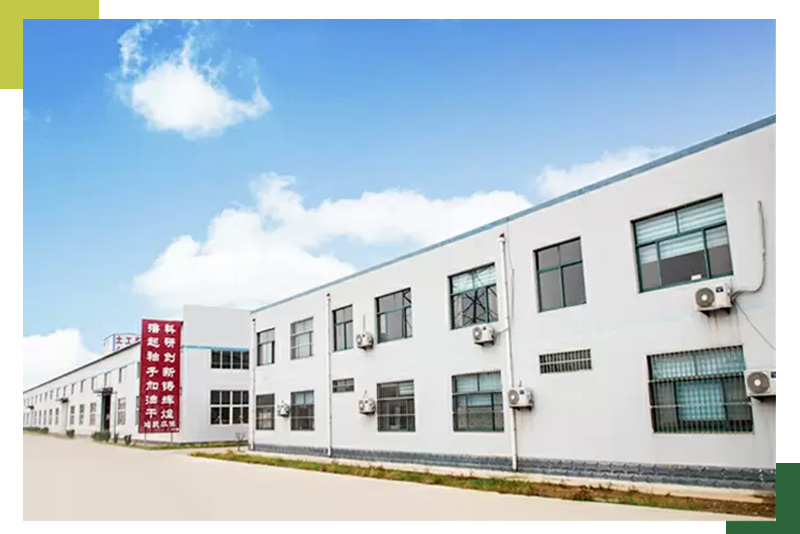
Dezhou Headquarters - Shandong Hongyue Environmental Engineering
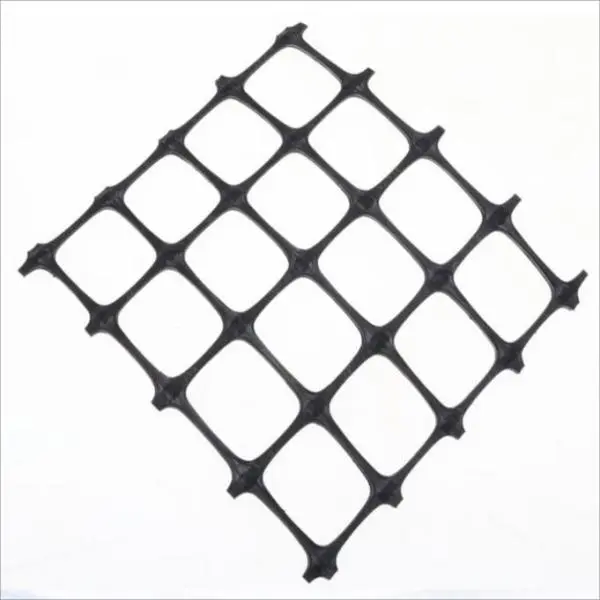
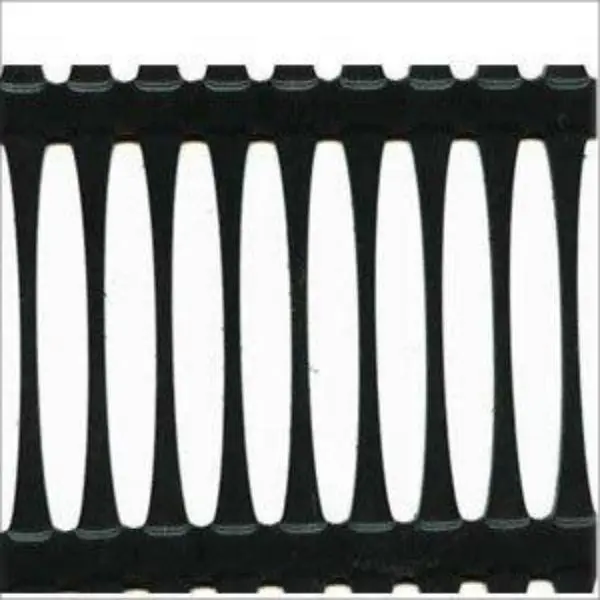
Polyester geogrids are classified based on the orientation of their primary tensile characteristics. Uniaxial geogrids are designed to support unidirectional stress profiles (such as retaining walls and slope reinforcements), while biaxial geogrids distribute tension along both longitudinal and transverse axes, making them ideal for subgrade stabilization and base reinforcement.
| Geogrid Type | Tensile Strength Range (MD / CD) | Elongation at Break | Coating Polymer | Aperture Dimensions | Est. Price (OEM Bulk / m²) |
|---|---|---|---|---|---|
| PET Uniaxial (Standard) | 50 kN/m to 400 kN/m | < 10% | Bitumen / PVC | 25mm × 200mm | $0.45 – $1.80 USD |
| PET Biaxial (Subgrade) | 30 kN/m to 150 kN/m | < 12% | Acrylate / PVC | 25mm × 25mm / 40mm × 40mm | $0.60 – $2.20 USD |
| High-Strength Mining Grid | 200 kN/m to 1000 kN/m | < 8% | Flame-Retardant PVC | 30mm × 30mm | $2.50 – $7.50 USD |
| PET Composite (Geotextile Bonded) | 50 kN/m to 200 kN/m | < 10% | Polymer / Bitumen | Custom Composite Layer | $1.10 – $3.80 USD |
*Note: The prices listed above serve as a baseline for OEM manufacturing runs. Final quotes vary depending on customized raw material specifications, molecular weight targets, custom roll widths (up to 6m), and laboratory compliance documentation (e.g. TRI testing or GSI standard reports).
Geological failures in major infrastructure projects typically result from poor shear strength within fill matrices. Below are the macro-industry solutions designed by our engineering department using Shandong Hongyue’s integrated product line:
Under repeated dynamic wheel loading, local soils shift sideways, causing uneven settling. Laying a biaxial polyester geogrid locks the aggregate base in place, reducing roadbed lateral deformation. By matching the geogrid aperture to the backfill particle diameter, engineers create an interlocking structural layer. This system increases the subgrade support capacity by up to 2.5 times, significantly extending maintenance cycles.
For high retaining walls, uniaxial polyester geogrids act as internal reinforcing anchors. By embedding geogrids layer-by-layer within the compacted soil backfill, they resist active earth pressures. The low creep properties of Hongyue's polyester yarns prevent structural tilt over decades. This method allows for steep, high-sloped retaining structures that reduce land acquisition footprints.
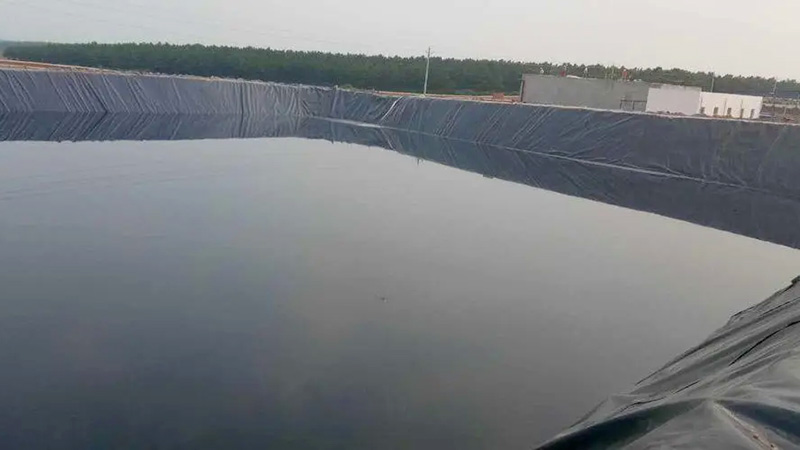
Landfill caps and tailings dams feature steep, multi-layered geosynthetic linings. Without reinforcement, sliding risks are high along these interfaces. Utilizing high-strength PET geogrids provides stability against down-slope gravity forces. Combined with Hongyue's rough geomembranes and geosynthetic clay liners (GCL), this system ensures long-term slope stability and prevents environmental leakage.
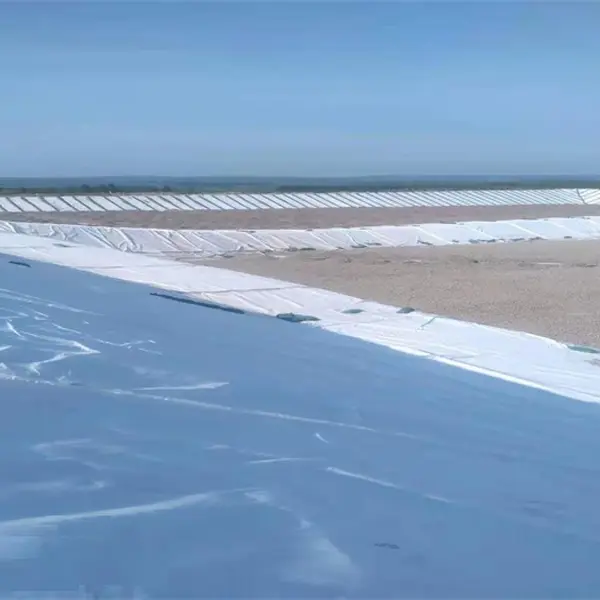
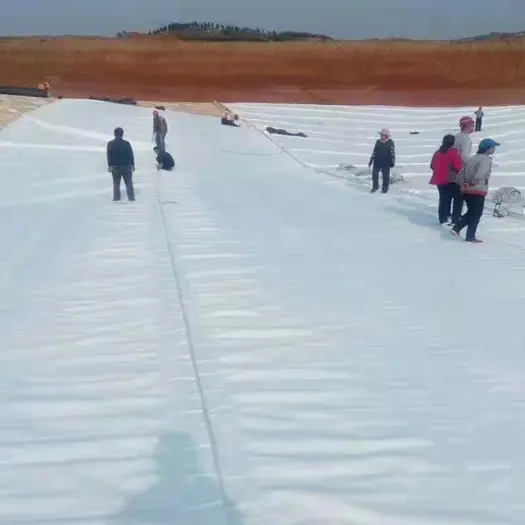
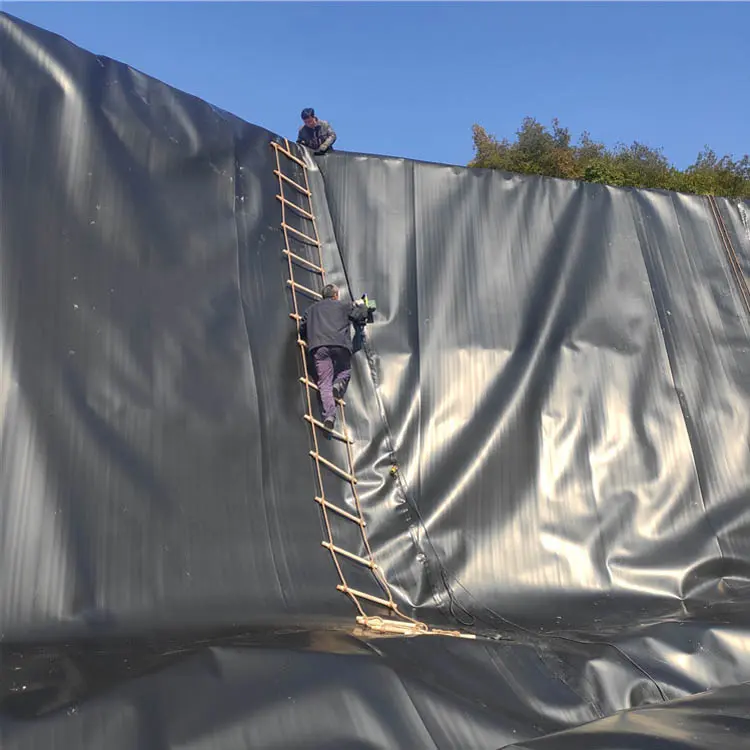
High-grade geosynthetic materials require strict manufacturing controls. From raw material preparation to final package delivery, Shandong Hongyue implements step-by-step quality inspections to meet dynamic tensile stress and durability standards.
Strict selection of virgin high-tenacity polyester chips.
Precisely controlled high-temperature melt processing.
Filaments are woven into stable, uniform grids.
Thermal drawing to lock high tensile strength.
PVC or bitumen bath for wear resistance.
Lab verification of tensile limits and roll packing.
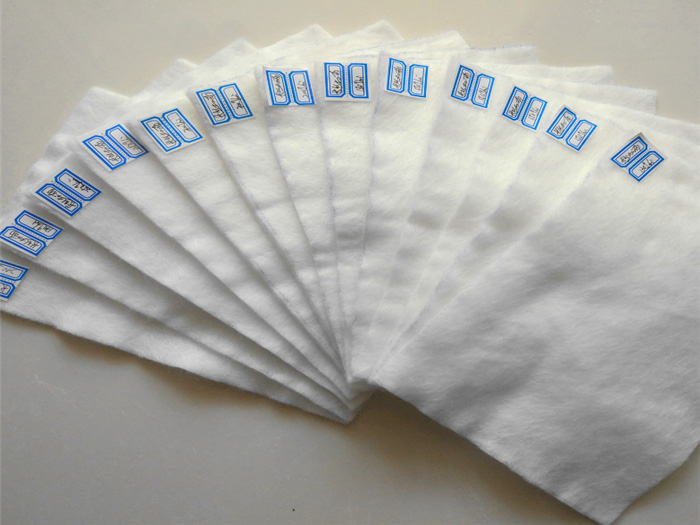
The main raw materials of geotextiles and geogrids are premium polyester chips, polypropylene filament, and viscose fiber. Extruded by modern screw extruders, processing temperatures and pressures are carefully adjusted. This guarantees consistent yarn composition, preventing weaknesses in the core load-bearing filaments.
Our automated warp knitting machines interweave high-tenacity polyester filaments into a stable grid matrix. The physical dimensions and tensile direction are set to meet civil engineering load profiles. This creates optimal aperture sizes, allowing backfill aggregate to lock firmly into the grid.
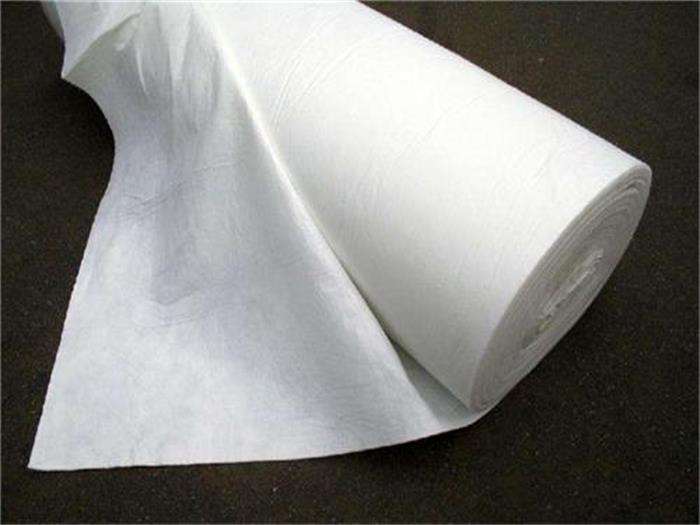
The woven geogrid passes through a polymer coating bath (e.g., bitumen or PVC) and undergoes heat-tension curing. This step protects the polyester yarns from installation damage, chemical exposure, and UV degradation. Post-curing, the material is rolled, labeled, and prepared for shipping.
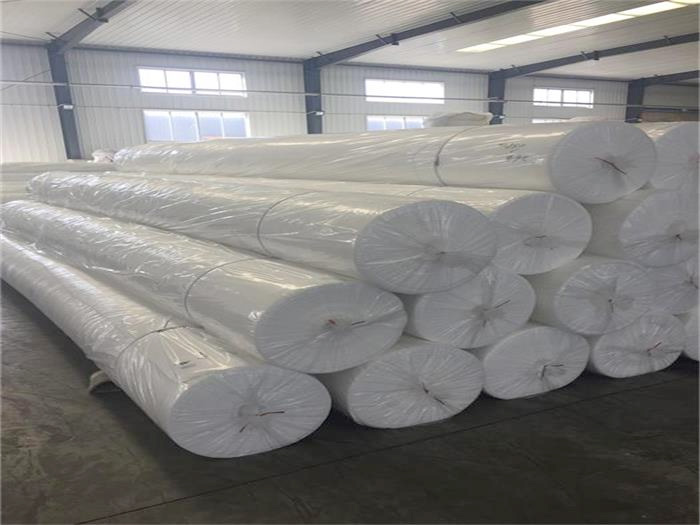
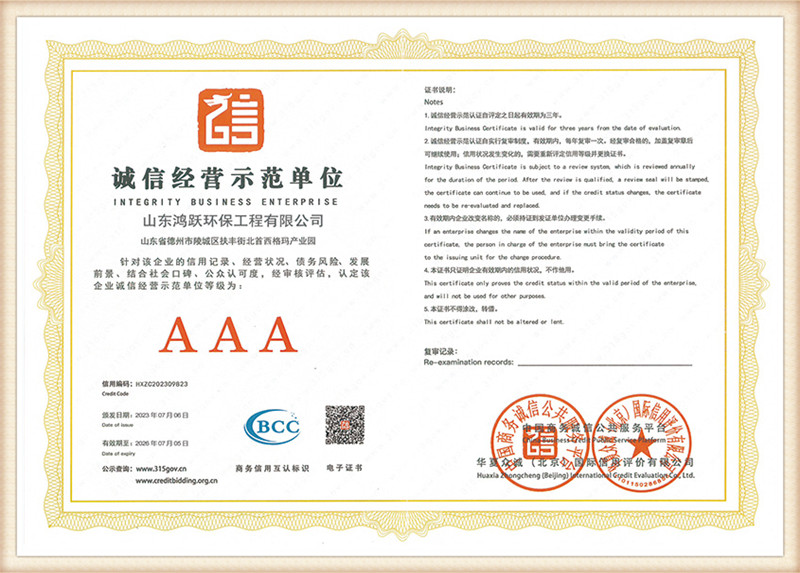
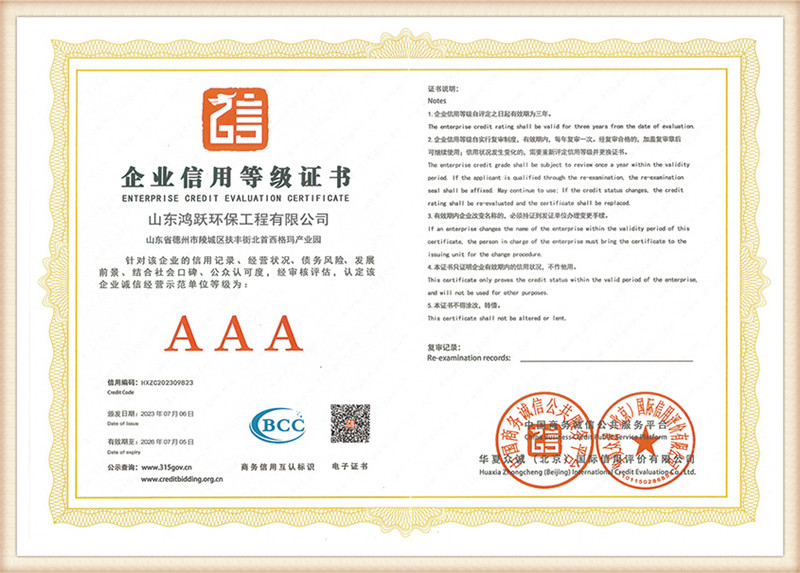
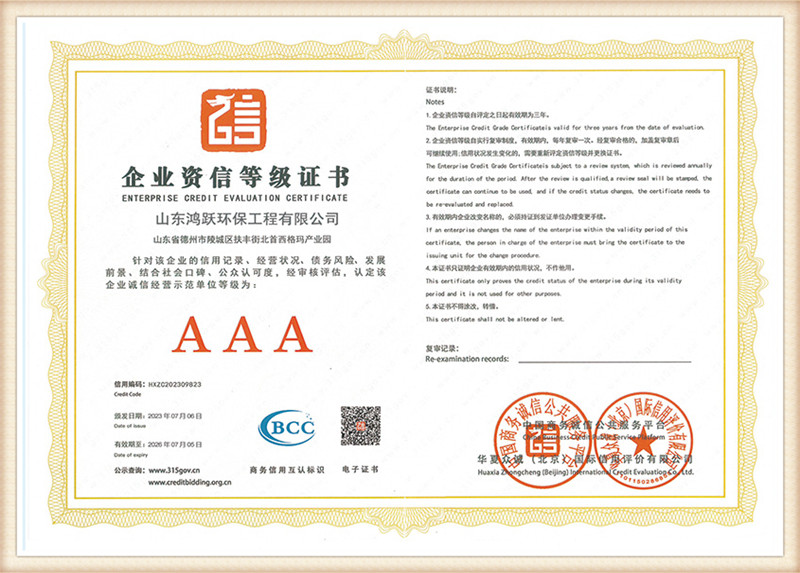
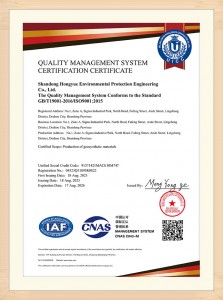
Geosynthetic components must withstand severe chemical and physical stresses. Our production facility and products meet top international testing standards, giving engineering clients full reliability. Shandong Hongyue Environmental Engineering Co., Ltd. holds several key certifications:
Hongyue maintains compliance with ISO9001 Quality Management Systems, ISO14000 Environmental Management Systems, and ISO45001 Occupational Health and Safety Standards. These certifications govern our raw material sourcing, chemical processing, and plant safety protocols.
All geosynthetic products are validated by the China National Testing Center and pass quality inspections commissioned by the State Administration of Quality Supervision. Product batches include test reports detailing ultimate tensile strength, creep elongation index, and interface friction coefficients.
Our products serve major domestic and international infrastructure projects. Our engineering services department provides 24-hour technical support, design calculations, and on-site welding or installation guidance worldwide.
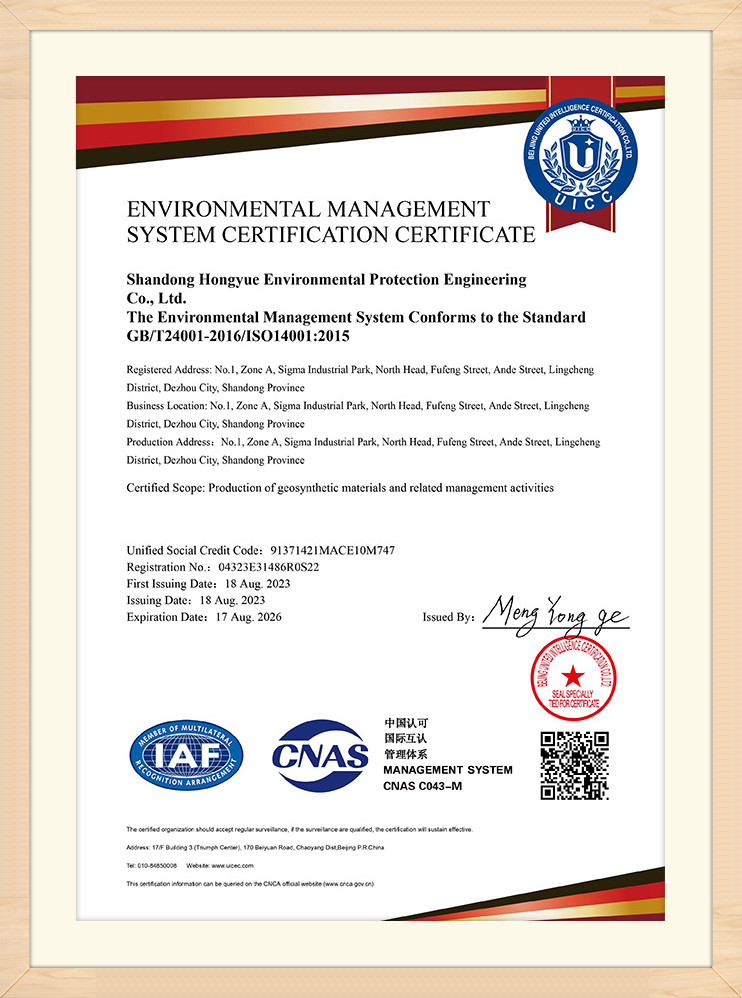
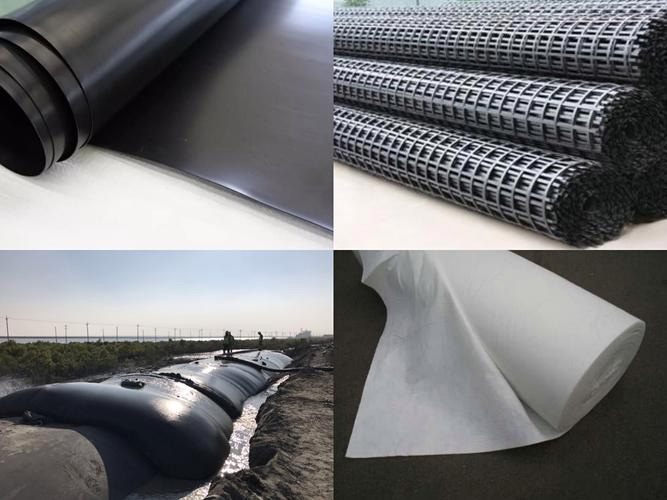
The performance of geomembranes and geogrids depends on selecting the right materials and executing correct installation techniques. Below is our engineering application checklist, compiled from over a decade of field experience.
Design teams must select the base polymer and thickness to match the local chemical environment. HDPE is standard for acidic soils, while LLDPE is preferred for high-settlement sites due to its elongation capacity. For slope protection, uniaxial geogrids are chosen to handle unilateral tension, with thicknesses scaling from 1.0mm to 2.5mm depending on slope height and fill load.
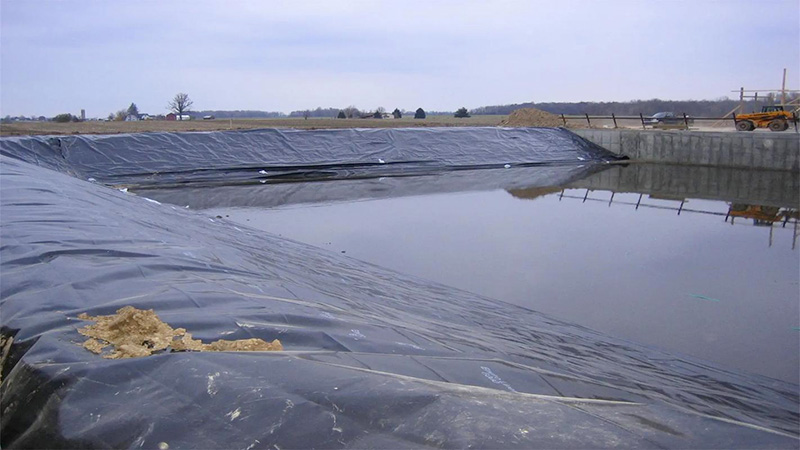
Prior to laying geomembranes or geogrids, the base ground must be cleared of sharp debris and compacted to engineering specifications. Laying layouts should match the primary stress direction. In cold regions, installers must leave slight slack in geomembranes to prevent stress cracking during winter contraction. Seam welding must use double-track fusion methods, with pneumatic tests verifying seal integrity.
Applying the cover layer requires care to avoid damaging the geosynthetic layer. Heavy construction machinery should not drive directly on exposed membranes or grids. Regular post-installation inspections help verify that performance remains intact. Field teams should monitor soil displacement, slope settling rates, and drainage outfalls to confirm structural stability.
As green infrastructure standards tighten worldwide, geogrid technology is shifting toward sustainable materials and smart structural monitoring. Shandong Hongyue is leading this transition by investing in green chemical formulations and sensor-embedded products:
By utilizing post-consumer recycled PET bottles and refining the polymer extrusion process, we can reduce the product carbon footprint by up to 35% while maintaining design strength. Our laboratory is also testing bio-based coatings that resist soil bacteria without using heavy chemical stabilizers.
Future structural safety relies on real-time data. By weaving micro-fiber optic sensors into the geogrid grid matrix, we create geogrids that monitor stress levels, temperature, and local shifts. This allows operators of high-speed rail lines and tailings dams to detect and address internal soil displacement before surface cracks appear.
We are optimizing the rib structure of our geogrids. Using specialized PVC coating mixtures helps increase the friction coefficient between the grid and surrounding gravel. This improved physical interlock allows project managers to reduce the geogrid layering density, saving on material and logistics costs.
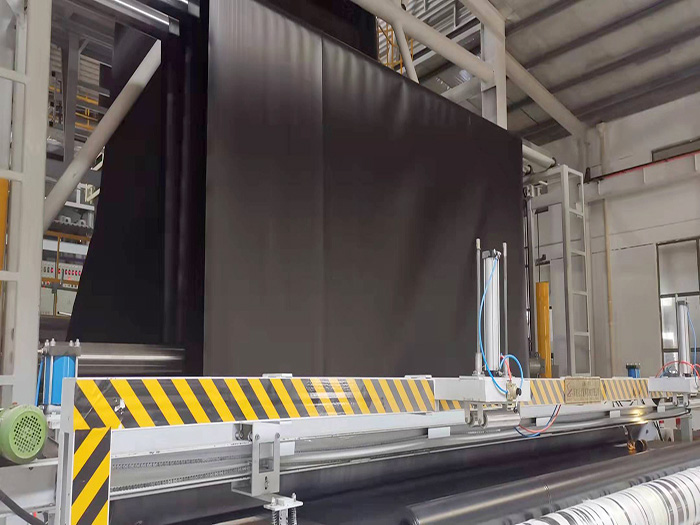
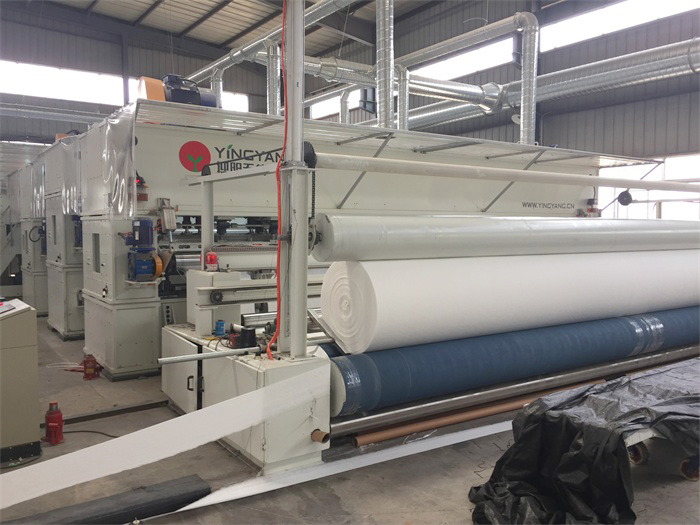
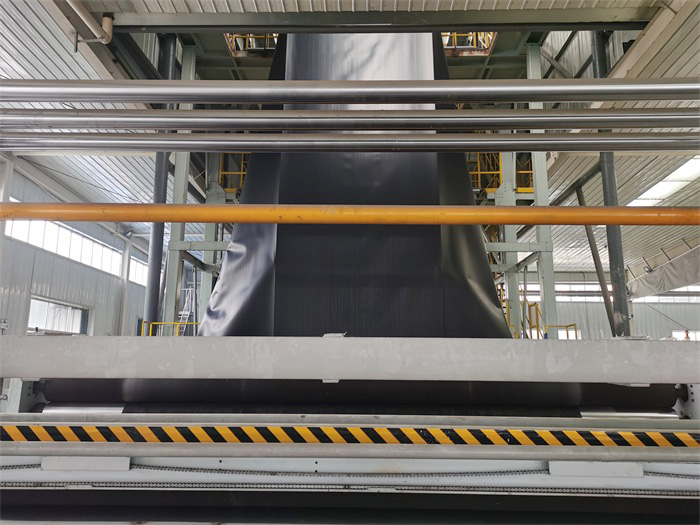
Equipped with advanced multi-axis warp knitting machinery and continuous polymer coating lines, our factory provides stable production volume and consistent geogrid specifications.
Below are expert answers to common technical and commercial questions about polyester geogrids, helping design engineers and procurement departments select the right materials.
Explore our complete selection of engineering materials. We supply geosynthetic clay liners, geomembranes, and geogrids globally for municipal, industrial, and civil construction projects.
We maintain standard inventory and export support for all major geogrid, geotextile, and geomembrane items listed below. Click on individual product listings to request customized specifications and wholesale pricing tables.
 Hongyue