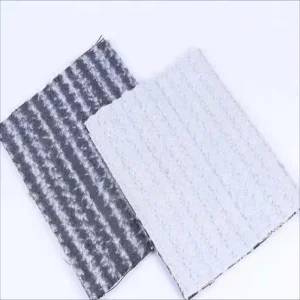
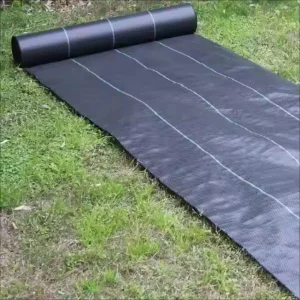
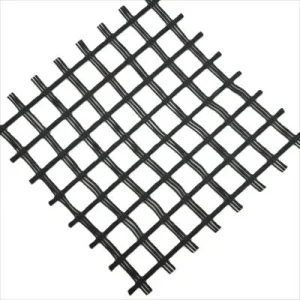
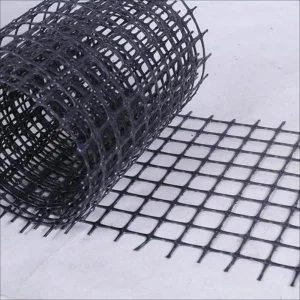
In modern environmental engineering and infrastructure design, the deployment of Polyester Eco Bags (commonly referred to as ecological bags or geotextile soil containment systems) represents a paradigm shift. Unlike standard consumer-grade carrier bags, structural eco bags are engineered heavy-duty geosynthetics manufactured from high-tensile, UV-stabilized polyester (PET) or polypropylene (PP) non-woven geotextile fabrics. These specialized bags function as primary building blocks in soil bioengineering, vegetative slope optimization, and dynamic shoreline protection.
By combining mechanical strength with porous permeability, OEM polyester eco bags facilitate moisture movement while trapping soil fines. This allows for root penetration and vegetative growth, transforming sterile retaining walls into living, self-healing biological structures.
Polyester chips are extruded into continuous filament fibers that display superior creep resistance under static load compared to standard polymers. This makes PET eco bags the preferred choice for long-term critical slope applications where material stability over 50+ years is required.
Located at the north end of Fufeng Street, Lingcheng District, Dezhou, Shandong Province, Shandong Hongyue Environmental Engineering Co., Ltd. is a scientific and technological geotechnical material manufacturer integrating engineering material production, sales, design and construction services. The company was registered in Lingcheng District Market Supervision and Administration Bureau of Dezhou City on April 6, 2023, with a registered capital of 105 million yuan. It is one of the largest production bases of geotechnical materials in China at present, situated in a superior geographical location with convenient transportation links.
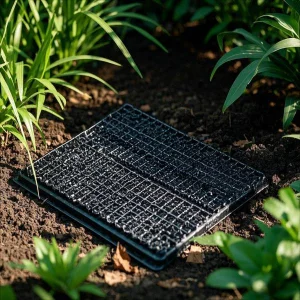
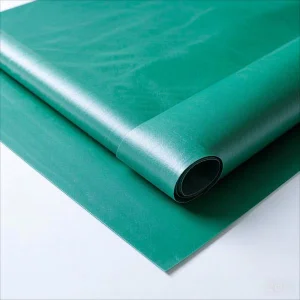
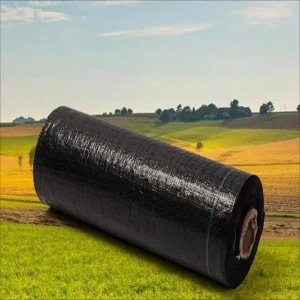
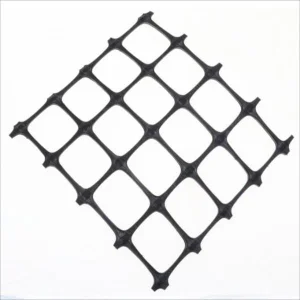
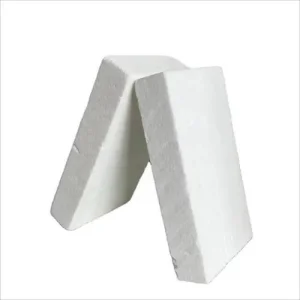
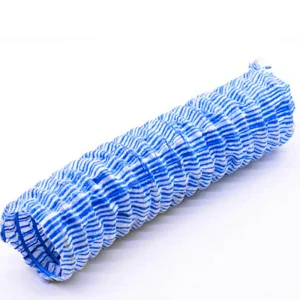
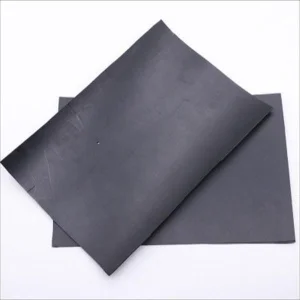
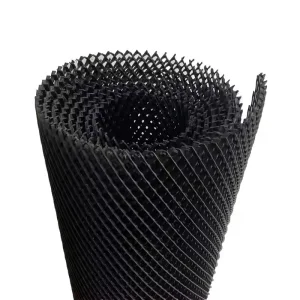
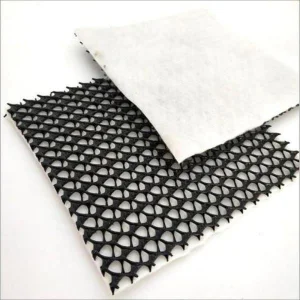
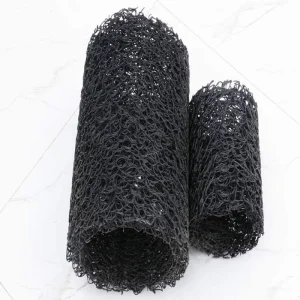
We deal in geotextiles, geomembranes, composite geomembranes, waterproof boards, bentonite waterproof blankets, 3D composite drainage nets, (composite) drainage boards, weaving cloth, woven cloth, membrane bags, blind ditches, waterproof/drainage combinations, woven bags, ecological bags, cement blankets, fiber plants blankets, and flexible pervious pipes.
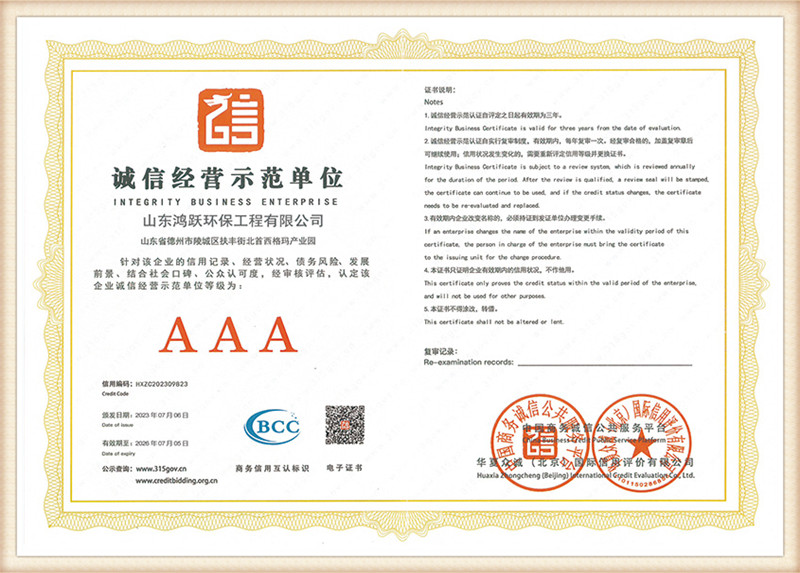
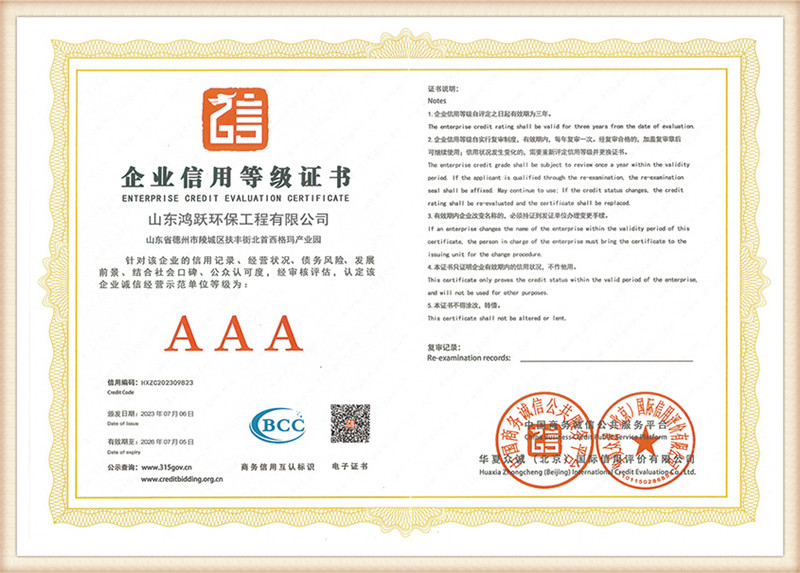
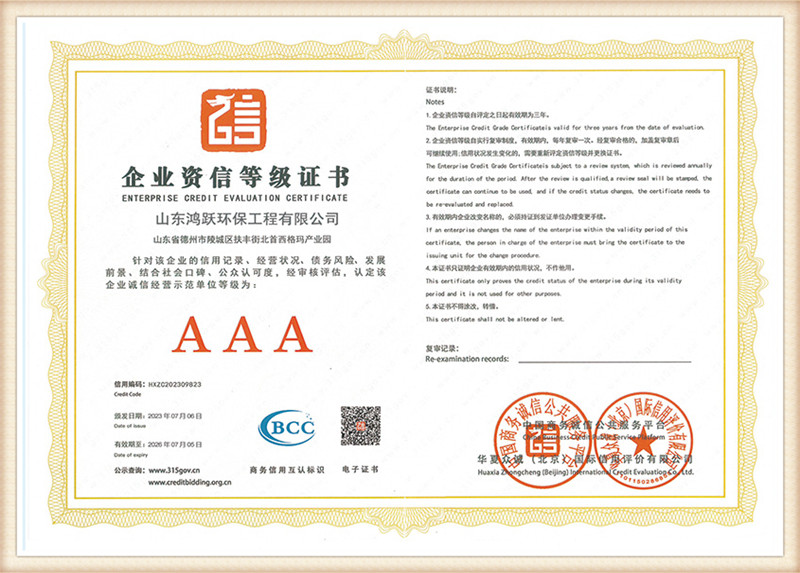
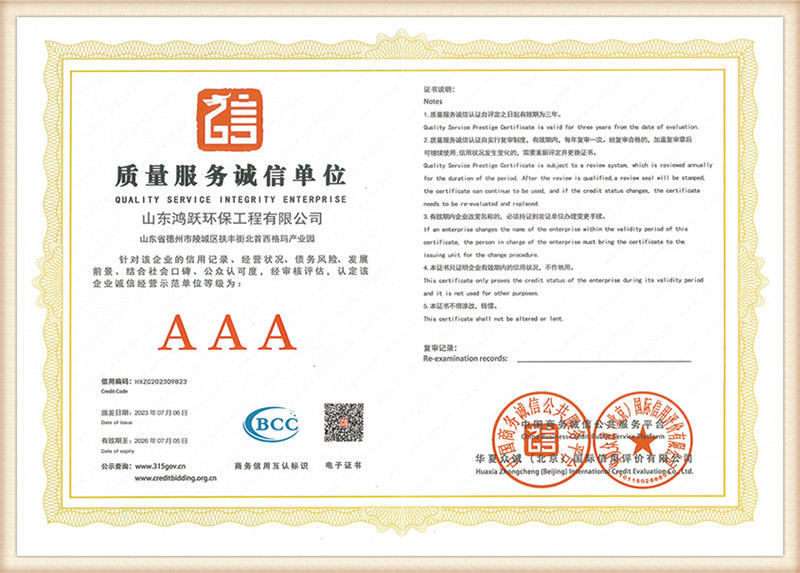
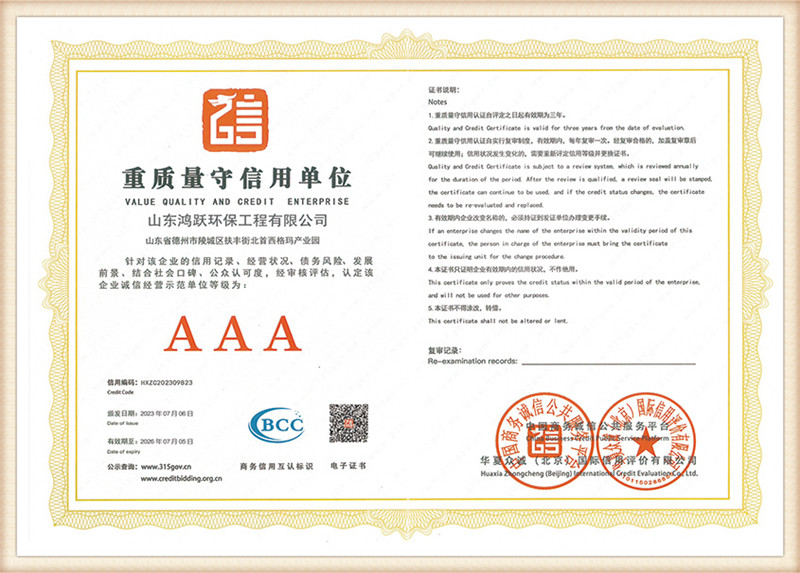
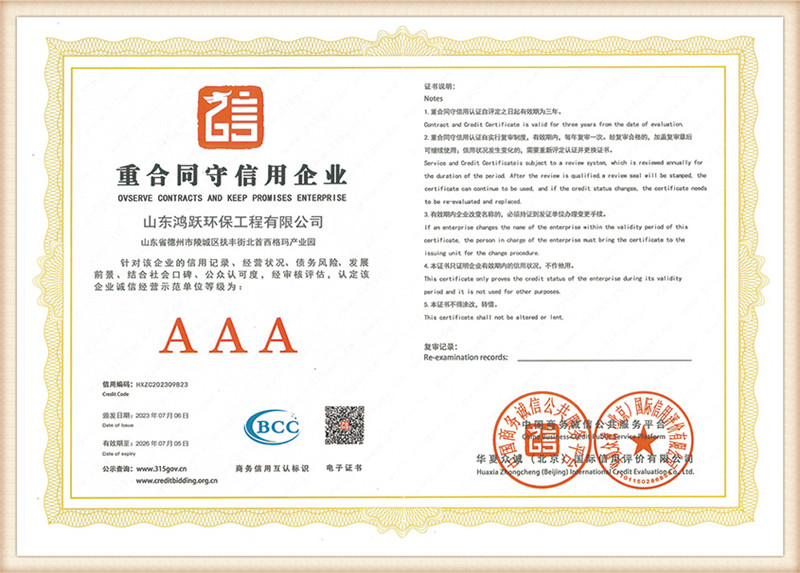
Shandong Hongyue has successively passed the ISO9001 international quality system certification, ISO14000 environmental system certification, and ISO45001 occupational health and safety management system certification. We have won multiple honors such as "green and environmentally friendly building materials products" and "provincial-level poverty alleviation leading enterprises".
Our products are exported to multiple countries across Europe, the United States, and Australia. We operate an extensive sales network across 40+ large and medium-sized cities, including major logistical hubs like Shanghai and Beijing.
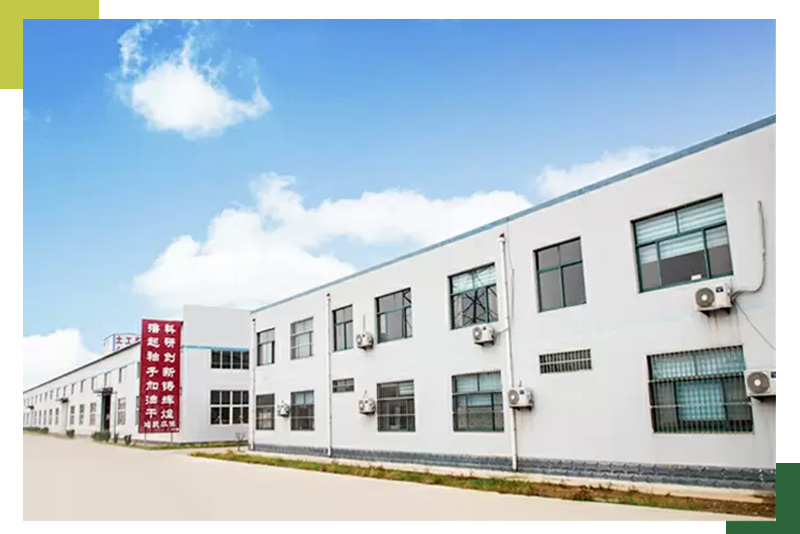
As a premier manufacturing hub in Shandong Province, Dezhou is recognized globally for its advanced industrial concentration in geosynthetics. Our manufacturing facility harnesses key advantages that enable us to deliver premium-grade OEM polyester eco bags efficiently and cost-effectively:
Our integrated industrial ecosystem allows for streamlined sourcing of raw polyester chips, state-of-the-art non-woven spunbond production lines, and robotic automated sewing. These components ensure that each eco bag complies with rigorous ASTM standards for tensile strength, elongation, hydraulic transmissivity, and UV endurance.
Delivering consistent structural longevity requires precise control over each phase of the production process. The fabrication sequence for our high-strength polyester non-woven geotextile material includes the following steps:
High-grade virgin polyester (PET) chips or polypropylene filament raw materials are thoroughly inspected, arranged, and stored to ensure consistent quality and chemical stability before extrusion.
Polyester slices are melted at high temperatures and extruded into continuous filaments by a screw extruder. Polypropylene filament or viscose fibers are added for mixing. Crucial parameters like temperature and pressure are monitored to maintain polymer homogeneity.
The molten polymer is sprayed through fine spinnerets to form a web structure on a conveyor belt. Controlling thickness, uniformity, and fiber orientation during web-laying determines the physical properties of the resulting geotextile.
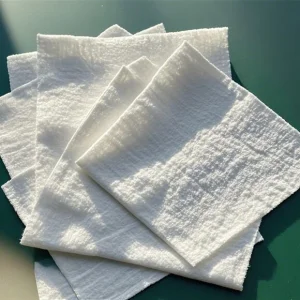
The rolled network undergoes a series of mechanical needle-punching steps or draft curing. Controlling draft ratios and temperature settings ensures optimal tensile strength, mechanical locking, and dimensional stability.
Cured geotextile sheets are wound into standard rolls. The roll width, length, and weight are measured. Specialized cutting machinery then prepares the sheets for direct transformation into ecological bags.
Finished materials are tested for physical properties (grab tensile strength, puncture resistance), chemical properties (acid/alkali and UV exposure degradation), and appearance quality to ensure they meet standard design specifications.
Polyester eco bags, non-woven geotextiles, and geomembranes are deployed in various environments where engineering stability must be balanced with ecological preservation:
Geomembranes and eco bags prevent water loss from the bottom and sides of reservoirs while protecting adjacent rock formations from erosion. They are widely used in hydraulic applications to improve safety and stability.
Used to strengthen anti-seepage properties in dikes and protect downstream communities. Eco bags form a structural barrier along river banks that resists washouts while allowing grass and plants to colonize the surface.
These materials help address instability issues such as bank failure and soil washouts. Deploying targeted geosynthetic barriers stabilizes the soil profile and helps restore natural shoreline habitats.
Combined with composite drainage nets, geocells, and geomembranes, eco-engineered barrier fabrics form structural liners that isolate industrial wastes and prevent toxic leachate runoff.
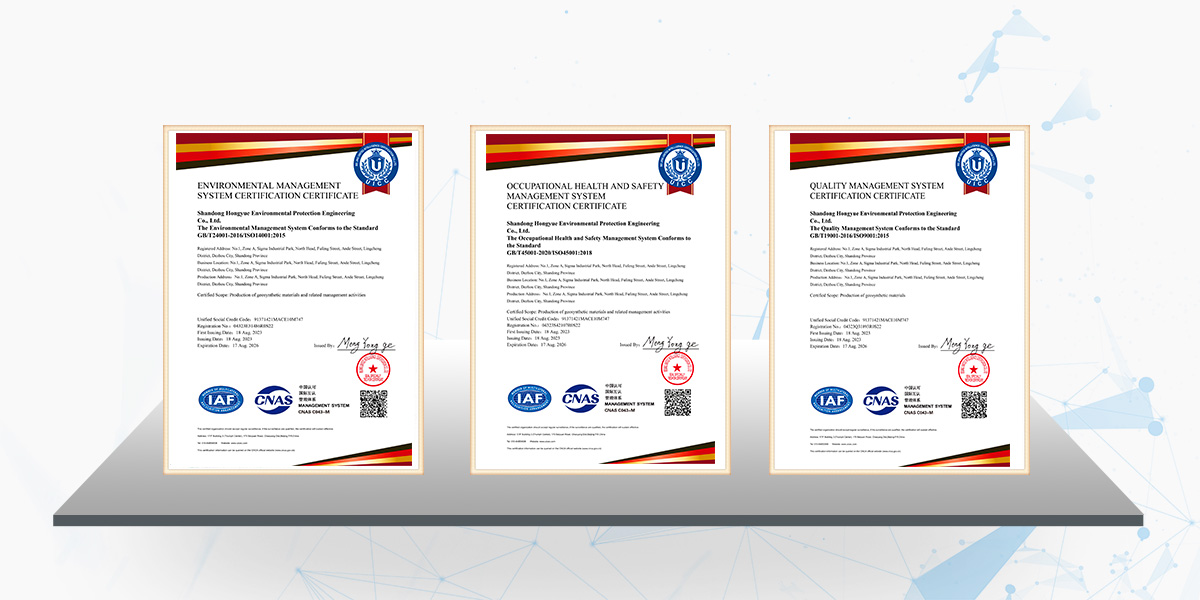
At Shandong Hongyue, our testing processes verify that each production run meets or exceeds international benchmarks. All finished materials are certified by national testing laboratories and are subjected to regular quality audits:
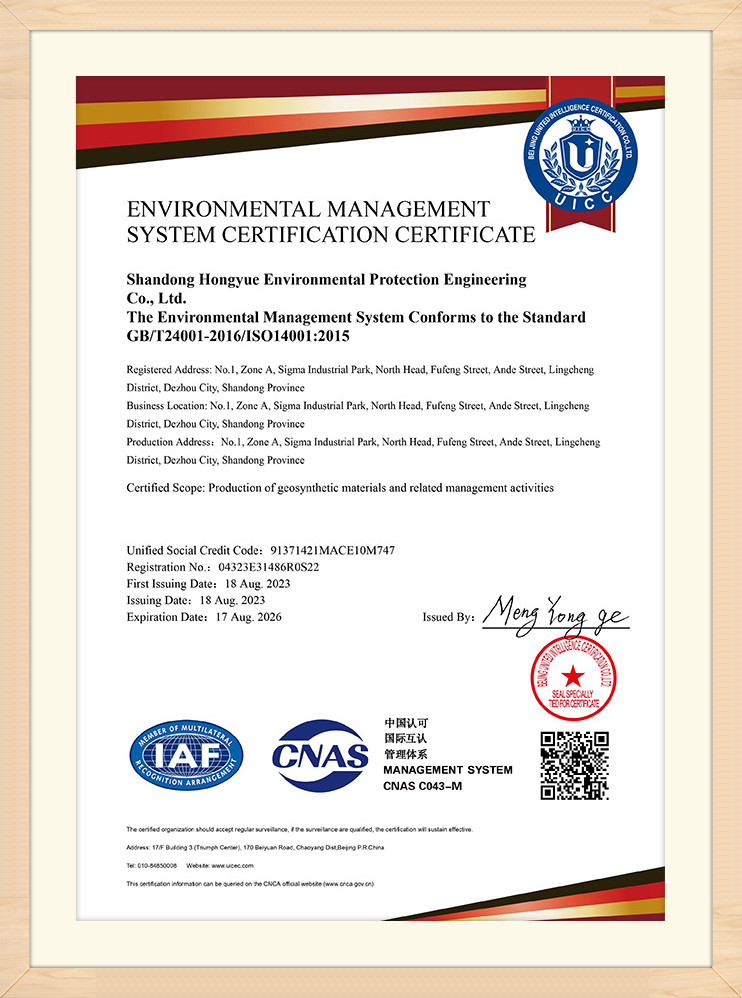
Our Quality Assurance System Includes:
Review technical details regarding the engineering properties, design lifetimes, and custom configurations of our eco bag systems:
Polyester (PET) has a higher melting point, superior creep resistance, and better long-term tensile stability under constant load compared to standard Polypropylene (PP). PET eco bags are typically selected for permanent geotechnical applications like retaining walls and slope reinforcements. PP eco bags offer excellent resistance to strong acids and highly alkaline environments, making them suitable for specialized industrial and chemical soil applications.
The non-woven needle-punched structure of the eco bag features a dynamic pore system. It is porous enough to allow plant roots to grow through the bag wall into the slope behind, which anchors the bag column directly to the natural soil profile. It is also tight enough to contain soil fines within the bag, preventing erosion from wind and rain during the initial plant growth phase.
We supply a wide range of standard eco bag dimensions (e.g., 815mm x 430mm, 1100mm x 500mm). As a direct manufacturer, we also offer custom dimensions, weight options (ranging from 120 gsm to 200+ gsm), and specialized closure systems to meet specific project demands.
Yes. Our high-strength polyester and polypropylene raw materials are inherently resistant to most soil-borne acids, alkalis, and microorganisms. All products are tested according to ASTM guidelines to ensure they retain their structural properties when exposed to typical soil chemistries and chemical runoffs.
 Hongyue