Explore our structural stability and drainage optimization systems certified for global civil engineering applications.
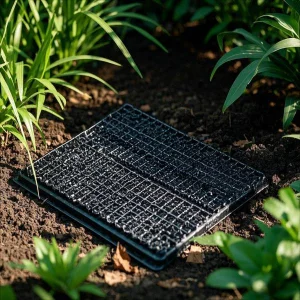
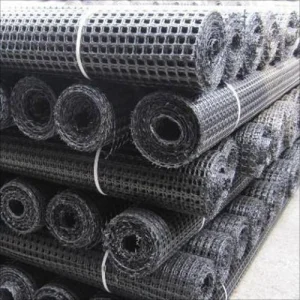
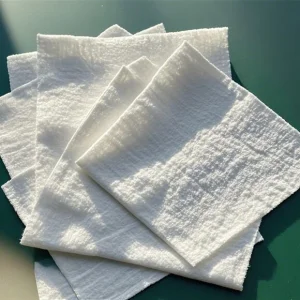
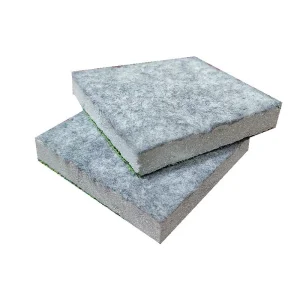

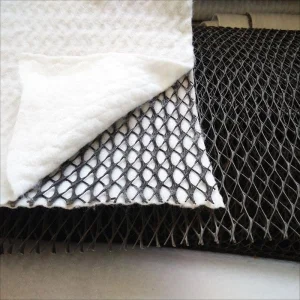
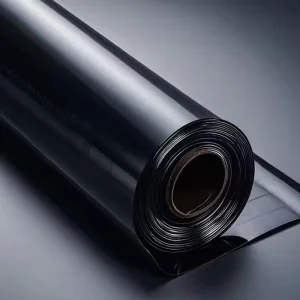
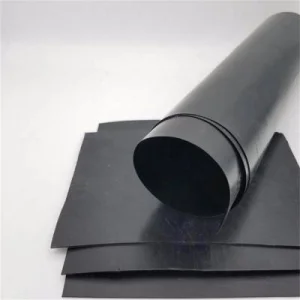
The structural longevity of gravel driveways, loading yards, and light-traffic access roads is fundamentally governed by subgrade soil confinement and moisture management. Unreinforced aggregate layers placed directly over raw subgrades are subject to mechanical distress caused by localized shear failure and intermixing. In engineering terminology, traffic loads drive the coarse gravel aggregate downward into the soft subgrade, while dynamic water pressures push subgrade silt and clay particles upward. This phenomenon, known as aggregate migration, compromises structural bearing capacity and results in rutting, cracking, and eventual base failure.
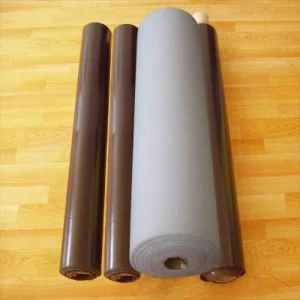
By incorporating Shandong Hongyue's high-tensile Gravel Driveway Geotextile Fabric, civil engineers establish a robust micro-confined base. Our non-woven and woven geotextiles act as a continuous, high-modulus separation barrier. This barrier distributes heavy wheel loads over a wider surface area, reducing localized stress levels. The physical segregation prevents aggregate loss into the subgrade, yielding up to a 50% reduction in aggregate base thickness requirements while maintaining equivalent or superior load-bearing performance.
Our fabrics exhibit superior California Bearing Ratio (CBR) puncture ratings (ASTM D6241), maintaining material integrity under severe aggregate compaction.
Engineered void spaces ensure long-term water flow rates exceed 100 GPM/SF, mitigating internal pore pressure accumulation.
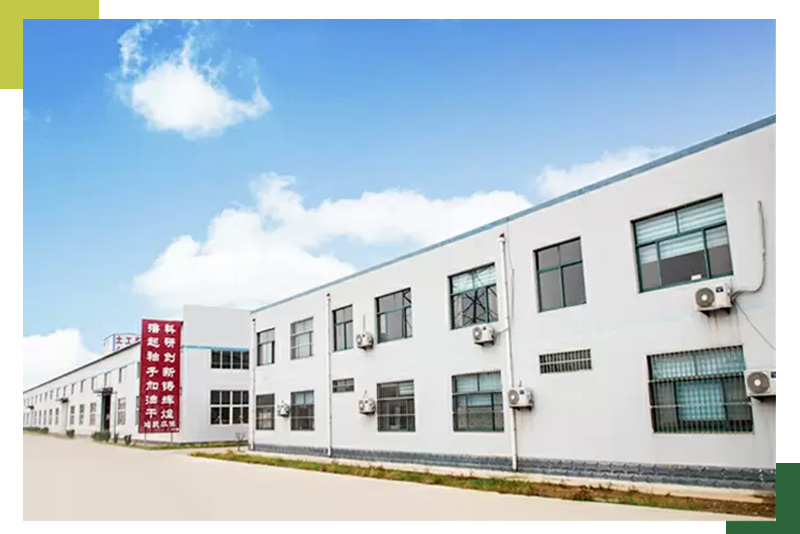
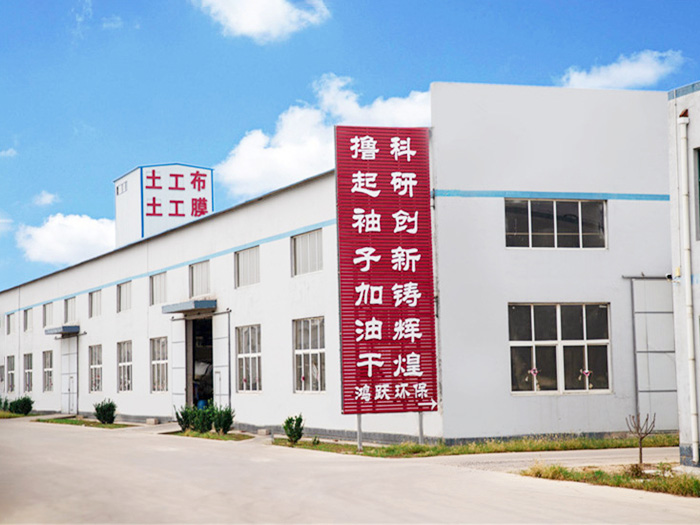
Established on April 6, 2023, and located at the northern terminus of Fufeng Street, Lingcheng District, Dezhou, Shandong Province, Shandong Hongyue Environmental Engineering Co., Ltd. is a scientific and technological geotechnical material manufacturer integrating engineering material production, sales, design and construction services.
With a registered capital of 105 million Yuan, we operate as one of the largest production bases of geotechnical materials in China. Our geographical position within Dezhou facilitates rapid domestic transportation and efficient logistical routes to international shipping ports, streamlining global export operations.
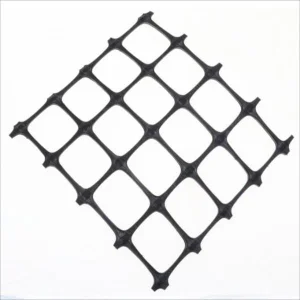
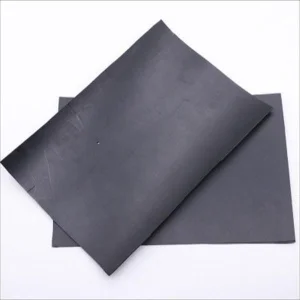
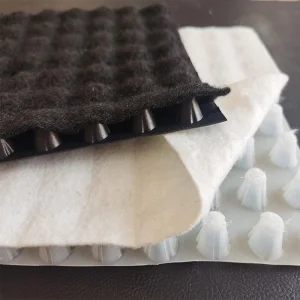
Our core product line spans high-durability geotextiles, geomembranes, composite geomembranes, waterproof boards, bentonite waterproof blankets, 3D composite drainage networks, drainage boards, woven fabrics, cement blankets, ecological bags, and flexible pervious pipes. Our comprehensive materials are widely implemented in municipal highways, railways, bridges, tunnels, canals, environmental landfills, mining facilities, and agricultural projects.
Tailored geosynthetic systems developed to address structural containment, stabilization, and drainage challenges across major infrastructure projects.
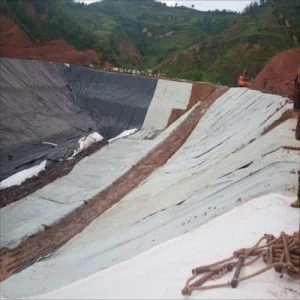
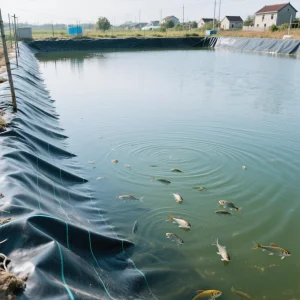
Integration of low-permeability geomembranes and protective geotextiles for canals, artificial reservoirs, and water diversion channels, preventing fluid loss and bank degradation.
Advanced multi-layered composite liners featuring HDPE geomembranes, bentonite clay blankets (GCL), and needle-punched geotextiles for environmental containment of industrial leachate.
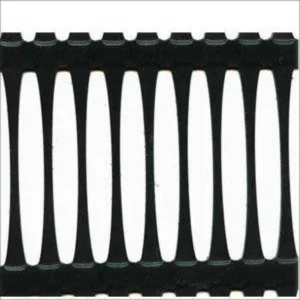
High-modulus plastic geogrids and spunbond geotextiles designed to prevent soft subgrade failure, optimize pavement life-cycles, and mitigate frost-heave damage.
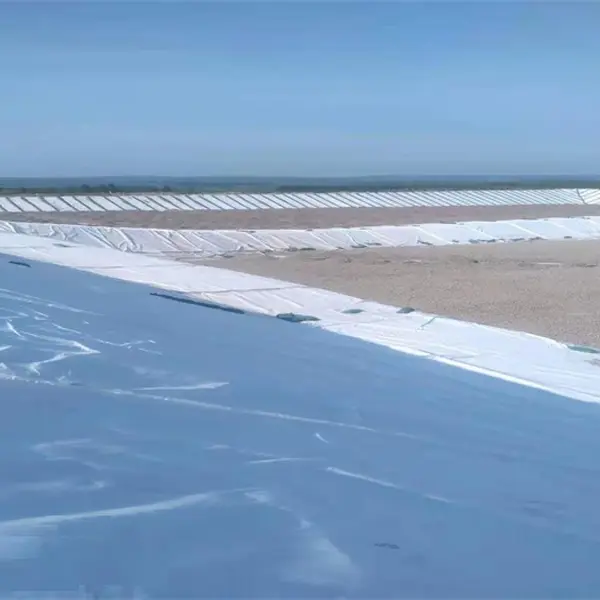
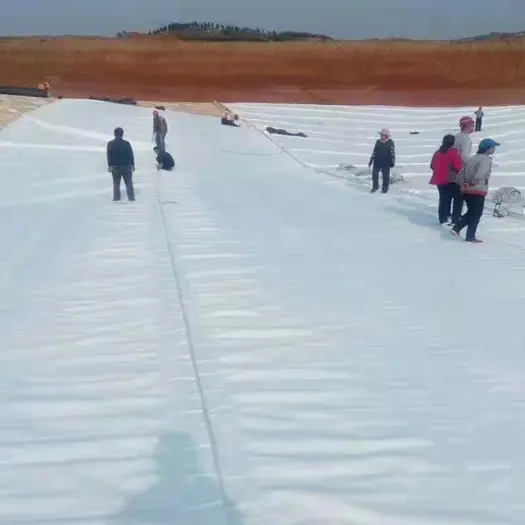
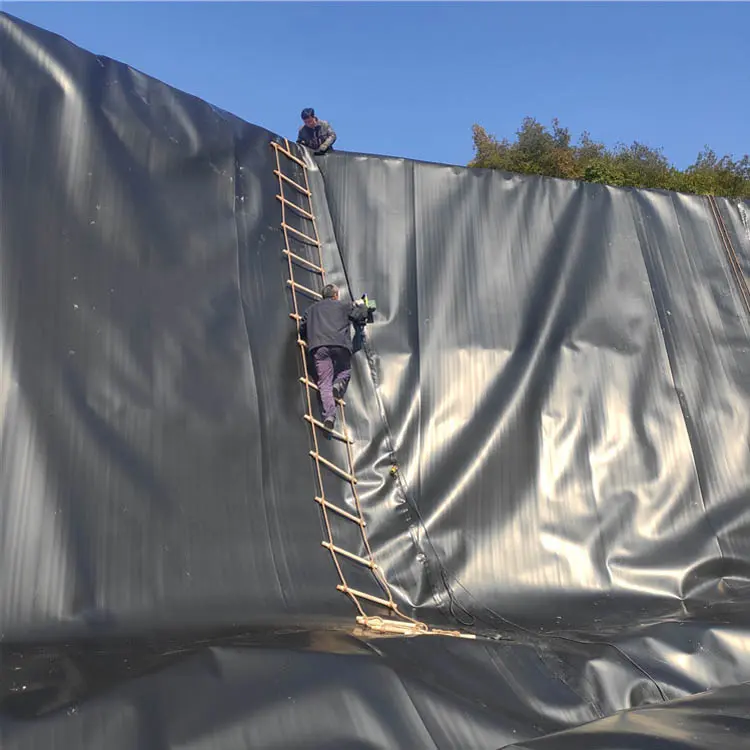
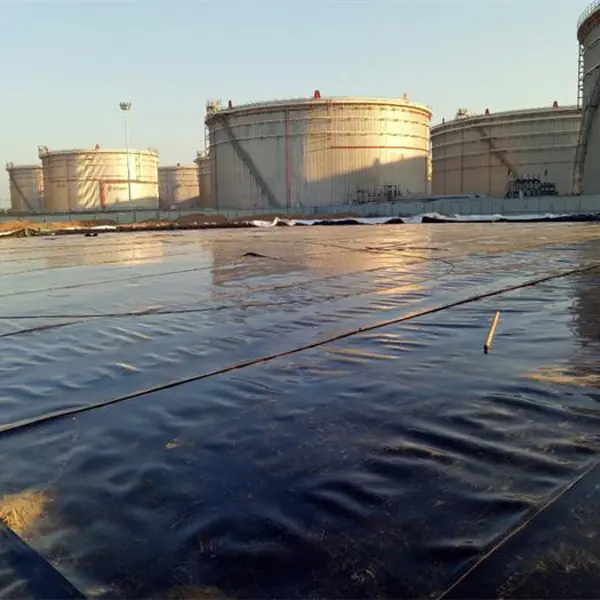
Precision manufacturing protocols ensuring that every square meter of geotextile meets and exceeds international structural specifications.
We source virgin polypropylene (PP) and polyester (PET) chips. Materials undergo melt-flow index testing and density verification before entering the extrusion line.
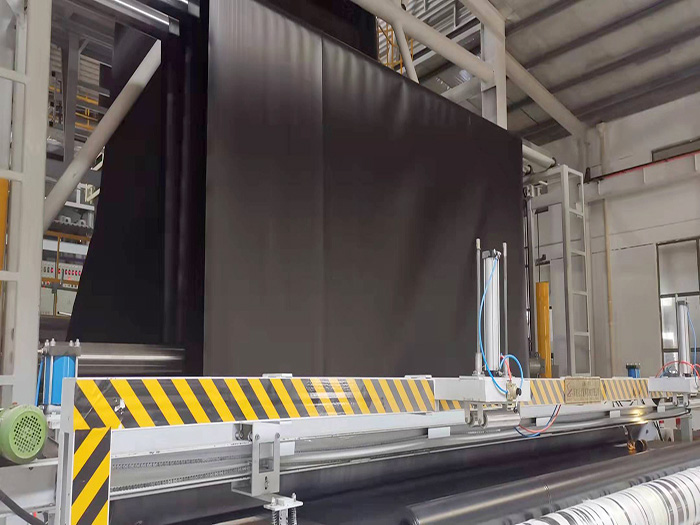
Polymer chips are melted at high temperatures and extruded through micro-spinnerets to produce high-tenacity continuous filaments, ensuring uniform molecular orientation.
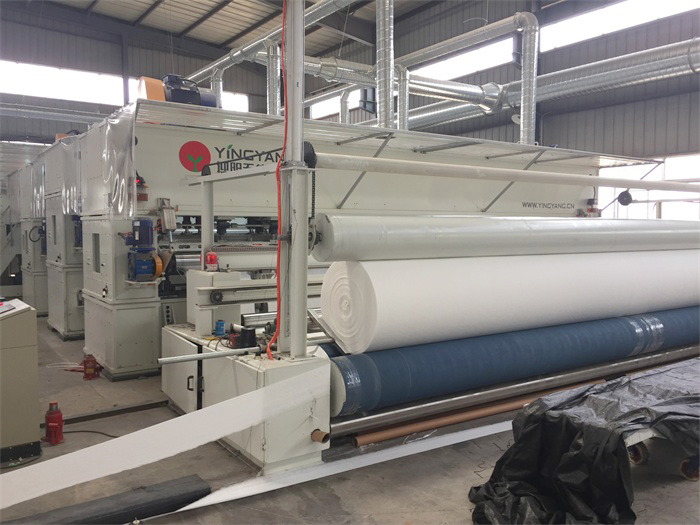
Webbed filaments undergo multi-phase needle-punching to mechanically interlock the fibers, followed by precise heat setting to optimize dimensional stability and tensile strength.
Fabrics are drawn under controlled tension and temperature to maximize tensile modulus, align pore size distribution, and guarantee physical consistency.
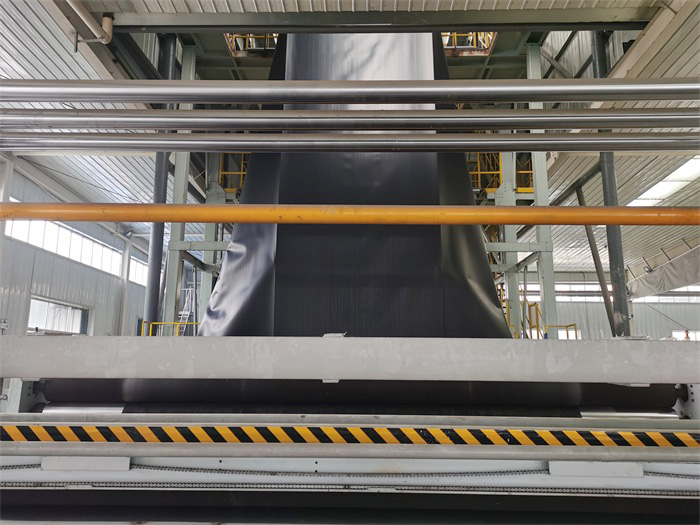
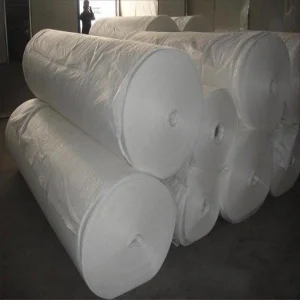
Inline sensors measure roll thickness and width. Materials are securely wrapped in UV-resistant protective film to prevent degradation during international shipment.
Standardized testing of CBR puncture strength, wide-width tensile properties, and apparent opening size (AOS) is performed on every batch before customs dispatch.
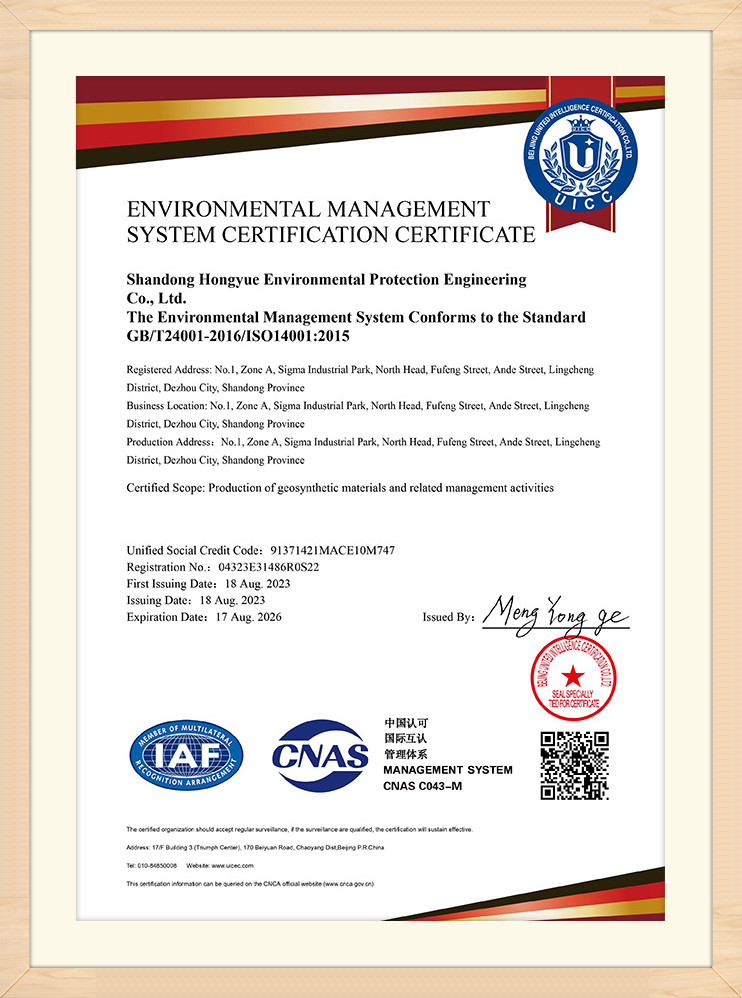
Shandong Hongyue Environmental Engineering Co., Ltd. has established a complete and scientific management system. We have successfully passed the ISO9001 international quality system certification, ISO14001 environmental management system certification, and ISO45001 occupational health and safety management system certification.
Our products have been tested by the China National Testing Center and have passed the national quality supervision and sampling inspections commissioned by the State Administration of Quality Supervision and Inspection. Our technical team is composed of industry veterans with over ten years of geotechnical field experience, delivering reliable product application guidelines and project installation designs globally.
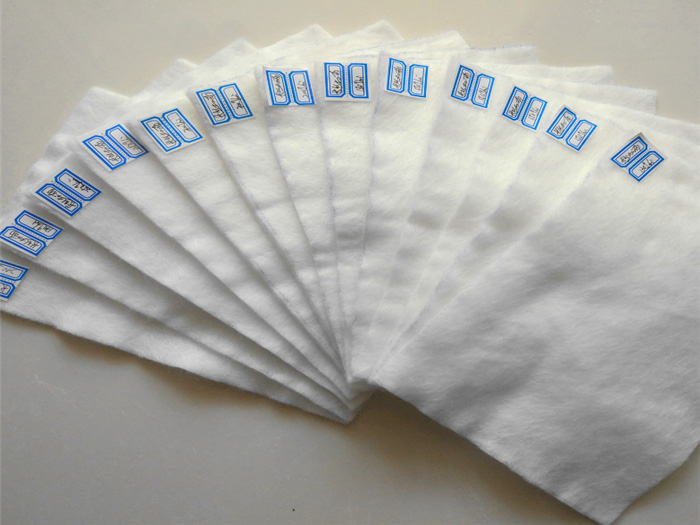
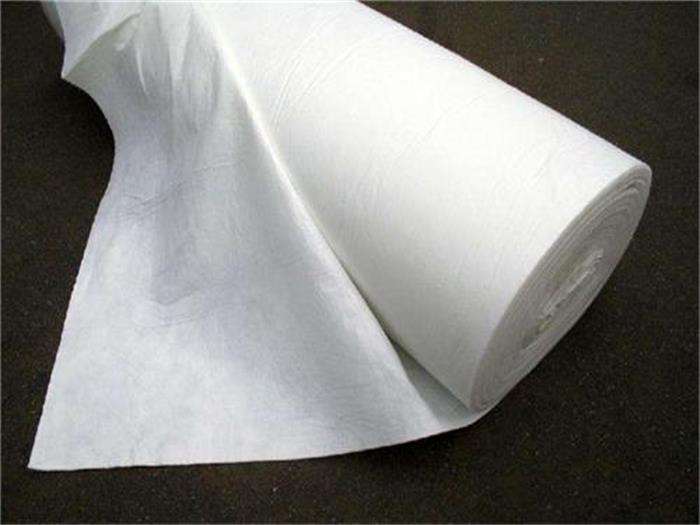
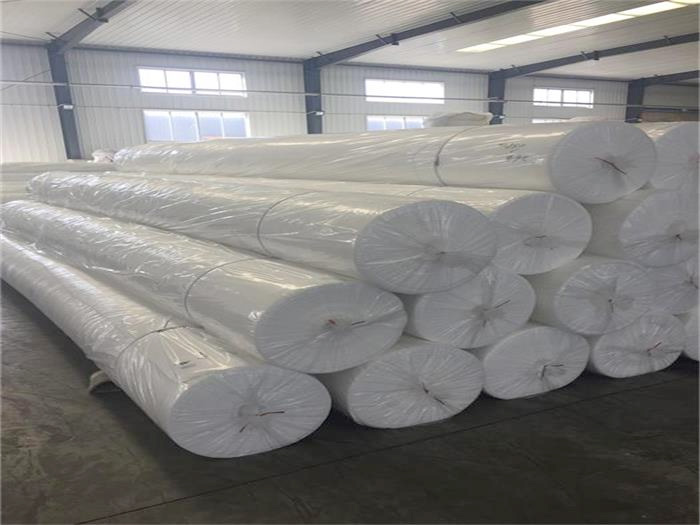
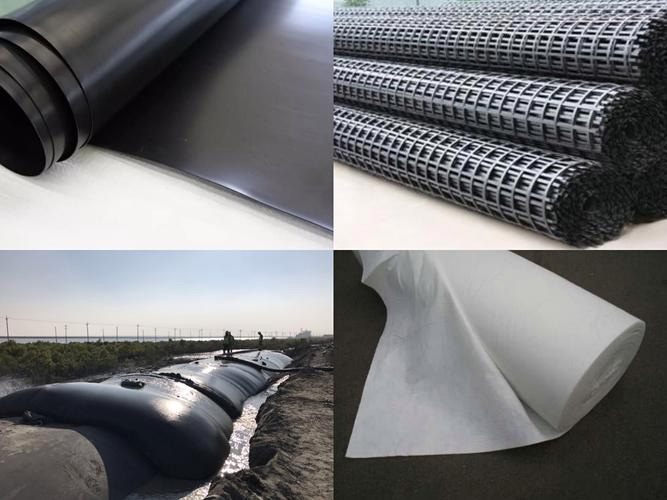
The global demand for high-strength gravel driveway geotextiles is growing rapidly, driven by the expansion of transportation networks and a focus on sustainable infrastructure. Modern civil projects require geotextiles that offer both mechanical strength and environmental compatibility, reducing resource use in aggregate-based pavements.
Key procurement requirements for global buyers include compliance with standard testing methods such as ASTM D4751 (AOS), ASTM D4632 (Grab Tensile Strength), and CBR Puncture (ASTM D6241). Shandong Hongyue meets these standards, exporting to Europe, the United States, Australia, and Southeast Asia. We offer custom roll sizes, adjustable GSM weights (100g/m² to 800g/m²), and tailored polymer formulations to withstand different environmental conditions.
Step-by-step procedures for laying geotextiles in civil projects to ensure optimal base stabilization and filtration performance.
Prior to laying the geotextile, excavate the driveway path to the design depth, typically 4 to 8 inches depending on the expected load profile (light residential traffic vs. heavy commercial vehicles). Clear the subgrade of all organic matter, root systems, and sharp rocks exceeding 1.5 inches in diameter to avoid localized stress points. Compact the subgrade soil thoroughly using a vibratory plate compactor or tandem roller to achieve a minimum of 95% standard Proctor density.
Roll out the gravel driveway geotextile fabric directly onto the compacted subgrade, aligning it parallel to the direction of traffic. To maintain barrier continuity, adjacent rolls must overlap by a minimum of 12 to 18 inches. On soft subgrades (CBR < 3), increase the overlap to 24 inches or sew the seams using a portable bag closer with high-strength polypropylene thread. Secure the fabric with metal landscape staples or pins spaced every 5 to 6 feet along the seams to prevent movement during aggregate placement.
Backfill the gravel base by dumping aggregates directly onto the geotextile. Crucial Engineering Rule: Do not drive construction equipment directly on the exposed fabric. Push the aggregate forward over the geotextile in a radial pattern using a skid steer or loader, maintaining a minimum lift thickness of 4 to 6 inches before compaction. Compact the aggregate base in layers, using vibratory compaction equipment to interlock the stone particles, forming a stable surface.
Expert answers addressing the selection, performance metrics, and mechanical properties of driveway geotextiles.
Explore our wider range of geosynthetics for soil reinforcement, drainage, and barrier containment.
 Hongyue