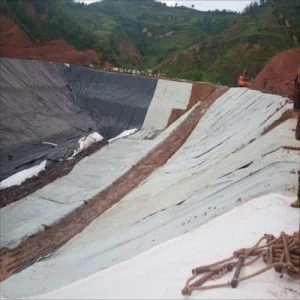
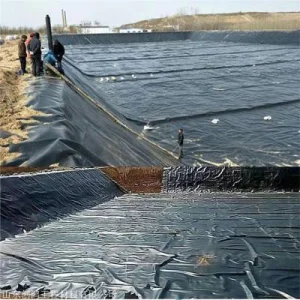
Direct supply from China's leading geological engineering material production facility
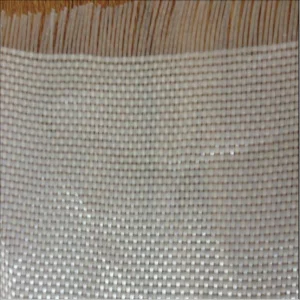
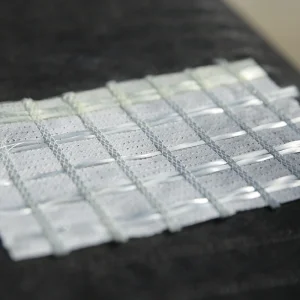
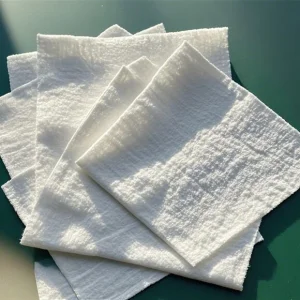
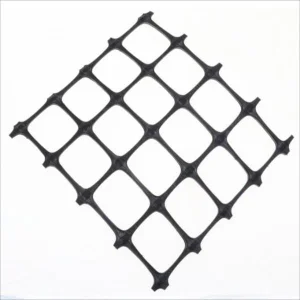
Modern infrastructure requires more than basic structural reinforcement. In an era marked by climate volatility, heavy industrial axial loading, and rapid urbanization, soil stabilization is a core structural prerequisite. Geogrids have transitioned from basic separation meshes to complex, polymers-engineered, stress-distributing networks.
As standard soils fail to meet load-bearing requirements, geotechnical designs rely on the lateral restraint mechanism of geogrids. By locking aggregate materials within their structural apertures, geogrids transform loose mechanical foundations into high-modulus composite layers, decreasing pavement stress by up to 50% and extending structural lifespans threefold.
Geosynthetic manufacturing is adapting to environmental changes. Global markets require low carbon footprints, high resistance to micro-biological damage, and chemical inertness over a 100-year design window. Standard solutions are being replaced by highly customized OEM/ODM structural polymers, engineered for specific soil chemistries and extreme dynamic stresses.
A comprehensive review of structural geogrids utilized in international transport, water management, and civil infrastructure
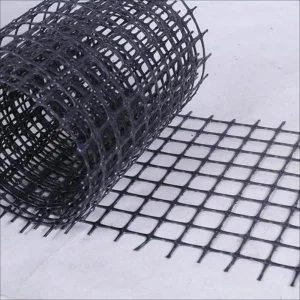
Designed for planar soil stabilization applications. Biaxial geogrids distribute radial loads in two directions (longitudinal and transverse). By utilizing high-density polypropylene (HDPP) extrusions subjected to controlled heat-drawing, these grids exhibit high tensile strength at low strains (2% to 5% elongation limits), making them ideal for subgrade stabilization, railway ballasts, and temporary heavy-haul access roads.
Uniaxial geogrids focus structural integrity along a single primary axis. Produced by stretching extruded HDPE sheets in the machine direction, they generate high long-term creep strength. This property makes them suitable for vertical soil containment structures, including retaining walls (MSE walls), steep slope remediation, landfill containment cells, and reinforced embankments over unstable soils.
Constructed by coating high-tensile steel wires with protective polyethylene (PE) or polypropylene (PP) resins. Ultrasonic welding joins these composite ribs into a grid structure. The steel core absorbs tensile stress without creeping, while the outer plastic sheath provides protection against chemical attack, salinity, and installation damage. Widely deployed in high-fill embankments and deep foundations.
Geotechnical Insight: True junction efficiency defines the quality of a geogrid. A geogrid's performance is limited by its weakest point; high-quality OEM manufacturers ensure that junction strength meets or exceeds 90% of the rib tensile strength, satisfying strict ASTM D7737 testing protocols.
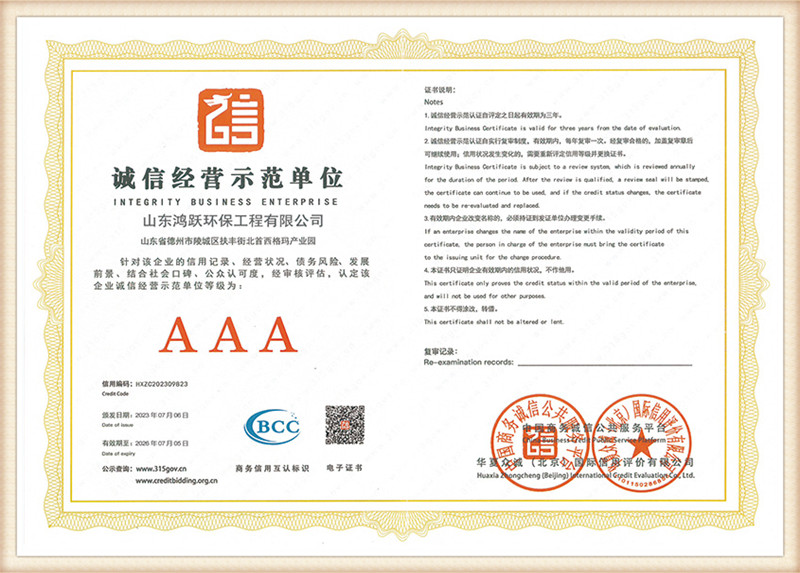
Our manufacturing base is located in Lingcheng District, Dezhou, Shandong Province—a primary hub for Chinese geotextile and geosynthetic production. Shandong Hongyue Environmental Engineering Co., Ltd. combines raw material sourcing with advanced quality control systems.
By using co-rotating twin-screw extruders and automated thickness monitoring, we control polymer consistency from the start. Under Factory 4.0 principles, all manufacturing parameters—including raw material temperature, stretching ratio, draft speed, and ultrasonic weld pressure—are logged in real-time, providing batch traceability from input to final delivery.
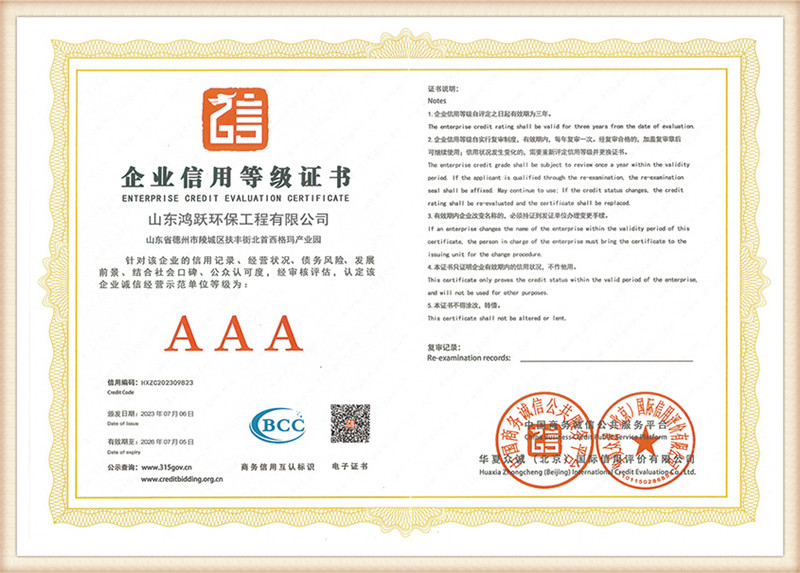
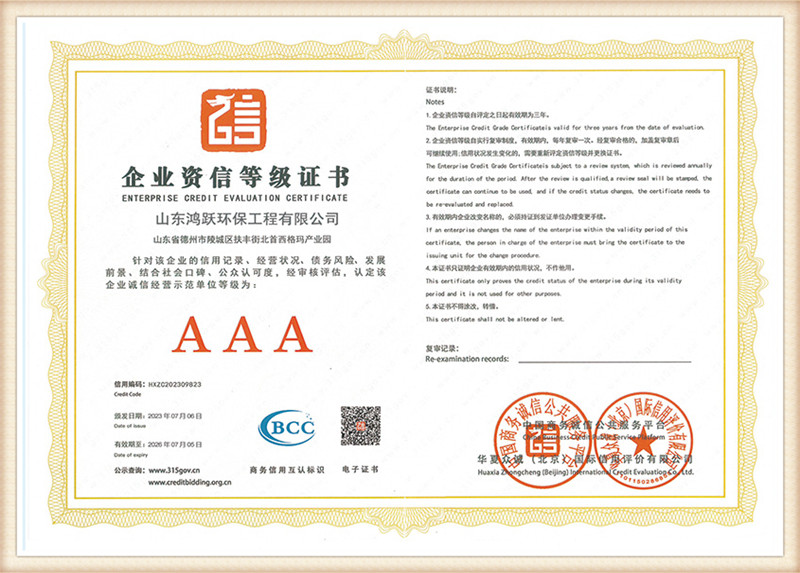
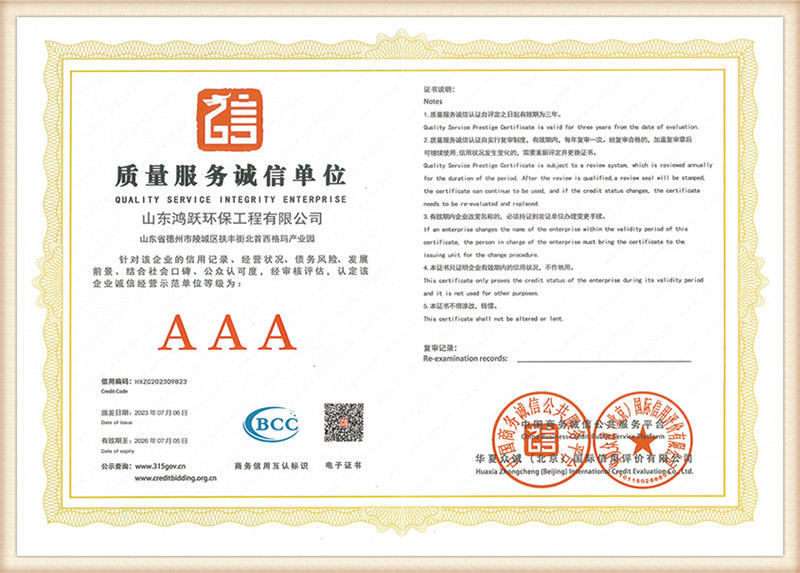
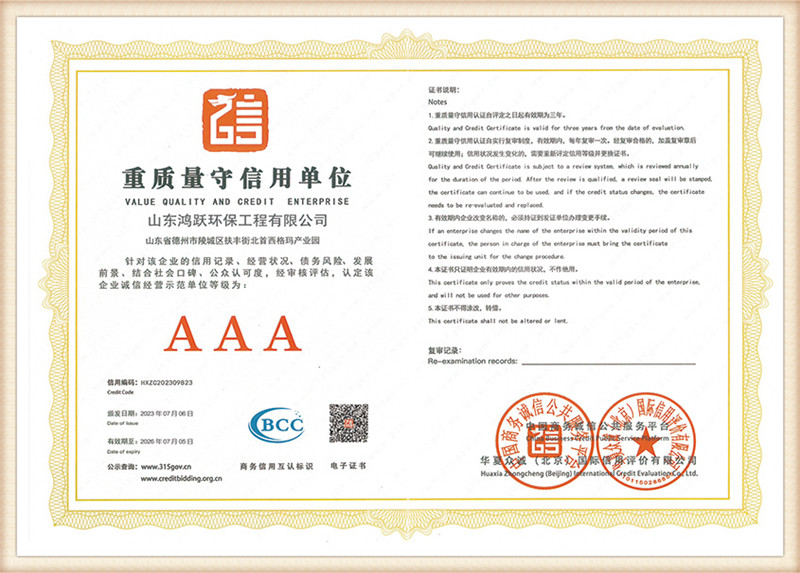
From polymer formulation to physical testing—maintaining engineering standards at every step
High-grade virgin polypropylene, polyester chips, and carbon black additives are analyzed for melt flow rate (MFR) and moisture content. This testing ensures resistance to UV oxidation and environmental degradation.
Formulated raw materials are fed into high-pressure extruders. The resulting sheets are hot-stretched along longitudinal and transverse directions to align the polymer chain, increasing the material's elastic limit.
Every production roll is tested for wide-width tensile strength (ASTM D4595/D6637), junction strength (ASTM D7737), and carbon black dispersion, ensuring compliance with global specifications.
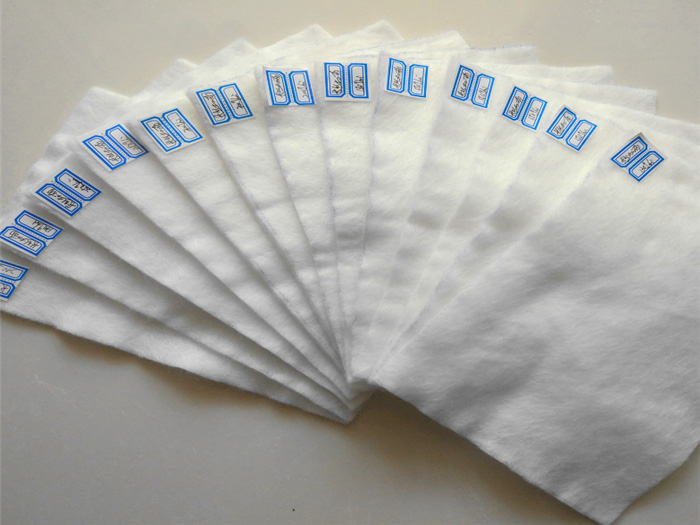
The performance of geotextiles and geogrids depends on correct installation. Uncontrolled subgrades, poor overlapping, and improper backfilling can compromise the material's engineered design strength.
Our technical service teams suggest the following core guidelines to ensure maximum reinforcement performance:
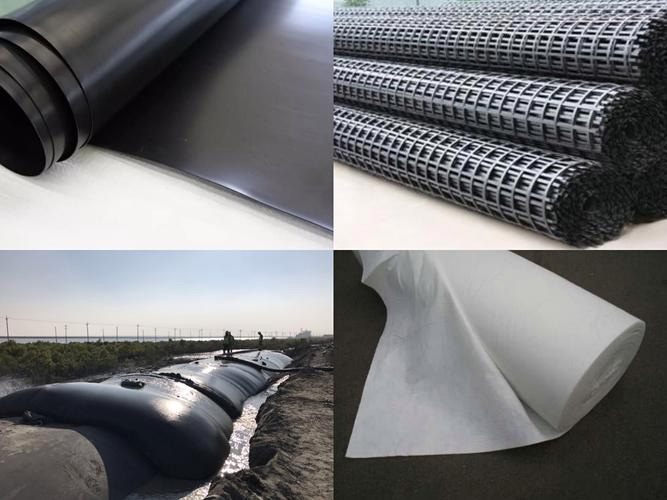
Reliable performance across municipal, transport, environmental, and hydraulic engineering sectors
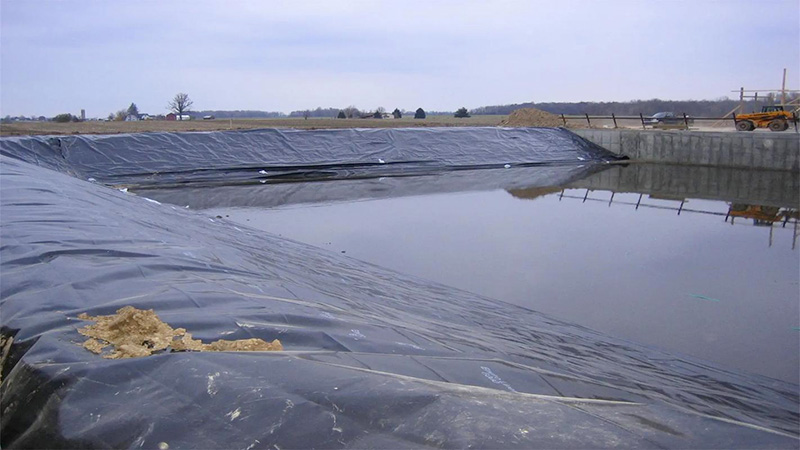
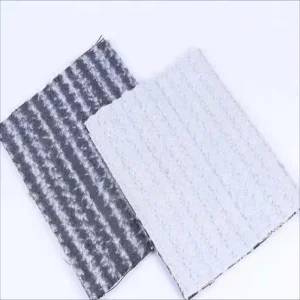
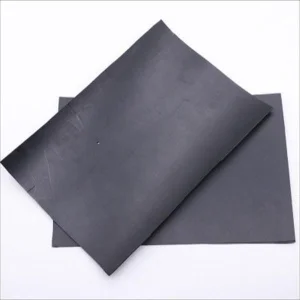
Water loss in irrigation canals, waste containment basins, and agricultural reservoirs remains a key challenge for municipal engineers. Incorporating geomembranes and composite geosynthetic barriers minimizes seepage loss and protects surrounding groundwater from contamination.
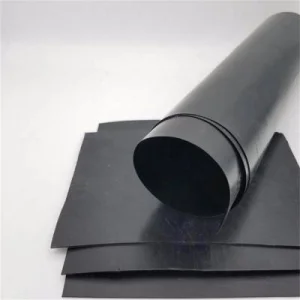
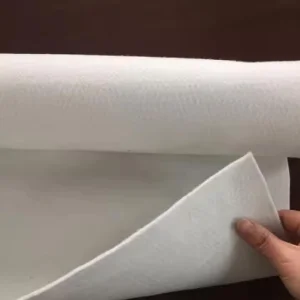
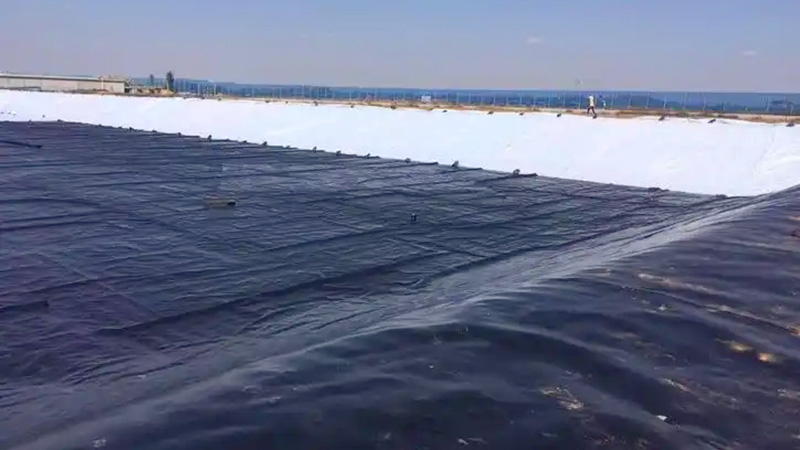
For high-risk waste containment facilities like landfills or chemical processing ponds, we recommend using thick (1.5mm to 2.0mm) HDPE geomembranes combined with non-woven geotextile cushions to resist puncture damage and chemical leaching.
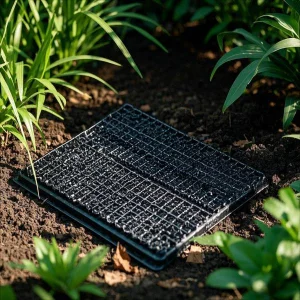
Erosion control on steep road slopes and river embankments requires durable containment solutions. Combining geocells and geogrids holds topsoil in place, preventing slope failure during heavy rainfall while encouraging vegetation growth.
This hybrid bio-engineering approach stabilizes slopes up to 70 degrees and supports green growth, integrating civil projects with the local environment.
Common questions from design engineers, procurement managers, and logistics partners
Biaxial geogrids are designed to distribute radial stress in two planar directions, making them ideal for base reinforcement in roads and railways. Uniaxial geogrids are designed to carry long-term tensile loads in a single direction, which is critical for wall reinforcement and slope stabilization applications.
Every step of our process—from polymer extrusion to welding—is certified to ISO 9001. We maintain a testing laboratory that verifies raw material density, carbon black content, and tensile strength before shipping, ensuring compliance with ASTM and EN standards.
Composite geogrids combine the high tensile stiffness of internal steel wires with the chemical resistance of an external polymer jacket. This combination prevents rib creep under repeated rail car loads and resists corrosion from ground salinity.
Our high-density polyethylene membranes contain at least 2% carbon black and chemical anti-oxidants. Under normal conditions and when protected from direct sunlight, these membranes maintain their integrity for over 100 years.
Explore our full range of certified geotechnical solutions for international projects
 Hongyue