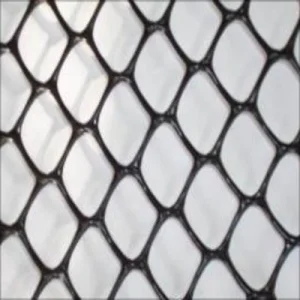
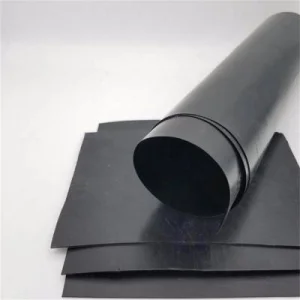
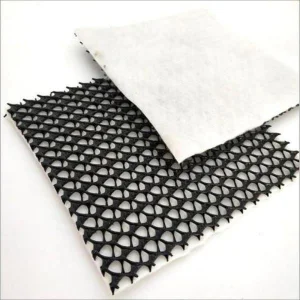
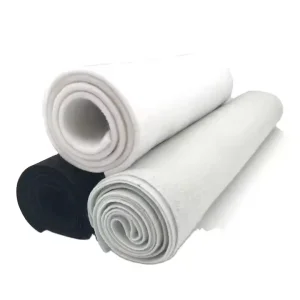
Select engineered products optimizing load distribution, containment, and drainage for infrastructural works.
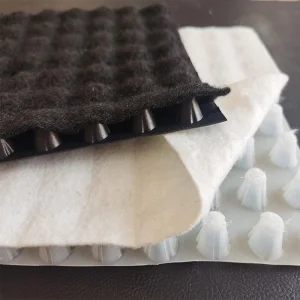
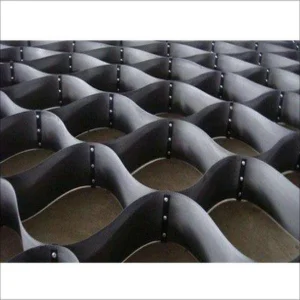
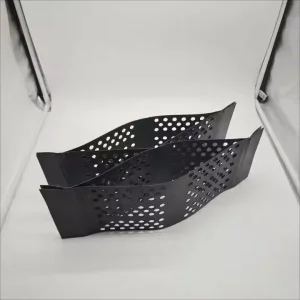
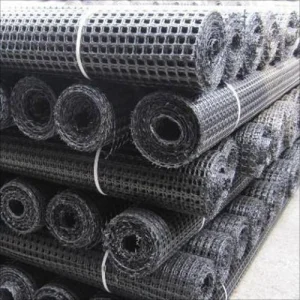
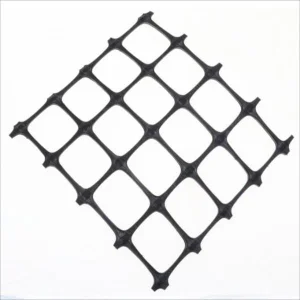
Modern infrastructure requires foundation solutions that transcend traditional aggregate compaction. The incorporation of geogrid technologies transforms mechanical soil properties by providing lateral confinement, tension membrane support, and load distribution optimization. This prevents lateral displacement of aggregate particles, enhancing base safety factor calculations across highly variable subgrades.
By trapping soil particles within the aperture space, the geogrid locks the aggregate fill in place under heavy traffic, preventing the shear failure typical of unreinforced structures. This mechanical interlock reduces the required aggregate base thickness by up to 50%, generating immediate material cost benefits and reducing the overall environmental impact of transport operations.
Analyzing structural growth factors, climate resilience, and supply chain demands that influence worldwide geotechnical materials procurement.
Civil engineering bodies are enforcing strict life-cycle assessment (LCA) targets. Using biaxial geogrids reduces raw quarry aggregate consumption, lowering scope-3 logistics emissions. Consequently, international procurement teams now require suppliers to hold verified Environmental Product Declarations (EPD).
Large-scale municipal buyers look beyond list prices to evaluate total value. Key procurement factors include ASTM D6637 multi-rib tensile testing, custom aperture designs for localized clay soils, and supply chain reliability. Global exporters must demonstrate strict conformance to ISO standards to pass technical pre-qualification reviews.
Infrastructure projects increasingly face extreme weather events, freeze-thaw cycles, and prolonged flooding. Modern soil stabilization geogrids must resist chemical degradation (pH 2-12) and UV exposure, ensuring structural performance over 100-year design cycles.
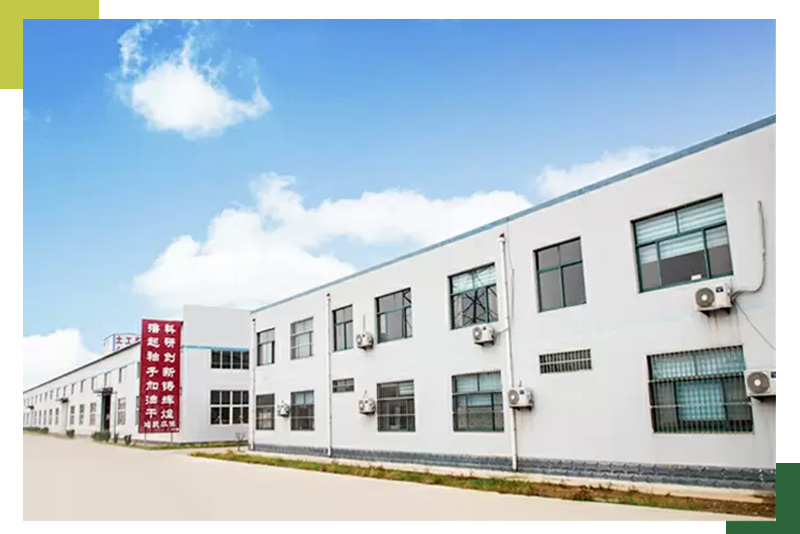
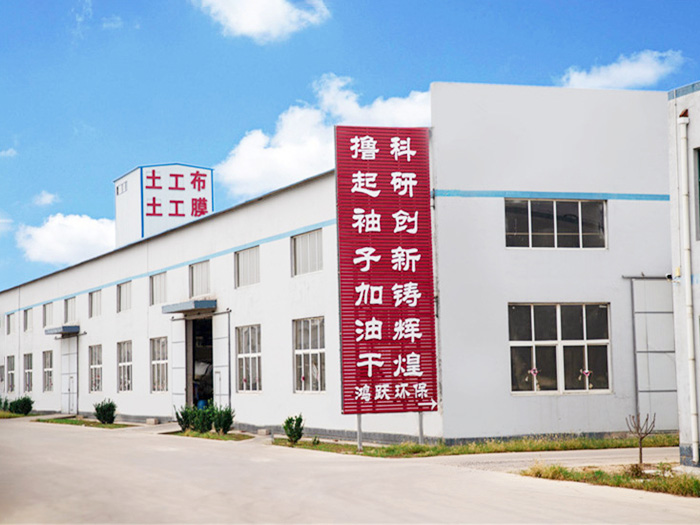
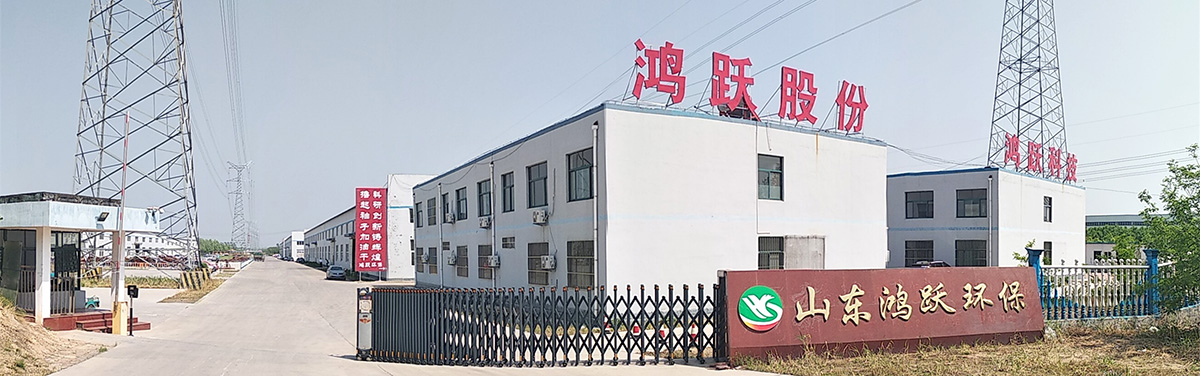
Located in the Lingcheng District of Dezhou, Shandong Province—a renowned production base for geotextiles—Shandong Hongyue Environmental Engineering Co., Ltd. leverages local supply chain clusters to optimize production. Founded with a registered capital of 105 million yuan, our operations integrate advanced extrusion, punching, and drawing technologies.
Our Factory 4.0 setup includes online monitoring systems that track product thickness, tensile strength, and weight in real time. This automated quality control helps ensure that our products consistently meet or exceed international standards.
Different soil stabilization projects require specific polymer structures. The table below compares the performance profiles of commonly exported geogrids to guide procurement and engineering specifications:
| Geogrid Type | Base Material | Tensile Range (kN/m) | Junction Efficiency | Primary Localized Application |
|---|---|---|---|---|
| Biaxial PP Geogrid | Polypropylene | 20 - 50 | > 95% | Paved Highways, Subgrade reinforcement, Parking plots |
| Uniaxial HDPE Geogrid | High-Density Polyethylene | 50 - 250 | > 90% | Retaining walls, Steep embankments, Slope protection |
| Polyester (PET) Geogrid | PET Filament + Coating | 30 - 800 | N/A (Knitted) | Railway subgrades, Heavy mining haulage roads |
| Steel-Plastic Composite | PE Sheath + Carbon wire | 30 - 150 | > 90% | Soft marine foundations, Tailings dam stabilization |
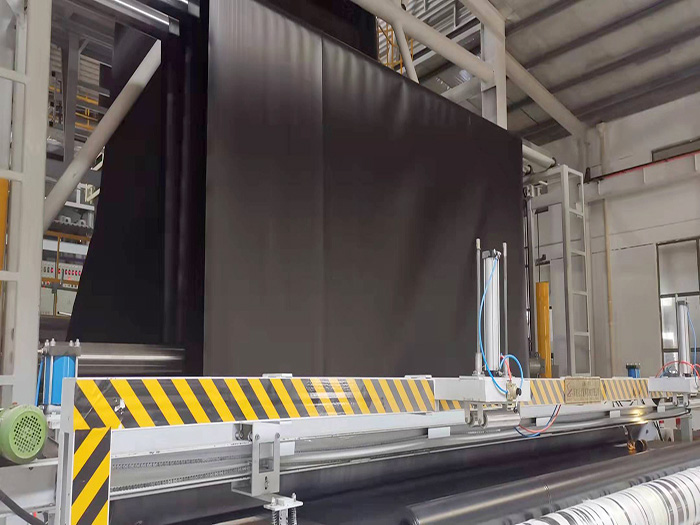
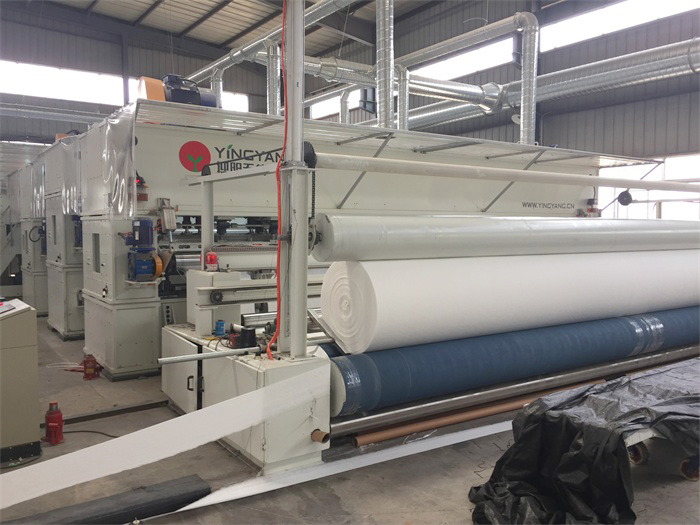
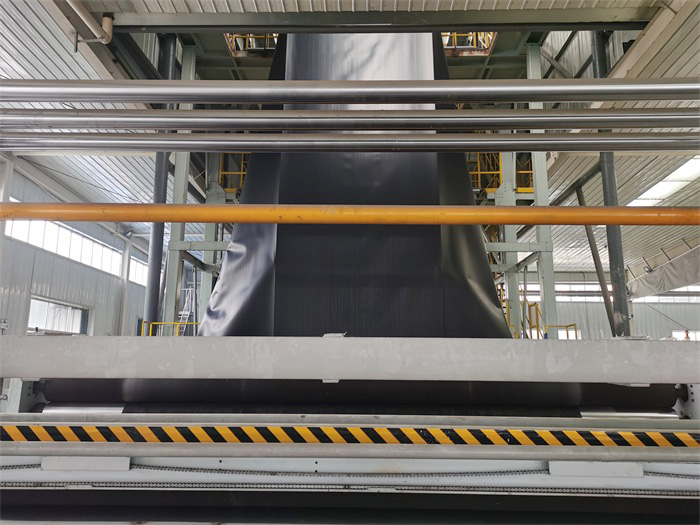
Our facility operates automated lines processing raw chips into finished rolls ready for global shipment. The process is monitored at every stage to ensure consistent performance.
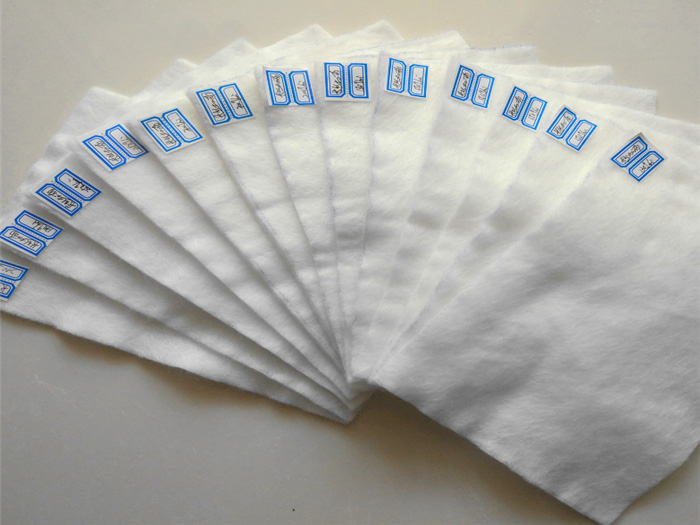
The primary raw materials used include polyester chips, polypropylene filament, and viscose fiber. Each incoming batch is inspected to ensure material purity and stability before being stored in temperature-controlled silos.
Polyester chips are melted at high temperatures and extruded into a molten state using screw extruders. Polypropylene filament and viscose fibers are added to the mix under precise temperature and pressure controls.
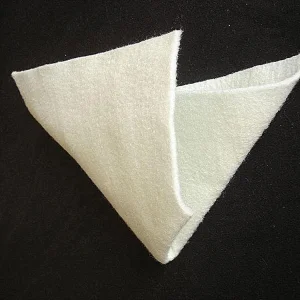
The molten mixture is sprayed through spinnerets to form a fibrous network on a moving conveyor belt. Controlling the thickness, uniformity, and fiber orientation at this stage determines the physical properties of the geotextile.
After laying the net into rolls, the material undergoes draft curing. Precise control of the temperature, speed, and draft ratio helps ensure the mechanical strength and stability of the finished geotextile.
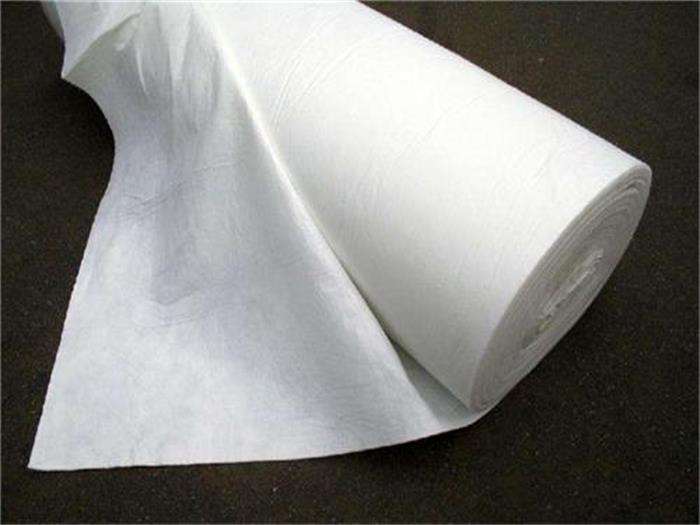
Following curing, the geotextile is rolled, measured for length, width, and thickness, and packed for shipment. Packaging is designed to protect the material from UV exposure and physical damage during transit.
Physical properties, chemical resistance, and appearance are tested at each stage of production. Only rolls that meet our quality standards are approved for export to international markets.
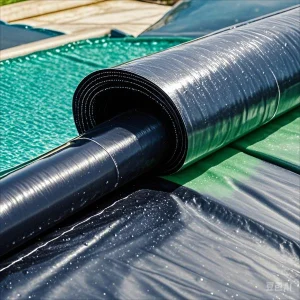
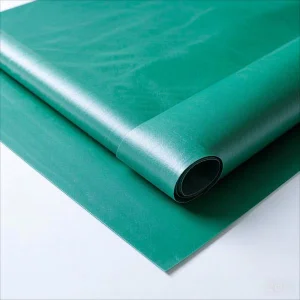
Geomembranes are widely used in engineering projects for seepage prevention, isolation, and reinforcement. Implementing correct selection, laying, and maintenance procedures helps maximize their service life.
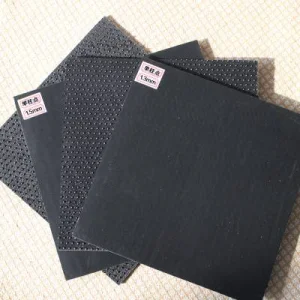
Select appropriate materials based on project requirements, such as High-Density Polyethylene (HDPE) or Linear Low-Density Polyethylene (LLDPE). Thickness typically ranges from 0.3mm to 2.0mm, chosen to prevent water penetration while matching the mechanical stresses of the soil.
Ensure the subgrade is level, clean, and free of sharp objects. Geomembranes can be covered or folded depending on the design. Joint treatment is critical; thermal welding is used to seal seams and prevent leakage at connections. Anchoring trenches secure the edges against wind and soil movement.
Regularly clean the geomembrane surface of dirt and debris to check for damage. Inspecting and repairing any punctures early helps prevent subgrade contamination. Avoid bringing sharp tools or machinery directly into contact with the exposed membrane.
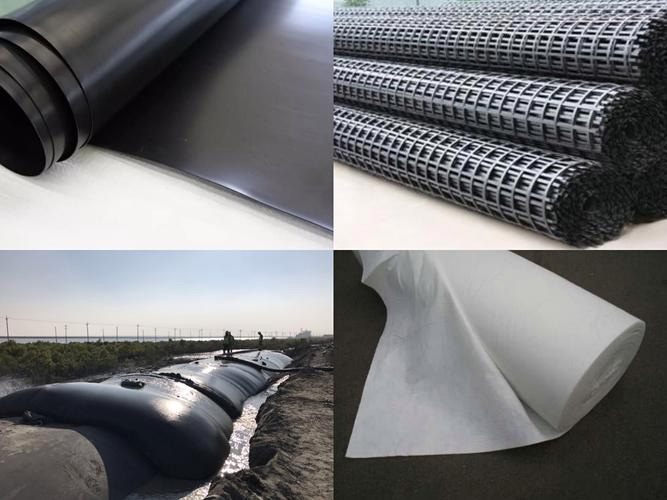
Demonstrating the performance of geosynthetics in water conservancy, river channels, and ecological preservation works.
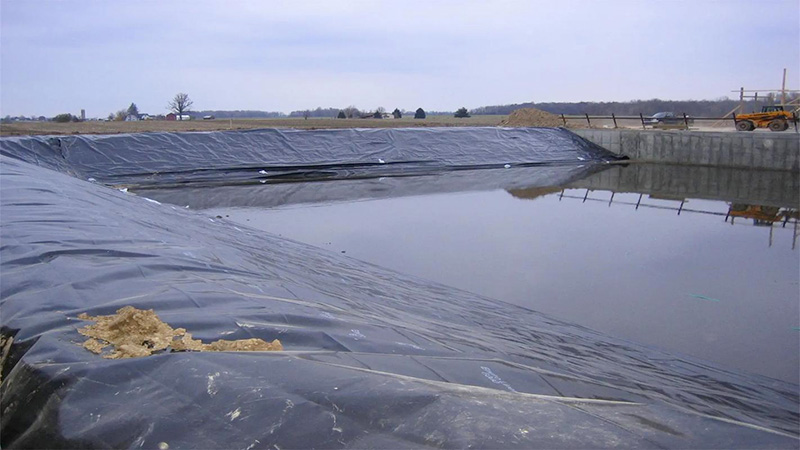
Geomembranes are used to prevent leakage along complex geological foundations in valley reservoirs. This helps improve the structural stability and long-term safety of the reservoir structure.
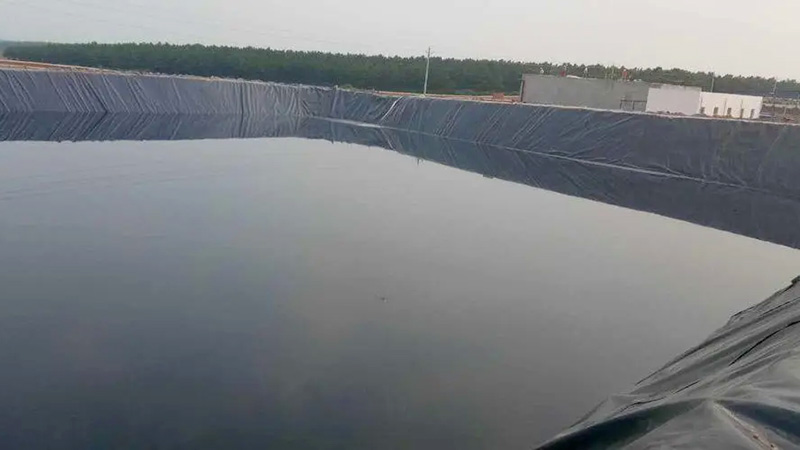
In levee construction, geomembranes help reinforce areas prone to under-seepage and piping. This supports the structural integrity of the barrier during high-water events.
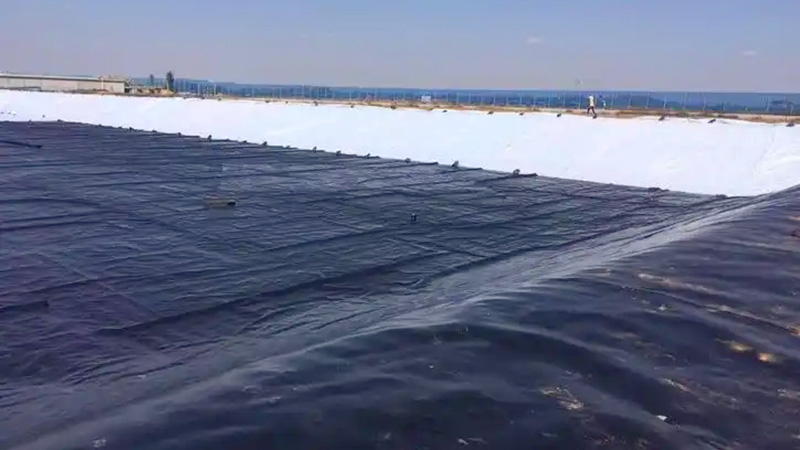
Waterway restoration projects use geosynthetics to control erosion, prevent washouts, and stabilize channels. This supports both flow regulation and local ecological conservation efforts.
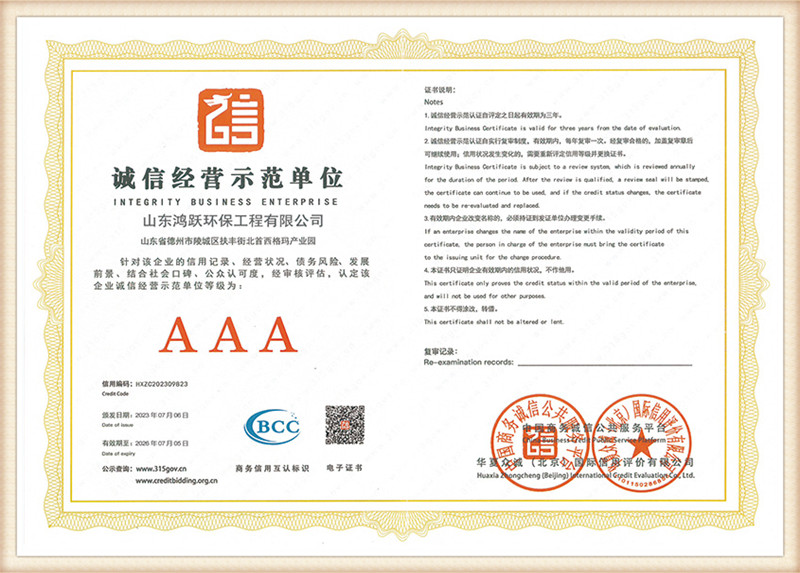
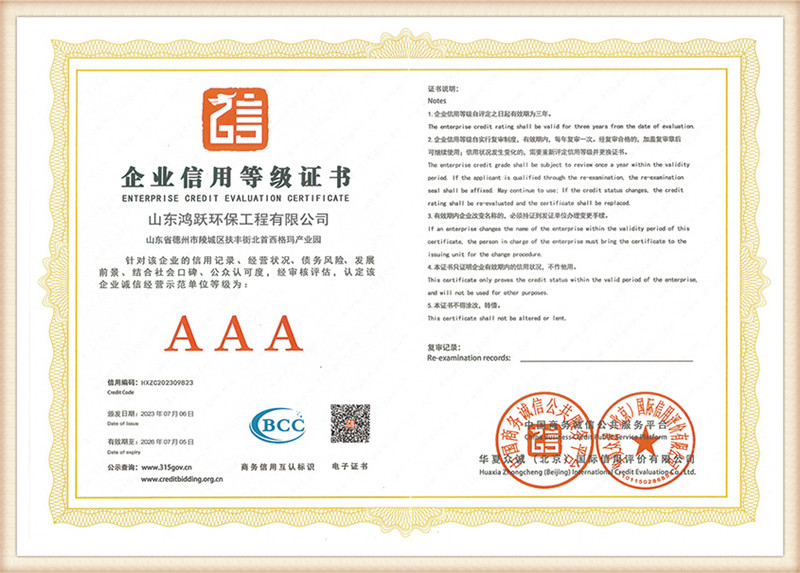
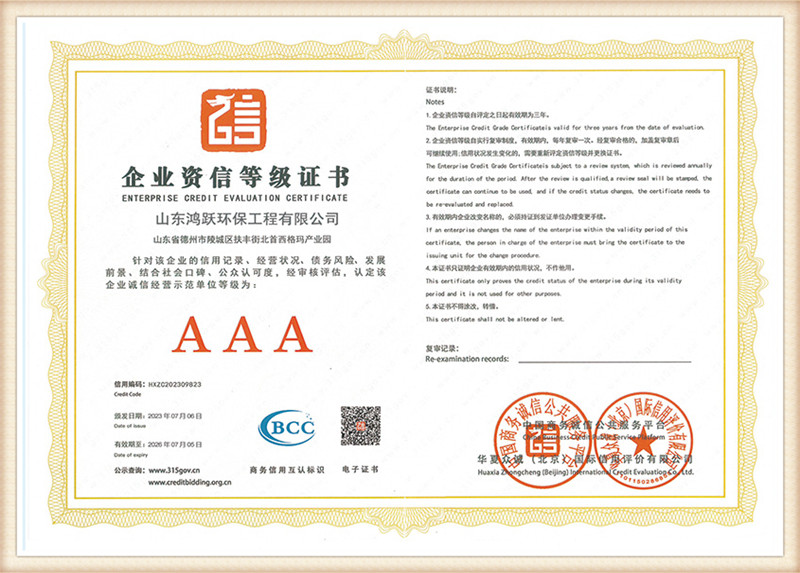
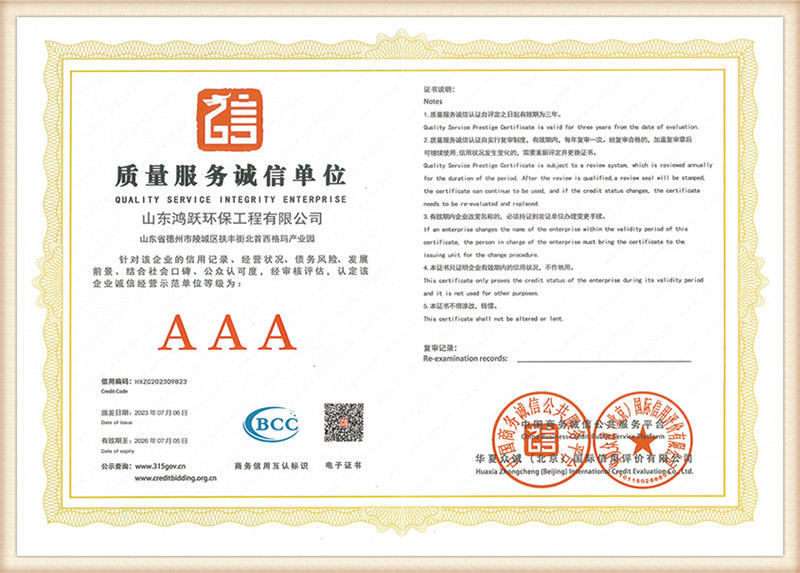
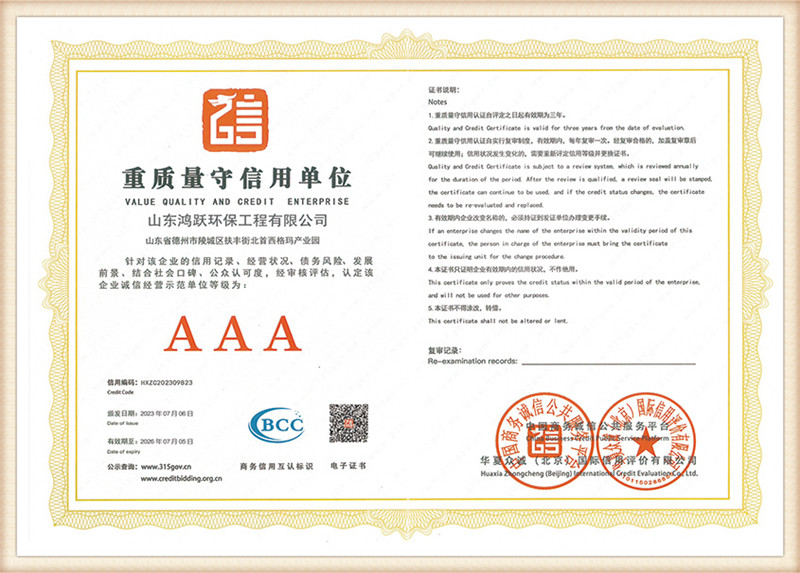
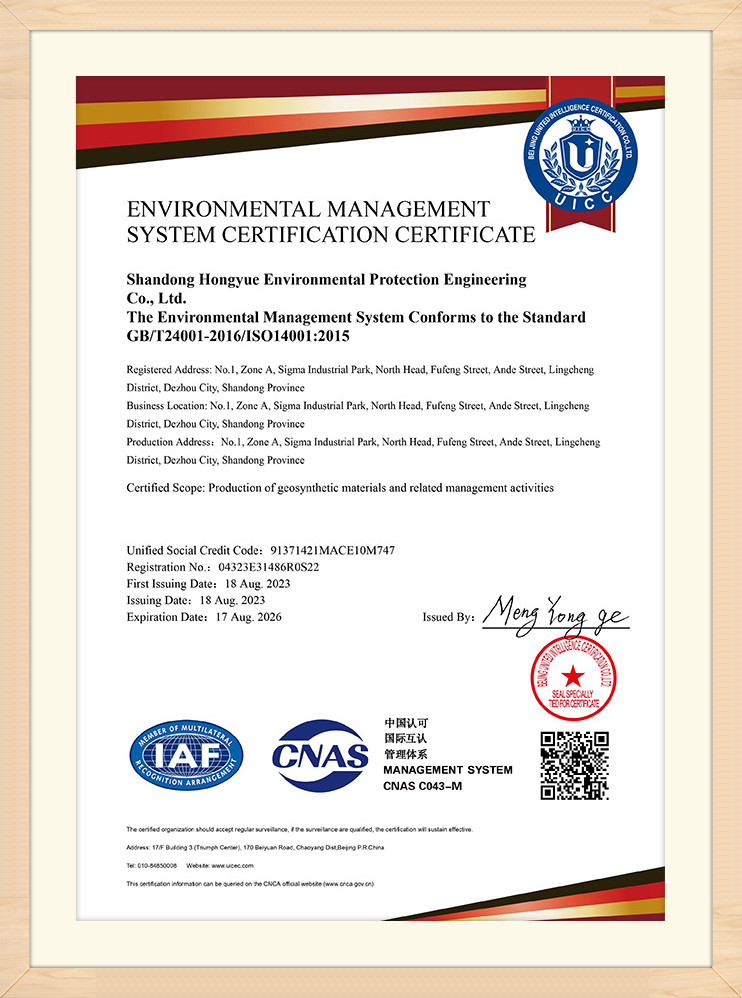
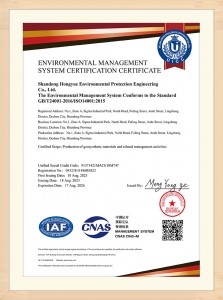
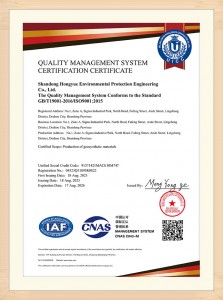
Our quality management system is certified to ISO9001 (Quality Management), ISO14000 (Environmental Management), and ISO45001 (Occupational Health and Safety). Our products have been recognized with awards including "Green Building Material Products" and "High-Tech Industry" status.
We utilize precision testing equipment to evaluate tensile strength, tear resistance, and puncture performance. Product quality is verified through sampling inspections conducted by national testing centers, helping ensure compliance with international project specifications.
Common questions regarding structural properties, cost calculations, and exporting logistics for geogrid soil stabilization systems.
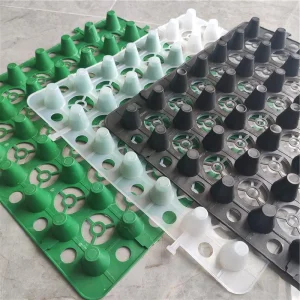
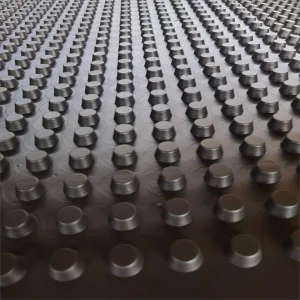
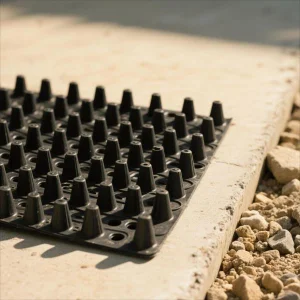
Further specialized barrier membranes, geotextiles, and drainage nets for composite infrastructure applications.
 Hongyue