Engineered to handle extreme shear stresses, control hydraulic erosion, and support robust environmental stabilization.
As structural developments push further into complex geological zones, stabilizing slopes with steep angles, high water velocity runoffs, and weak subgrades presents a vital challenge. Traditional methods—such as massive concrete retaining walls, gravity dams, and riprap blocks—require significant logistics, yield high carbon emissions, and frequently fail due to freeze-thaw cycles and poor drainage capacity.
This is where Cellular Confinement Systems (CCS), widely known as geocells, have revolutionized geotechnical engineering. A geocell is a three-dimensional, expandable honeycomb-like grid structure made from high-density polyethylene (HDPE), polypropylene, or specialized composite polymers. When expanded and filled with structural materials like soil, aggregate, or concrete, it forms a monolithic confinement system that distributes stress laterally, reducing soil erosion and improving overall bearing capacity.
By implementing a 3D confinement matrix, geocells lock the aggregate material in place, preventing soil shear and displacement under high hydraulic stresses. This technology allows developers to build steeper slopes with local, non-cohesive infill, saving thousands of dollars in transportation costs while integrating natural root structures to restore ecological health.
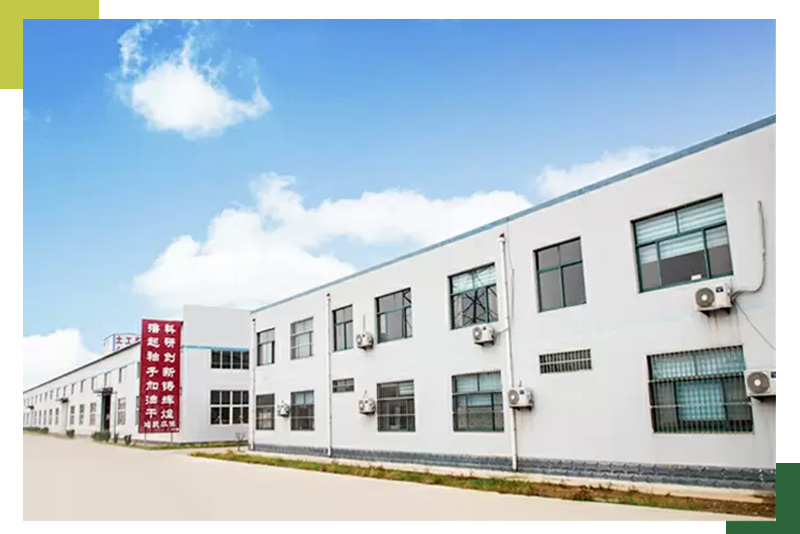
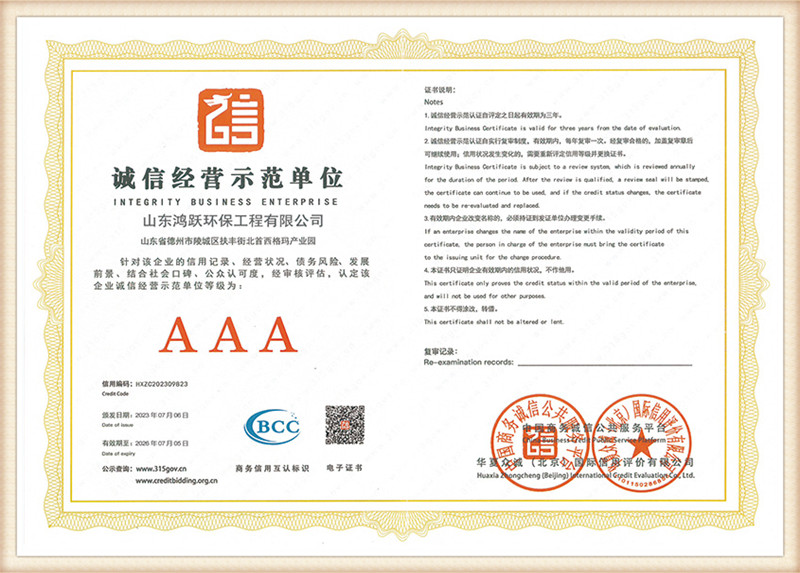
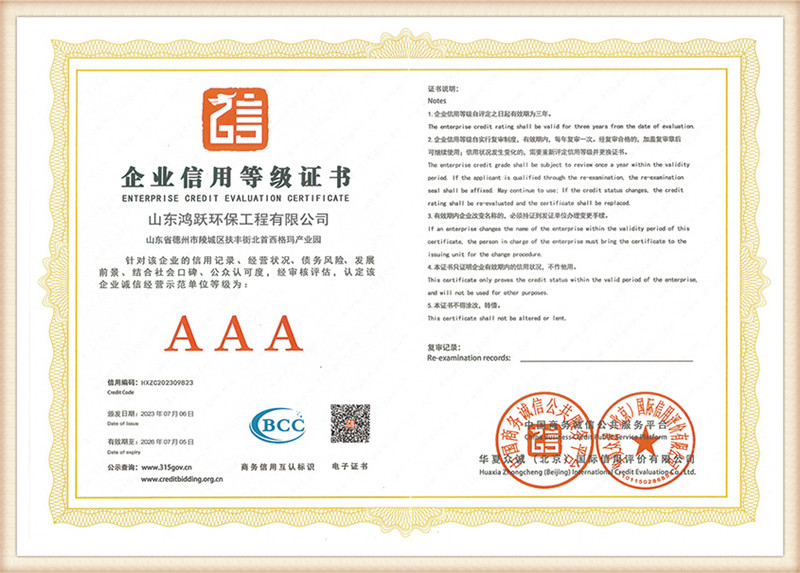
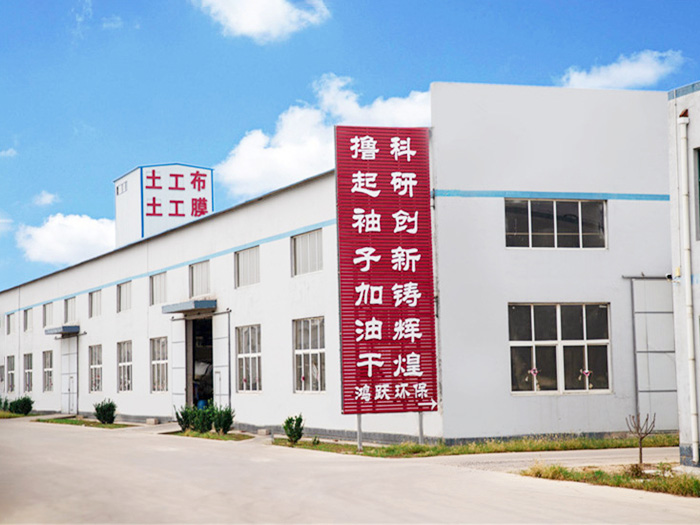
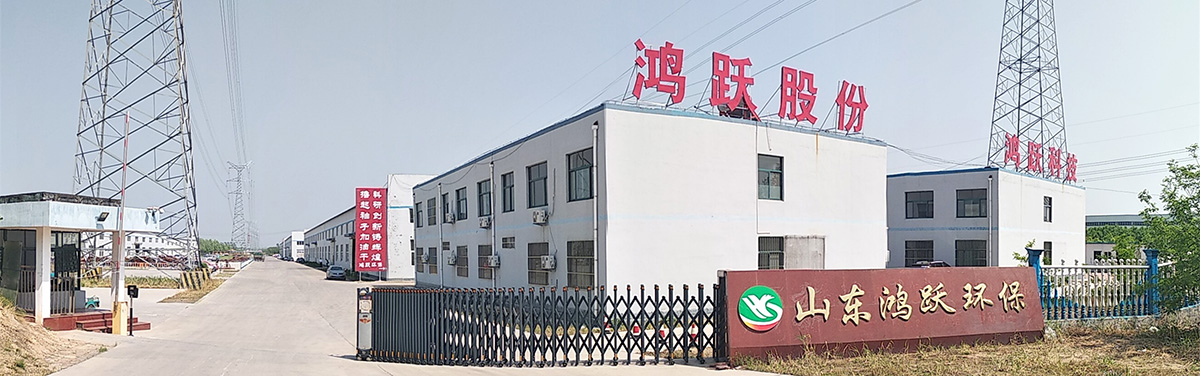
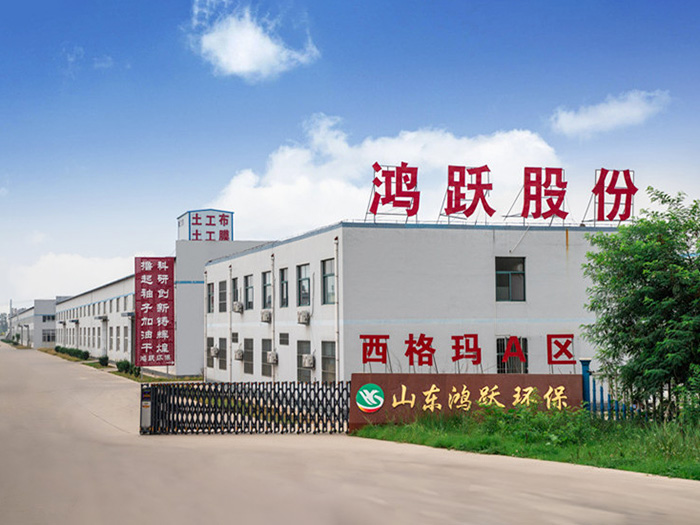
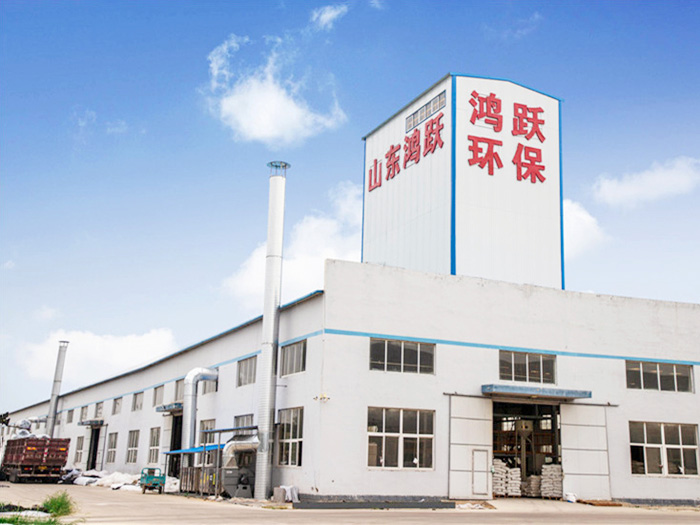
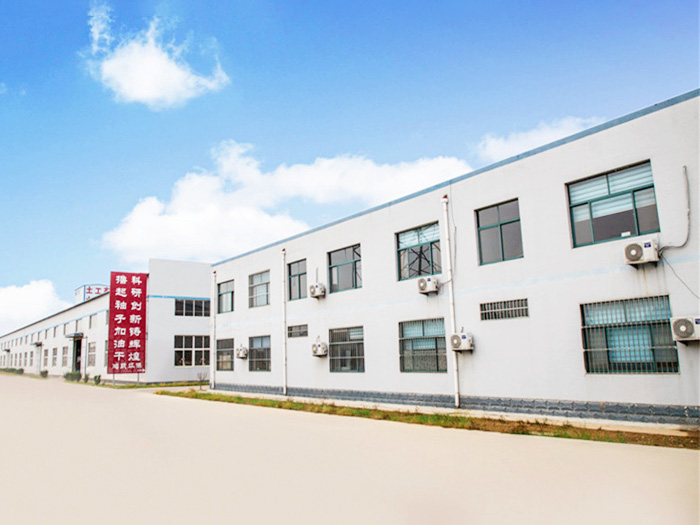
Located at the north end of Fufeng Street, Lingcheng District, Dezhou, Shandong Province, Shandong Hongyue Environmental Engineering Co., Ltd. is a high-tech geotechnical material manufacturer. We integrate product development, engineering design, manufacturing, sales, and complex construction services into one comprehensive operation. Registered with a capital of 105 million yuan on April 6, 2023, we stand as one of the largest specialized production bases of geotechnical materials in China, benefiting from a prime geographic location and major transport hubs.
We pride ourselves on a professional sales and technical support team that assists key projects in civil engineering, water conservancy, mining, landfill protection, and highway networks. Through our commitment to "survival through quality and growth through innovation," we continuously strengthen our core competitive advantages and provide tailored OEM/ODM solutions to clients across Europe, the Americas, and Southeast Asia.
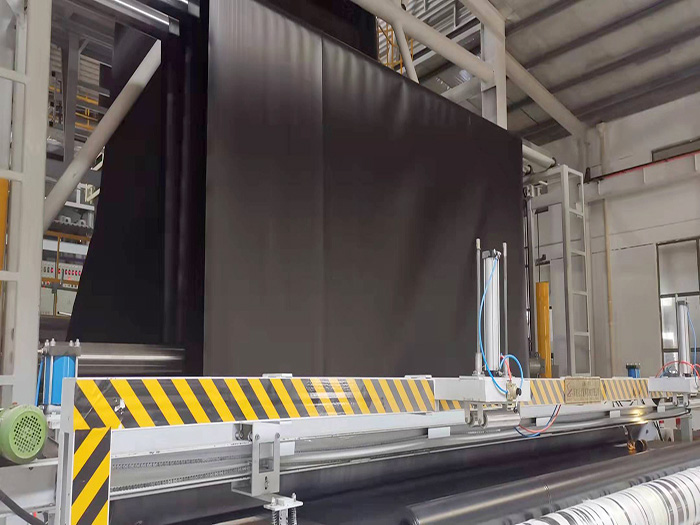
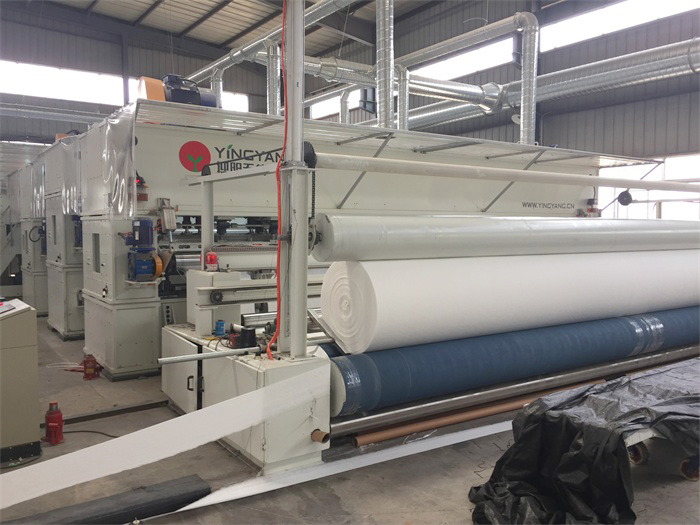
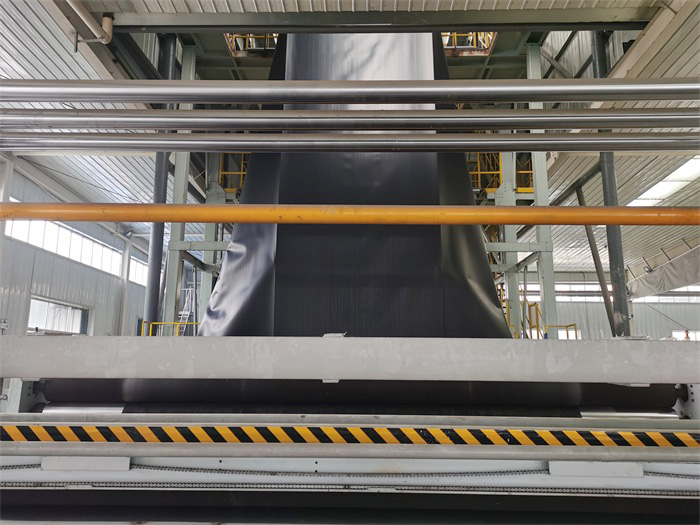
Our production facilities utilize next-generation automated assembly lines, high-frequency ultrasonic welding arrays, and state-of-the-art polymer extrusion processes to guarantee structural integrity.
We source only high-density, virgin polyethylene (HDPE) resins to ensure maximum resistance to environmental stress cracking (ESCR) exceeding 5,000 hours, keeping our geocells intact under long-term mechanical stress.
Our automated welding arrays deliver precise high-frequency weld joins, ensuring that the seam peel strength meets or exceeds ASTM D5199 and ISO 13426-1 international requirements for load-bearing structures.
Every product batch goes through our internal laboratory and is audited by the China National Testing Center, verifying dimensions, carbon black content, tensile strength, and seam shear performance before shipping.
Integrating 3D confinement, drainage dynamics, and tensile stability across complex infrastructural projects worldwide.
Slope erosion is primarily caused by rain splash impact and surface runoff shear. Standard non-confined soils quickly wash away, undermining civil assets like highways and railways. In high-speed waterways, channels, and drainage ditches, unchecked hydraulic flows can destroy canal beds.
By installing HDPE Geocells, we create a stable, compartmentalized block system. Each cell confines soil or aggregate, which absorbs structural kinetic energy from water and rainfall. The perforated design of our geocells allows efficient horizontal drainage while retaining fine particles. This design permits roots to grow through the cell walls, locking the soil matrix naturally and creating a long-term green barrier against weather and erosion.
For channel systems, filling the geocells with concrete provides a flexible armor system. Unlike solid concrete slabs, these concrete-filled geocells can shift and adjust to localized settlement without cracking, ensuring continuous, reliable protection.
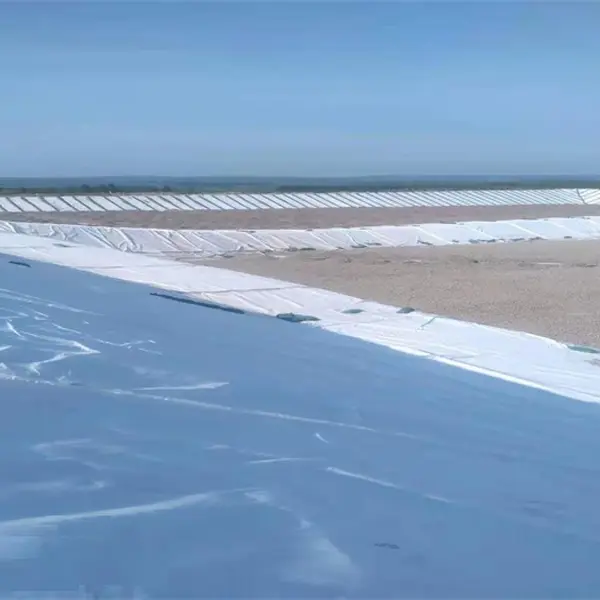
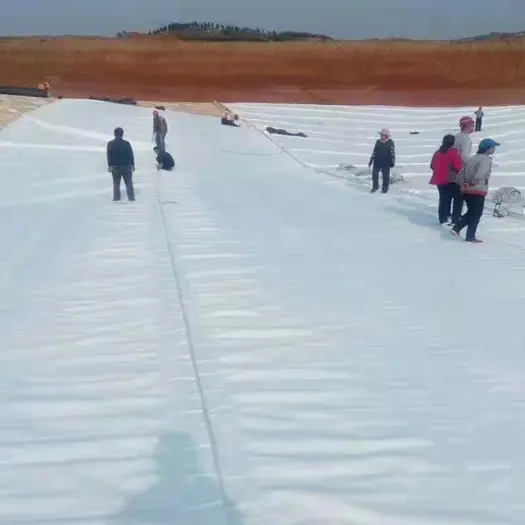
Modern municipal landfills and mining tailings require robust, multi-layer lining systems to contain hazardous contaminants. The primary challenge is maintaining soil and aggregate stability on the steep containment slopes of the landfill cells.
Using geocells on these slopes keeps protective soil layers, geotextiles, and geomembranes stable without puncturing the underlying barriers. The cellular confinement system distributes weight evenly, reducing downslope drag and stress on the synthetic liners.
Additionally, combining this setup with high-strength composite geomembranes prevents hazardous runoff from seeping into local water tables, ensuring long-term safety and regulatory compliance.
Weak subgrade soils, such as soft clays, peat, and loose silts, degrade under repeated traffic loads, leading to rutting, base failure, and high maintenance costs. Geocells solve this by providing a rigid base through lateral confinement.
When subgrade fill is compacted within the geocell cells, the lateral pressure increases its shear strength and bearing capacity. The geocell acts as a semi-rigid slab, spreading heavy axle loads over a wider area and reducing structural settlement.
This allows transportation departments to build roads and railways over soft subgrades using cheaper, local soil or aggregate, reducing materials costs and saving time during construction.
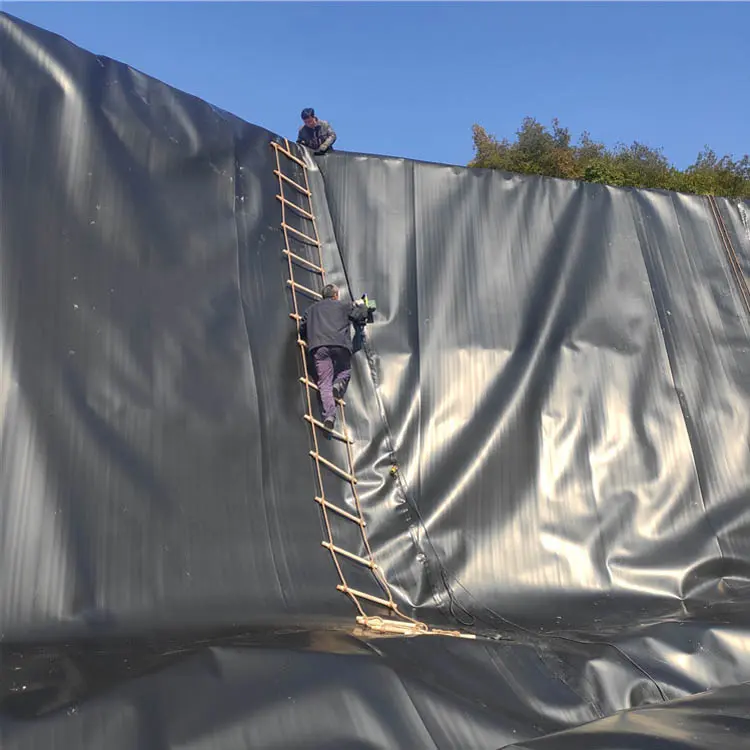
A step-by-step breakdown of how our high-performance geotechnical materials are manufactured and professionally installed on-site.
Our manufacturing process begins with preparing high-grade polymer resins, including polyester chips, polypropylene, and polyethylene filament. These components are thoroughly mixed and extruded under precise temperatures to ensure material consistency.
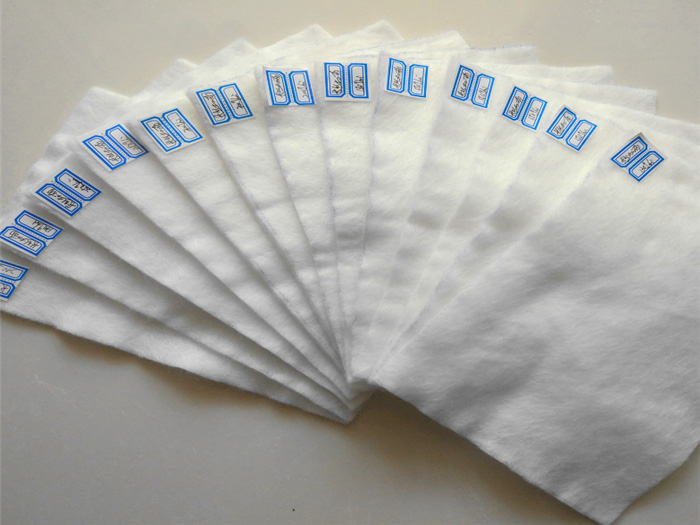
After extrusion, the polymer sheets are drawn through high-precision rollers to shape the mesh and align the internal fibers. Curing these sheets at controlled temperatures and draw ratios stabilizes the polymer structure, giving it consistent tensile strength and durability.
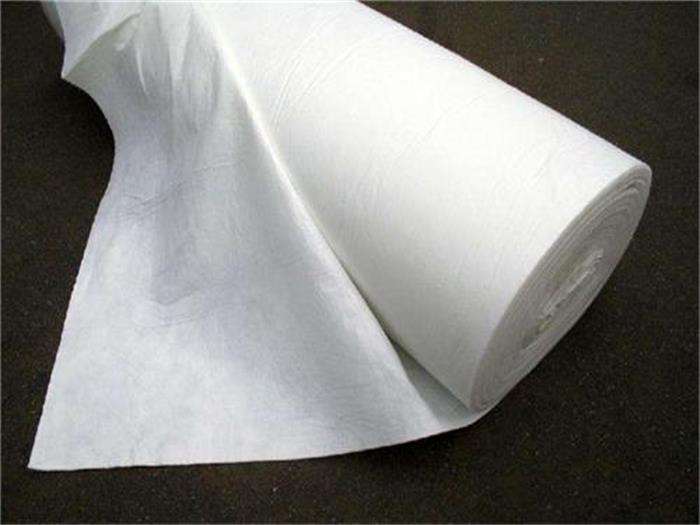
The cured polymer strips are cut to size and welded together at set intervals using ultrasonic welding. The finished geocell bundles are then rolled, inspected, and packed for shipment, ensuring they arrive on-site ready for installation.
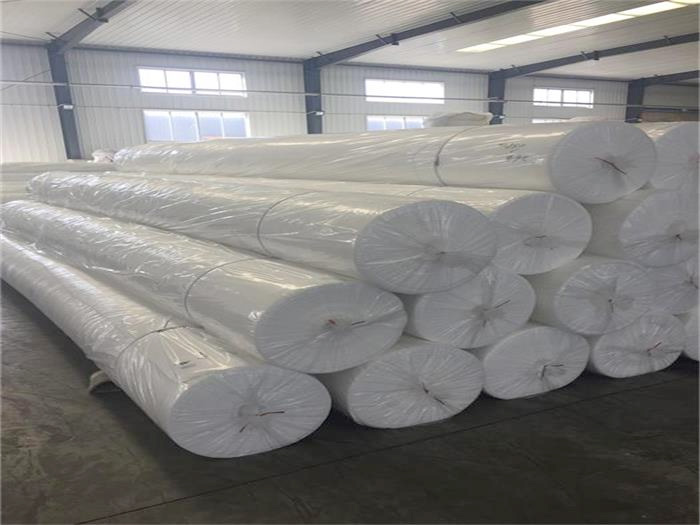
On-site, the slope is graded and cleared of sharp objects. The geocell is expanded and anchored using J-pins or tendon lines. Once secured, the cells are filled with soil, gravel, or concrete, creating a durable confinement system that protects the slope from environmental wear.
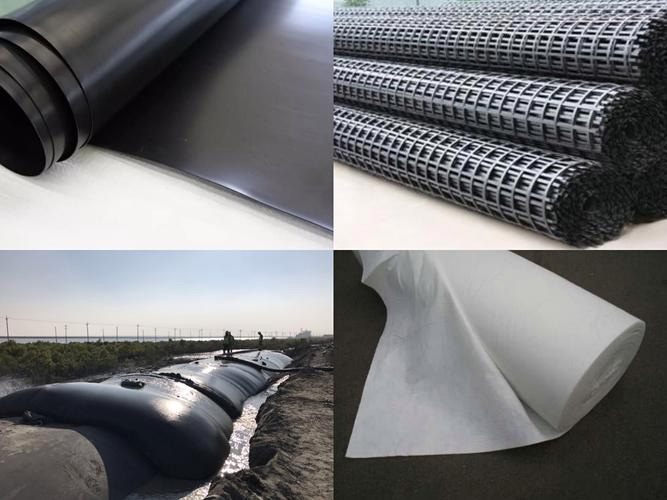
Take a virtual look inside our factory. We operate high-speed extrusion machines, precision welding lines, and large-scale staging warehouses that keep our operations running smoothly.
A closer look at how geomembranes and geocells protect riverbanks, channels, and reservoirs from long-term erosion.
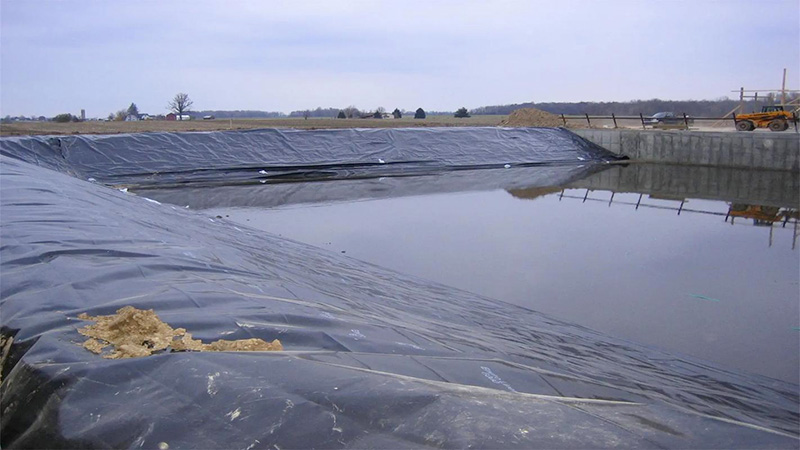
Reservoirs are often built on complex terrain where soil shifting can lead to seepage and water loss. Installing a geomembrane layer below the geocells forms a waterproof barrier that protects the reservoir floor, while the aggregate-filled geocells protect the liner from physical damage.
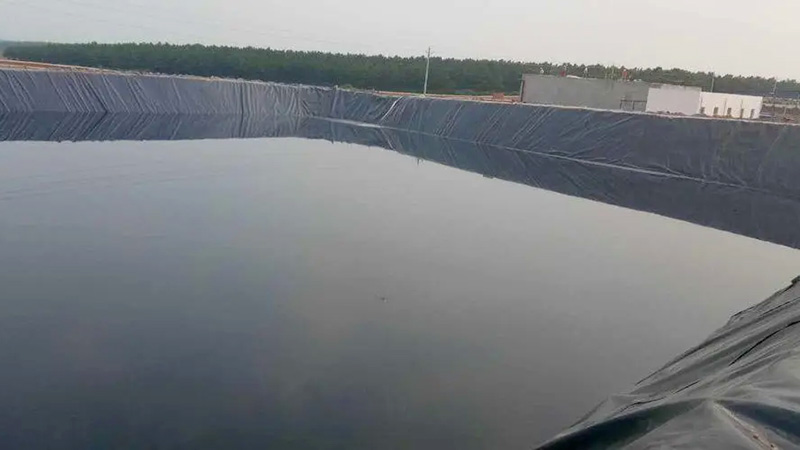
Levees protect nearby lowlands from flooding but are vulnerable to internal erosion and piping. Adding a geocell confinement layer to the levee slopes controls surface runoff, stabilizes the soil, and helps establish protective vegetation.
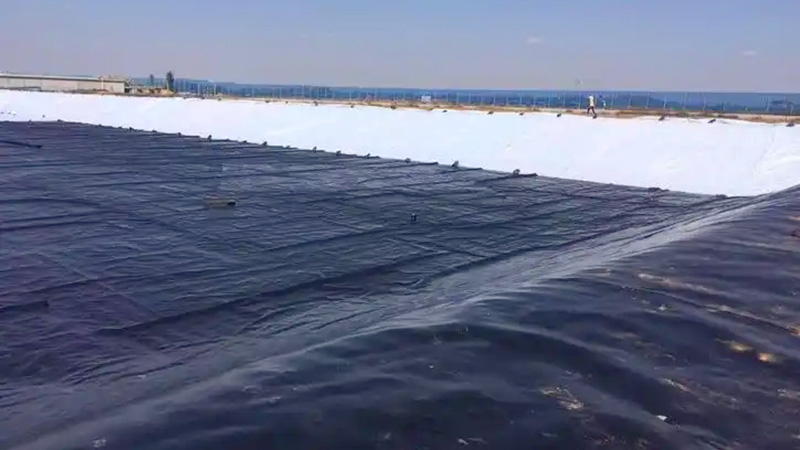
River channels frequently cope with changes in water flow and velocity. High-velocity currents can quickly erode unprotected banks, leading to collapses. High-strength geocells trap soil particles in place, keeping the channel banks stable and functional.
Sourcing engineering materials for international infrastructure projects requires balancing quality standards, transportation logistics, and regulatory compliance. Heavy geotechnical items like geocells, geomembranes, and geogrids demand efficient, reliable supply chains.
Our location in Shandong, China, offers excellent access to major shipping ports like Qingdao, allowing us to streamline international shipping. We help our global clients manage customs clearance, export paperwork, and bulk shipping logistics to ensure deliveries arrive on time.
We work closely with project managers to coordinate production schedules with on-site construction phases. This careful timing minimizes on-site storage needs and helps keep projects on schedule and within budget.
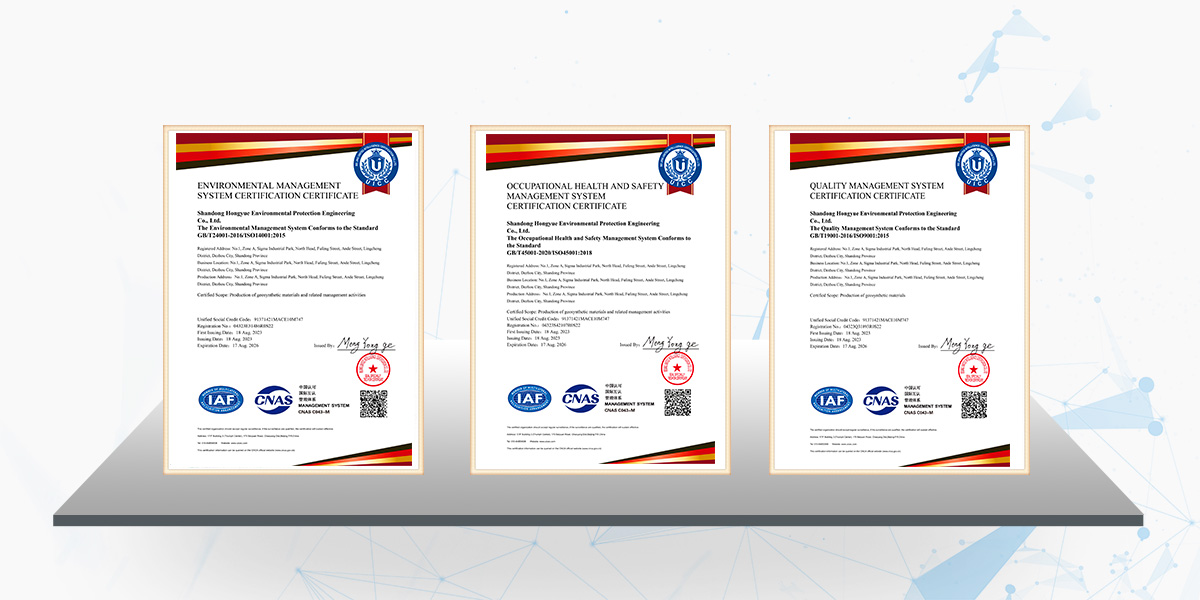
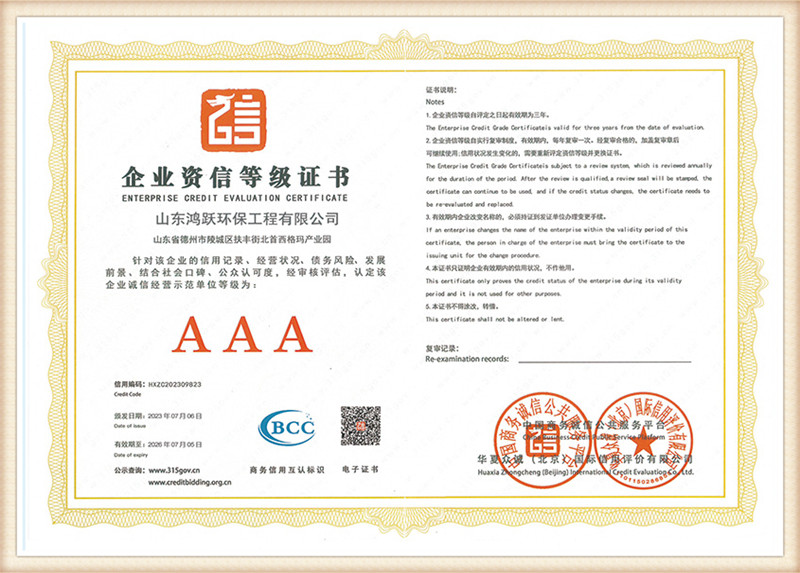
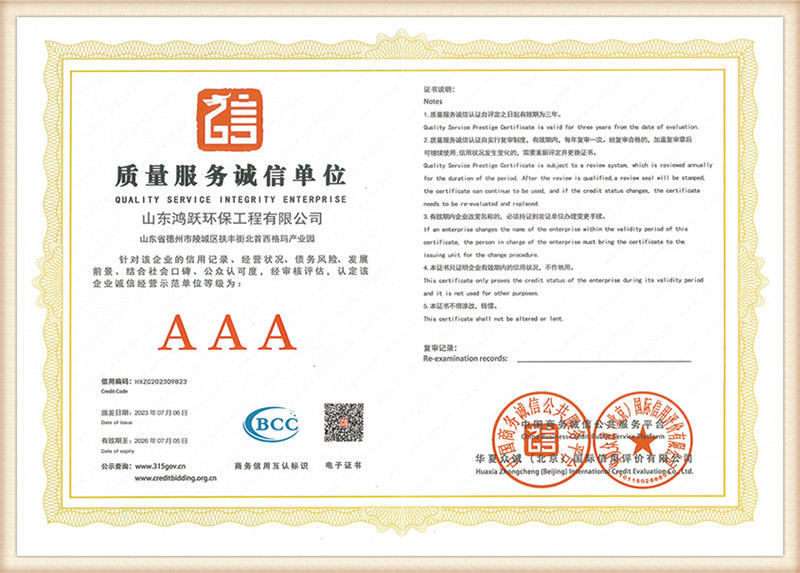
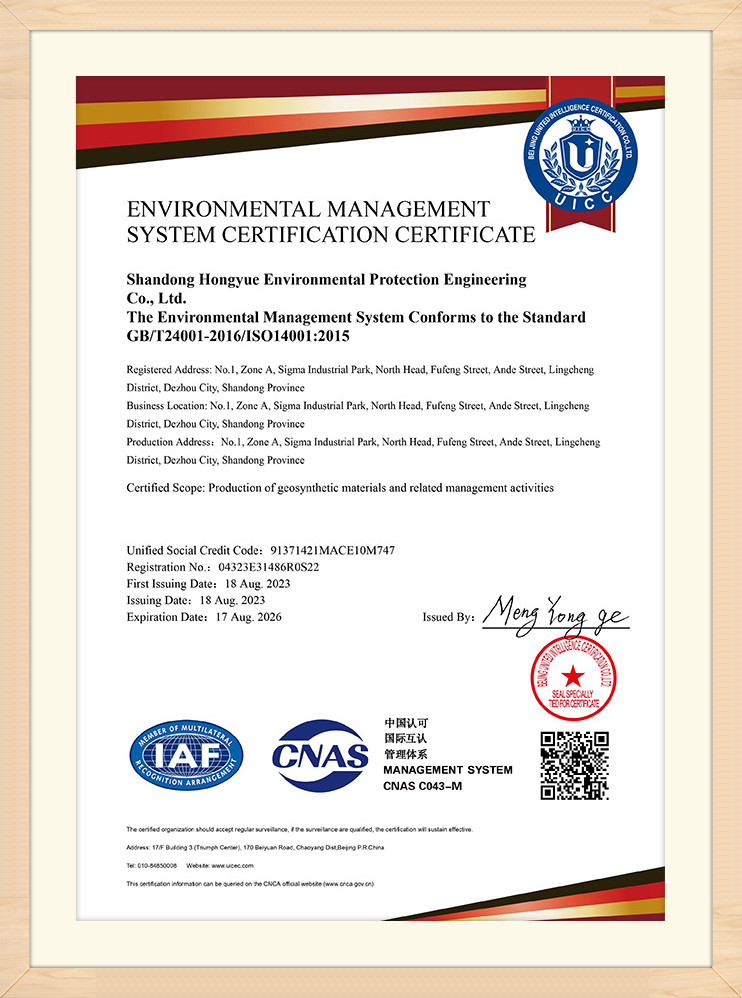
We maintain rigorous quality standards across all our operations, certified by ISO9001 (Quality Management), ISO14001 (Environmental Management), and ISO45001 (Occupational Health and Safety Management).
Our geosynthetic products are designed and manufactured to meet major international engineering guidelines, including ASTM, EN, and ISO testing protocols. This compliance ensures our materials perform reliably under demanding conditions, including highway bases, high-speed rail lines, and containment projects.
Whether you need custom cell sizes, specific weld distances, or tailored material thicknesses, our engineering team can customize products to meet your project specifications.
How we are advancing polymer technologies to deliver sustainable, high-durability geosynthetic solutions.
We are researching bio-resins to develop temporary geocells for restoration projects. These cells degrade naturally after vegetation takes root, leaving no synthetic materials behind.
We are testing smart geocells with embedded fiber-optic sensors. These sensors monitor internal strain and shifting, providing real-time slope stability data to help prevent landslides.
We are developing polymer alloys designed for hot climates, desert conditions, and industrial sites, keeping their strength even at temperatures up to 80°C.
Common questions about geocell specifications, installation procedures, and supply chain logistics answered by our engineering team.
Our production steps undergo rigorous testing in our certified facilities to ensure reliable material performance.
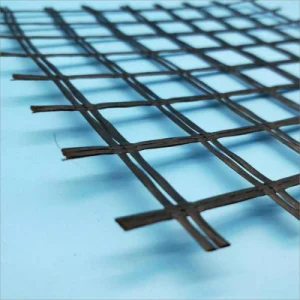
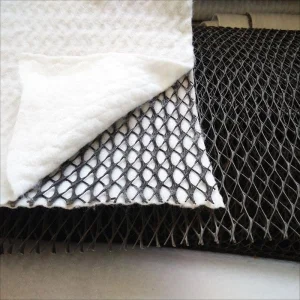
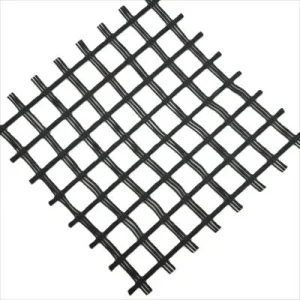
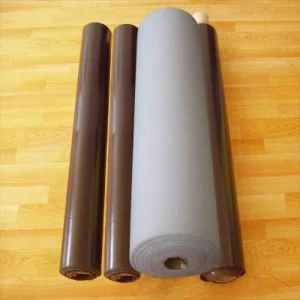
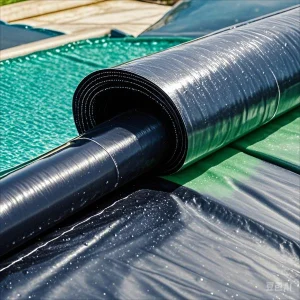
Explore our complete range of geomembranes, composite nets, and drainage solutions designed for environmental and civil engineering projects.
 Hongyue