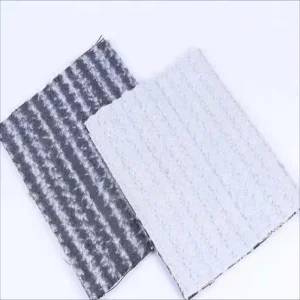
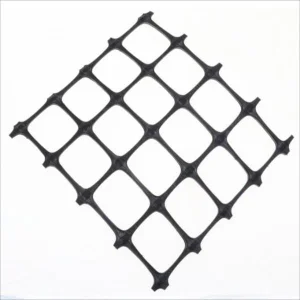
Explore our certified engineering components, engineered for filtration, separation, soil reinforcement, and heavy-duty environmental containment.
An in-depth evaluation of mechanical classification, raw material selection, and structural performance parameters.
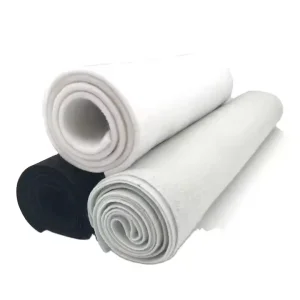
Selecting the ideal base polymer determines the longevity of structural civil work. Our OEM Attache Geotextiles utilize high-tenacity Virgin Polyester (PET) chips or Polypropylene (PP) resins. PP exhibits excellent resistance to acid and alkaline environments (pH range 2-13), making it suitable for landfill lining and concrete-adjacent systems. In contrast, PET offers higher long-term creep resistance and high-tensile modulus, optimal for retaining structures and railway base reinforcers.
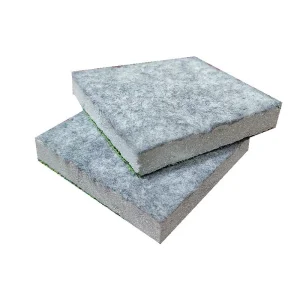
Mechanically needle-punched nonwovens achieve dynamic three-dimensional pore distributions, granting excellent permeability in perpendicular and in-plane flow vectors. Thermal bonding forms structural planes with elevated initial tensile strength and limited elongation properties, suitable for applications requiring minimal physical movement under high structural load forces.
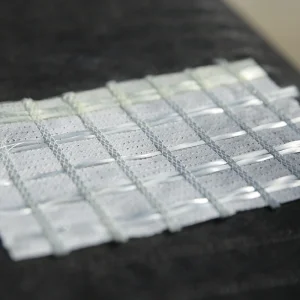
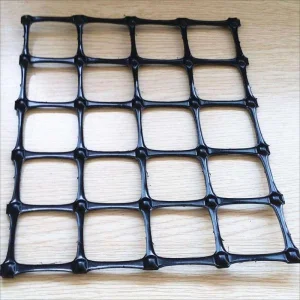
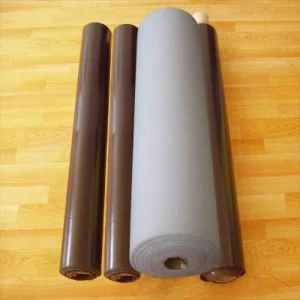
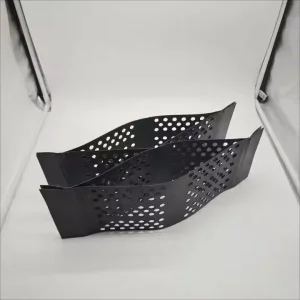
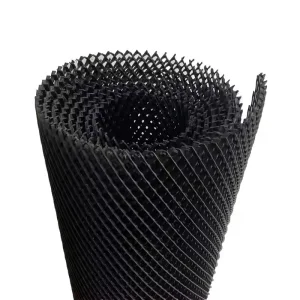
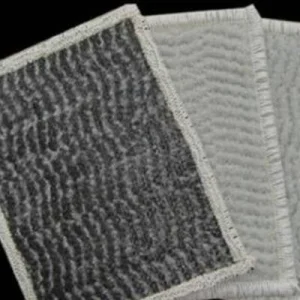
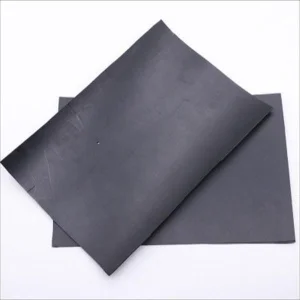
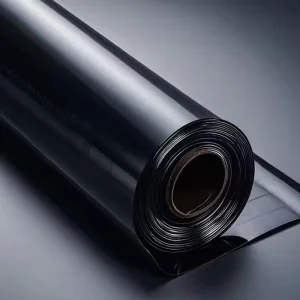
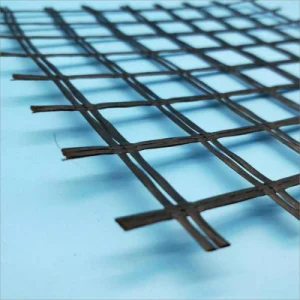
By combining geotextiles with secondary structures like high-strength warp-knitted yarns, biaxial geogrids, or impervious HDPE/PVC geomembranes, we produce high-performance composite layers. These composite interfaces combine filter protection with containment, optimizing stress distribution and preventing puncture hazards in municipal engineering installations.
Located at the northern segment of Fufeng Street, Lingcheng District, Dezhou, Shandong Province, Shandong Hongyue Environmental Engineering Co., Ltd. is a high-tech manufacturer specializing in civil and geotechnical engineering composite materials. Established with a substantial registered capital of 105 million yuan, our manufacturing footprint is one of the premier industrial production bases for environmental geosynthetics in China.
Leveraging advanced engineering design, testing laboratories, and integrated construction capabilities, we offer direct end-to-end support for infrastructure developers. From raw material preparation to complex composite fabric welding, our facility operates high-speed modern lines delivering unmatched batch consistency.
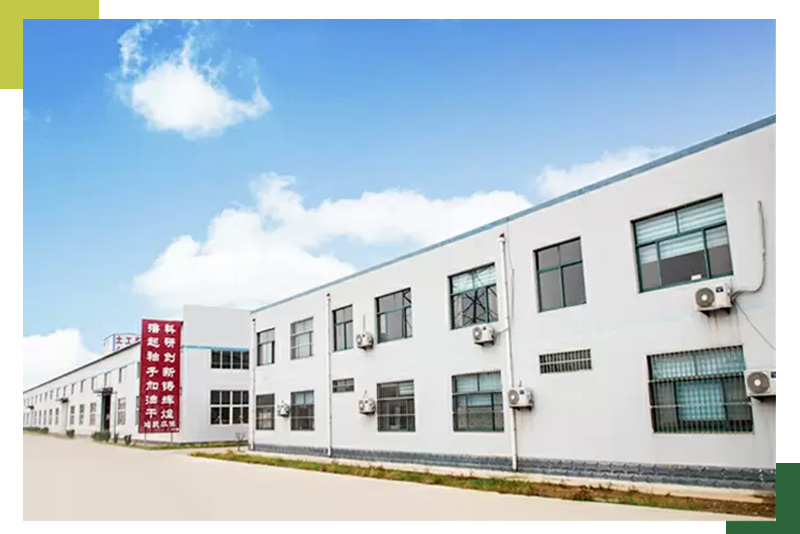
How raw polymer chips are converted into high-performance civil reinforcement materials at our Dezhou plant.
We process premium polyester (PET) chips, polypropylene (PP) resins, and specialized viscose fibers. Before feeding into production, raw polymers undergo density, melt flow index (MFI), and moisture checks to prevent micro-structural defects.
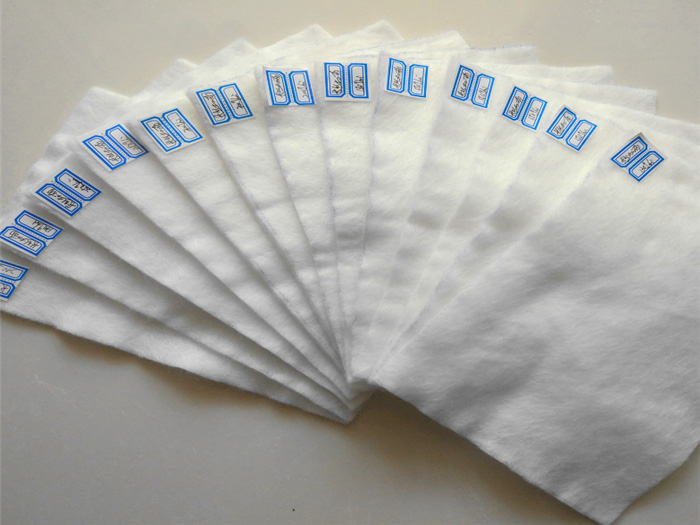
The selected raw polymer chips enter a multi-stage screw extruder operating at temperature profiles ranging from 240°C to 290°C. Exact pressure boundaries are strictly regulated to maintain the molecular integrity of the synthetic resin chains.
Extruded polymer melts are processed through high-precision micro-nozzle spinnerets. The resulting continuous filaments are cooled, drawn by supersonic air flows, and laid onto a conveyor belt, forming a uniform three-dimensional network structure.
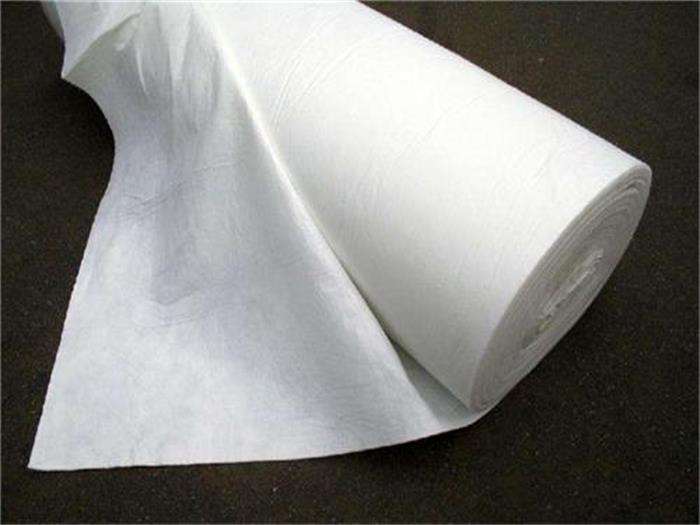
The fiber matrix passes through heavy-duty needle loom zones. Thousands of specialized barbed needles cycle vertically to intertwine the fibers mechanically. This interlocking mechanism defines the high tensile capacity and directional stability of the material.
The consolidated nonwoven fabric is processed through heated calendar rollers. Controlling thermal settings helps regulate the final thickness, pore size distribution, and surface friction profile of the geotextile.
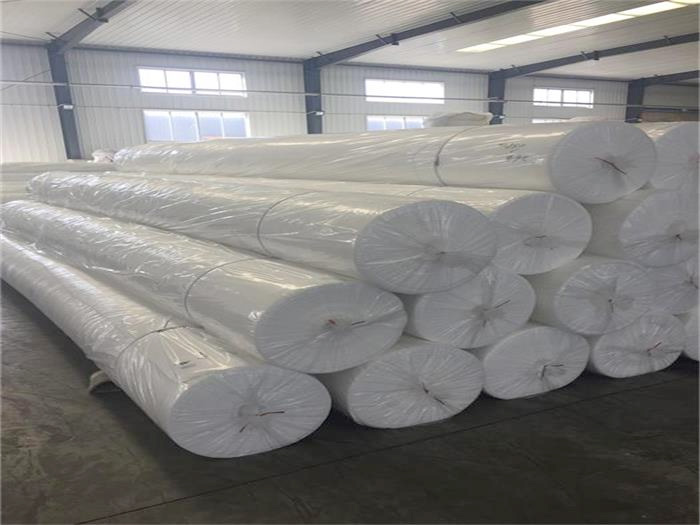
Automated visual sensors scan the moving roll for physical inconsistencies. Slitting blades trim the edges to the specified roll widths. Finished rolls are labeled, packed with UV-resistant sleeves, and stored for container shipping.
Comparing physical parameters and mechanical limits of key composite and nonwoven configurations.
| Specification Parameters | PET Nonwoven Series | PP High-Strength Series | Composite Geotextile Grid | Warp-Knitted Complex |
|---|---|---|---|---|
| Mass Per Unit Area (g/m²) | 100 - 1000 | 120 - 800 | 300 - 1200 | 150 - 600 |
| Wide-Width Tensile Strength (kN/m) | 6.0 - 80.0 | 15.0 - 110.0 | 30.0 - 180.0 | 25.0 - 150.0 |
| Elongation at Break (%) | 50% - 80% | 45% - 70% | 12% - 25% | 10% - 15% |
| CBR Puncture Strength (kN) | 1.2 - 12.0 | 2.0 - 15.0 | 3.5 - 18.0 | 3.0 - 10.0 |
| Vertical Permeability (cm/s) | 1.0 × 10⁻¹ to 9.0 × 10⁻² | 5.0 × 10⁻² to 1.0 × 10⁻³ | 1.0 × 10⁻³ to 5.0 × 10⁻⁴ | 2.0 × 10⁻² to 4.0 × 10⁻³ |
| UV Resistance Retention (%) @500h | 70% | 80% | 75% | 75% |
Understanding how environmental geotextiles solve specific filtration, stability, and water seepage challenges.
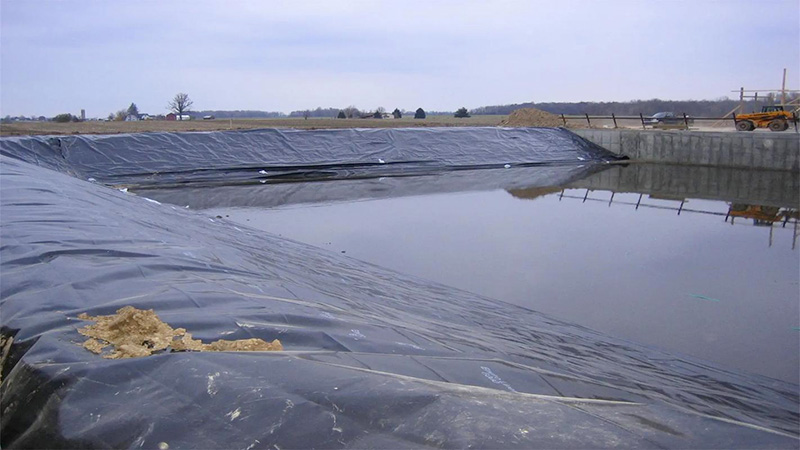
In water conservancy projects, soil structures interact constantly with hydraulic pressures. Unchecked seepage can wash away fine soil particles, causing structural instability.
Using heavy nonwoven geotextiles alongside HDPE geomembranes acts as a defense against internal erosion. The geotextile lets water flow out while keeping fine-grained soil in place, helping prevent foundation hollows in reservoirs and channels.
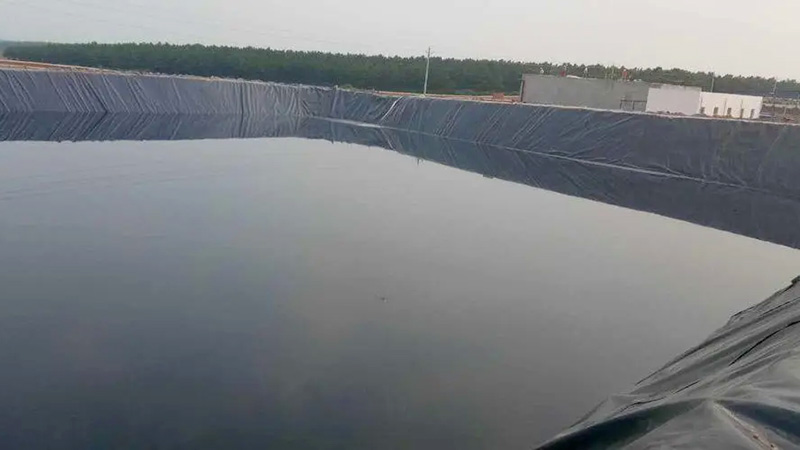
Waterfront levees face regular wave action and water level fluctuations. Placing an attache geotextile beneath rock armor or concrete blocks helps stabilize the bank.
The geotextile prevents soil from washing into the open spaces of the riprap under wave action. This preserves the structural profile of the levee and helps prevent bank collapse.
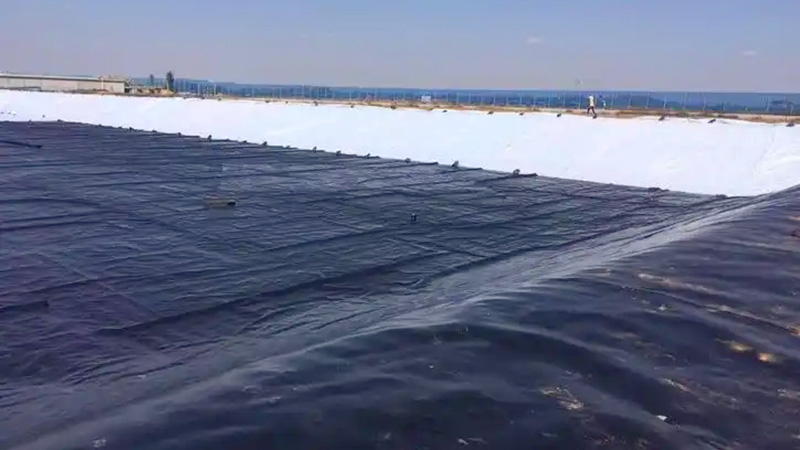
Water channels and drainage pathways require stable boundaries. Composite geotextiles help line channels, preventing bed scouring and directing groundwater to drainage layers.
Using these geotextiles reduces maintenance needs, prevents localized soil shifting, and simplifies installation compared to traditional concrete lining.
Why Dezhou's manufacturing ecosystem provides cost-competitive and reliable geosynthetic solutions.
Dezhou is a major center for synthetic textiles, offering reliable access to domestic PET chips and PP resins. This localized supply chain reduces material transit times, minimizes price volatility, and maintains production even during global shipping disruptions.
Our Dezhou facility has convenient transport connections to major international ports like Qingdao and Tianjin. This proximity simplifies shipping, lowers transport costs, and ensures dependable delivery times for global civil projects.
As a specialized OEM/ODM factory, we produce geotextiles in custom widths (from 1.0m to 8.0m) and weights (100g/m² to 1500g/m²). We can adapt tensile strength profiles, UV resistance, and package sizes to meet specific municipal project standards.
Our internal testing laboratory is equipped with precision testing tools to ensure consistent quality in every production lot.
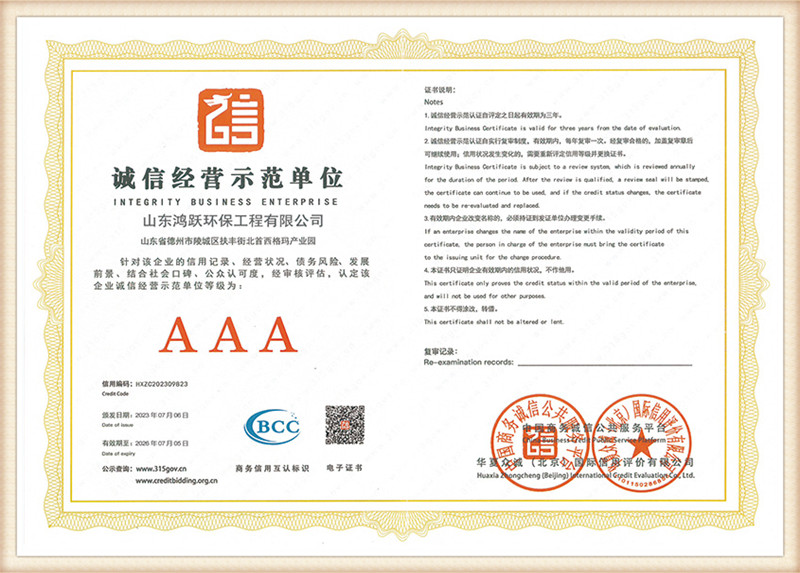
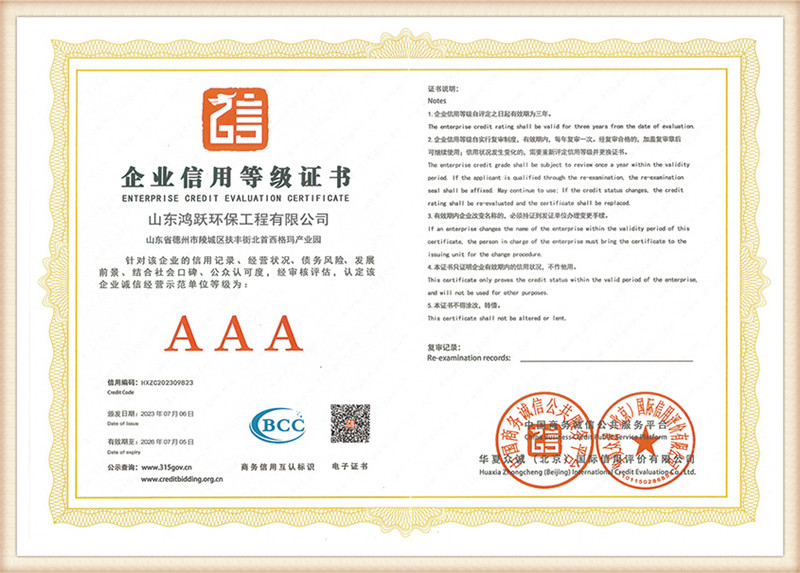
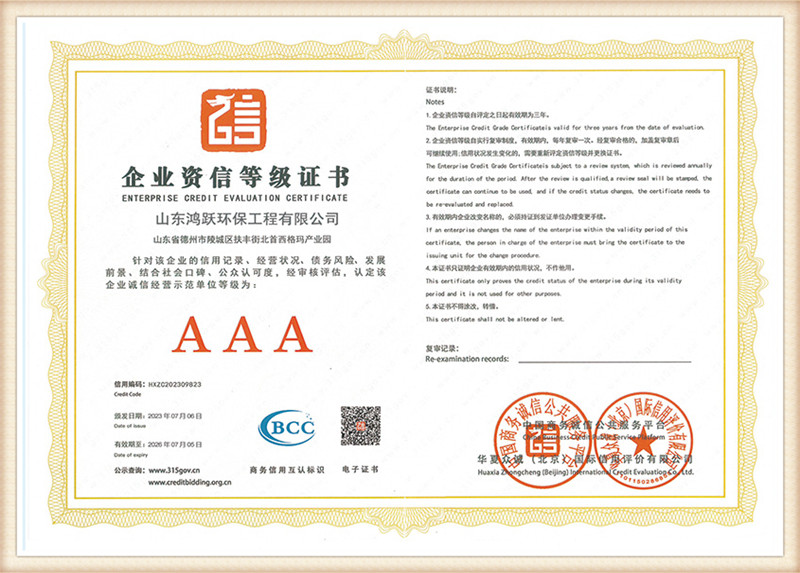
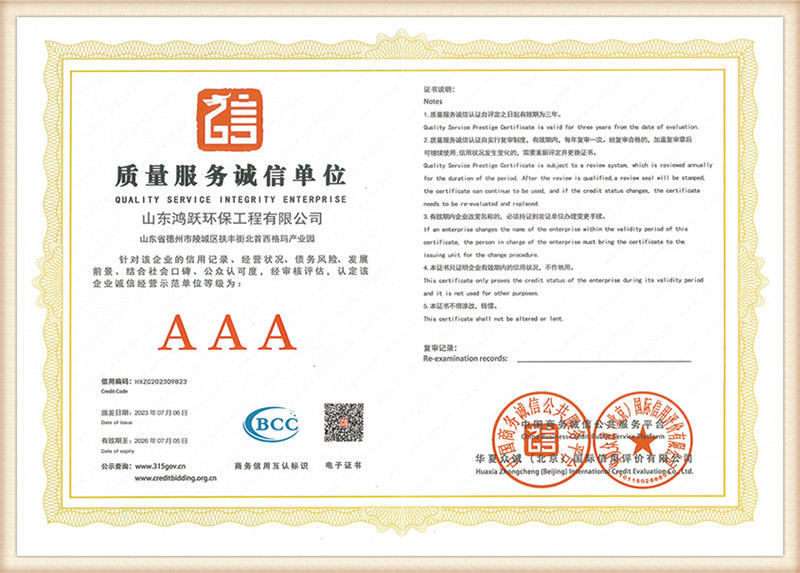
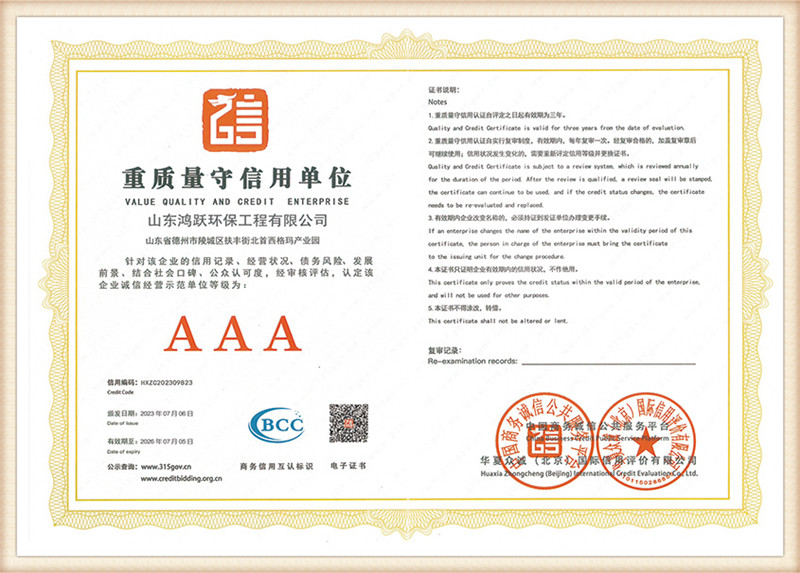
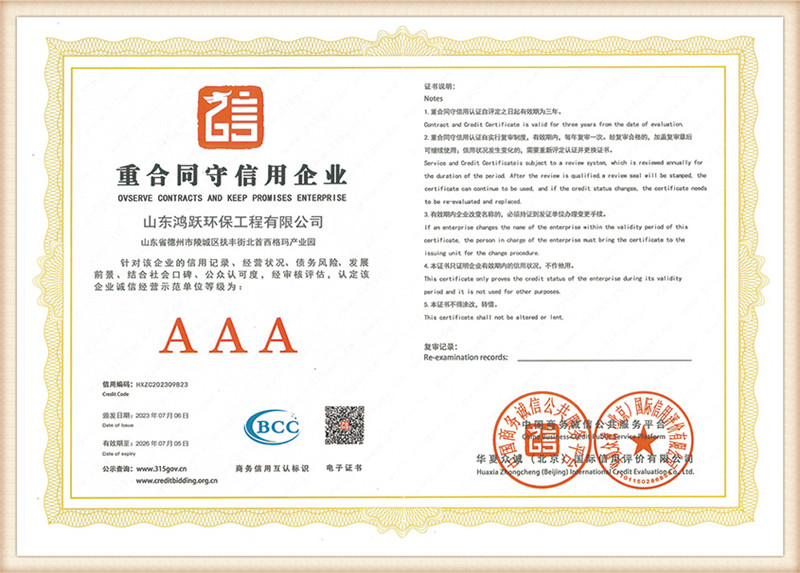
Every production shift is monitored by quality inspectors. We verify mechanical, chemical, and hydraulic performance benchmarks using advanced laboratory equipment. The physical properties of our geosynthetic products meet or exceed national standards, supported by certification from China's National Geotechnical Material Testing Center.
Standard Internal Laboratory Tests Include:
Recommended engineering steps to ensure correct installation and long-term geotextile performance.
Clear the subgrade area of all organic debris, large stones, and sharp objects. Grade the soil surface and compact it using vibratory rollers to ensure a smooth, stable base before unrolling the geotextile.
Unroll the geotextile manually or with specialized machinery, pulling it smooth to prevent wrinkles and folds. Align the rolls along the slope to minimize joints, and secure them with steel ground staples to prevent shifting.
Overlap adjacent geotextile edges by 300mm to 500mm. For critical applications, we recommend continuous hot air sewing or polymer welding to ensure strong, tear-resistant connections.
Backfill aggregate carefully, ensuring the construction equipment does not drive directly on the exposed geotextile. Spread the material in lifts of 150mm to 300mm, then compact it using approved vibratory equipment to establish the final stable layer.
Expert answers to common engineering, ordering, and material selection questions.
Attache geotextiles are specialized composite systems where nonwoven filter fabrics are bonded to structural reinforcements, like warp-knitted geogrids or high-density geomembranes. This design provides both filtration and high tensile strength within a single, easy-to-install roll.
Our production line features modern sensor systems that monitor fabric mass per unit area and thickness in real time. If any section falls outside the design tolerances, it is automatically flagged for trimming or exclusion before final rolling.
For soil environments with high pH levels, Polypropylene (PP) is recommended due to its excellent resistance to chemical degradation. Polyester (PET) is better suited for projects requiring high long-term creep resistance in typical neutral pH soil conditions.
Standard OEM custom orders are typically manufactured within 10 to 15 working days. This timeframe covers raw material verification, extrusion calibration, needle loom setup, and final quality inspection tests.
Yes, our geosynthetic products carry CE certification, demonstrating compliance with European construction product safety, environmental, and performance standards.
For standard gravel base stabilization, an overlap of 300mm to 500mm is sufficient. For soft soils, slopes, or marine applications, sewing or thermal welding is recommended to maintain seam integrity under load.
During melt extrusion, we incorporate specialty hindered amine light stabilizers (HALS). In addition, finished rolls are wrapped in UV-resistant black woven protective film to safeguard the material during transport and site storage.
Our technical team offers remote consulting, detailed layout design support, and physical sample testing. We also work with regional distributors to provide local installation and quality monitoring advice on-site.
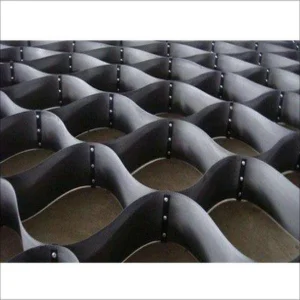
Our extended range of reinforcement geogrids, geomembranes, and drainage systems, designed for infrastructure and environmental projects.
 Hongyue